Trail Overview
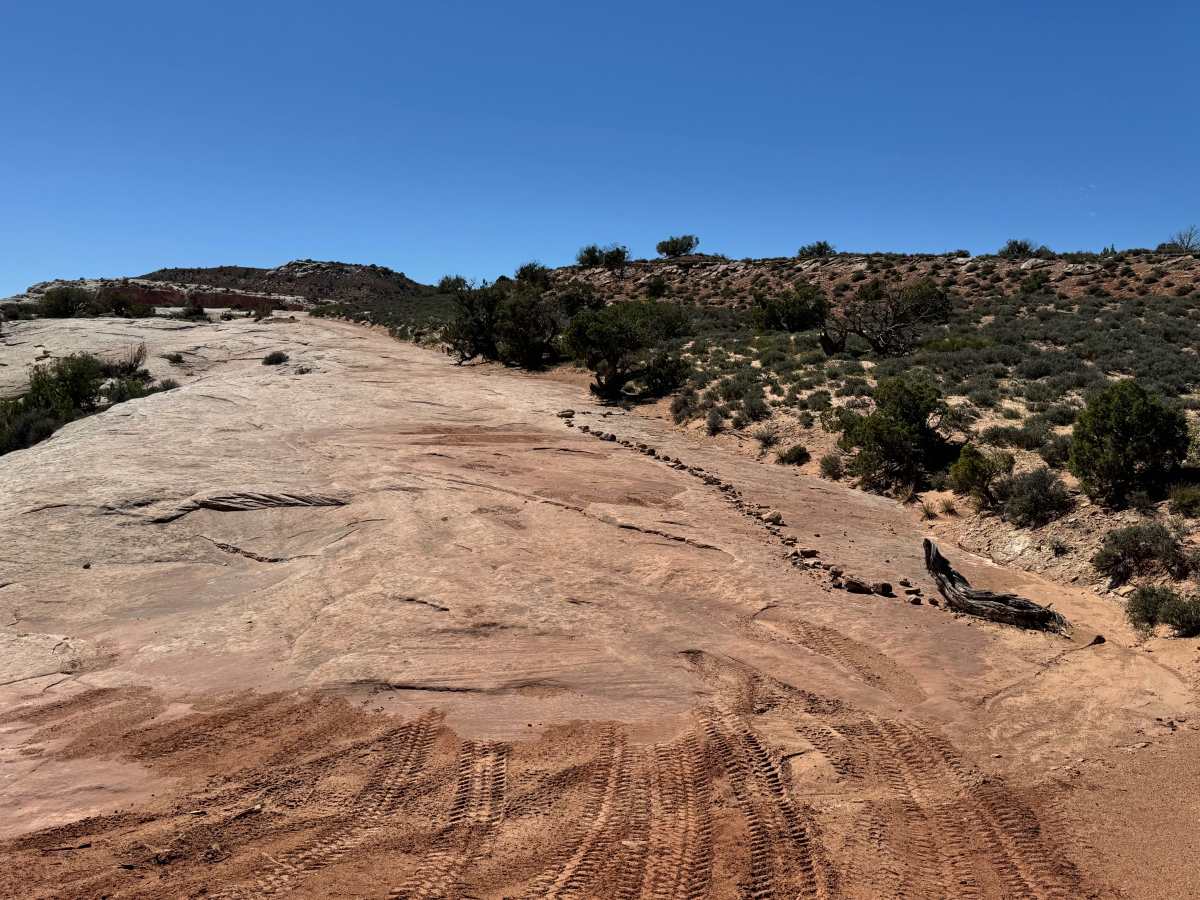
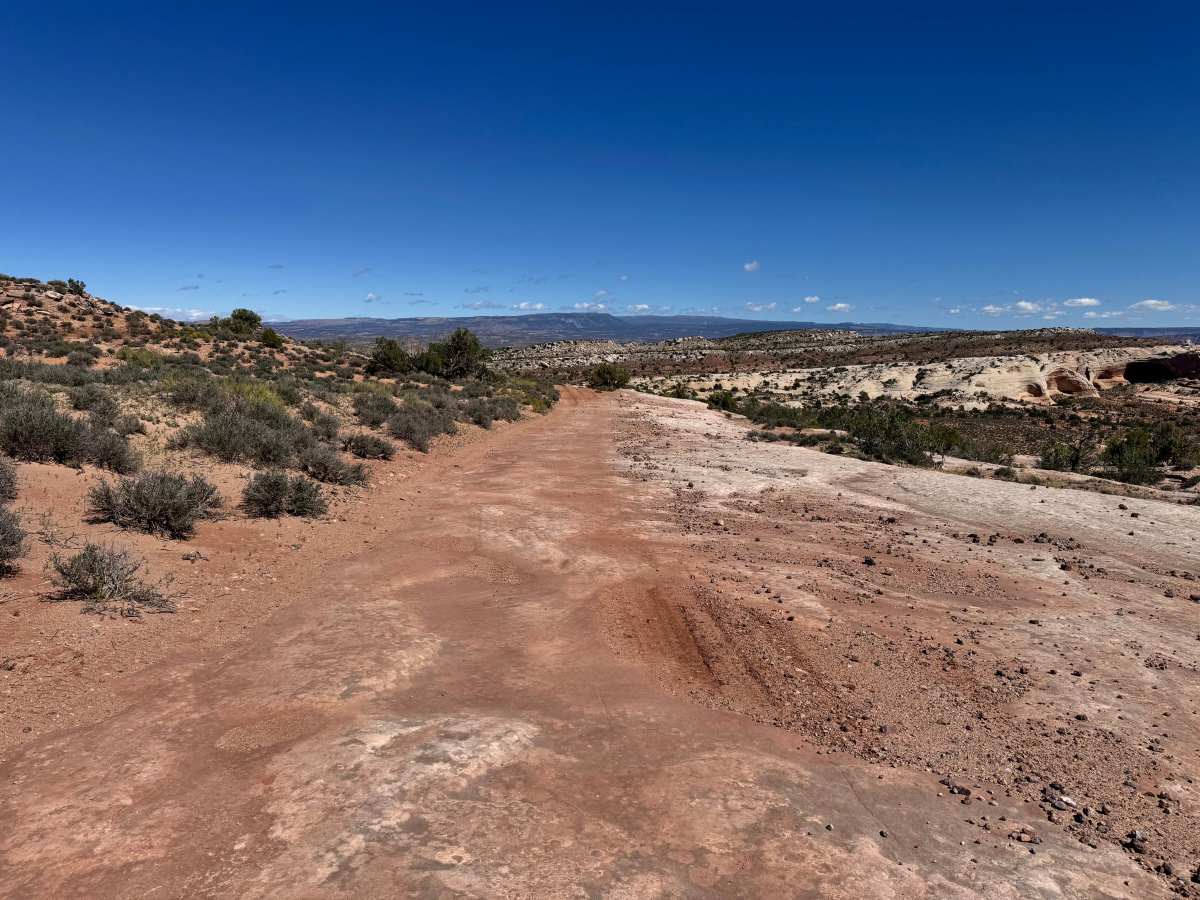
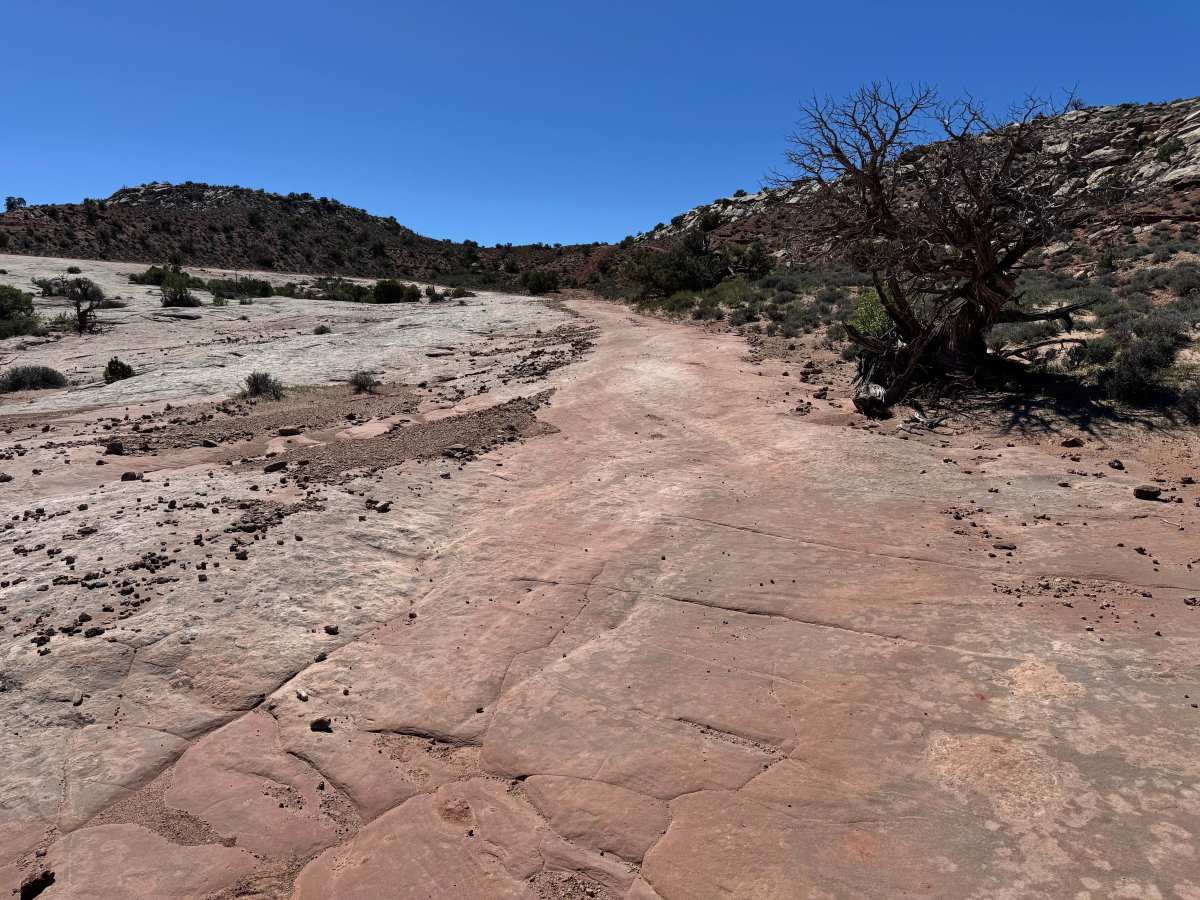
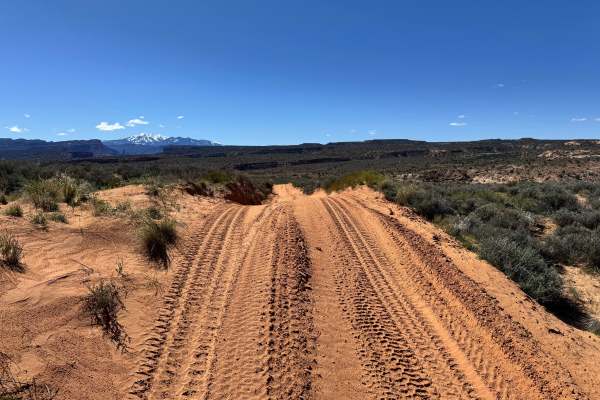
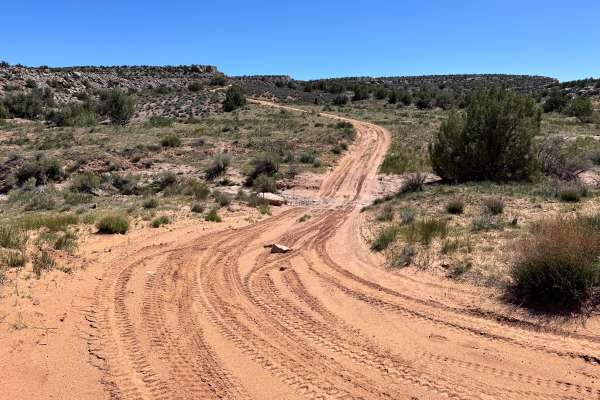
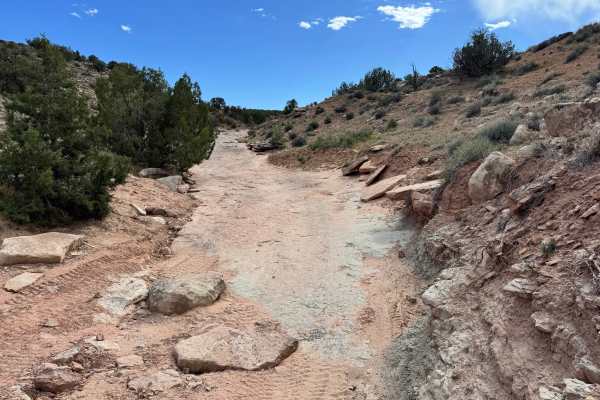
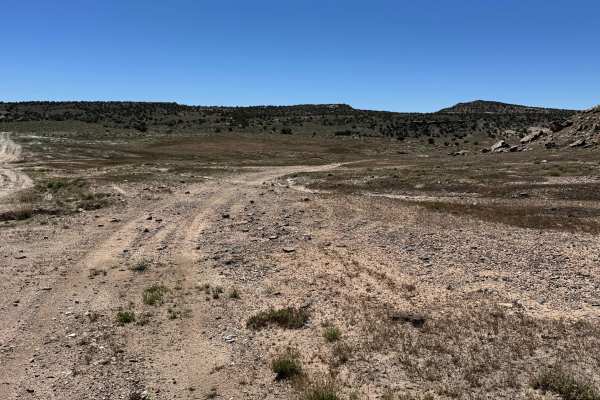
Non-Resident OHV permits apply to ATVs, UTVs, and dirt bikes. Plated street-legal vehicles typically do not need one on legal motorized routes. This route combines scenic desert views with a variety of terrain that keeps the drive interesting from start to finish. Along the way, you will be treated to sweeping vistas of the surrounding sandstone formations, rolling high desert country, and the La Sal Mountains rising in the distance. Surface conditions change often, transitioning between dirt and sand, loose rocky sections, rutted areas, and wide stretches of classic Moab slickrock. The flat slab rock is the most common terrain and usually offers solid traction in dry conditions, but careful tire placement is still important. Watch closely for the painted white lines on the slickrock, as they mark the intended route and help guide you across areas where the trail is not otherwise obvious.
Difficulty
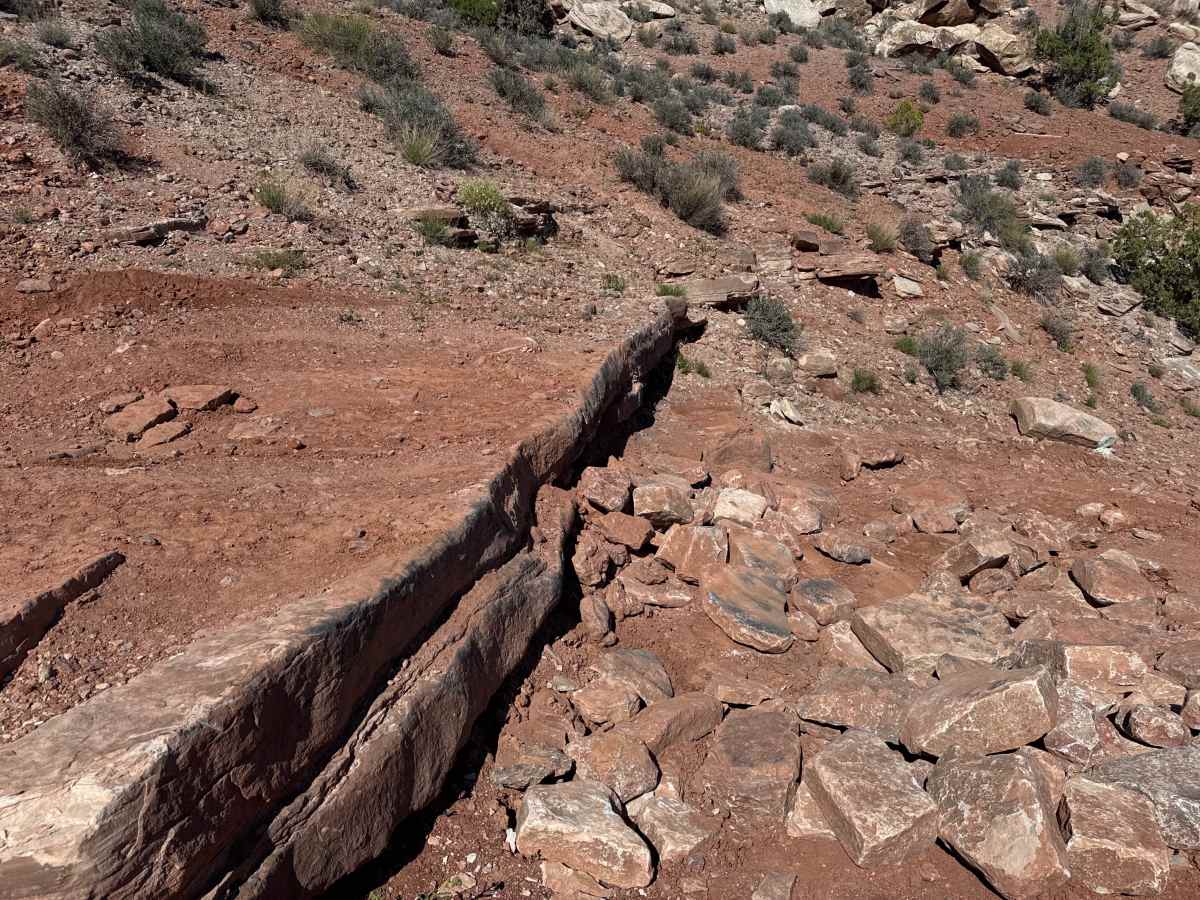
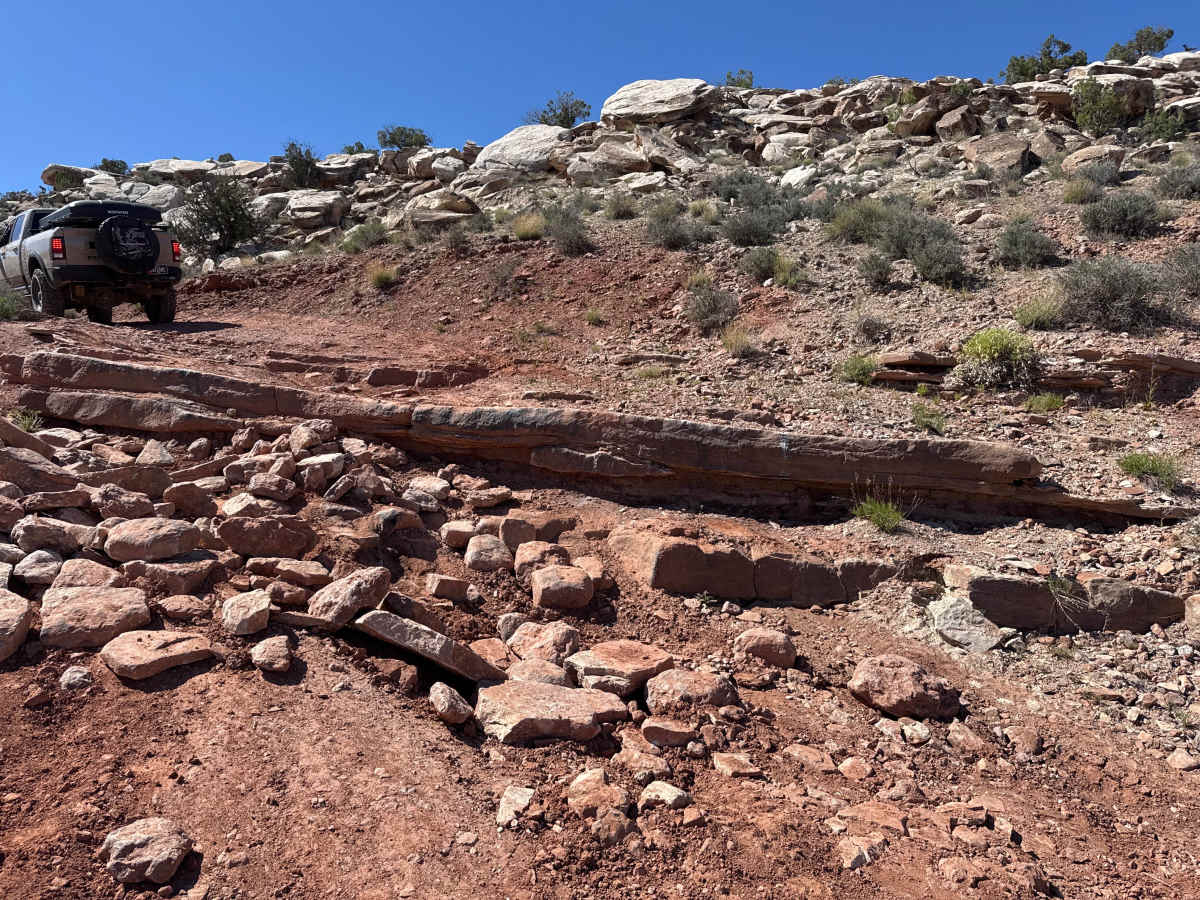
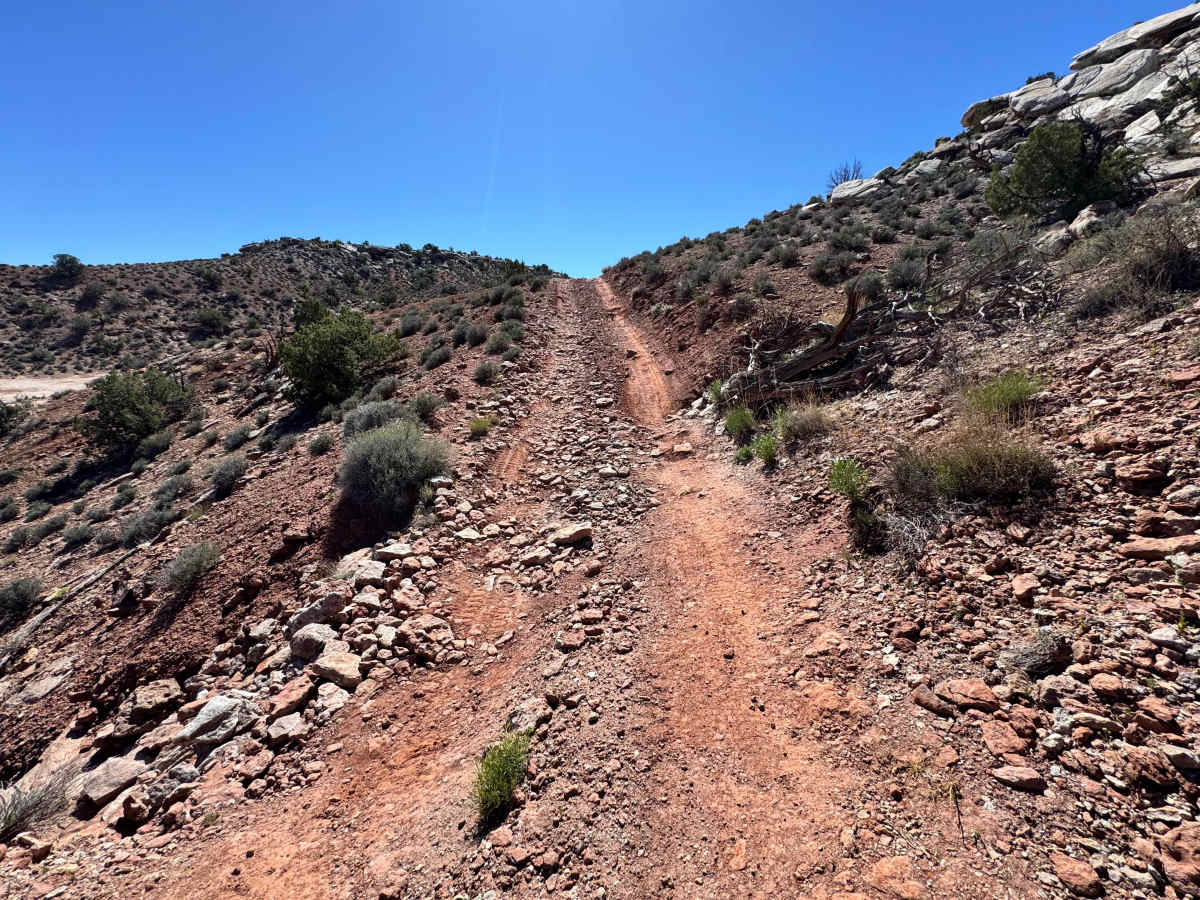
This route steps up in difficulty due to the addition of a steep, rocky off-camber hill climb, a rock ledge obstacle that reaches up to 2 feet tall at its highest point. Drivers will still encounter mixed terrain, including sand, loose rock, ruts, and broad slickrock sections where traction can vary depending on tire condition and line choice. The hill climb may require momentum, careful throttle control, while the ledge can challenge breakover angle, clearance, and driver confidence. Painted white rectangles on the slickrock are important to follow where the trail path is not obvious. High-clearance 4WD is strongly recommended, with good tires and 4lo range. In wet conditions, difficulty can increase quickly.
History
Dome Plateau sits within a region shaped by erosion, mining history, and early backcountry travel routes outside Moab. Today, the trail system is popular with off-road travelers looking to experience classic red rock scenery beyond the busier in-town trails.