Trail Overview
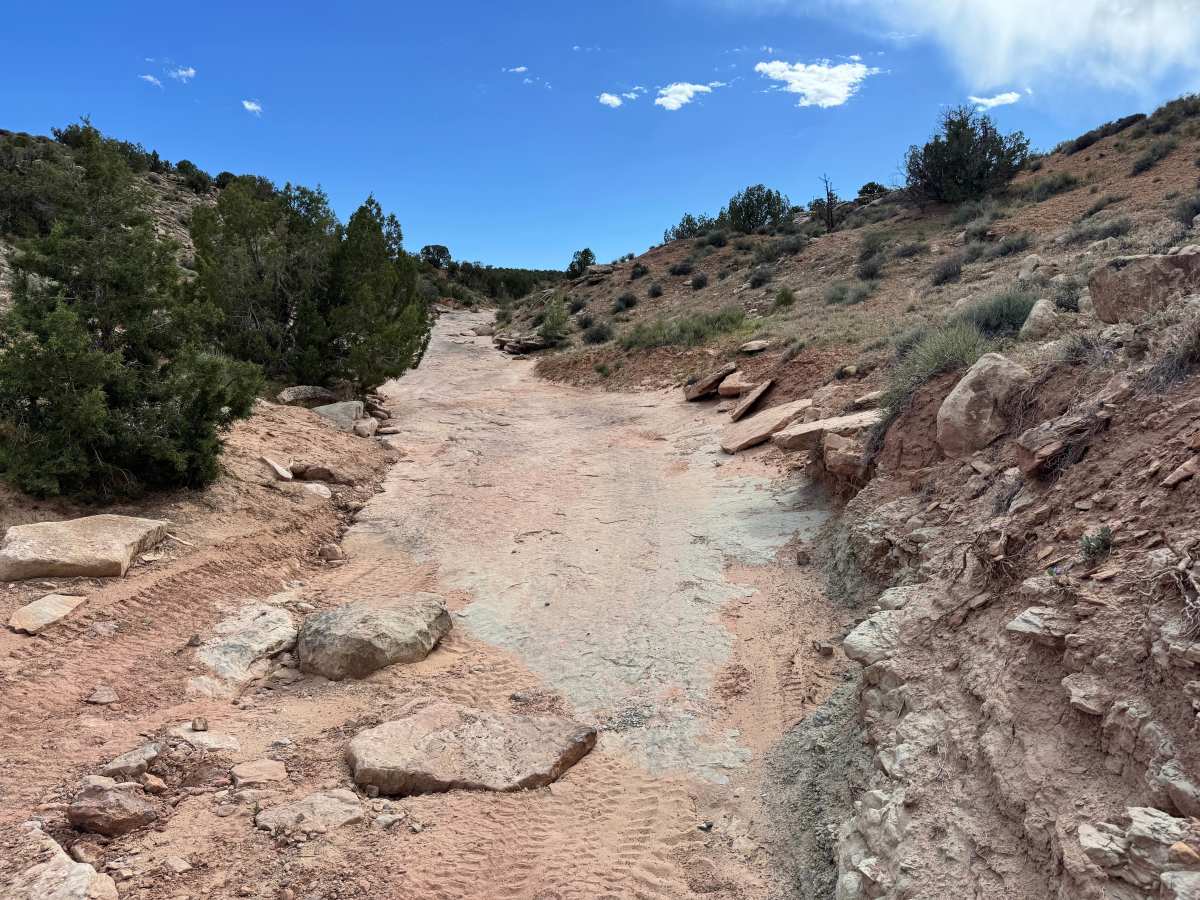
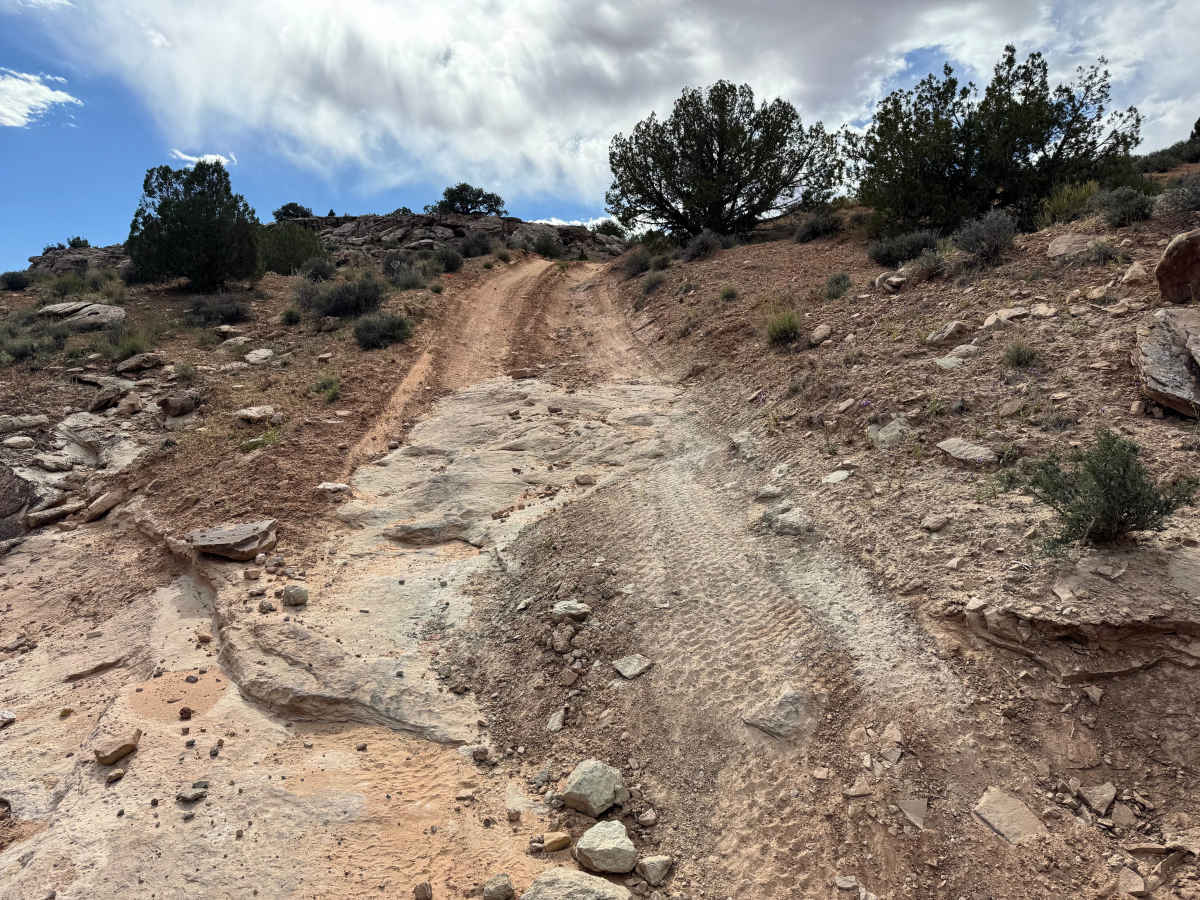
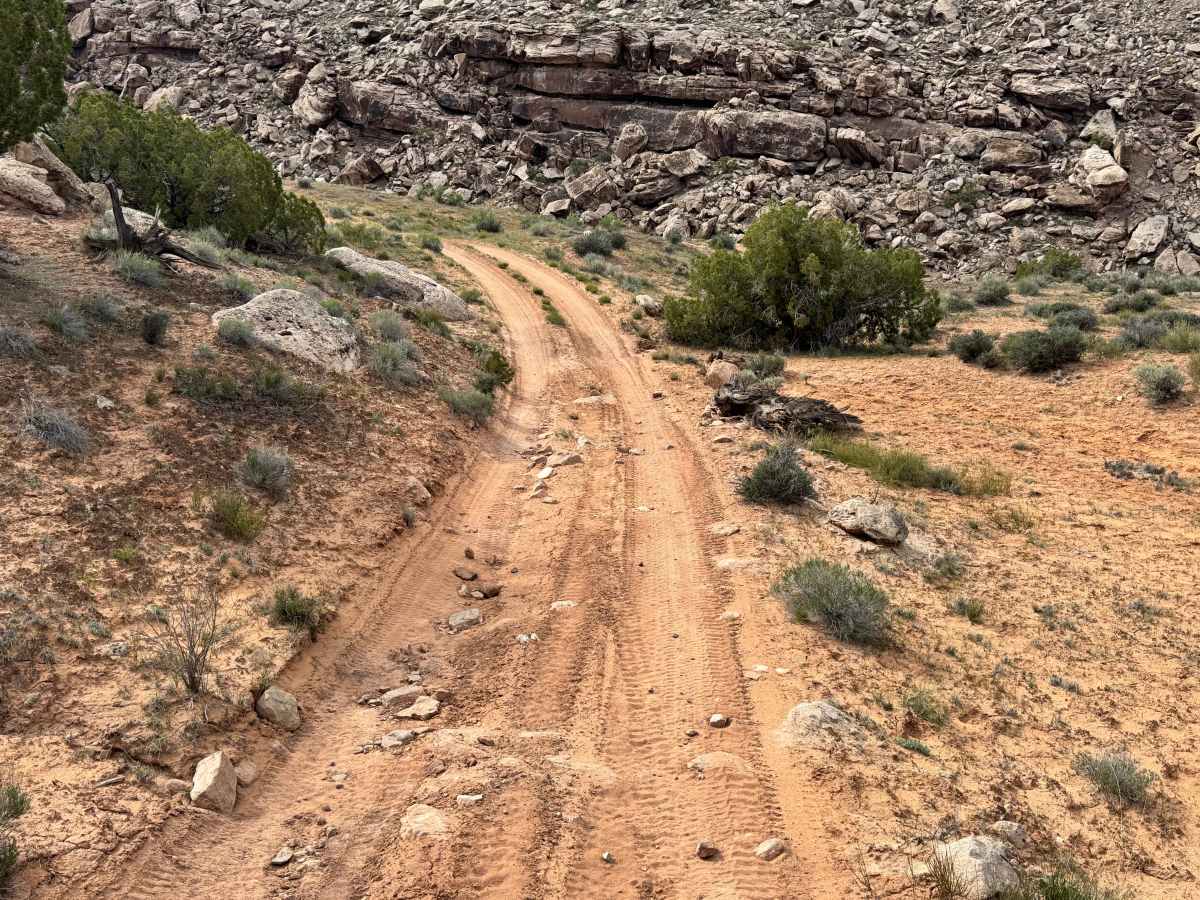
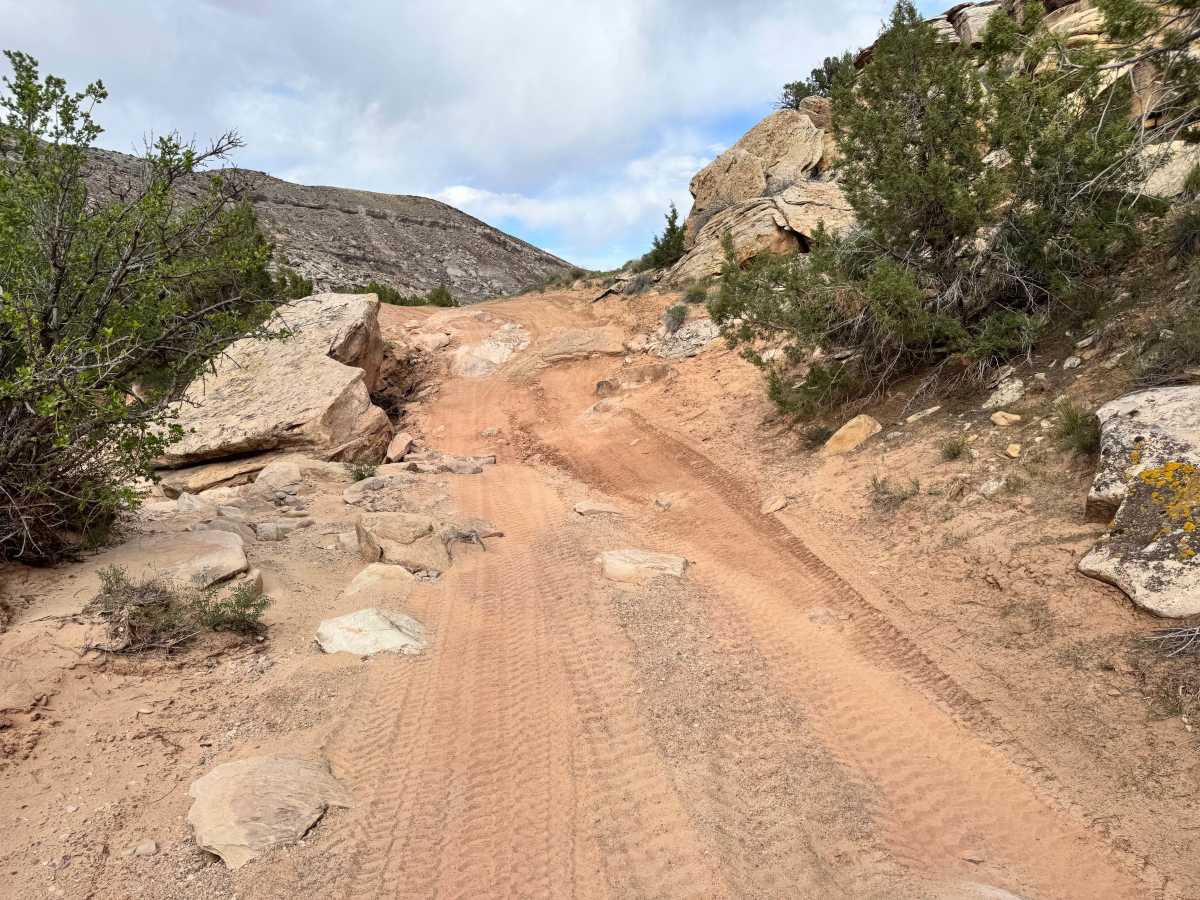
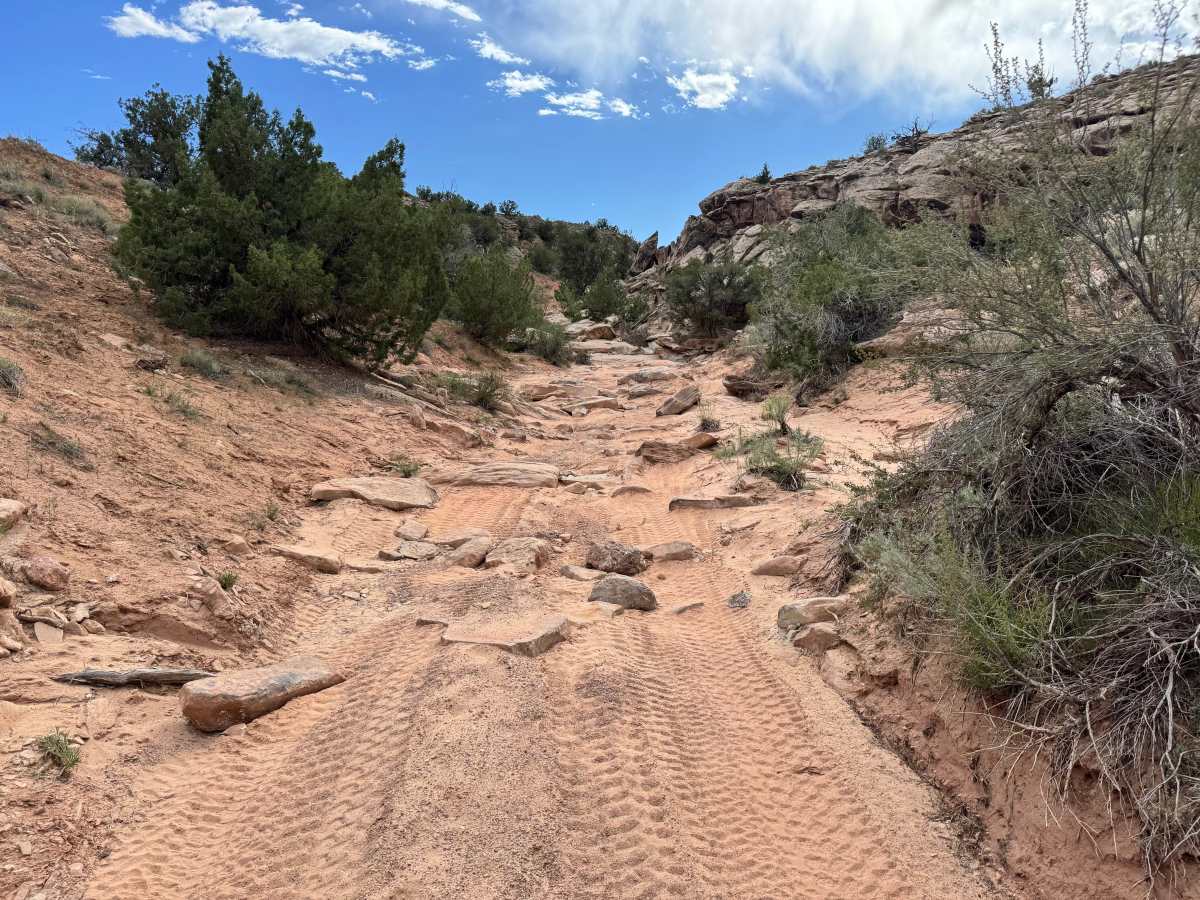
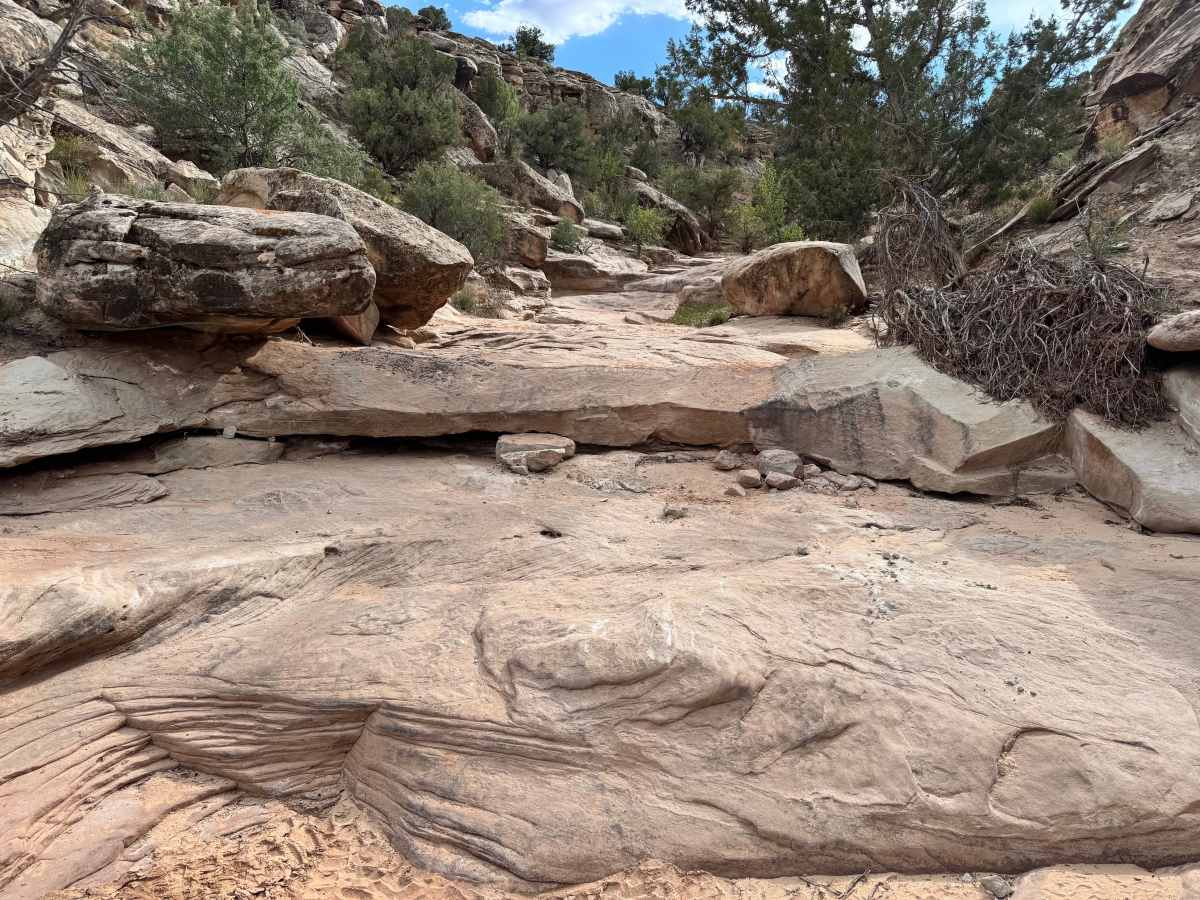
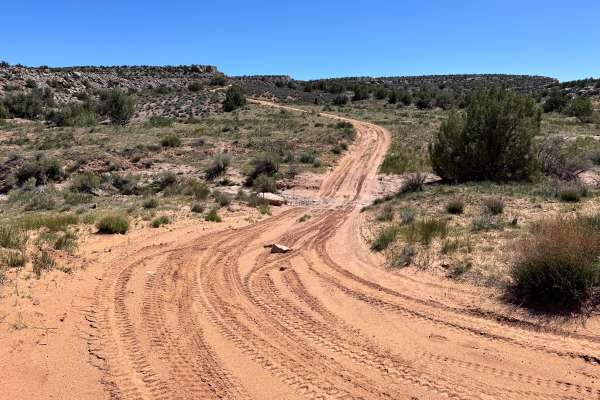
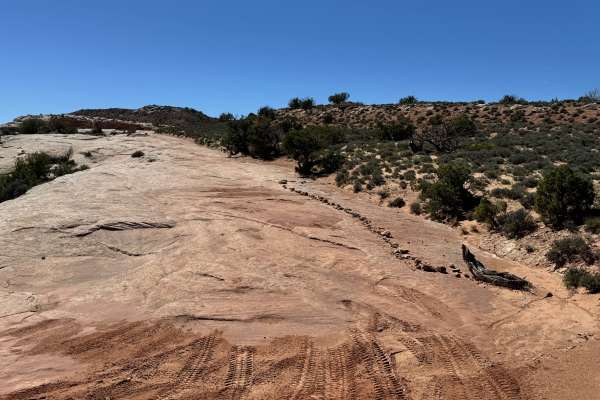
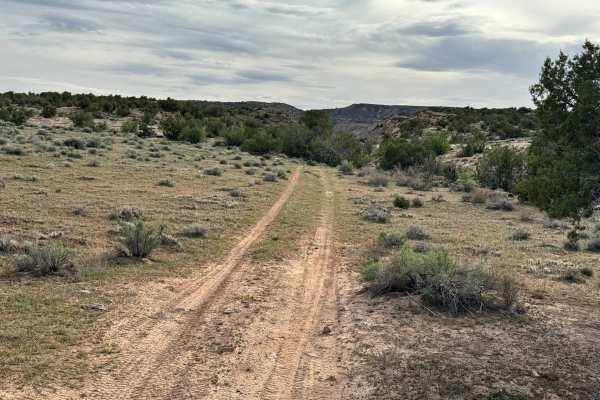
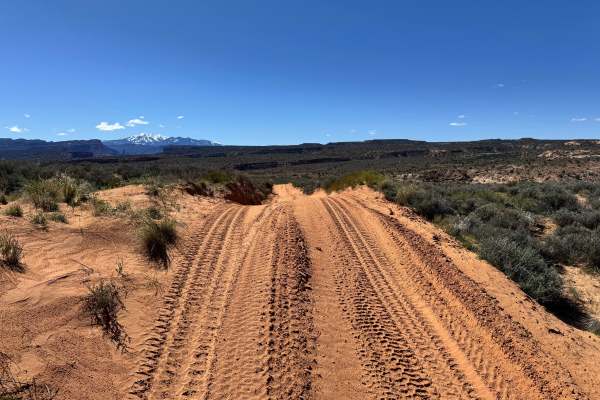
This trail delivers a great mix of terrain and becomes much more interesting as you progress. The route begins in a sandy wash section that feels fairly mild and straightforward, making for an easy warmup before the real obstacles begin. After climbing out of the wash, the trail transitions into a fun rock crawling section with ledges ranging from two to three feet tall. Careful tire placement is important here, as several holes and pockets in the slickrock can swallow a tire unexpectedly, which may lead to body damage, suspension contact, or broken components if approached carelessly. A spotter can be very helpful in this section. Once through the technical rock obstacles, the trail mellows out considerably and returns to a mostly dirt-based surface with lighter challenges. This makes it a rewarding route that offers a taste of technical driving without being difficult the entire way.
Difficulty
This trail begins with an easy sandy wash, but the main obstacle section increases the challenge quickly. Expect 2–3 foot rock ledges, holes that can catch tires, and lines that require careful tire placement to avoid underbody or body damage. After the rock crawling section, the trail becomes much easier with mostly dirt terrain and minor obstacles. Recommended: High-clearance 4x4, 4lo range, skid plates, and 35-inch tires with a 2.5-inch lift.
History
The Dome Plateau region has long been used for travel, ranching, and resource access. Nearby areas such as Yellow Cat and Poison Strip became known for vanadium and uranium mining, and many modern routes follow older access roads tied to that history. Today, the area remains one of Moab’s classic scenic backcountry trail systems.