Trail Overview
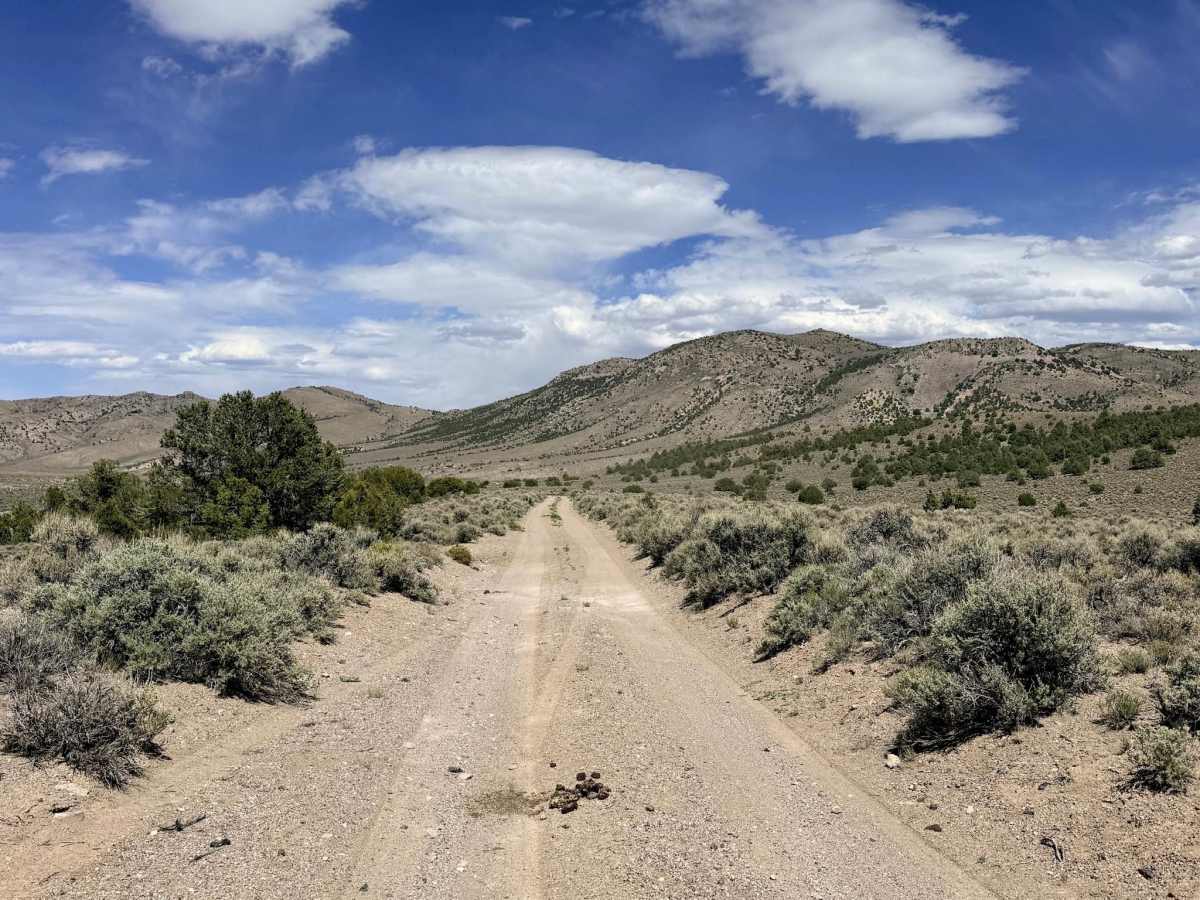
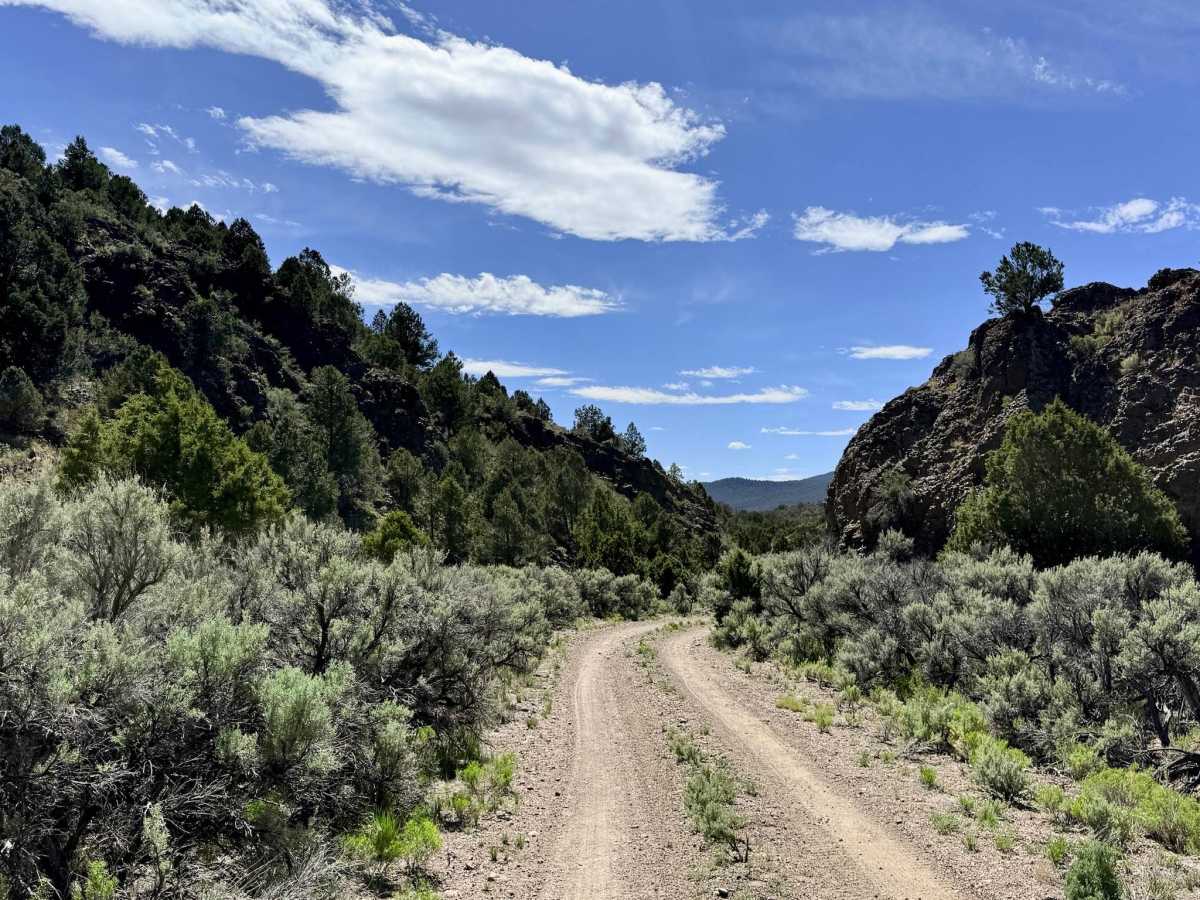
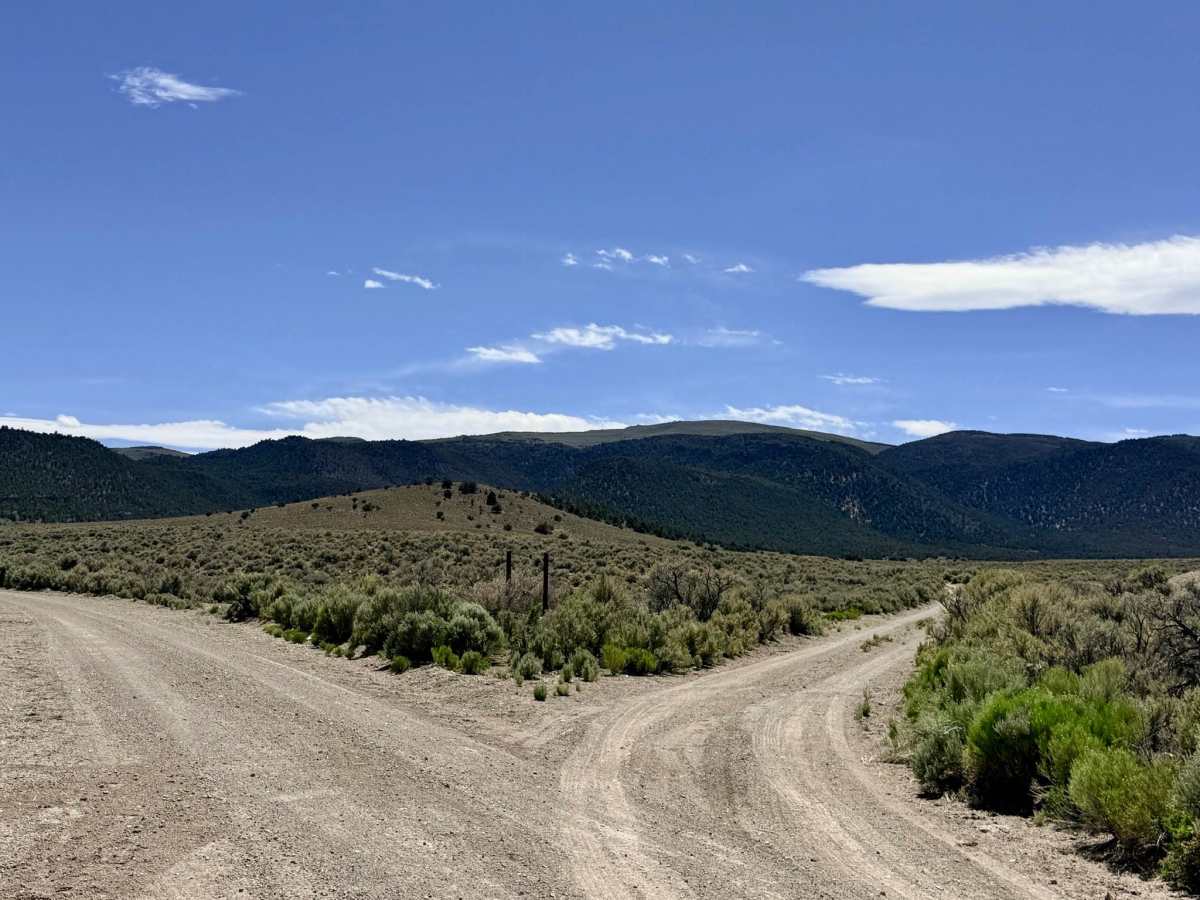
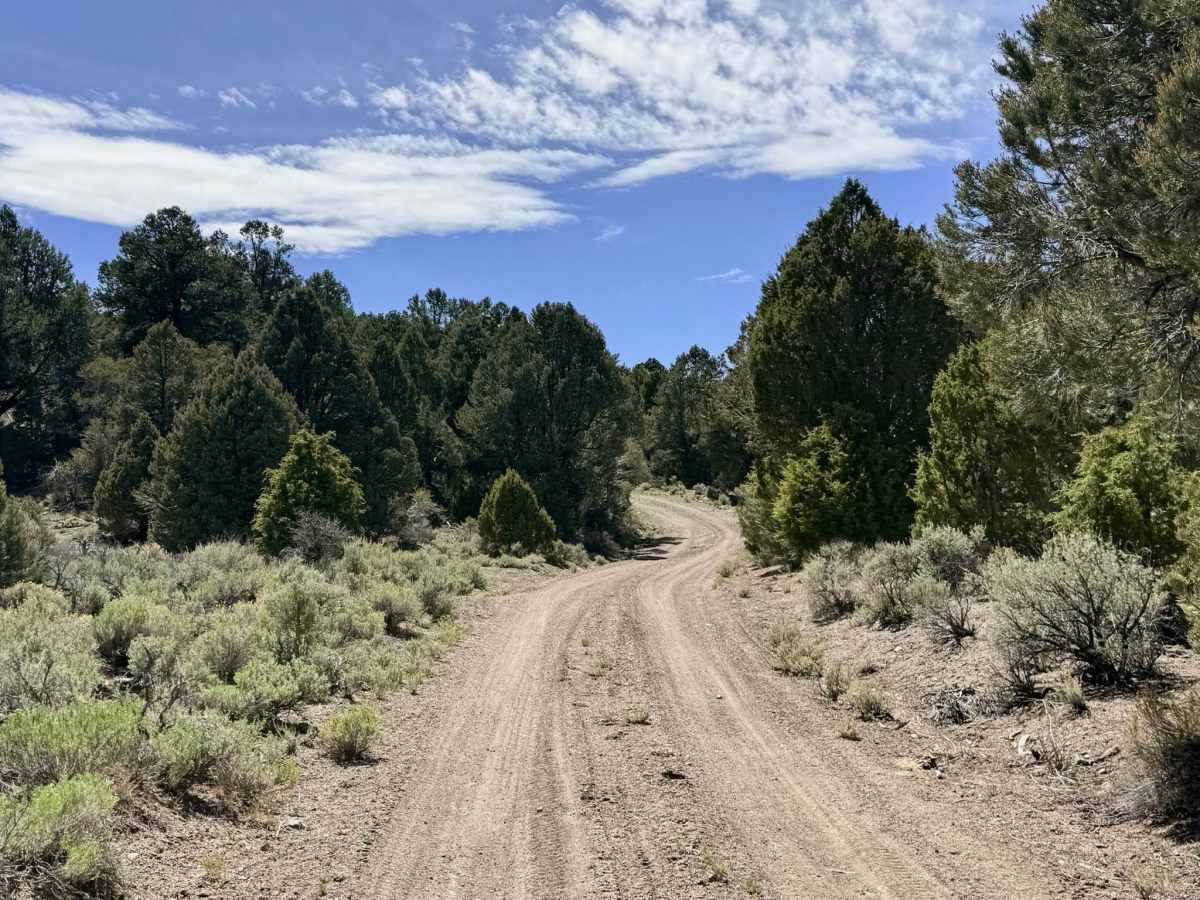
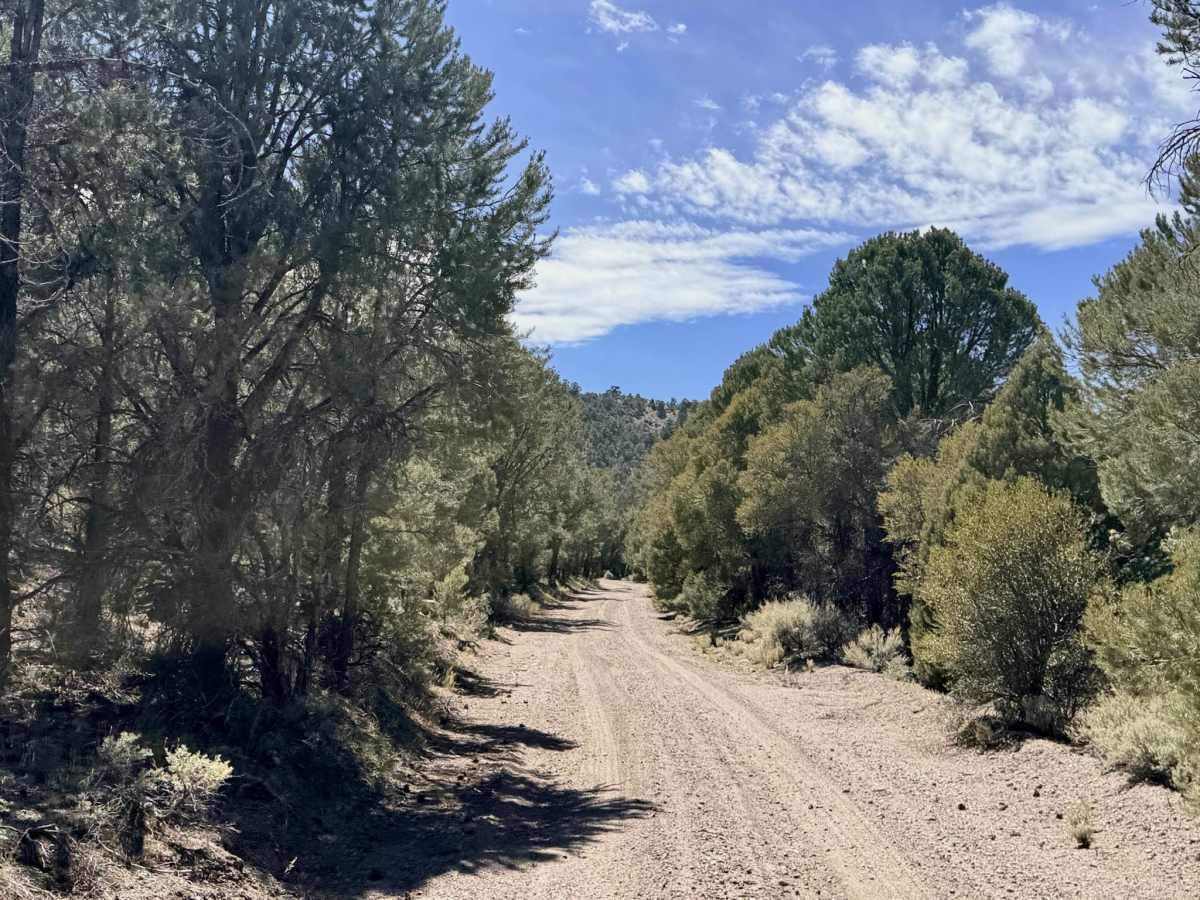
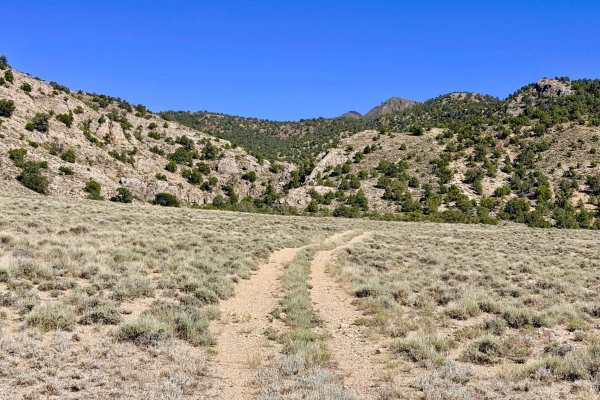
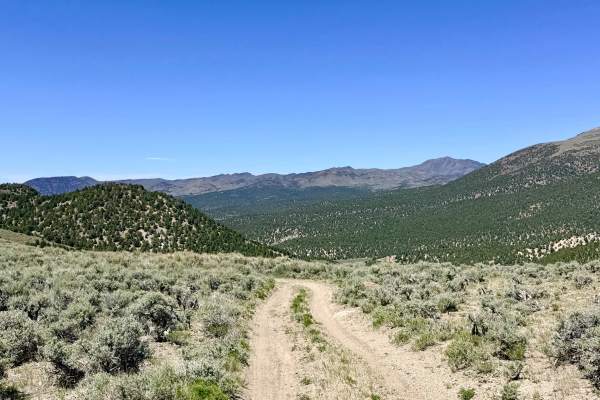
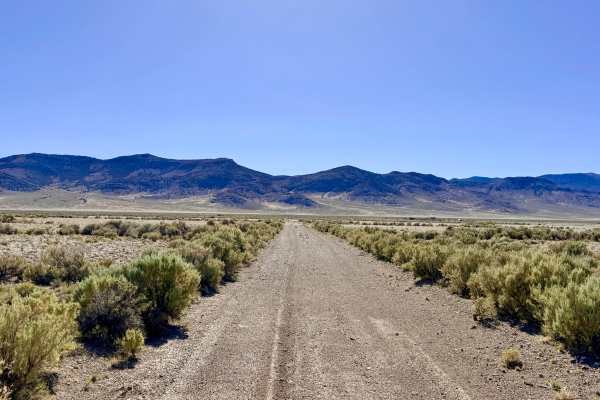
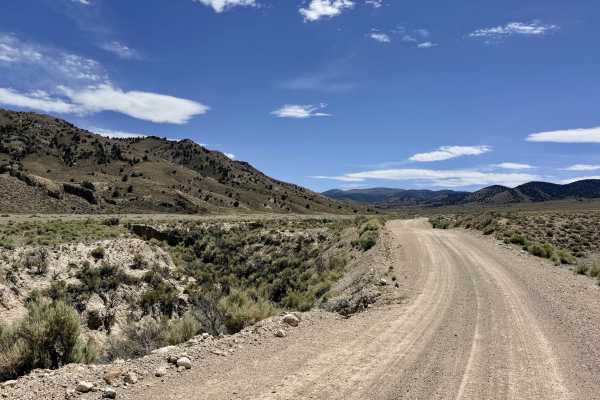
White Sage is a rewarding and visually diverse trail that carries explorers directly over the crest of the mountain range. This route is a quintessential Nevada "saddle crossing," offering a dramatic transition between the high-desert basins. The trail begins in wide-open fields of aromatic sagebrush before ascending into a cool, fragrant forest of Pinyon Pine and Juniper as you reach the upper elevations. Once you crest the saddle, the landscape opens up again, dropping you back into the vast "white sage" flats on the opposite side. The summit of this trail acts as a central "hub" for a sprawling spiderweb network of smaller two-tracks that branch off in nearly every direction. While many of these are short out-and-back spurs, they often lead to spectacular, secluded campsites with unobstructed views of the surrounding Great Basin. The driving is generally straightforward but requires a vigilant eye for terrain changes. Keep your binoculars ready; the high-altitude meadows near the saddle are prime habitat for Sage Grouse, and you are likely to see cattle grazing throughout this active open-range corridor.
A high-clearance 4x4 or a capable SUV is recommended. While much of the trail is easy, the deep washouts on the curves and the technical ruts near the summit require the clearance and traction of a dedicated off-road vehicle. Expect zero cell service for the duration of this trail. The high mountain saddle and deep canyons create a total signal dead zone. Download offline maps before leaving the Austin or Highway 50 corridor.
Difficulty
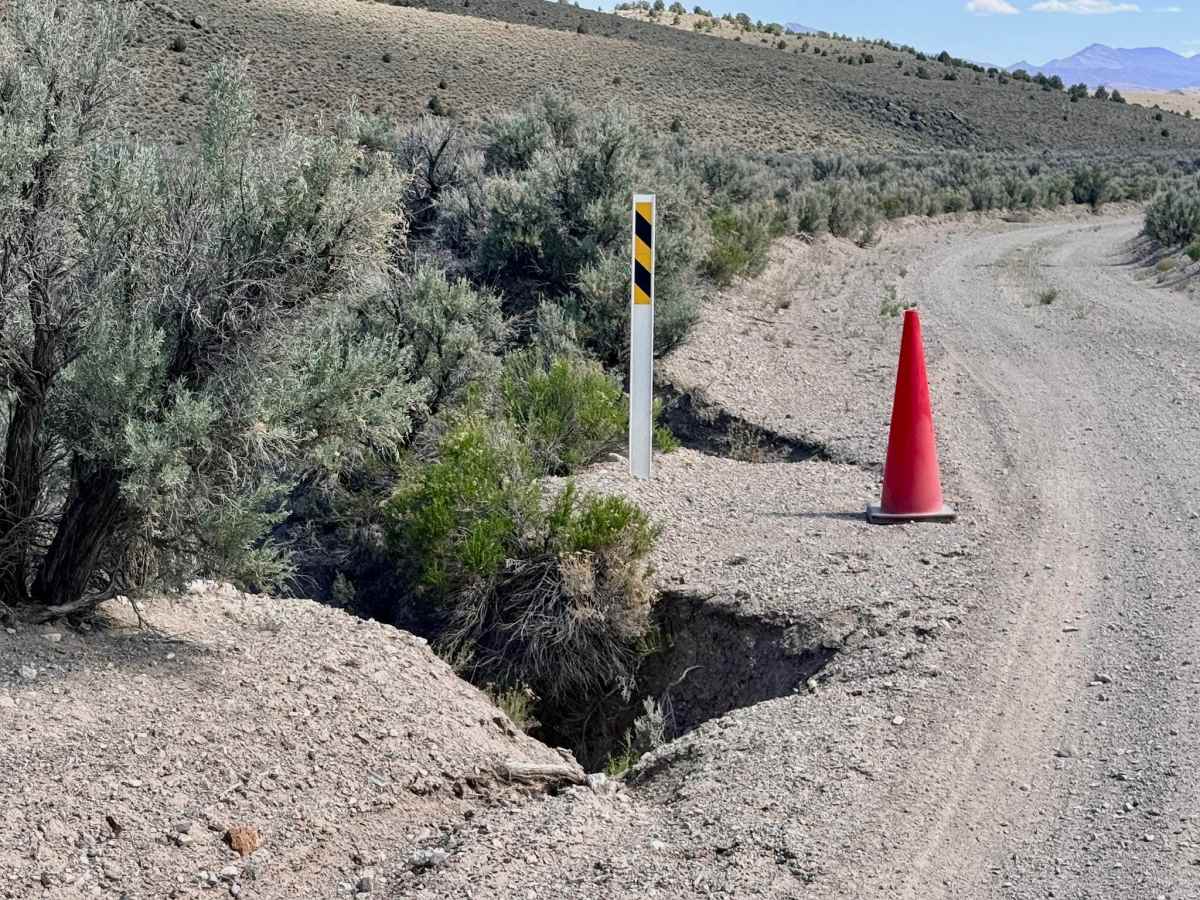
Rated a 3 due to the narrow nature of the track and significant rutting. Drivers should use extreme caution on the southwest side of the trail; the inside of several corners features deep washouts that are large enough to swallow a tire. While some of these hazards were marked with cones at the time of recording, others were not. Maintain a slow speed on all blind curves. Deep ruts indicate this trail can become exceptionally muddy and potentially impassable during the spring thaw or after heavy summer rains. Avoid travel if the ground is saturated to prevent getting stuck or damaging the trail. The forest sections are narrow. Expect unavoidable contact with branches if you are in a full-size vehicle.
History
The name "White Sage" is a tribute to one of the most important plants in Nevada’s history: Winterfat (often called White Sage). In the late 1800s, this high-protein shrub was the "superfood" of the desert, providing essential winter forage that allowed the massive 20-mule teams and ranching herds to survive the brutal winters of the Great Basin. This trail likely follows the same historical corridors used by 19th-century "buckaroos" and Shoshone hunters who navigated these high saddles to move between the productive valley floors.