Trail Overview
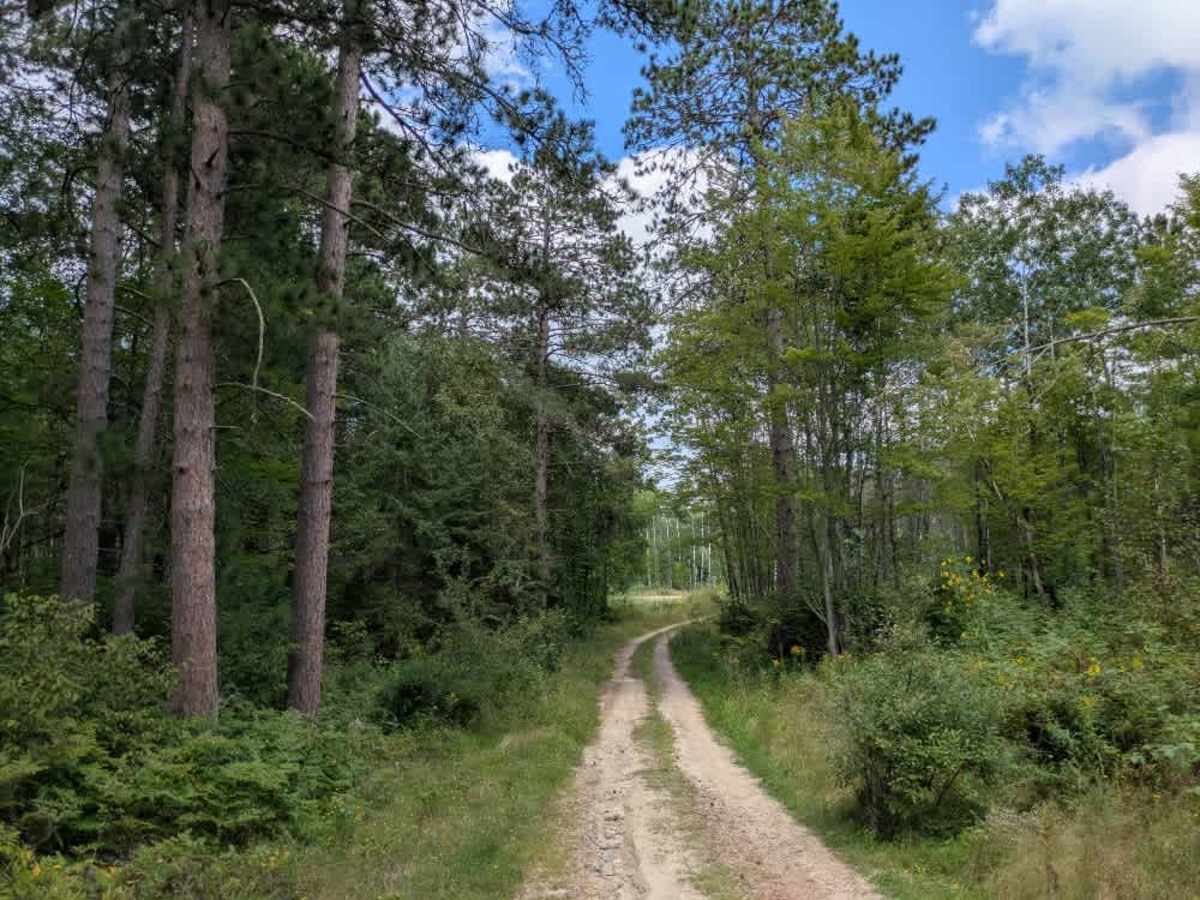
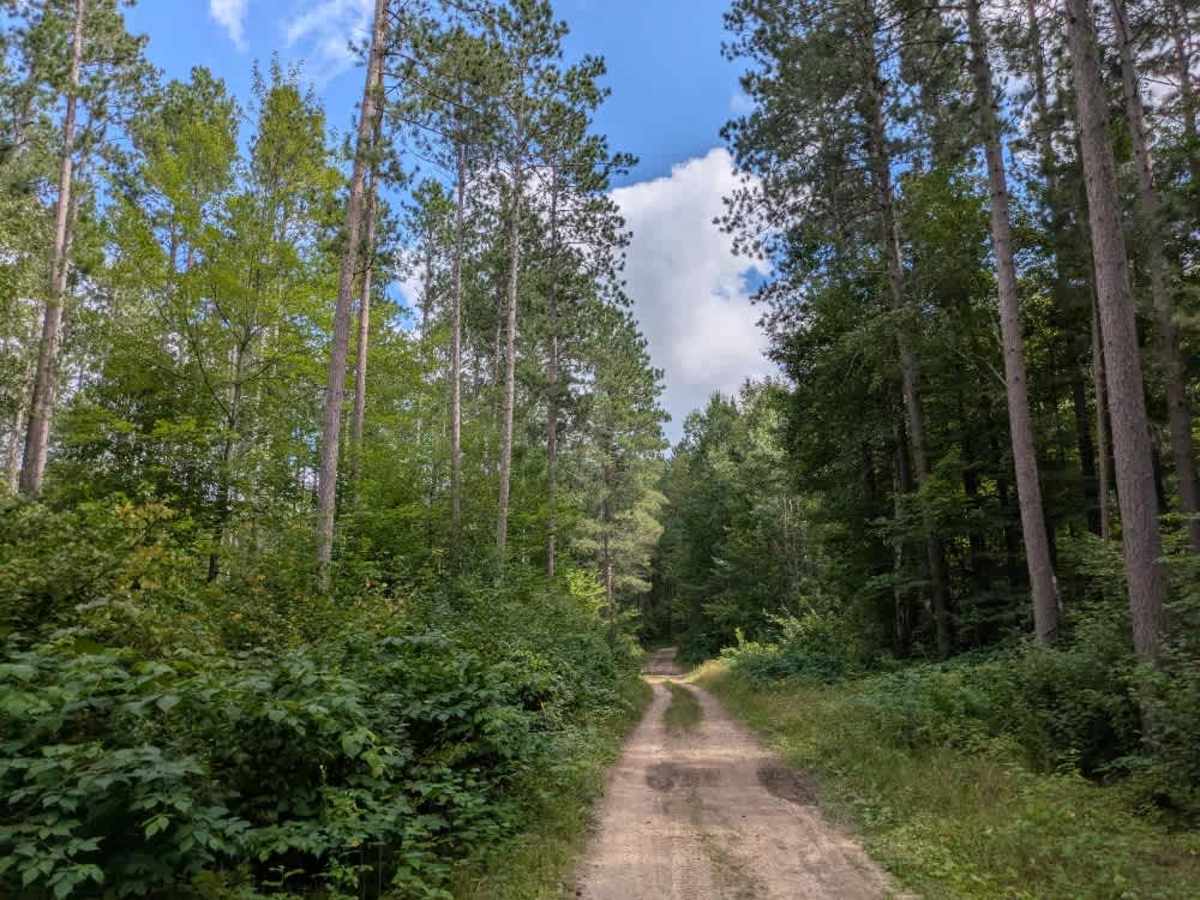
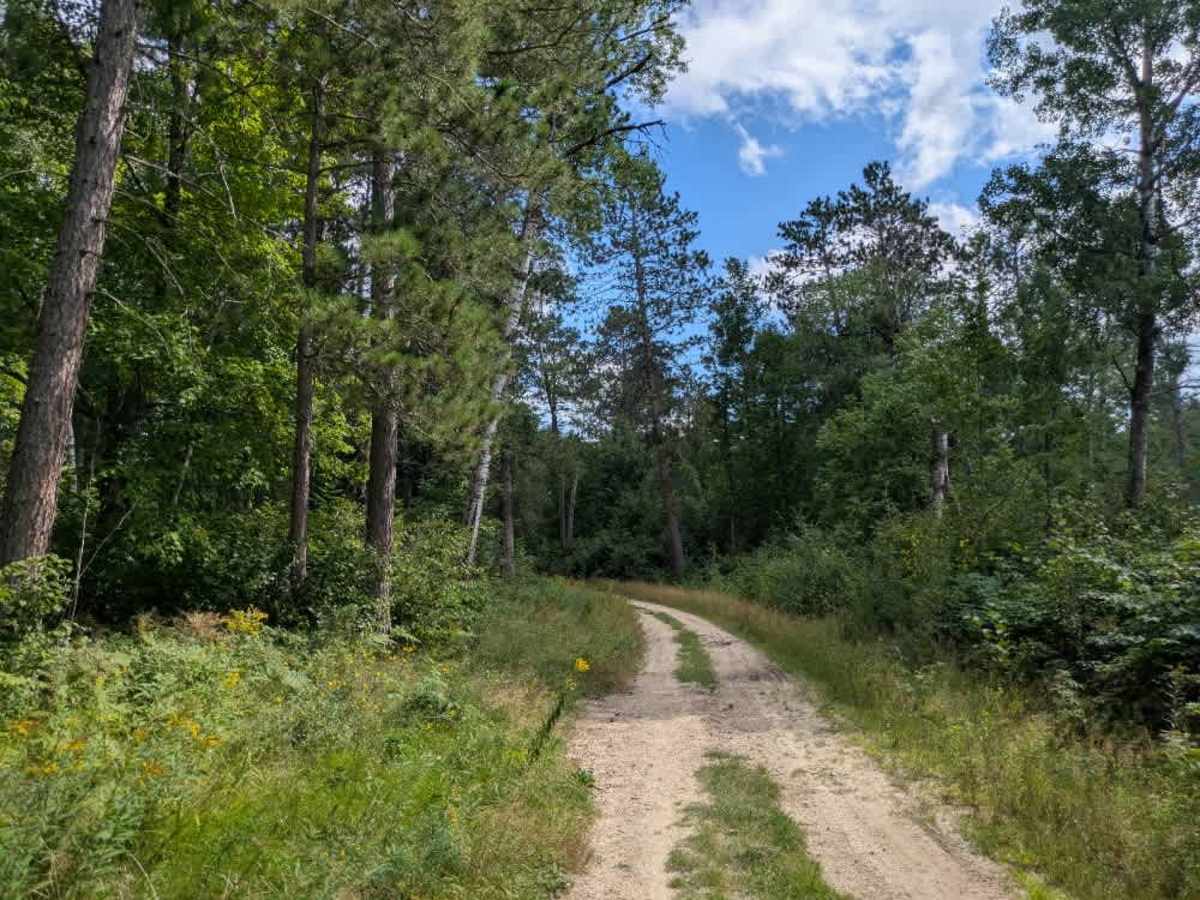
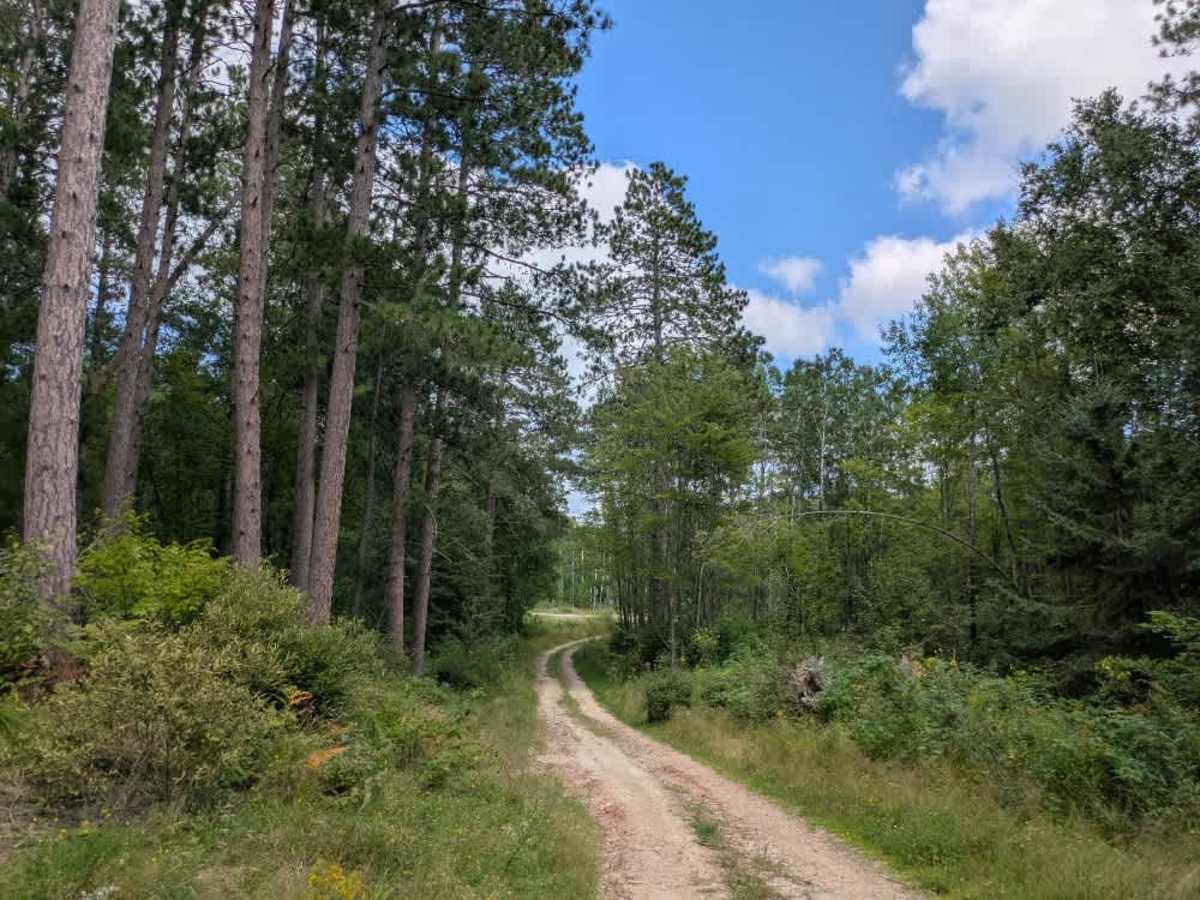
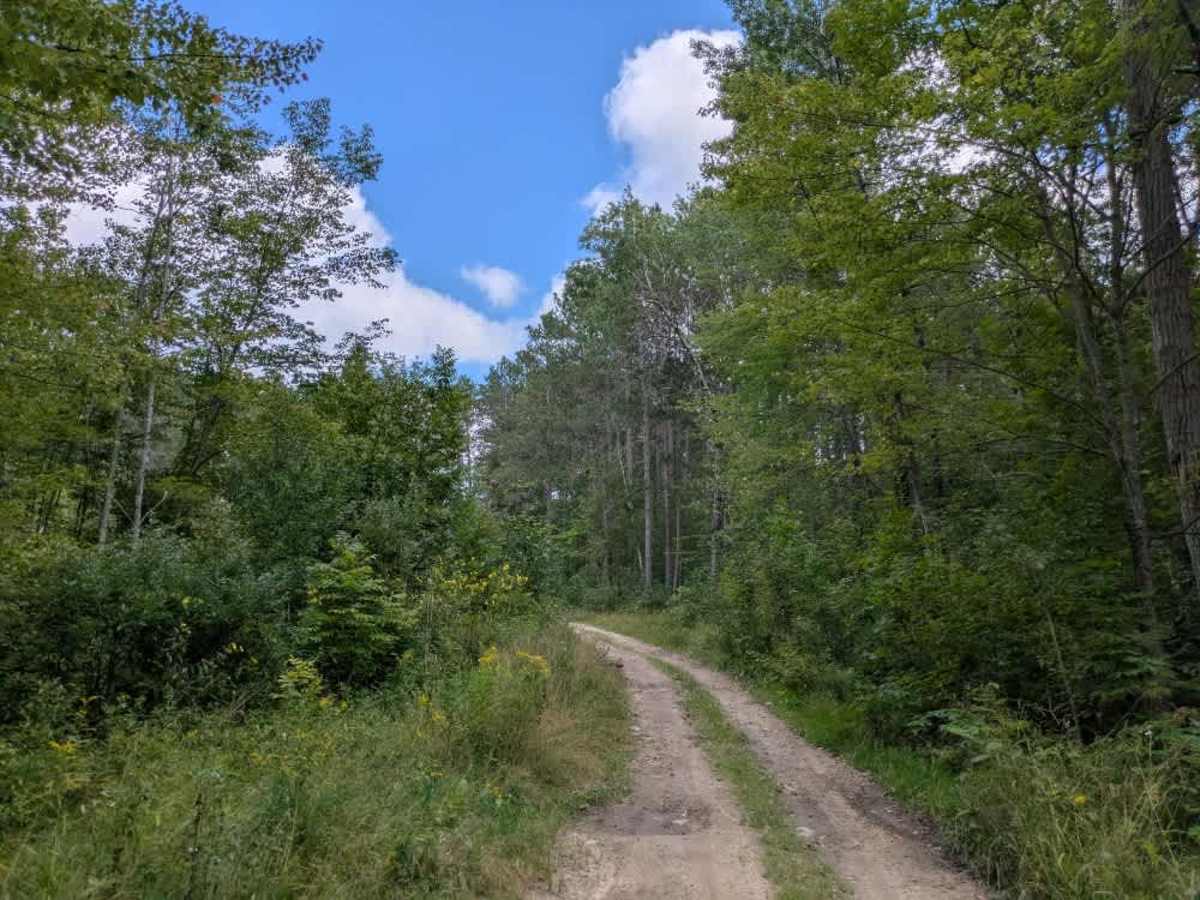
The northern side of Loon Lake Trail is quite different in character from the southern section and is generally considered a moderate route, rated around a two or three in difficulty. The surface is made up mostly of sand, which becomes thick and soft in several places, with only small amounts of gravel mixed in. The trail includes steep ascents and descents that can be challenging, especially where ruts and holes have formed from erosion and use. A fallen tree lies across part of the trail, and beside it runs a deep ditch that requires careful maneuvering to pass safely. Despite these obstacles, the surrounding forest makes the drive enjoyable, with tall trees providing shade and occasional openings into small clearings along the way. Overall, the northern stretch of Loon Lake Trail offers a rougher and more technical drive through forested terrain, best suited to those comfortable navigating sand, ruts, and uneven ground.
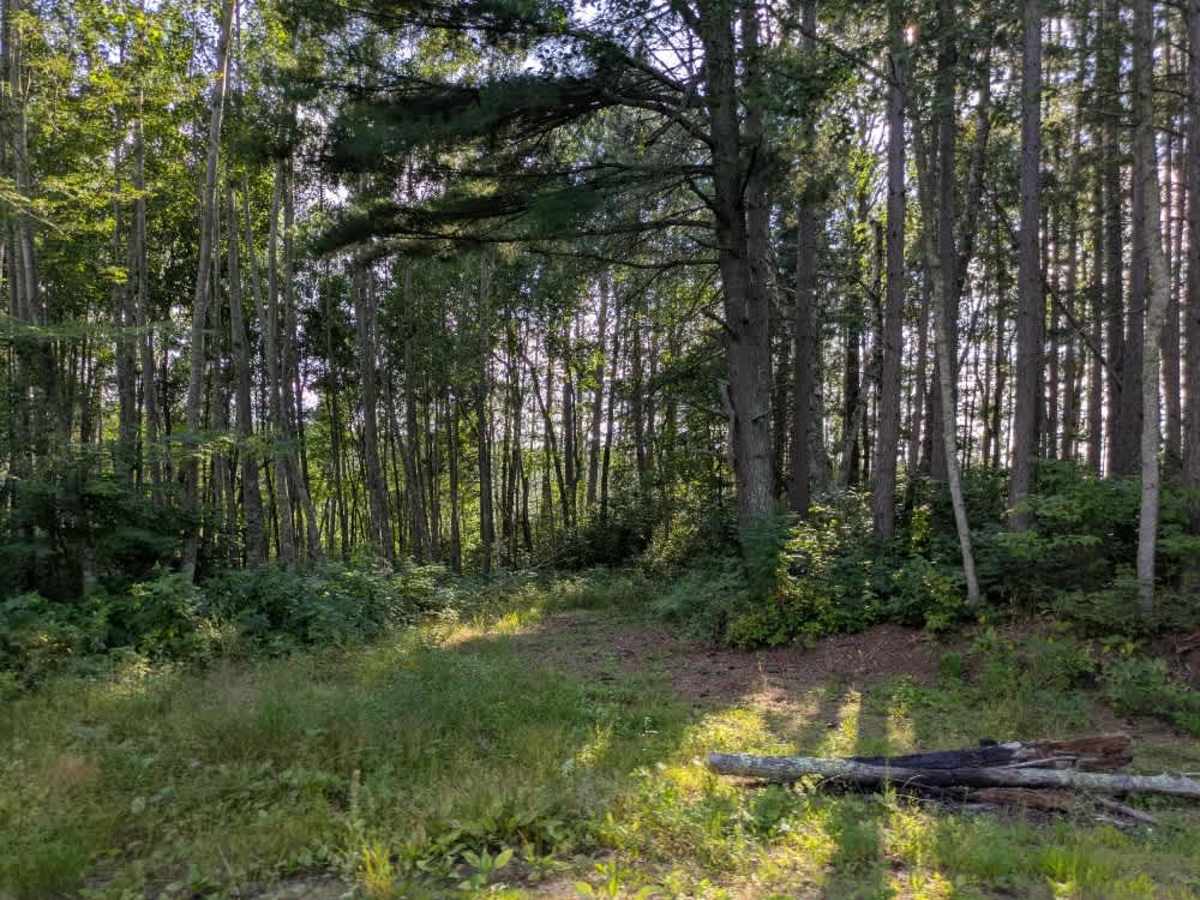
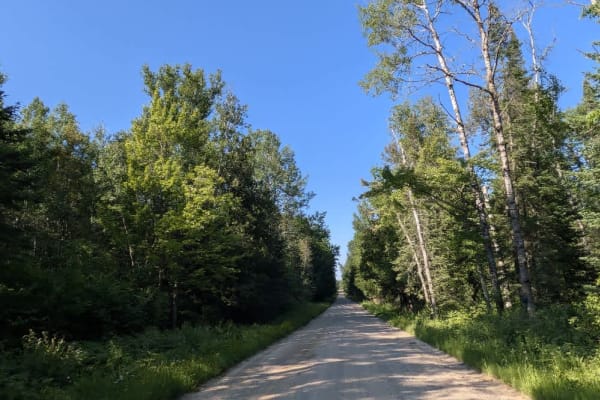
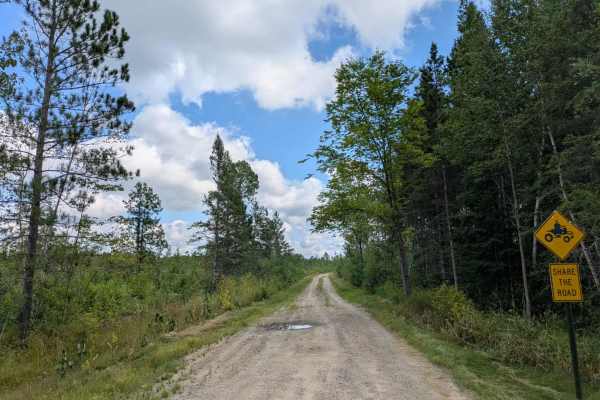
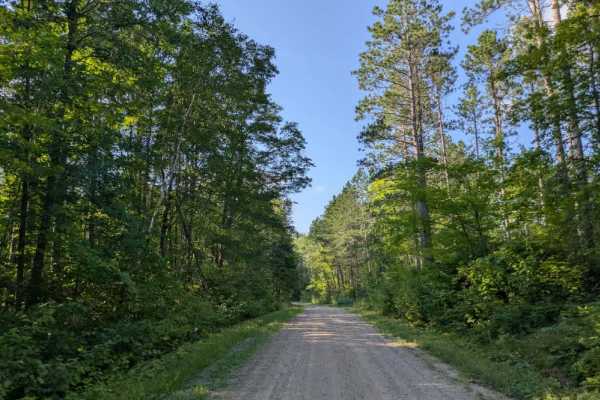
The southern side of Loon Lake Road follows a narrow single-vehicle track made up of gravel, sand, and stretches of mud. It winds steadily through a forested landscape, featuring a series of ascents and descents that provide some variation without becoming overly technical. The surface is uneven in places, and after rain, the muddy sections can be more challenging to manage. However, under normal conditions, it remains a manageable route for most off-road capable vehicles. There is one notable clearing along the way that provides access to the water, offering a brief break in the otherwise wooded surroundings. Beyond this point, the trail continues without any side tracks or offshoots, keeping the route straightforward from start to finish. It eventually leads out to the paved State 6 NE, making it a simple connector between the forest and the main road. This makes the trail best suited for a short drive to access the water or as a connector to State 6 NE rather than as a destination for extended stays. The trail does not provide any dispersed campsites, and there are no amenities such as trash disposal or potable water. Cell phone service may be limited or unavailable.
Difficulty
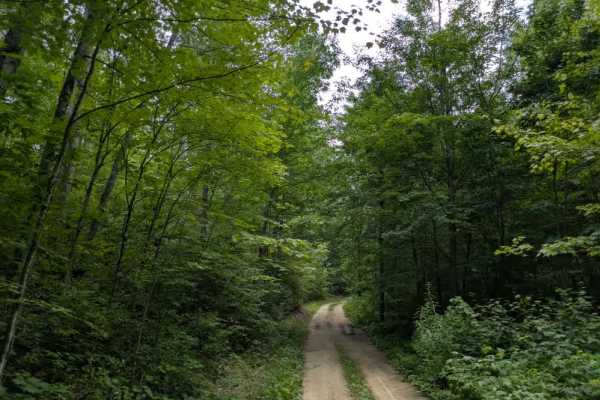
The trail is maintained but can develop light overgrowth between trims, especially in the summer months. Commonly used by local OHV traffic, the path remains visible and passable, though branches and low brush may occasionally encroach.

 Offroad