Trail Overview
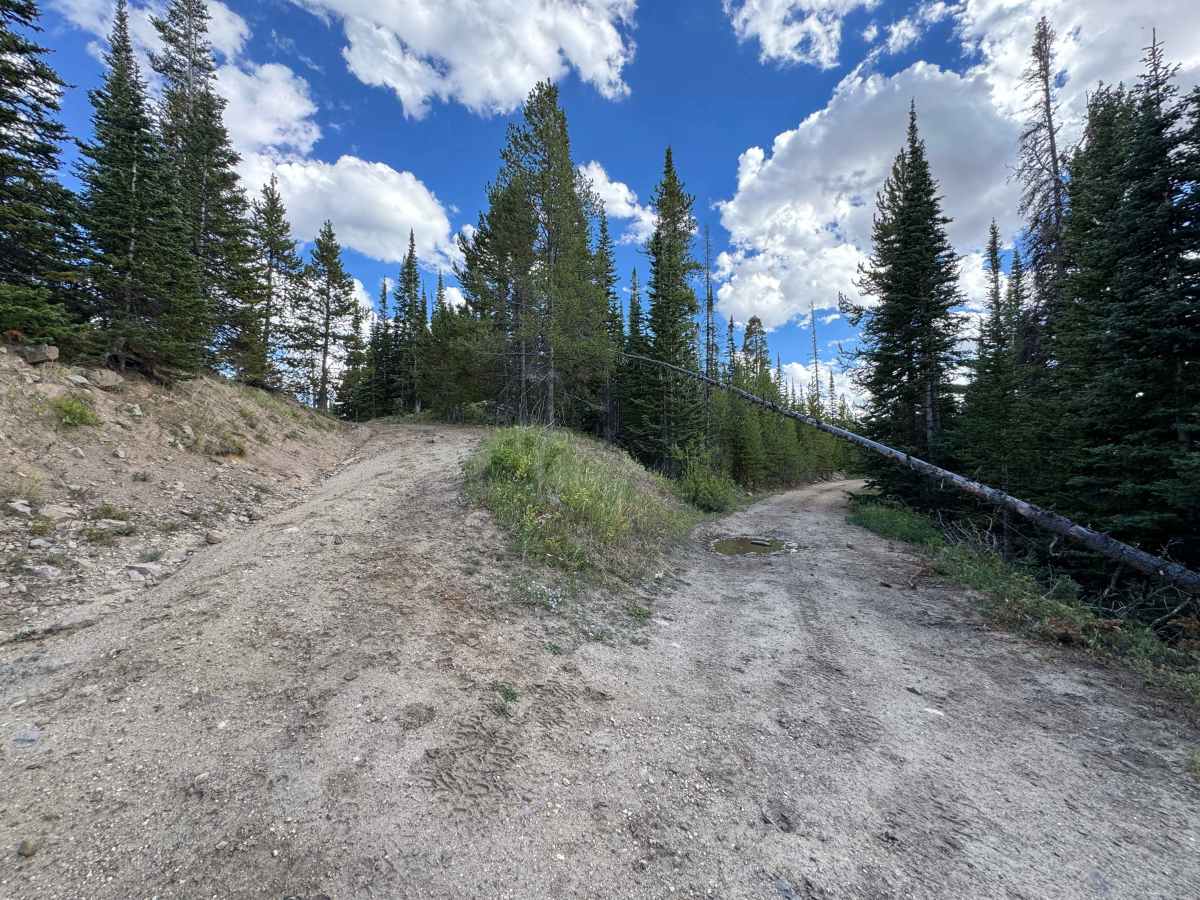
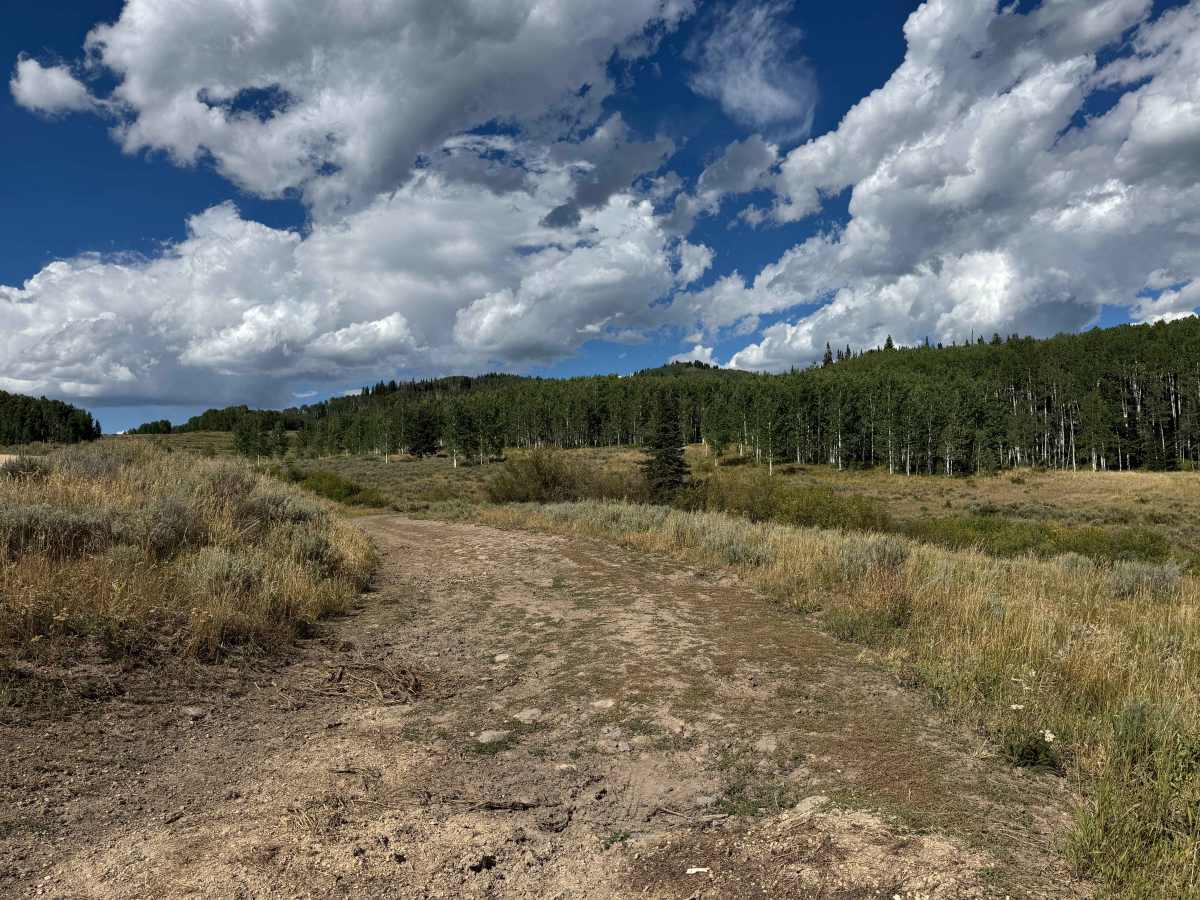
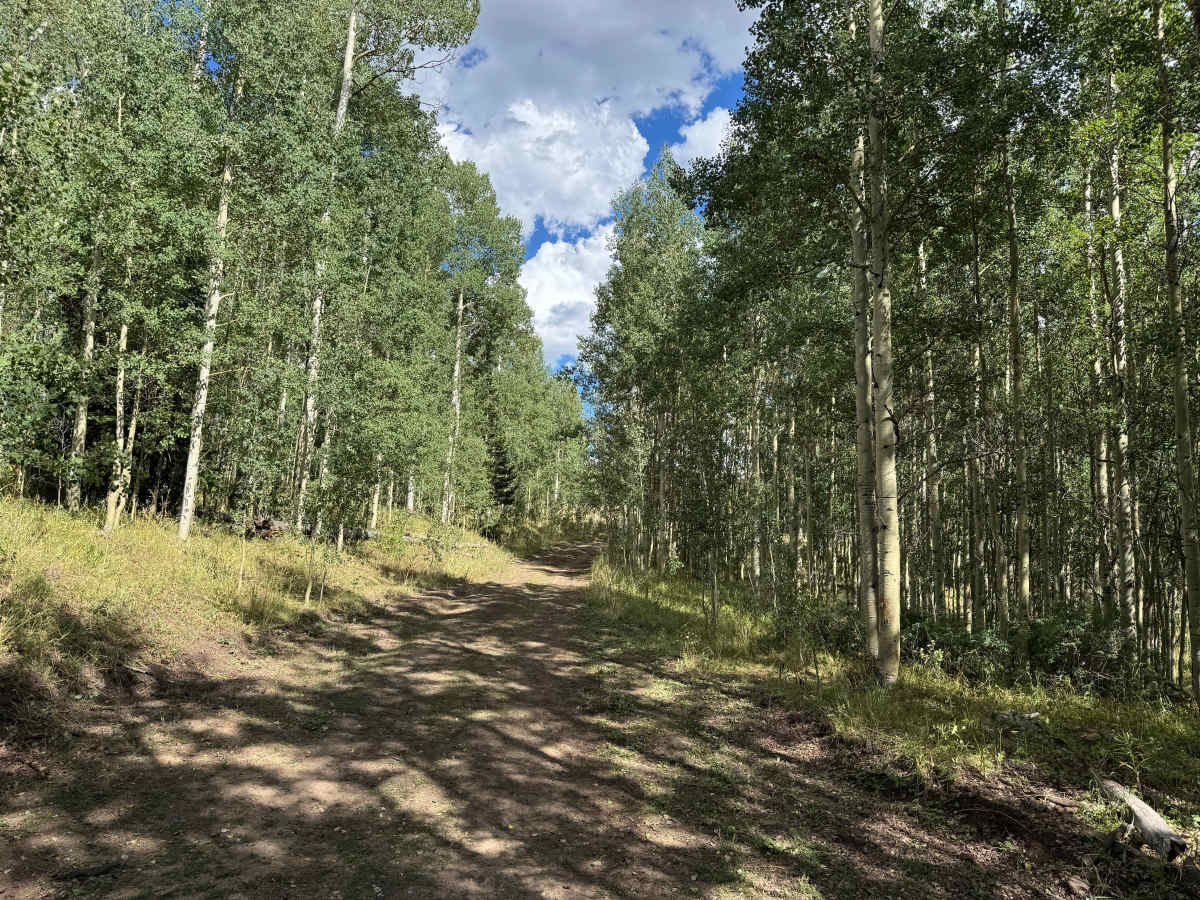
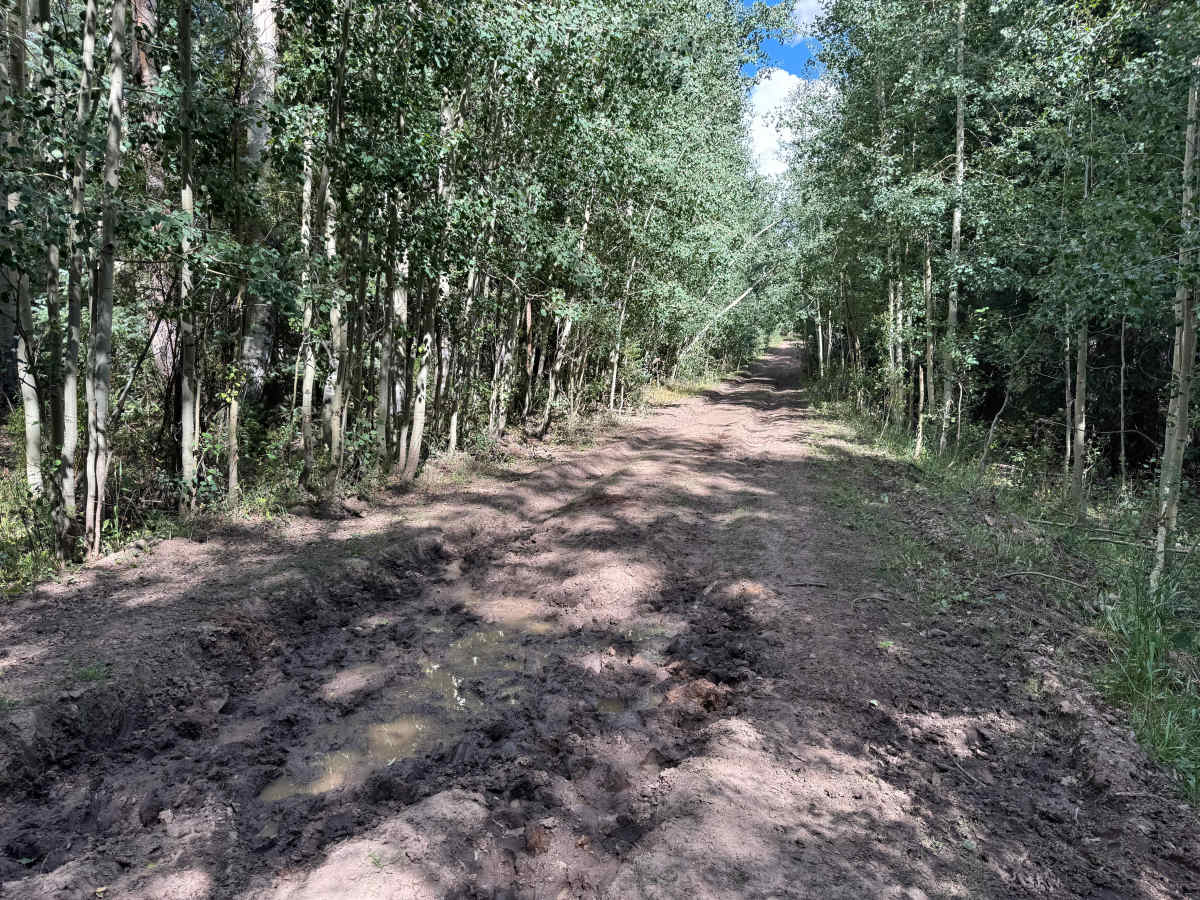
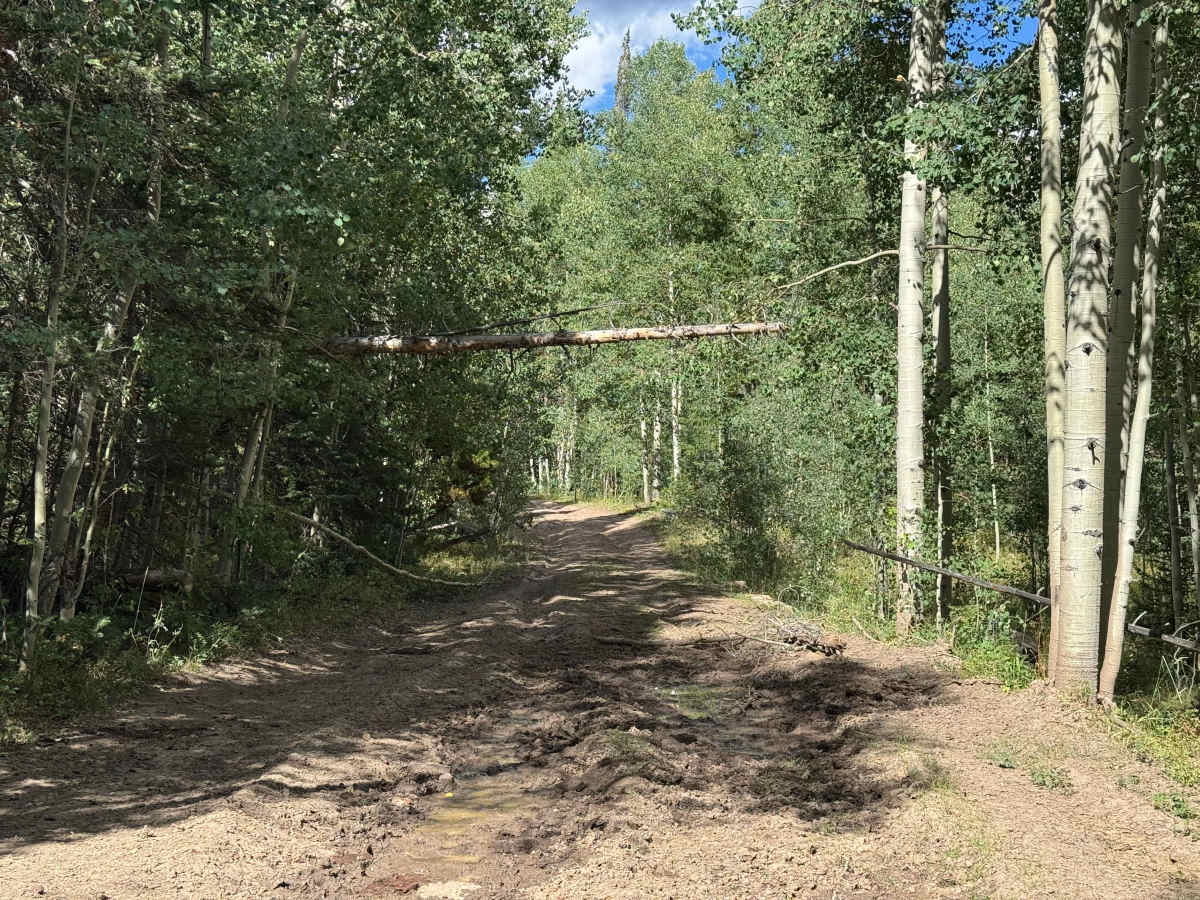
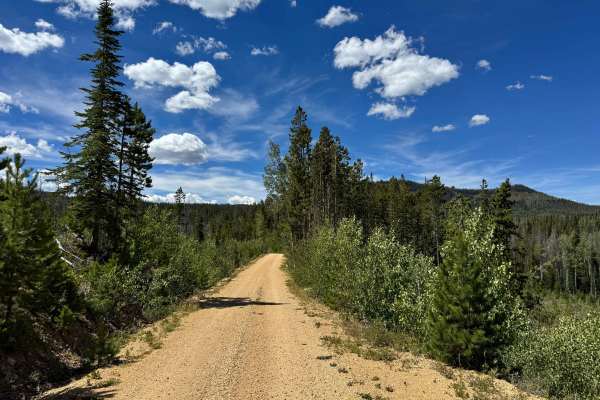
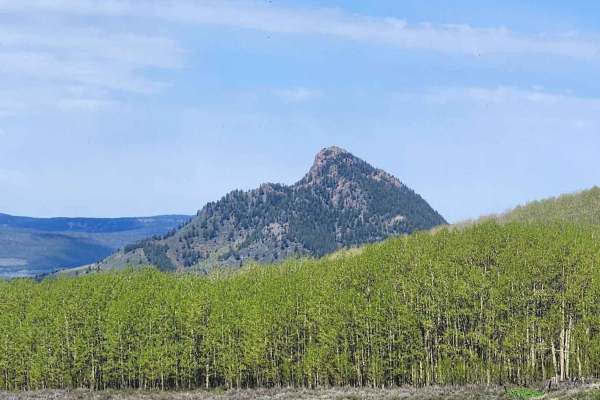
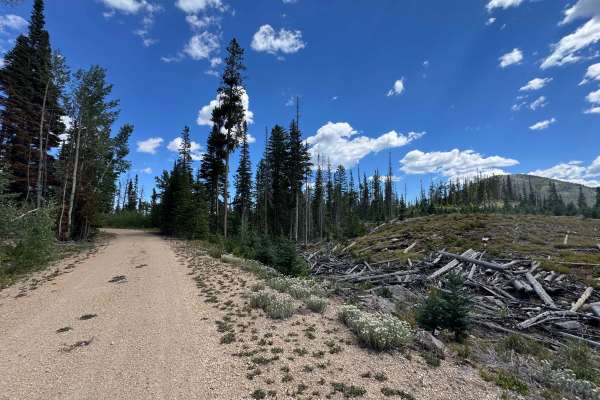
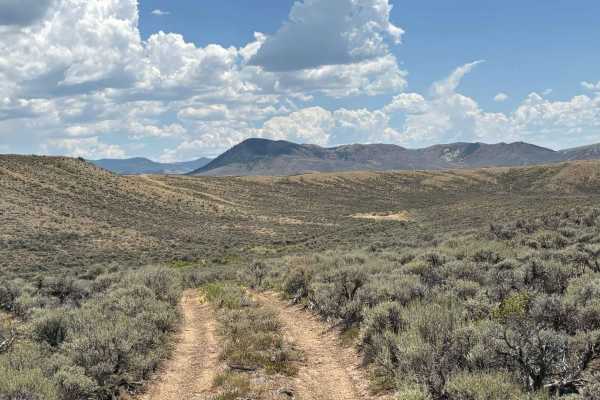
This is a beautiful backcountry trail winding through Routt National Forest, offering a peaceful and scenic journey through tall pine forests, open meadows, and scattered stands of aspen. The route is generally level, with very little significant climbing or descending, making it an enjoyable and relatively easy trail under normal conditions. However, the first couple of miles were recently driven by one or two vehicles during very wet conditions, leaving several deep ruts along the trail. There are also numerous deep mud holes, some filled with water and others dried out, that require careful navigation and thoughtful tire placement. Wildlife is abundant throughout the area, and travelers may have opportunities to see moose, deer, and other mountain wildlife along the route. The trail eventually ends at a dispersed campsite beside a creek, where you can park and continue exploring on foot. After crossing the creek, a hiking route leads into a large meadow, with the trail continuing beyond the motorized section.
Difficulty
This is a relatively easy trail with very little elevation gain or loss throughout the entire route. There are a few deep mud holes along the way that are mostly dry under current conditions, but they can become considerably more challenging when filled with water. Some of these holes are quite deep, so use caution and carefully assess them before attempting to drive through. Aside from these obstacles, the trail is straightforward and enjoyable, particularly in dry conditions, and should provide an easy ride for appropriately equipped vehicles.
History
The Chimney Rock Mountain area has a long history of Native American use, with the Ute and Arapaho peoples traveling through the surrounding mountains for hunting, gathering, and seasonal camps. Later, the region saw exploration, trapping, ranching, and prospecting as Euro-American settlement expanded into Colorado during the 1800s. The surrounding lands eventually became part of the national forest system, with the Arapaho National Forest established in 1908. Today, the area remains largely undeveloped, preserving much of the rugged mountain landscape and its connection to Colorado’s early frontier history.