Trail Overview
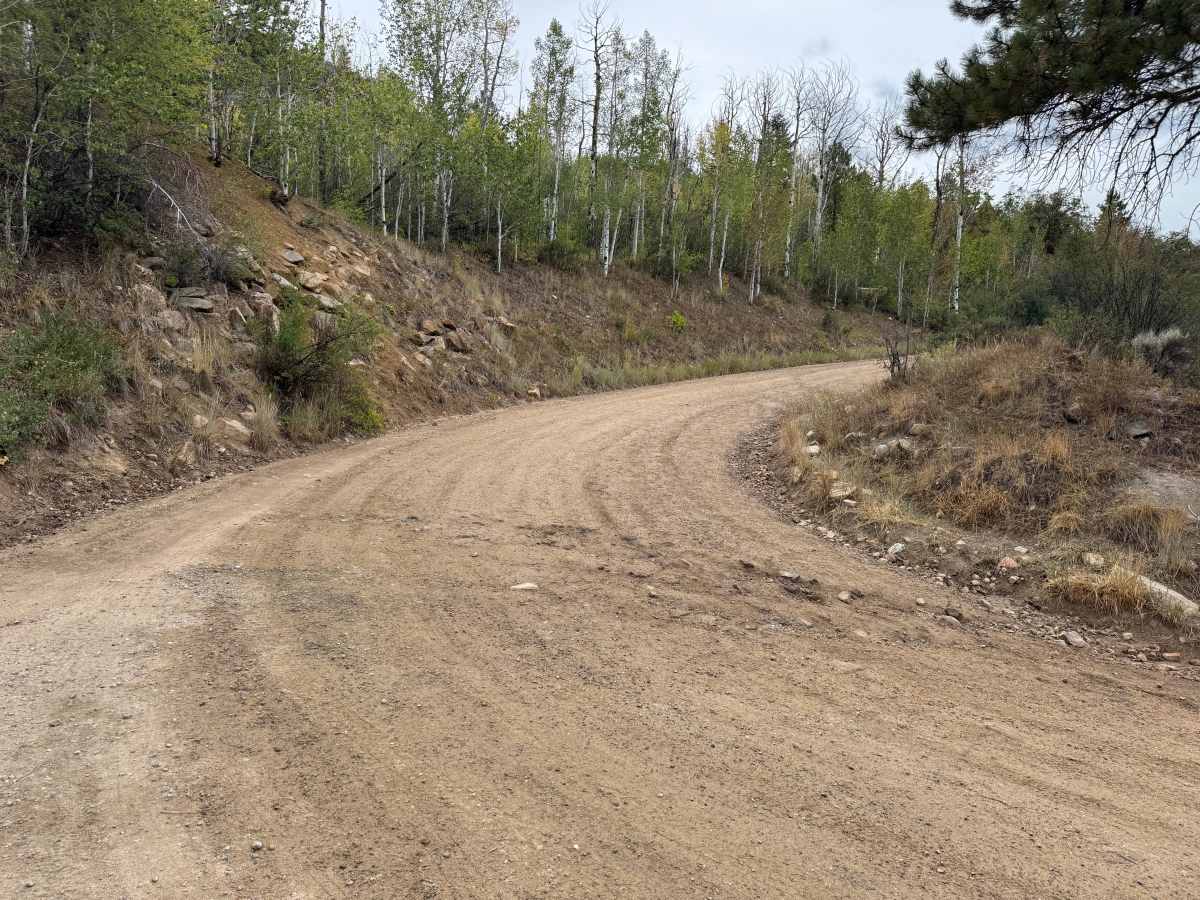
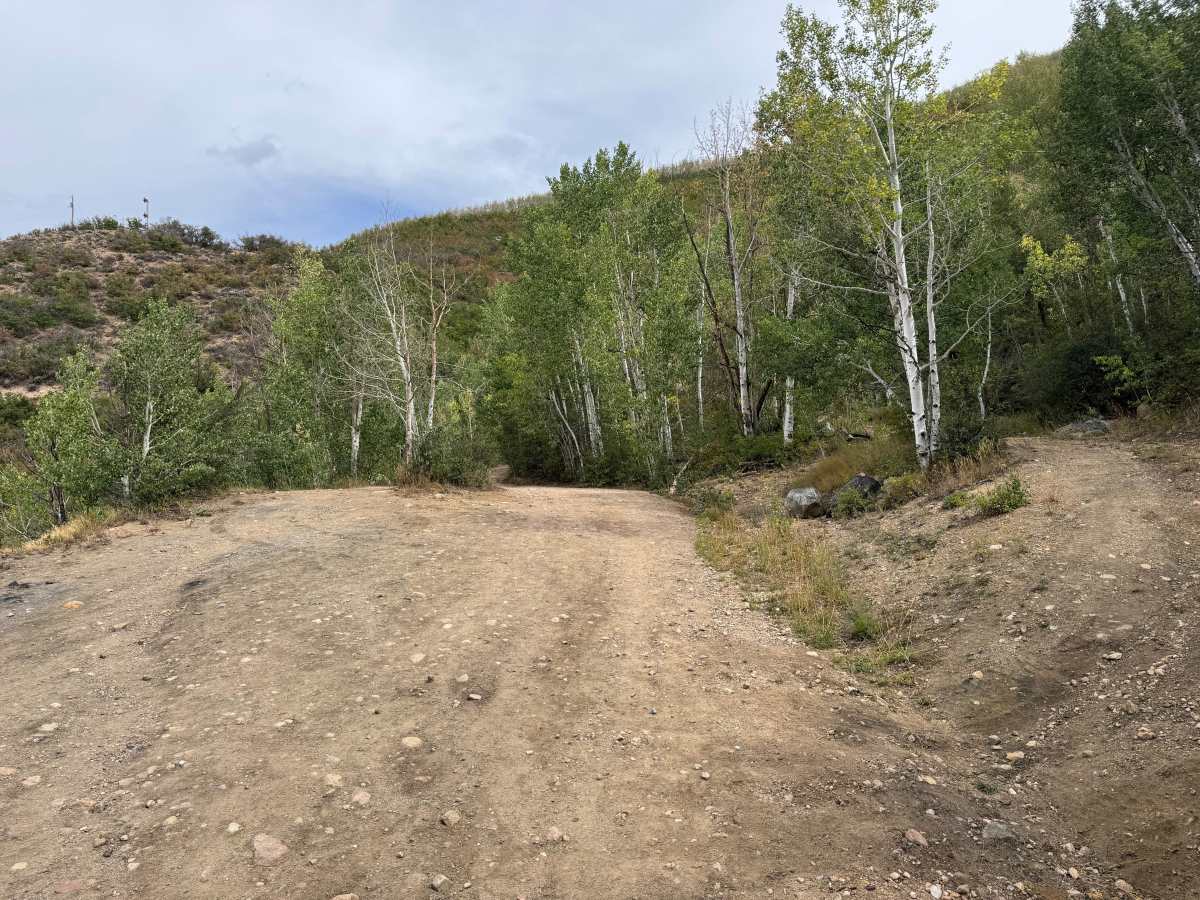
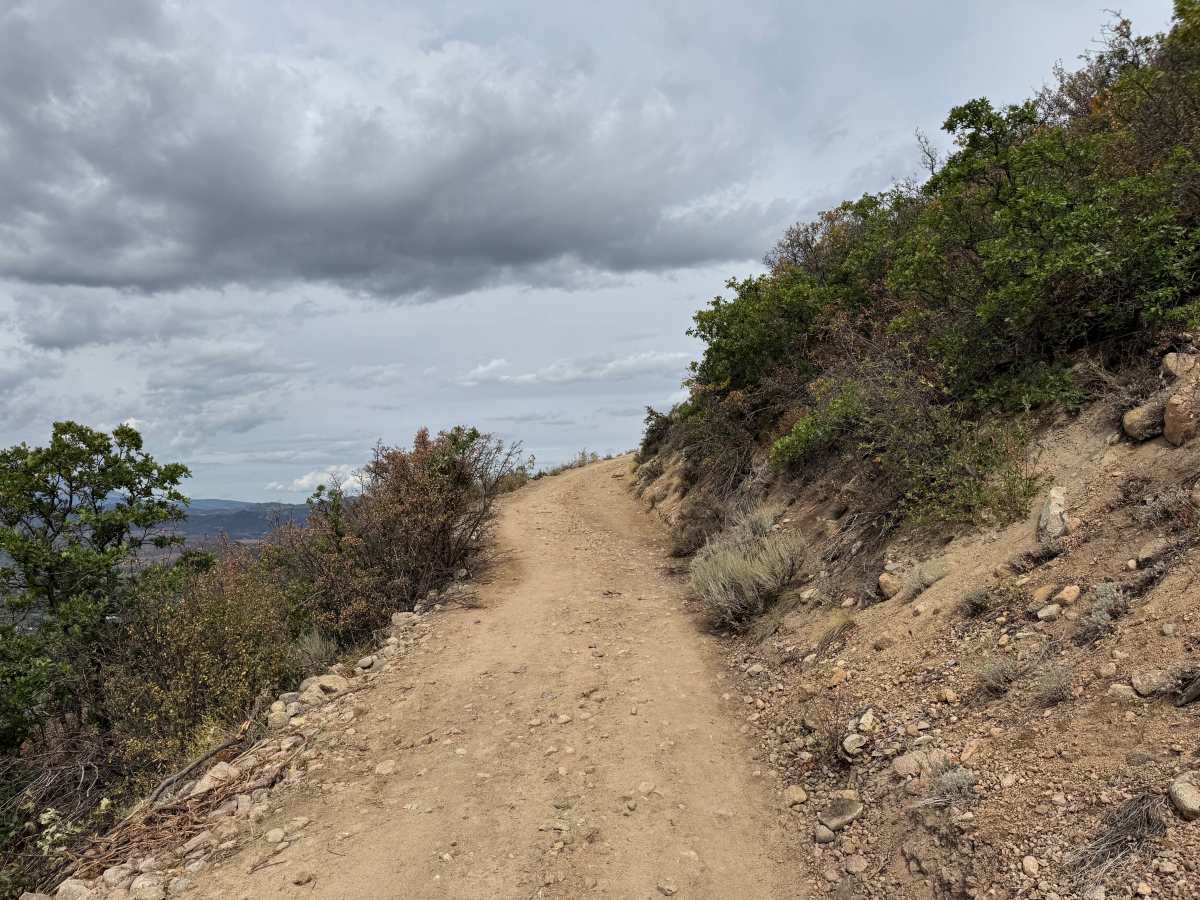
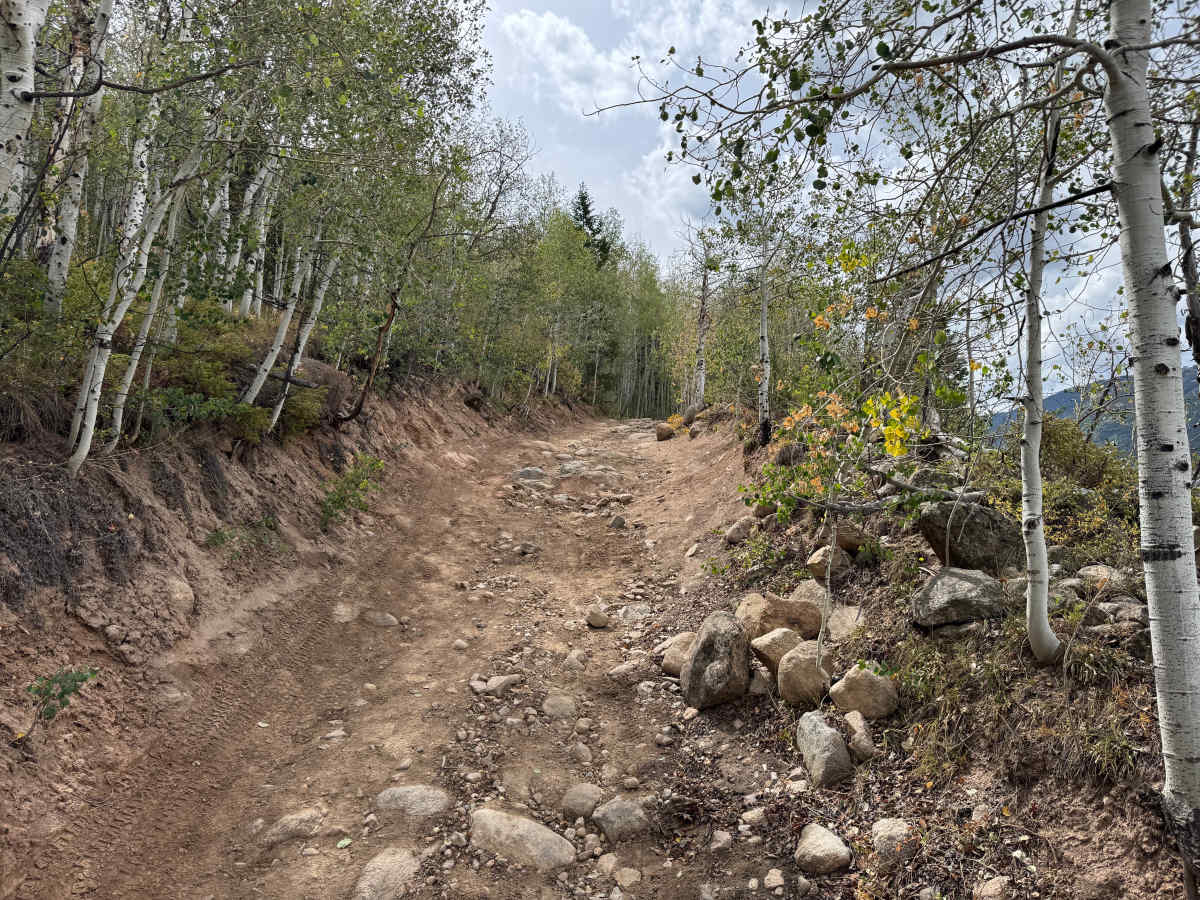
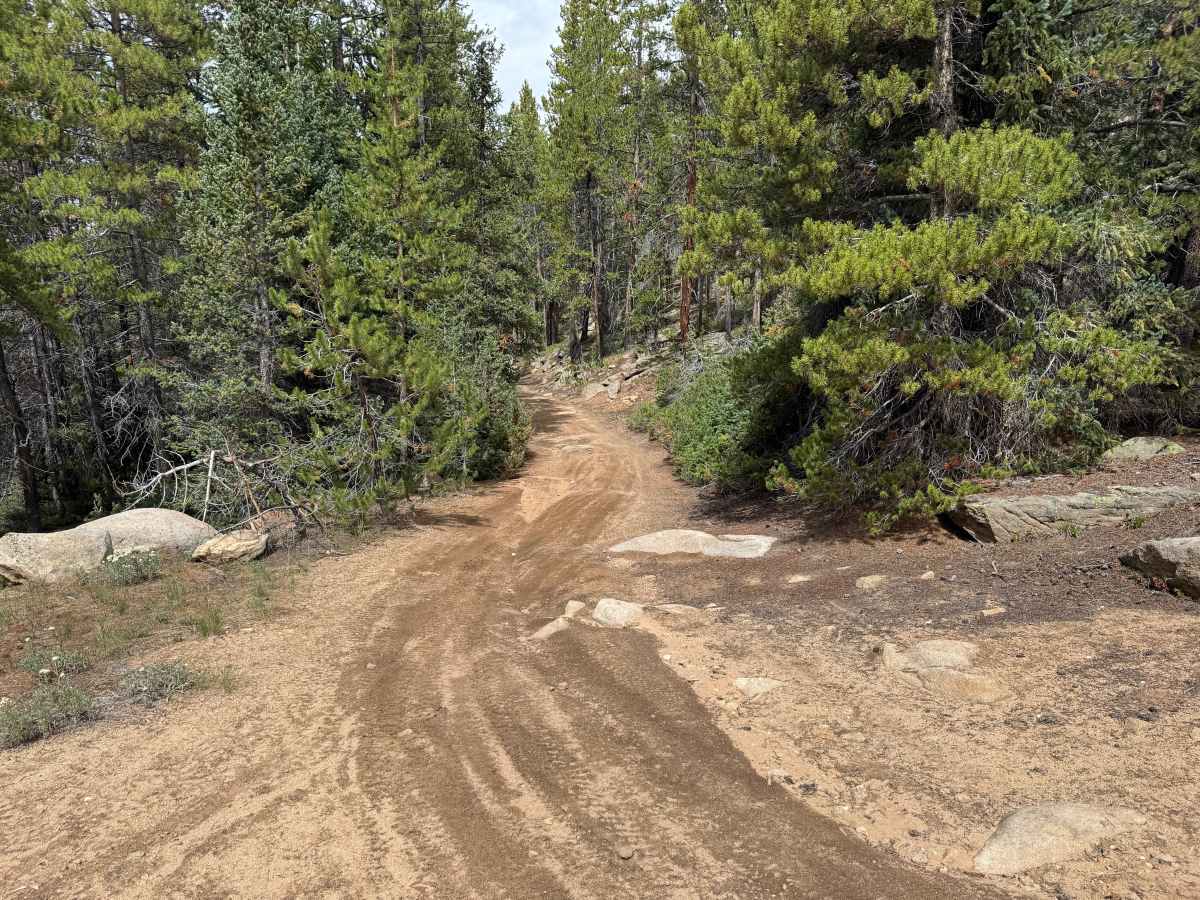
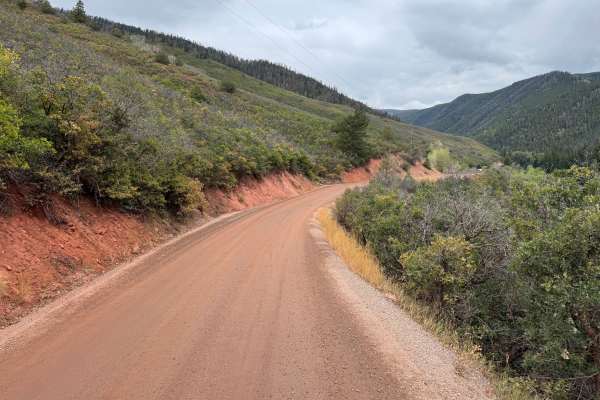
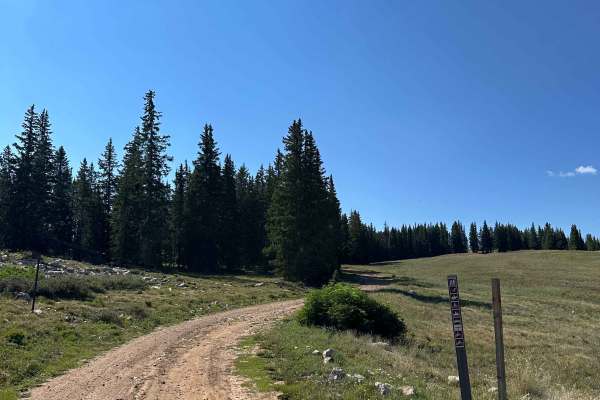
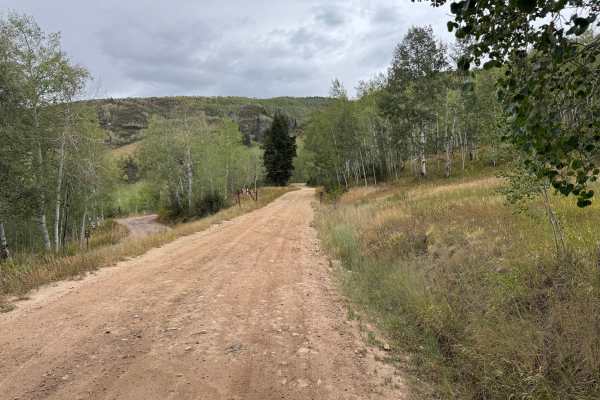
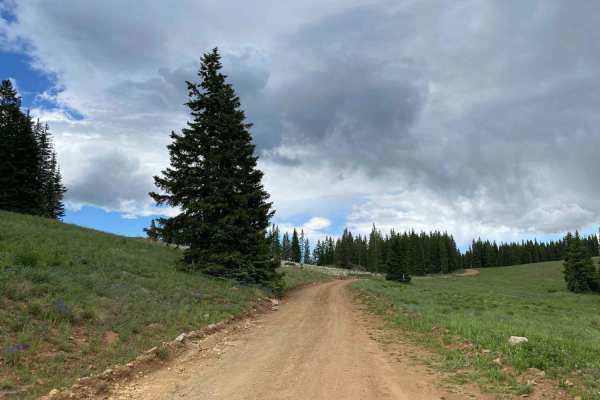
Smuggler Mountain Road winds steadily up the mountainside above Aspen, following a historic transportation corridor closely connected to the area's silver-mining era. The road was formalized by the Standard Mining Company in 1888 and served the extensive mining activity that once covered Smuggler Mountain. The nearby Smuggler Mine was among Aspen's earliest mining claims, dating to 1879, and became one of the area's important silver and lead producers. In 1894, miners there uncovered an enormous 1,853-pound mass of approximately 96% pure silver. Today, the route climbs through stands of aspen and conifer forest with sections opening onto brush-covered mountainsides and views across the surrounding valley. The surface varies from relatively smooth packed dirt and gravel to rougher stretches containing loose rock, embedded stones, erosion, and exposed bedrock. Several steeper and narrower sections require careful tire placement, particularly where the road cuts across the mountainside. Evidence of Smuggler Mountain's mining past remains scattered throughout the area, making this route as much a trip through Aspen's mining history as a scenic mountain drive.
Difficulty
The route is mostly dirt and gravel with sections of loose and embedded rock, exposed bedrock up to 12 inches tall, erosion, and steep climbs. A stock or better high-clearance 4x4 is recommended, with low range helpful on the steeper sections.
History
The mountains northeast of Aspen have a long history of mining, ranching, logging, and backcountry travel. Lenado developed as a small mining settlement during the late 1800s and was historically known as Woody Creek. Mining activity occurred throughout the surrounding mountains, while timber from the area was also used to support Aspen’s growing mining industry. Many of the roads and routes crossing these mountains originated as access routes for mines, timber operations, ranches, and remote settlements before becoming today’s forest-road network.