Trail Overview
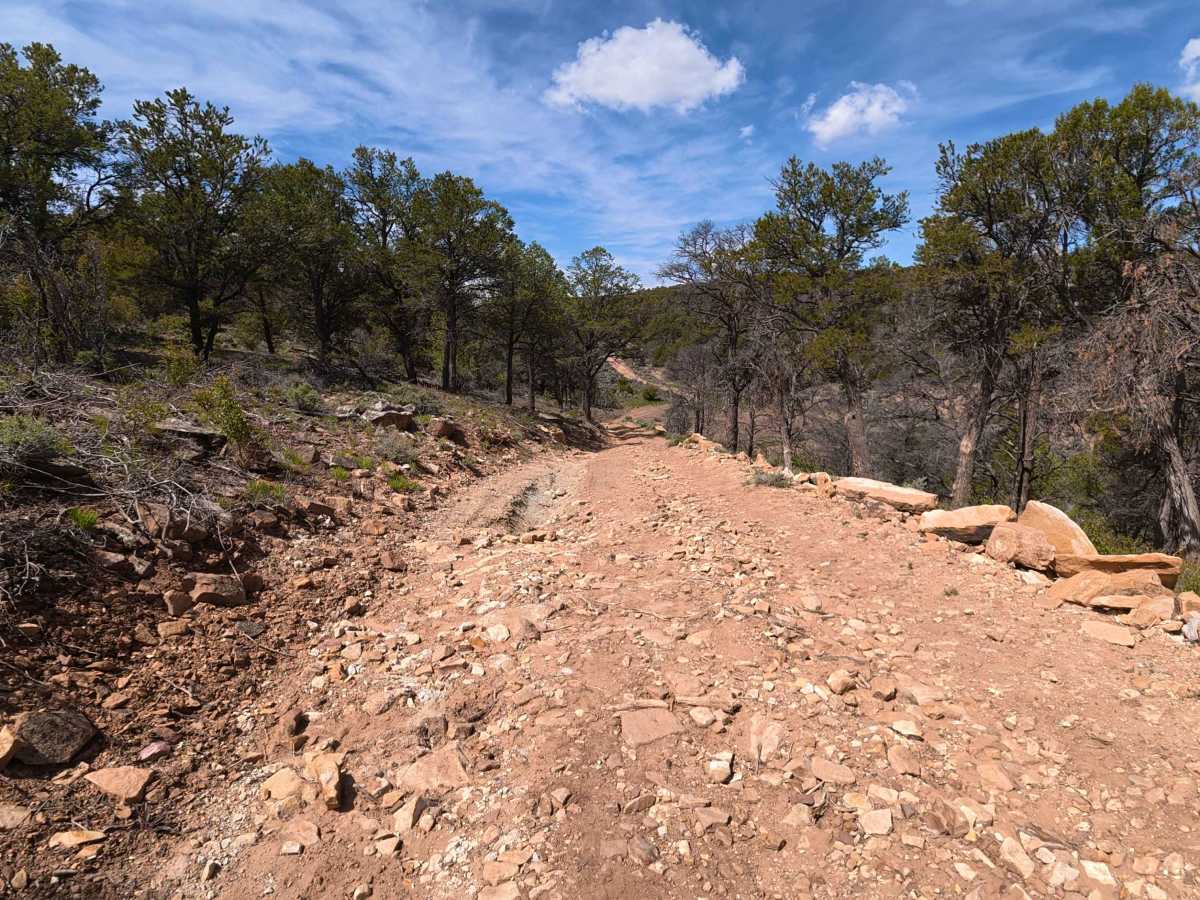
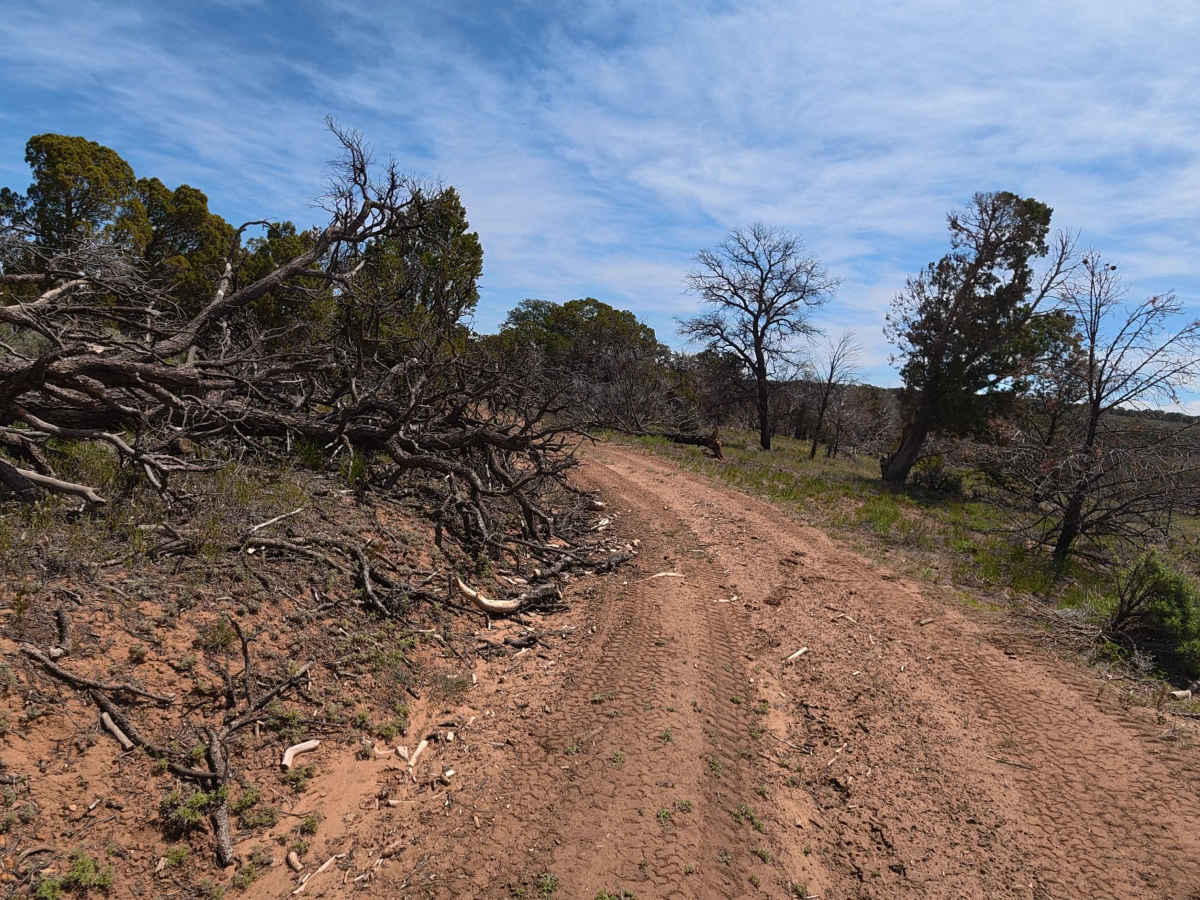
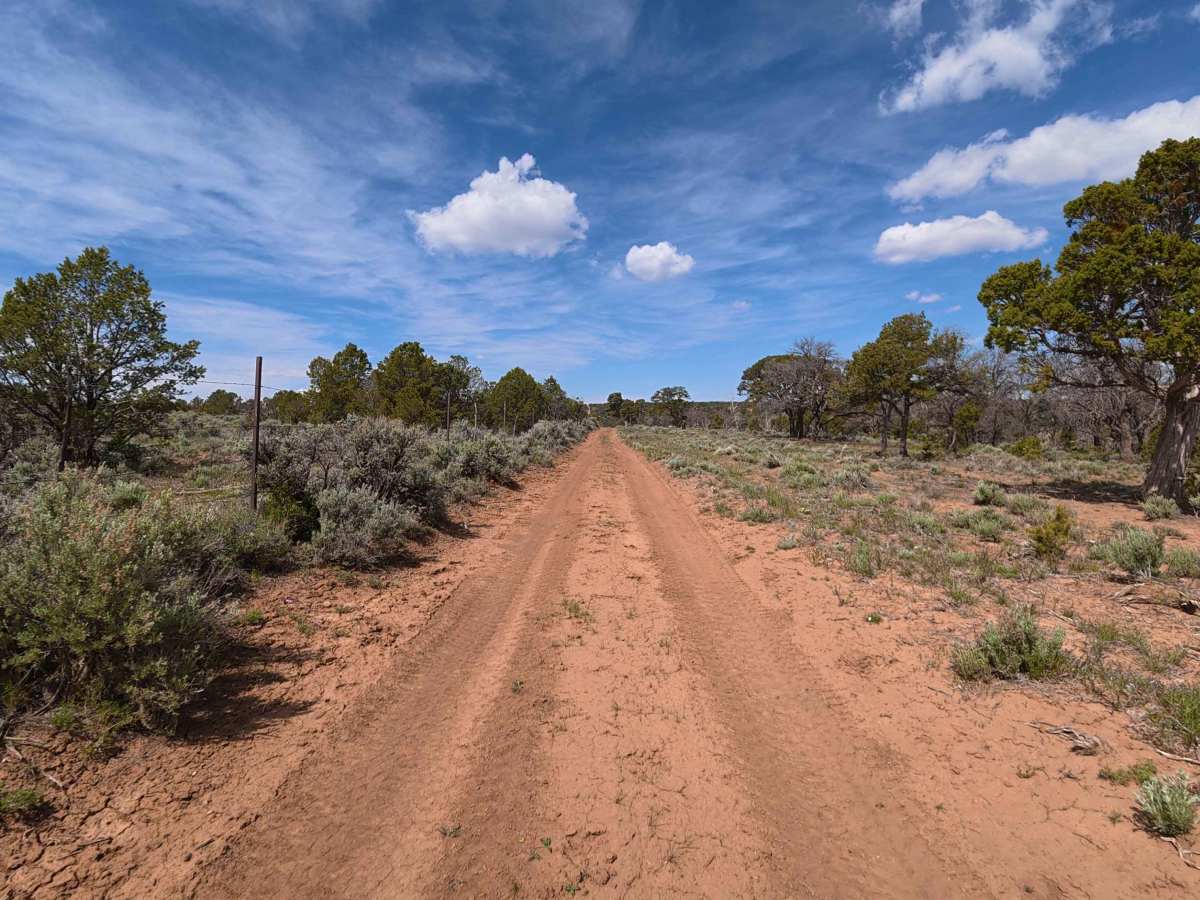
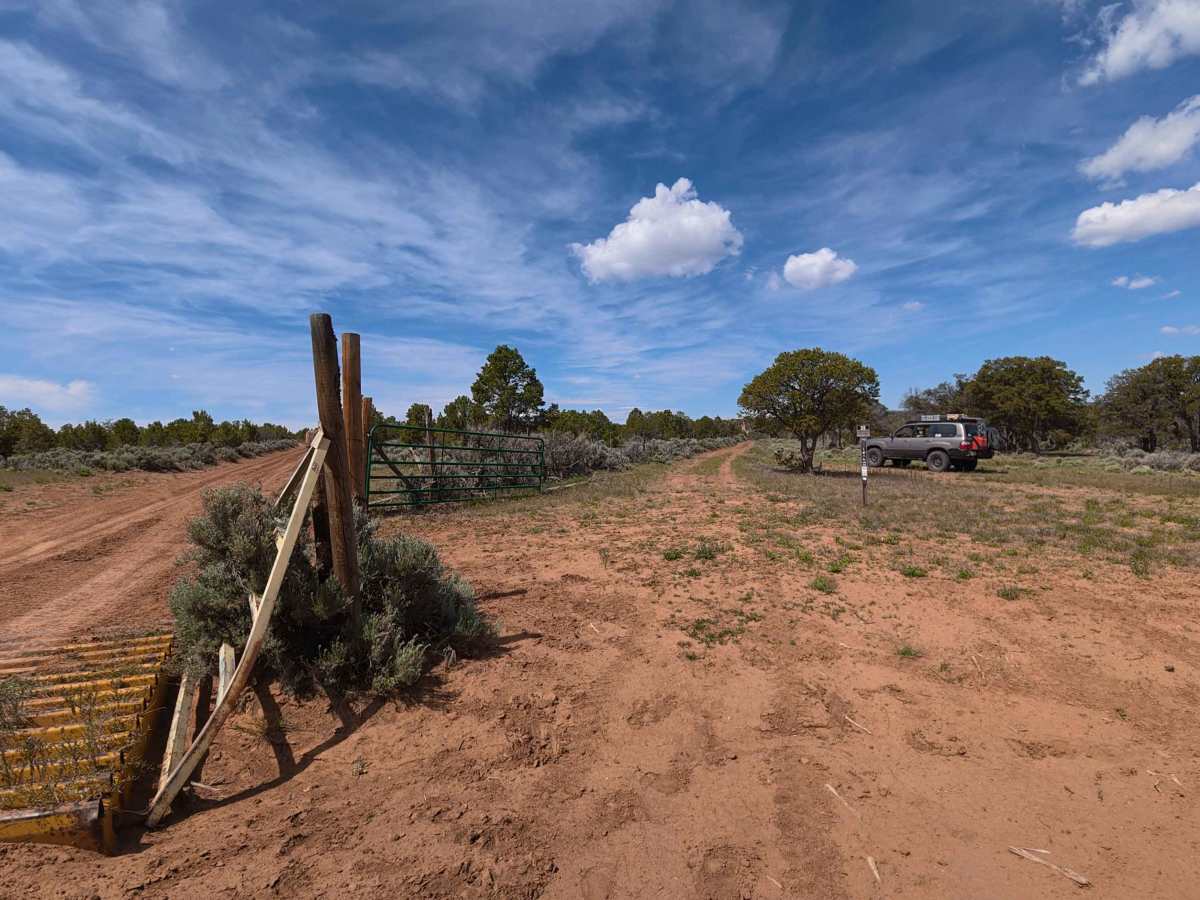
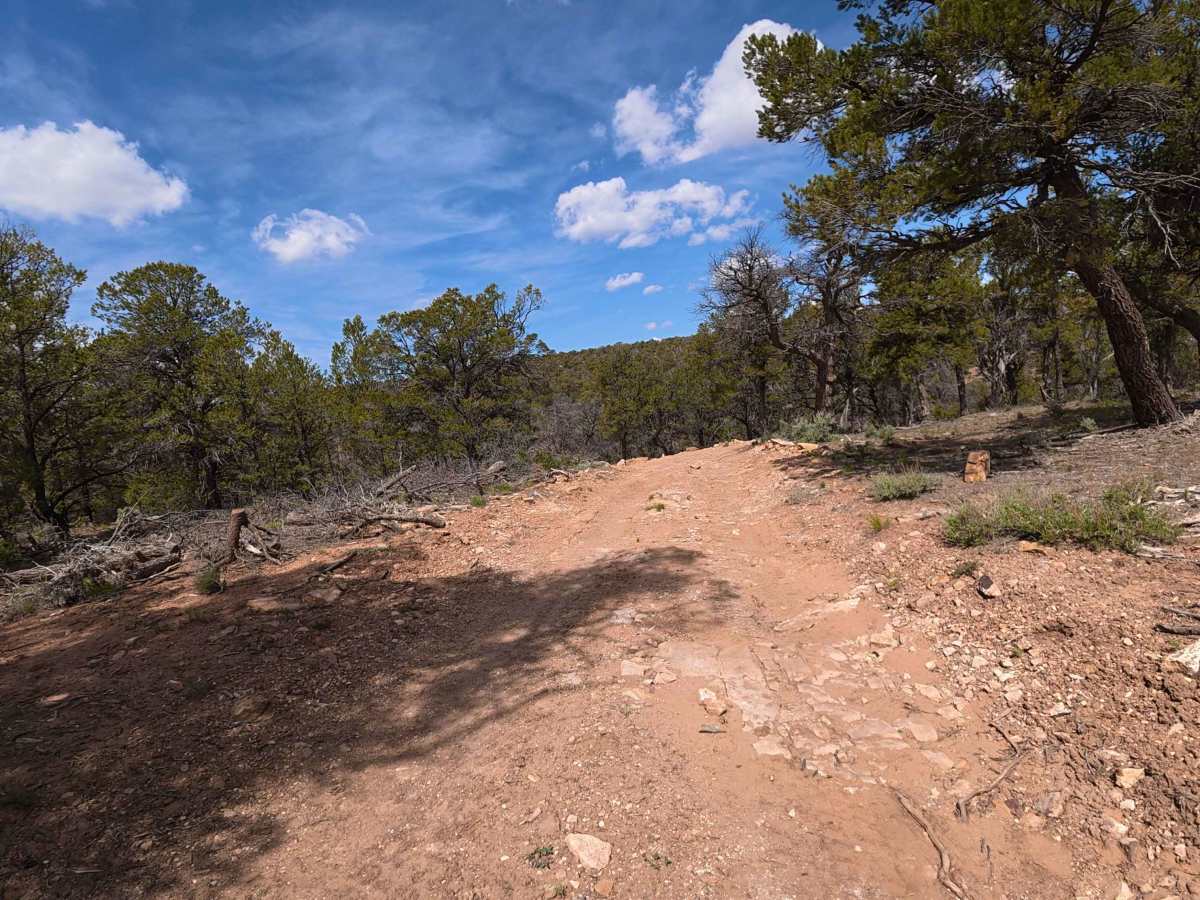
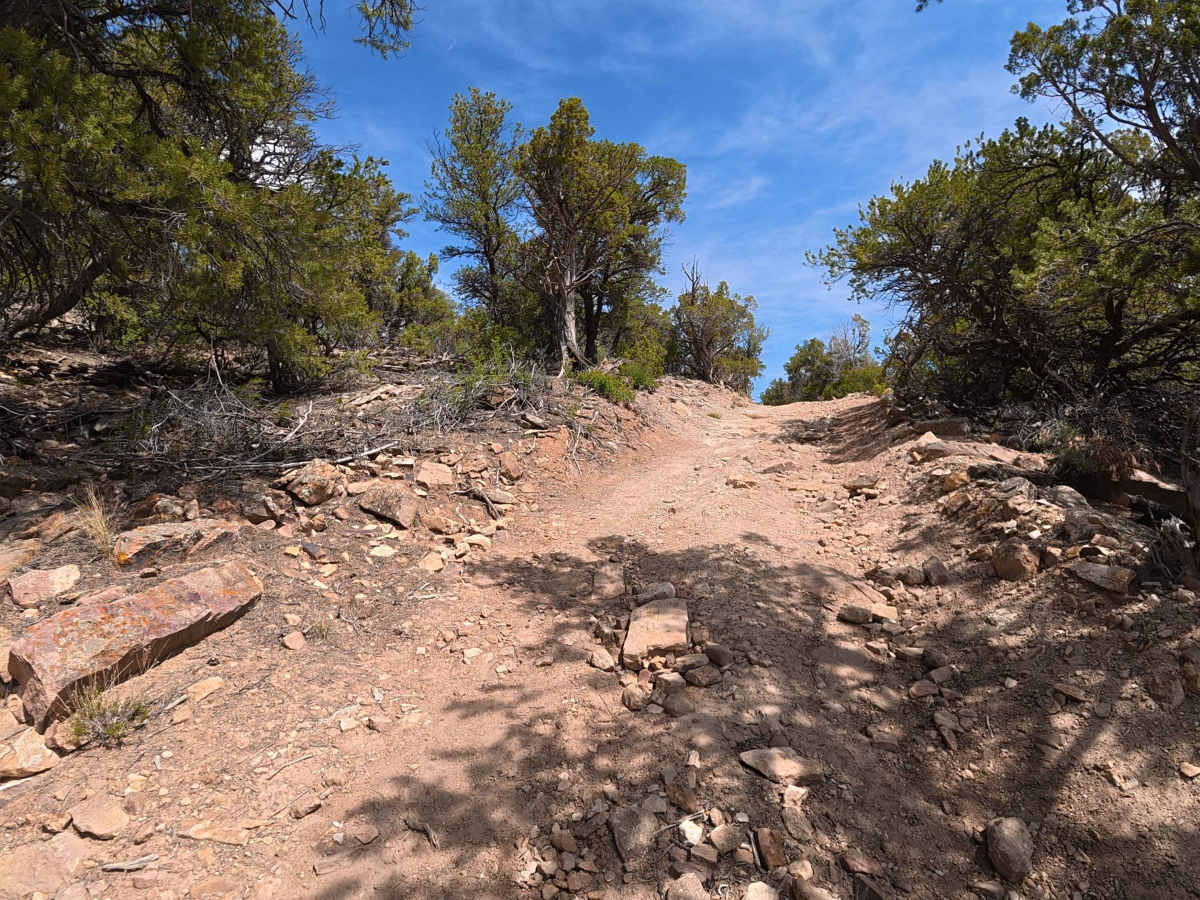
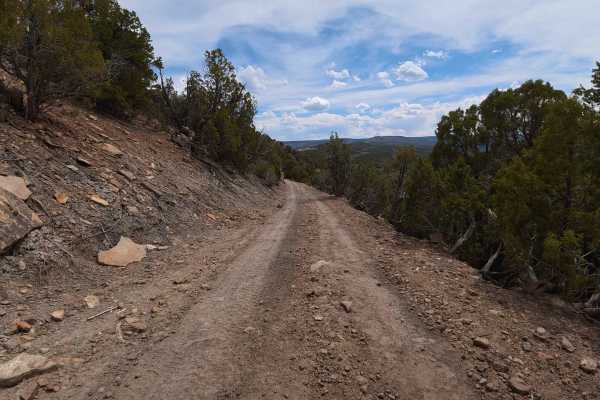
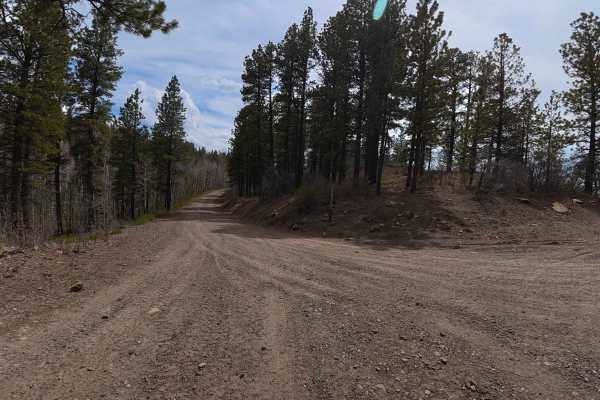
Beginning immediately off E 23 in Escalante, Little Mesa is a highly rugged, one-way backcountry adventure perfect for those looking to escape into quieter desert environments. Open to a wide variety of trail users—including full-size 4x4s, SUVs, ATVs, motorbikes, and even horseback riders—the route starts beautifully by tracing alongside an old, weathered fence line bordering public National land. Almost immediately at the entrance, travelers are greeted by an inviting, shaded dispersed campsite. Around the 0.3-mile mark, a significantly larger, heavily shaded clearing opens up, capable of comfortably accommodating up to six vehicles for a group gathering. As you push deeper, the terrain quickly reveals signs of light, infrequent use; drivers must carefully negotiate around multiple thick, fallen trees scattered along and occasionally across the main path, though the majority remain passable with precise driving. The environment steadily becomes significantly more technical, dropping down into steep declines and forcing vehicles through heavily eroded, deep dirt ruts. As you approach the 2-mile mark, the track tilts into a distinctly off-camber orientation of roughly 10 degrees while passing a fenced boundary on the right-hand side. Explorers should trust their GPS routing through this final, quiet stretch, which ultimately culminates in a wonderfully peaceful, small shaded campsite tucked neatly under a grove of mature trees.
Difficulty
Little Mesa confidently earns a Level 3 Moderate technical rating due to a consistent string of demanding surface conditions. While the first half-mile is relatively straightforward, the trail quickly deteriorates into a series of deeply eroded ruts ranging aggressively from 8 to 12 inches deep. Successfully conquering the subsequent steep, loose declines and navigating over an abrupt 8- to 12-inch rock ledge absolutely requires a true, high-clearance 4x4 vehicle to avoid severe undercarriage damage. Furthermore, drivers must be prepared to carefully manage a distinctively off-camber, 10-degree lean near the end of the route and squeeze past several large, fallen tree hazards blocking portions of the narrow path.



 Offroad