Trail Overview
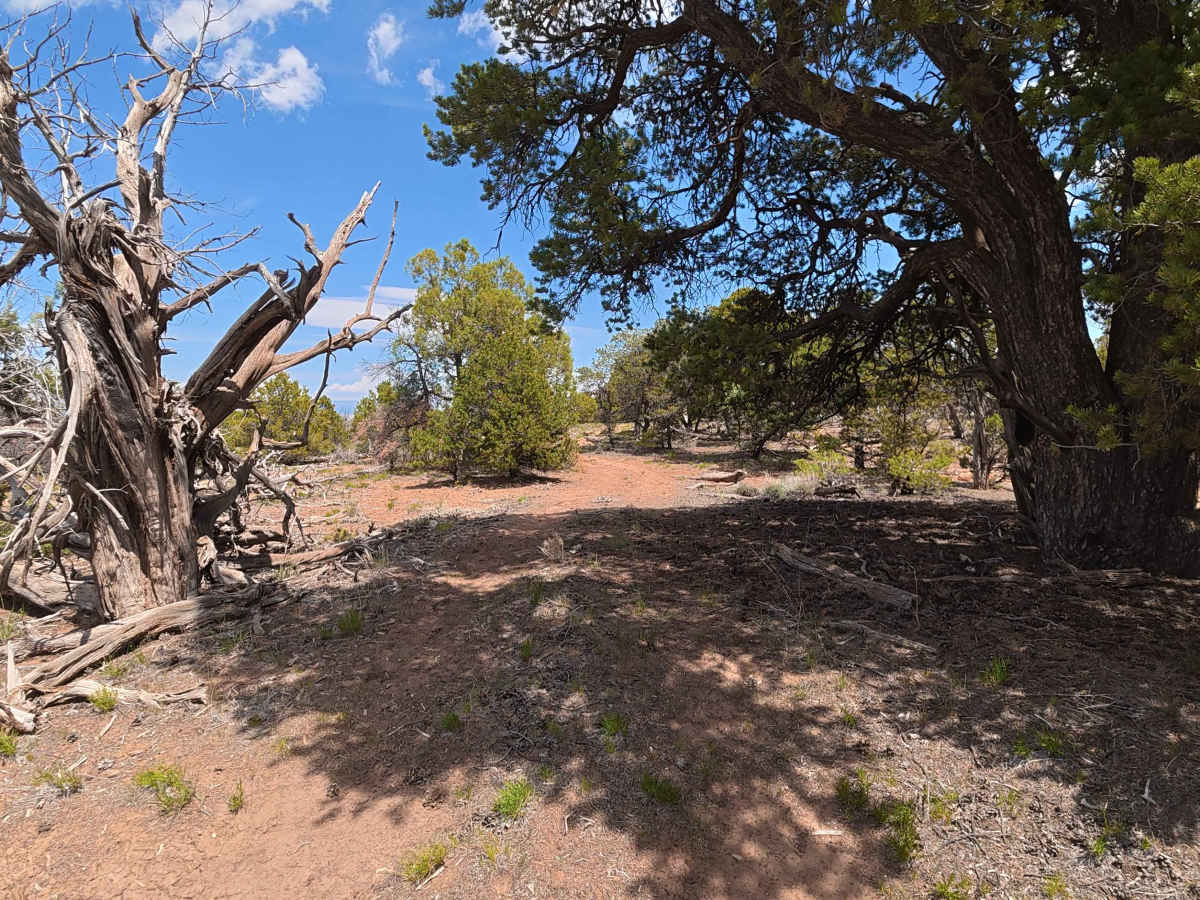
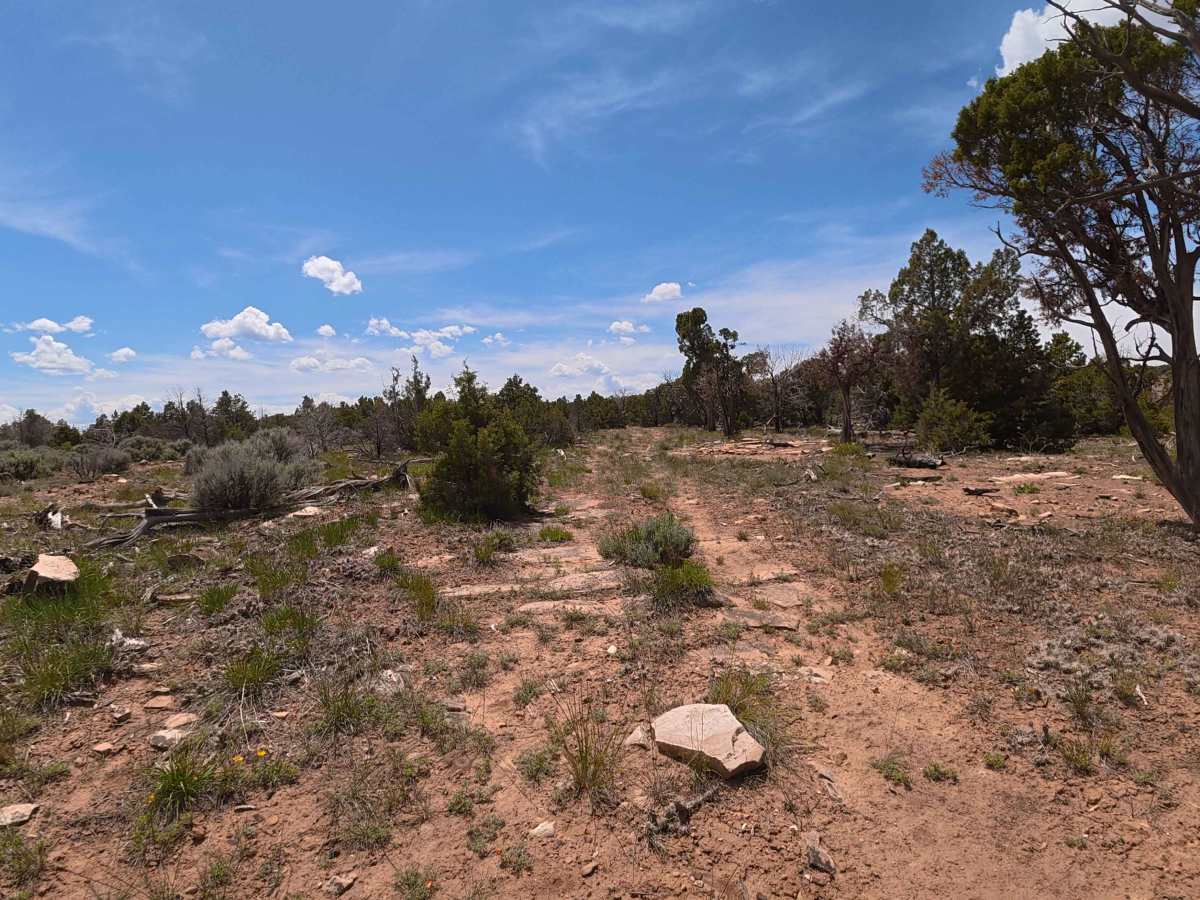
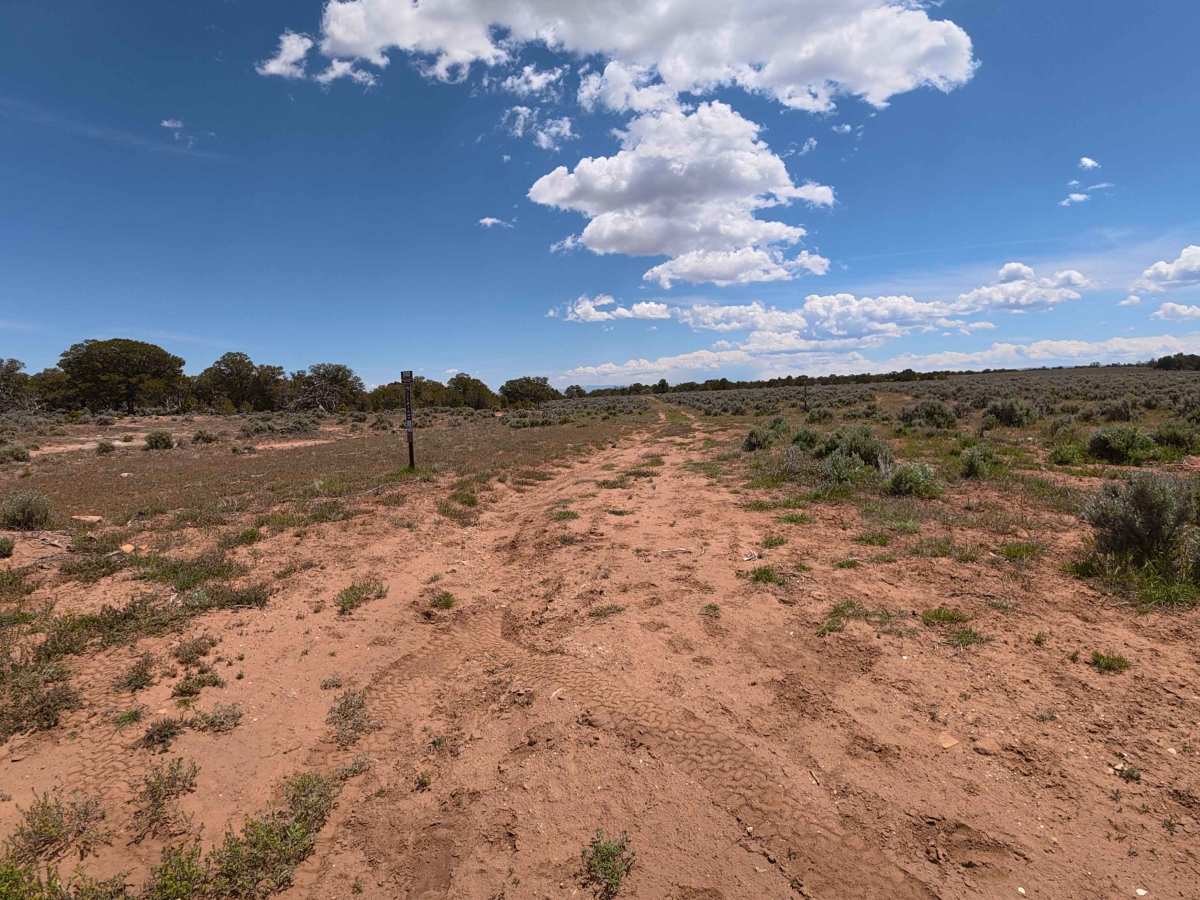
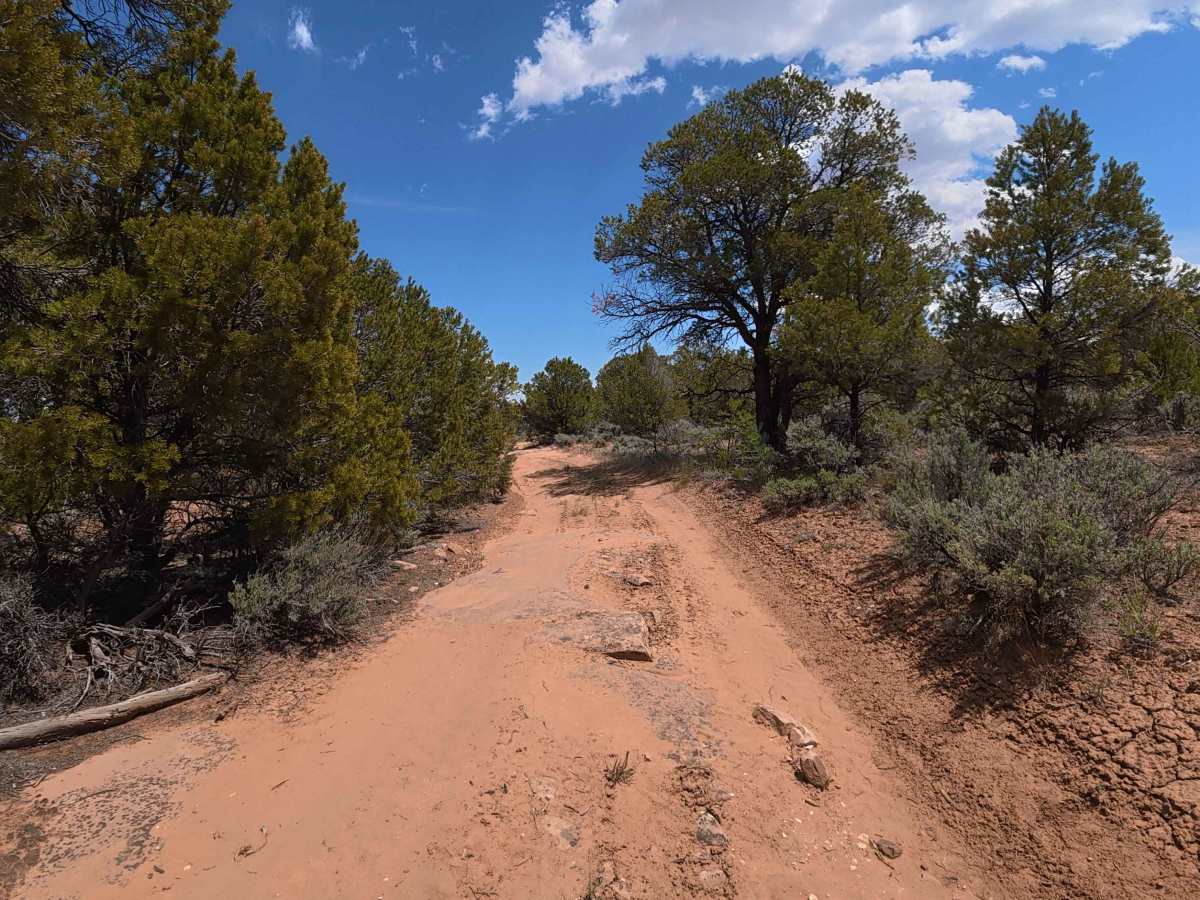
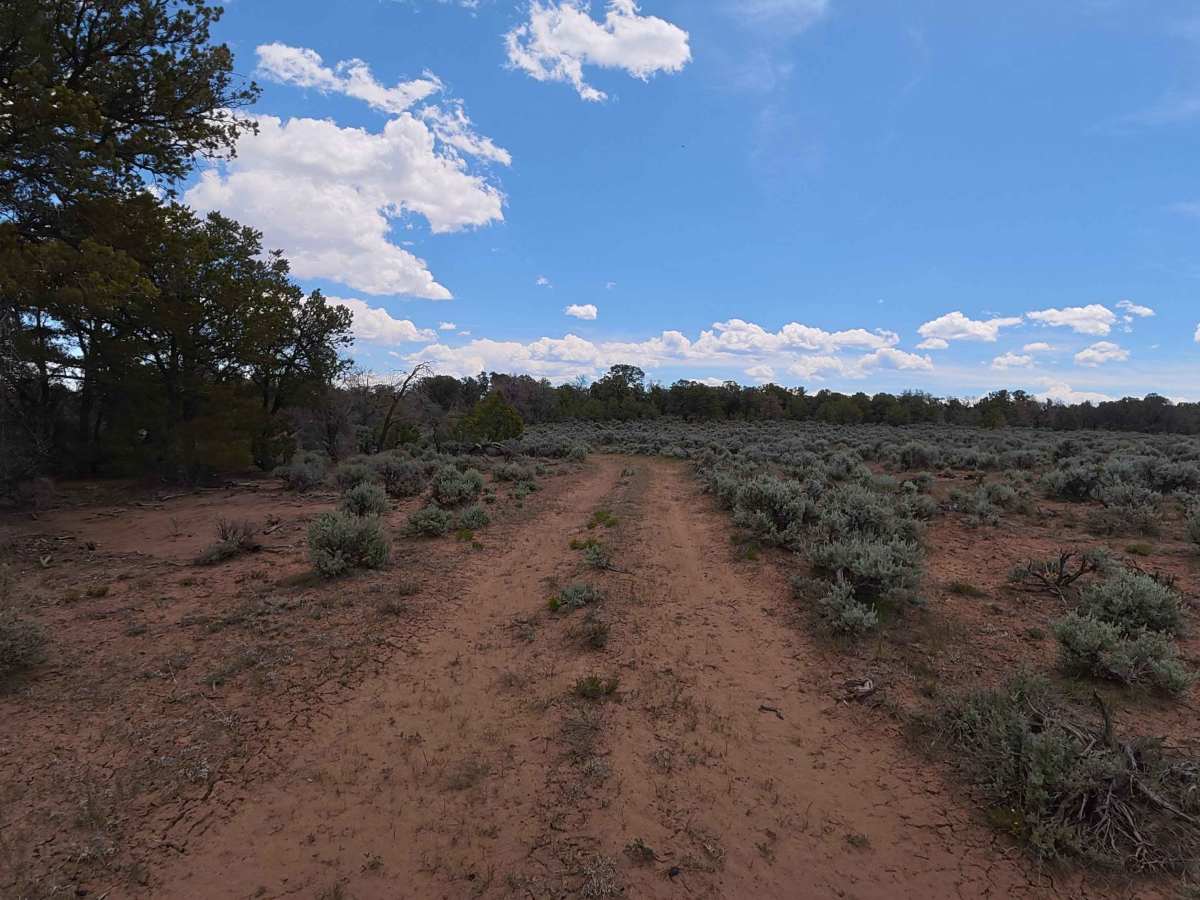
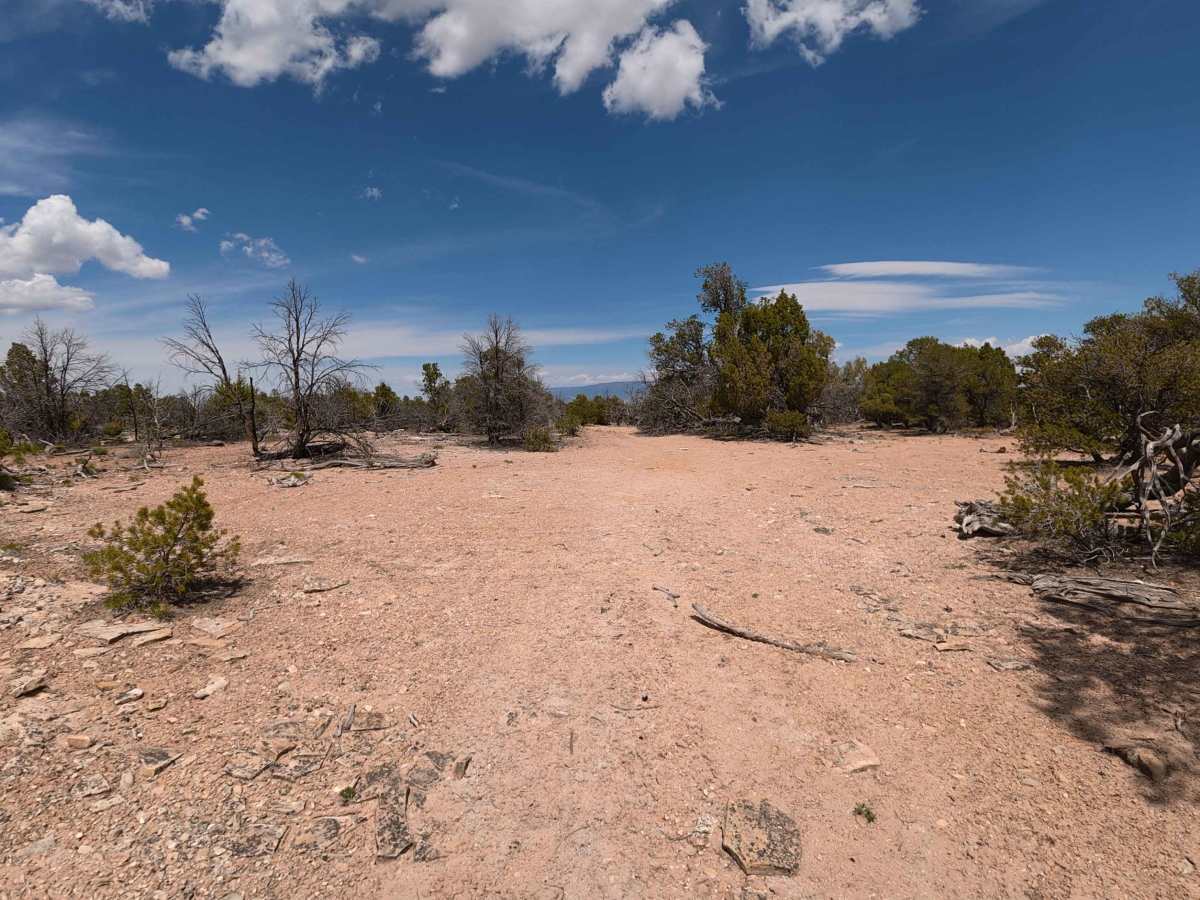
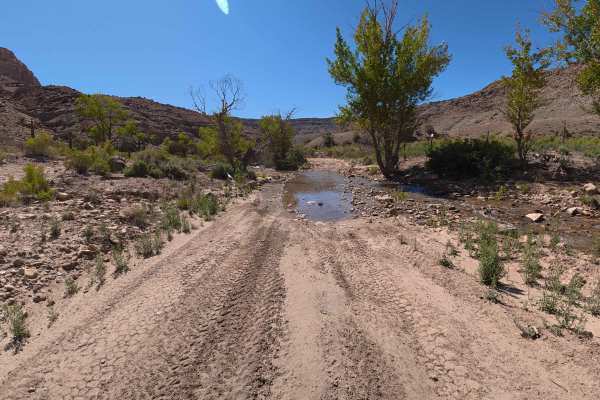
Little Black Point is a heavily vegetated, deeply immersive 2.3-mile loop trail that treats explorers to a beautifully rugged desert experience. Please note that this secluded route enforces a strict seasonal closure from December 1st to April 30th to protect the local environment, but is otherwise wide open to all user types, including motorized vehicles, hikers, and horseback riders. Immediately upon entry, drivers must carefully follow their designated GPS tracks to stay on the main line, as the deceptive right-hand fork is fundamentally impassable for vehicles. As you plunge deeper into the backcountry, the remarkably dense brush and overgrown branches rapidly close in, creating a notably tight, intimate driving corridor. The vibrant, wild landscape is heavily blanketed with sharp, beautiful desert cactus, requiring extra vigilance from drivers and strict supervision for roaming pets. Along the deeply shaded loop section, backcountry travelers will discover an excellent variety of highly inviting dispersed campsites. These secluded clearings range from small, single-vehicle spots nestled under the canopy to expansive, group-friendly sites capable of easily accommodating 5 to 6 vehicles with fantastic, sweeping views of the surrounding wilderness. After enjoying the serene, cactus-lined backcountry, the meandering loop cleanly completes its circuit, dropping travelers safely back onto the main access road.
Difficulty
Little Black Point confidently earns a Level 3 Moderate technical rating. While the underlying dirt surface remains generally flat and lacks massive rock-crawling ledges, the primary challenge stems from the exceptionally overgrown, highly restrictive driving corridor. Because the winding path heavily meanders directly through dense, encroaching trees and sharp desert brush, aggressive cosmetic pinstriping along your vehicle's side panels is an absolute guarantee for full-size rigs. Furthermore, off-roaders must frequently navigate around unexpected, freshly downed tree limbs and utilize a tight left-side bypass to conquer a major woody blockage in the trail. Finally, frequent low-hanging branches pose a significant, immediate overhead hazard, requiring extreme caution for any rigs equipped with raised rooftop tents or tall overland accessories.


 Offroad