Trail Overview
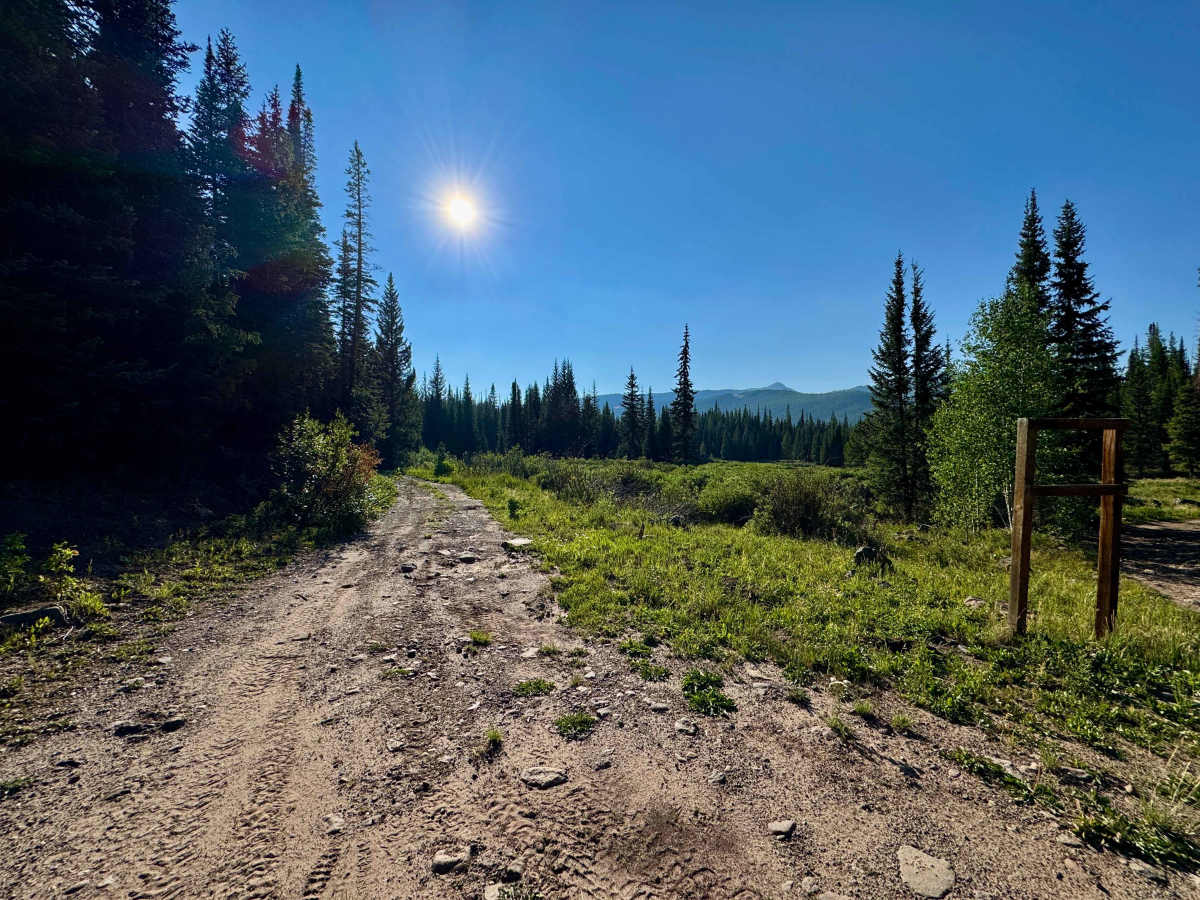
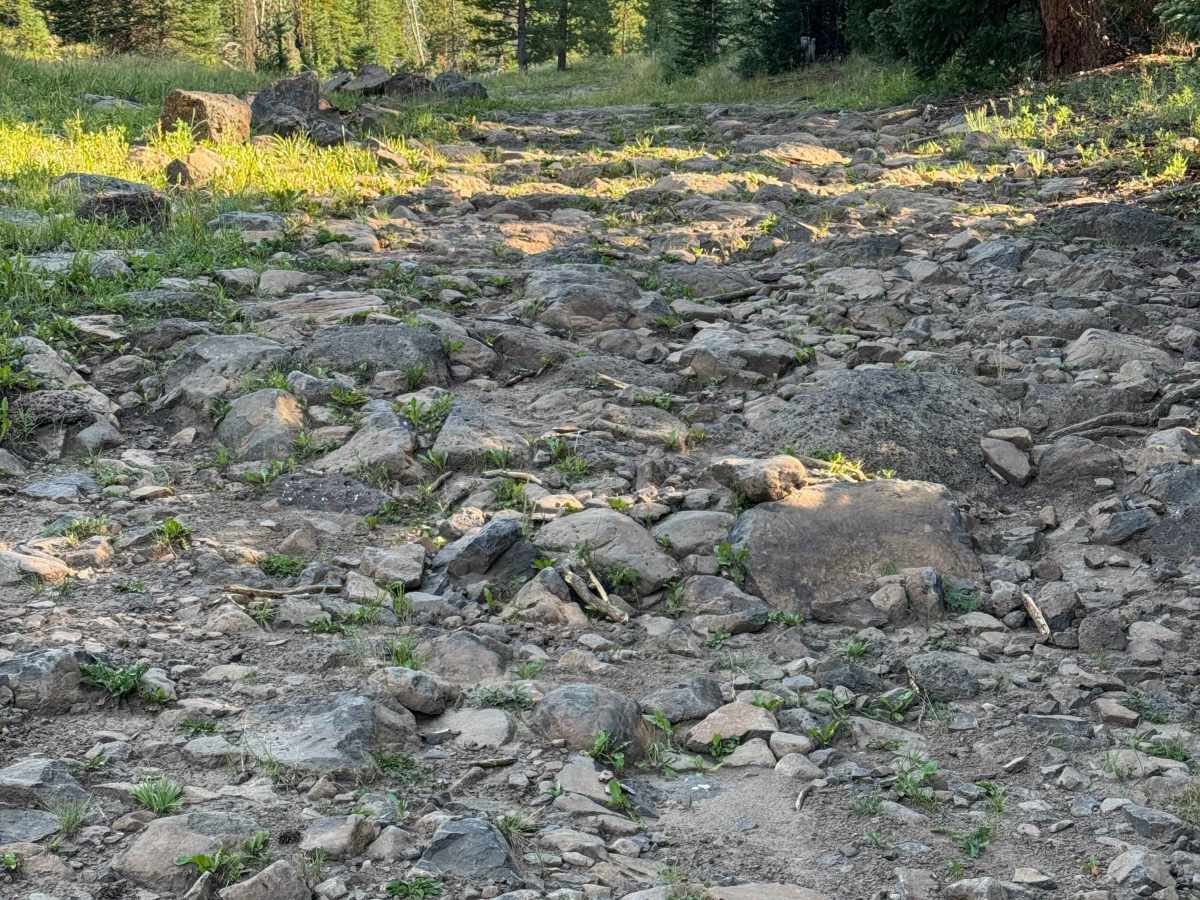
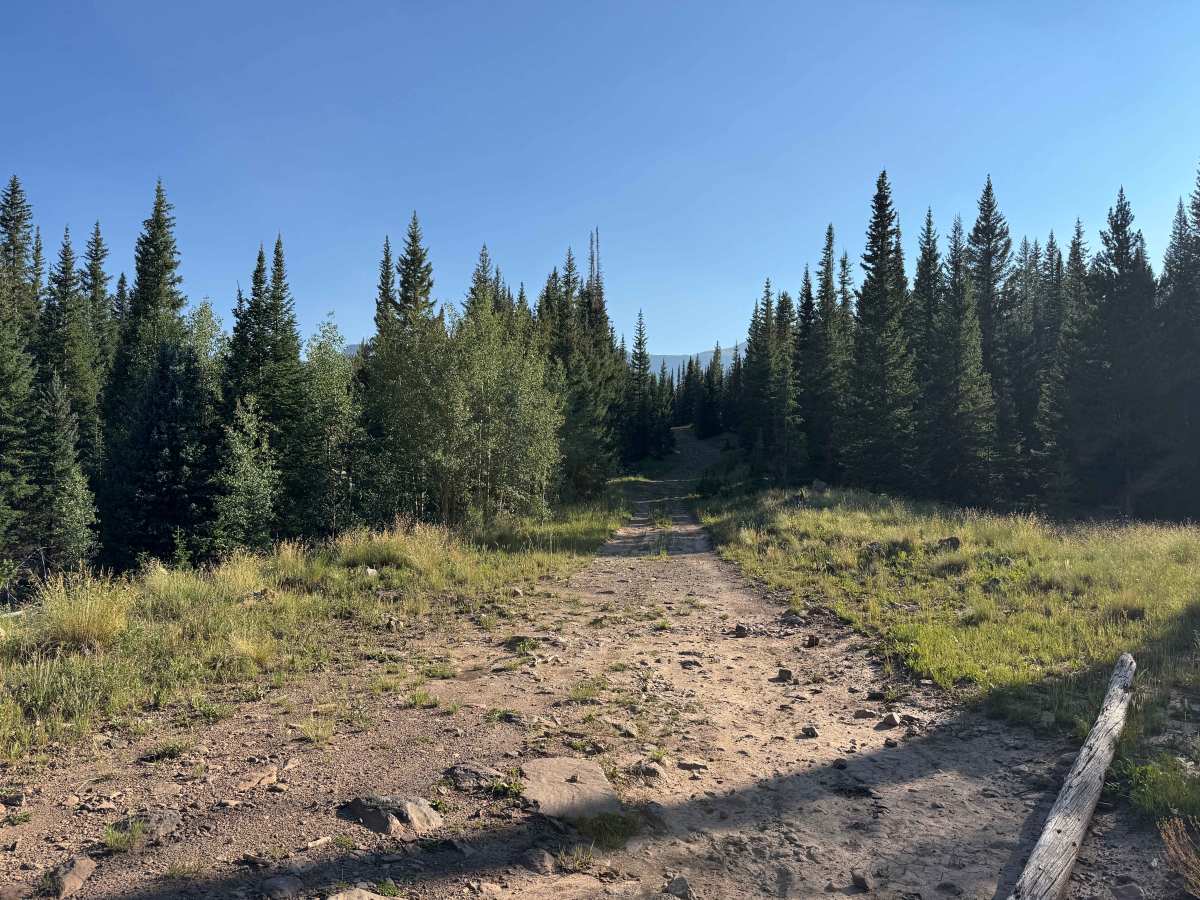
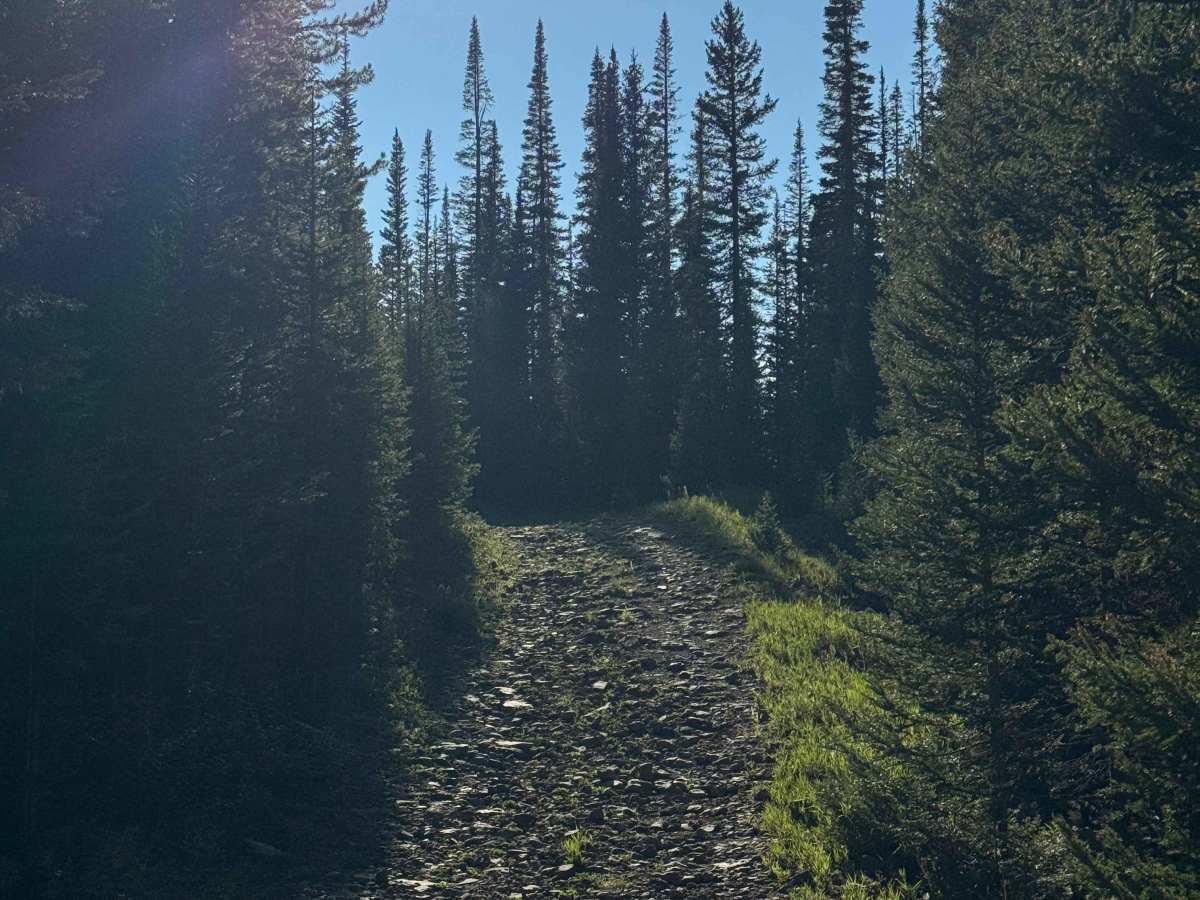
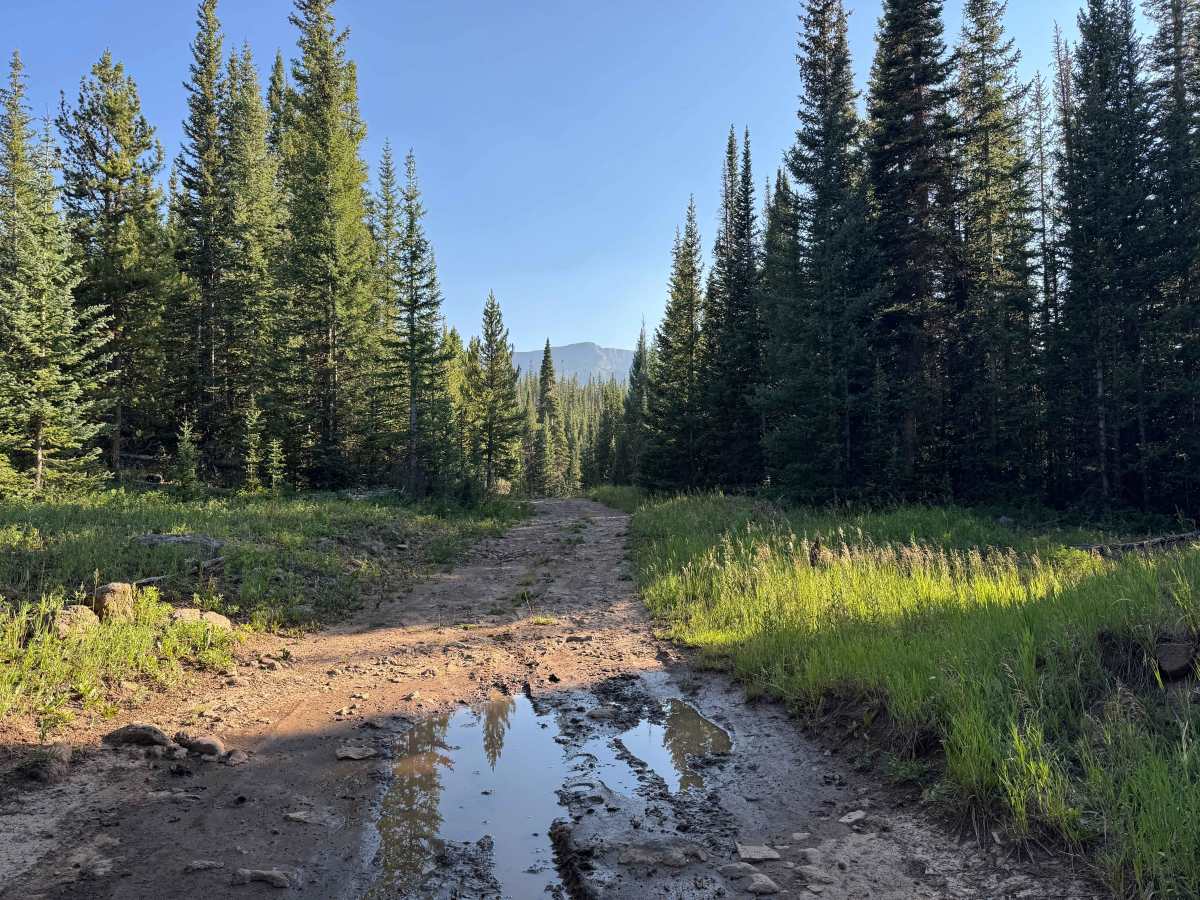
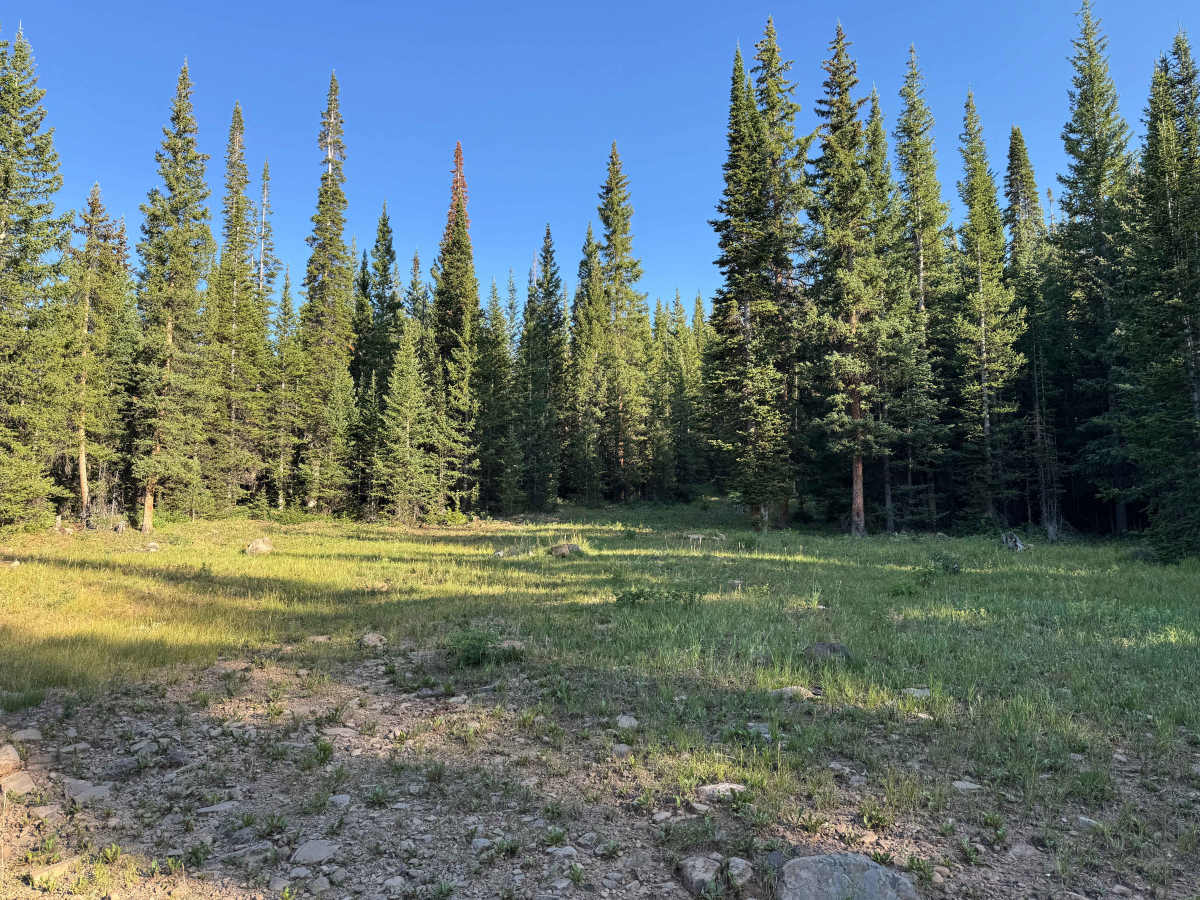
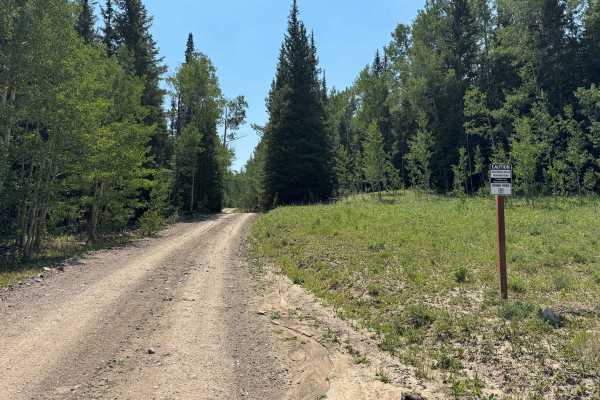
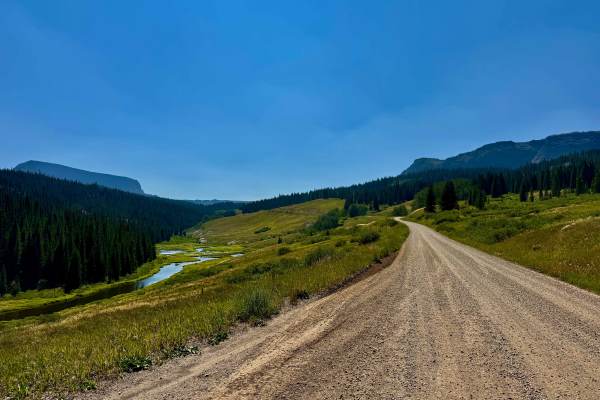
This short 2-mile out-and-back trail features several steep, loose rock climbs that make high-clearance 4WD essential, with airing down your tires strongly recommended for improved traction and ride comfort. Throughout the route, careful tire placement is required to avoid the many sharp rocks that could damage sidewalls or undercarriage components. As you climb, you’ll often notice fresh wildlife tracks preserved in the mud and hear the creek flowing below, adding to the area’s remote mountain atmosphere. Several well-established dispersed campsites are tucked into flat, scenic meadows along the route, making it an excellent destination for an overnight stay. The road ultimately ends at the boundary of a non-motorized area, where all motorized travel must stop.
Difficulty
In dry conditions, the only challenging sections of this trail are several steep climbs covered with loose rock and scattered embedded boulders. These obstacles occur repeatedly, with roughly half a dozen rocky climbs encountered throughout the route, requiring good traction and careful tire placement.
History
The Bear River Road area has a rich history rooted in Colorado’s ranching, timber, and early settlement eras. Long before European settlers arrived, the Ute people traveled these valleys to hunt and follow seasonal game. In the late 1800s, ranchers used the corridor to access high-country grazing lands, while logging operations in the early 1900s led to improvements of the road after the establishment of the Routt National Forest. Today, Bear River Road provides access to the Flat Tops region, where traces of the area’s ranching and forestry heritage can still be found alongside its outstanding recreational opportunities.