Trail Overview
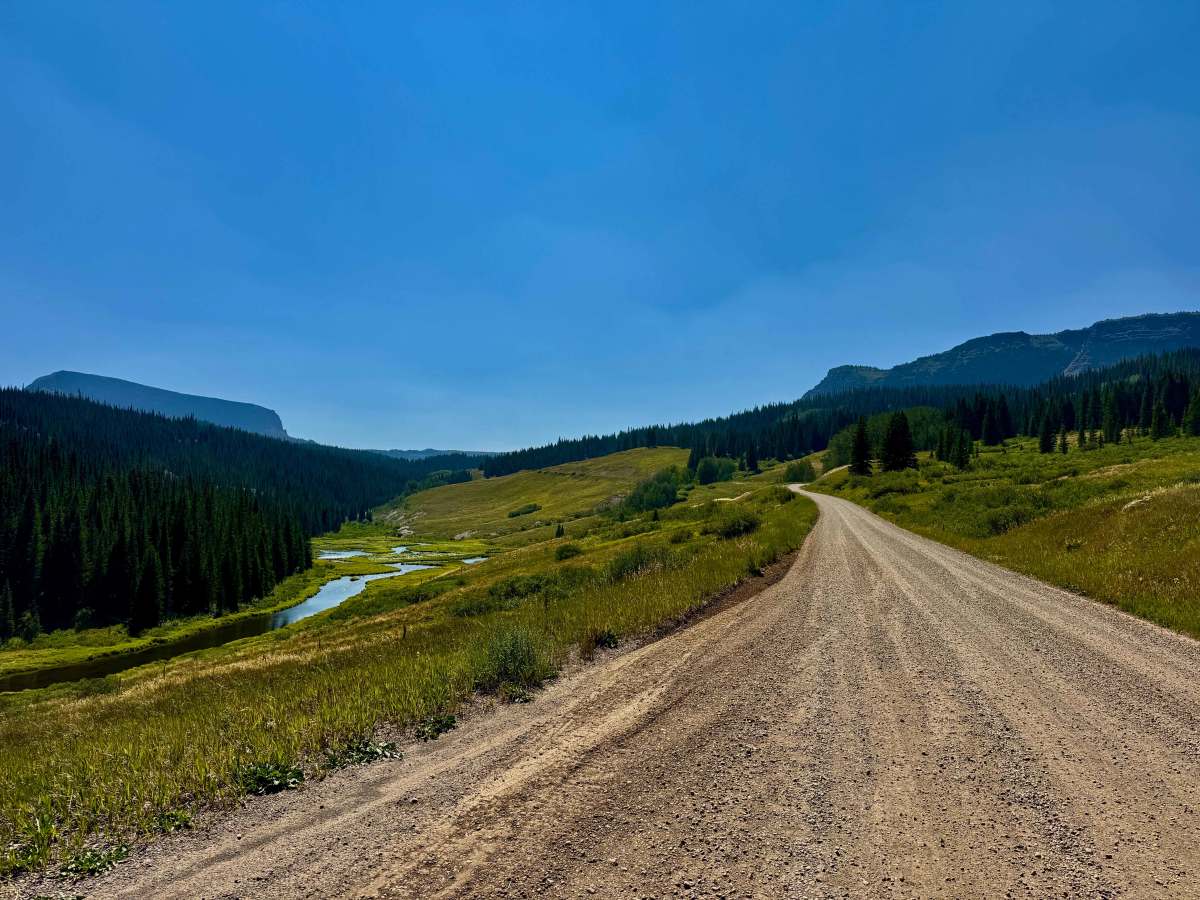
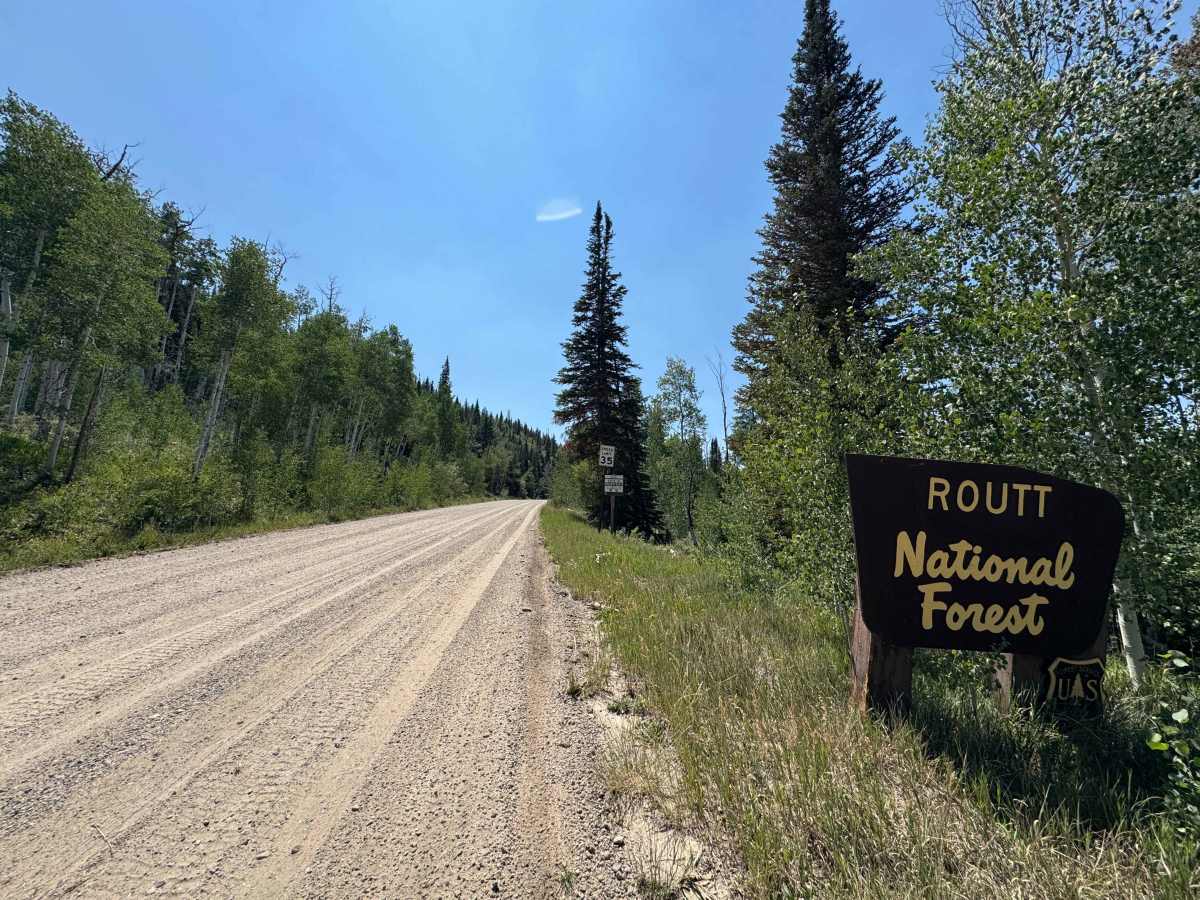
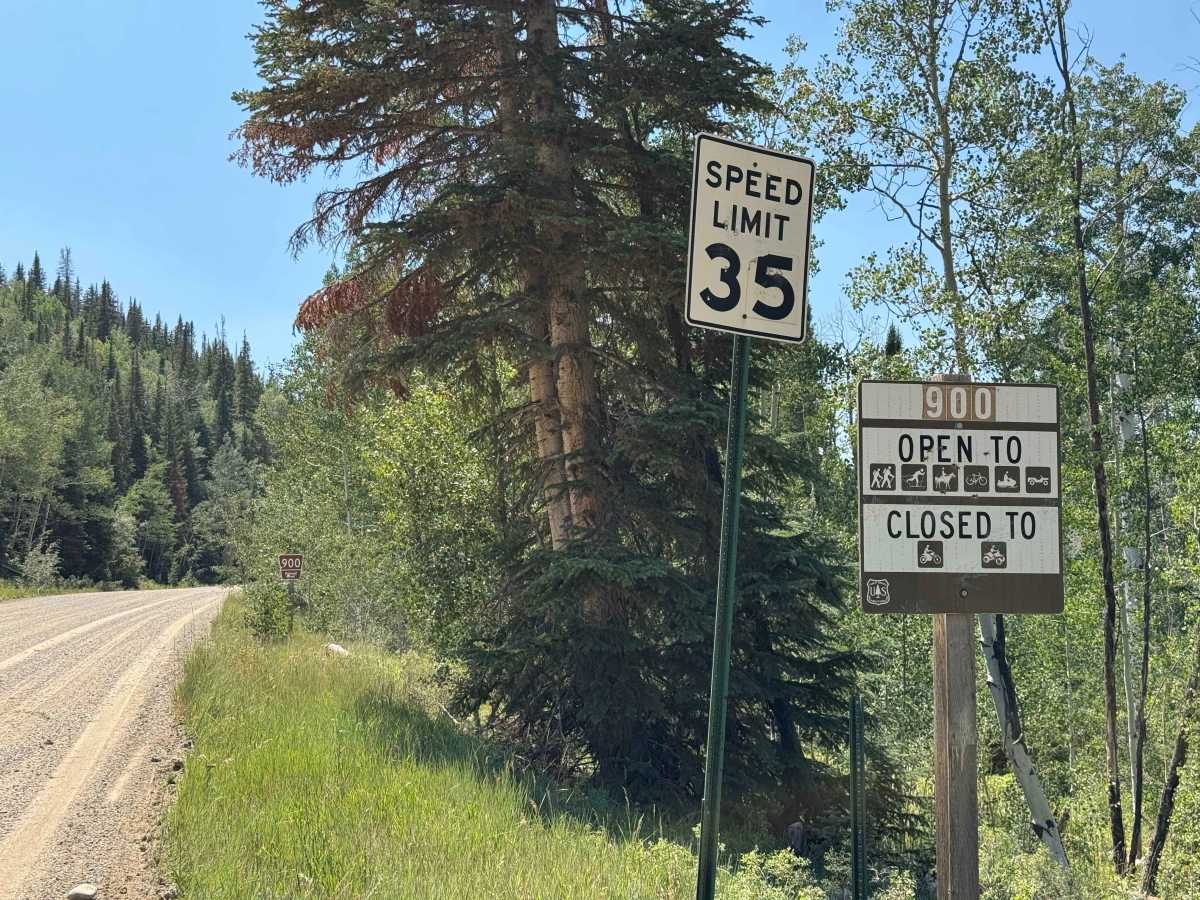
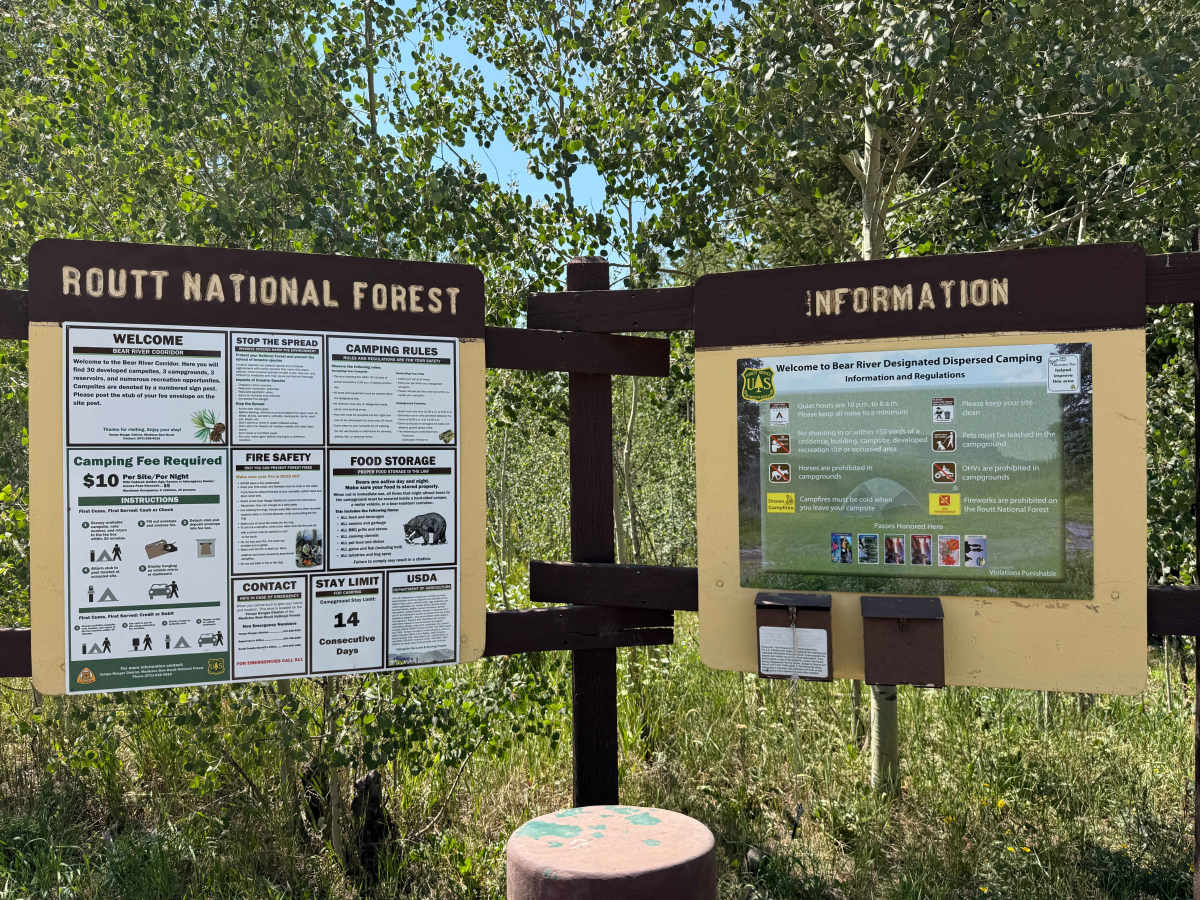
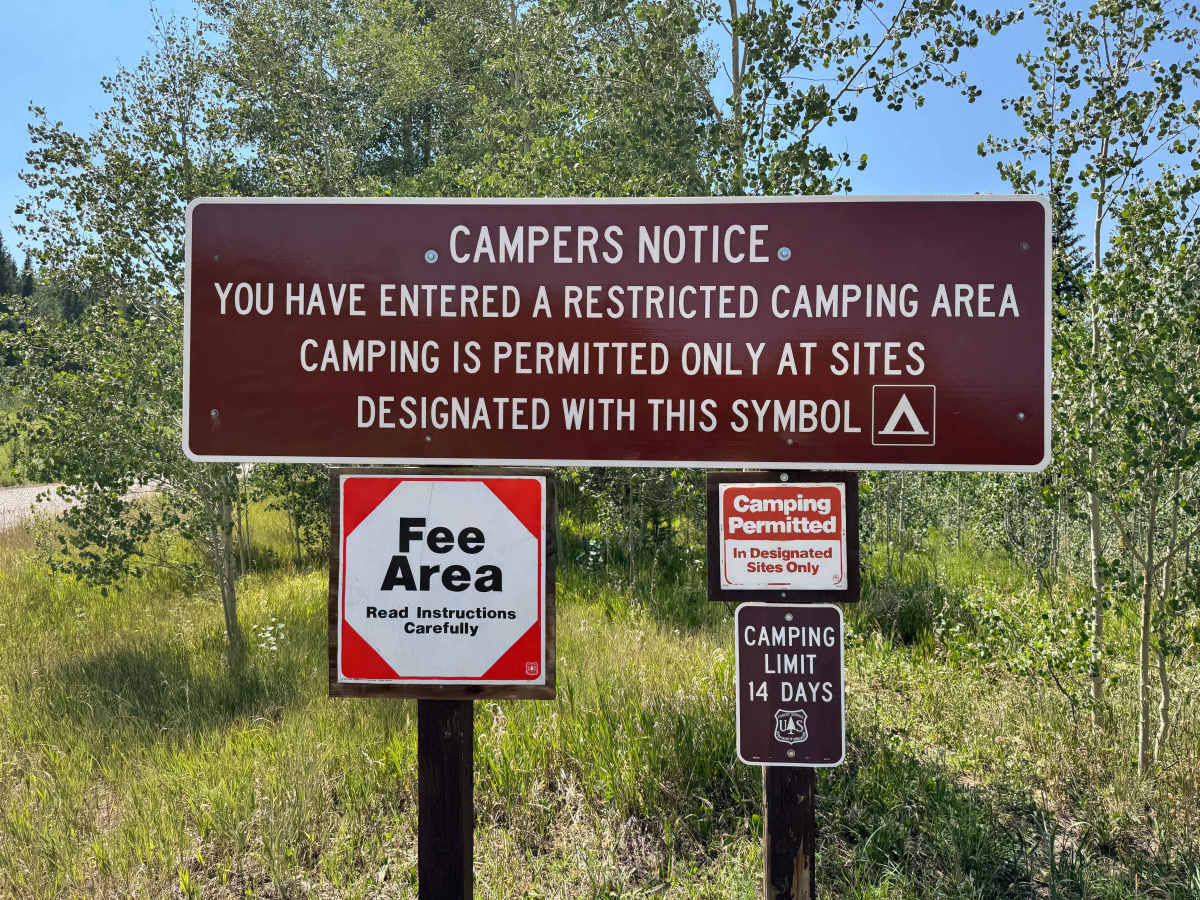
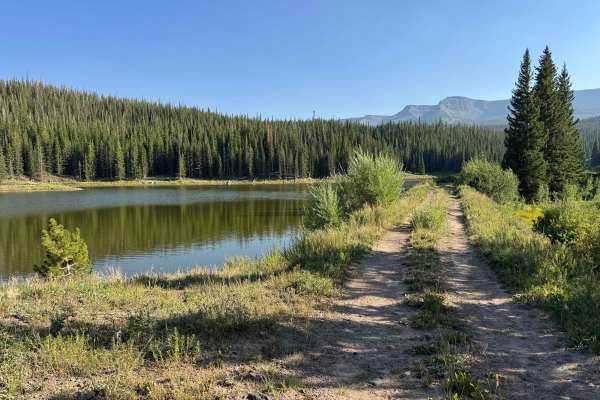
Bear River Road begins at the Routt National Forest boundary and continues to its terminus, where motorized travel ends and only non-motorized users may continue into the surrounding backcountry. The road is open only to street-legal vehicles, so motorcycles, ATVs, and SxSs must be trailered to the designated motorized trailheads. Many of the spur roads branching off to the south below Yamcolo Dam provide access to trails that are open to non-street-legal vehicles. Although the route travels entirely through national forest, the developed campgrounds along Bear River Road require a fee, currently $10 per night, or $5 with a valid discount pass. These well-maintained campgrounds offer amenities such as picnic tables, fire rings, and, at many locations, vault toilets. Campsites become quieter and more secluded the farther you travel, making the campgrounds near the end of the road an excellent choice for those seeking a more peaceful experience. If you prefer dispersed camping without campground fees, many of the roads south of Bear River Road permit dispersed camping. Be sure to enable the Dispersed Camping layer in the app to easily identify legal camping opportunities.
Difficulty
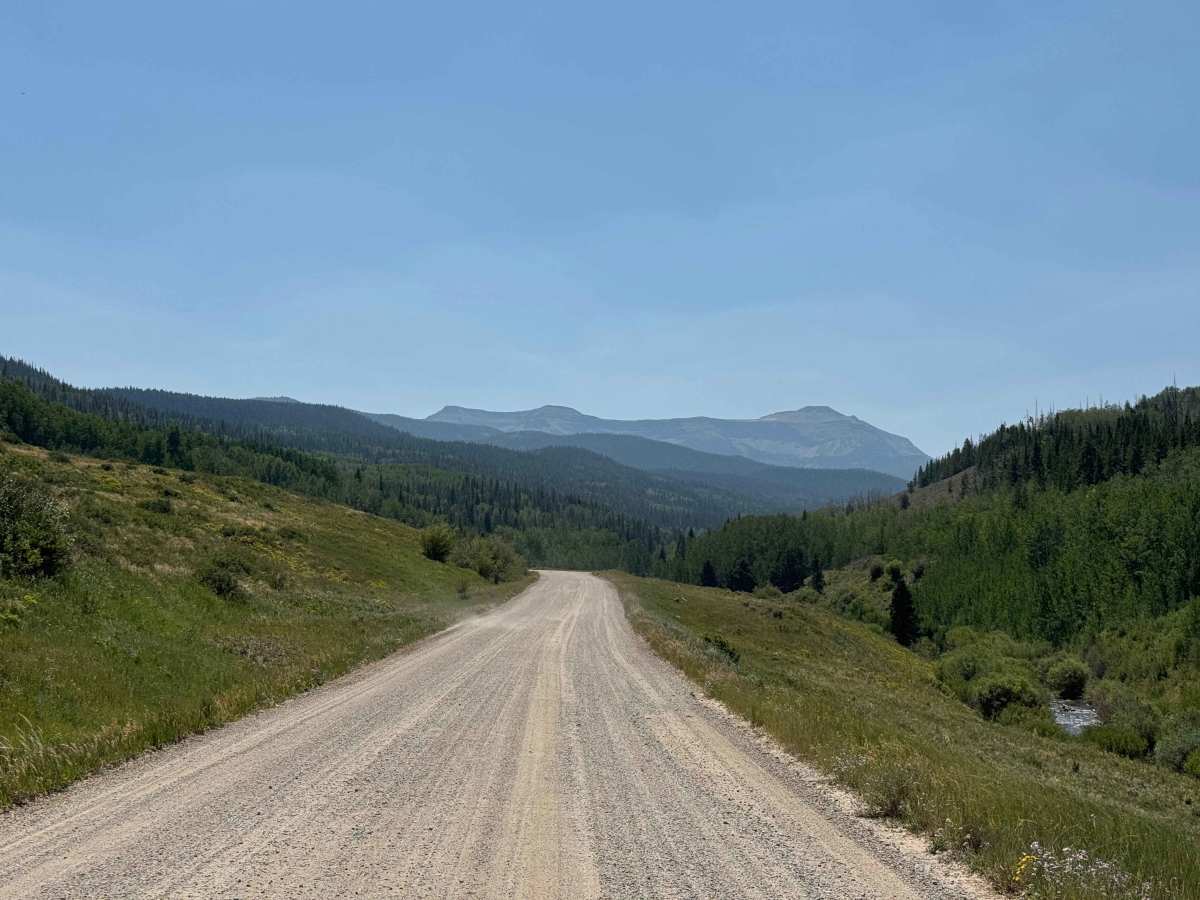
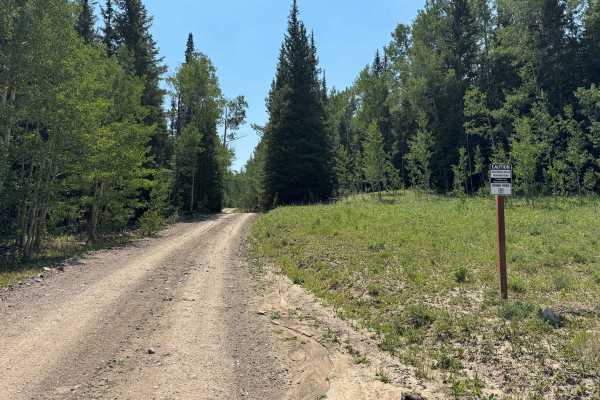
This well-maintained gravel road is suitable for virtually any vehicle under normal conditions. When open, it is regularly maintained, making for an easy and comfortable drive.
History
The Bear River Road area has a rich history rooted in Colorado’s ranching, timber, and early settlement eras. Long before European settlers arrived, the Ute people traveled these valleys to hunt and follow seasonal game. In the late 1800s, ranchers used the corridor to access high-country grazing lands, while logging operations in the early 1900s led to improvements of the road after the establishment of the Routt National Forest. Today, Bear River Road provides access to the Flat Tops region, where traces of the area’s ranching and forestry heritage can still be found alongside its outstanding recreational opportunities.