Trail Overview
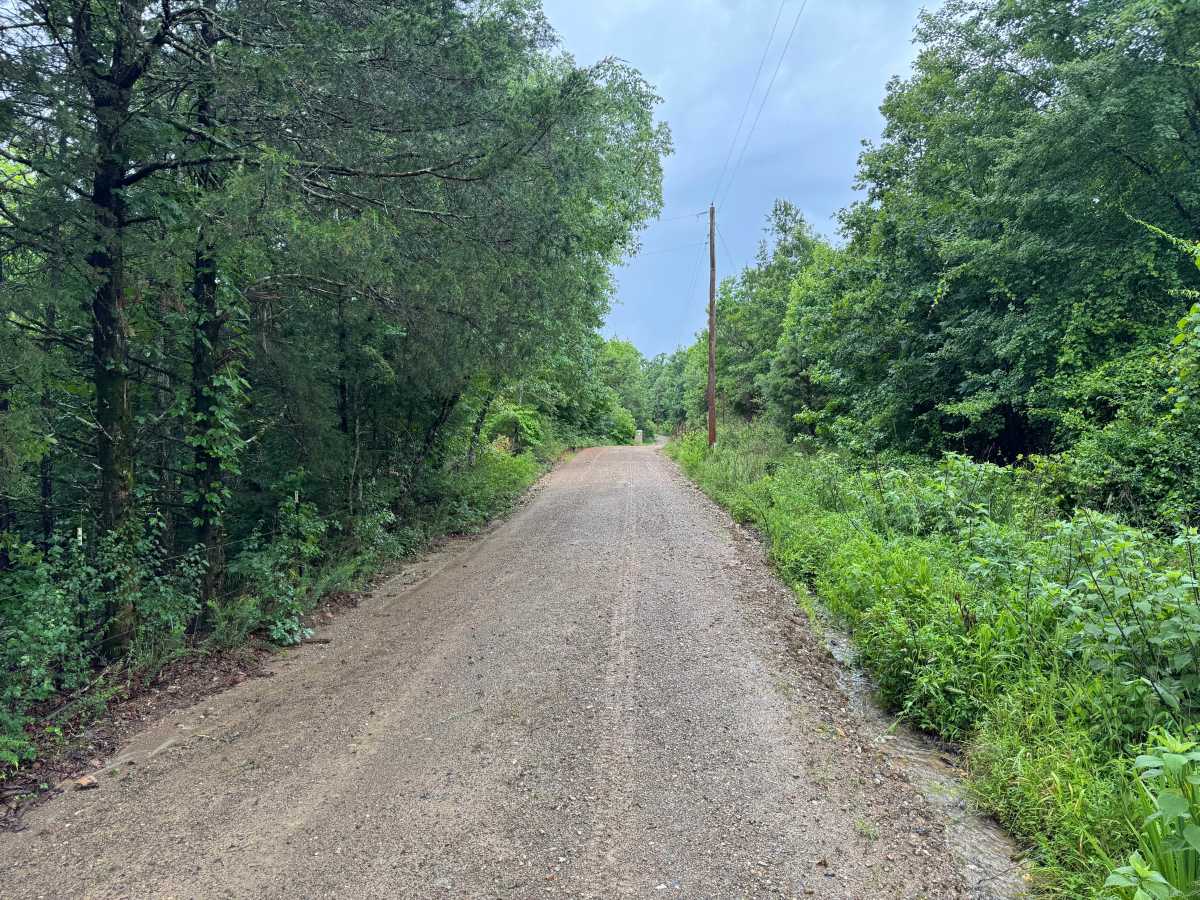
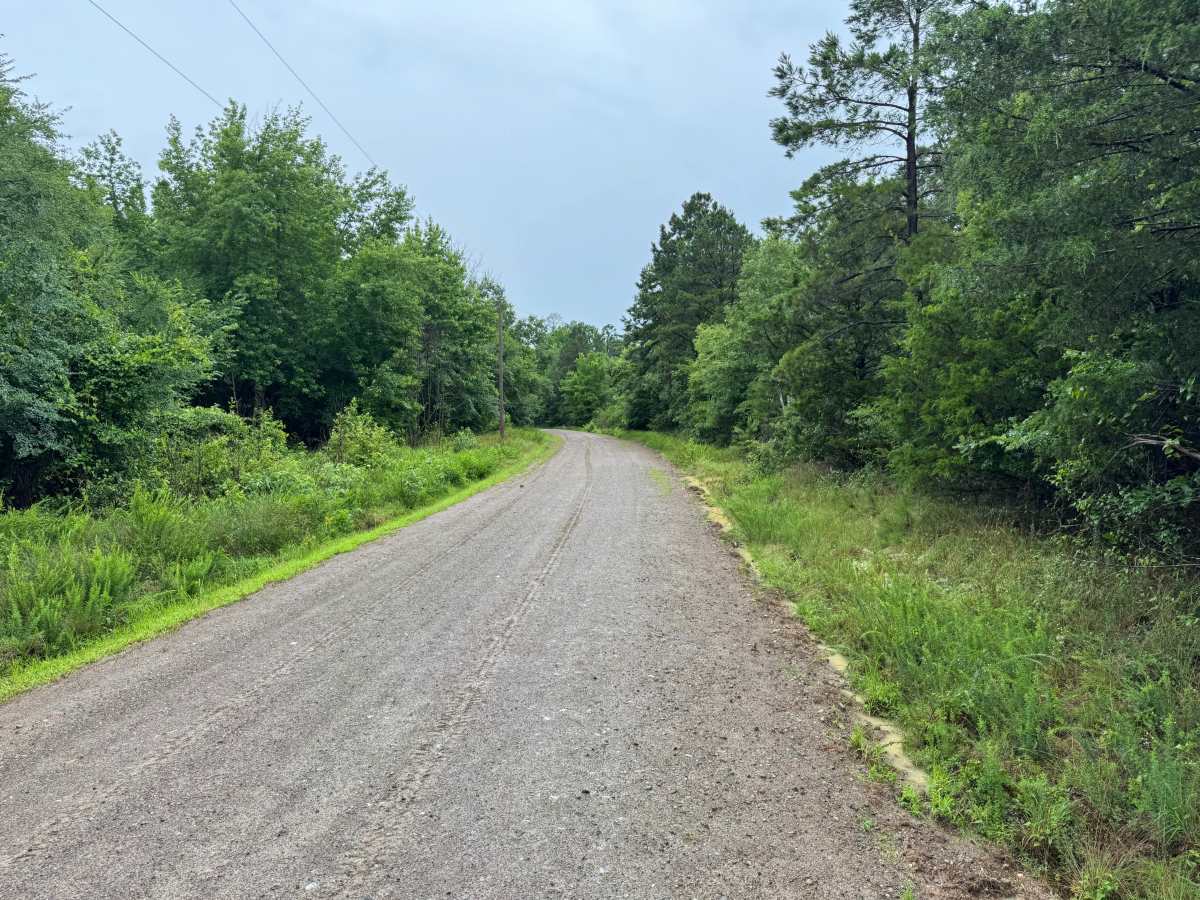
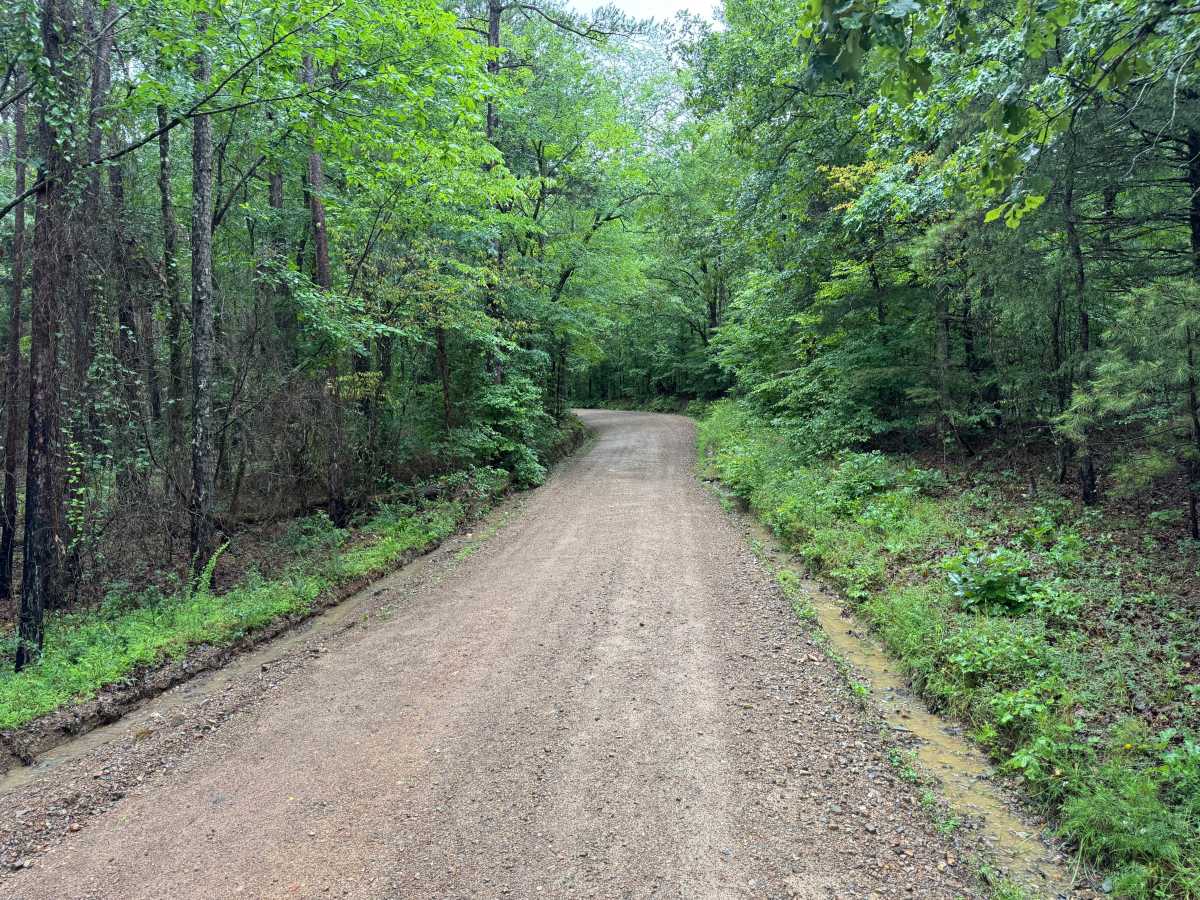
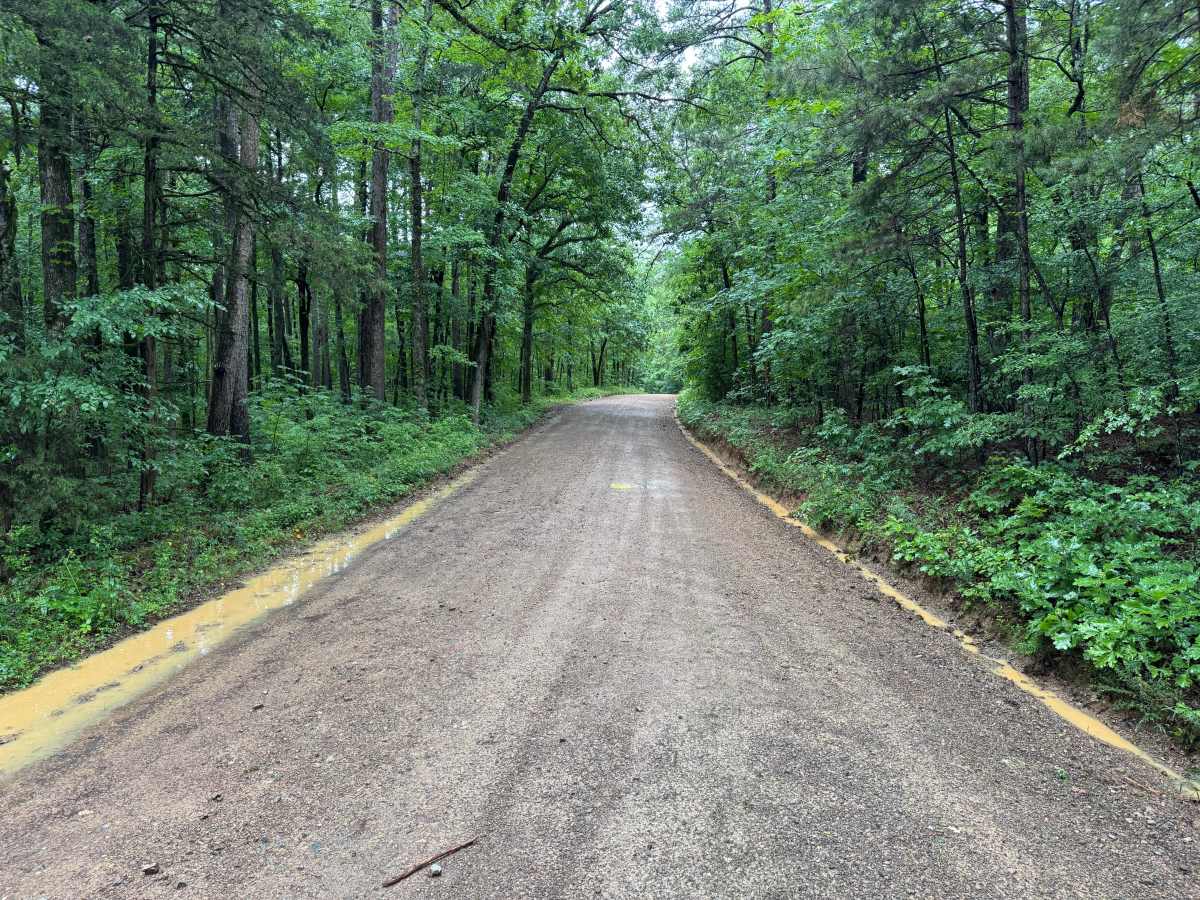
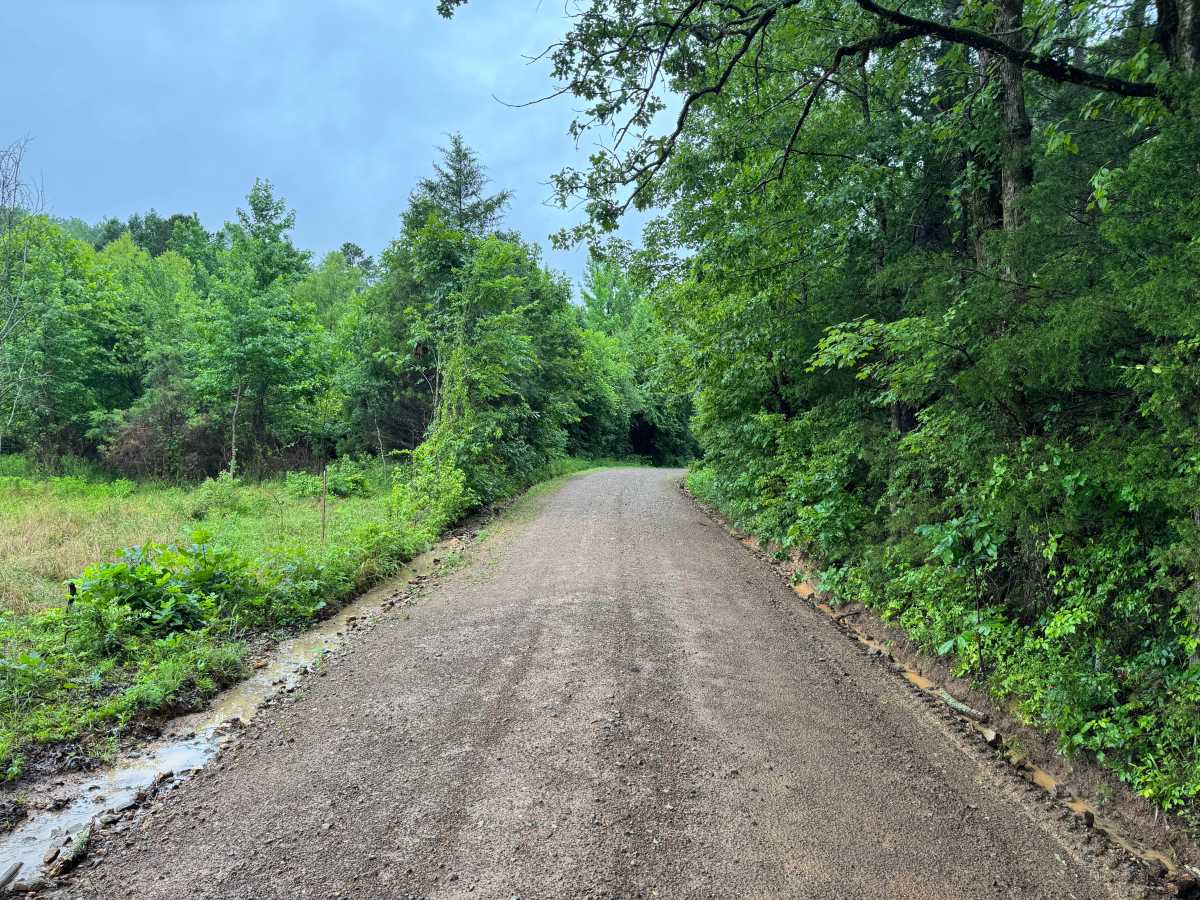
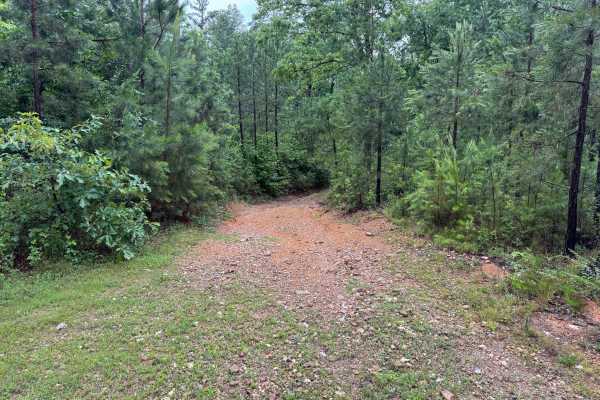
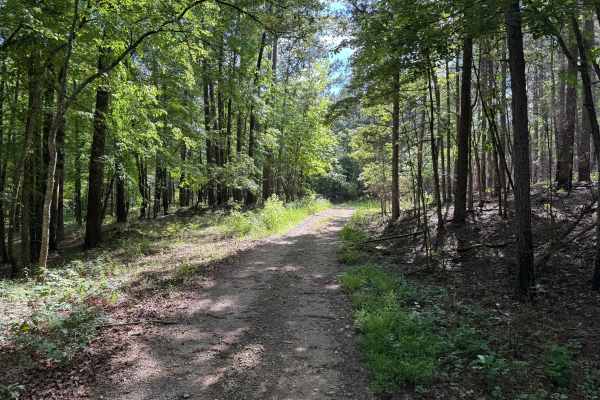
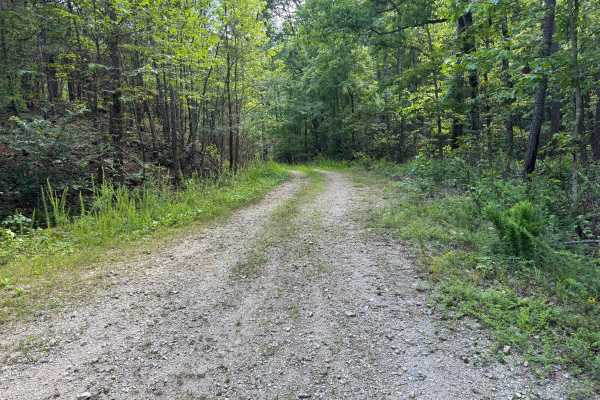
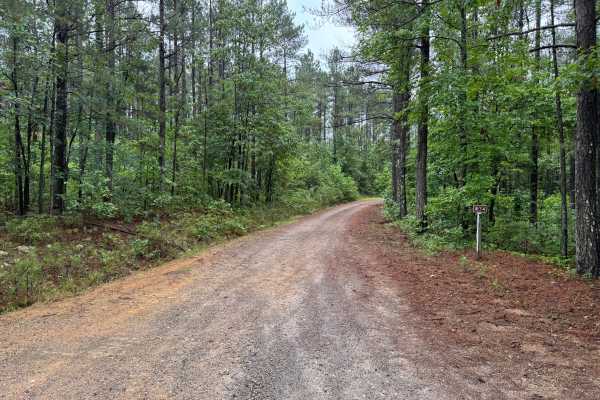
This route follows a well-maintained gravel road through a mix of forest and rural private property. The roadway is regularly graded and provides an easy drive suitable for virtually any vehicle. Most sections are wide enough for two vehicles to pass comfortably, though a few narrower stretches may require drivers to slow down and communicate with oncoming traffic. The route winds through scenic woodlands with occasional views of open clearings and residential properties. Drainage ditches along the roadway may hold water after rainfall, but the driving surface remains firm and generally free of significant obstacles. Due to its maintained condition, this road serves as an excellent connector route between more technical trails in the area. Travelers should be aware that private property borders much of the route. Remain on the established roadway, avoid blocking driveways or gates, and be courteous to local residents. At the end of the route, a gated private property entrance marks the end of public travel. Nearby is a small mining operation where crystals appear to be sold. This area should be viewed respectfully from public access points only, and visitors should not enter any posted private property without permission. While this route lacks technical challenges, it provides a pleasant drive through the forest and serves as an important access road connecting nearby recreation areas.
Difficulty
There are no significant obstacles, technical sections, water crossings, mud holes, or narrow shelf roads. The maintained gravel surface and ample width make this one of the easiest routes in the area.
History
The Ouachita National Forest was established in 1907 and is recognized as the oldest national forest in the southern United States. Many roads found throughout the forest today originated as logging, timber management, fire access, or resource extraction routes before becoming part of the modern Forest Service road network. Forest management remains an important part of the landscape, and travelers may encounter evidence of prescribed burns, timber thinning, and habitat restoration efforts. The Ouachita Mountains themselves are among the oldest mountain ranges in North America and are notable for their unique east-west orientation.