Trail Overview
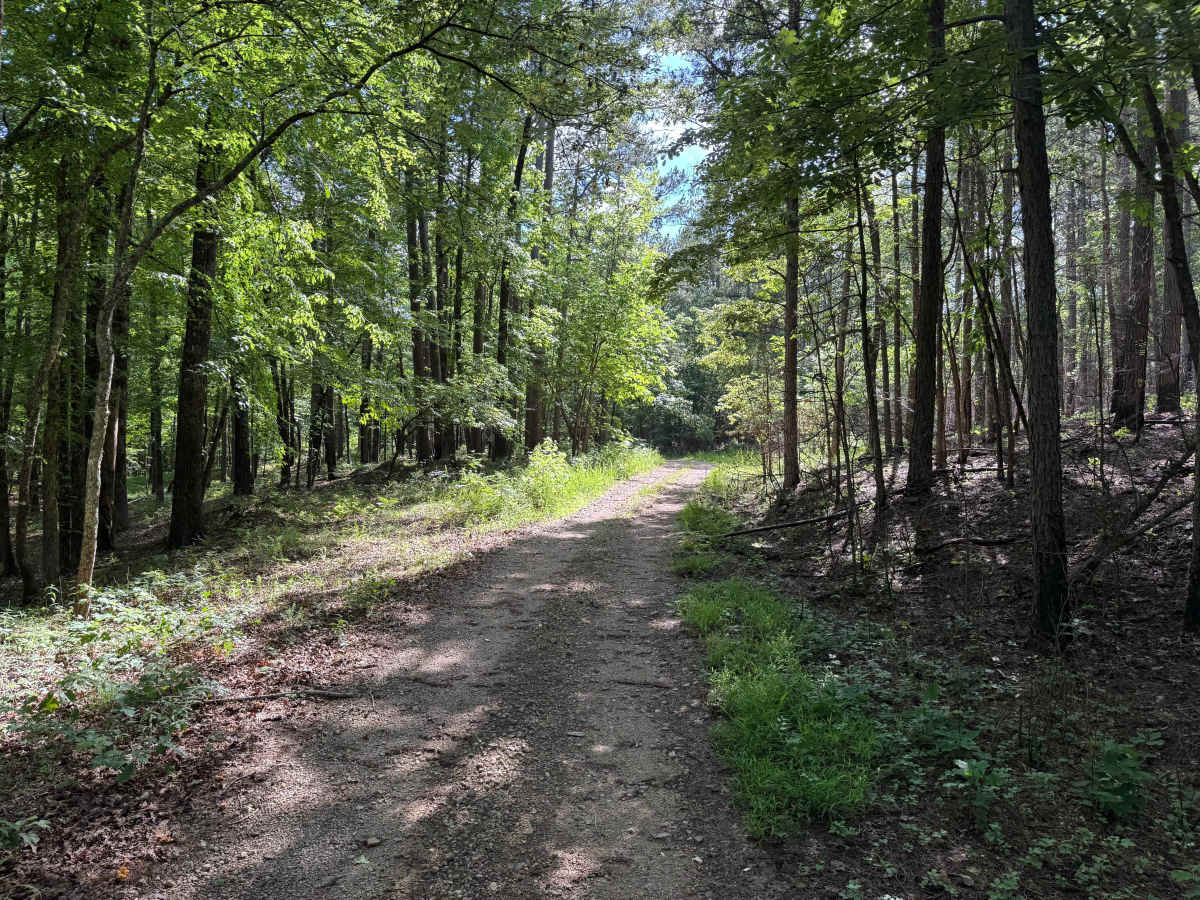
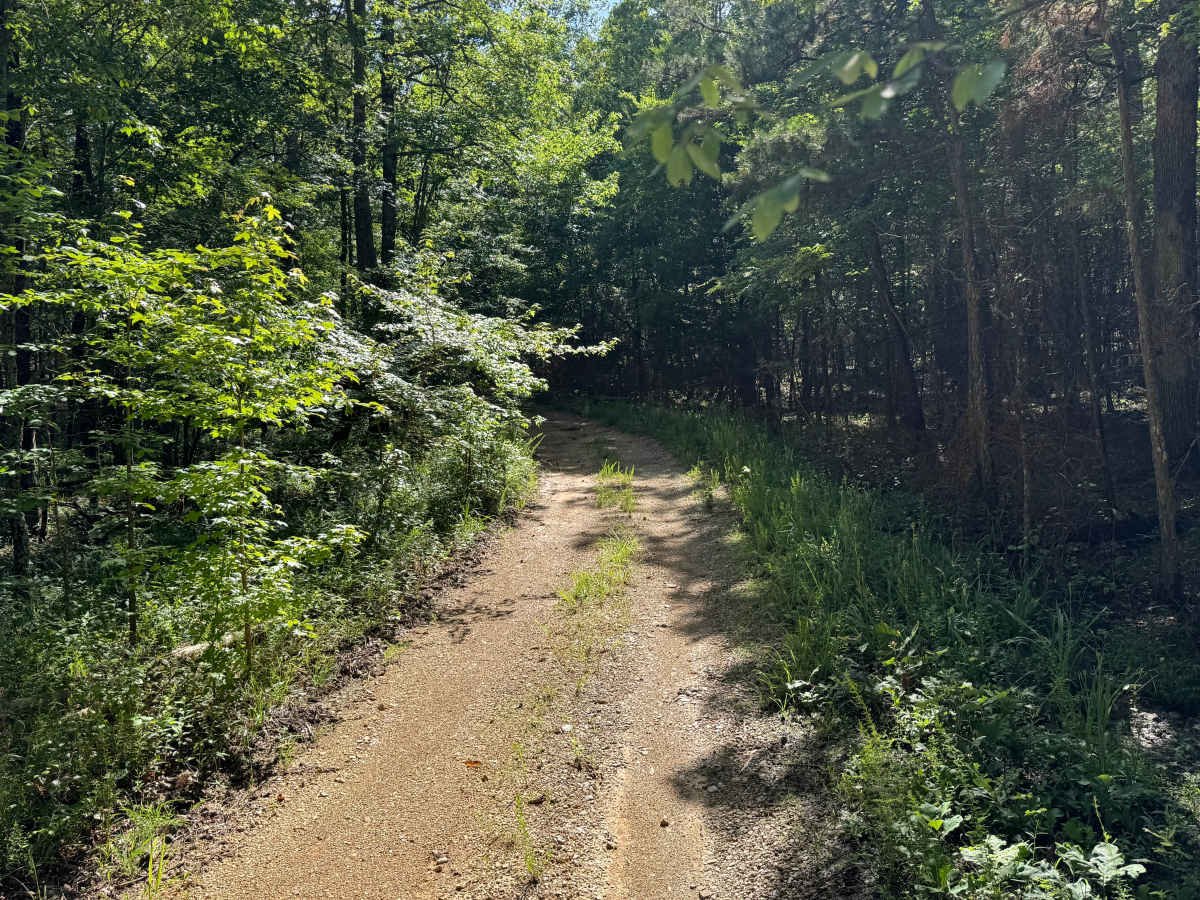
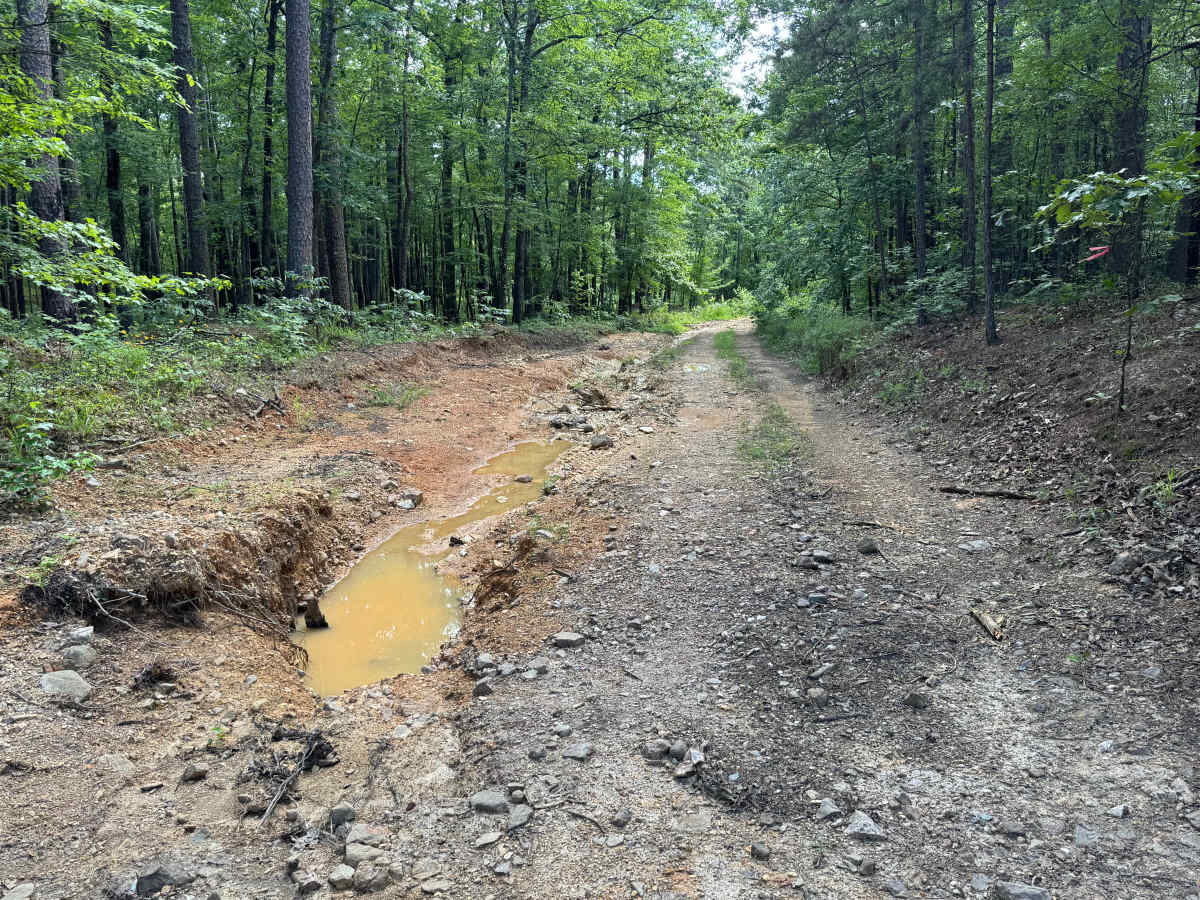
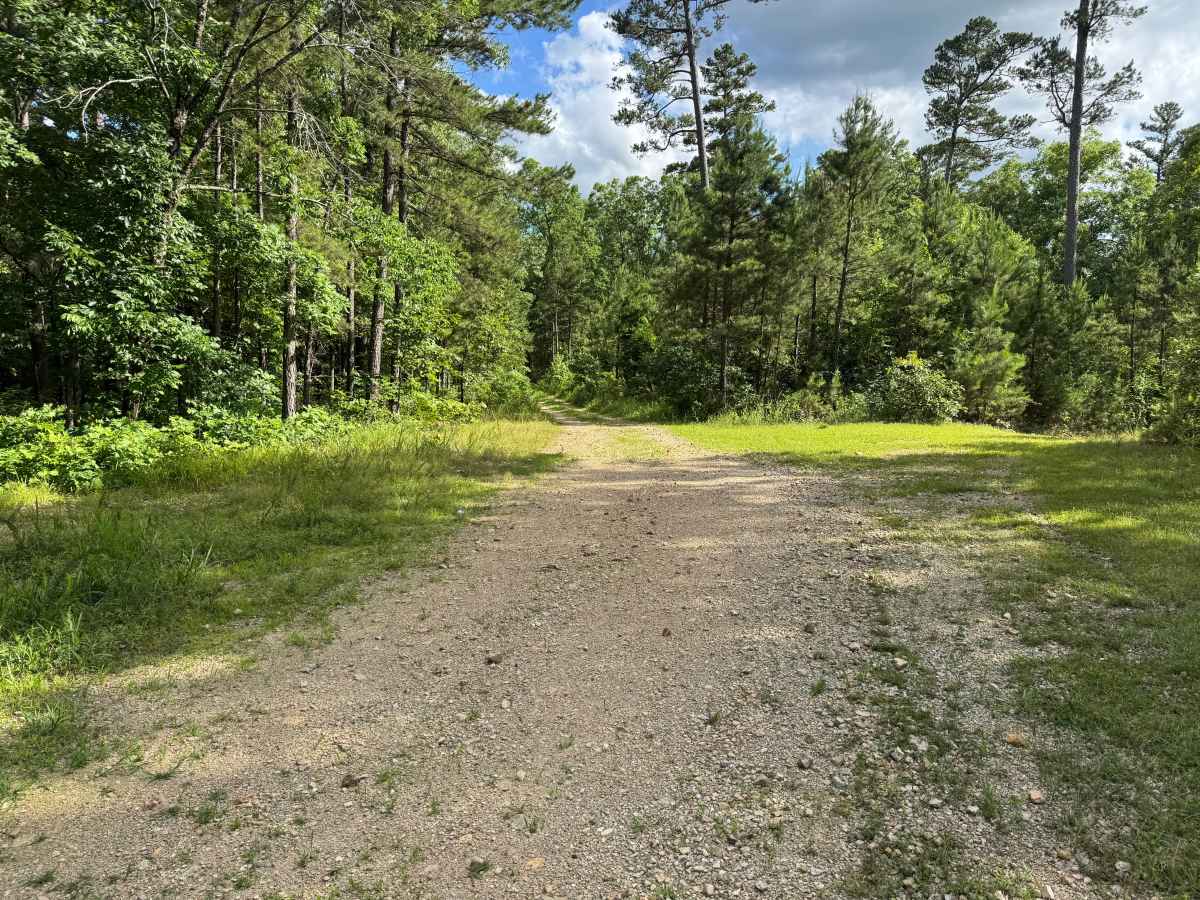
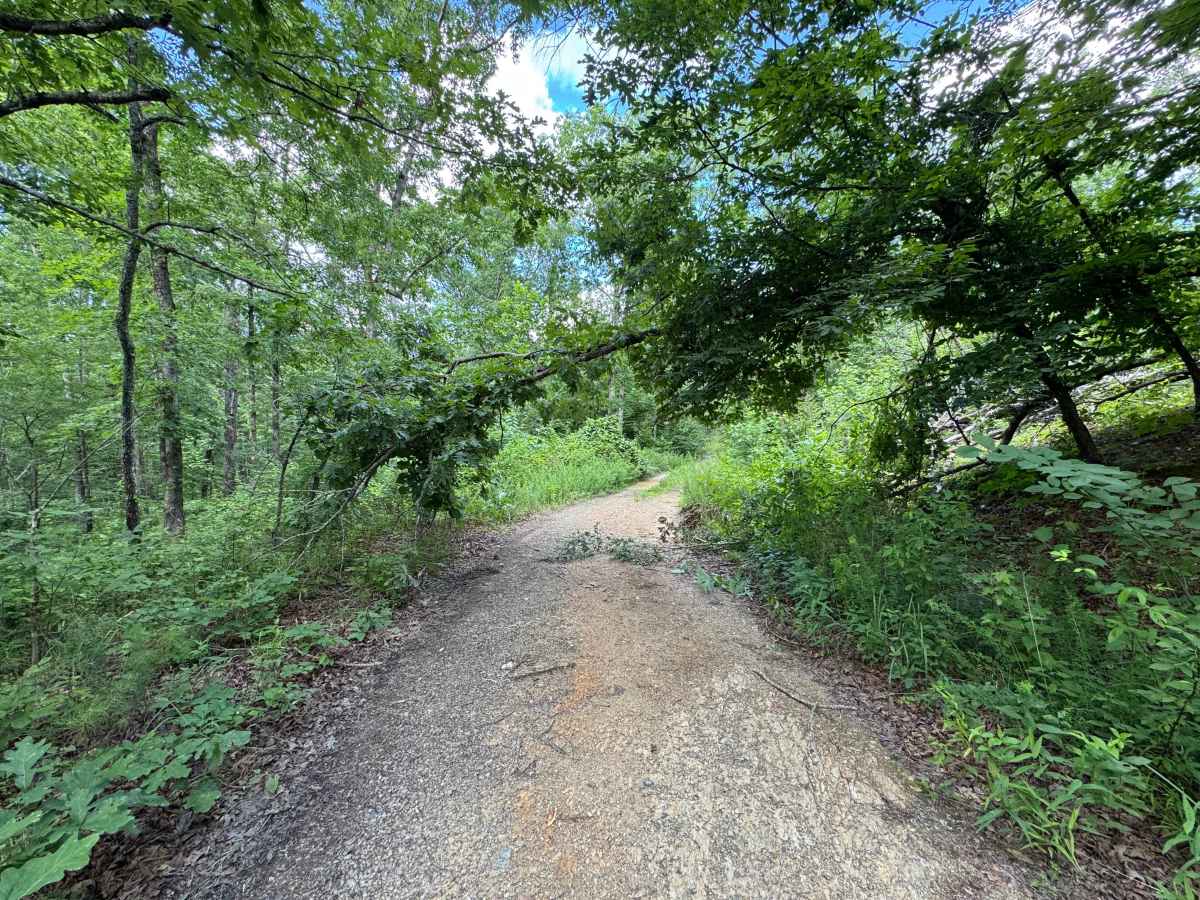
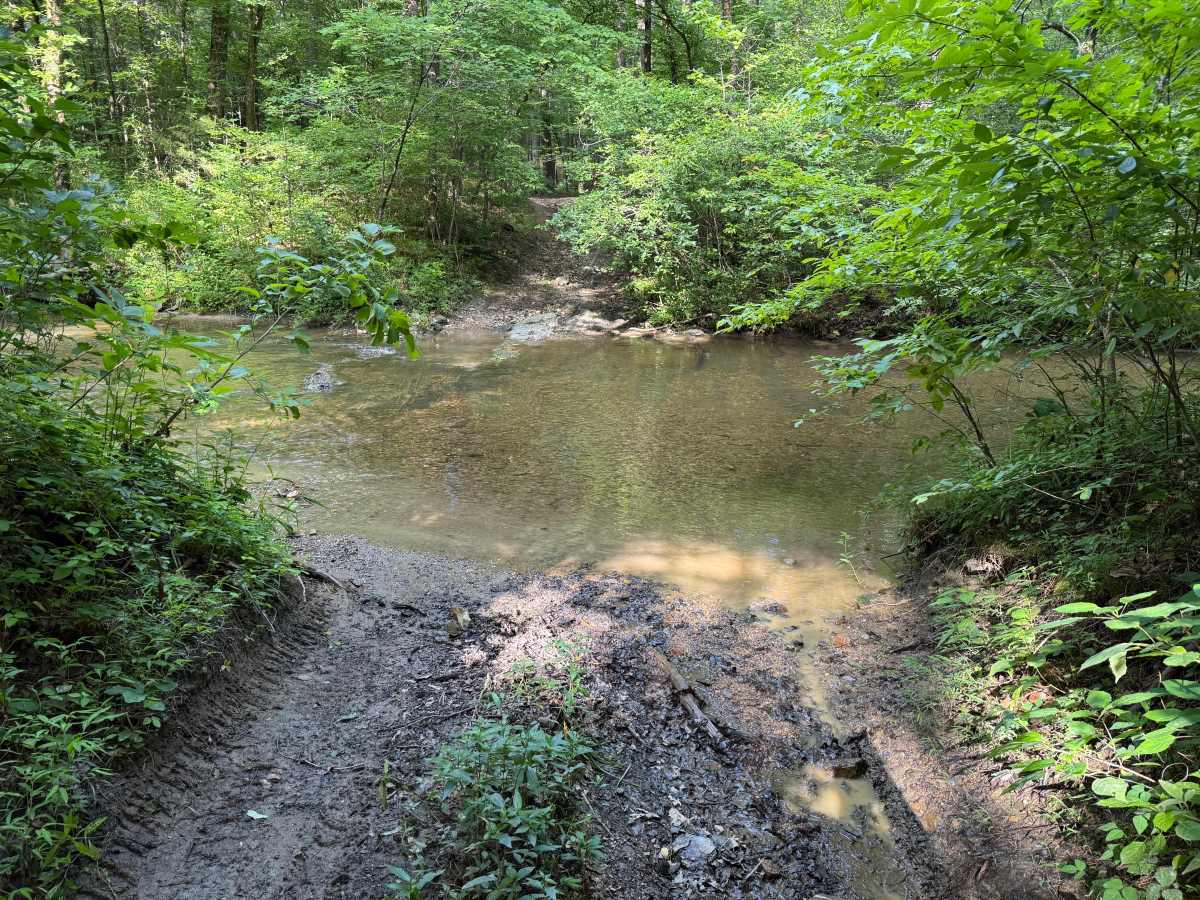
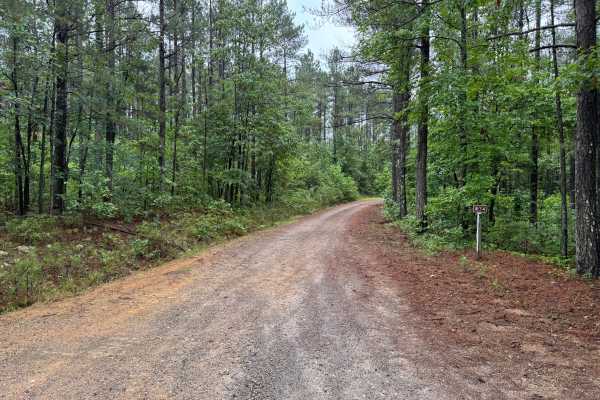
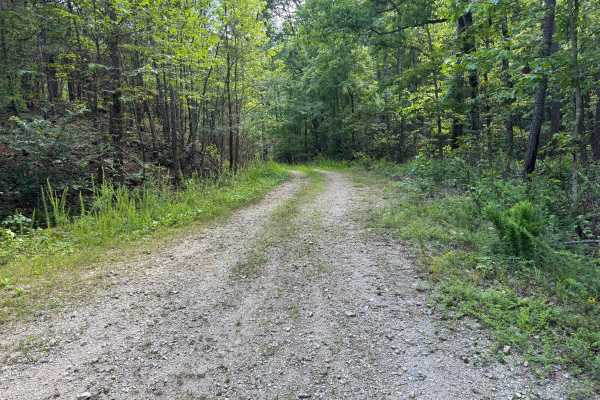
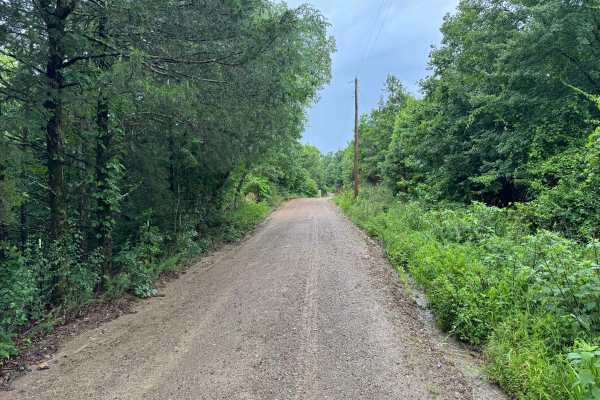
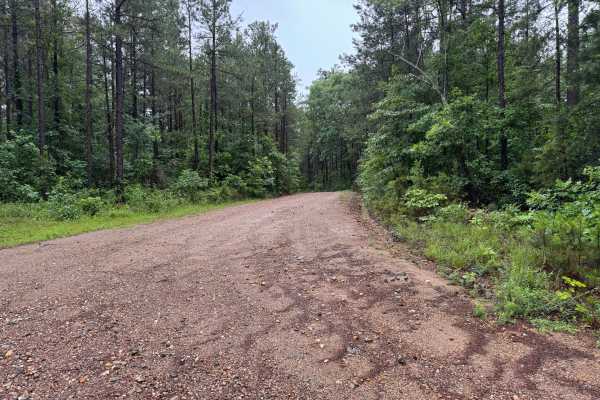
This narrow forest route offers a more remote and technical experience than many of the surrounding routes. The trail winds through dense hardwood and pine forest, with vegetation frequently encroaching on the roadway and creating a higher likelihood of pinstriping. Most of the route is limited to a single vehicle width, leaving few opportunities to pass oncoming traffic. Drivers will encounter two creek crossings along the route. Under normal conditions, the crossings are straightforward, but water levels can rise significantly after periods of rain. Several mudholes are present throughout the trail, and some may conceal logs, stumps, or other debris left behind from past timber activity. Careful tire placement is recommended, particularly after wet weather. Downed trees are a common occurrence along this route. While some may have been cleared, travelers should be prepared for temporary blockages and may want to carry basic trail-clearing tools such as a handsaw or chainsaw if traveling after storms. Despite the added obstacles, the route provides a scenic drive through a secluded section of forest with creek crossings, dense canopy cover, and a true backcountry feel.
Difficulty
The route remains accessible to most high-clearance stock 4x4s during dry conditions, but the combination of narrow travel lanes, mudholes, hidden obstacles, creek crossings, and potential downed trees increases the difficulty above a simple forest road. Weather can quickly raise the challenge level.
History
The Ouachita National Forest was established in 1907 and is recognized as the oldest national forest in the southern United States. Many roads found throughout the forest today originated as logging, timber management, fire access, or resource extraction routes before becoming part of the modern Forest Service road network. Forest management remains an important part of the landscape, and travelers may encounter evidence of prescribed burns, timber thinning, and habitat restoration efforts. The Ouachita Mountains themselves are among the oldest mountain ranges in North America and are notable for their unique east-west orientation.