Trail Overview
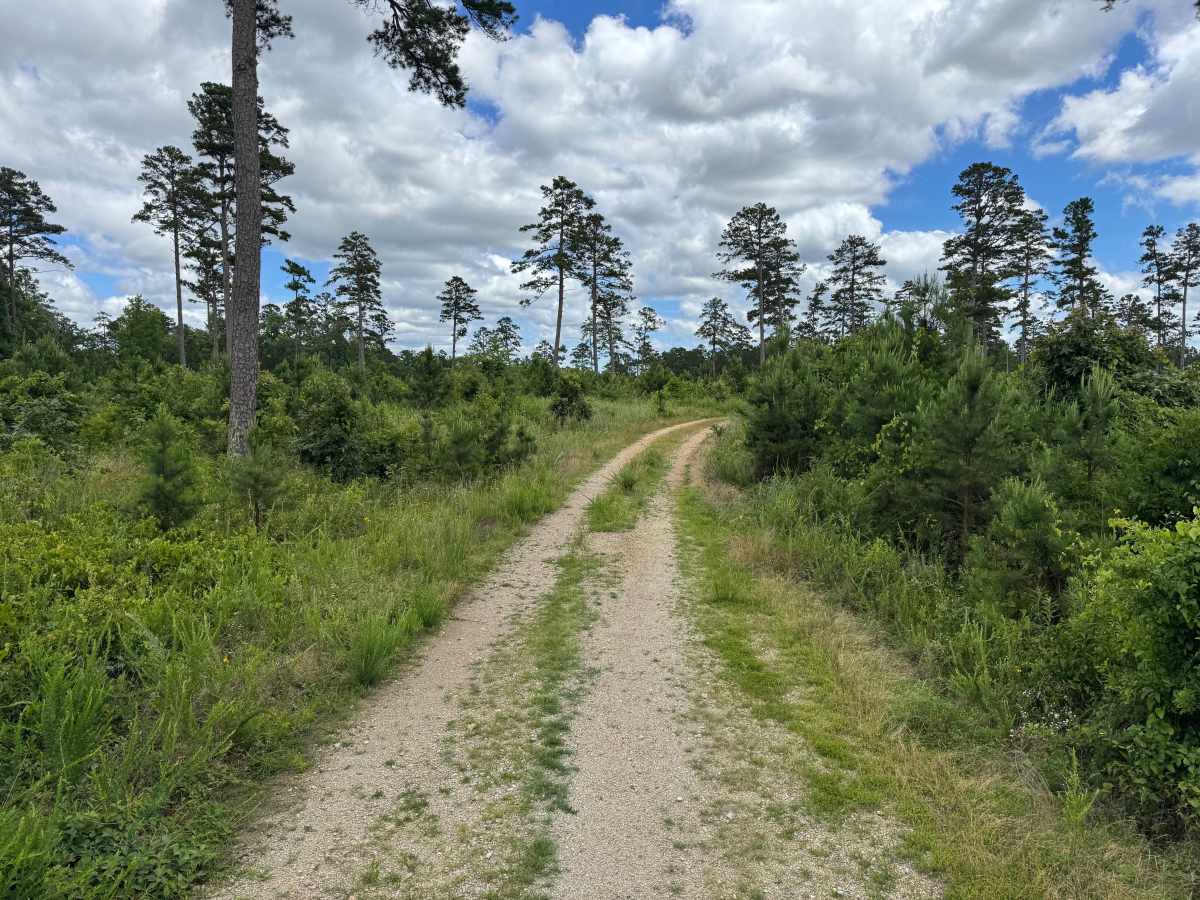
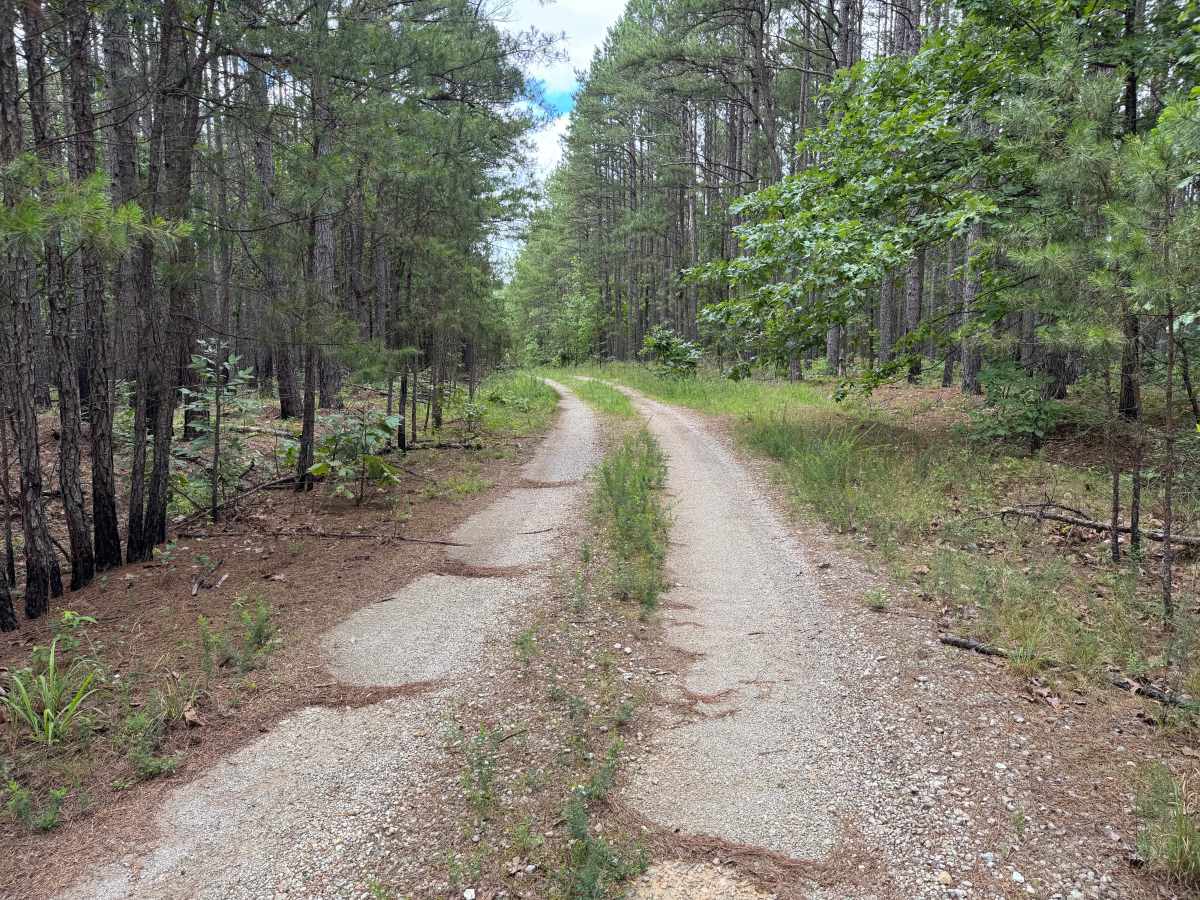
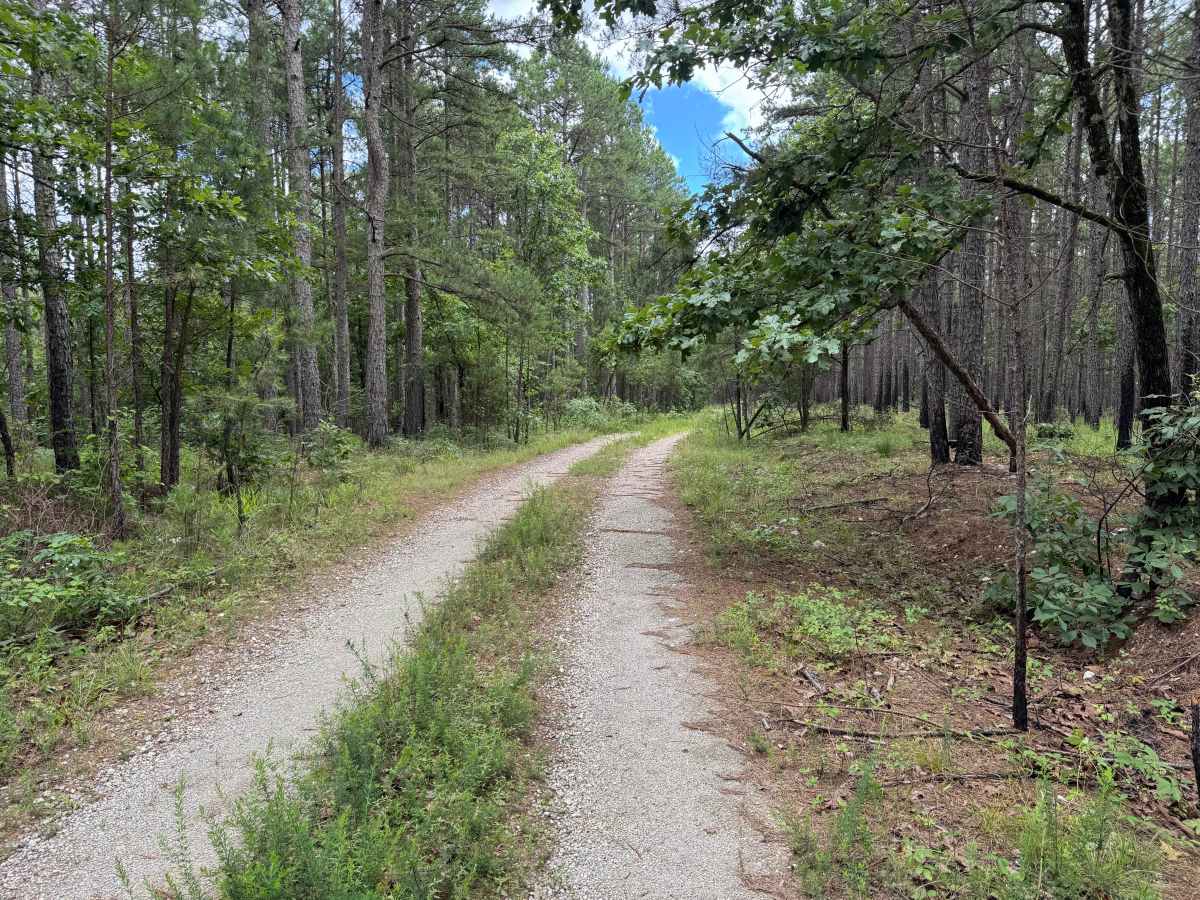
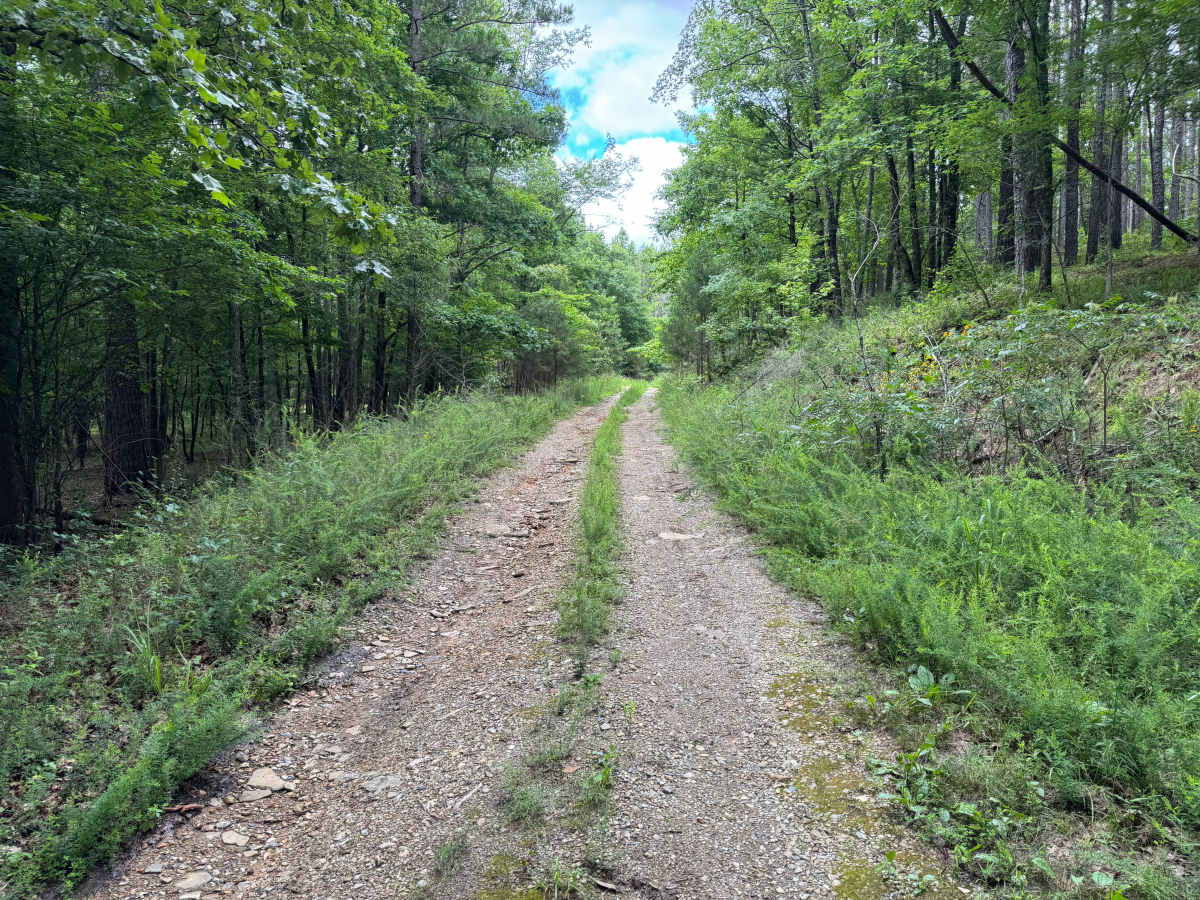
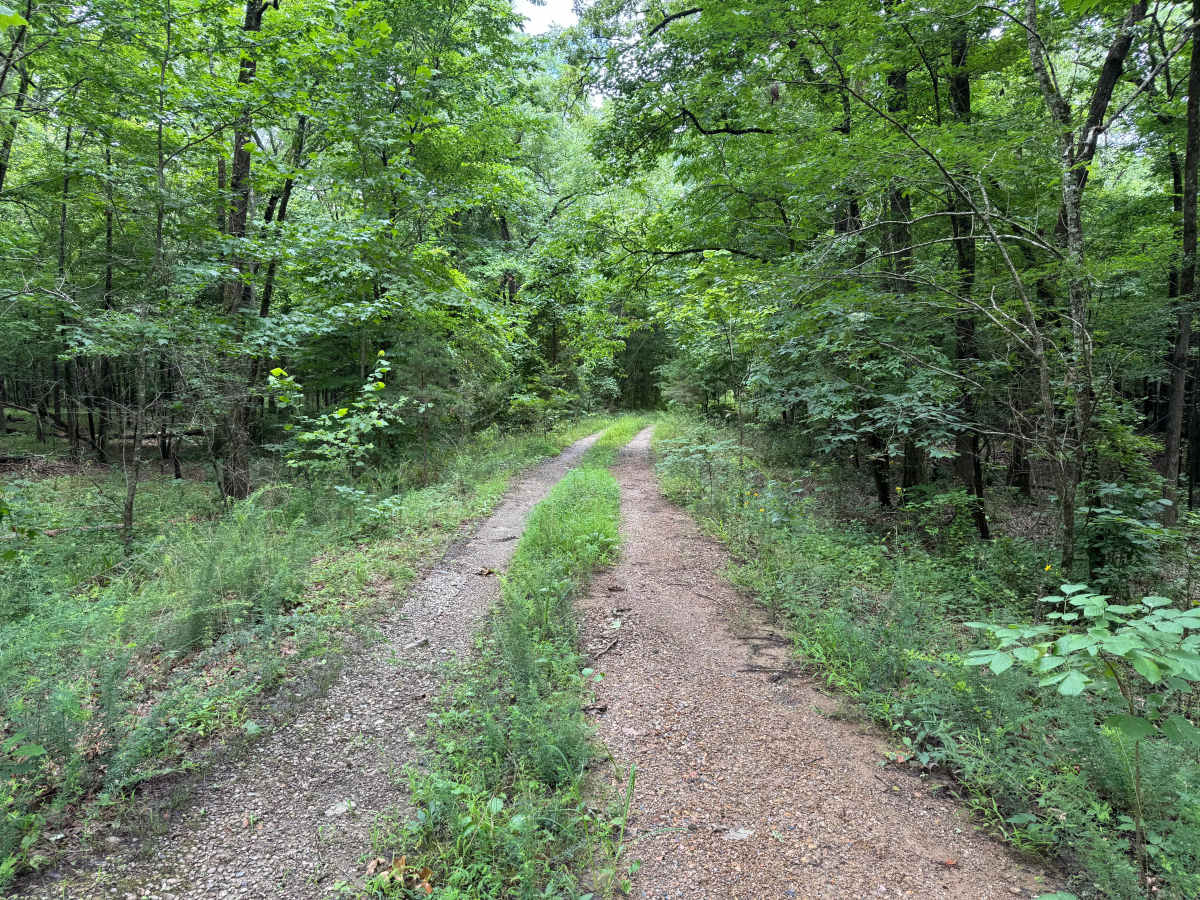
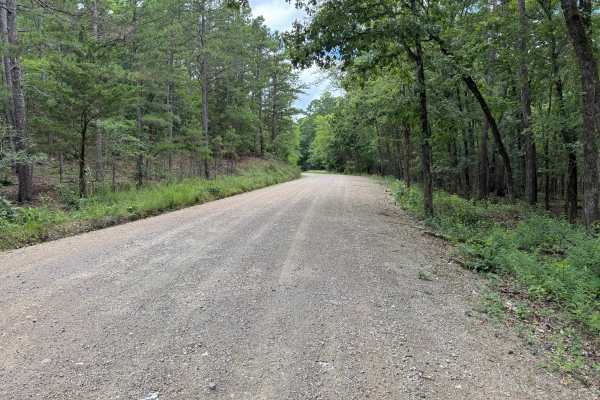
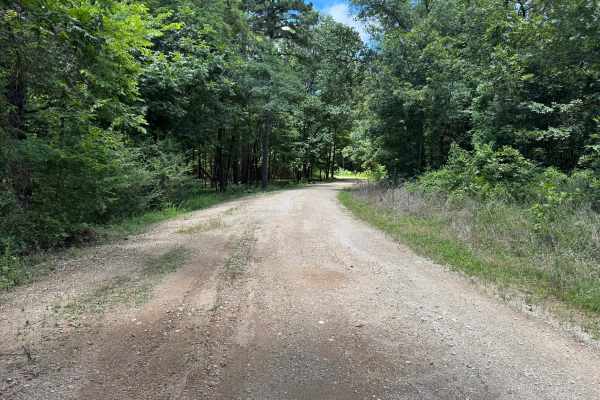
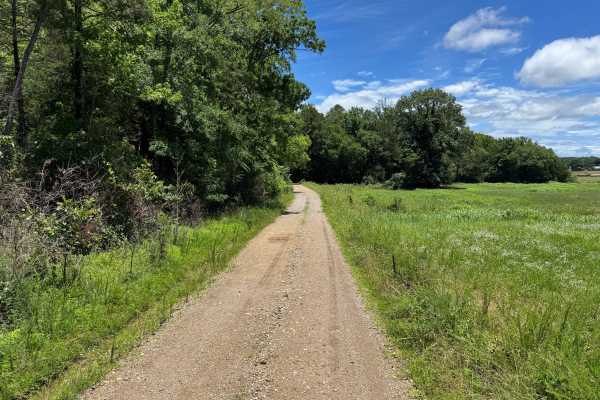
This scenic out-and-back route winds through a mix of pine forest and hardwood timber. The trail begins in a more open section with long views across young pine growth before transitioning into a shaded forest corridor lined with mature trees. The road surface remains consistent throughout, consisting primarily of gravel and packed dirt with occasional loose rock and vegetation growing between the tire tracks.
While this route presents no significant technical challenges, drivers should be aware that the trail narrows considerably in places. Brush, saplings, and low-hanging vegetation frequently encroach into the travel corridor, making paint scratches and pinstriping likely for full-size vehicles. Several rolling dips and shallow whoops are scattered throughout the route and can catch drivers off guard if traveling too quickly.
The route ultimately dead-ends, requiring visitors to retrace their path back to the starting point. Despite its simplicity, the combination of forest scenery, quiet surroundings, and remote feel makes it a pleasant drive for those looking to explore without tackling difficult obstacles.
Difficulty
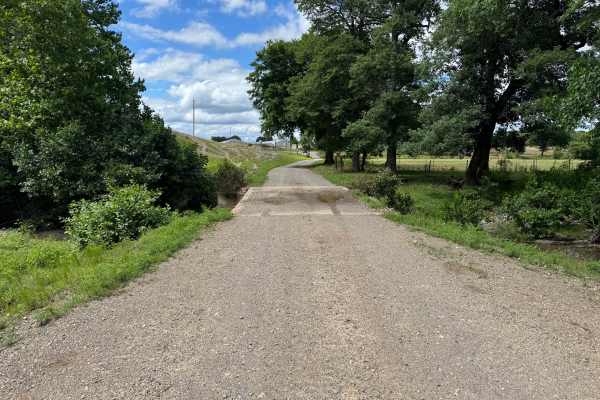
There are no major obstacles, ledges, water crossings, or technical sections along this route. The primary concerns are paint damage from encroaching vegetation and maintaining appropriate speeds through the occasional whoops and dips. Most stock 4WD vehicles, SUVs, and even many crossovers with moderate ground clearance can complete the route without issue.
History
The Ouachita National Forest was established in 1907 and is recognized as the oldest national forest in the southern United States. Many roads found throughout the forest today originated as logging, timber management, fire access, or resource extraction routes before becoming part of the modern Forest Service road network. Forest management remains an important part of the landscape, and travelers may encounter evidence of prescribed burns, timber thinning, and habitat restoration efforts. The Ouachita Mountains themselves are among the oldest mountain ranges in North America and are notable for their unique east-west orientation.

 Offroad