Trail Overview
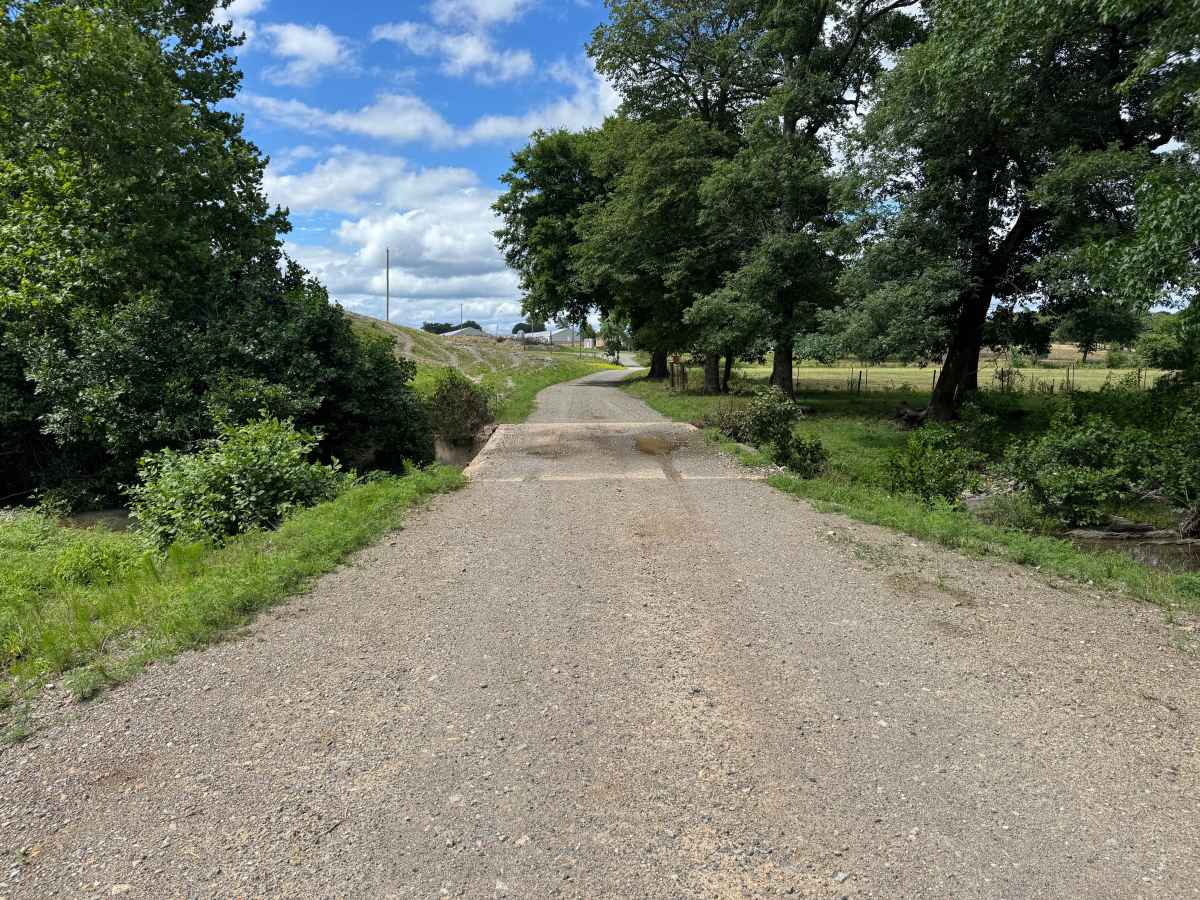
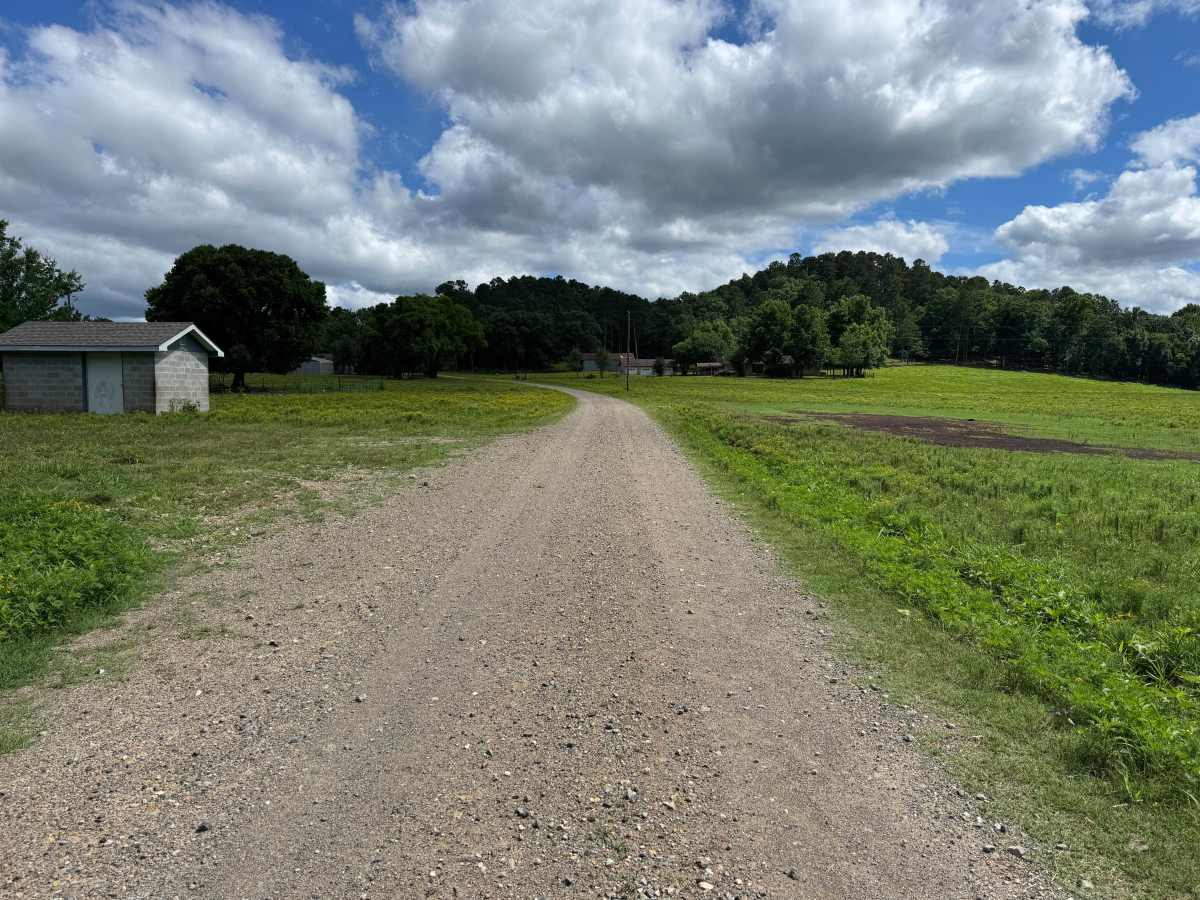
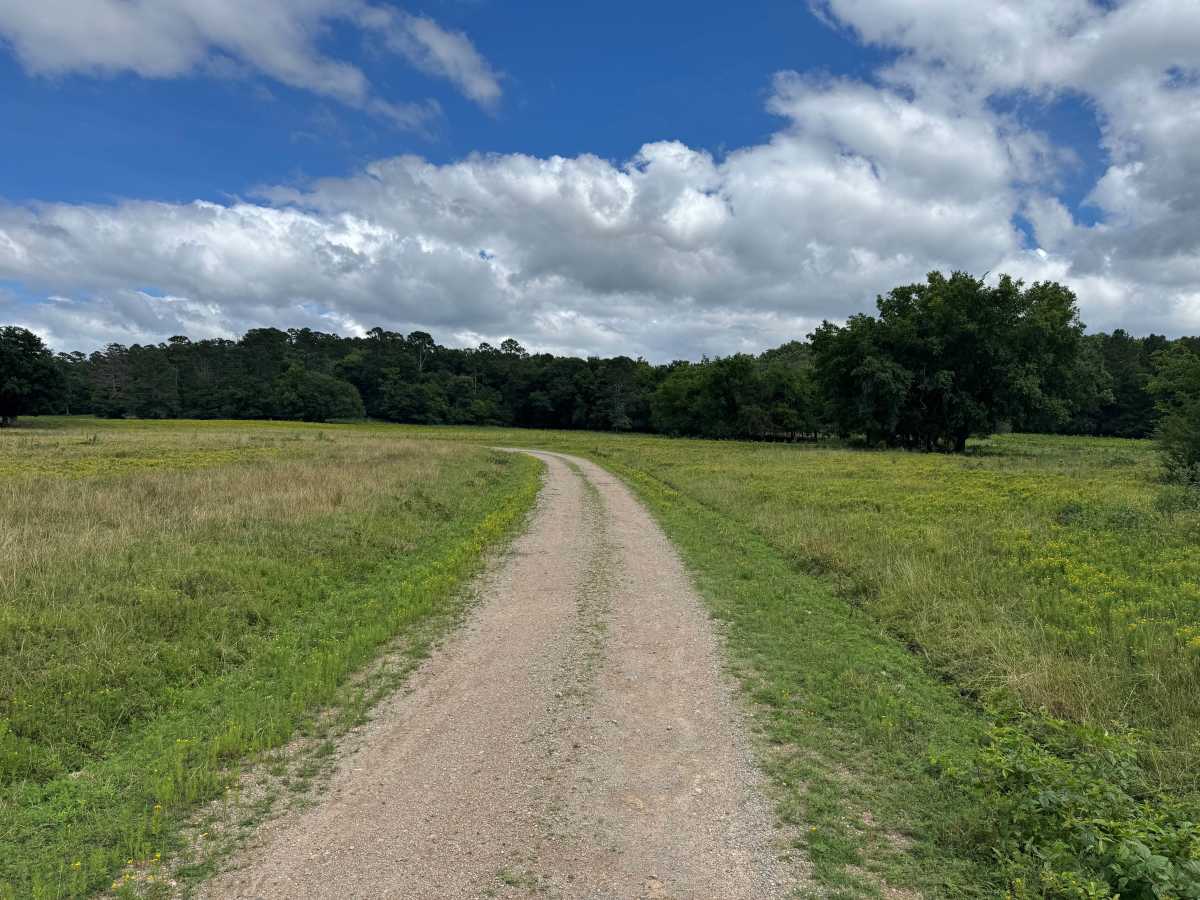
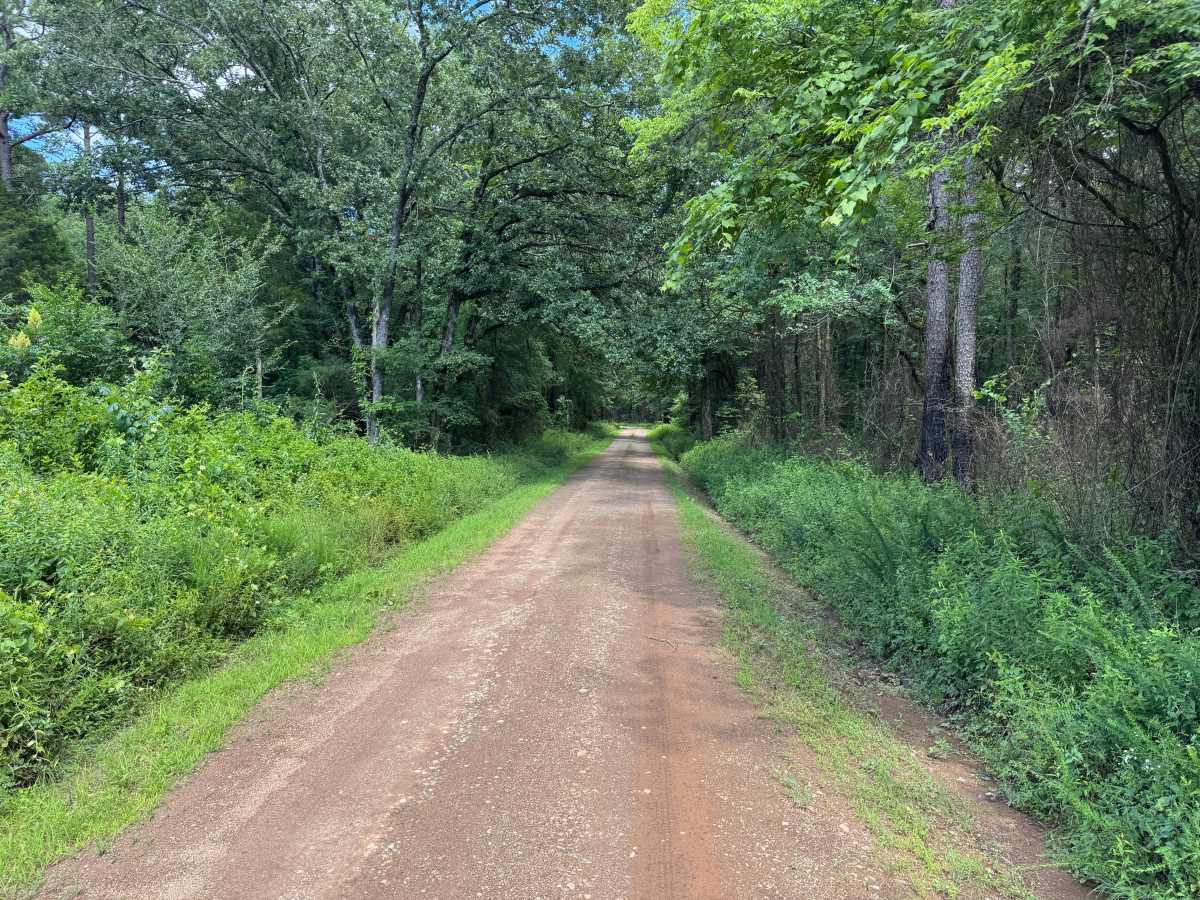
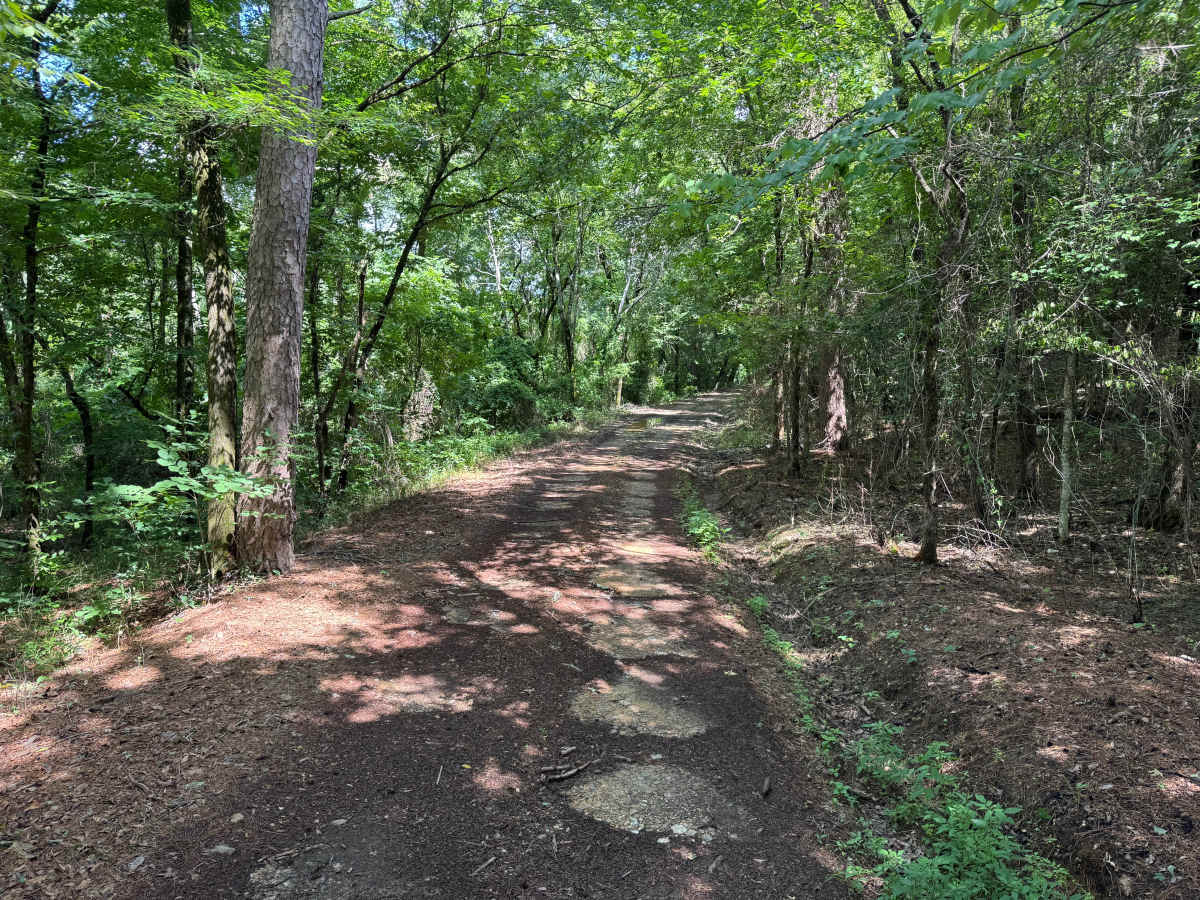
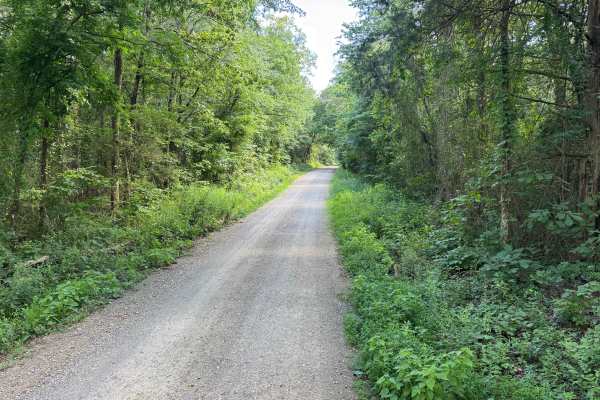
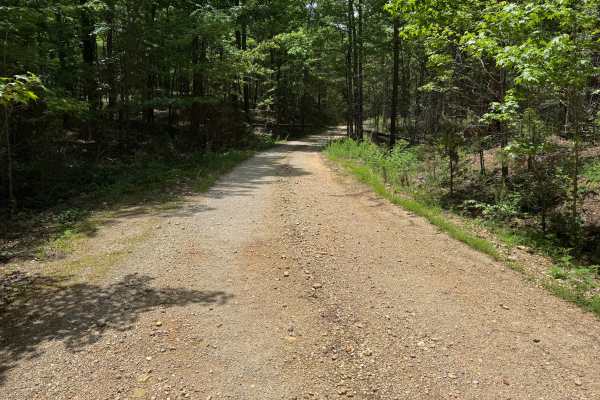
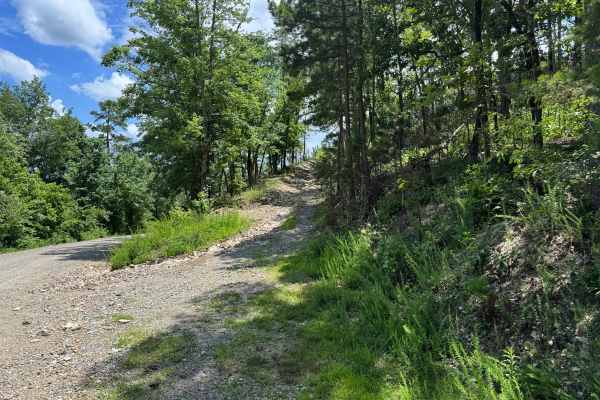
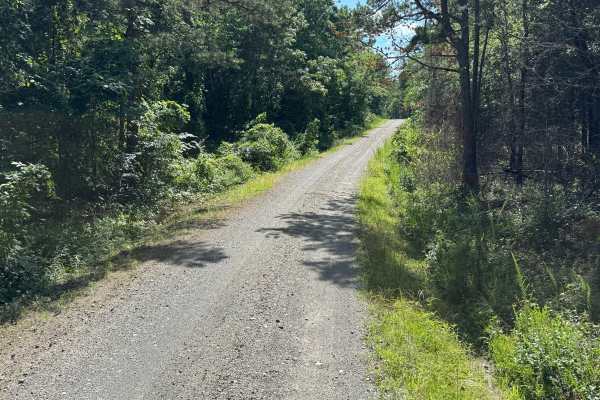
This easy scenic route travels through a mixture of open pastureland and forested terrain, offering a quiet drive through a working ranching area. Early in the route, travelers will pass through fields where livestock may be present. Because portions of the route are used for grazing, cattle can occasionally wander onto the roadway, requiring drivers to remain alert and operate at safe speeds. For a short distance at the end, the route parallels the Quachita River, providing a pleasant backdrop. As the road enters the forest, the scenery shifts to mature pines and hardwoods that create a secluded atmosphere and provide shade throughout much of the drive. Near the end of the route, a dispersed camping area offers an opportunity to stop and enjoy the surrounding landscape. A closed gate marks the end of the route and prevents further travel into the adjacent grassy area. The road remains mostly one vehicle wide throughout its length, but passing opportunities exist in several open areas. No significant obstacles are present, making this an enjoyable drive for stock vehicles and visitors seeking a relaxing forest and ranch land experience.
Difficulty
No technical obstacles, rock ledges, deep mud, or water crossings are present. The primary concerns are encountering livestock, wildlife, or occasional storm debris. The narrow road width may require drivers to yield at wider sections when meeting oncoming traffic.
History
The Ouachita National Forest was established in 1907 and is recognized as the oldest national forest in the southern United States. Many roads found throughout the forest today originated as logging, timber management, fire access, or resource extraction routes before becoming part of the modern Forest Service road network. Forest management remains an important part of the landscape, and travelers may encounter evidence of prescribed burns, timber thinning, and habitat restoration efforts. The Ouachita Mountains themselves are among the oldest mountain ranges in North America and are notable for their unique east-west orientation.