Trail Overview
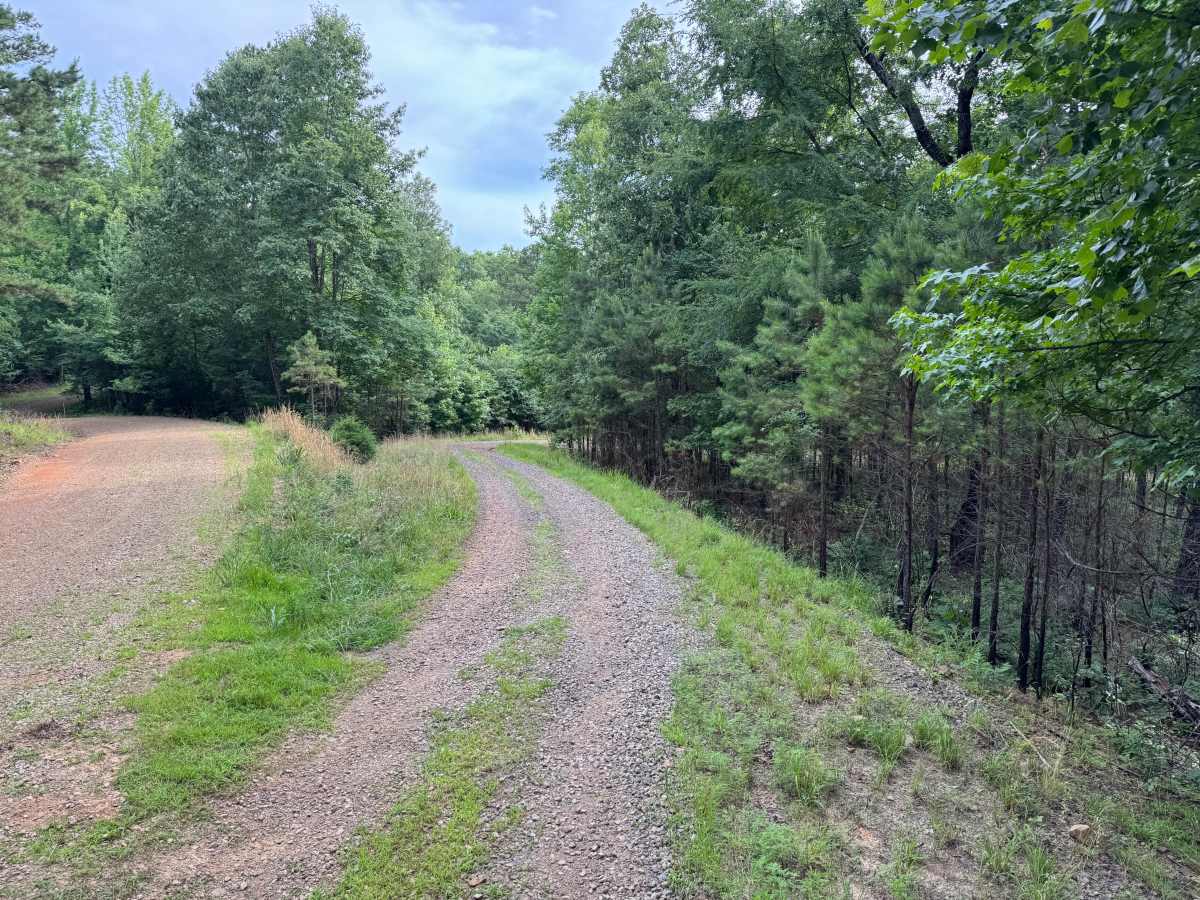
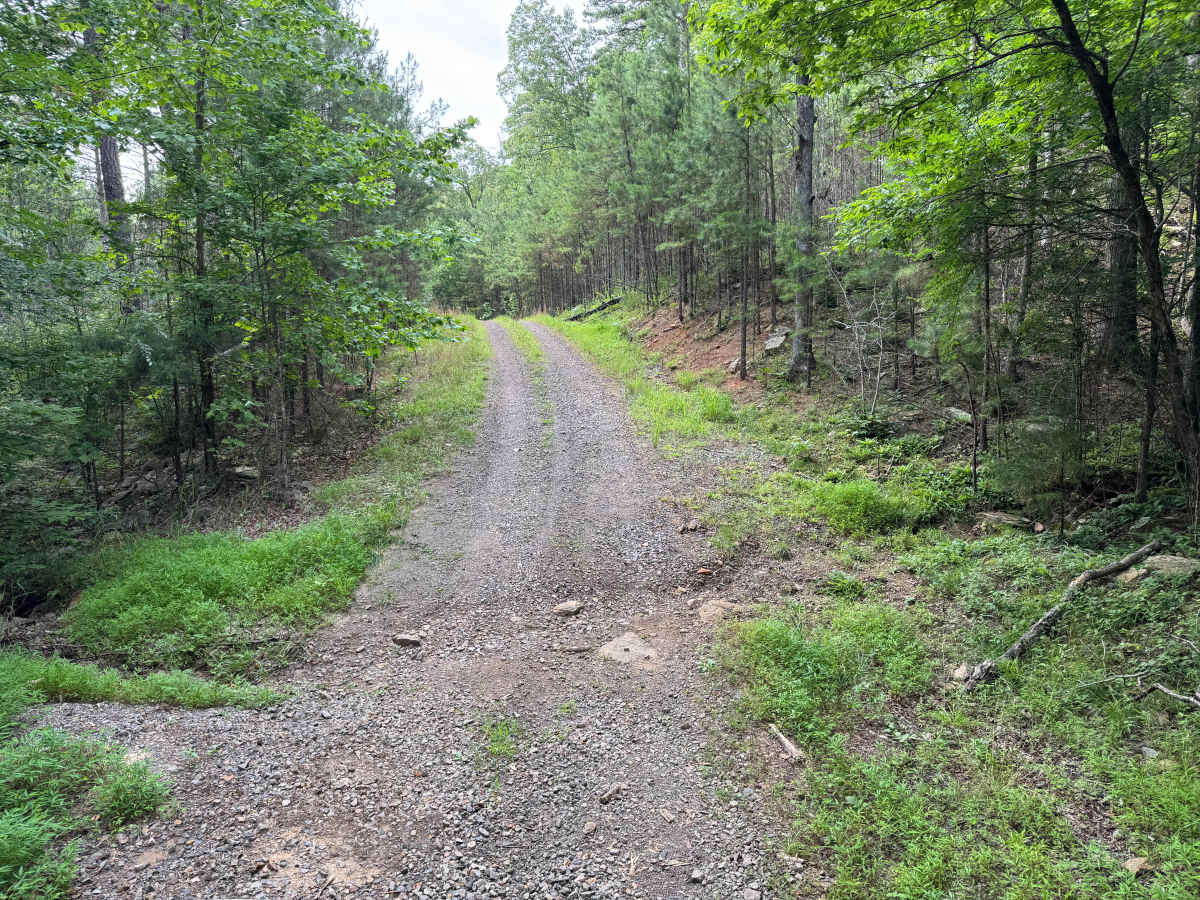
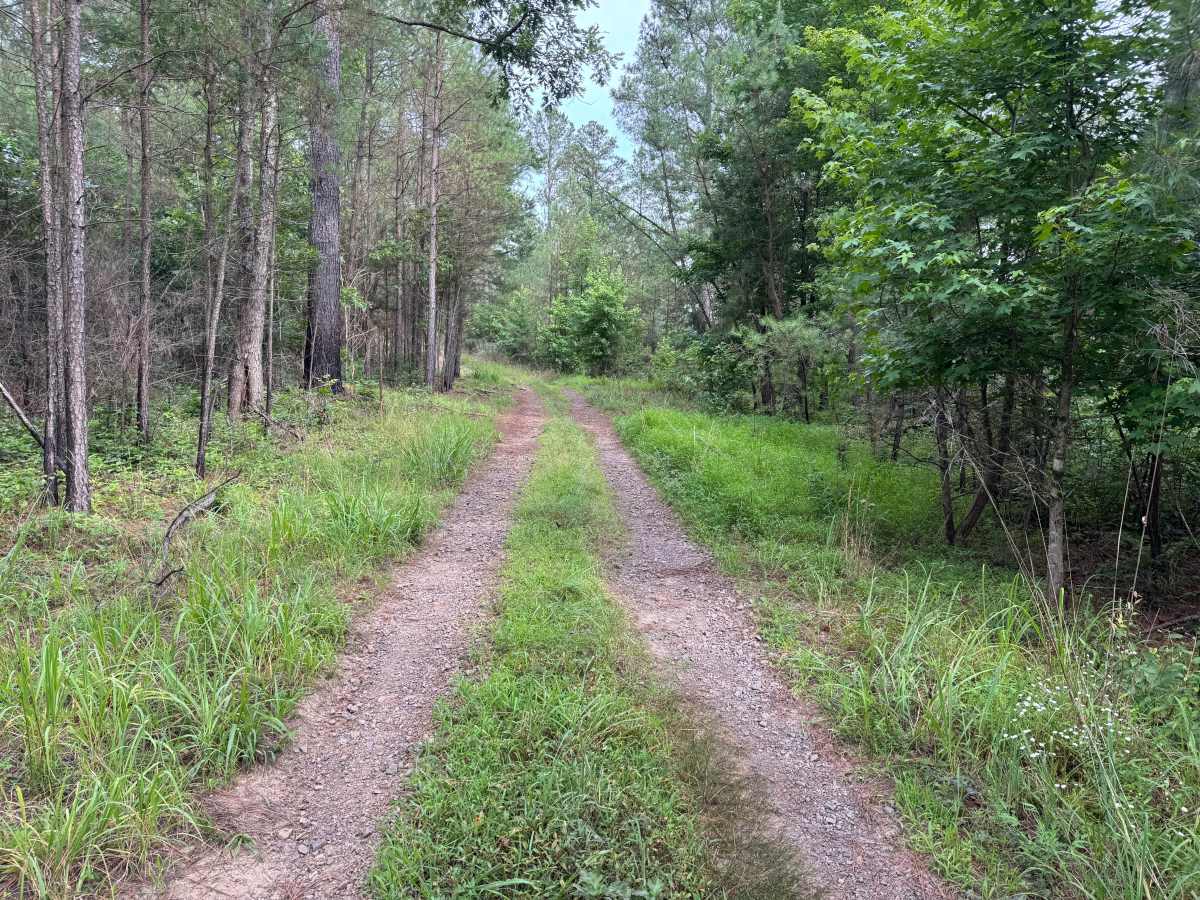
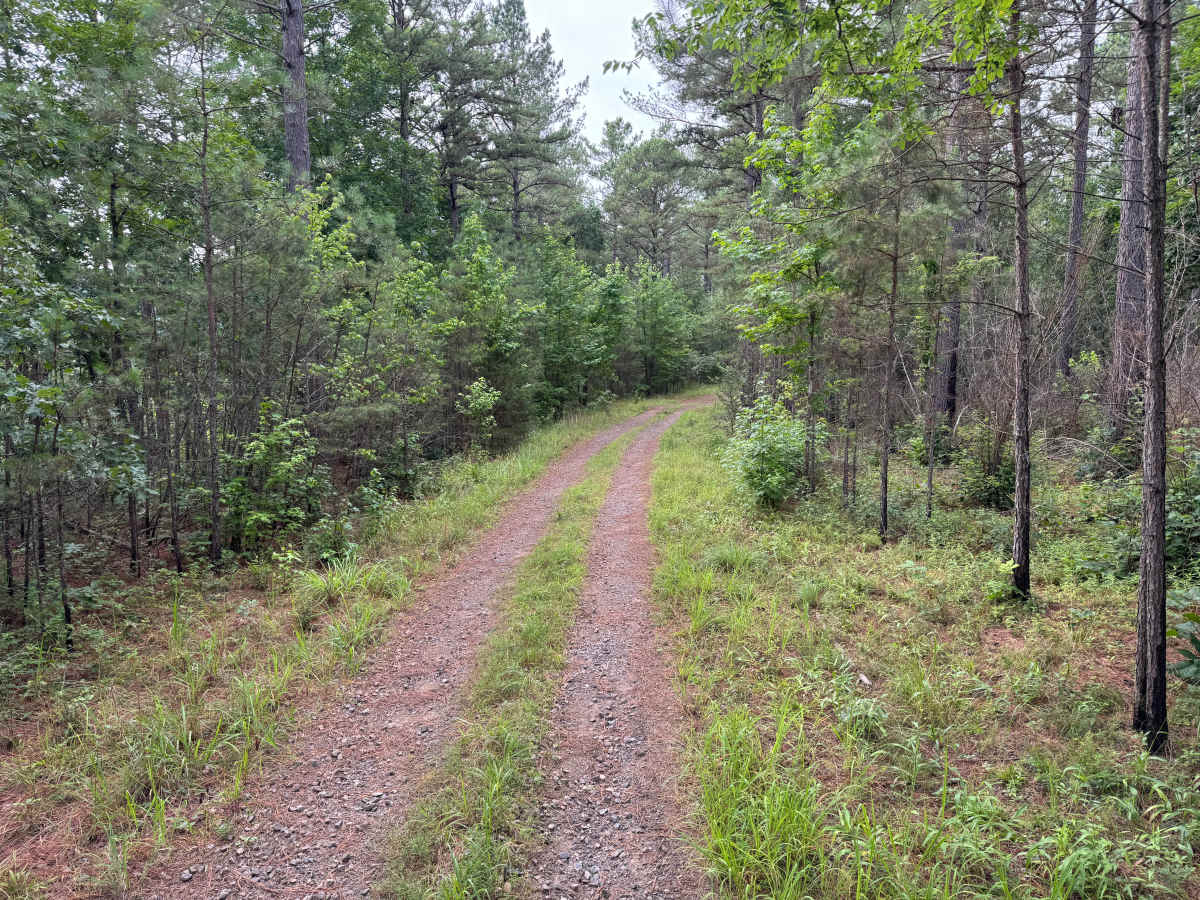
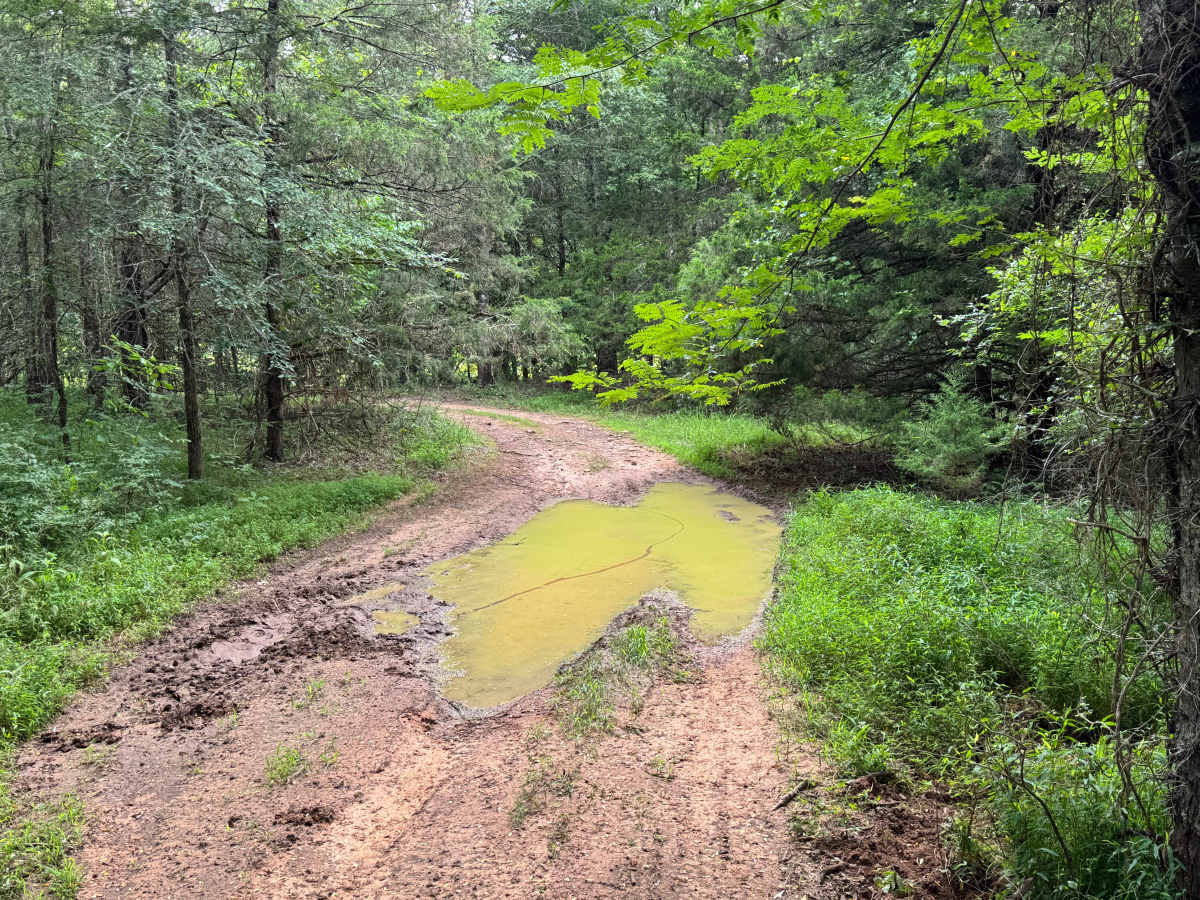
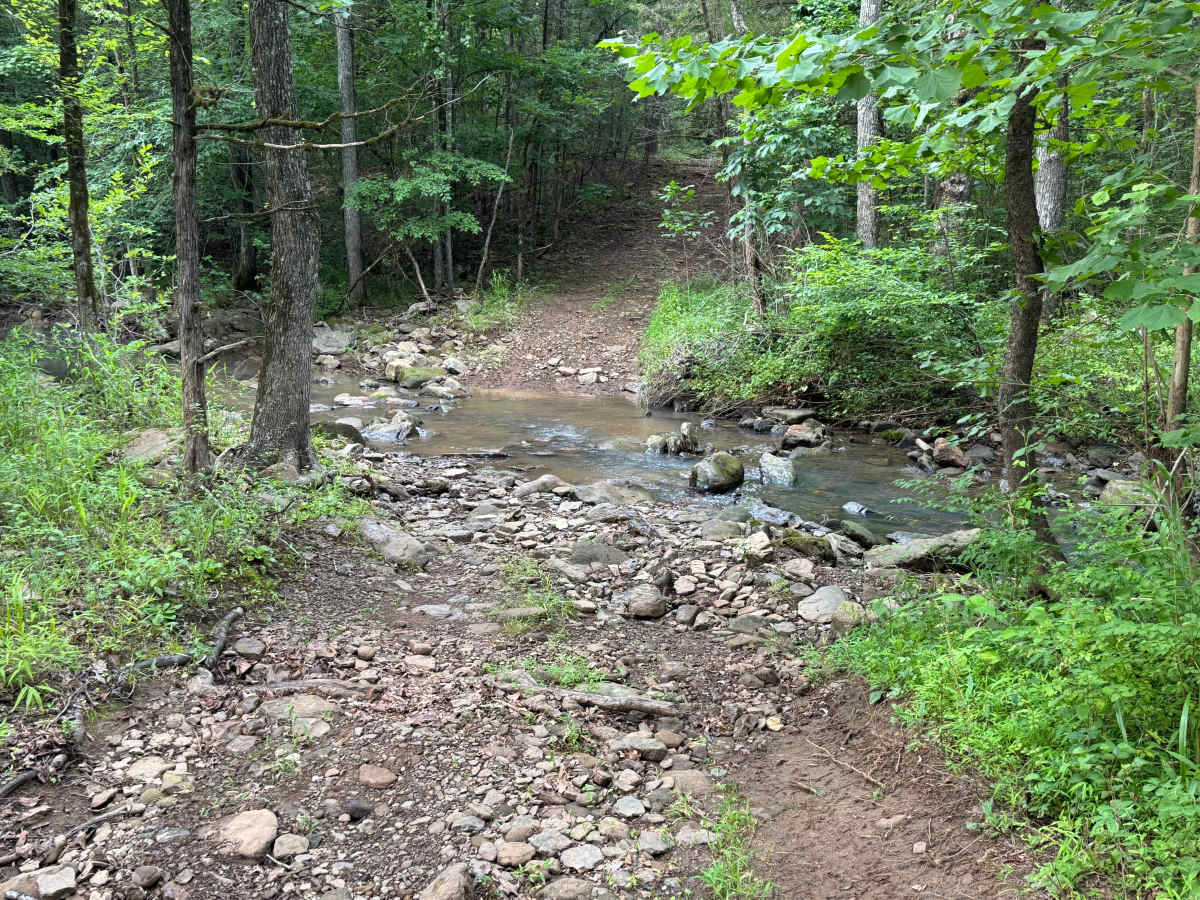
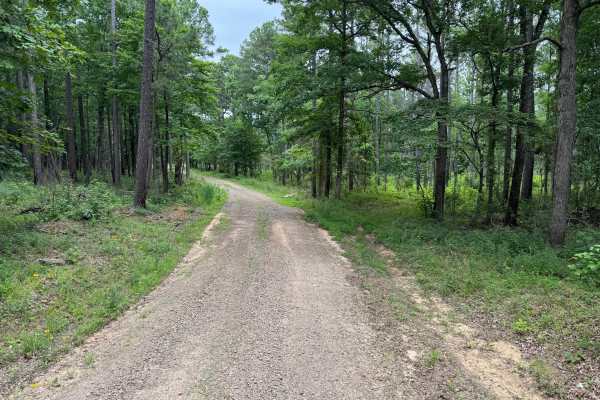
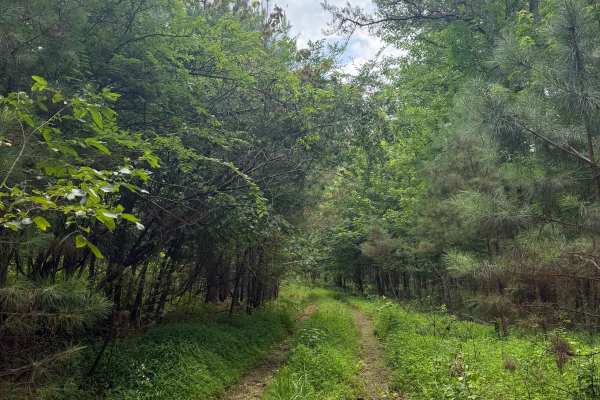
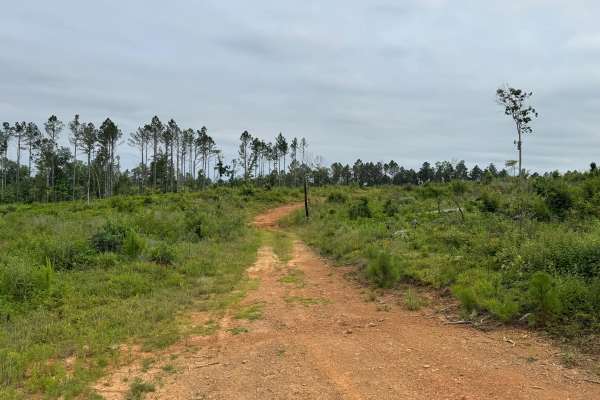
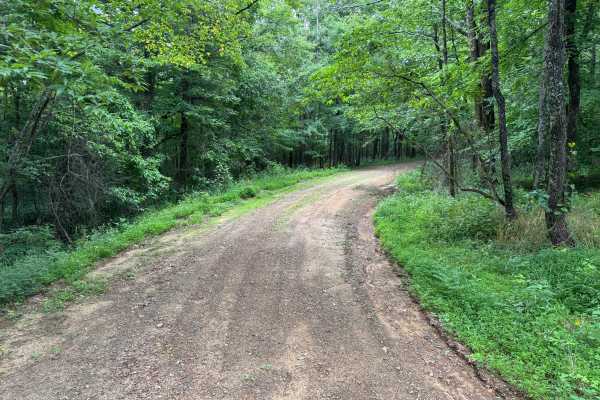
This route is primarily a maintained one-lane forest road that winds through a dense canopy of hardwoods and pines, making for a relaxing drive with frequent views of the surrounding Ozark hills. The gravel surface is generally smooth, though a few shallow mud holes may develop after rainfall. The route descends to a scenic rock-bottom creek crossing where clear water flows over scattered boulders before climbing back into the forest. Along the way, the trail passes through quiet pine stands, open grassy clearings, and a picturesque valley with long views of the surrounding ridges. One of the highlights is a striking turquoise spring-fed swimming hole complete with a rope swing, offering an excellent place to stop and enjoy the scenery. While the drive is easy overall, the road is only one vehicle wide in places, so be prepared to yield to oncoming traffic where passing opportunities are limited.
Difficulty
This route is suitable for most high-clearance AWD and 4WD vehicles under normal conditions. The gravel road is well-maintained with gentle grades and only a few shallow mud holes after rain. The rocky creek crossing is typically straightforward but should be evaluated following heavy rainfall. Expect a narrow one-lane road with limited passing areas, but there are no significant obstacles, steep climbs, or technical sections in dry conditions.
History
The Ozark National Forest was established in 1908 and today forms part of the Ozark-St. Francis National Forests protect more than one million acres across northern Arkansas. Many of the Forest Service roads traveled today began as logging, fire access, or resource management roads before becoming part of the modern recreation network. Forest management continues to play an important role in maintaining healthy ecosystems through timber management, prescribed fire, wildlife habitat restoration, and watershed protection. The rugged Boston Mountains and surrounding Ozark Highlands remain one of the oldest and most geologically significant mountain regions in North America, offering visitors a unique combination of natural beauty and rich forest history.