Trail Overview
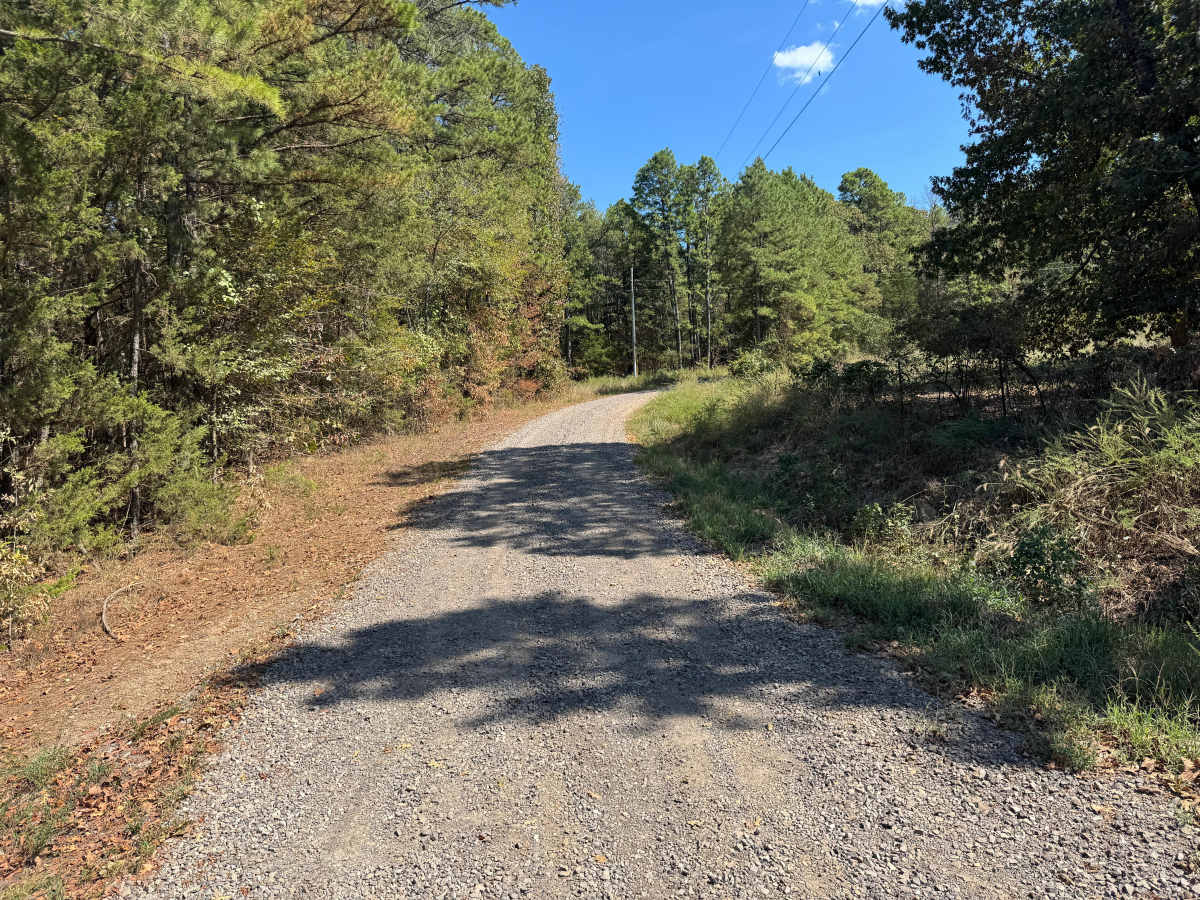
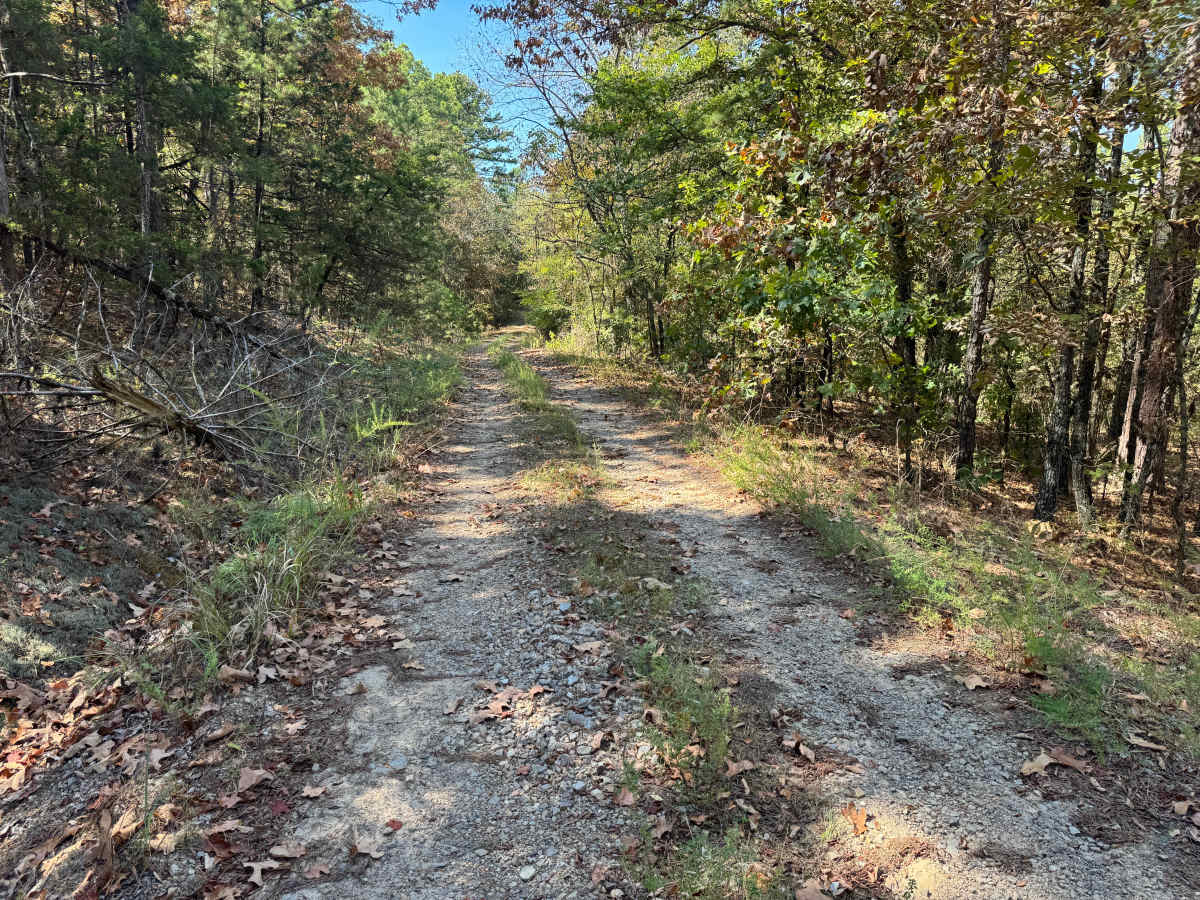
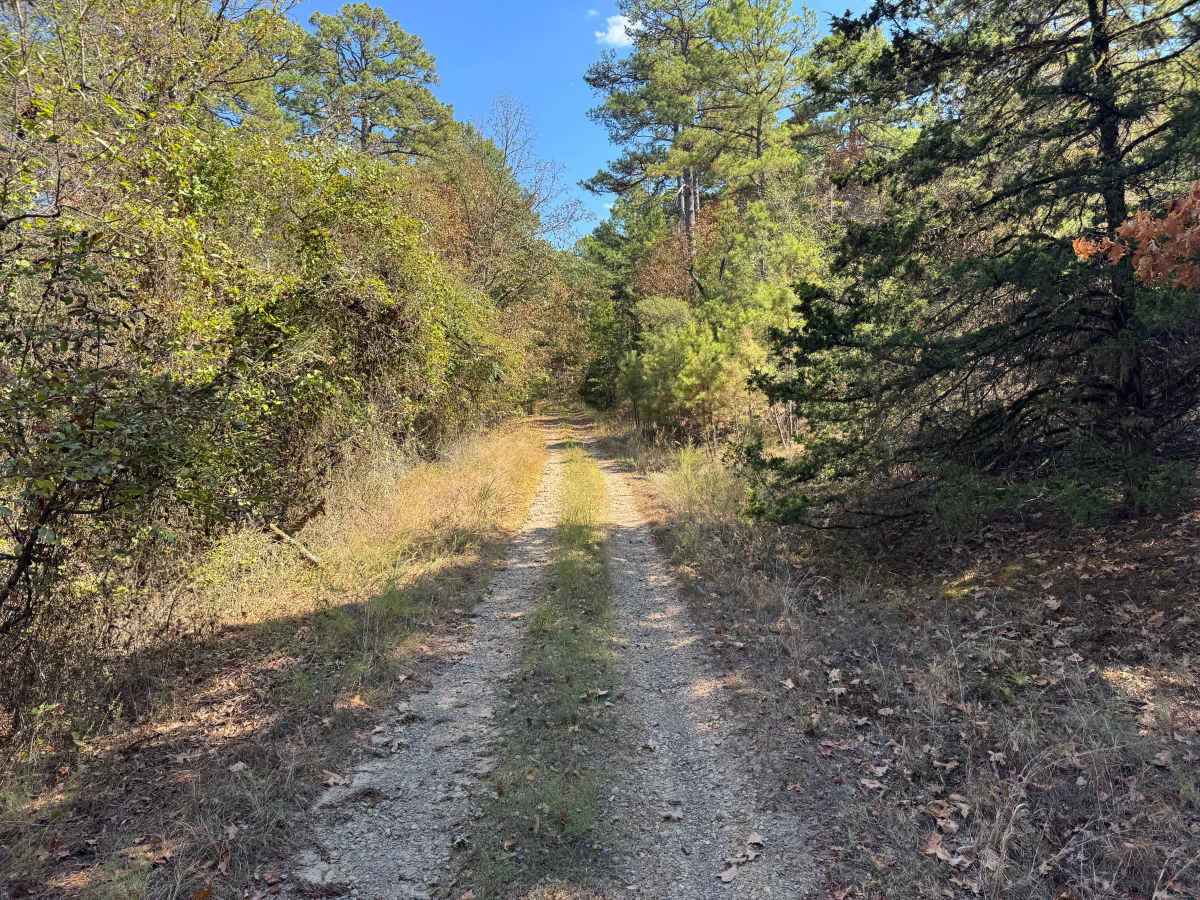
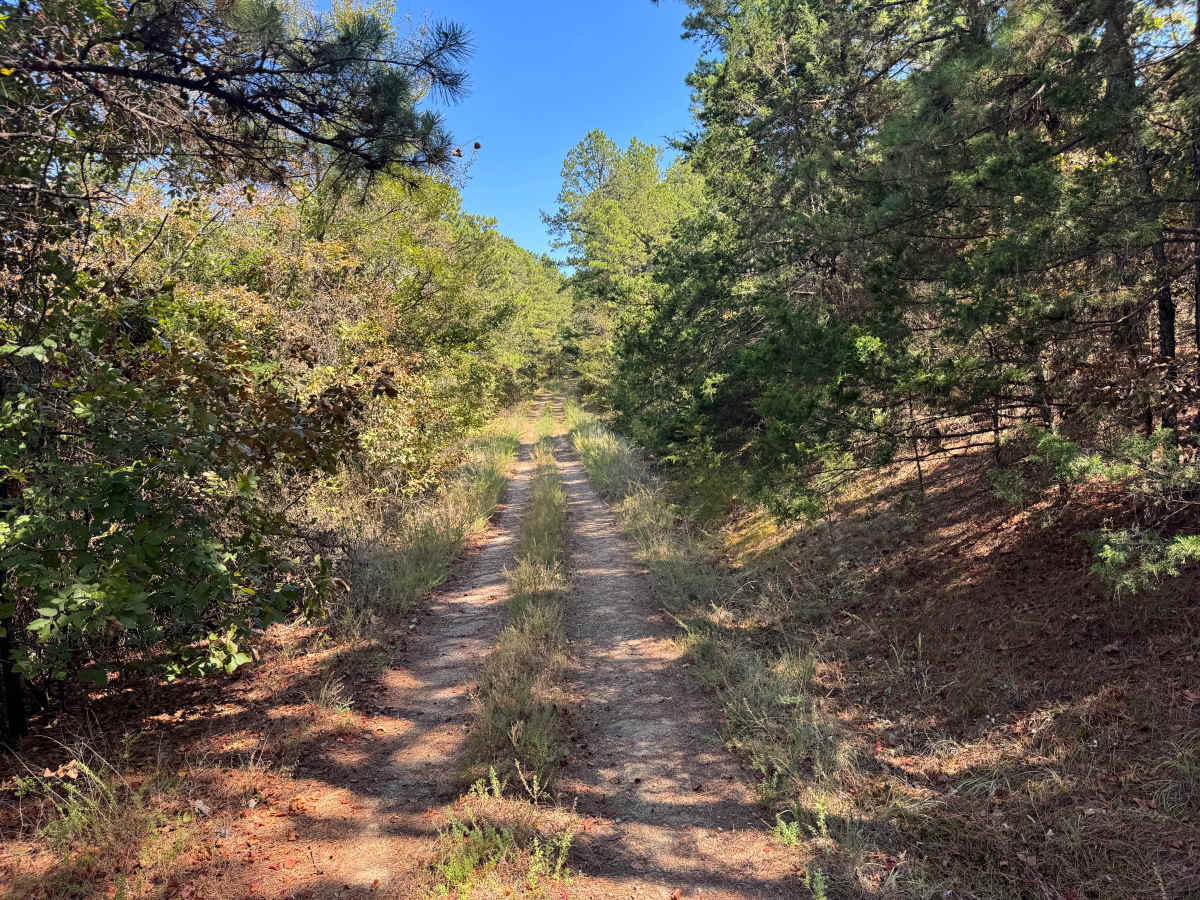
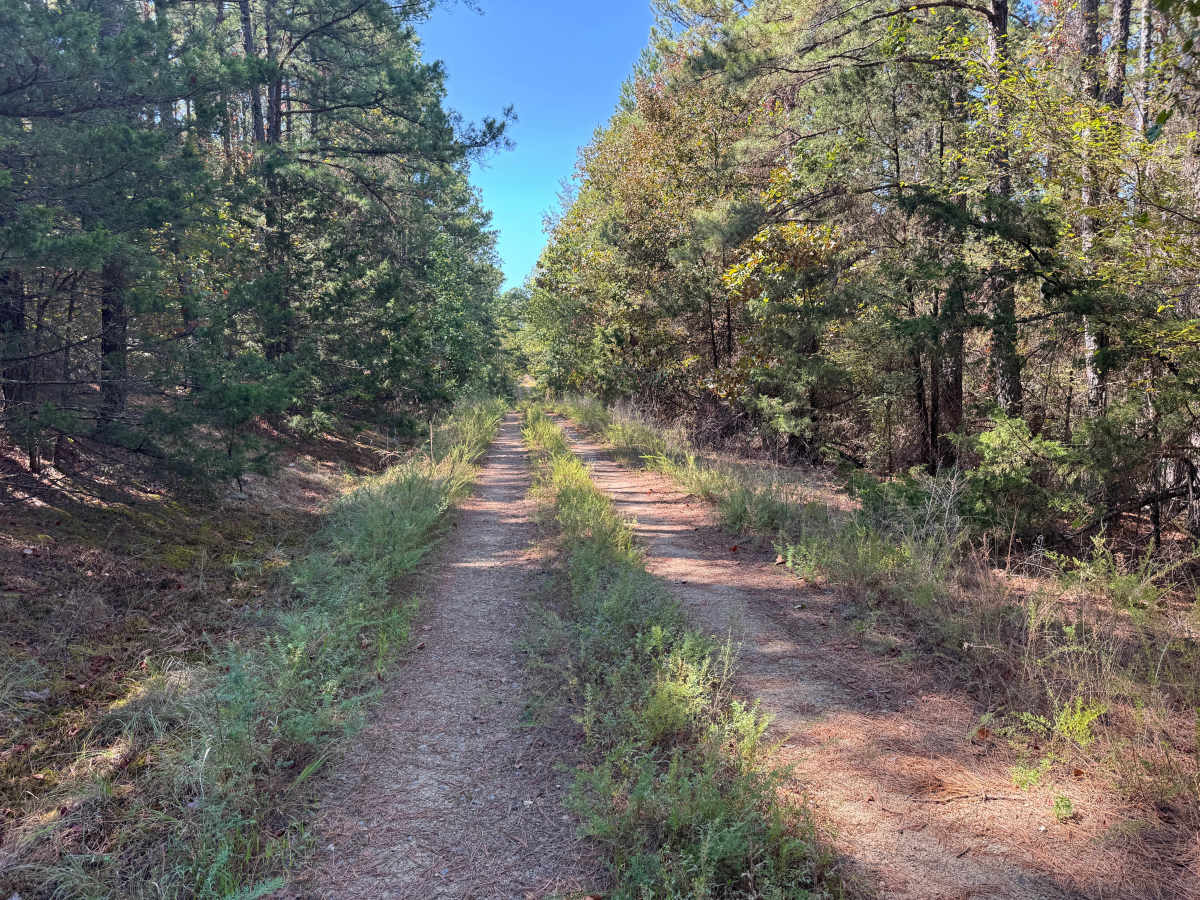
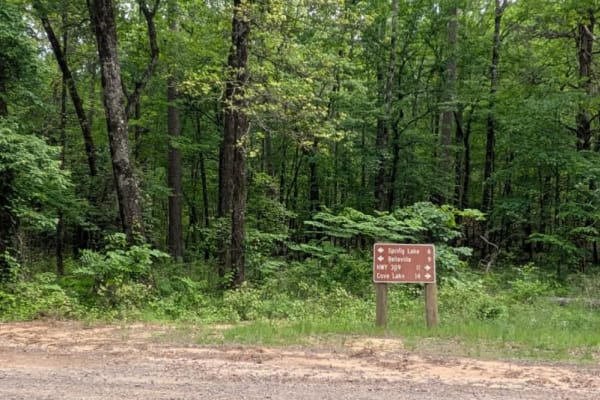
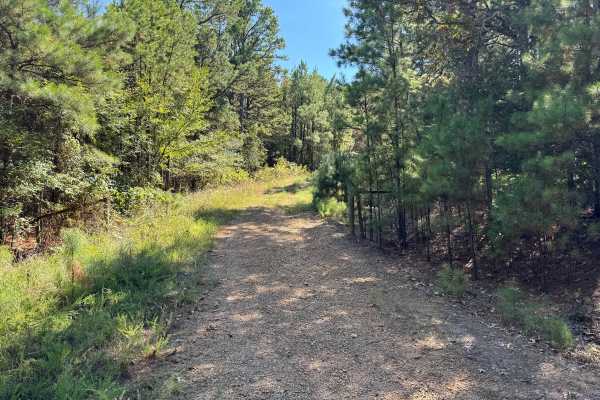
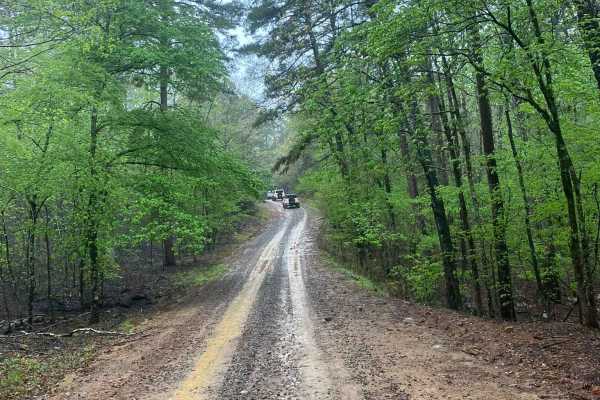
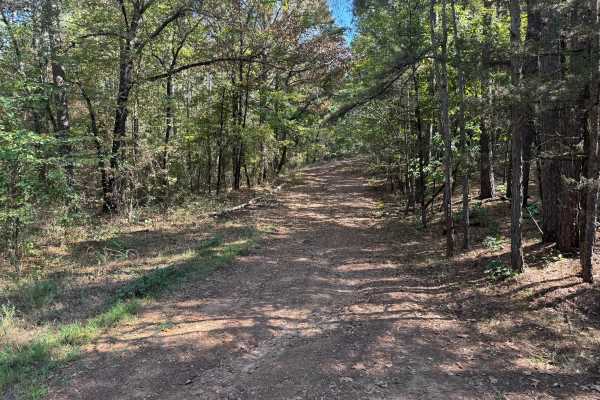
This out-and-back route travels through a mixture of mature pine and hardwood forest on a surface that varies from maintained gravel to a narrower gravel and dirt two-track. Fallen leaves and pine needles cover portions of the roadway, while grasses and other vegetation have become established between the tire tracks through much of the less-traveled section. The surrounding forest is characteristic of the Mount Magazine Ranger District, which contains a mixture of shortleaf pine and oak forest. Young pines, shrubs, grasses, and other understory vegetation grow close to the roadway in several areas. The route is generally only one vehicle wide with very limited opportunities for opposing vehicles to pass. Vegetation growing along the center of the roadway can become fairly tall, so use caution around hot exhaust or other components underneath the vehicle. The route eventually reaches a suitable turnaround area before returning the same way. Wildlife may cross the roadway, and fallen trees or branches are possible throughout the wooded corridor.
Difficulty
This gravel and dirt route has minor uneven areas with no major obstacles. Tall vegetation growing between the tire tracks may contact the underside of vehicles, while the narrow roadway and limited passing areas require awareness of oncoming traffic.
History
The Mount Magazine area has a long history of transportation, forestry, and recreation. During the Great Depression, federal programs including the Civilian Conservation Corps and Works Progress Administration developed roads and recreation infrastructure around the mountain. Cove Lake was constructed as part of the Mount Magazine land-use project and was completed in 1938, while CCC crews based at nearby Blue Mountain performed forestry work and improved roads throughout the area. Many of today's routes travel through the same national forest landscape that was extensively managed and developed during this period.

 Offroad