Trail Overview
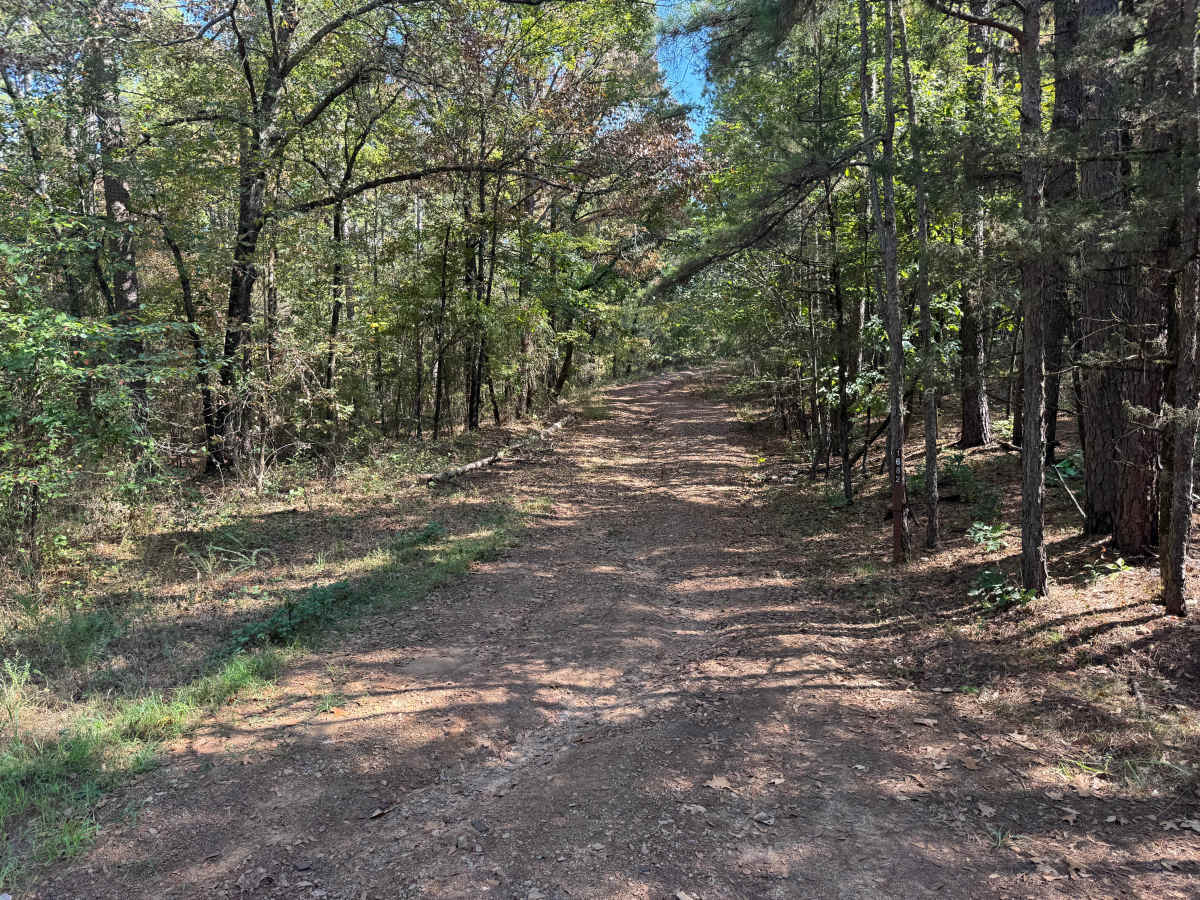
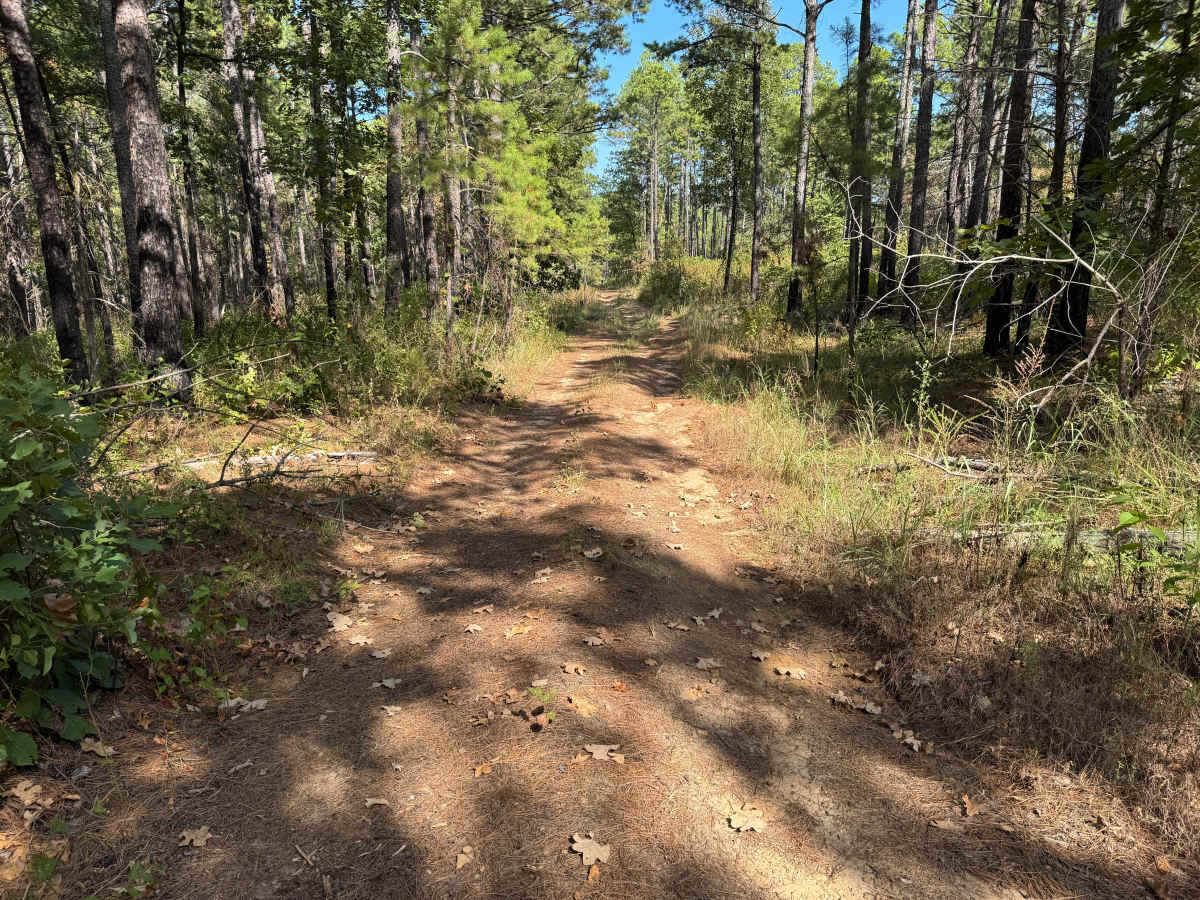
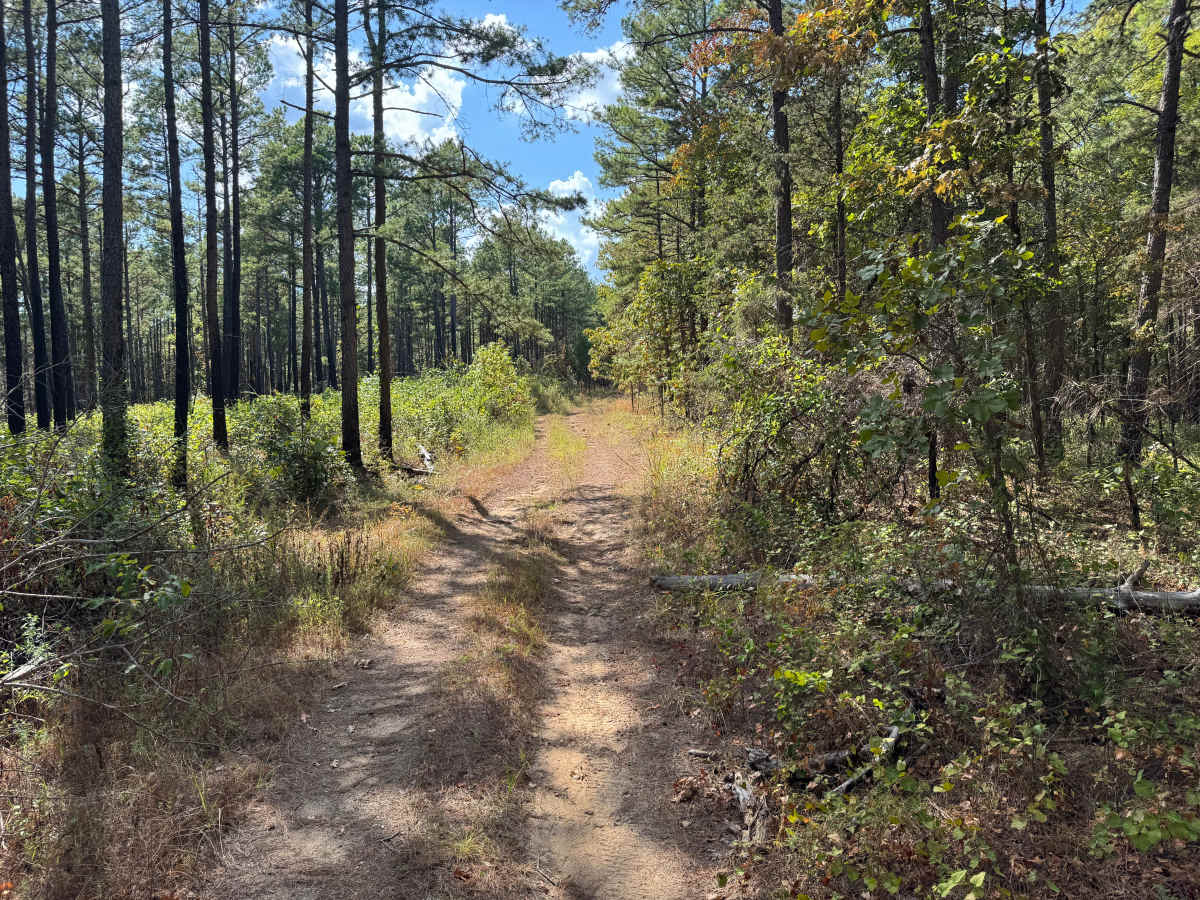
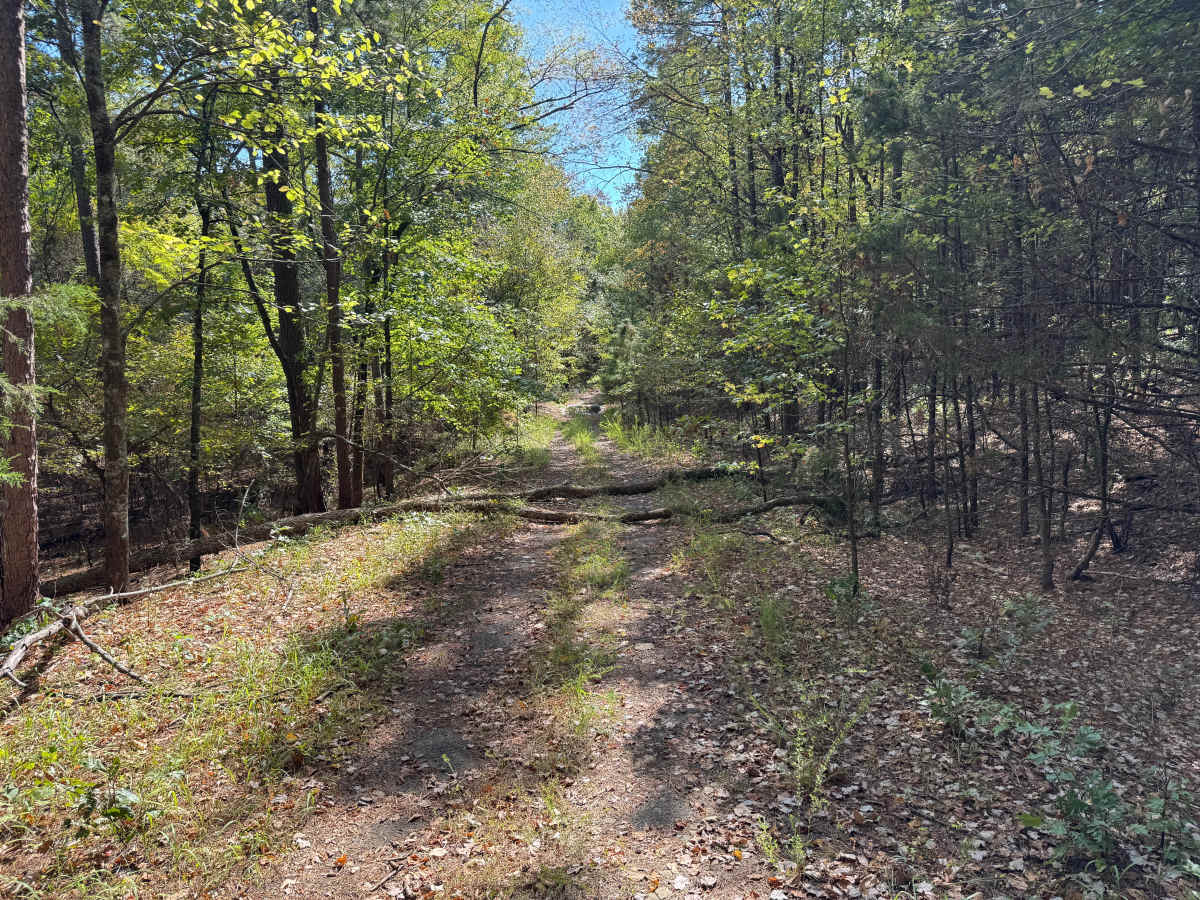
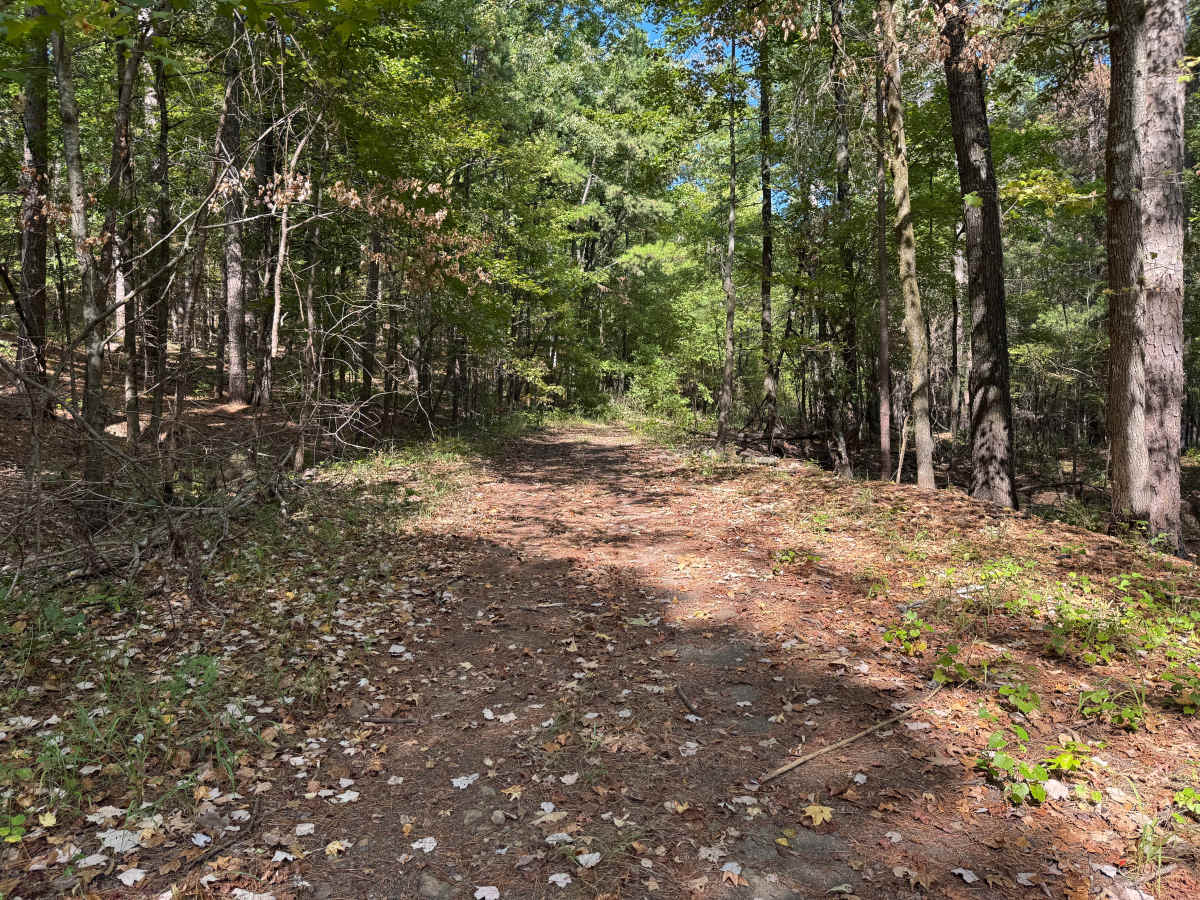
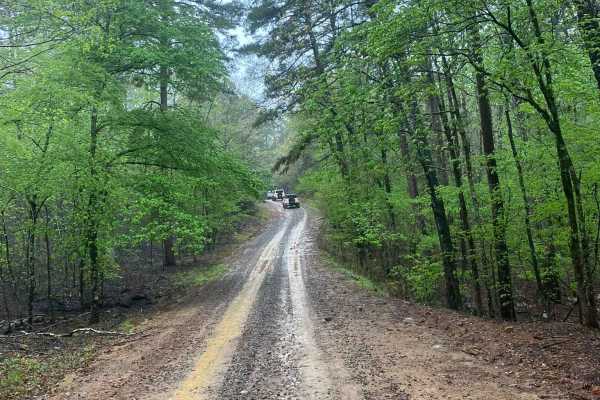
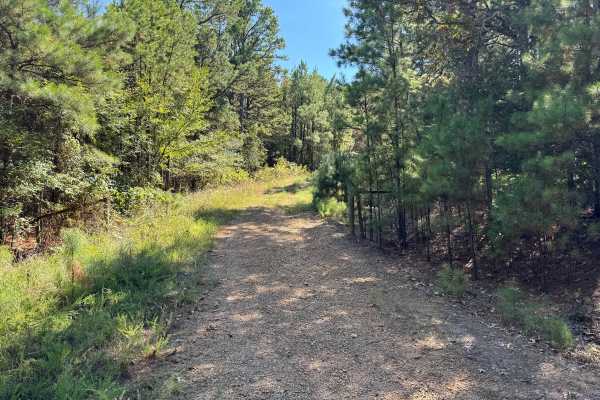
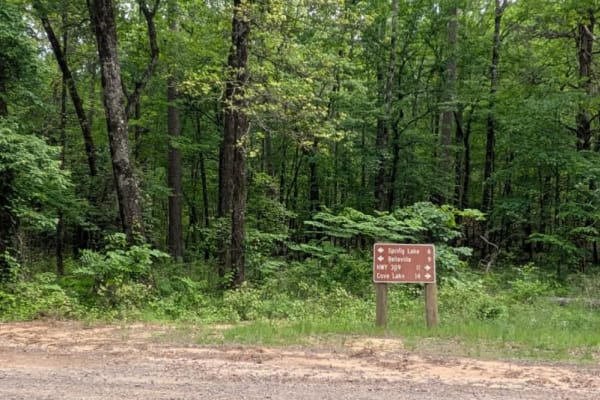
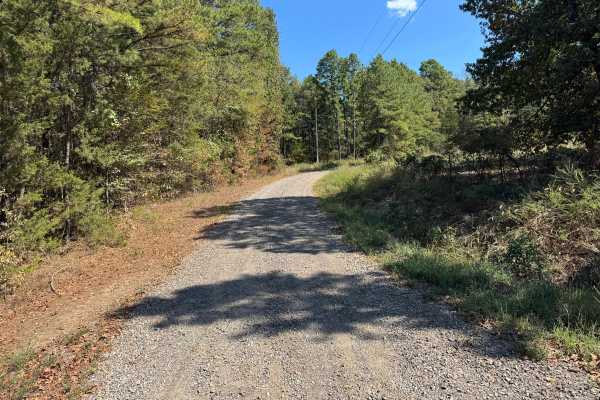
This out-and-back route travels through a mixture of mature pine and hardwood forest. The surface is primarily native dirt with scattered gravel and small rocks, while fallen leaves and pine needles cover much of the roadway in the more heavily wooded sections. The route is generally one vehicle wide, although occasional wider areas provide enough room to allow another vehicle to pass. Vegetation varies along the route, with mature pines and oaks mixed with younger pine growth, grasses, shrubs, and other understory vegetation. Some portions are relatively open, while others pass beneath a thicker forest canopy. Downed trees and branches are possible along this lightly traveled route, and wildlife may frequently use or cross the route.
Difficulty
Water erosion has created whoops, dips, and ruts that require increased suspension articulation in some areas. Downed trees or branches may also occasionally block the route.
History
The Mount Magazine area has a long history of transportation, forestry, and recreation. During the Great Depression, federal programs including the Civilian Conservation Corps and Works Progress Administration developed roads and recreation infrastructure around the mountain. Cove Lake was constructed as part of the Mount Magazine land-use project and was completed in 1938, while CCC crews based at nearby Blue Mountain performed forestry work and improved roads throughout the area. Many of today's routes travel through the same national forest landscape that was extensively managed and developed during this period.