Trail Overview
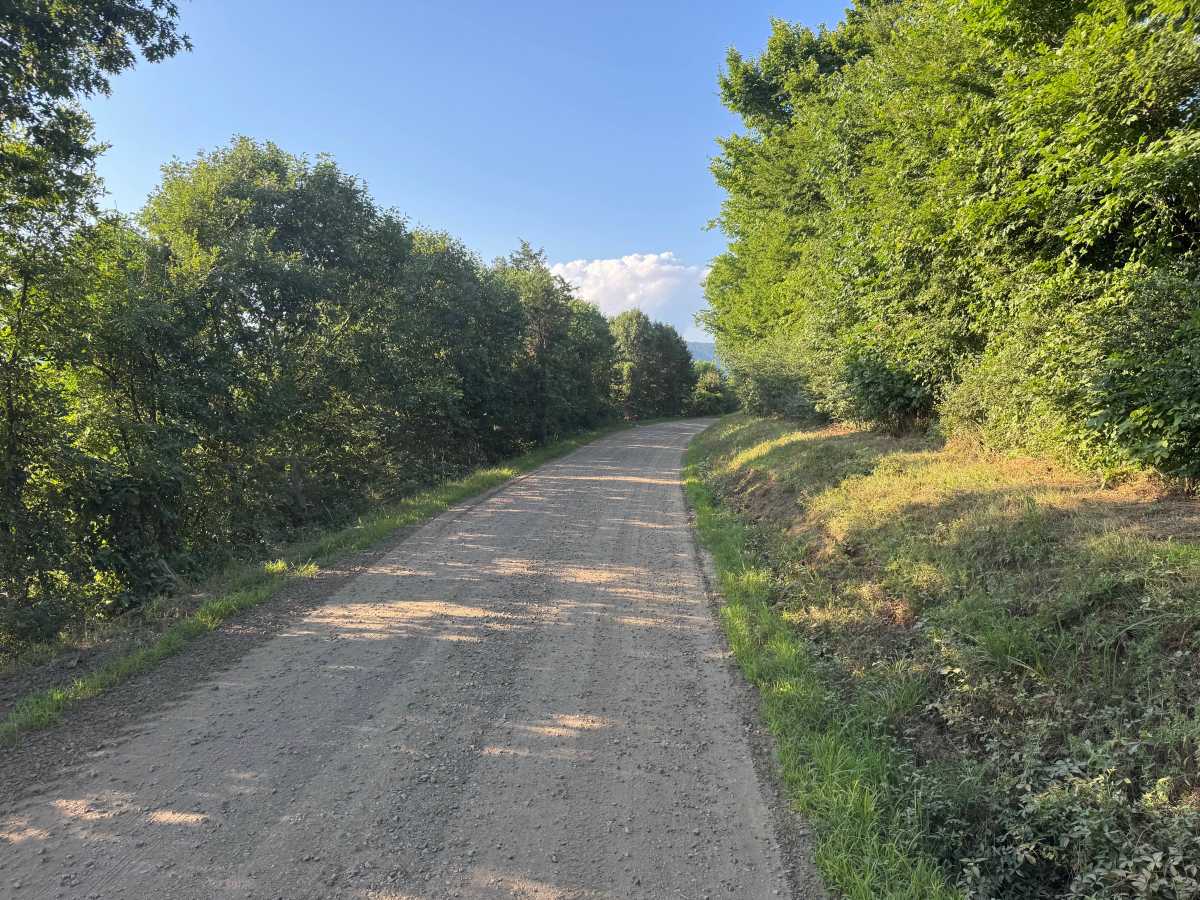
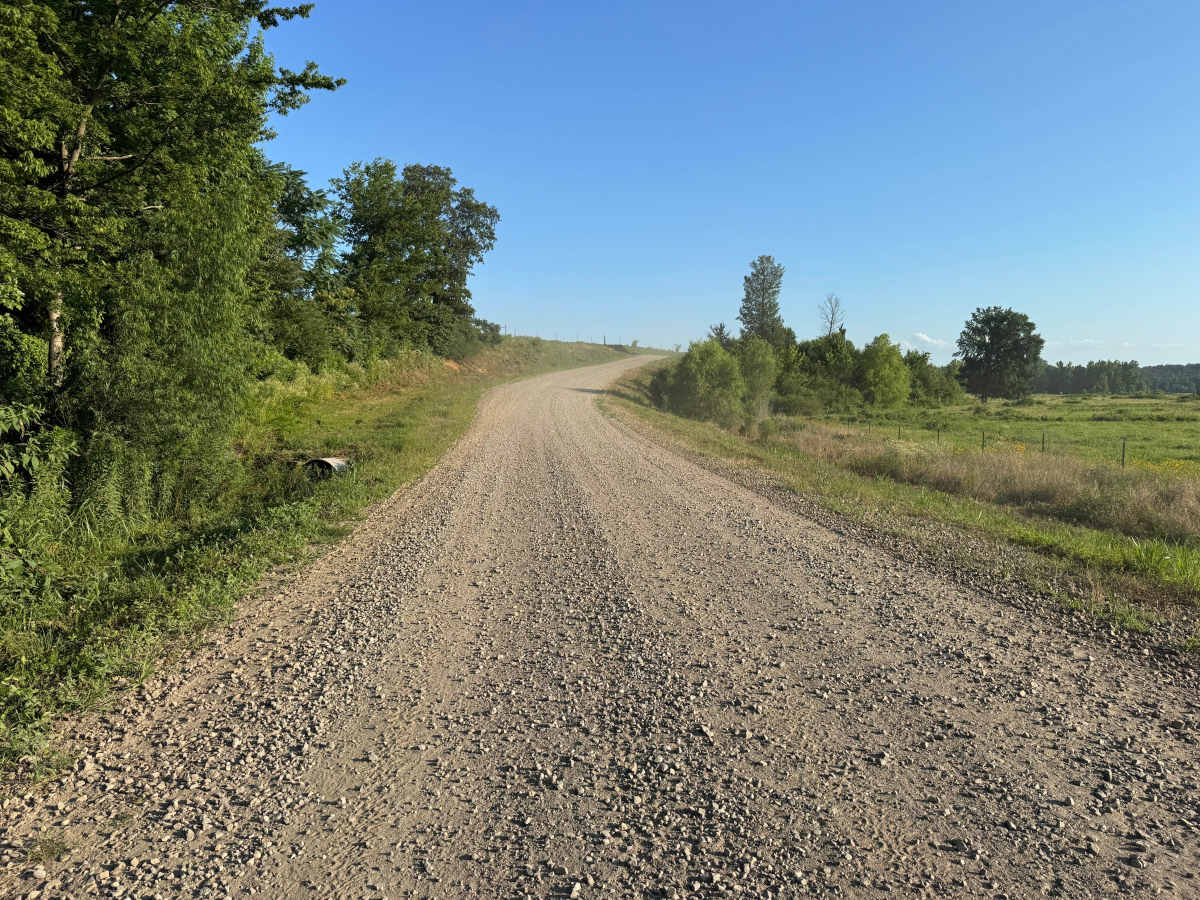
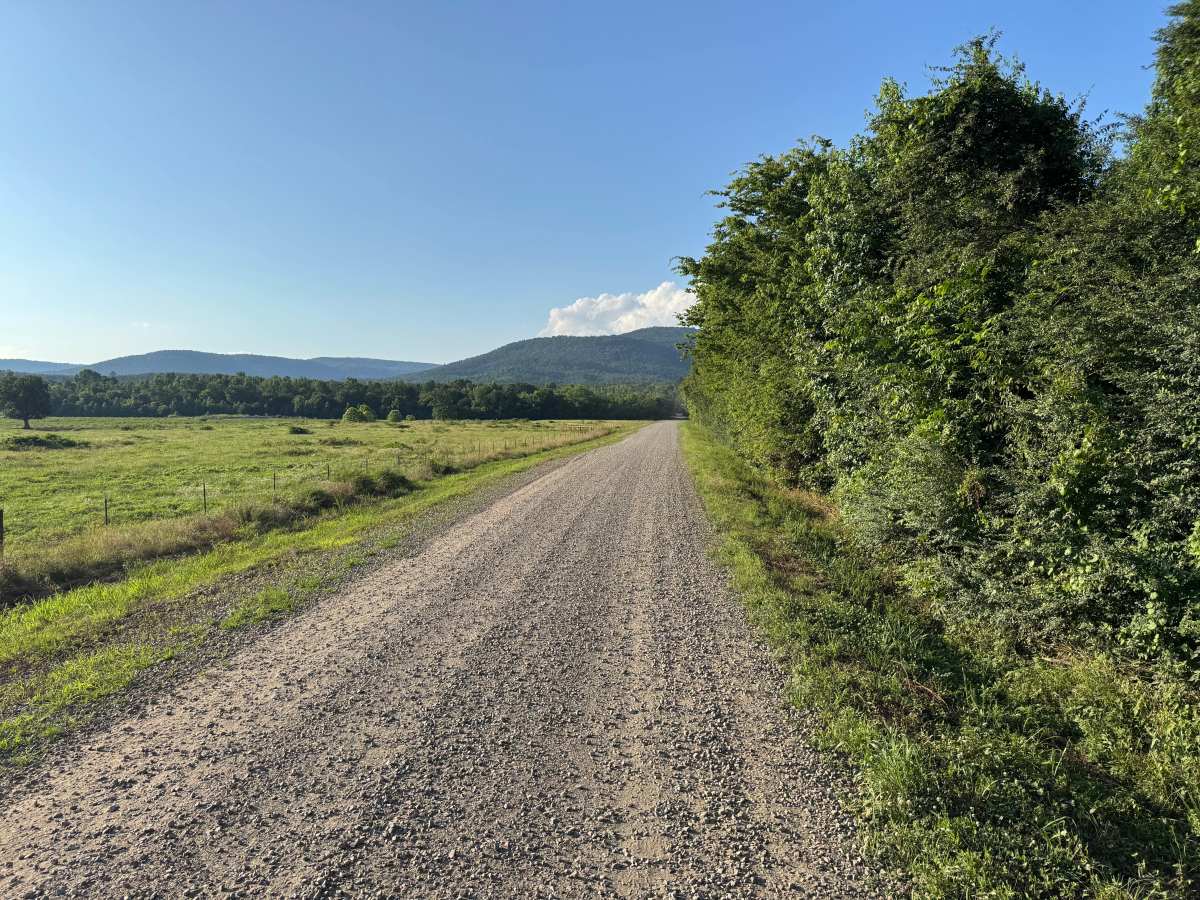
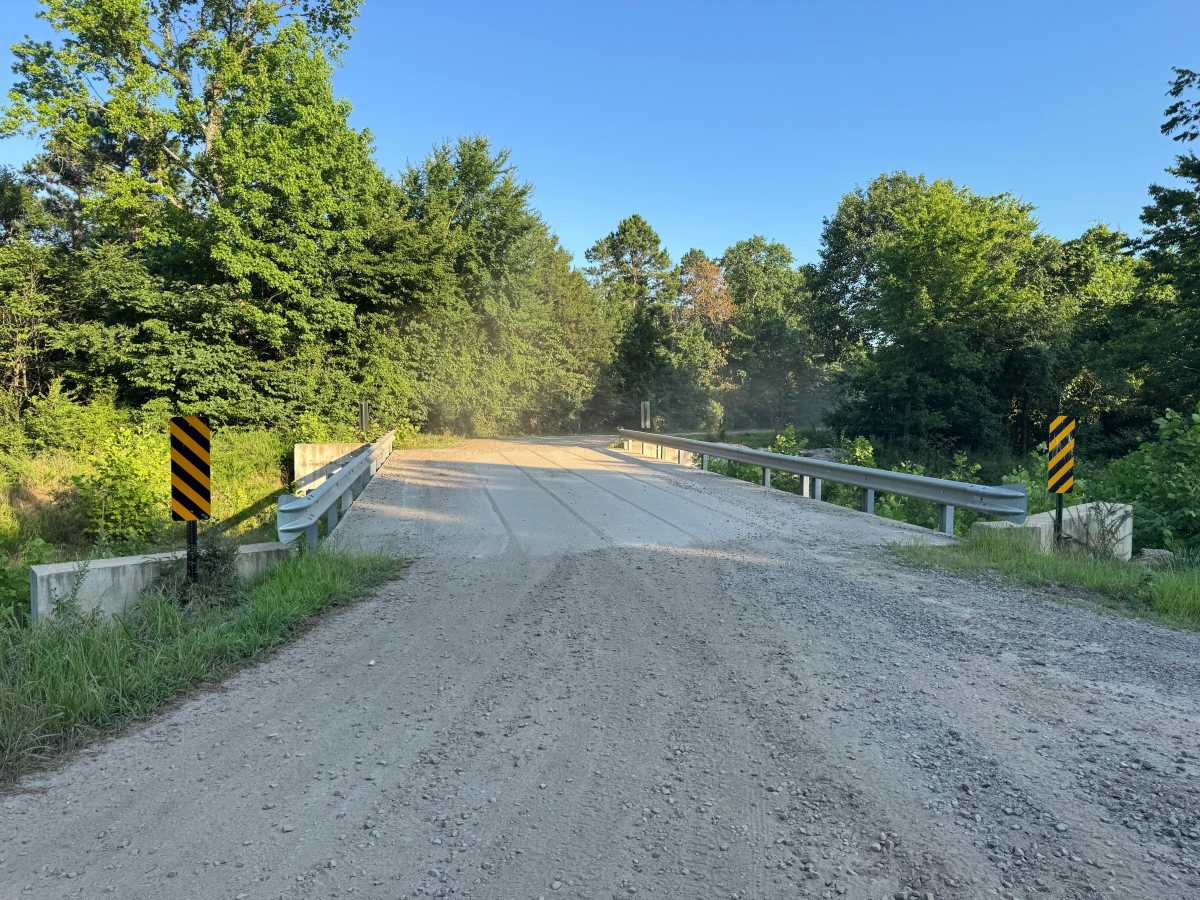
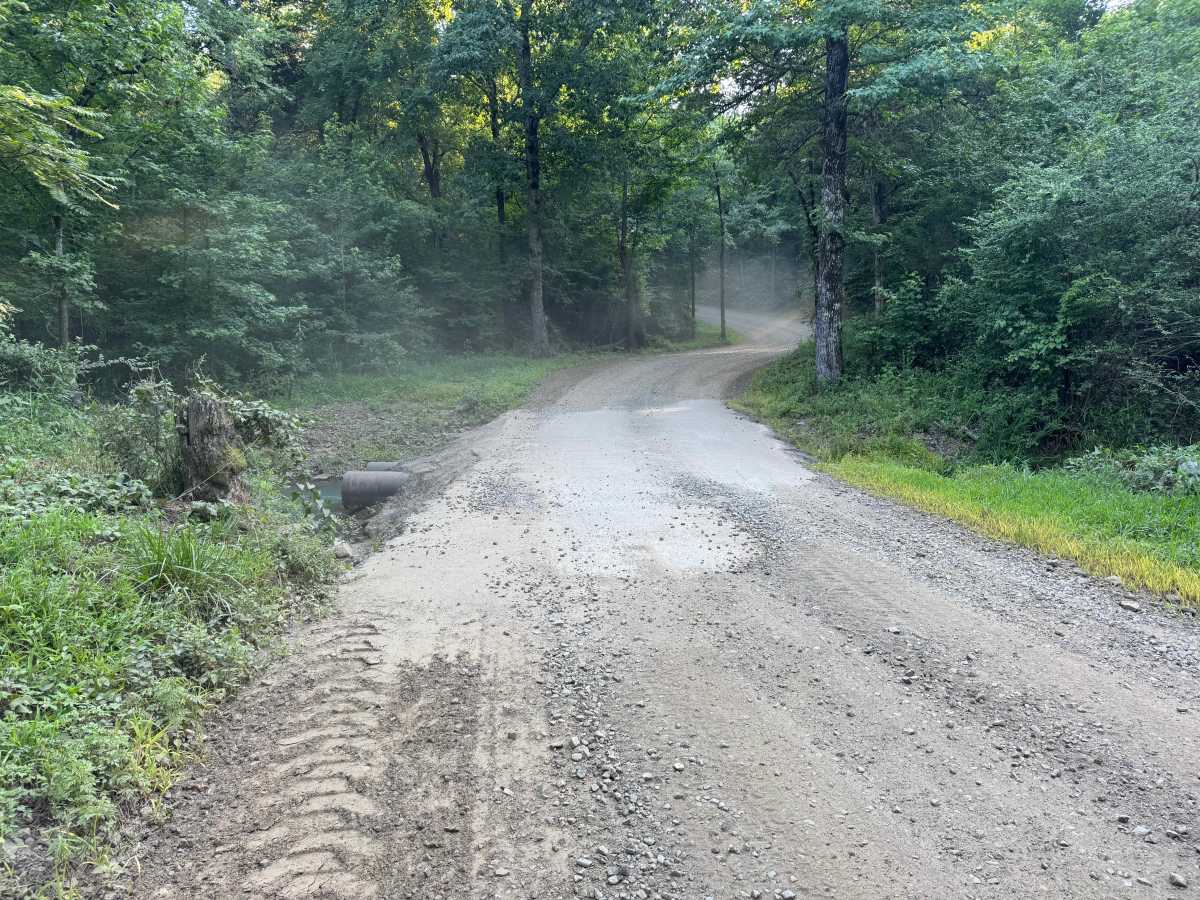
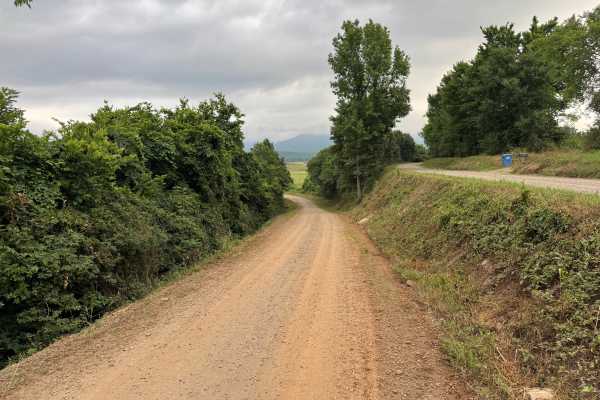
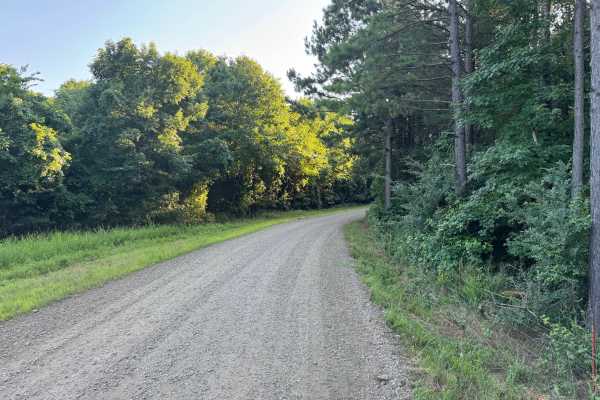
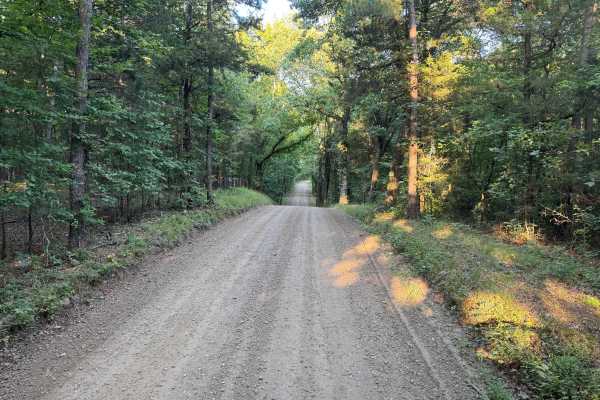
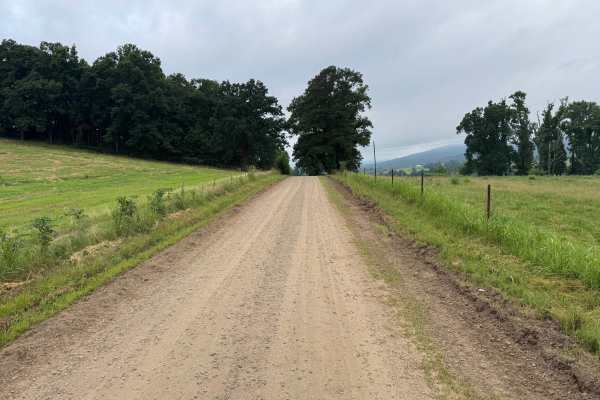
This maintained county gravel road provides an easy and scenic drive through two distinct landscapes. One end of the route winds beneath a dense canopy of hardwoods within the Ozark National Forest, where tall trees create a peaceful corridor and occasional glimpses of the surrounding Boston Mountains appear through the treetops. As the road leaves the forest, the scenery opens into rolling pastureland and broad valley views, offering a striking contrast between shaded woodland and open countryside. The route crosses two modern concrete bridges over small waterways and follows gentle curves and rolling hills with no technical obstacles. While the drive is straightforward, remain alert for wildlife, especially deer, and be prepared for the possibility of downed trees after storms. Dust can also reduce visibility if other vehicles are traveling the route.
Difficulty
This maintained county gravel road presents no significant obstacles and is suitable for stock 2WD and 4WD vehicles in normal conditions. The route consists of graded gravel, gentle elevation changes, and two paved concrete bridge crossings. Drivers should watch for loose gravel on curves, occasional washboarding, wildlife, and the possibility of downed trees after storms. During heavy rain, isolated muddy spots may develop, but the route remains straightforward with no technical terrain or challenging obstacles.
History
The Ozark National Forest was established in 1908 and today forms part of the Ozark-St. Francis National Forests, protecting more than one million acres across northern Arkansas. Many of the Forest Service roads traveled today began as logging, fire access, or resource management roads before becoming part of the modern recreation network. Forest management continues to play an important role in maintaining healthy ecosystems through timber management, prescribed fire, wildlife habitat restoration, and watershed protection. The rugged Boston Mountains and surrounding Ozark Highlands remain one of the oldest and most geologically significant mountain regions in North America, offering visitors a unique combination of natural beauty and rich forest history.