Trail Overview
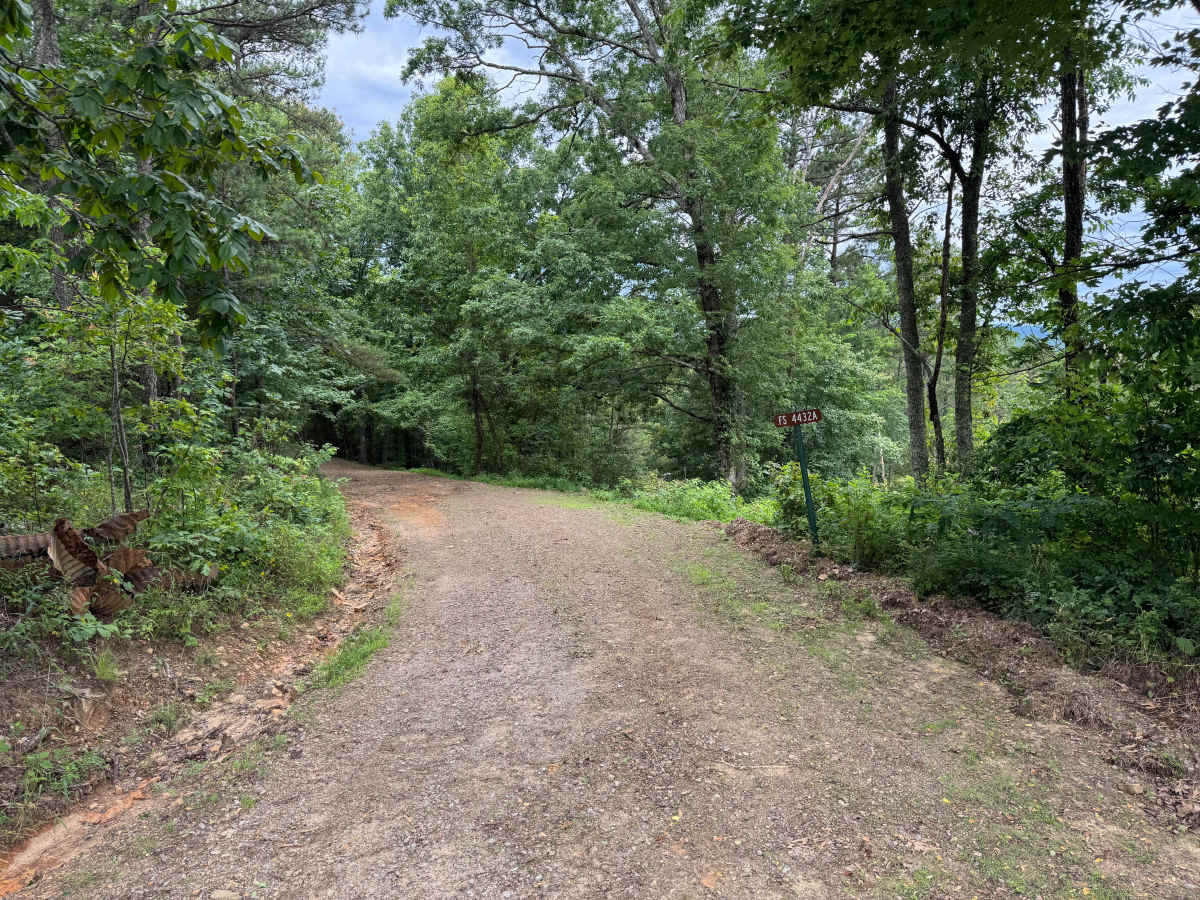
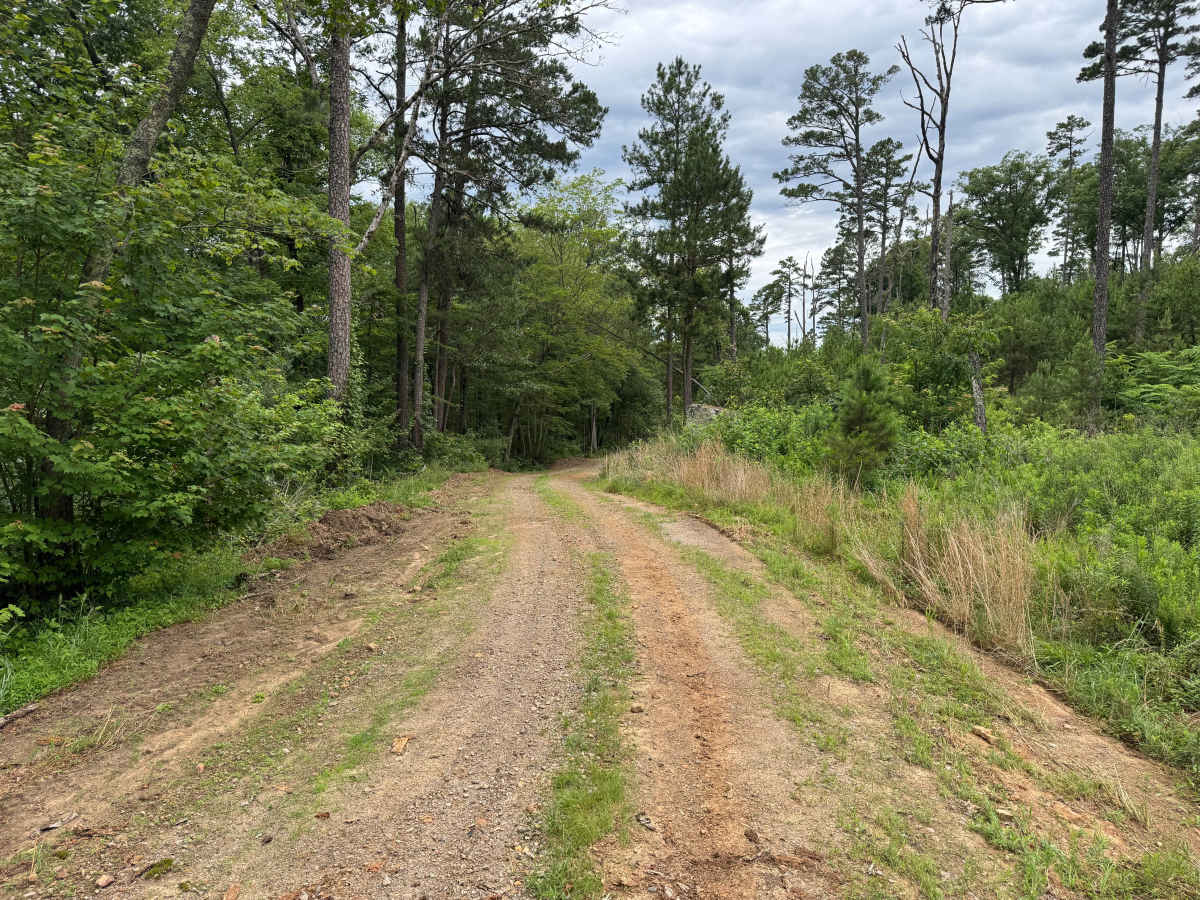
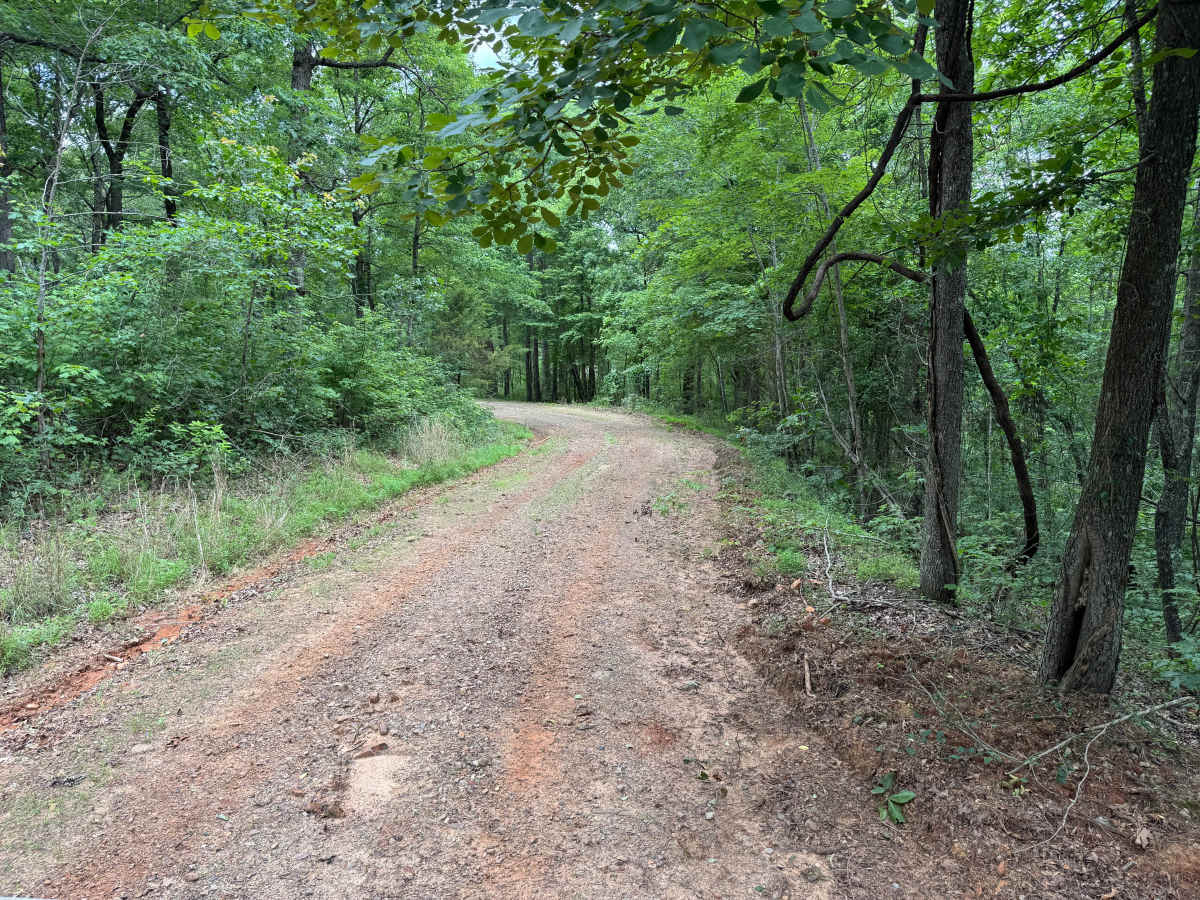
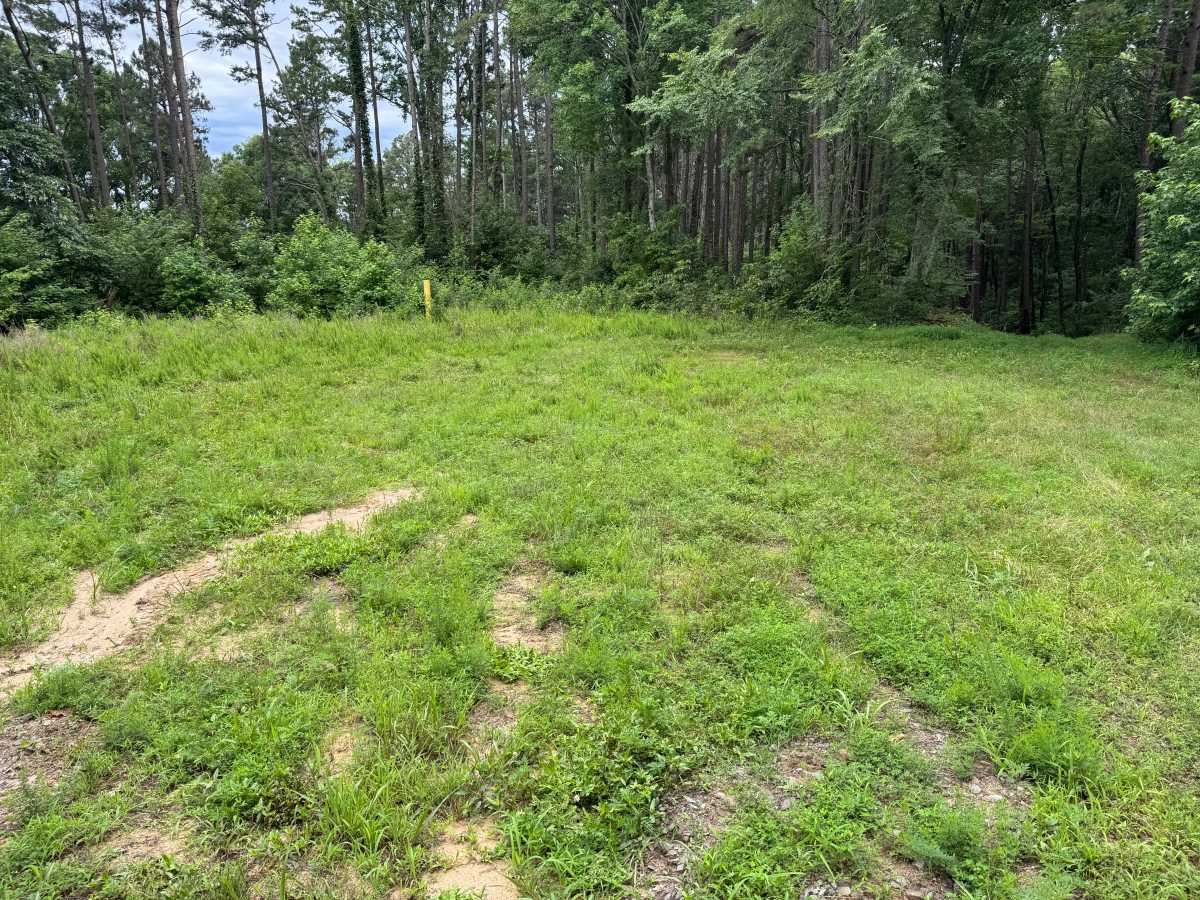
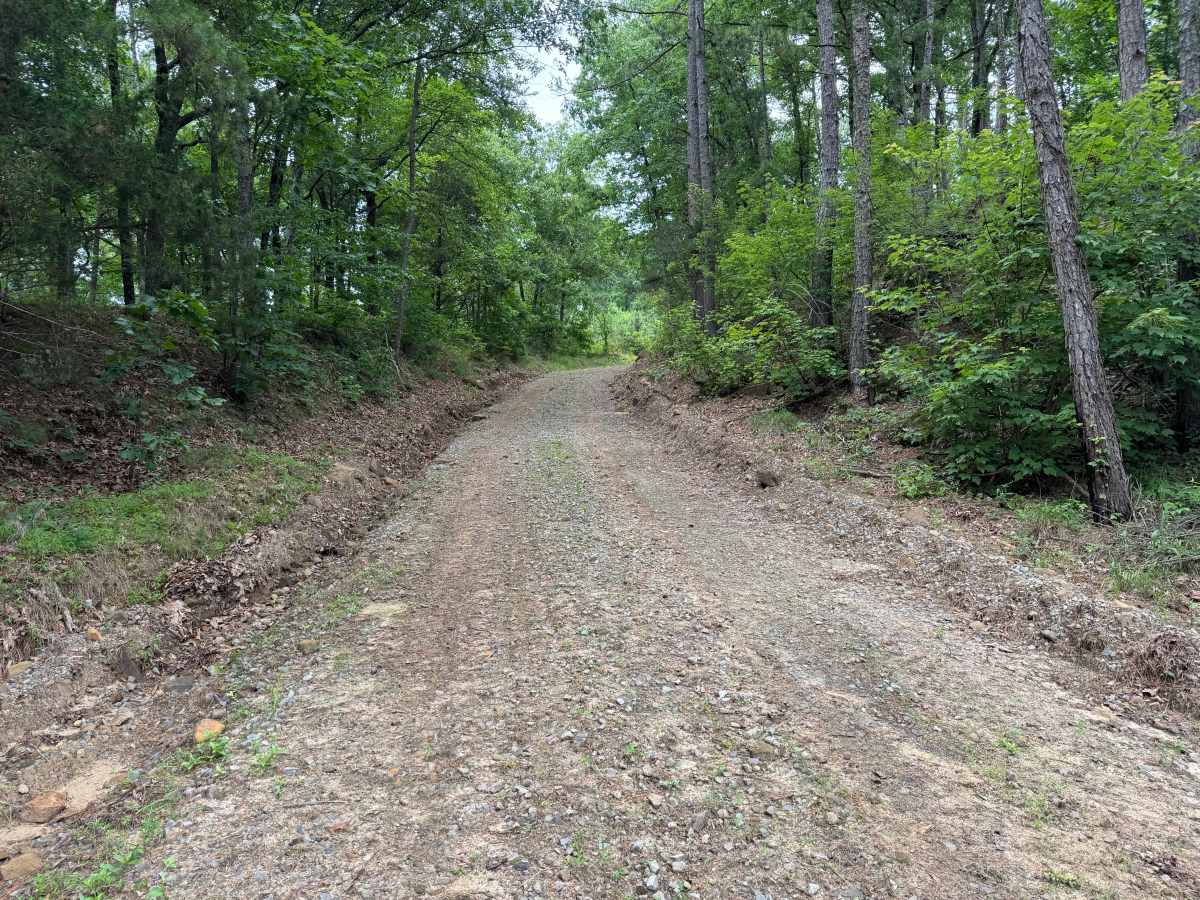
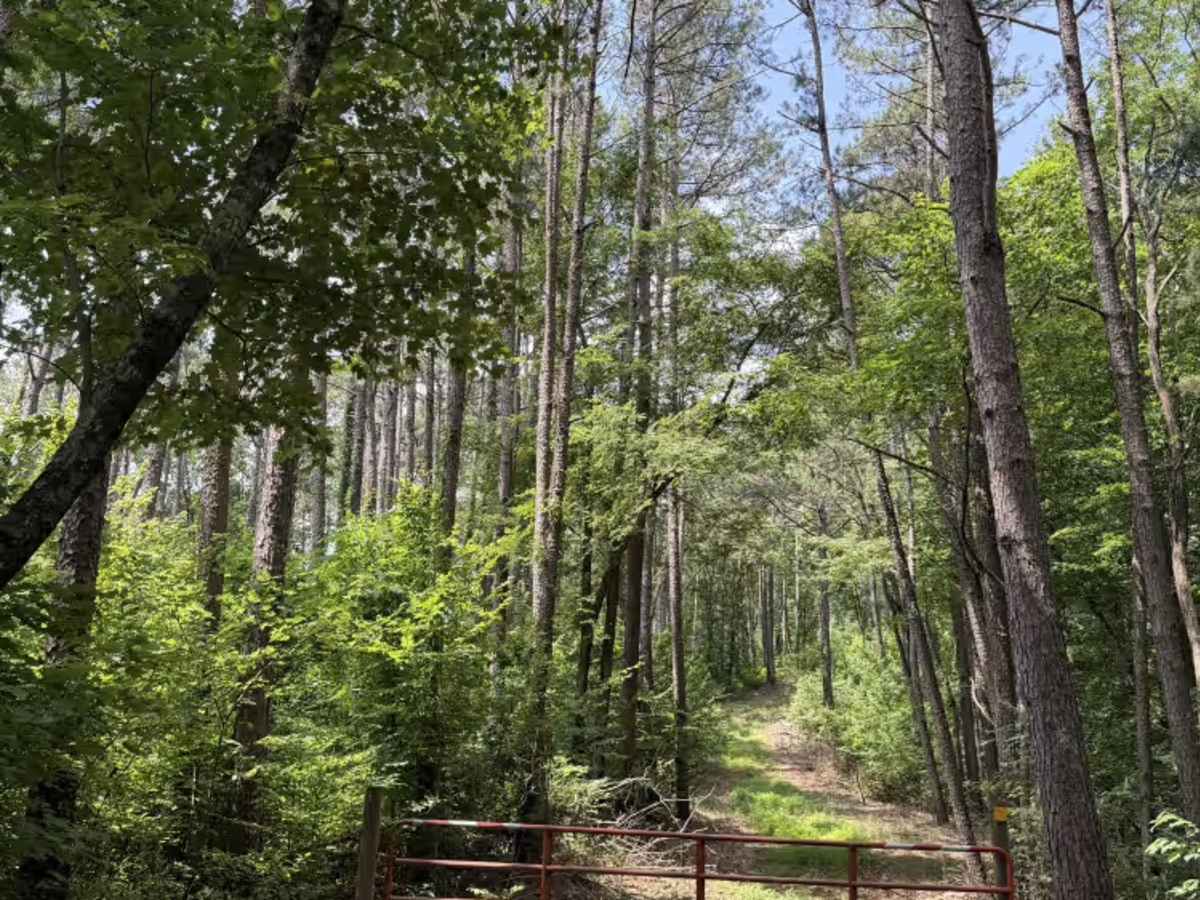
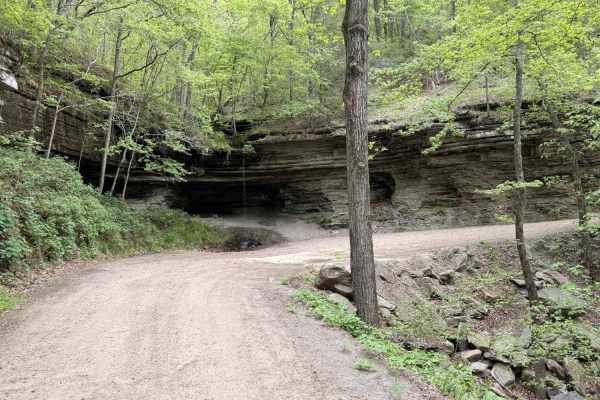
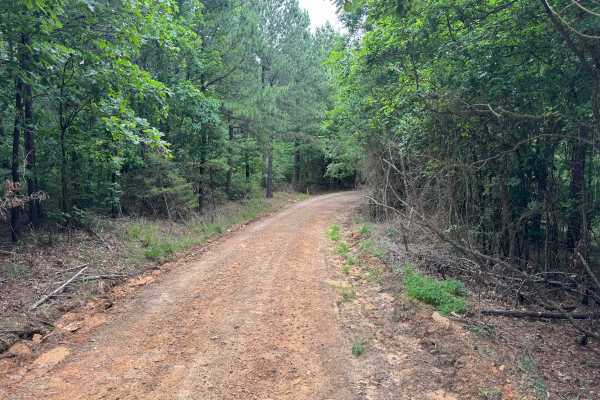
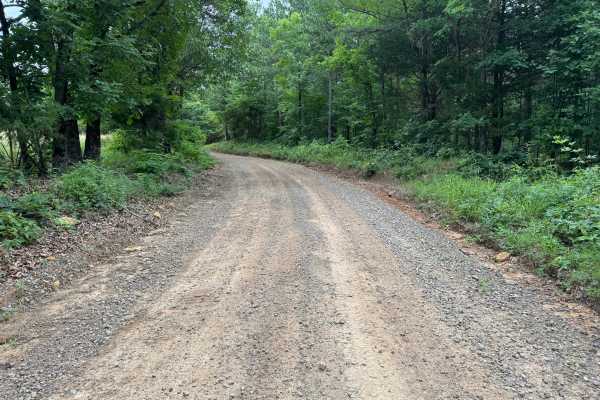
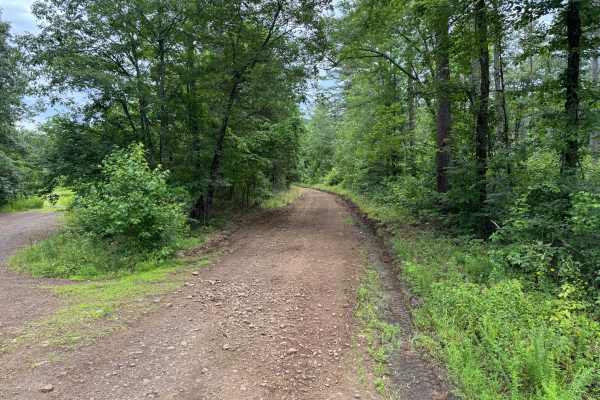
This out-and-back route follows a well-maintained forest road that is generally wide enough for two vehicles to pass comfortably, although a few narrower sections require drivers to use caution. The trail winds through a beautiful stand of mature pines and hardwoods, with occasional openings that provide views across the surrounding hillsides. Gentle curves and gradual elevation changes keep the drive interesting, while the dense forest canopy offers shade for much of the route. The road surface is primarily gravel and packed dirt with scattered loose rock, making for an easy drive in dry conditions. As you climb the hill, you'll encounter several shallow whoops, minor dips, and ruts created by water runoff, with the most noticeable erosion occurring along the edges of the roadway. Wildlife such as deer, wild turkey, and other forest animals are common throughout the area, and downed trees are always a possibility after storms. The route ends at a quiet grassy clearing just before a permanently closed gate, providing a peaceful place to turn around, stretch your legs, or enjoy the surrounding forest before retracing your path back to the trailhead.
Difficulty
The road is generally well maintained with a gravel and dirt surface, and while there are minor whoops, shallow ruts from water erosion, loose rock, and a moderate uphill grade, there are no significant technical obstacles. Drivers should exercise additional caution after rainfall, as the climb can become slick and reduce traction, making four-wheel drive and quality all-terrain tires beneficial. The primary hazards are changing weather conditions, wildlife, and the possibility of downed trees blocking the route.
History
The Ozark National Forest was established in 1908 and today forms part of the Ozark-St. Francis National Forests, protecting more than one million acres across northern Arkansas. Many of the Forest Service roads traveled today began as logging, fire access, or resource management roads before becoming part of the modern recreation network. Forest management continues to play an important role in maintaining healthy ecosystems through timber management, prescribed fire, wildlife habitat restoration, and watershed protection. The rugged Boston Mountains and surrounding Ozark Highlands remain one of the oldest and most geologically significant mountain regions in North America, offering visitors a unique combination of natural beauty and rich forest history.