Trail Overview
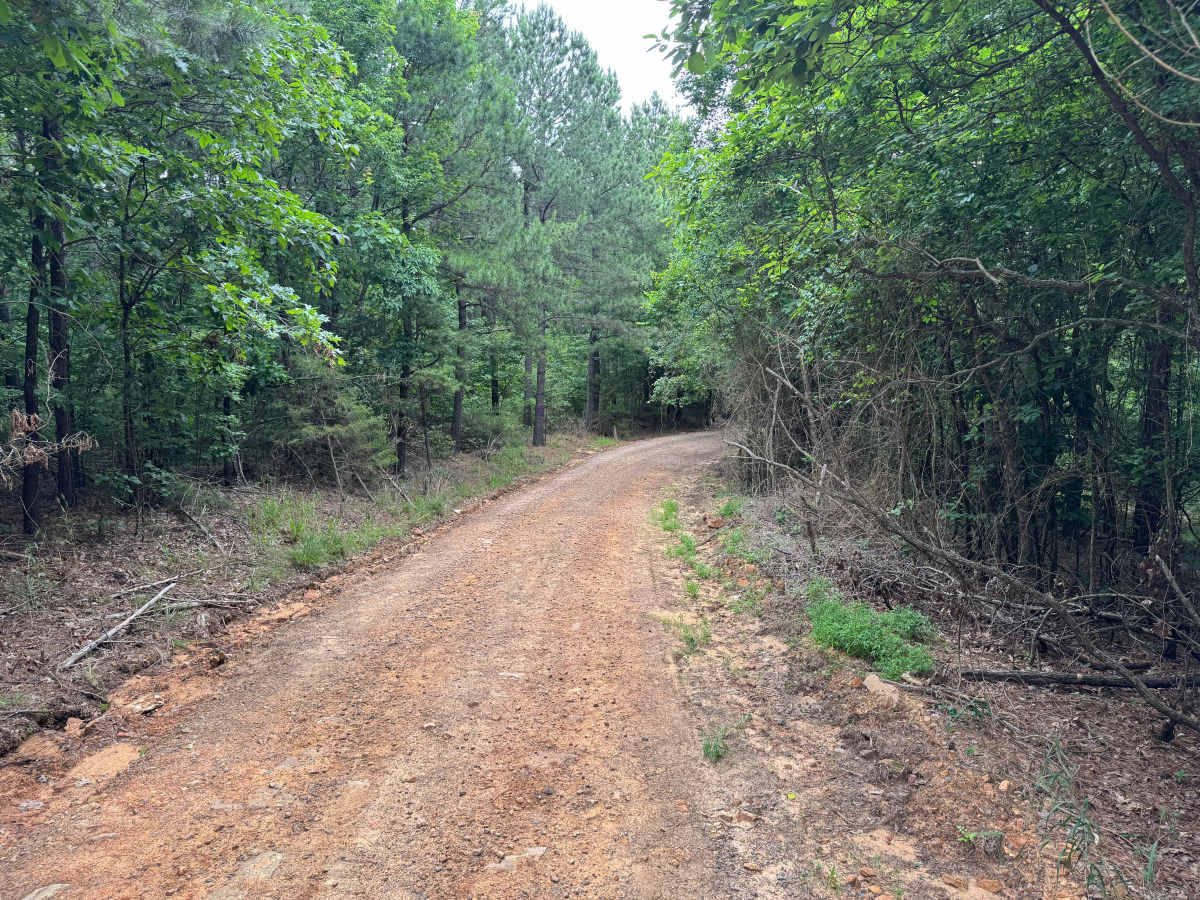
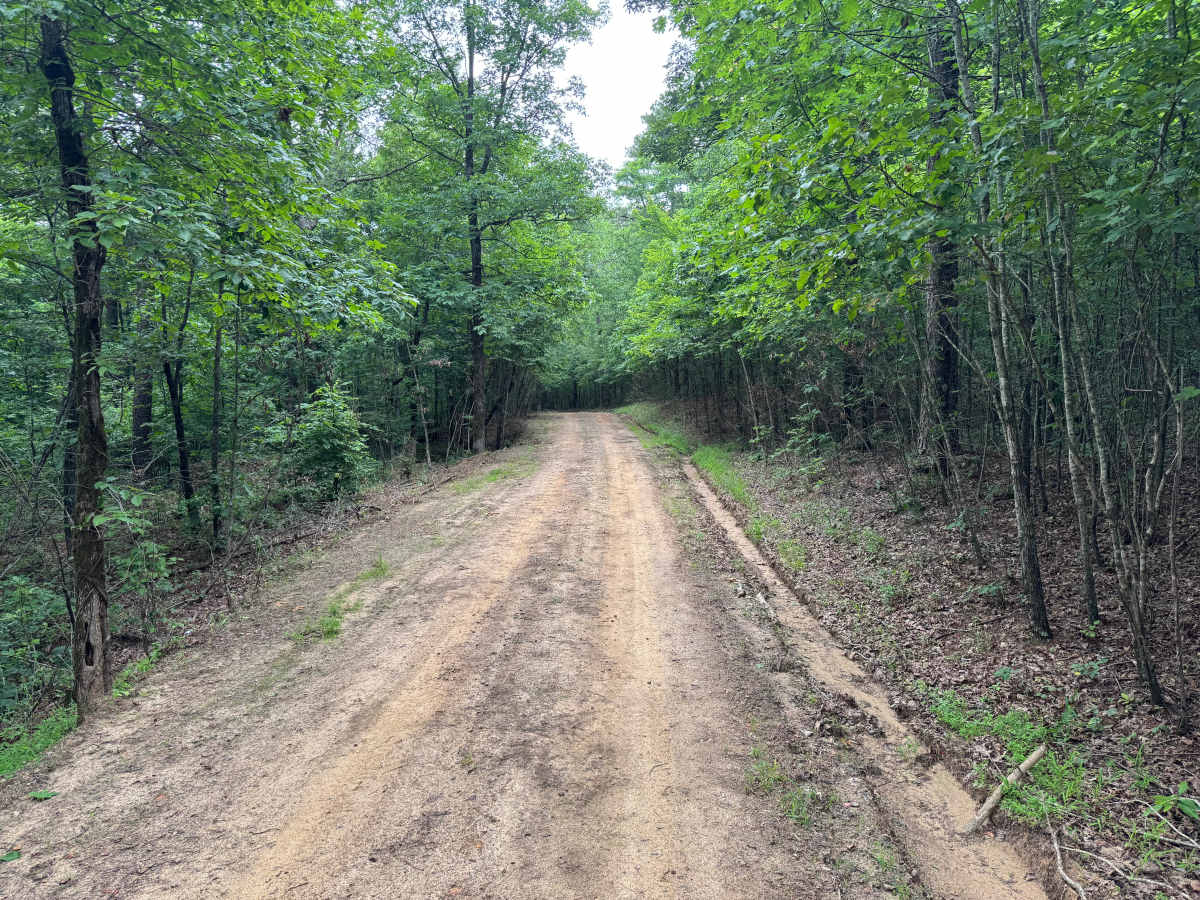
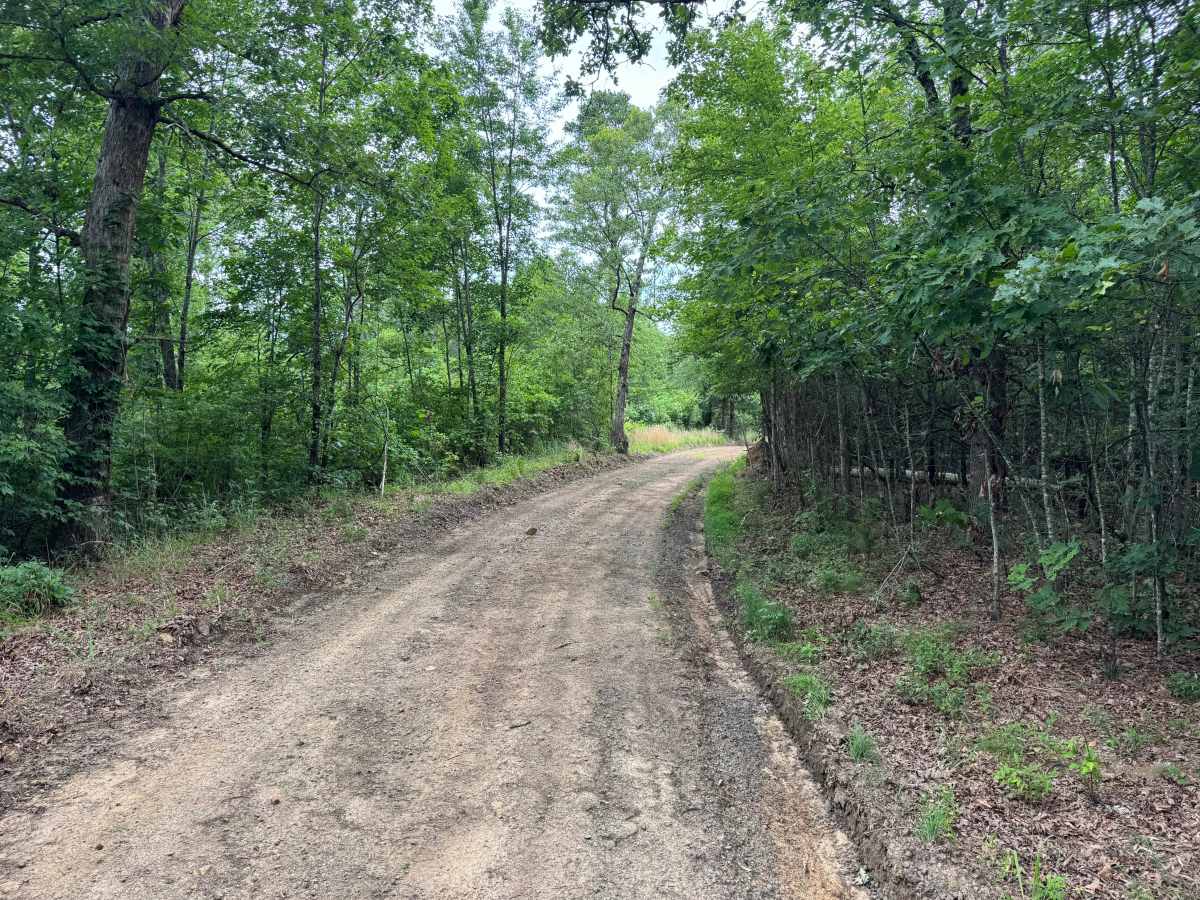
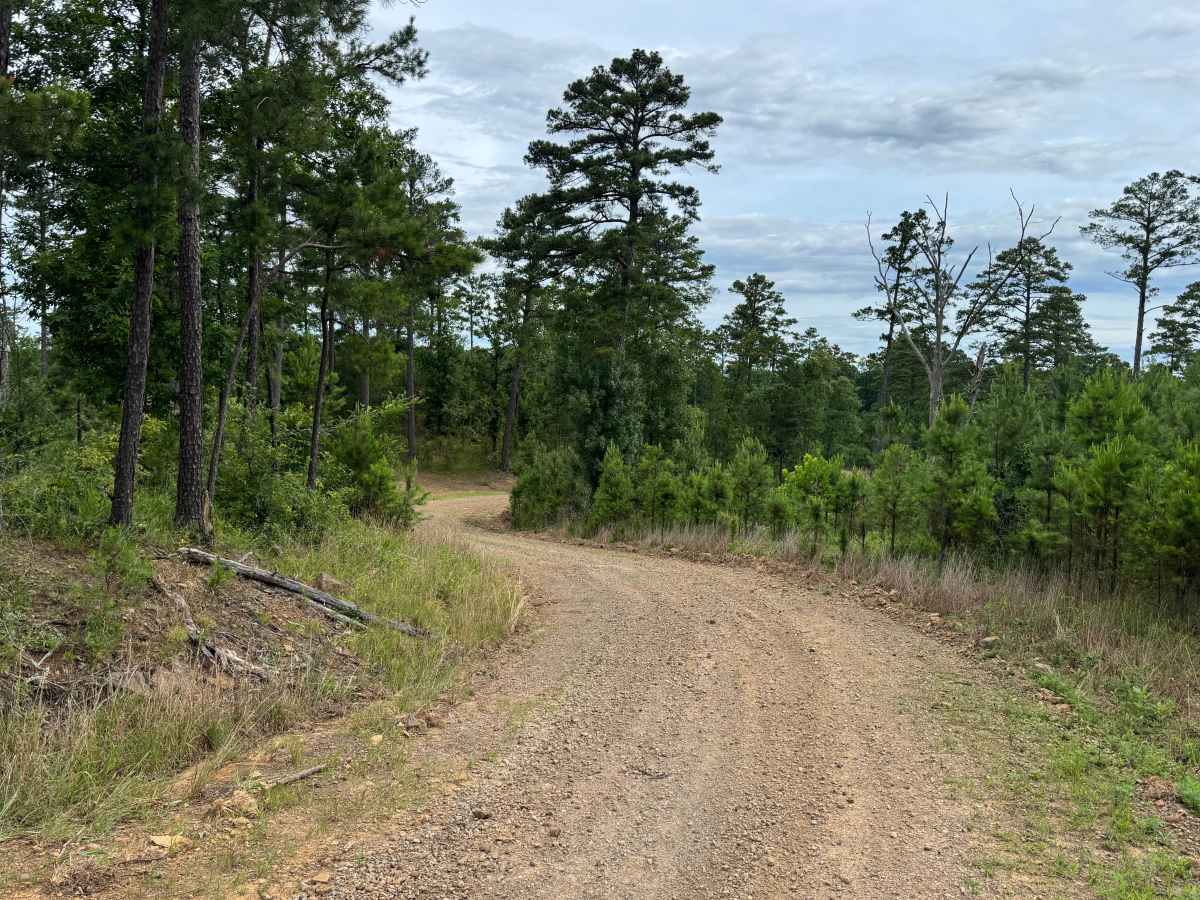
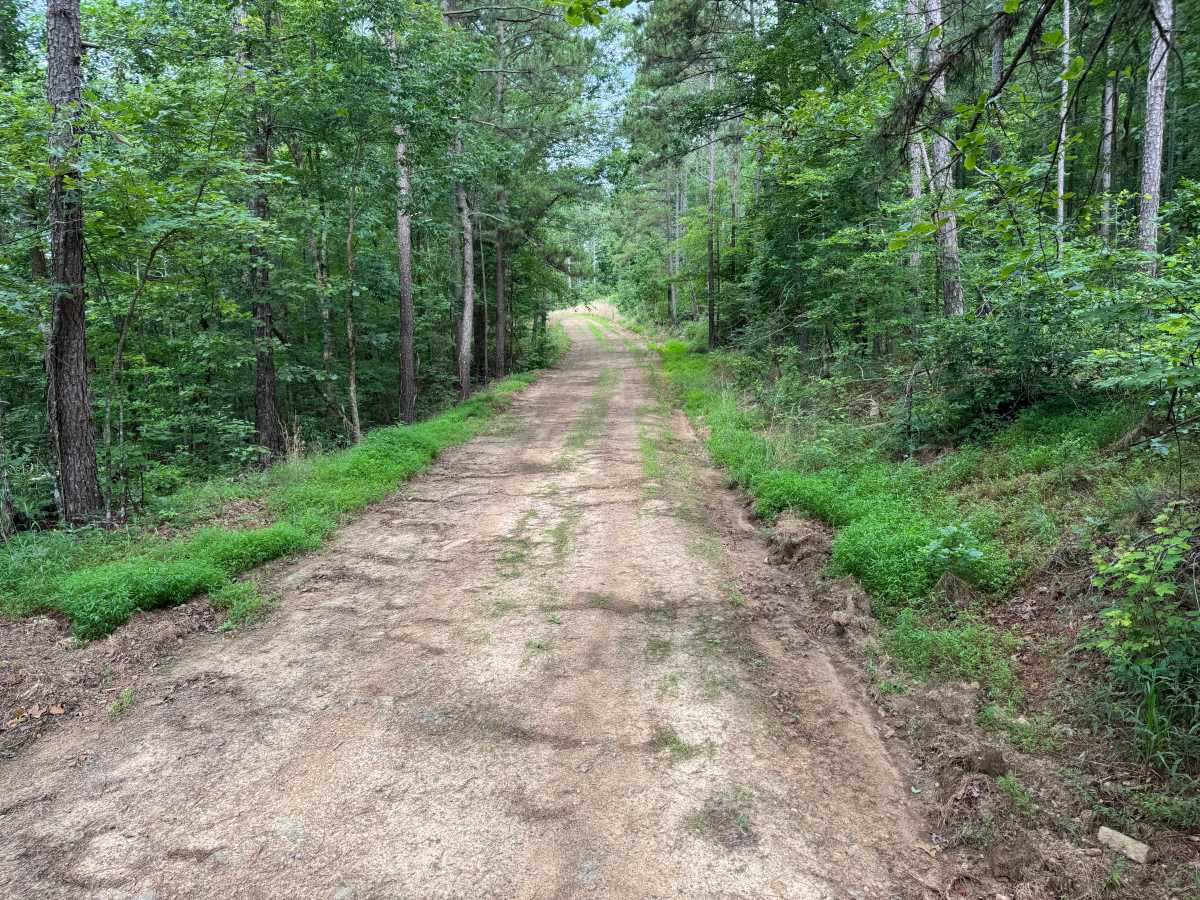
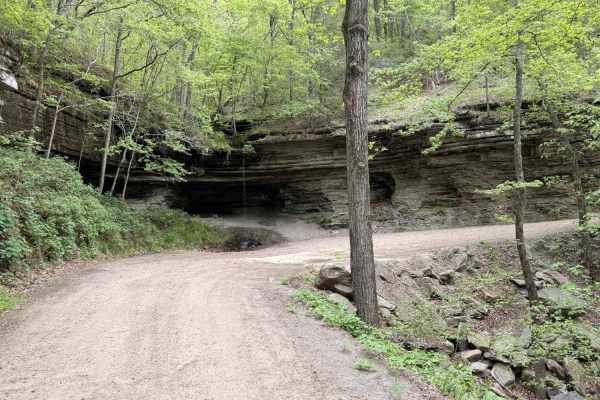
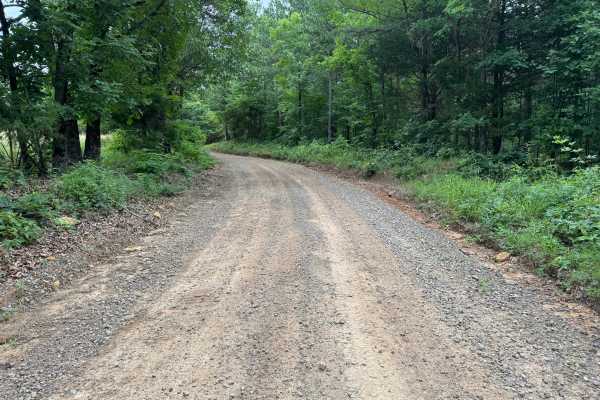
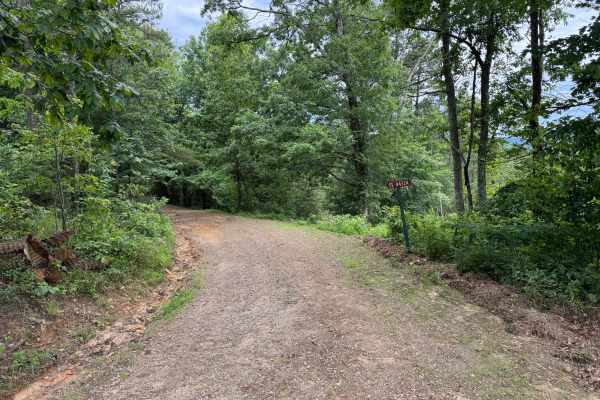
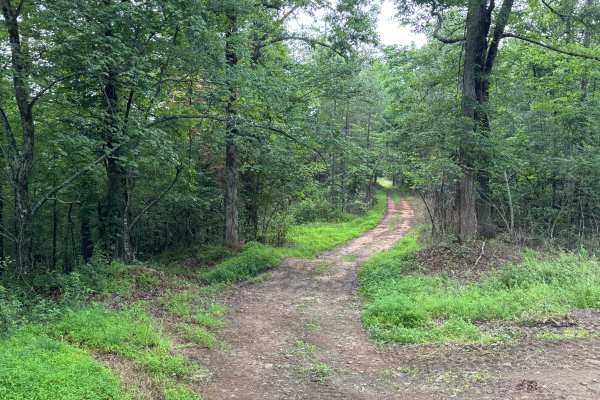
This is a well-maintained forest road that is suitable for most high-clearance vehicles. The route follows a wide gravel and dirt surface with gentle curves and occasional elevation changes as it winds through a dense mix of hardwood and pine forest. In several locations, the road travels along the edge of a ridge, providing intermittent views of the surrounding rolling mountains through openings in the trees. A handful of side trails branch off the main route for those looking to explore farther, while the primary trail continues as an out-and-back drive. There are no major obstacles, but drivers should remain alert for water erosion, small ruts, loose gravel, and fallen trees after storms. Wildlife is common throughout the area, and deer, wild turkeys, turtles, and other forest animals are frequently seen crossing the road.
Difficulty
This well-maintained gravel and dirt road has no significant obstacles under normal conditions. Drivers should watch for minor water erosion, loose gravel, small ruts, fallen trees after storms, and occasional wildlife, but the route is suitable for most high-clearance vehicles.
History
The Ozark National Forest was established in 1908 and today forms part of the Ozark-St. Francis National Forests, protecting more than one million acres across northern Arkansas. Many of the Forest Service roads traveled today began as logging, fire access, or resource management roads before becoming part of the modern recreation network. Forest management continues to play an important role in maintaining healthy ecosystems through timber management, prescribed fire, wildlife habitat restoration, and watershed protection. The rugged Boston Mountains and surrounding Ozark Highlands remain one of the oldest and most geologically significant mountain regions in North America, offering visitors a unique combination of natural beauty and rich forest history.