Trail Overview
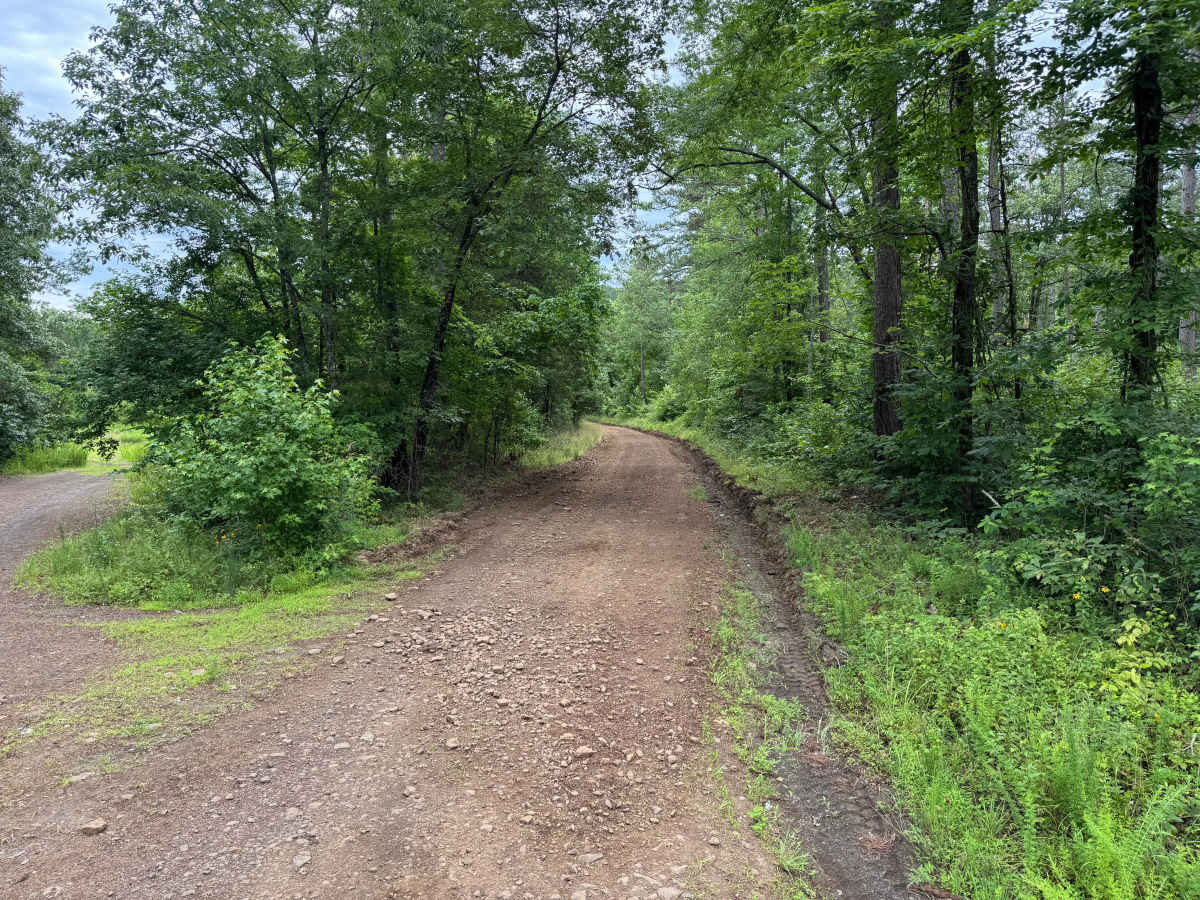
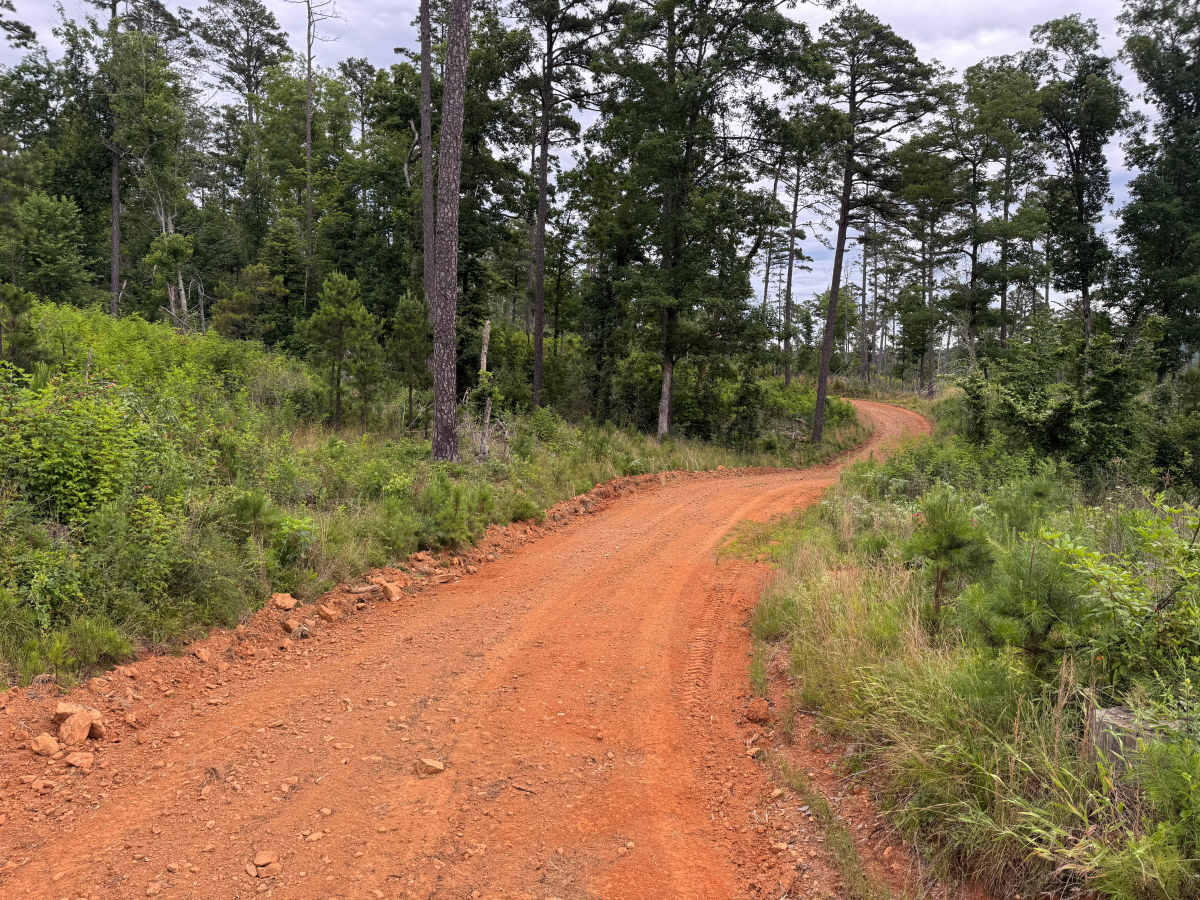
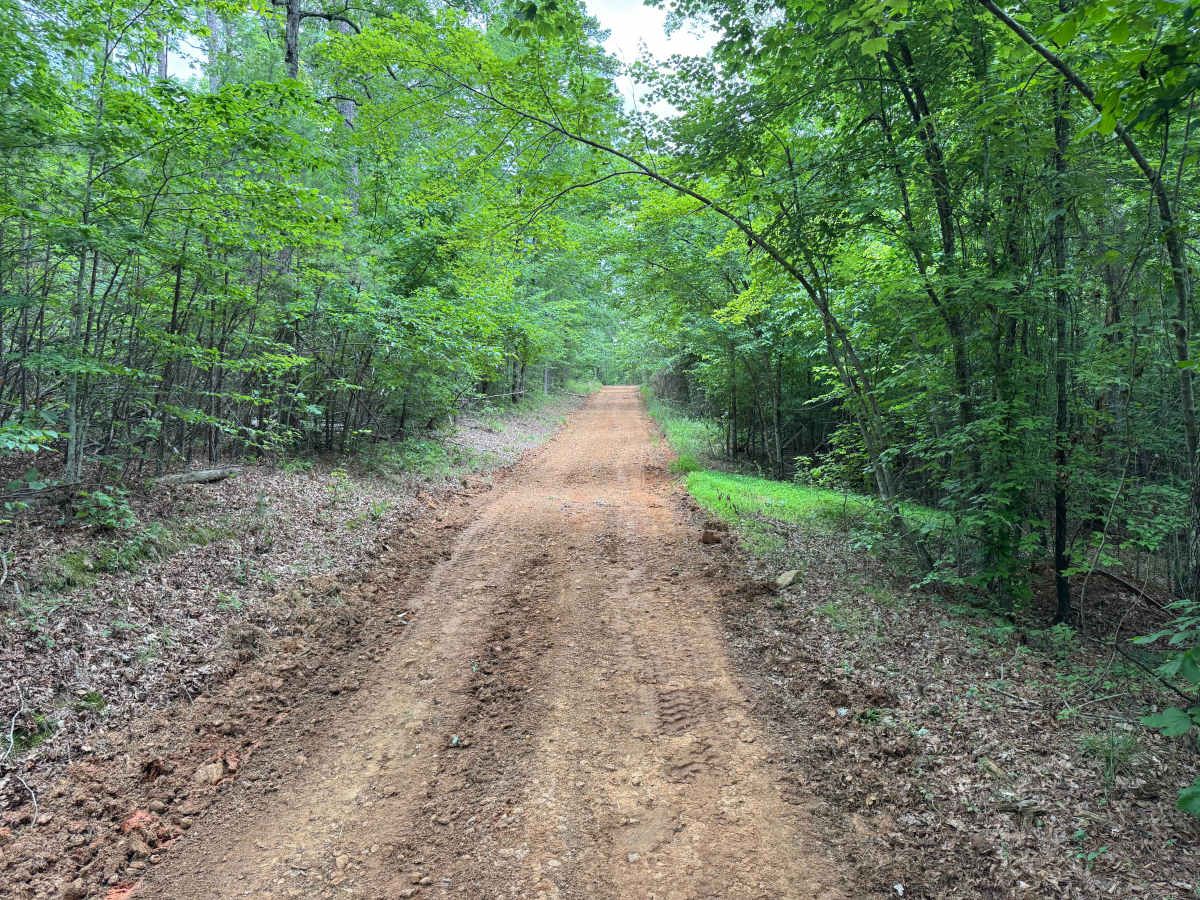
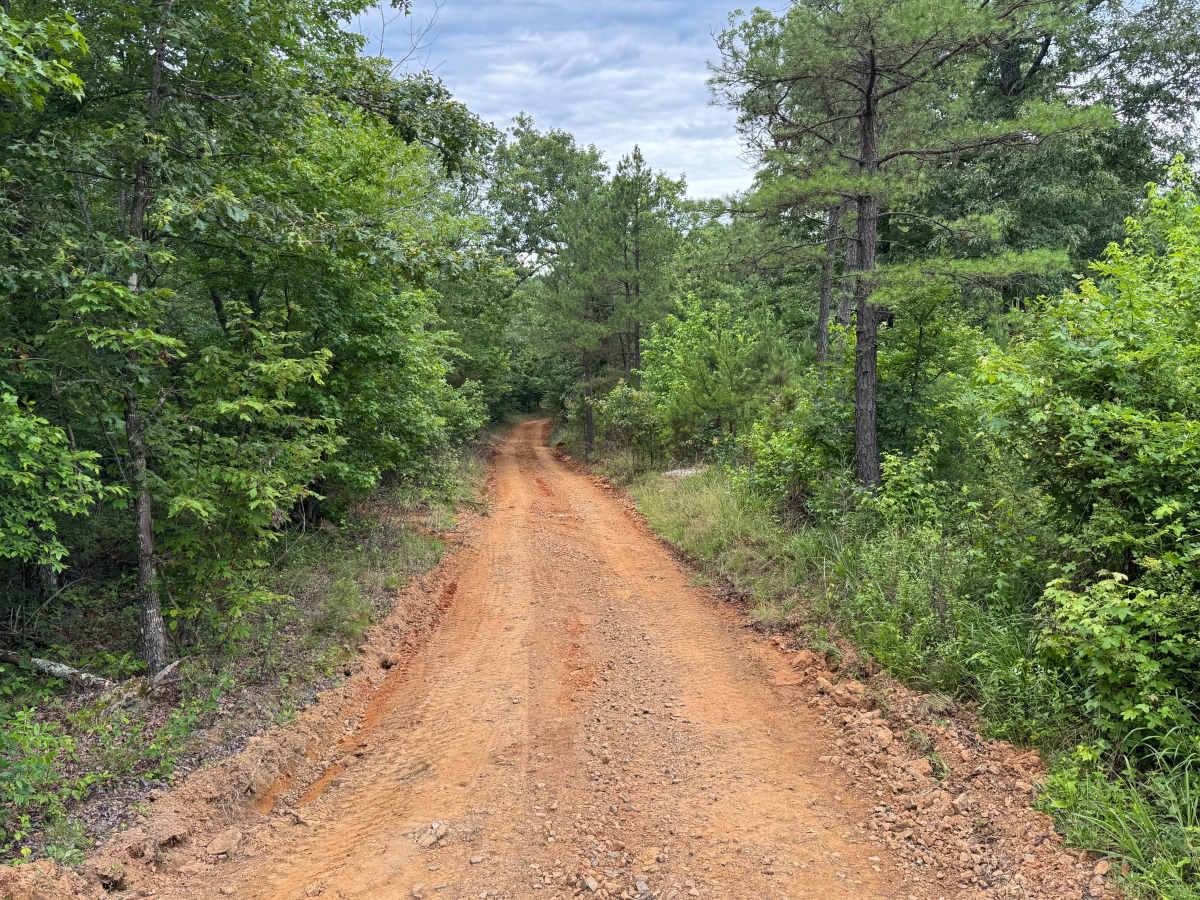
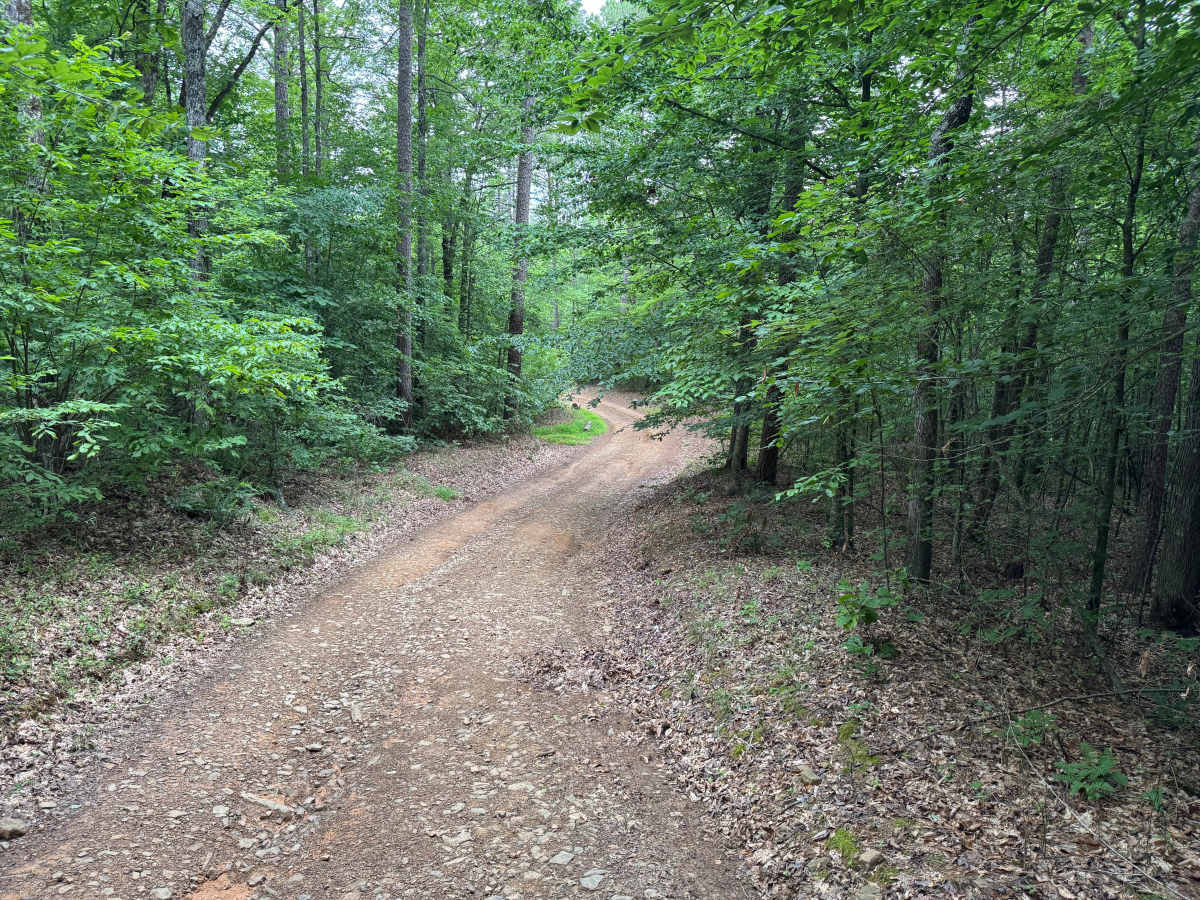
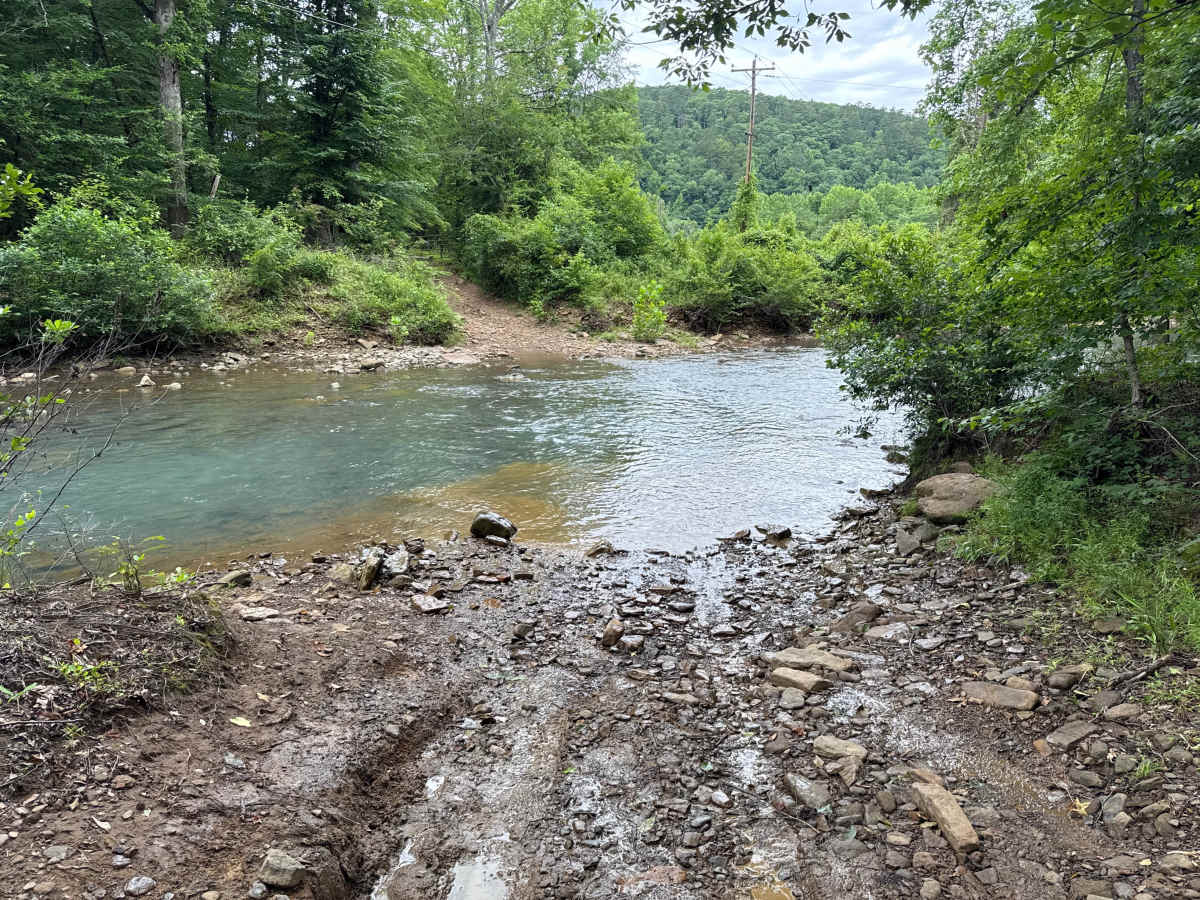
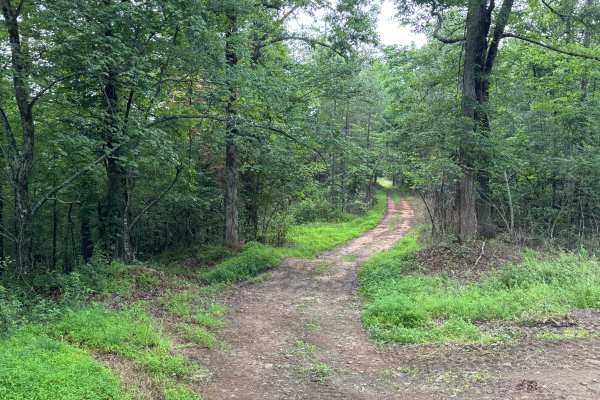
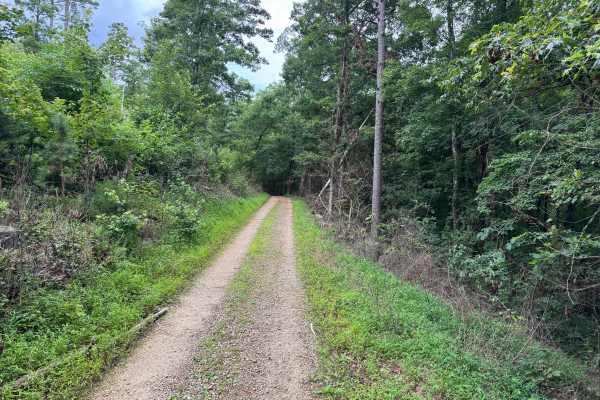
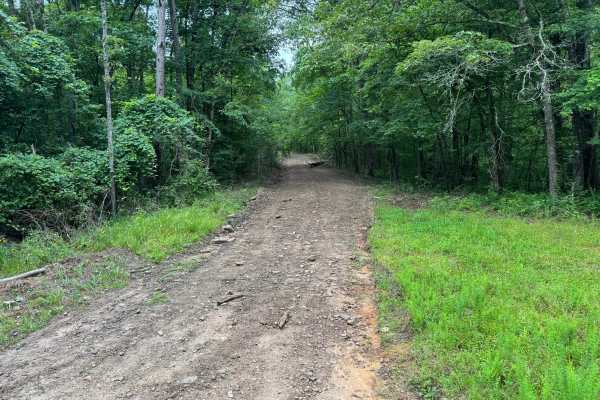
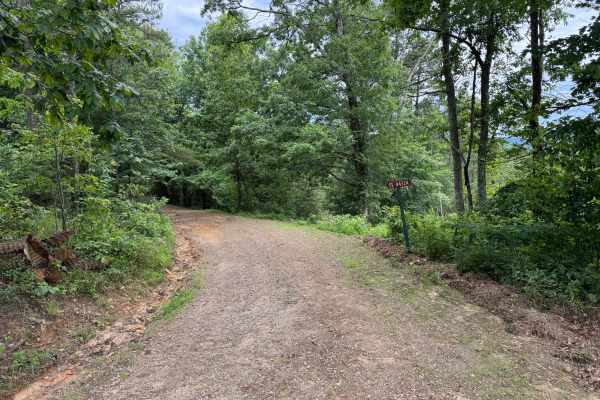
This narrow forest road provides a more secluded driving experience as it winds through a dense canopy of hardwoods and towering pines, with only a few locations where two vehicles can safely pass one another. The route transitions between shaded woodland corridors and sections of vibrant red clay, offering scenic views of the Ouachita National Forest while gently climbing and descending the surrounding ridges. One end of the route requires crossing the Mulberry River, so water depth and current should always be evaluated before attempting the crossing, especially following periods of heavy rainfall. Beyond the river crossing, the trail remains relatively straightforward with no major technical obstacles, although drivers should expect occasional whoops, shallow dips, loose rock, and erosion ruts along the road edges. The hill leading away from the river can become slick when wet, making a low-range transfer case beneficial for maintaining traction and vehicle control. Wildlife is commonly seen throughout the area, and fallen trees can occasionally block portions of the route after storms, so travel with appropriate recovery gear and be prepared for changing conditions.
Difficulty
The primary challenges are the Mulberry River crossing, the narrow single-vehicle road with limited pull-off areas, and the moderate hill climb that can become slick after rain. Outside of those features, the route consists of a maintained dirt and gravel surface with only minor erosion ruts, shallow dips, loose rock, and occasional washouts along the edges.
History
The Ozark National Forest was established in 1908 and today forms part of the Ozark-St. Francis National Forests, protecting more than one million acres across northern Arkansas. Many of the Forest Service roads traveled today began as logging, fire access, or resource management roads before becoming part of the modern recreation network. Forest management continues to play an important role in maintaining healthy ecosystems through timber management, prescribed fire, wildlife habitat restoration, and watershed protection. The rugged Boston Mountains and surrounding Ozark Highlands remain one of the oldest and most geologically significant mountain regions in North America, offering visitors a unique combination of natural beauty and rich forest history.