Trail Overview
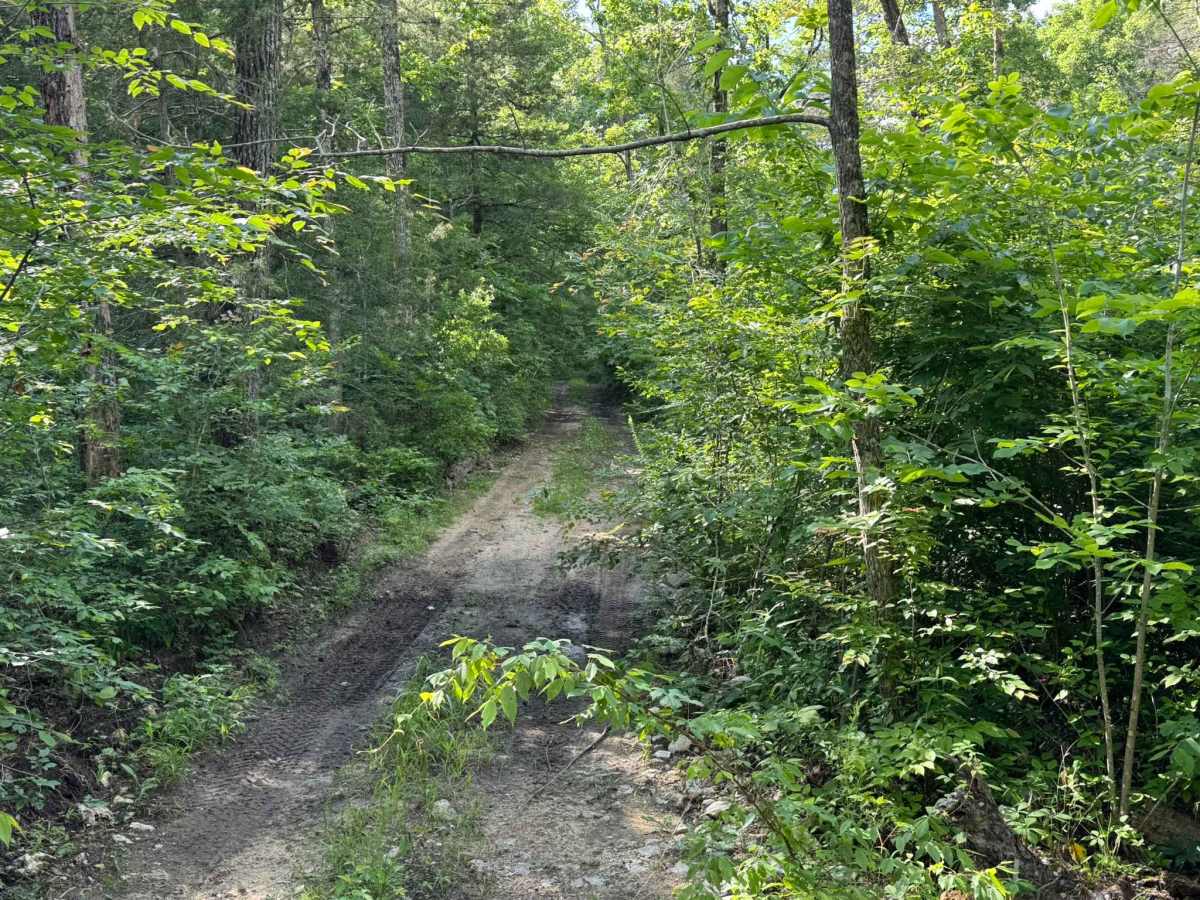
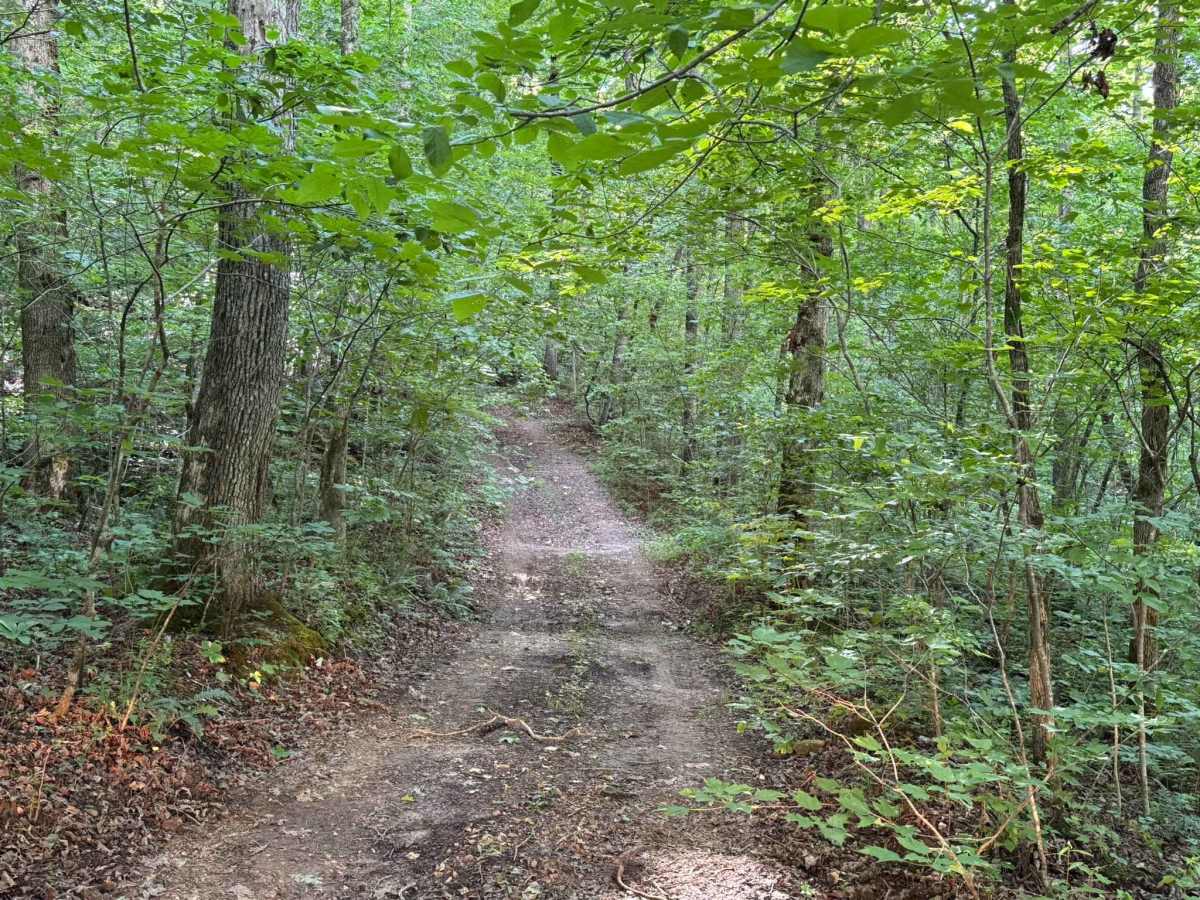
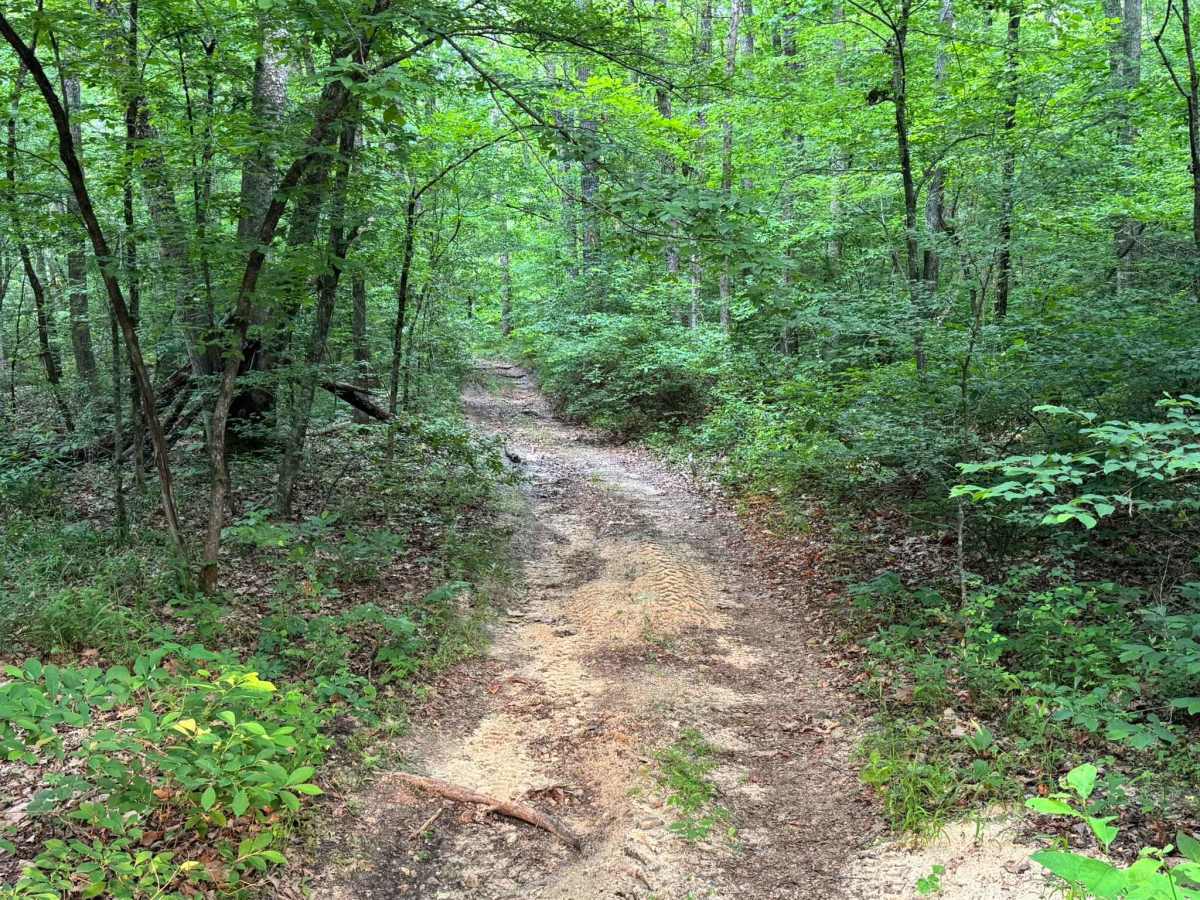
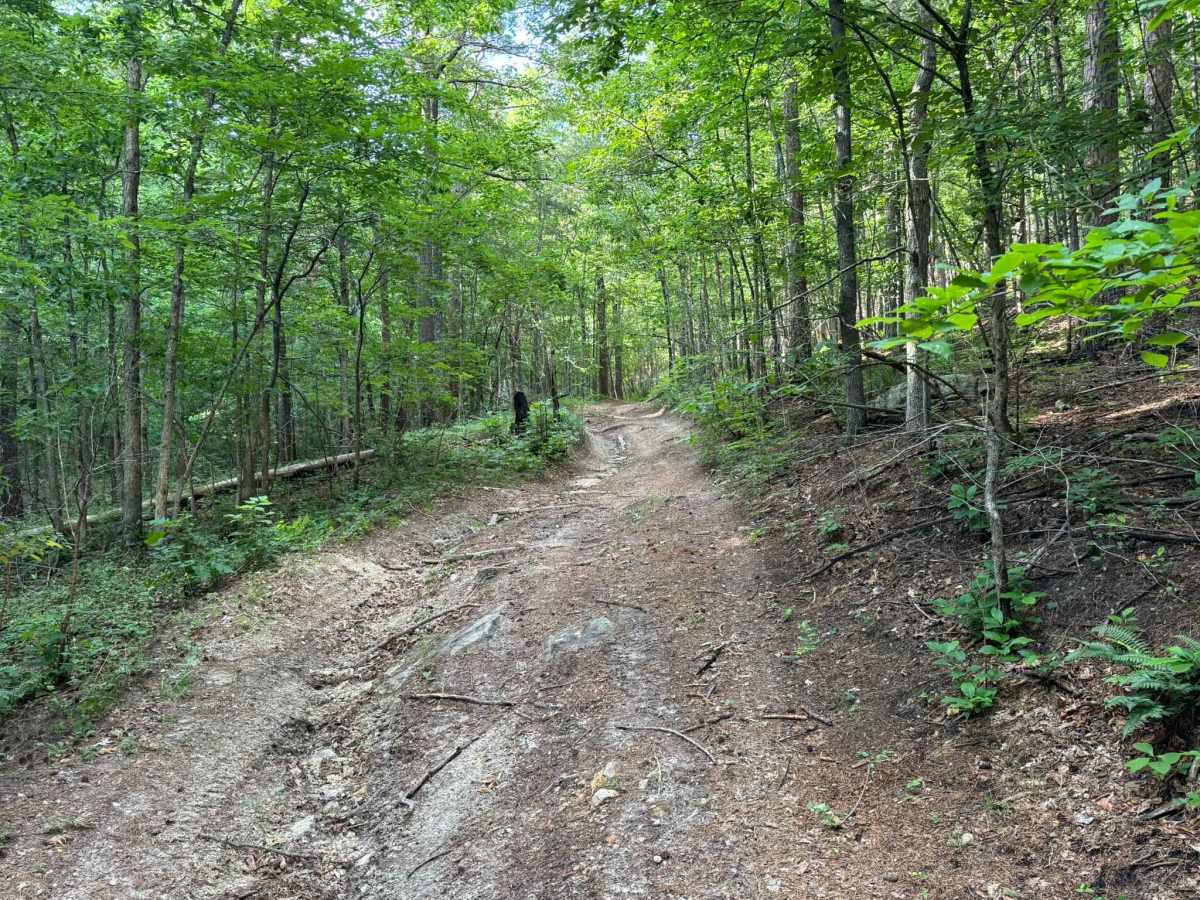
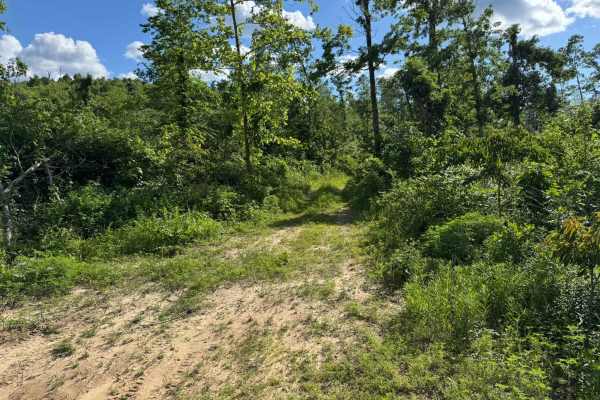
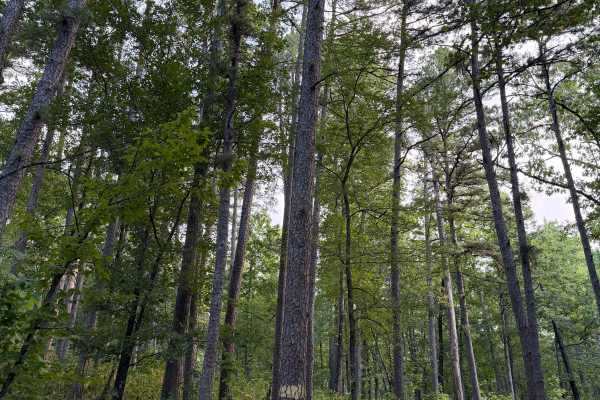
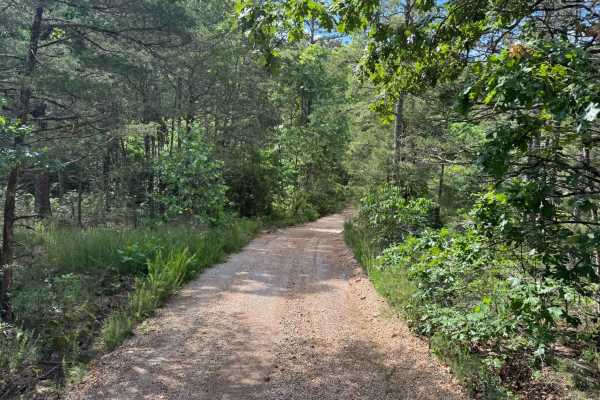
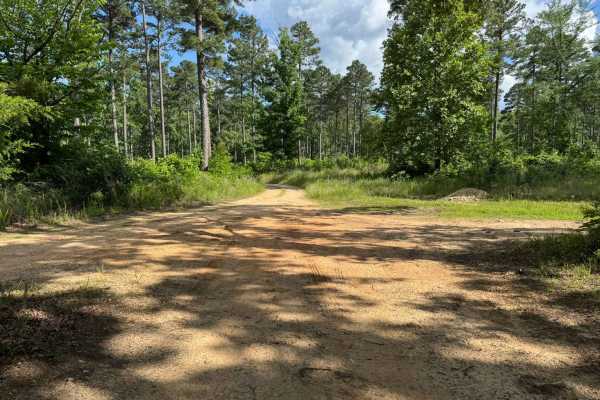
This route winds through dense Ozark forest with tight sections that close in heavily around the vehicle. Brush, branches, and narrow tree gaps are constant throughout the route, so pinstripes and paint scratches should be expected. The route features several shallow creek crossings with clear flowing water, exposed rock shelves, and gravel bottoms. Some crossings are smooth and scenic, while others contain loose rock, muddy edges, and uneven approaches. The route surface constantly changes between dirt, embedded rock, exposed bedrock, shallow ruts, and loose gravel. One of the final creek crossings is the most technical obstacle on the route, featuring rocky ledges and rock steps up to roughly 12 inches tall that may require careful tire placement and moderate ground clearance. The surrounding forest canopy keeps much of the route shaded, creating a quiet and remote feel throughout the drive.
Difficulty
Tight tree-lined sections, multiple creek crossings, exposed rock, and uneven terrain increase the difficulty along this route. Most of the route is manageable for a high-clearance 4WD vehicle, but drivers should expect narrow passages, brush contact, and possible pinstriping. The final creek crossing adds the main challenge, with rocky ledges and rock steps up to 12 inches tall that require careful tire placement. Skid plates and all-terrain or mud-terrain tires are recommended.
History
The roads throughout this region were originally established for logging, mining, homestead access, and fire management long before recreational off-roading became popular. Portions of the surrounding Buffalo National River area contain deep ties to Ozark pioneer history, including old settlements, abandoned homesites, family cemeteries, and former mining operations dating back to the late 1800s and early 1900s. The nearby Rush Historic District was once one of the largest zinc mining communities in Arkansas during the early 20th century. Many of the ridge roads and hollows drivers travel today follow paths historically used by miners, loggers, ranchers, and local residents navigating the rugged Ozark terrain long before modern highways existed.