Trail Overview
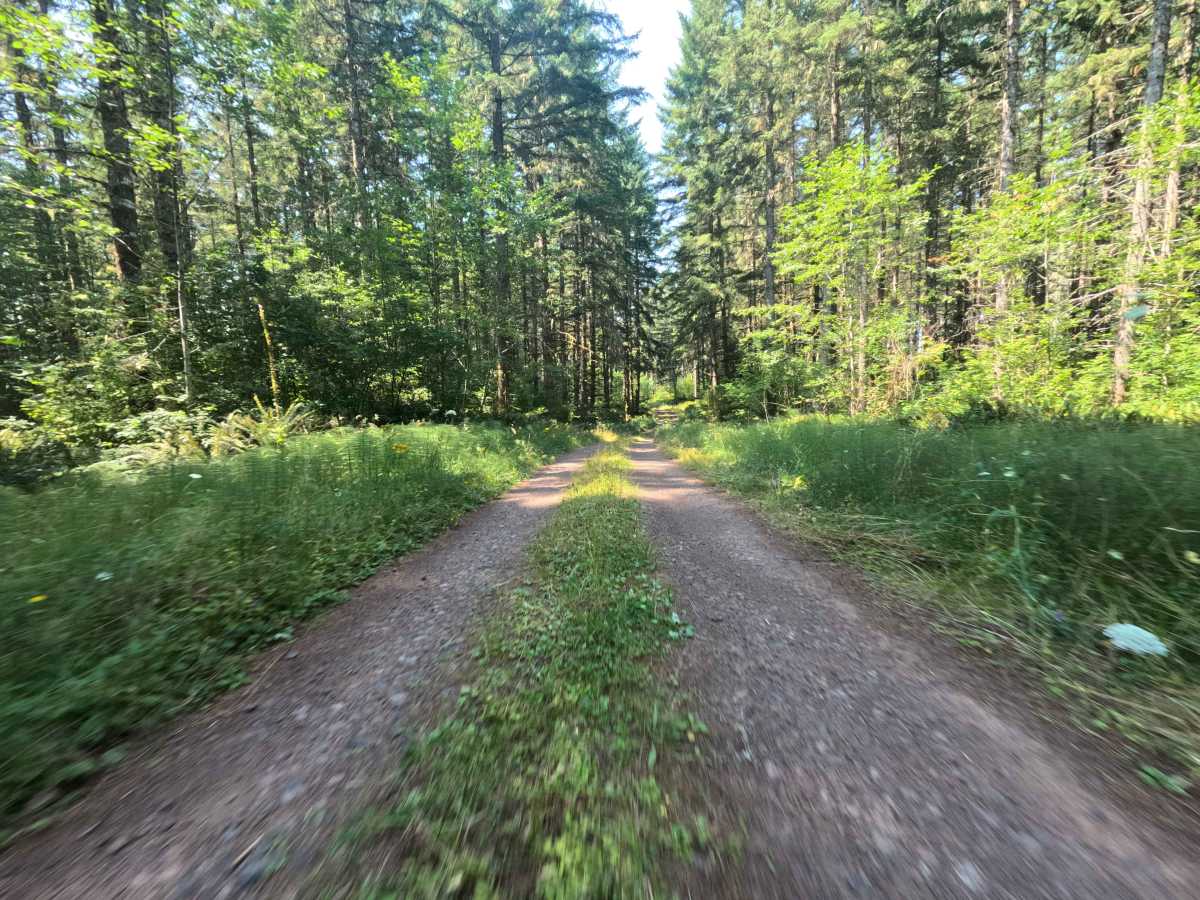
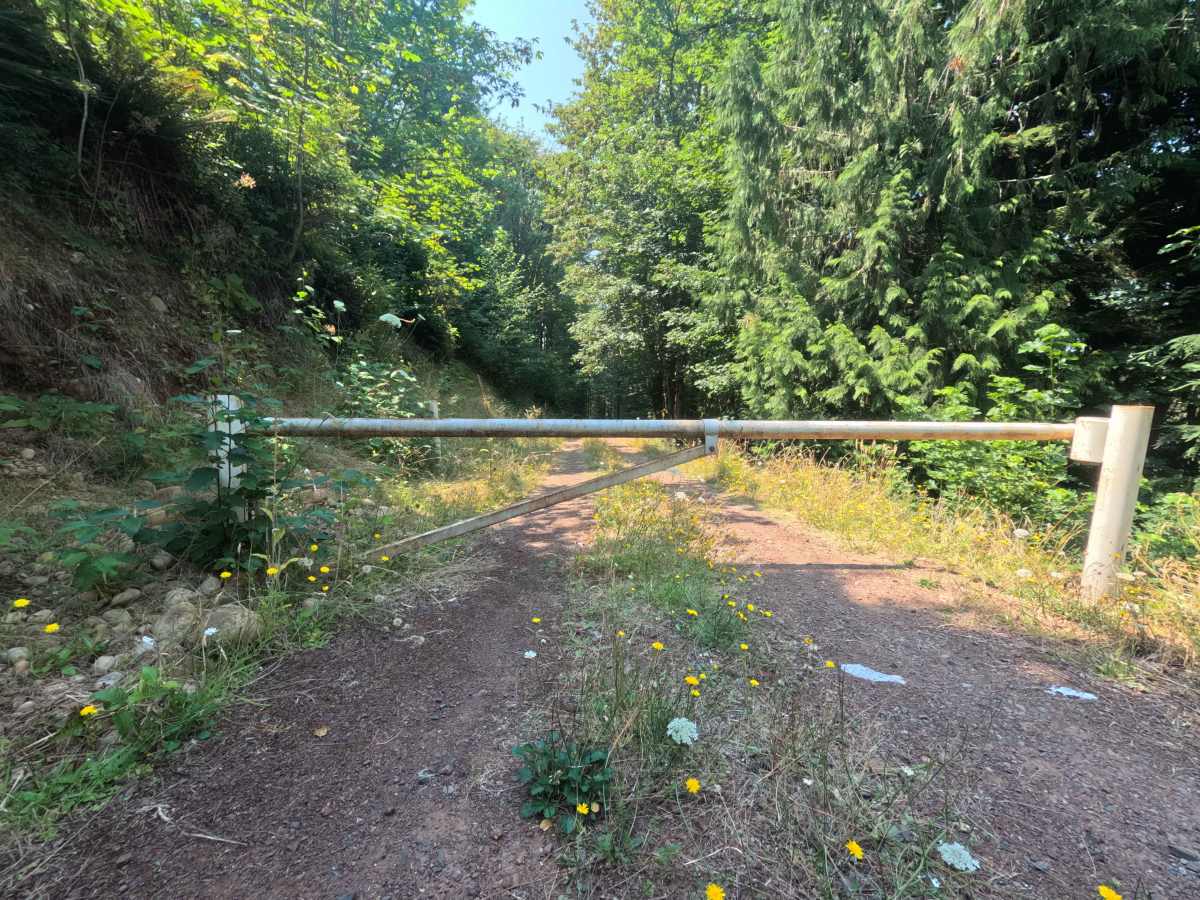
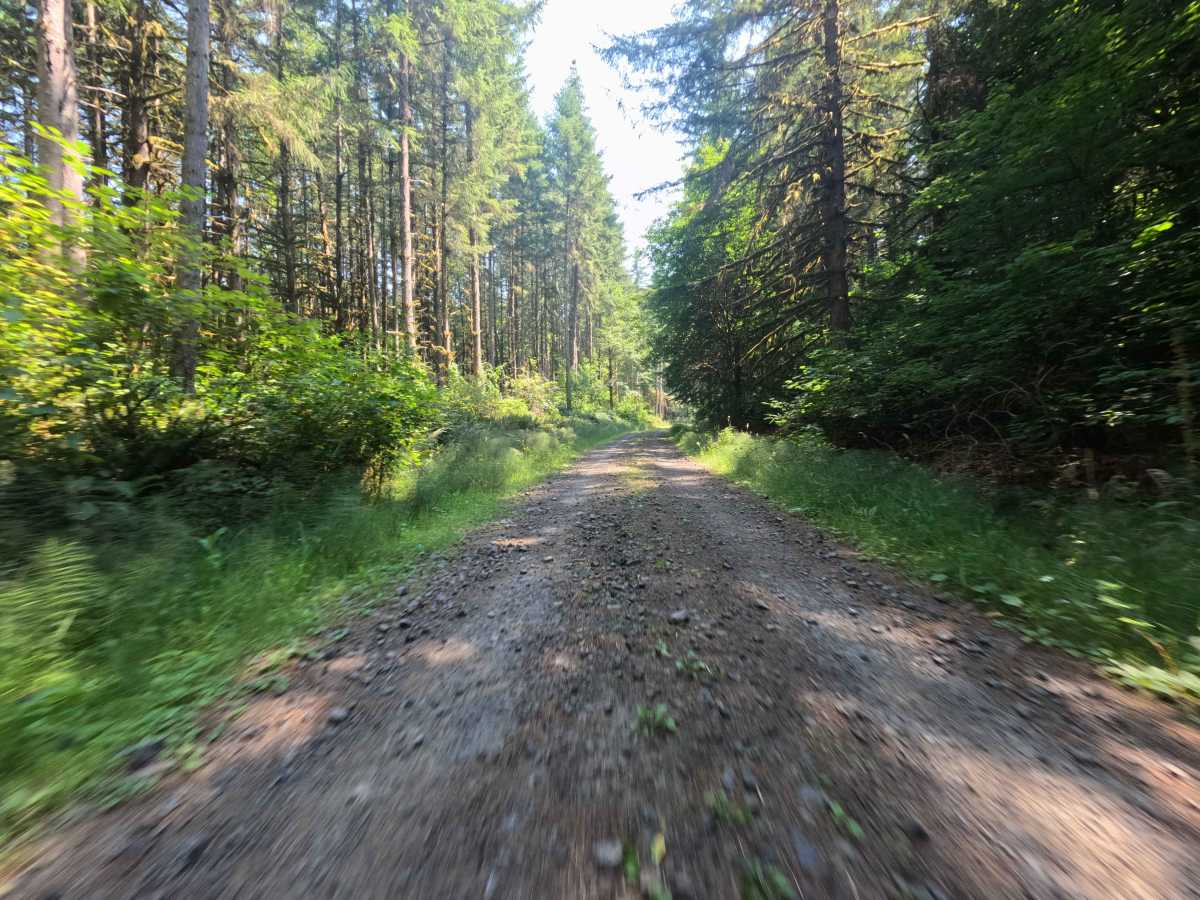
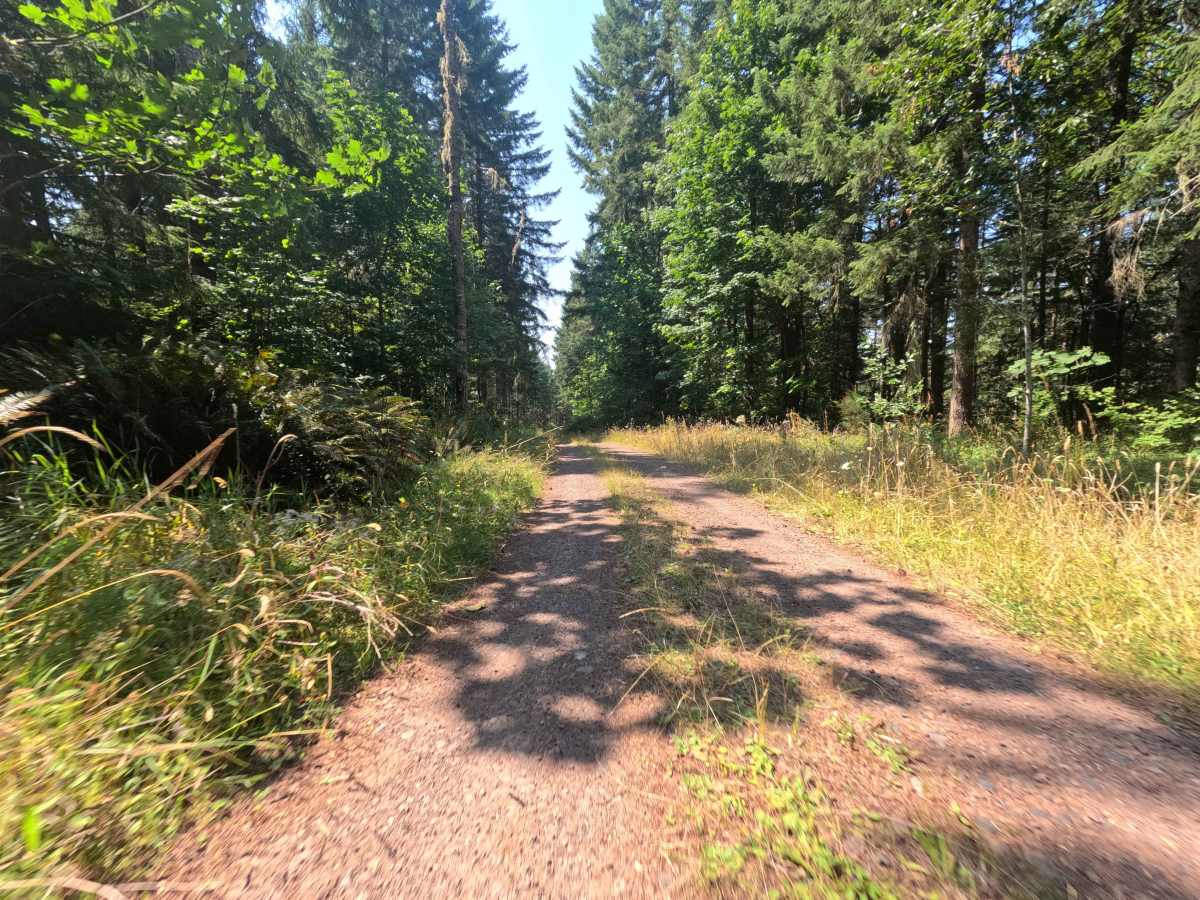
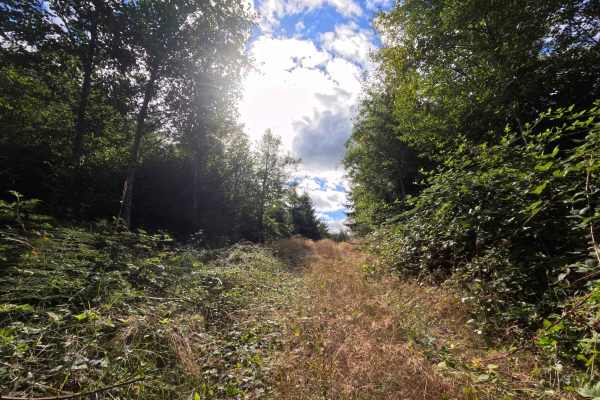
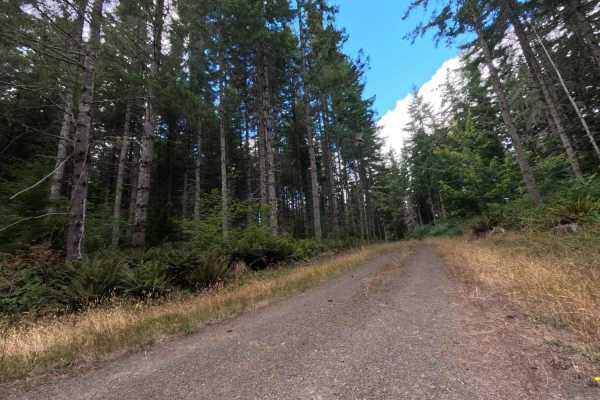
W-3000, widely referred to locally as Camp Nine Road, operates as a vital through-connection linking main forestry arteries and providing essential throughput deeper into the backcountry. The route carves a tight path through a vibrant, lush evergreen environment, enveloped by towering mature timber and dense roadside vegetation within actively managed National Forest lands. Operating as a narrow, well-graded gravel and dirt path bordered closely by drainage ditches, the route holds a level 2 difficulty rating. Outdoor recreationists frequent this corridor to access a broader network of branching forest spurs and hidden backcountry zones, though many of the immediate side roads are currently secured with locked gates. The roadbed is highly maintained and stays heavily shaded by the continuous tree canopy for nearly its entire length. Because this is an active commercial logging area, travelers must remain highly alert for heavy timber trucks and utilize the scattered shoulder pull-outs to safely yield the right-of-way. The route maintains its connector status until reaching a distinct Y-intersection with W3000.7, where the path officially adopts the Camp Nine Road designation.
Difficulty
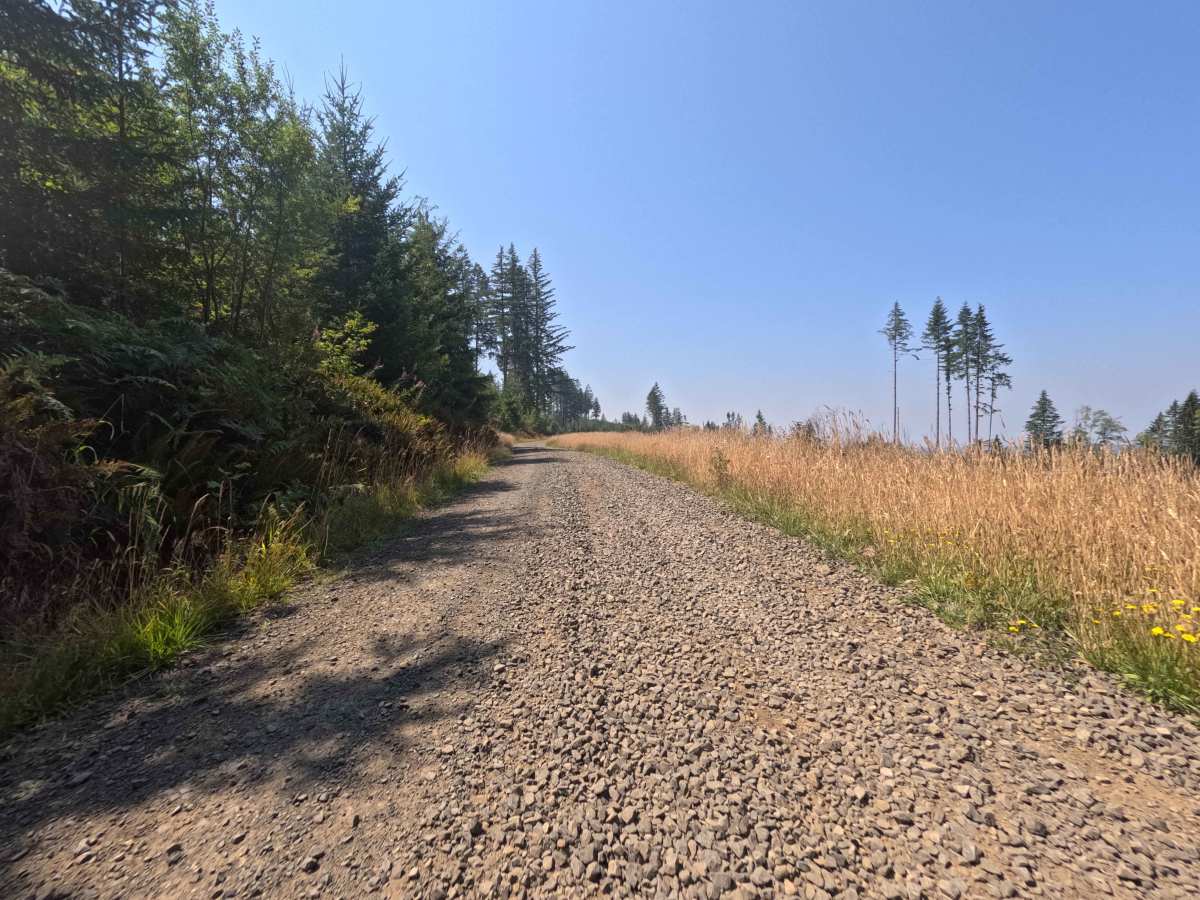
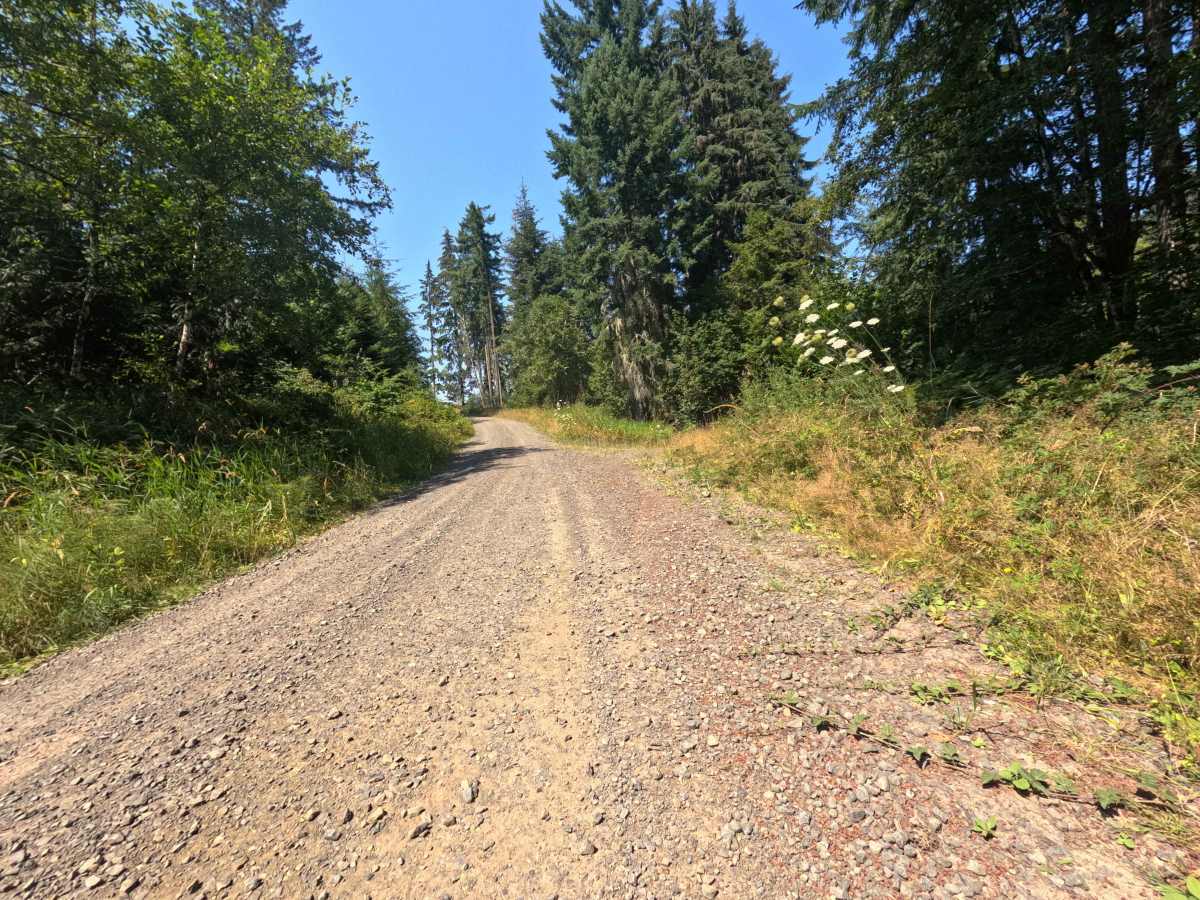
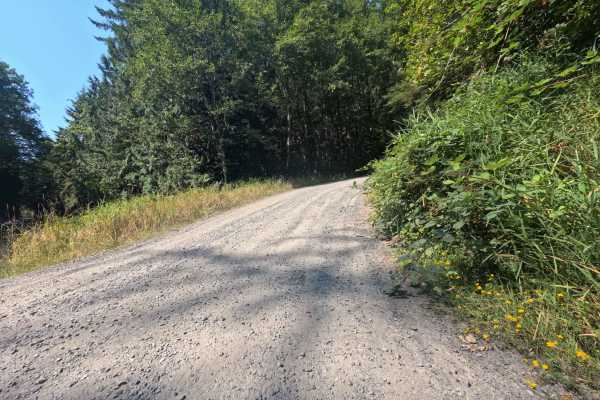
Earning a level 2 difficulty rating, this well-groomed forest lane delivers a smooth, highly predictable drive that relies more on situational awareness than technical capability. The packed dirt and crushed gravel surface is incredibly solid, completely lacking the deep washouts, massive ruts, or embedded boulders that threaten undercarriage clearance. The primary challenge stems from the road's tight width combined with steep drainage ditches flanking both shoulders. Navigating this active logging route requires holding a slow, controlled pace to ensure there is plenty of time to safely hug the edges or locate a designated pull-out when yielding to oncoming commercial trucks.

 Offroad