Trail Overview
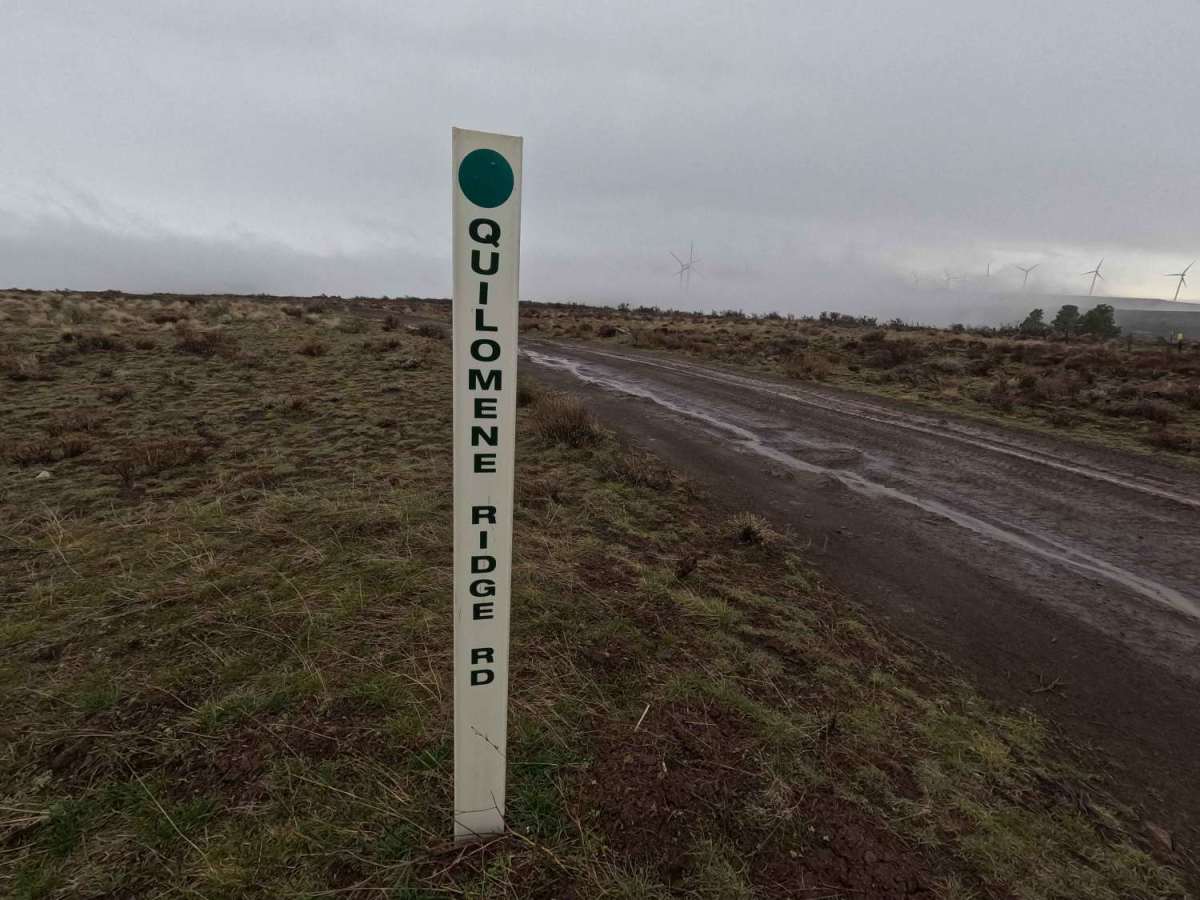
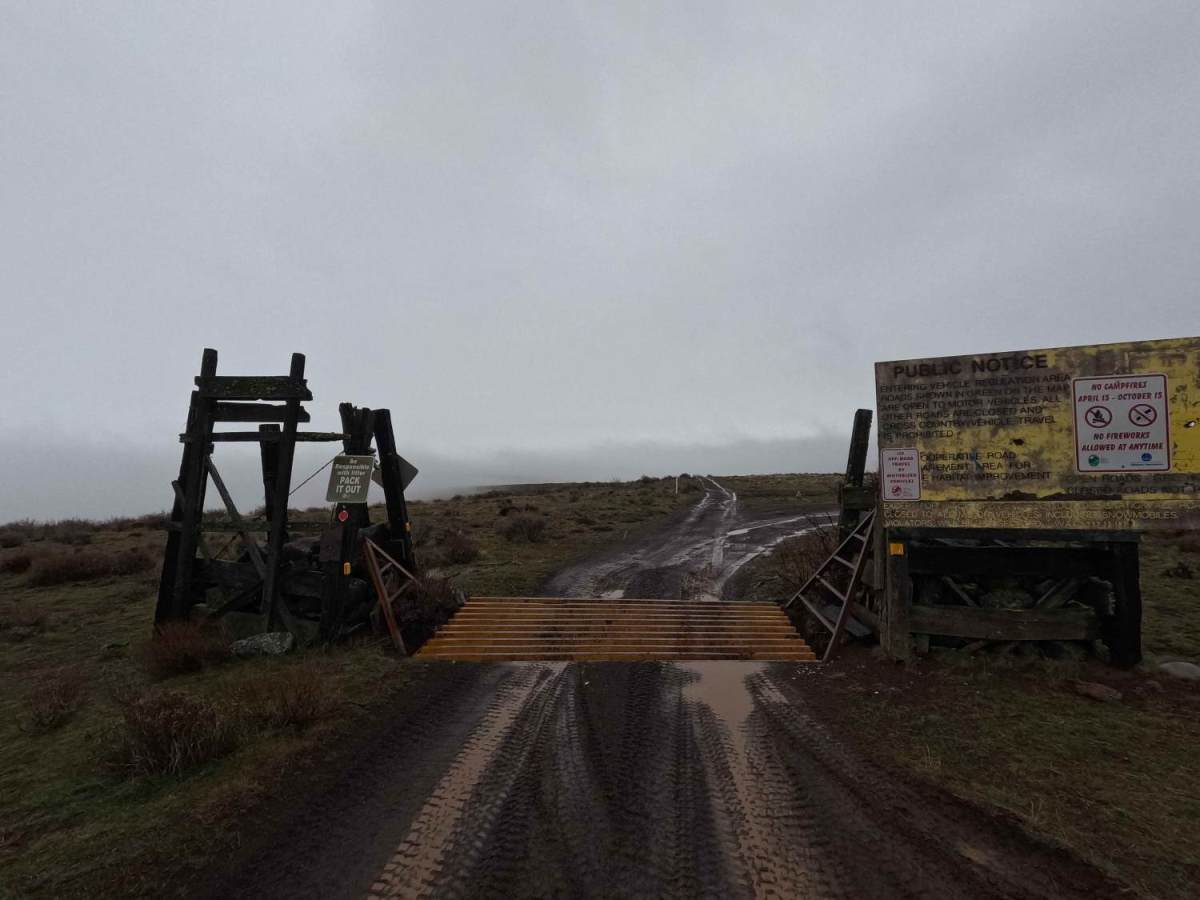
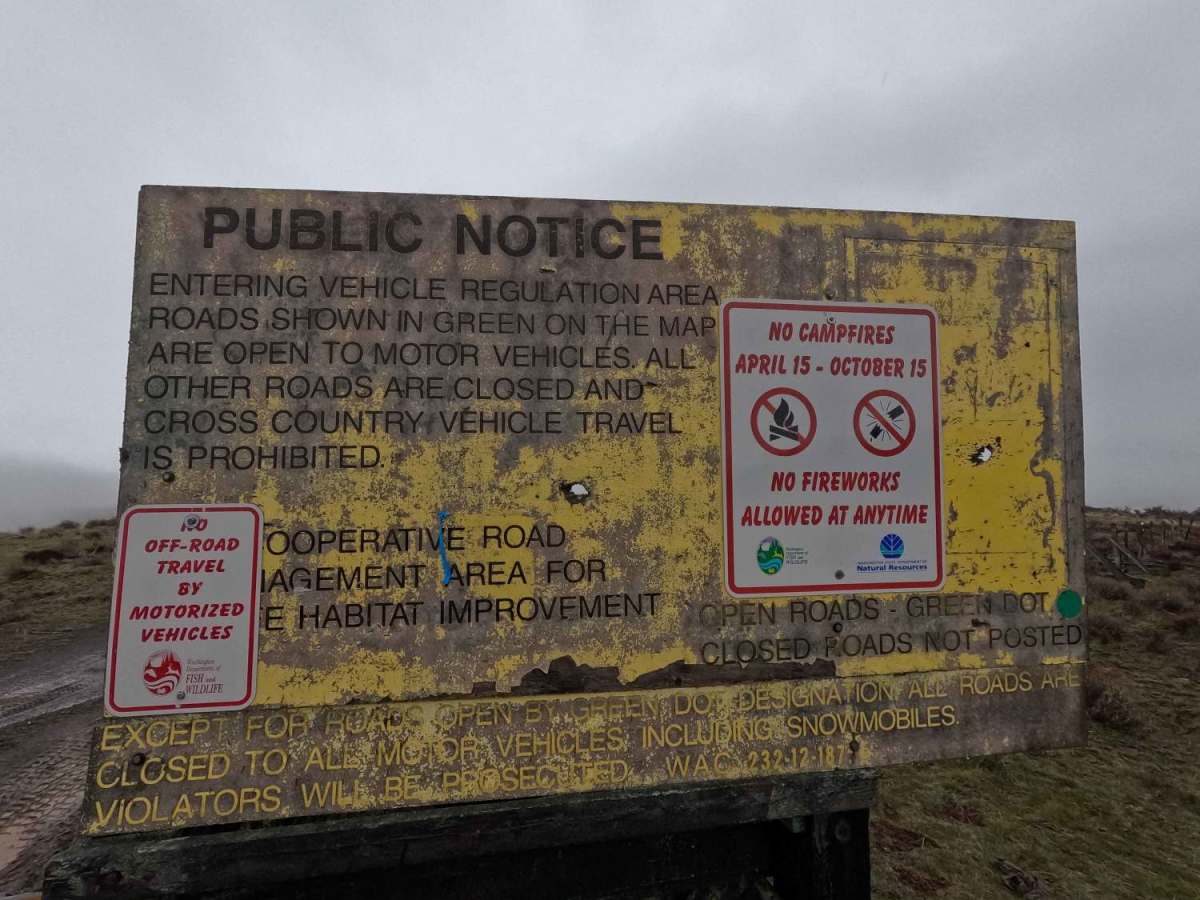
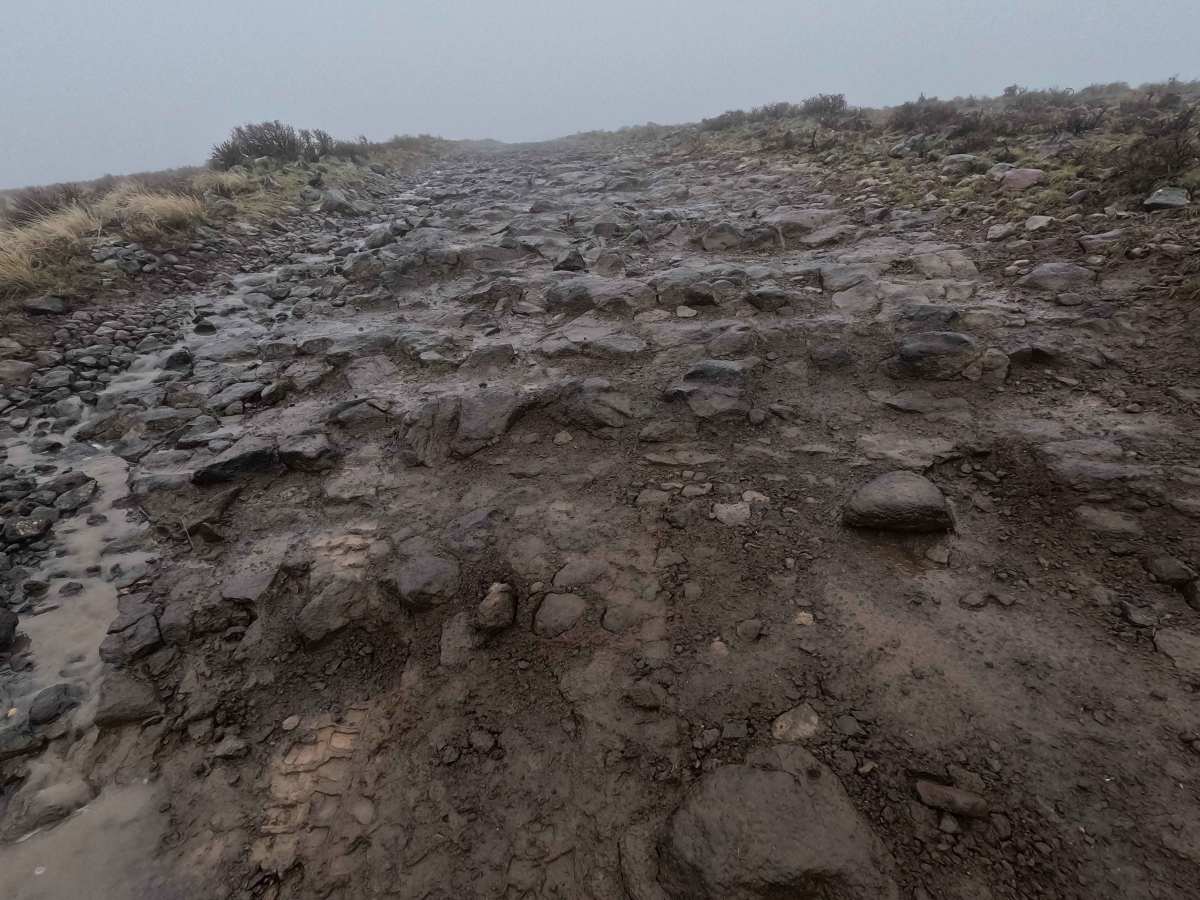
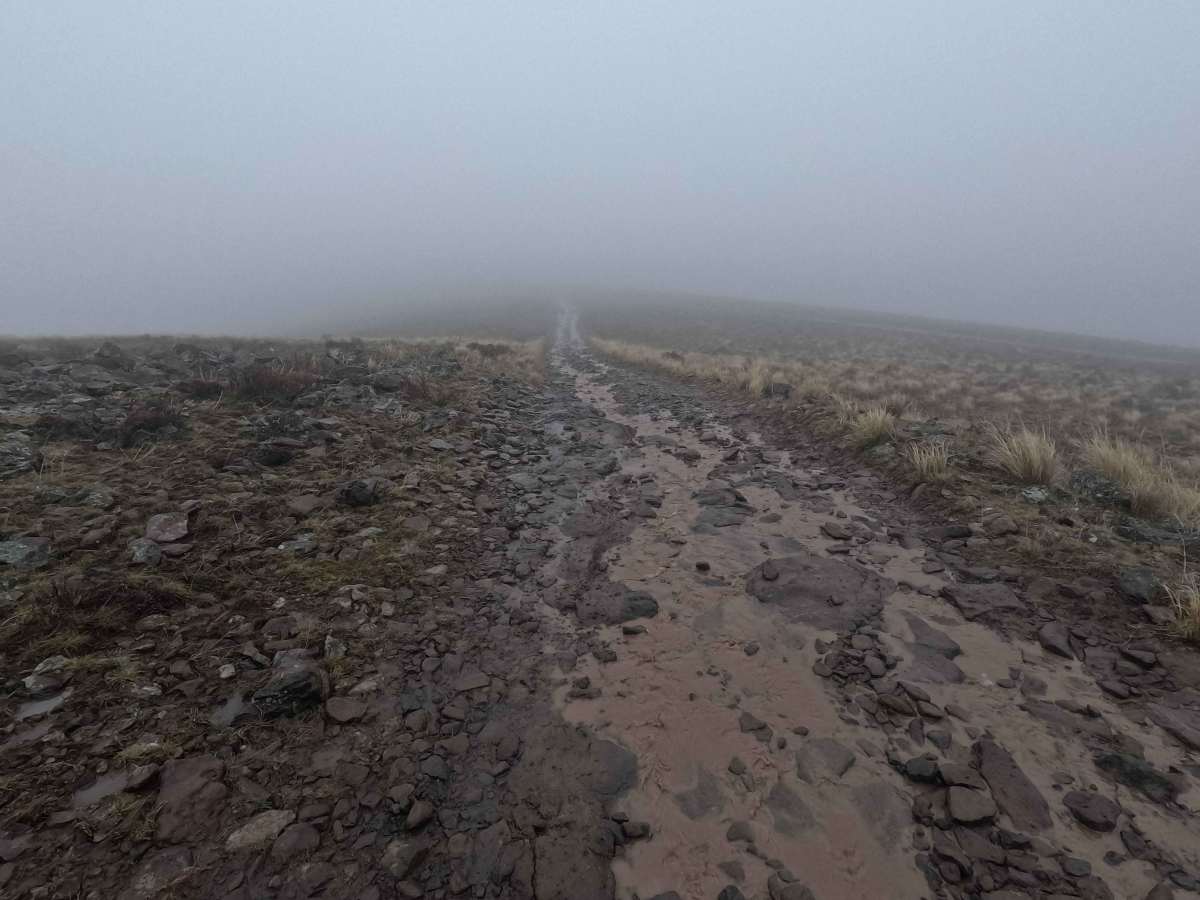
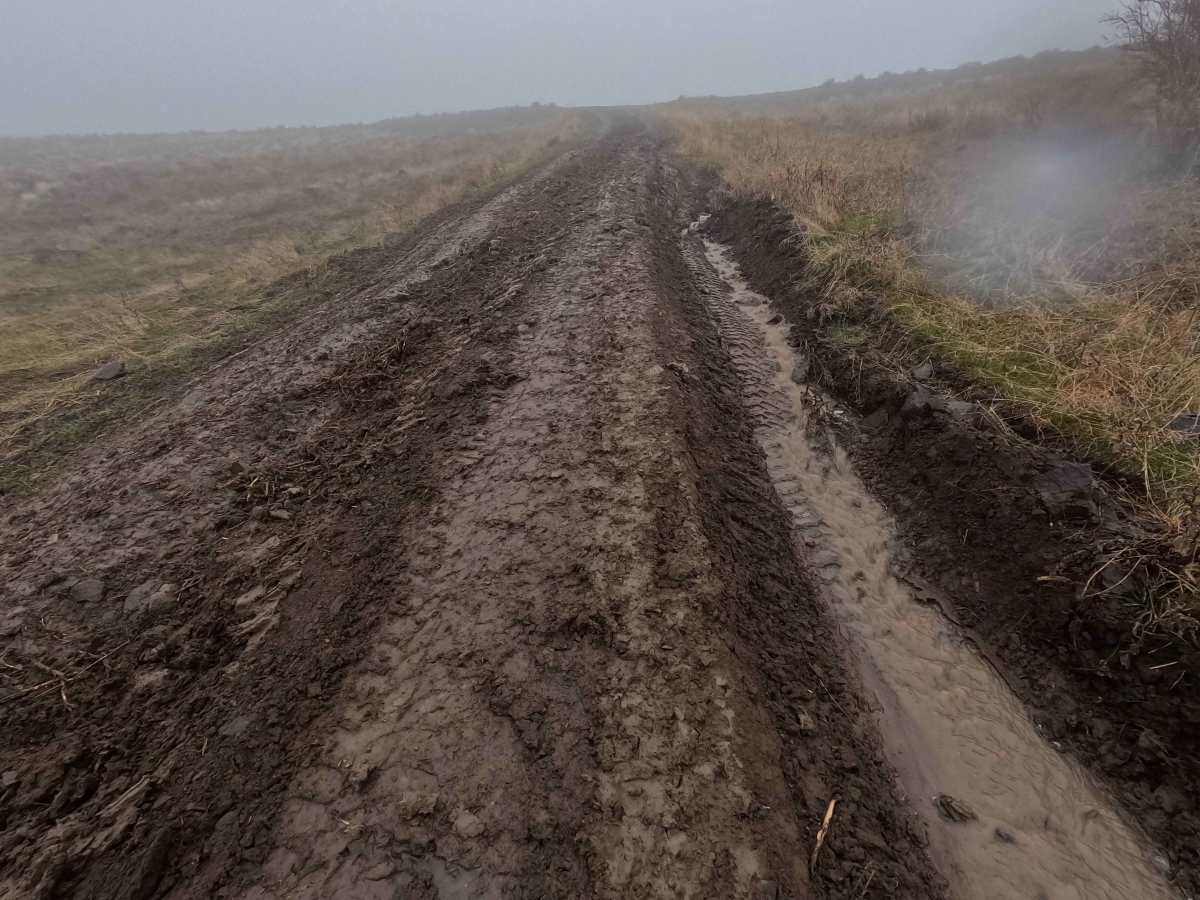
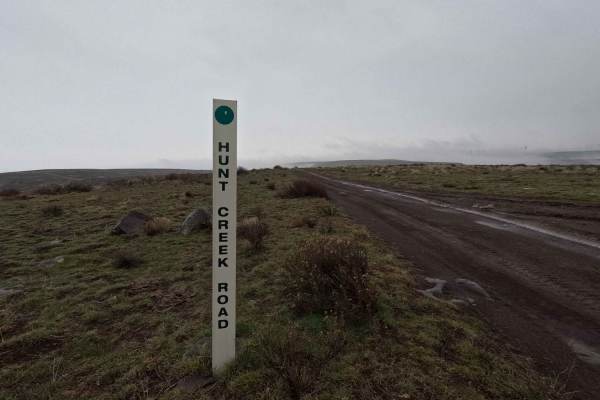
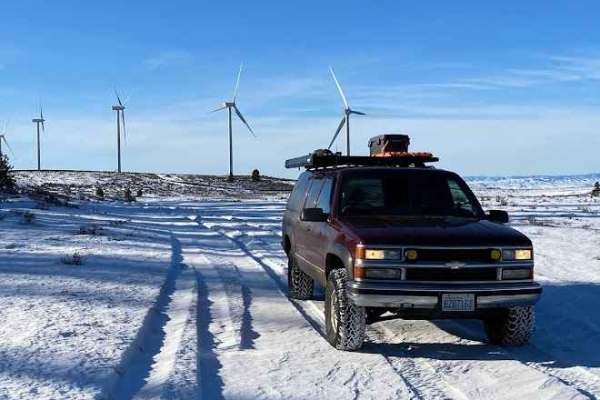
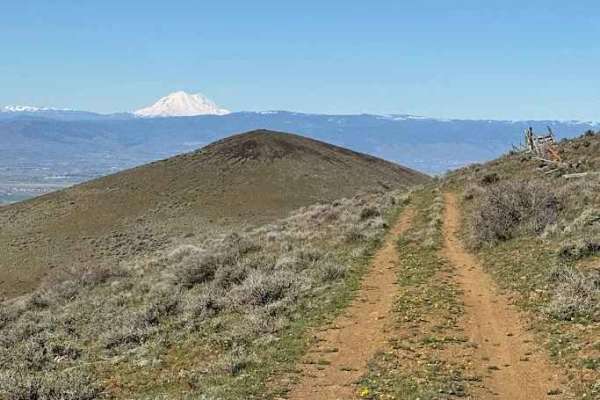
Quilomene Ridge Road is a 10.6-mile out-and-back route beginning at an intersection with Hunt Creek Road. The trail follows the top of a ridge offering stunning views of the Columbia River Gorge and the wind farm (on clear days). For the first 8 miles, the surface alternates between embedded rock and dirt, with several sections featuring small rock steps and ruts. Beyond the 8-mile point, a deeply rutted and off-camber section extends for approximately a hundred yards, which can become very slick when wet. This is followed by additional sections of heavy road damage before the route transitions into a shelf road descending through a canyon with short sections of brush encroachment. The trail ends at a gate next to a large campsite near the Columbia River with views of the Gorge Amphitheater visible across the water. This trail is managed by the Washington Department of Natural Resources and the Department of Fish and Wildlife. A Washington State Discover Pass is required for access. Motorized vehicle use is restricted to roads marked with green dots only, as per management regulations. Quilomene Ridge Road is accessible year-round; however, a significant stretch of the trail runs along the northern border of a winter closure area in which motorized travel is prohibited from February 1st through May 1st. This closure area borders Quilomene Ridge Road from the wind farm to Box Canyon Road.
Difficulty
Deep ruts, rock steps, and off-camber sections contribute to the challenge on this trail. Due to significant rutting at mile 8 and heavy road damage beyond, four-wheel drive, high clearance, aggressive tires, and confident driving are required to fully complete this trail. Full-size vehicles will experience pinstriping when descending toward the Columbia River. Sharp rocks increase the likelihood of flat tires; airing down is highly recommended for improved ride comfort and traction. Weather conditions such as rain or snow may significantly impact trail difficulty.
History
The word 'Quilomene' traces its roots to interior Salish languages, referring to a place for roasting or barbecuing. Quilomene Creek was a site for early ranches in the area in the late 19th century, originally settled by pioneers such as Collins and Booth (no known relation).

 Offroad