Trail Overview
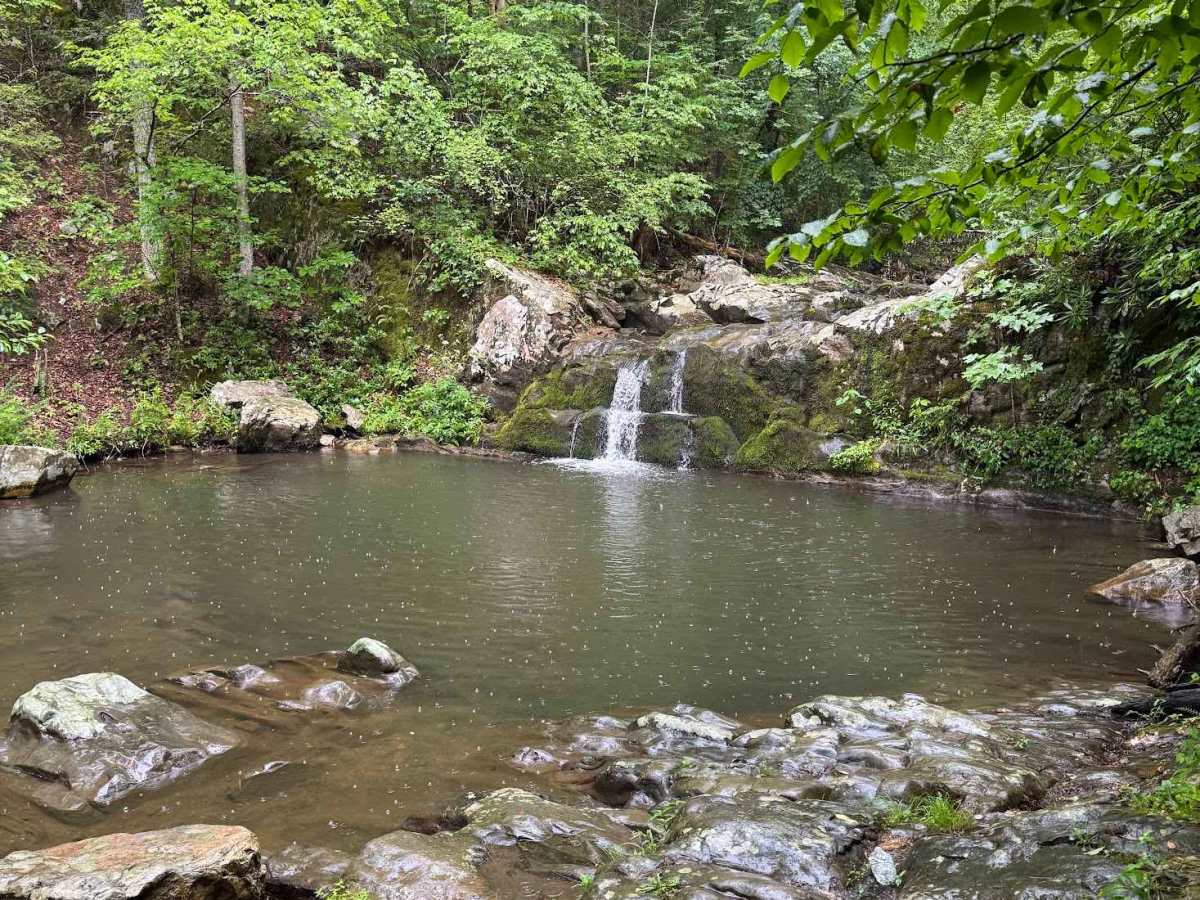
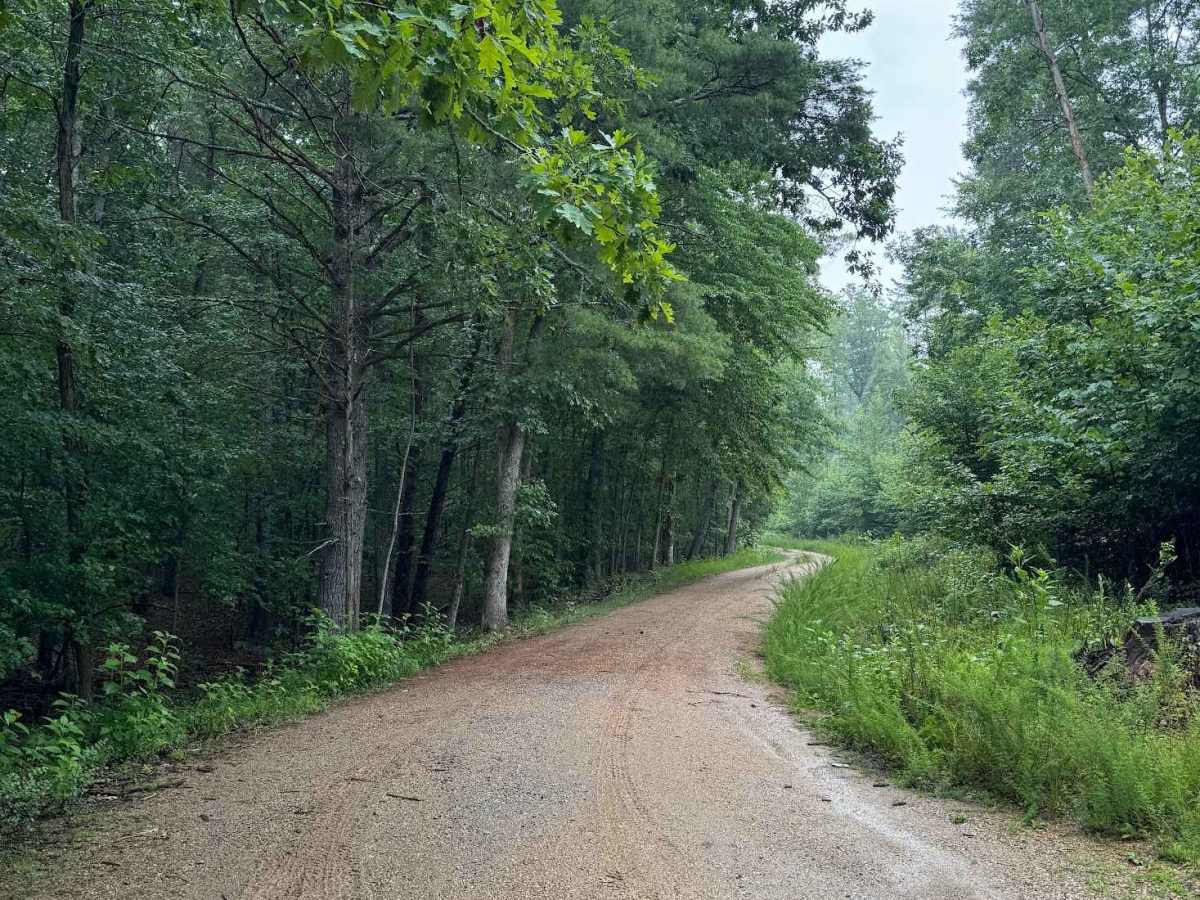
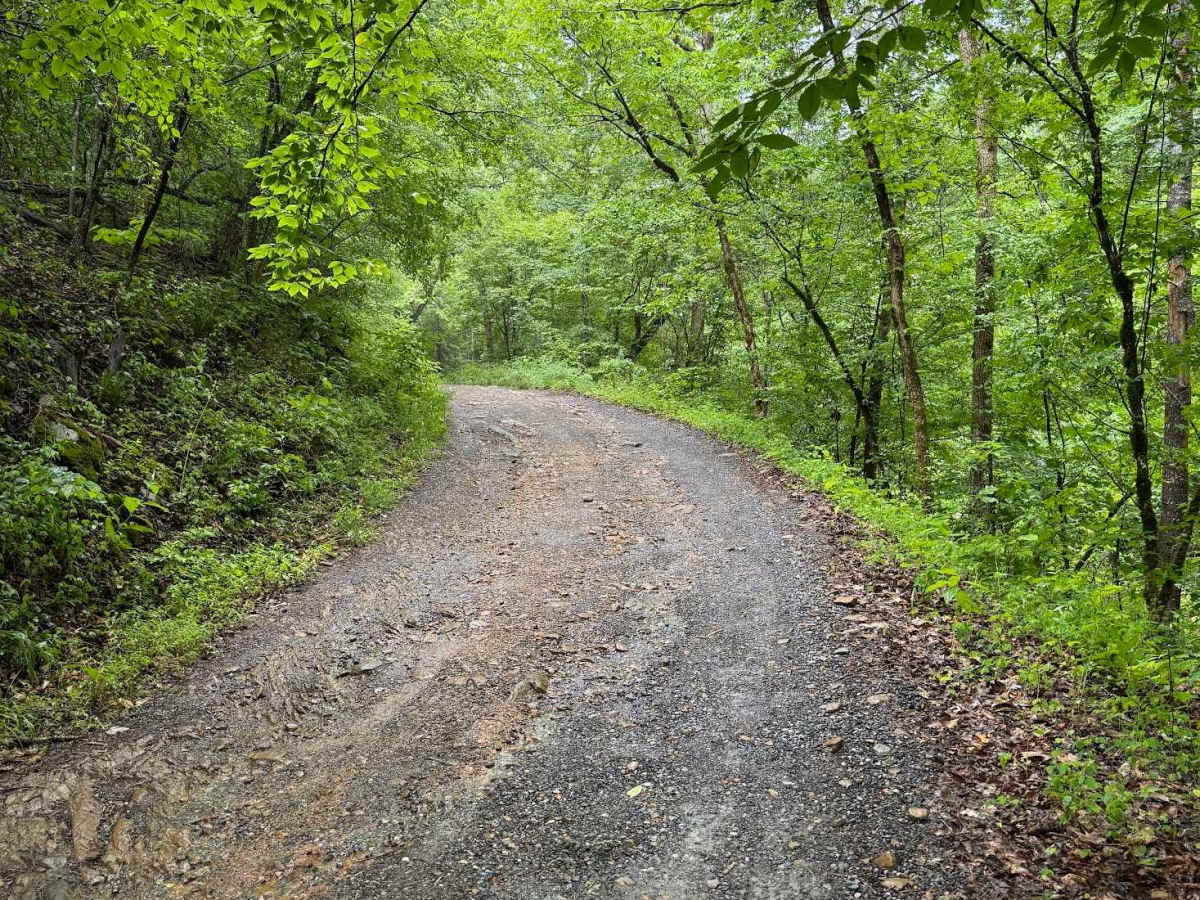
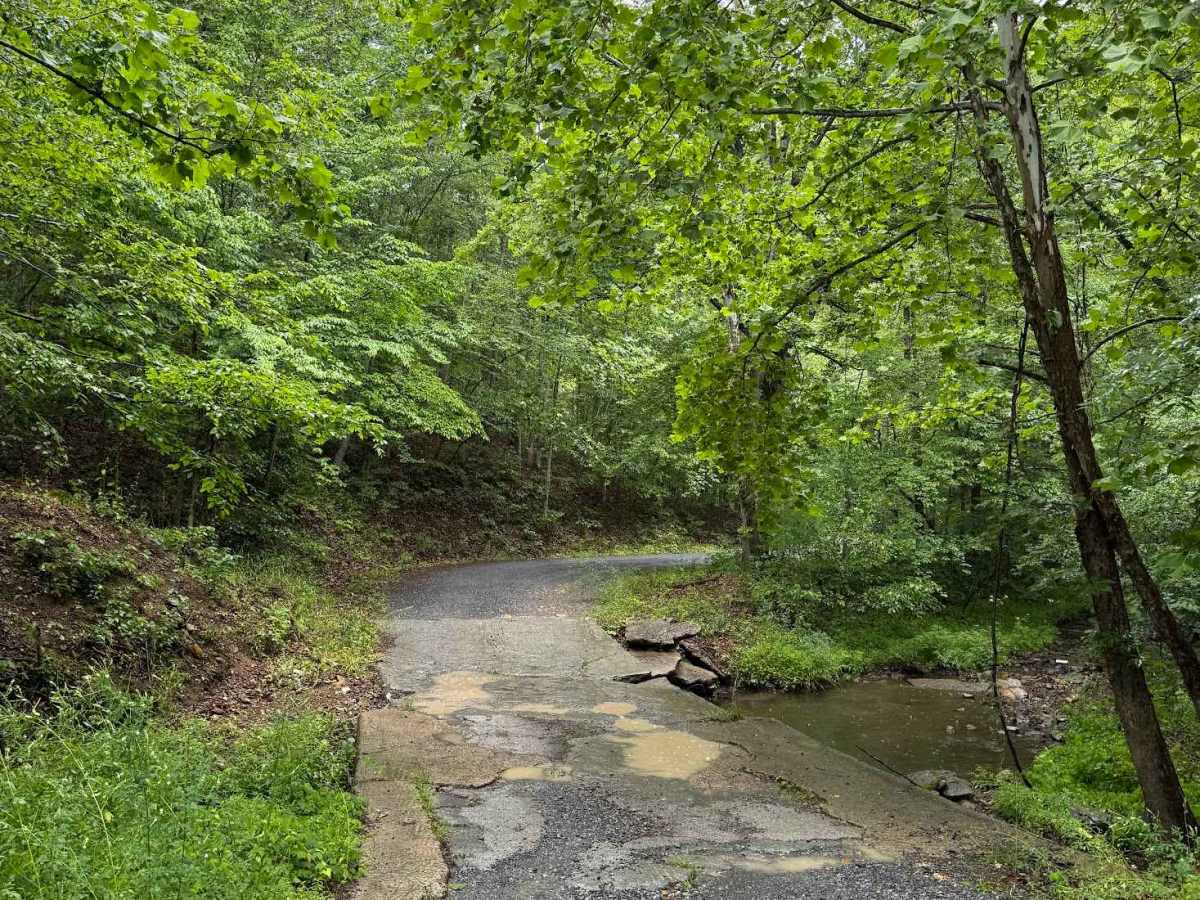
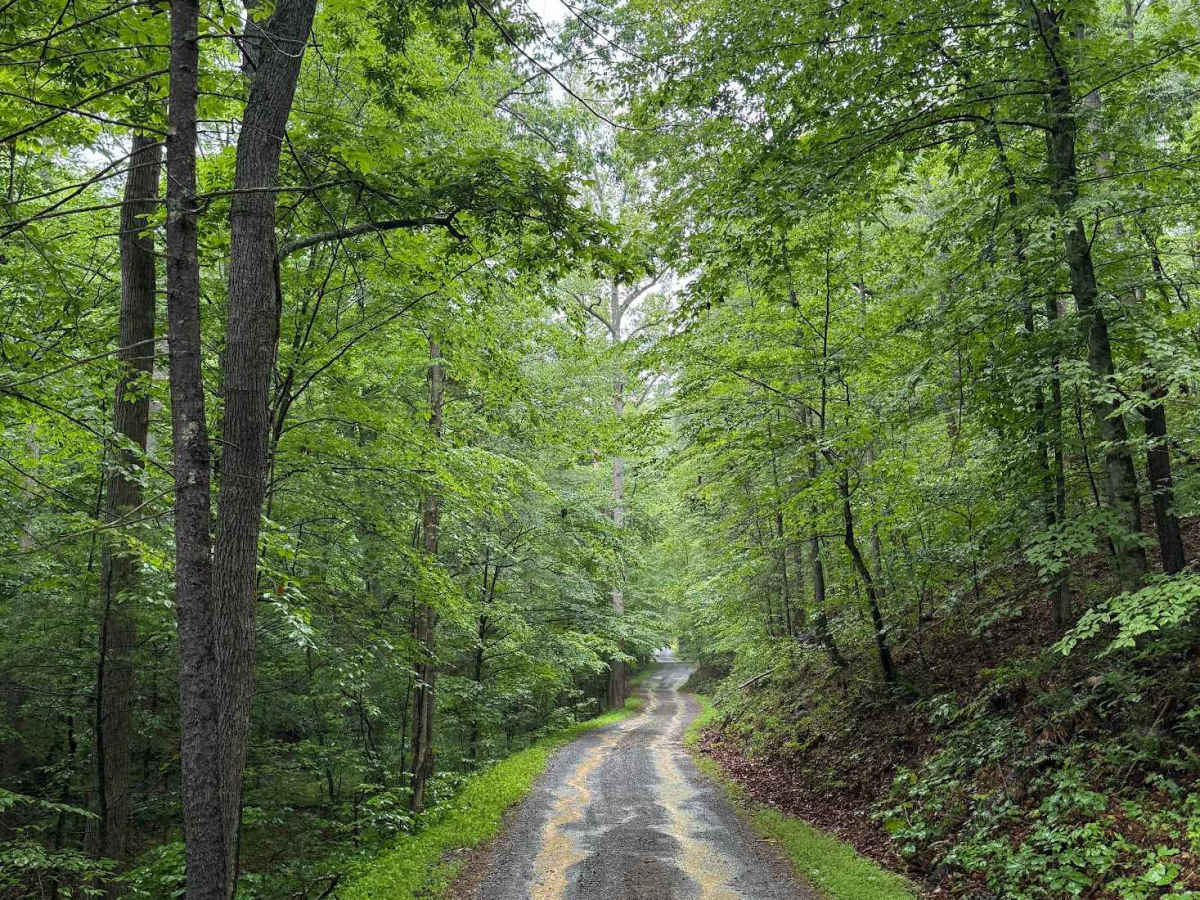
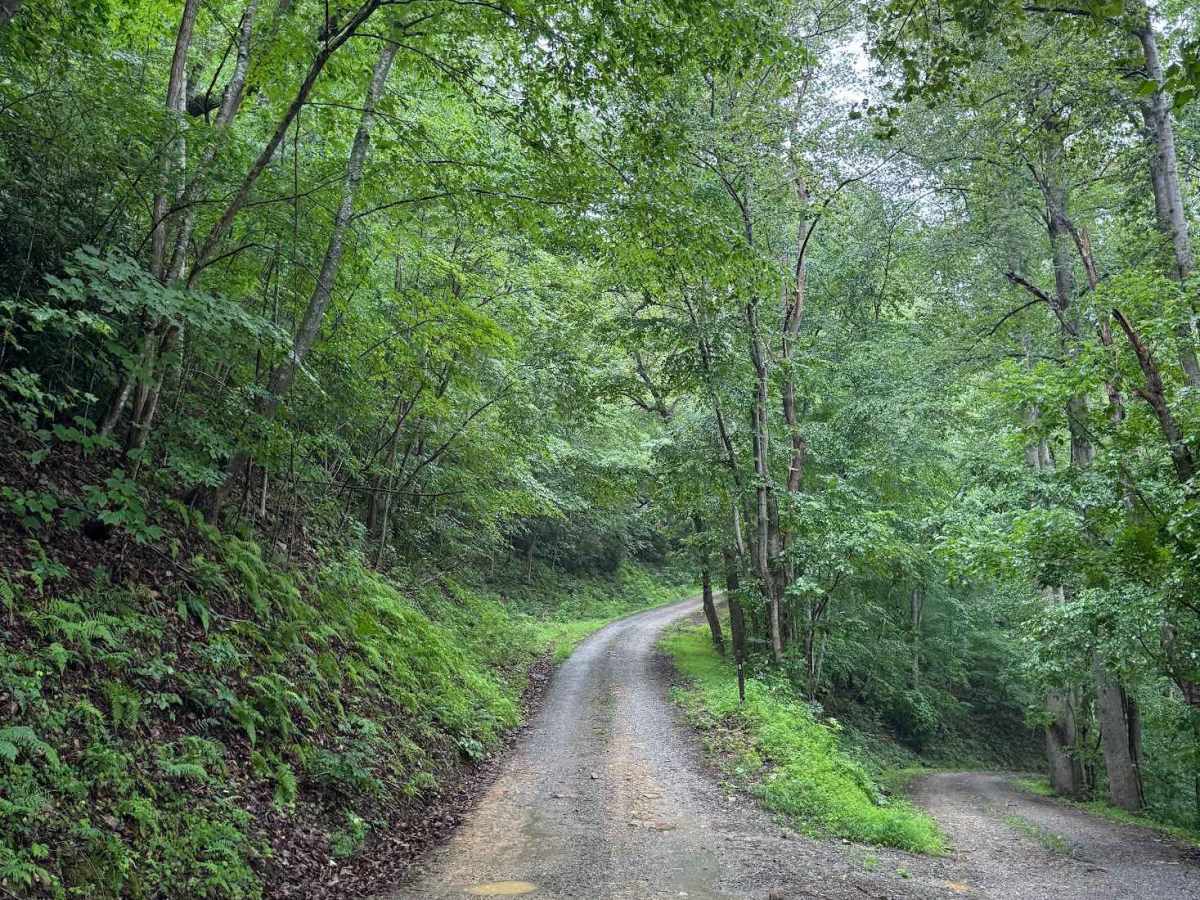
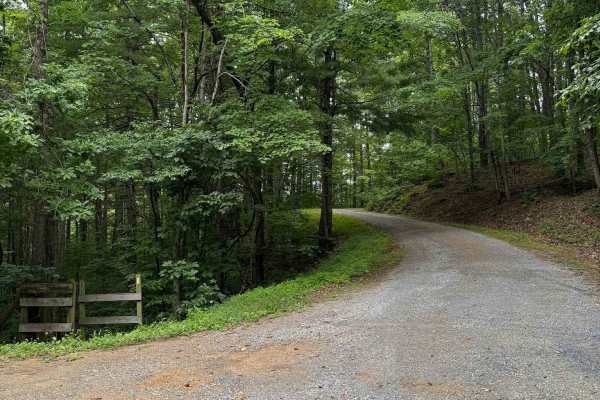
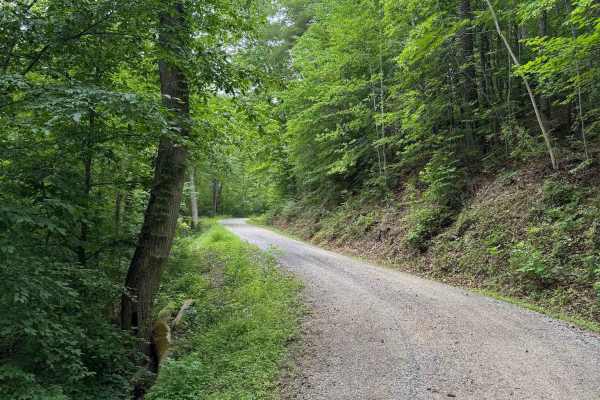
The Gilmore Hollow trail is comprised of three segments: Tank Hollow Road (FS 790) from the beginning until it branches into FS 280 (also named Gilmore Hollow) and Smith Tract (FS 3044). Together, these roads form a mostly maintained gravel route that follows the creek Back Run and leads to the James River. Minor rutting appears throughout the trail, contributing to a difficulty rating of 2. Two concrete bridges cross Back Run along the main route. Both sit lower than the trail surface and have cracking causing uneven surfaces, which may pose challenges for vehicles with limited ground clearance. Most crossover SUVs should be able to navigate these crossings without issue. Roughly 1 mile into the trail, a small swimming hole with a short waterfall (approximately 4 feet) sits below the road. Parking here is extremely limited, and the trail edge drops steeply toward the creek, making access more practical on foot. At approximately 1.4 miles, the road forks. Left Fork — Gilmore Hollow Continuation: The left fork continues for another 2.3 miles with similar difficulty to the first section. The trail ends abruptly with very limited space to turn around. Before reaching the end, several suitable dispersed campsites are available along the roadside. Right Fork — Smith Tract (FS 3044): The right fork descends briefly before ending at a larger turnaround area with a gate blocking access to the train tracks. Crossing the tracks on foot provides access to the James River. This riverfront area, like the rest of the trail, is part of the Jefferson National Forest. Surprisingly, most of the trail maintains usable cell signal.
Difficulty
This is mostly a maintained gravel road, but ruts in the gravel and two concrete bridges would be difficult for lower-clearance vehicles. Most crossover SUVs should be able to navigate these crossings without issue. The two bridges both have cracking causing uneven surfaces as well as an incline/decline as the bridge sits lower than the gravel road. This may pose challenges for vehicles with limited ground clearance, as the bridge requires an approach and departure angle that lower cars cannot accommodate.

 Offroad