Trail Overview
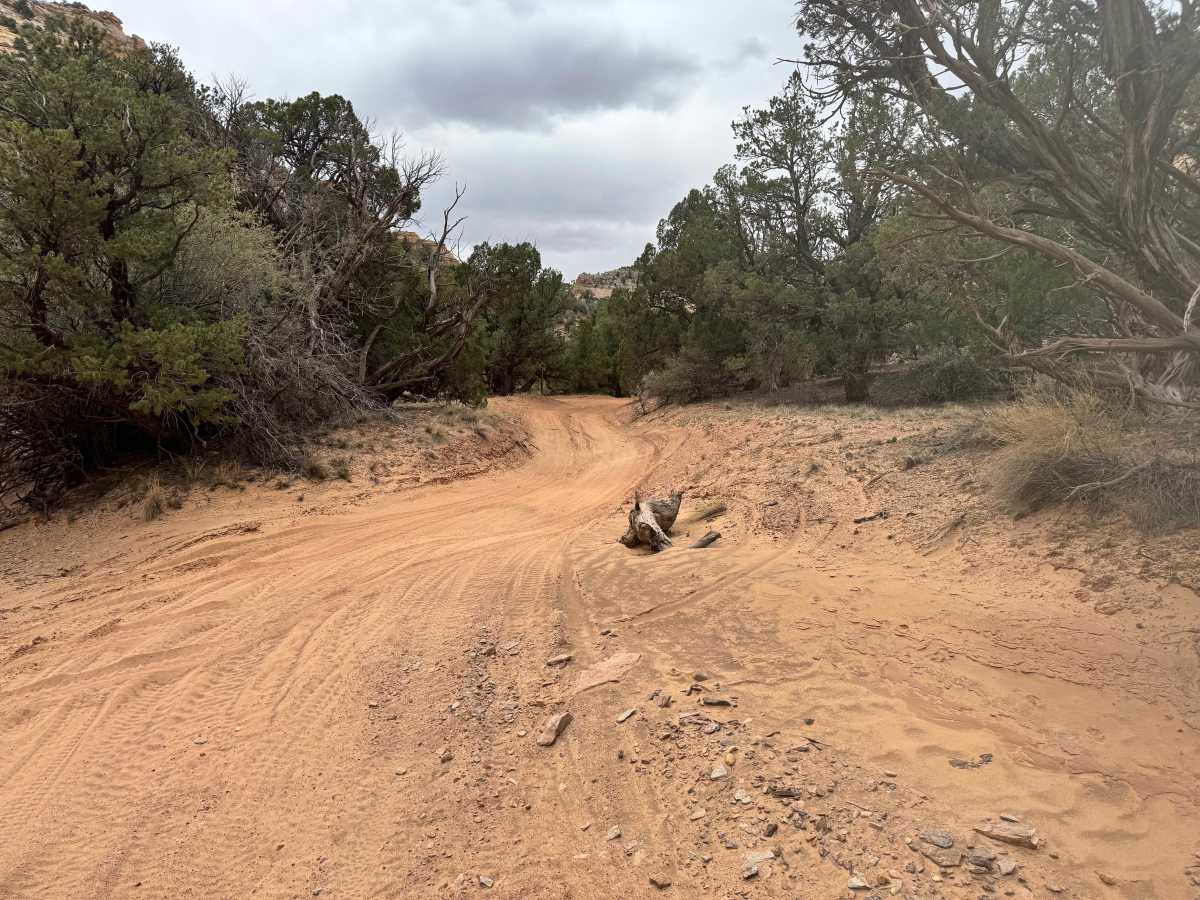
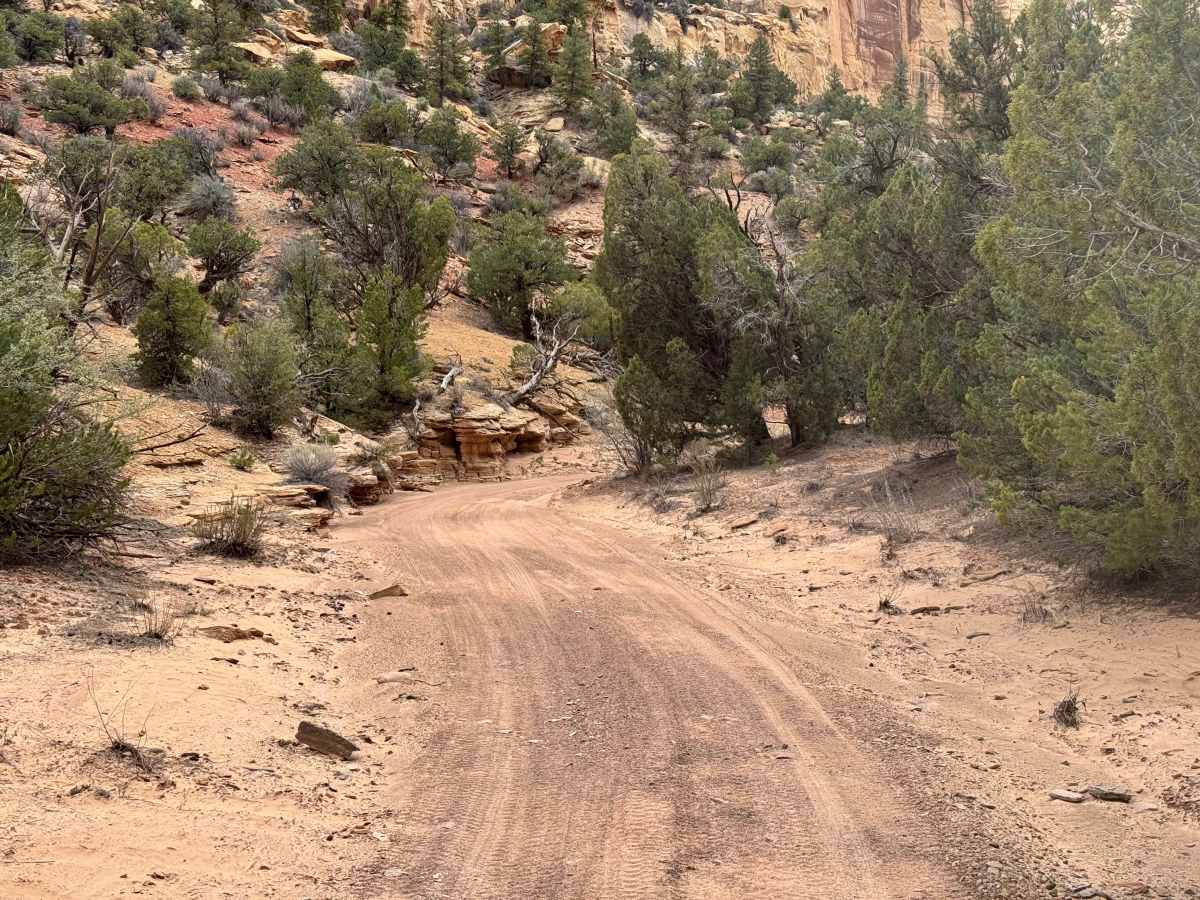
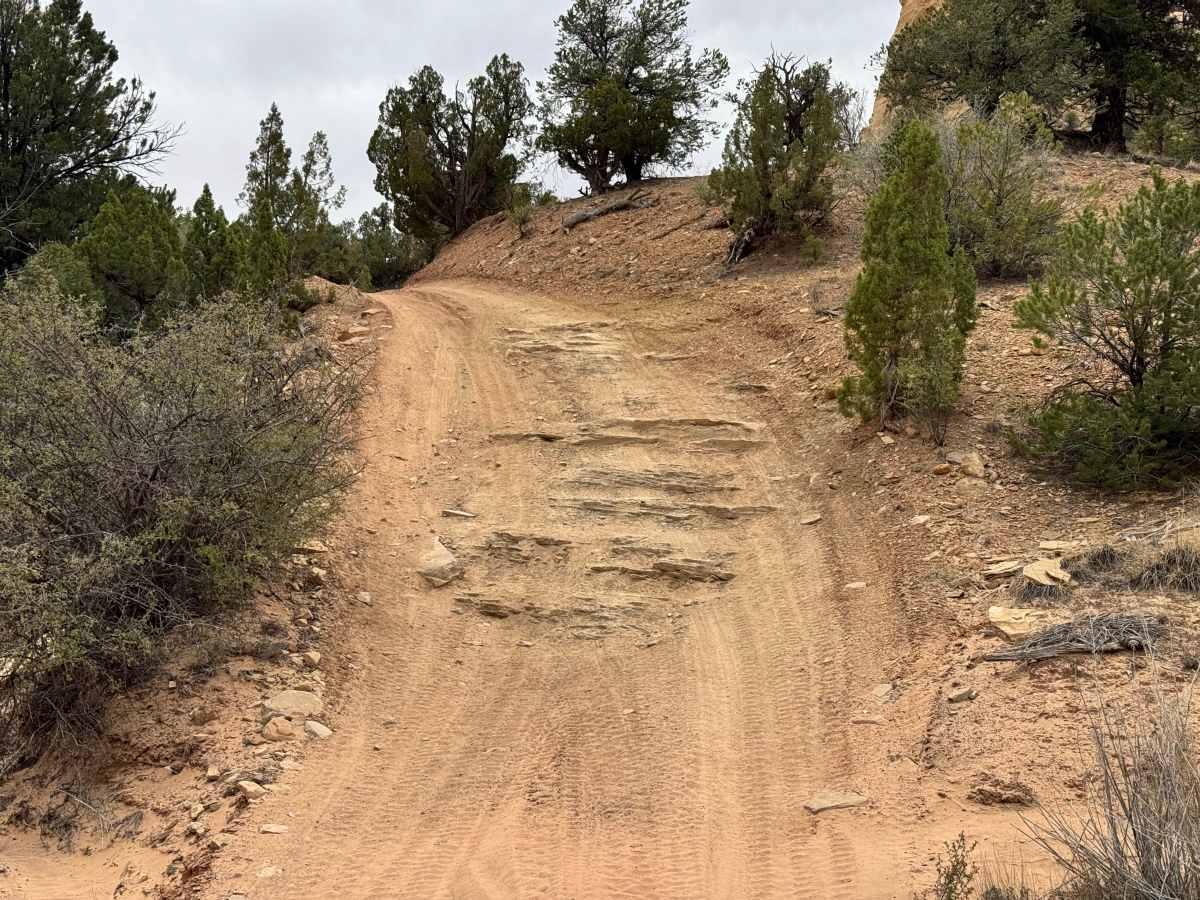
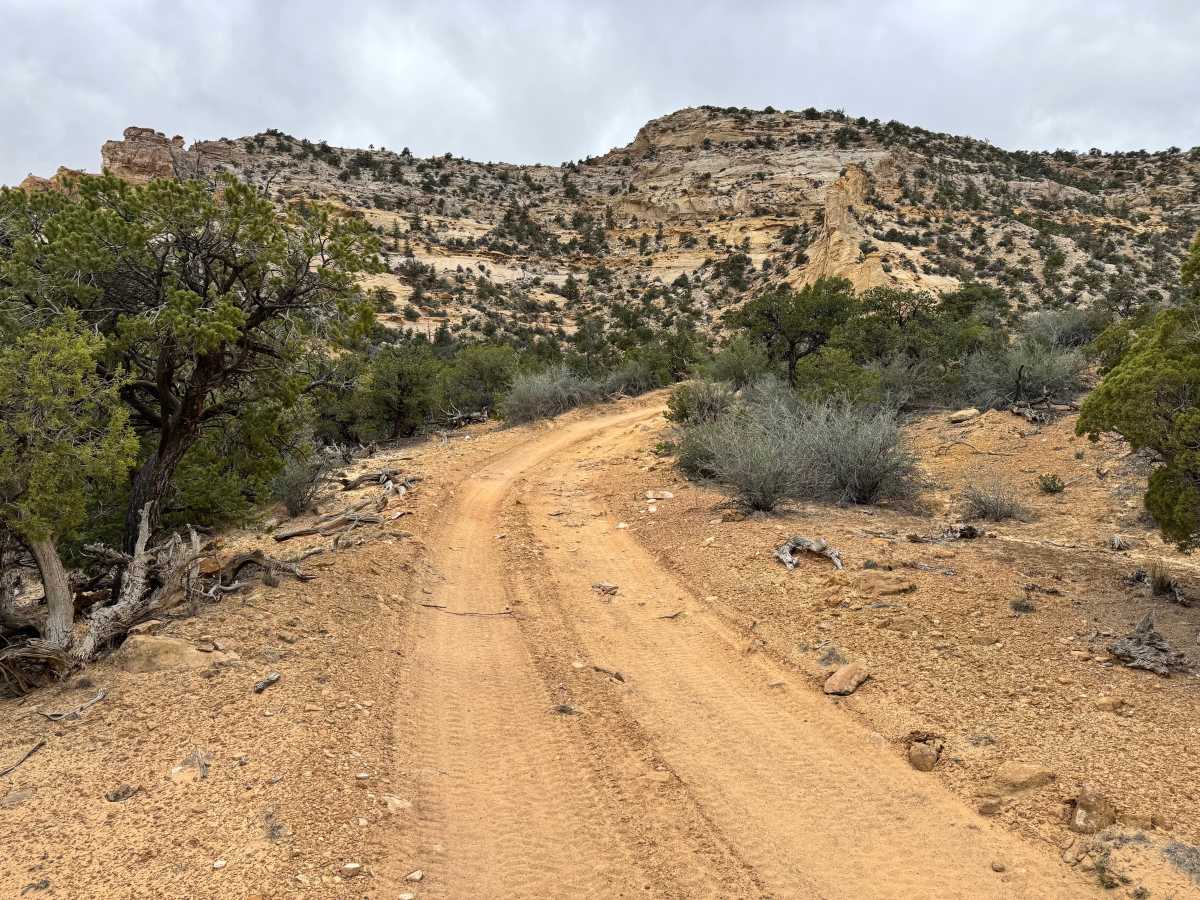
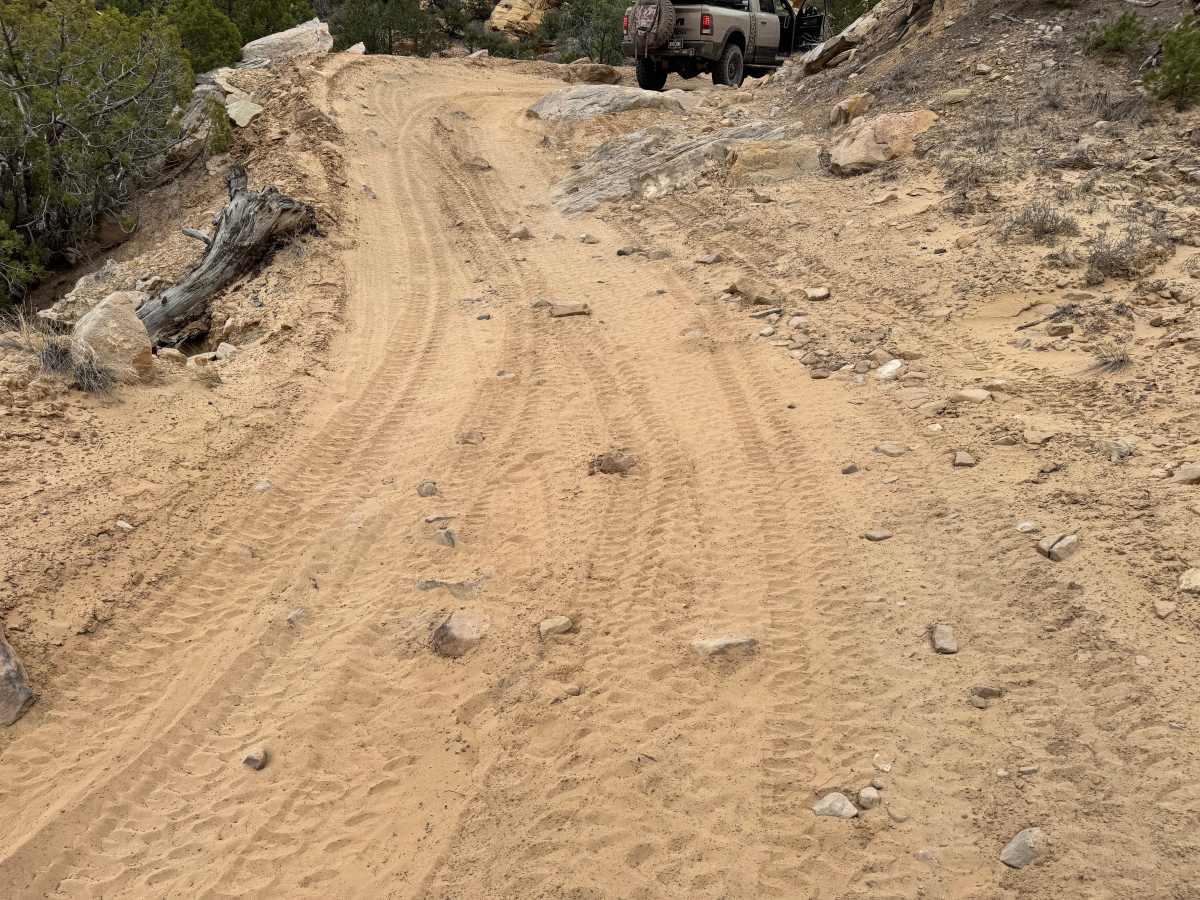
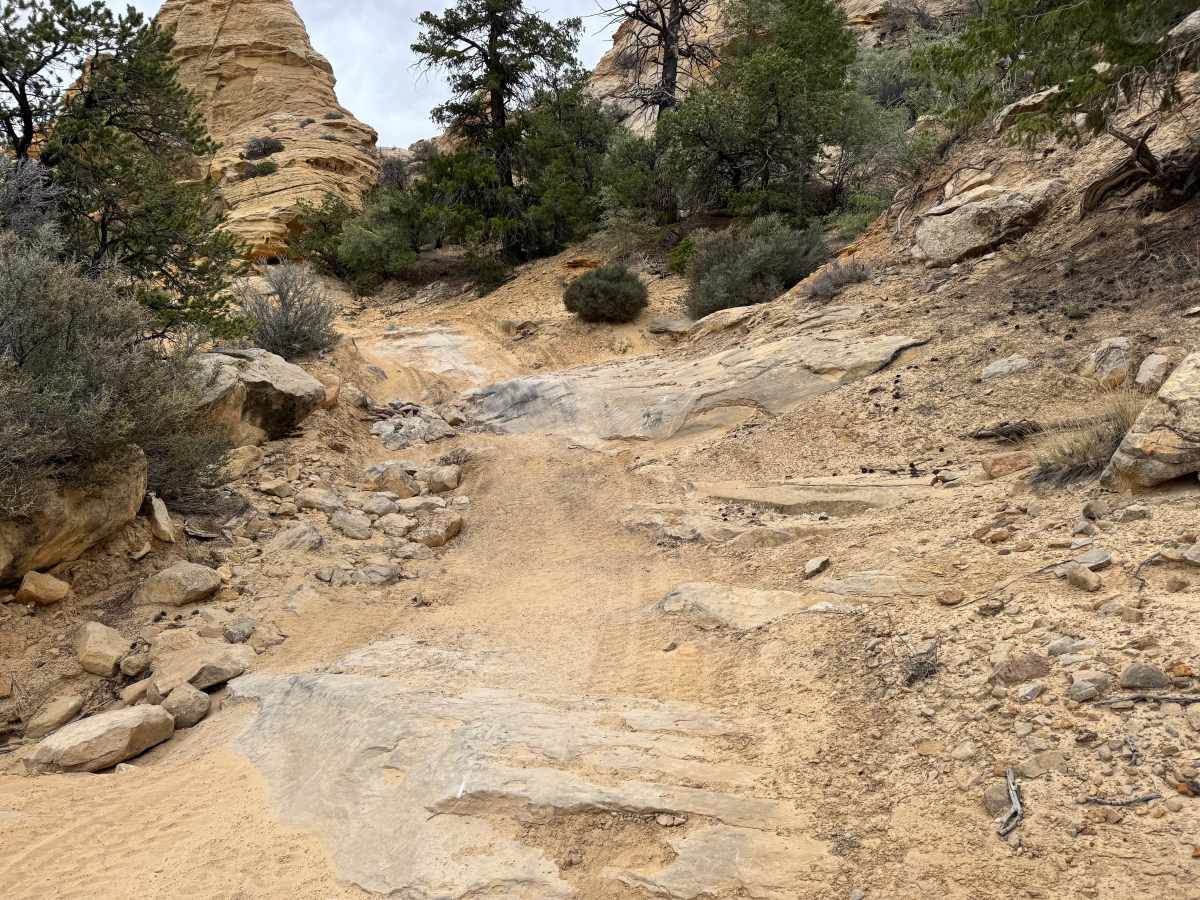
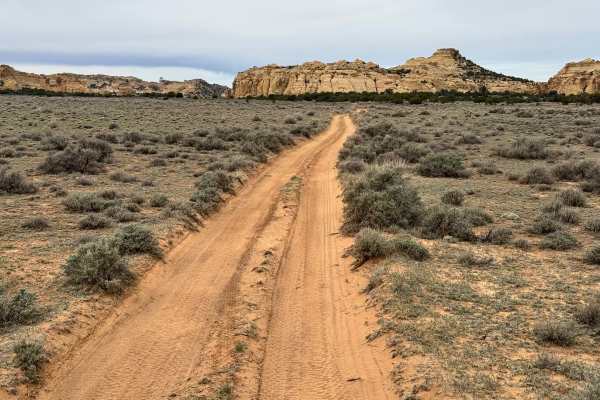
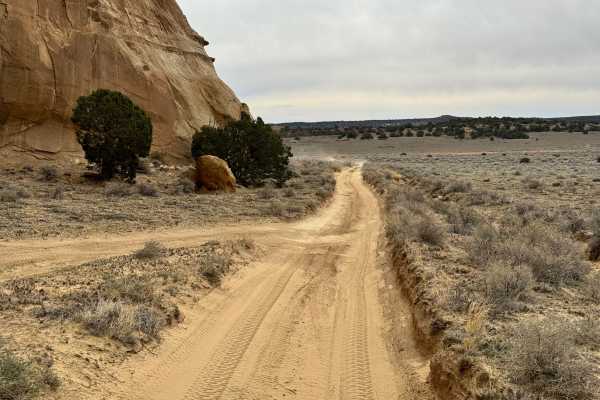
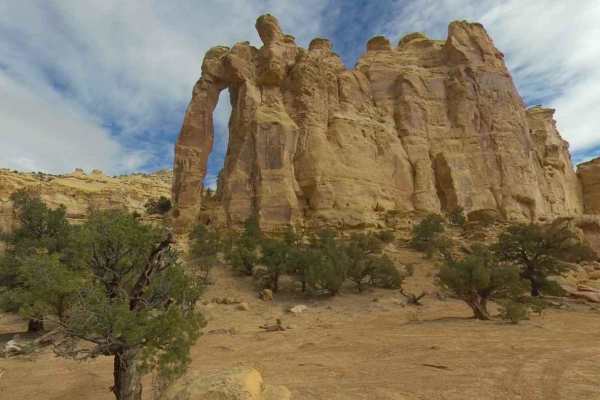
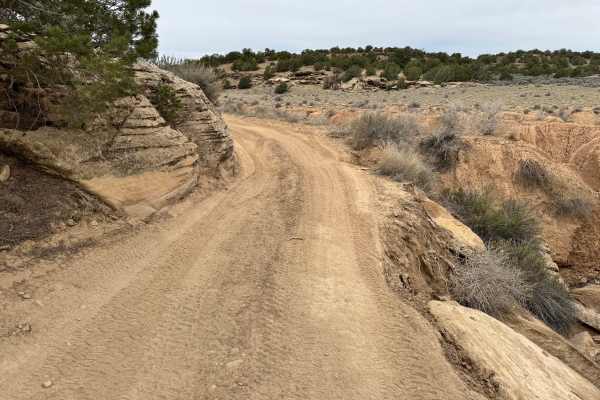
Non-Resident OHV permits apply to ATVs, UTVs, and dirt bikes. Plated street-legal vehicles typically do not need one on legal motorized routes. This route is a rocky, rough, and narrow connector linking Family Butte Road with Eagle Canyon Road. Though shorter in distance, it offers a more challenging and engaging drive than many nearby roads, making it a fun shortcut for those looking to avoid easier main routes. The trail surface is consistently uneven with loose rock, embedded stone, and tighter sections that require slower speeds and careful vehicle placement. While the route only features two main obstacles, they are enough to turn around drivers who are unprepared or lacking clearance. For those who continue, the reward is excellent scenery with views of surrounding cliffs, rugged rock formations, and valleys stretching below. Depending on the direction of travel, this trail can either drop into Eagle Canyon or climb toward Rod’s Valley, adding variety to the experience. High clearance 4WD is strongly recommended, along with skid plates and rock sliders for body protection. Wider vehicles should expect a tighter fit in several places. Longer wheelbase vehicles should expect underbelly contact with the obstacles
Difficulty
This route is rougher and narrower than most nearby routes, with rocky terrain and tight sections that can stop unprepared drivers. The main obstacle areas feature steep grades with rock faces rising up to roughly 6 feet if measured vertically, along with multiple rock ledges, steps, and off-camber transitions leading into them. Careful tire placement, throttle control, and spotting may be needed in the harder sections. High clearance 4WD is strongly recommended, along with tires 35 inches or taller, a lift kit of at least 3.5 inches, skid plates, and rock sliders. Wider or longer vehicles may find the narrow sections significantly more challenging. In dry conditions, experienced drivers in capable rigs should do well, while wet weather or loose rock can quickly increase the difficulty.
History
The San Rafael Swell is a massive geologic uplift shaped by erosion into canyons, mesas, domes, and reefs. Many roads in the region were later used for ranching, mining, and energy exploration, creating the access routes travelers still use today.