Trail Overview
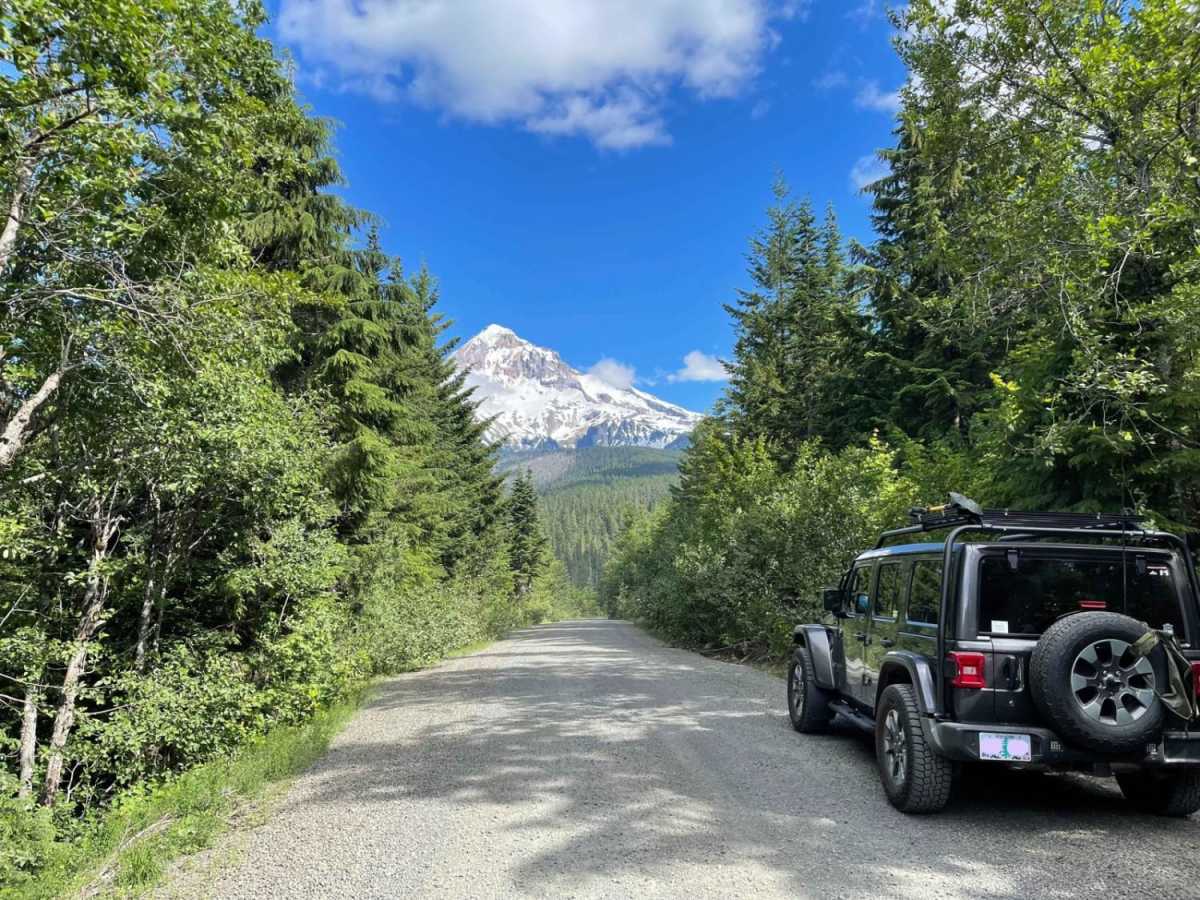
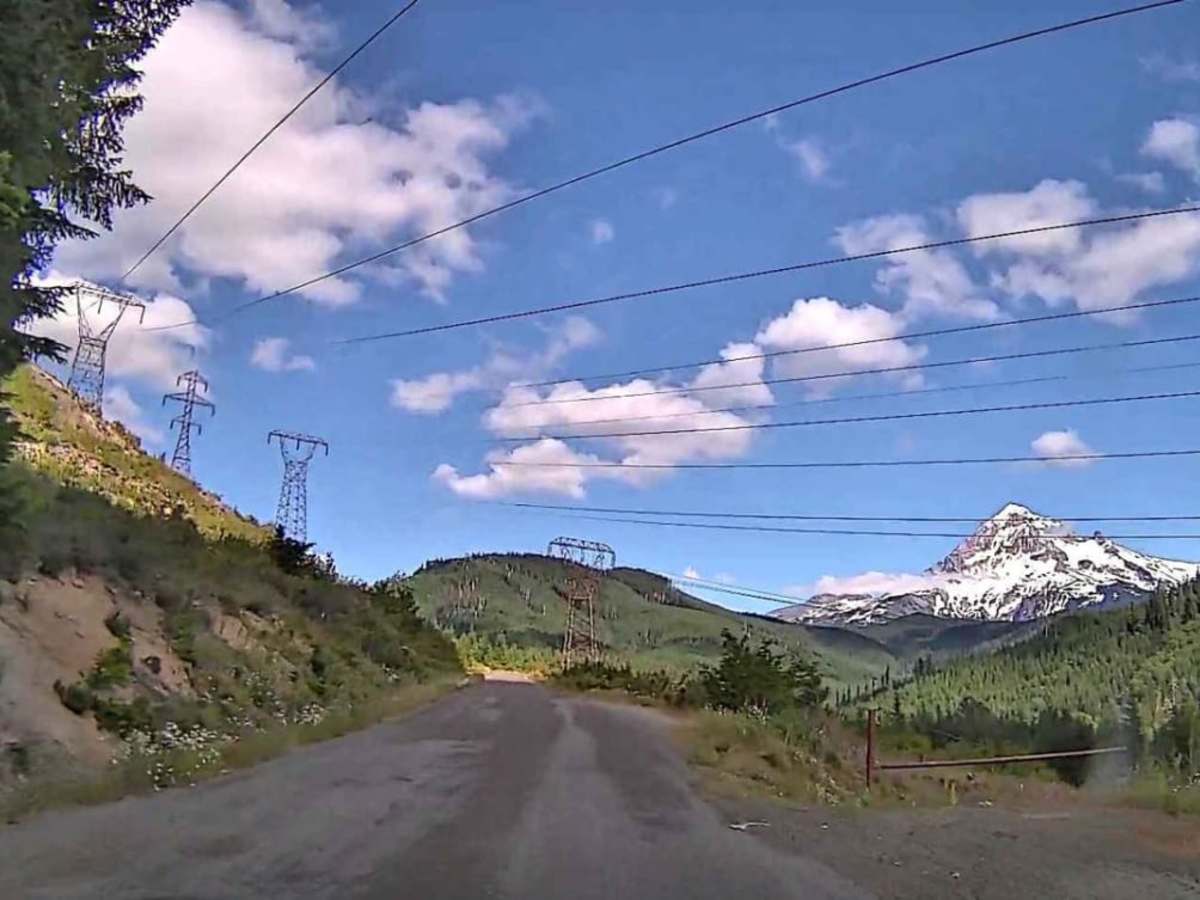
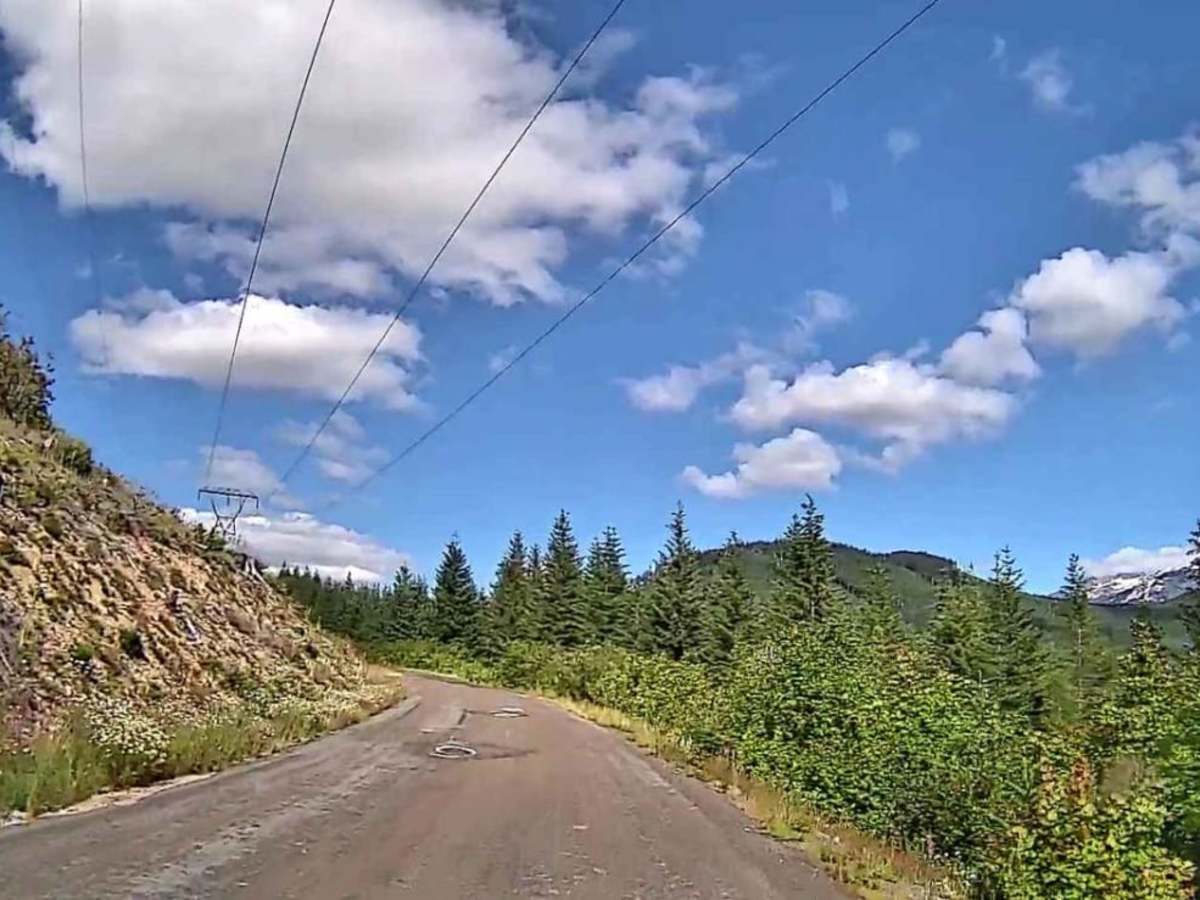
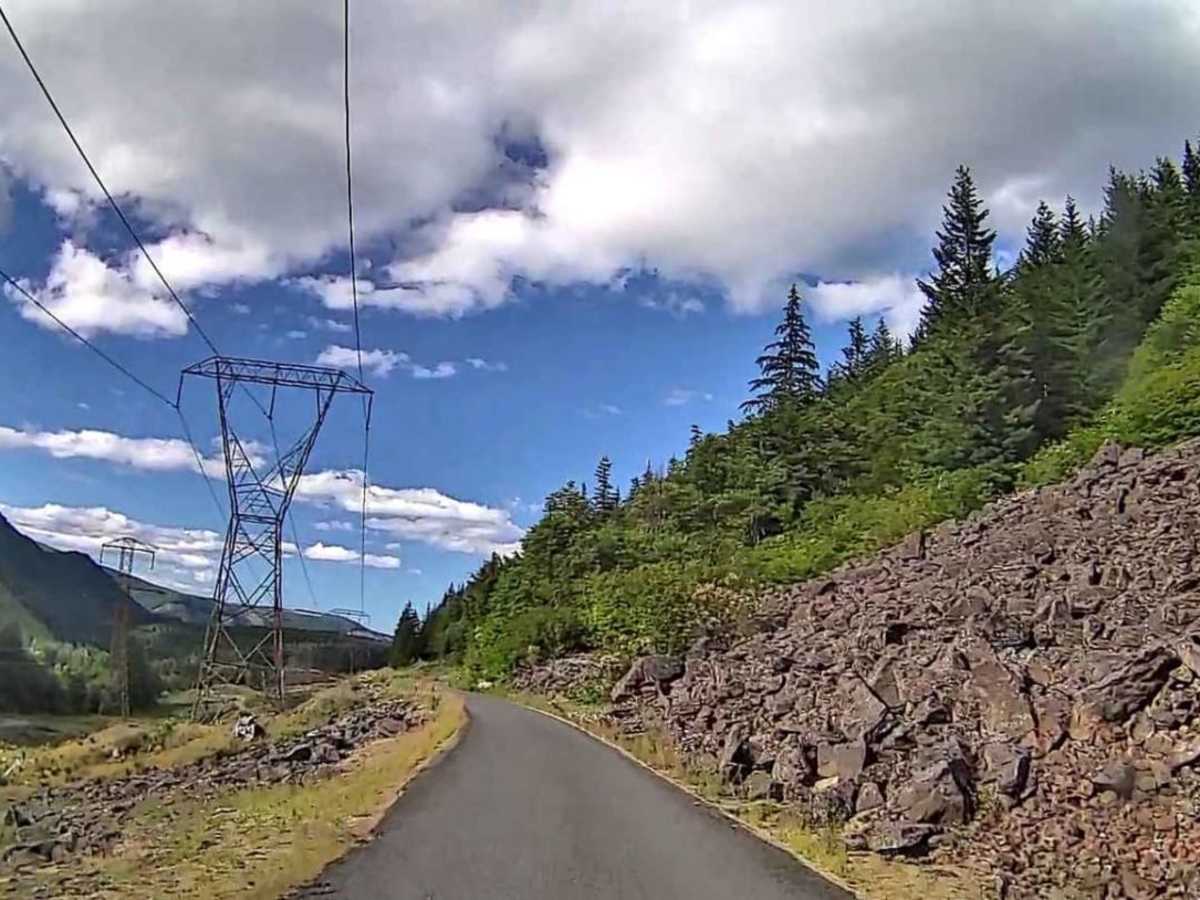
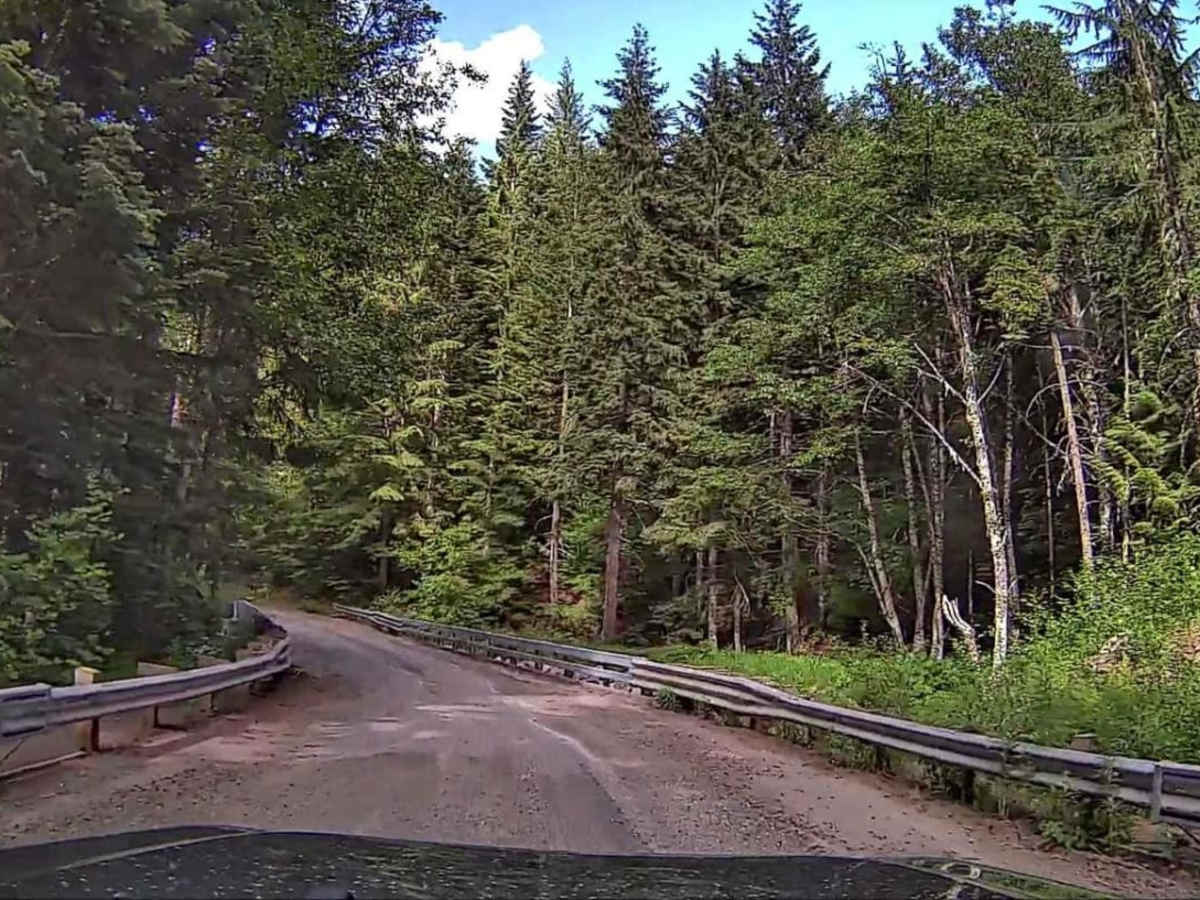
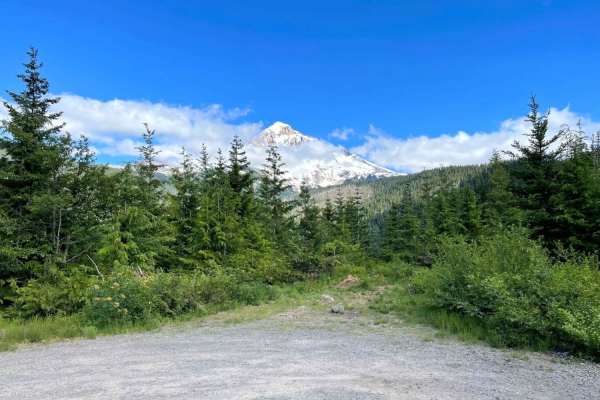
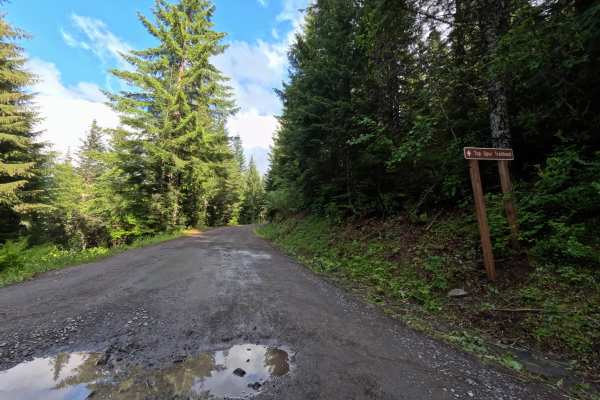
Lolo Pass is an ideal scenic drive for families, beginners, and overlanders looking for a relaxing route with stunning, close-up views of the western face of Mount Hood. Stretching approximately 13 miles through the Mount Hood National Forest, this historic route peaks at an elevation of 3,489 feet and offers a relatively smooth driving surface suitable for most vehicles, though some areas narrow to a single lane where drivers must watch for oncoming traffic. Starting near the Zigzag Ranger Station off Highway 26 at an elevation of 1,586 feet, the trail winds northeast, ascending with a mild overall climb and a maximum grade of 29 degrees on occasional steep sections. While the main route is easy and rated a 2 out of 10 for difficulty, adventurous drivers with high-clearance four-wheel-drive vehicles or SxSs can explore the numerous technical spur trails branching off the main road.
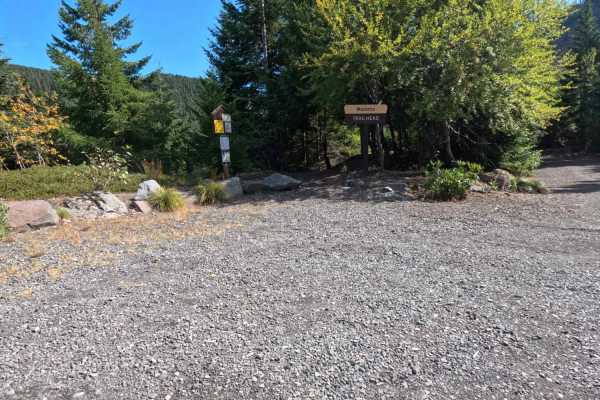
Steeped in history, this pass originated as a Native American trading path, later serving as part of the legendary Oregon Trail and today intersecting with the Pacific Crest Trail. The route is highly seasonal, typically open from late spring through autumn, and is closed during the winter months due to heavy snow accumulation. Summer is the premier season to visit, though early fall brings vibrant foliage and crisp mountain air. For those planning a longer journey, the pass connects directly to the pristine waters of Lost Lake and down into the Hood River valley, providing access to premier camping, hiking, and fishing spots.
History
Lolo Pass was originally a Native American trading route before being utilized as part of the Barlow Road transit on the historic Oregon Trail. Today, the Pacific Crest Trail crosses the pass near its high point.