Trail Overview
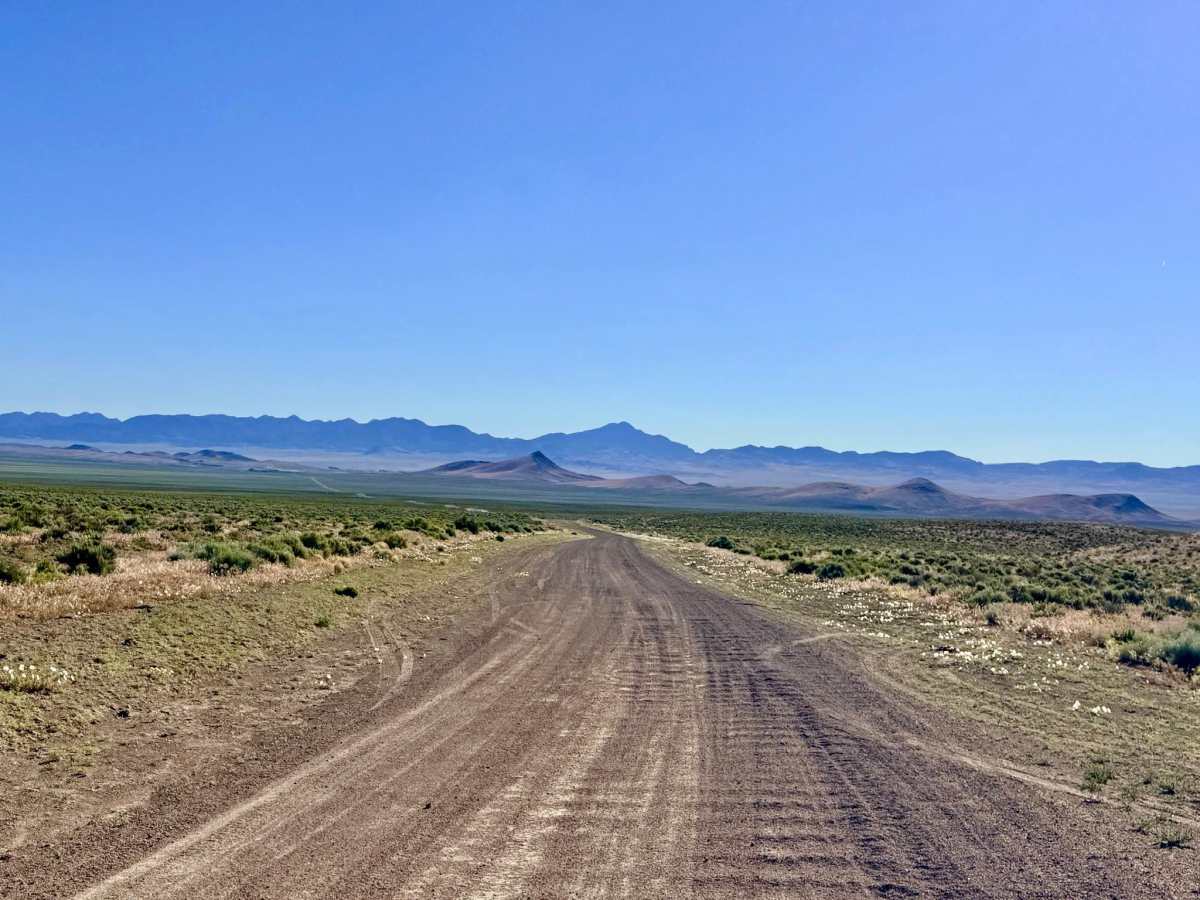
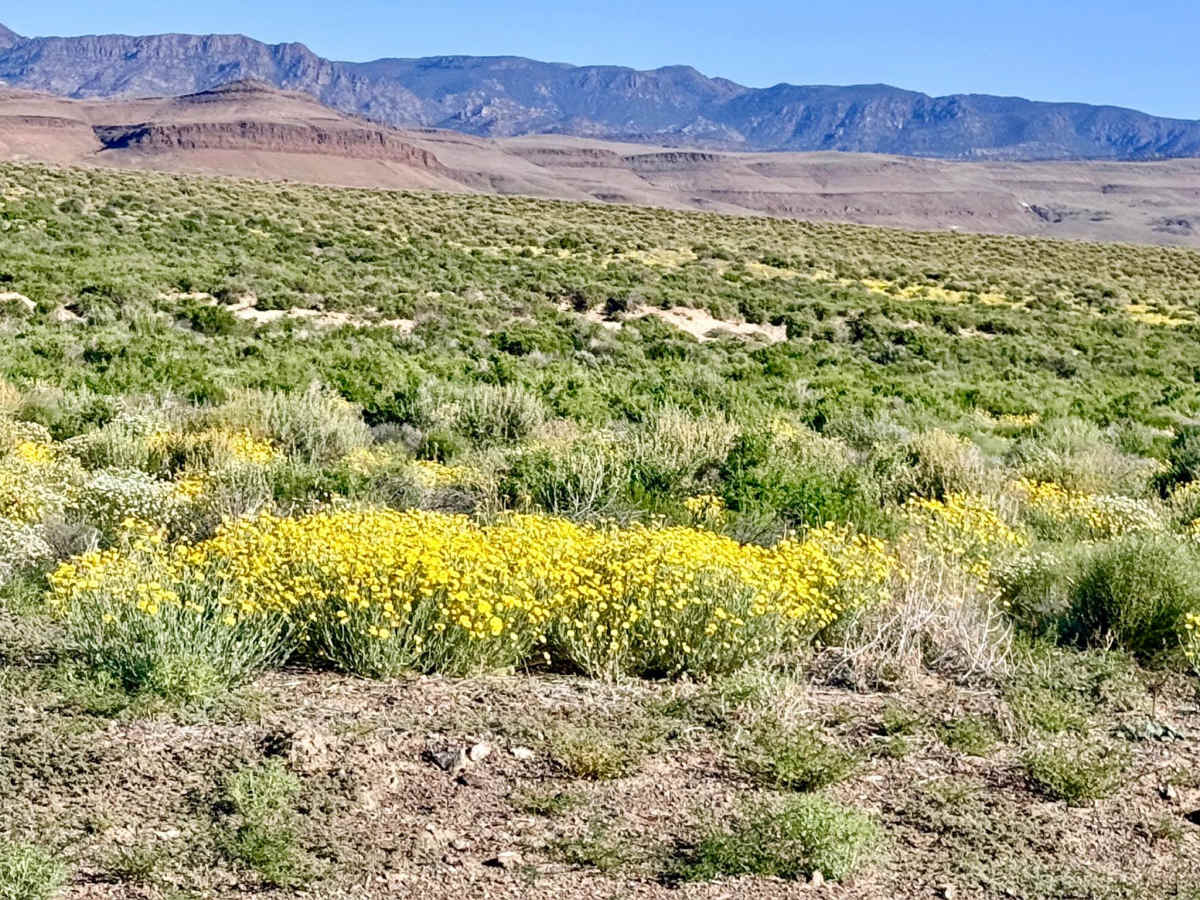
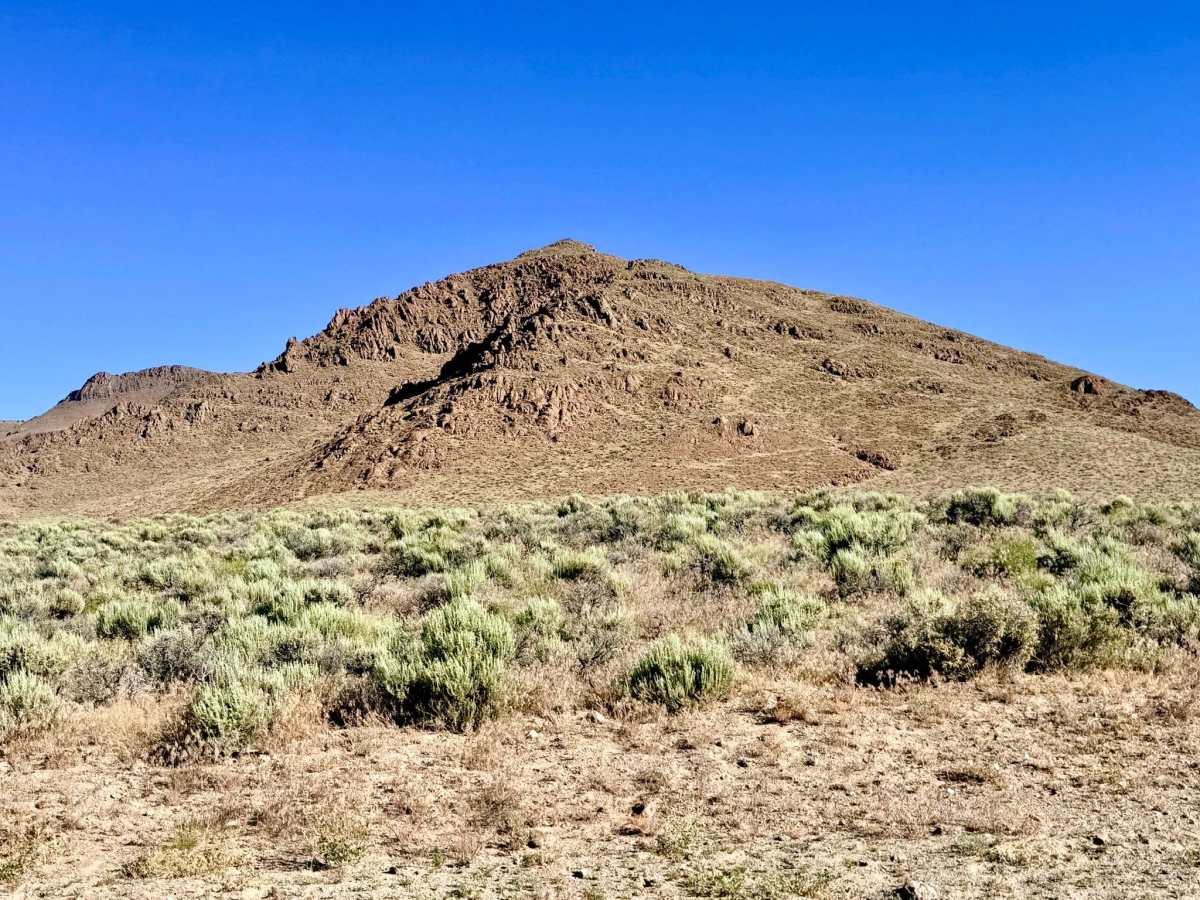
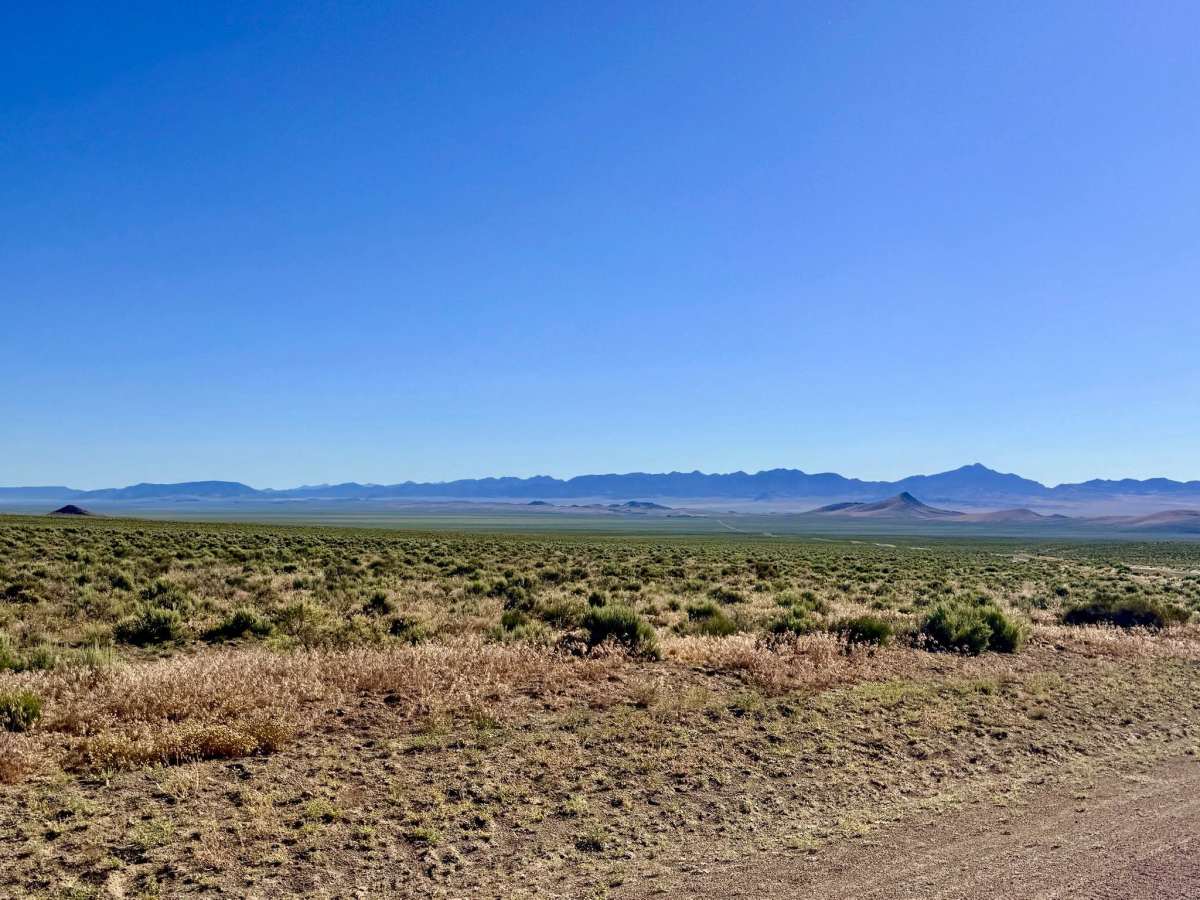
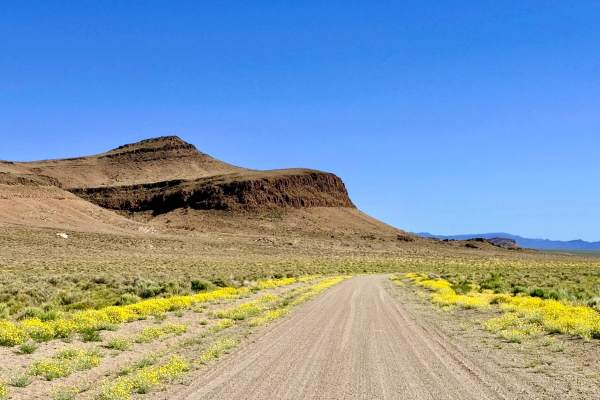
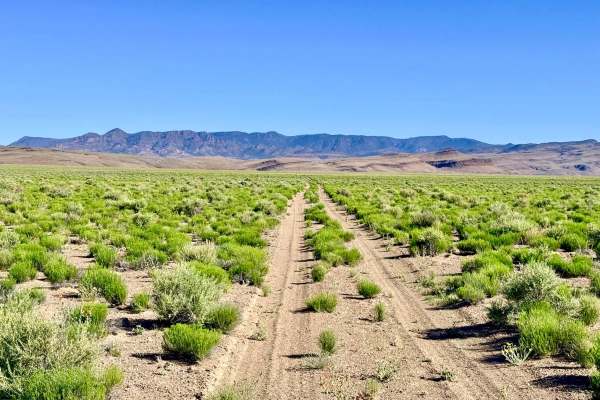
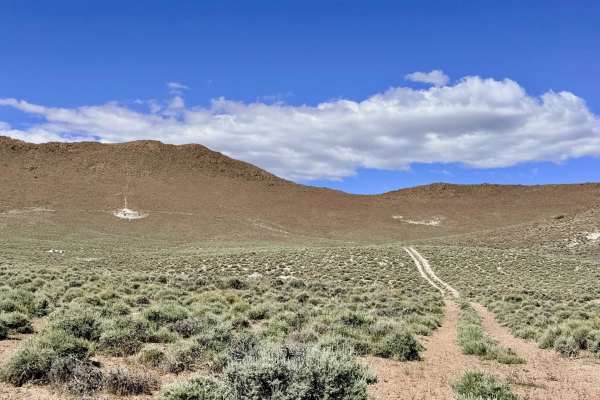
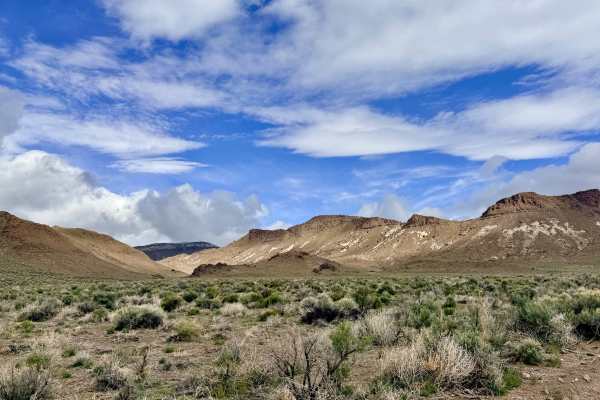
Stone Cabin Ranch Road is a thoroughfare, offering a wide, well-maintained gravel corridor that stretches across the expansive Stone Cabin Valley. This route functions primarily as the industrial lifeline for the active ranch at its terminus. The trail provides a smooth and efficient transit for those looking to reach the deeper trail networks of the Monitor Range. Because it is a primary "working" road, it is consistently graded and allows for a steady, comfortable pace. The visual highlight of this journey occurs in the late spring and early summer, when the surrounding basins are "bursting" with a vibrant palette of yellow, white, blue, purple, and orange wildflowers. It is an unforgettable sight that perfectly captures the resilience of the Great Basin flora. This road serves as the essential "entry angle" for reaching technical loops like the Willow Creek South Trail, which eventually leads explorers to the stunning "Hidden Canyon" oasis at the high-wilderness trailhead.
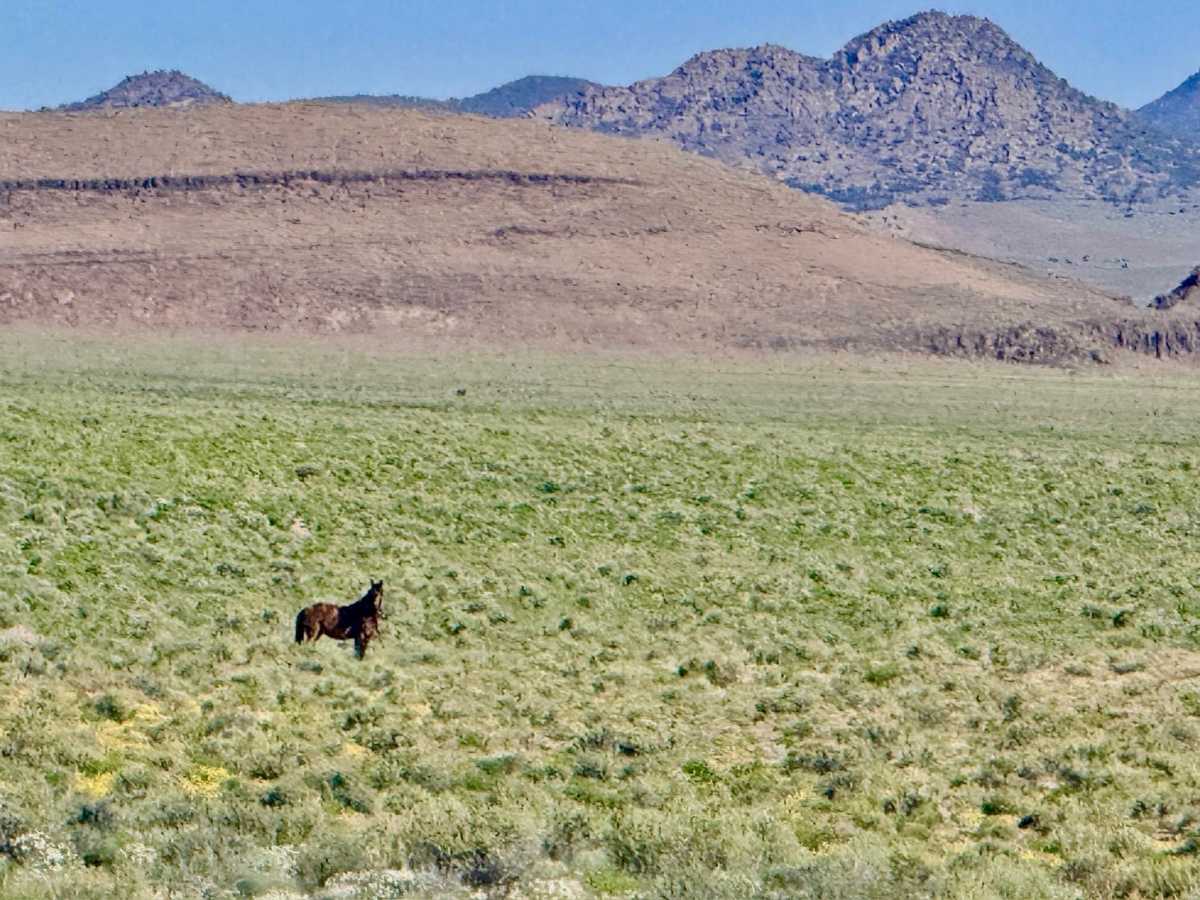
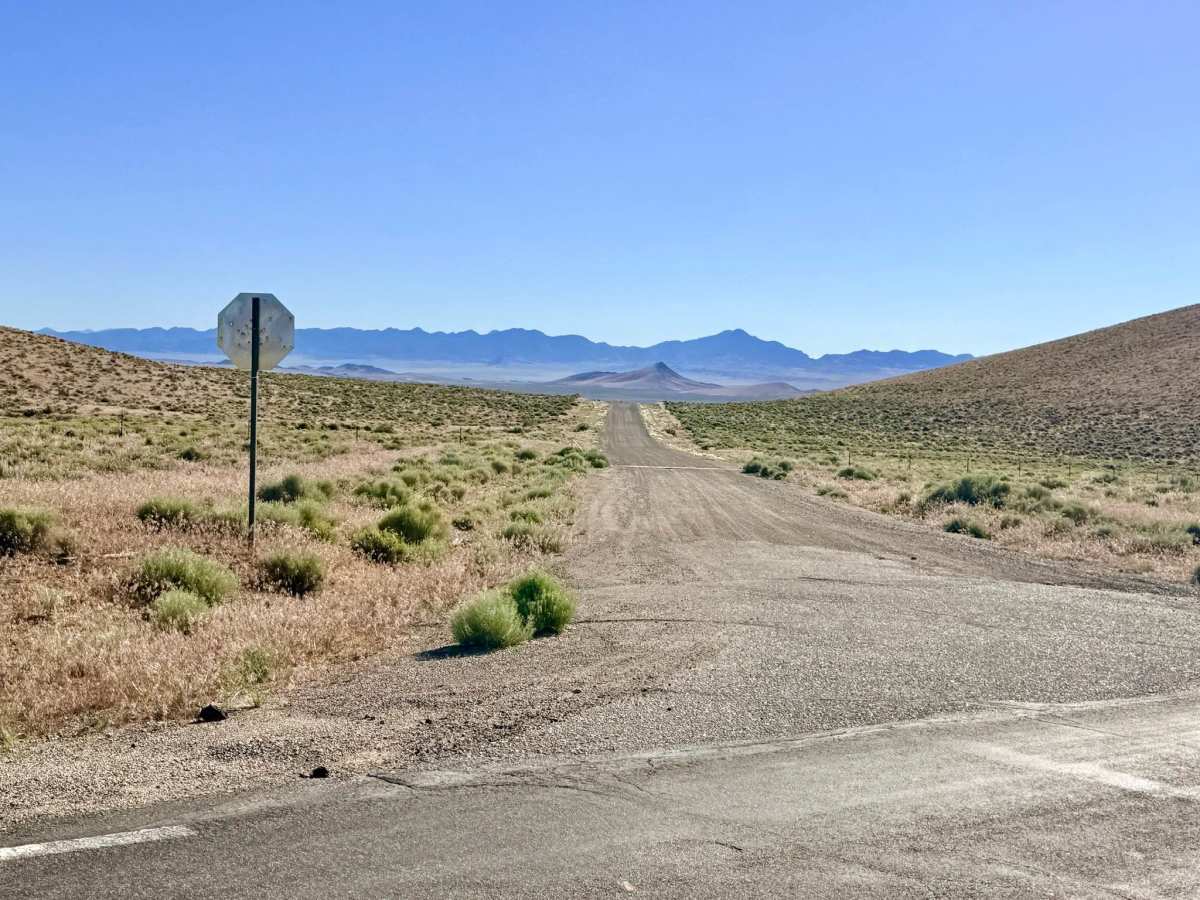
The trail concludes at the entrance to the ranch property. At this terminus, you can make a U-turn to the right to return to the highway. If the gate is open and access is clear, you may transition onto Saulsbury Rd to head east. This is active cattle country. Livestock frequently congregate near the road or cross the track without warning. Always yield the right-of-way and move slowly around herds. Expect zero usable cell service. While you may see two bars on your device, the data speeds are virtually non-existent. Download offline maps before leaving the Tonopah or Highway 6 corridor.
Difficulty
This is the primary access road for an active private ranch. It is suitable for all vehicle types, including 2WD sedans, low-clearance adventure vans, and heavy overland trailers. The well-compacted gravel provides excellent stability in dry conditions.
History
The Stone Cabin Valley is named for the actual stone structures built by 19th-century pioneers who recognized the valley's potential as a premier grazing district. During the silver booms of the 1860s and early 1900s, this basin was the "hay loft" for the mining camps of Belmont and Tonopah.

 Offroad