Trail Overview
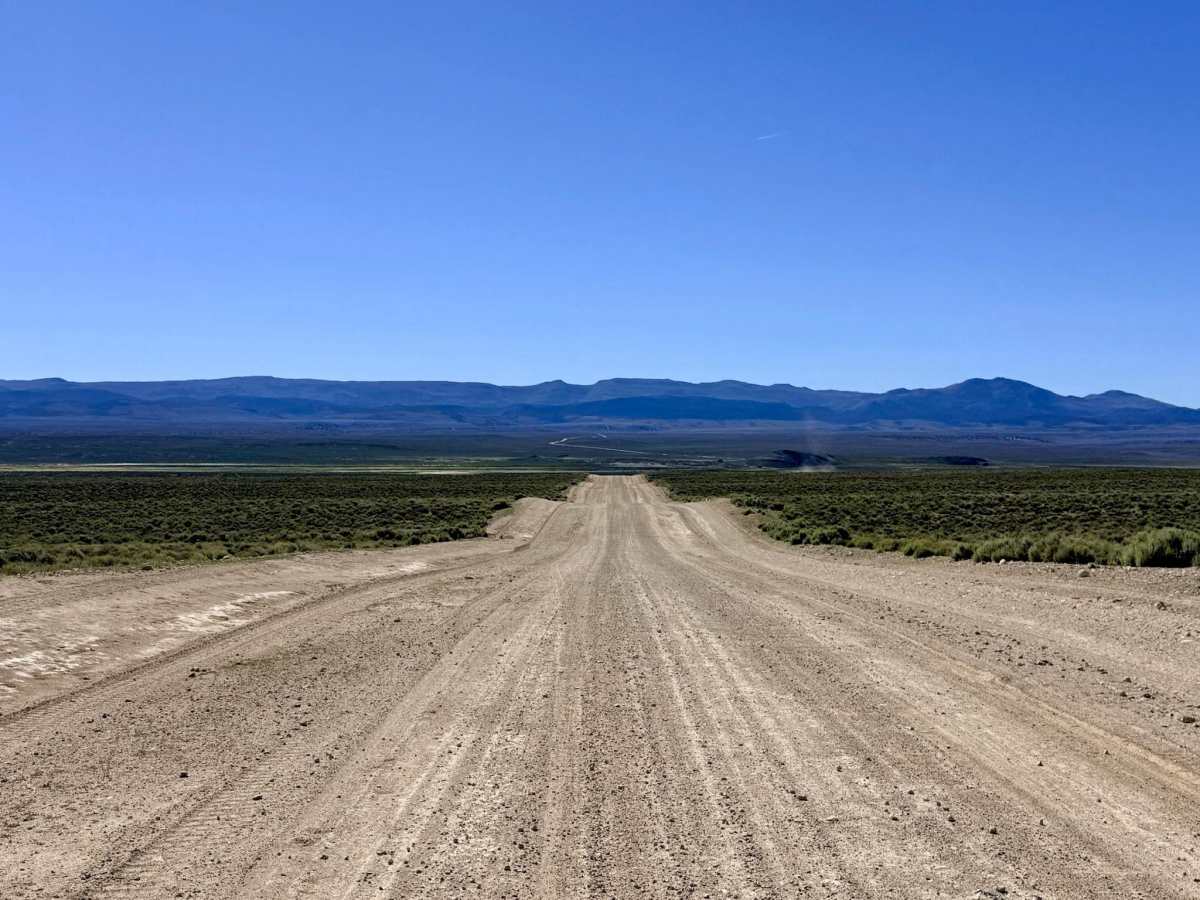
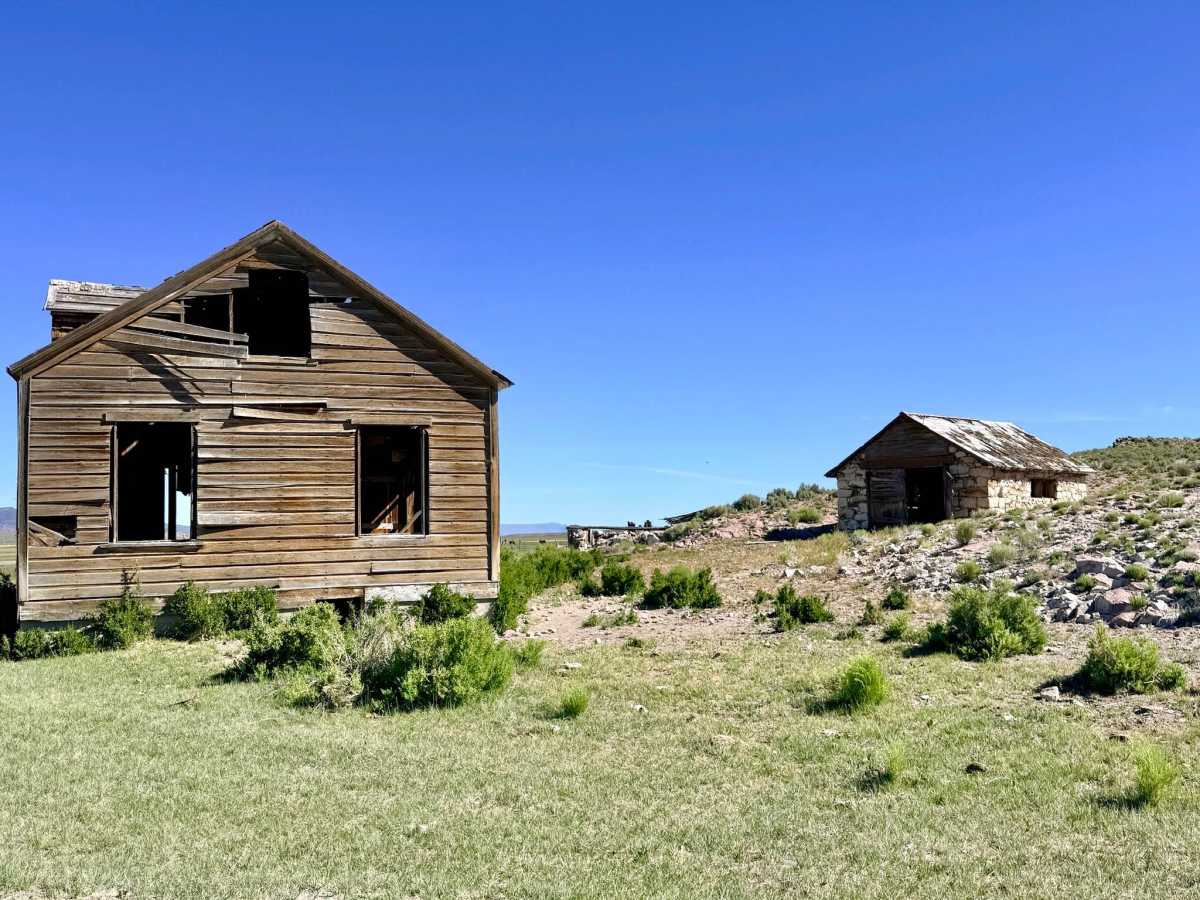
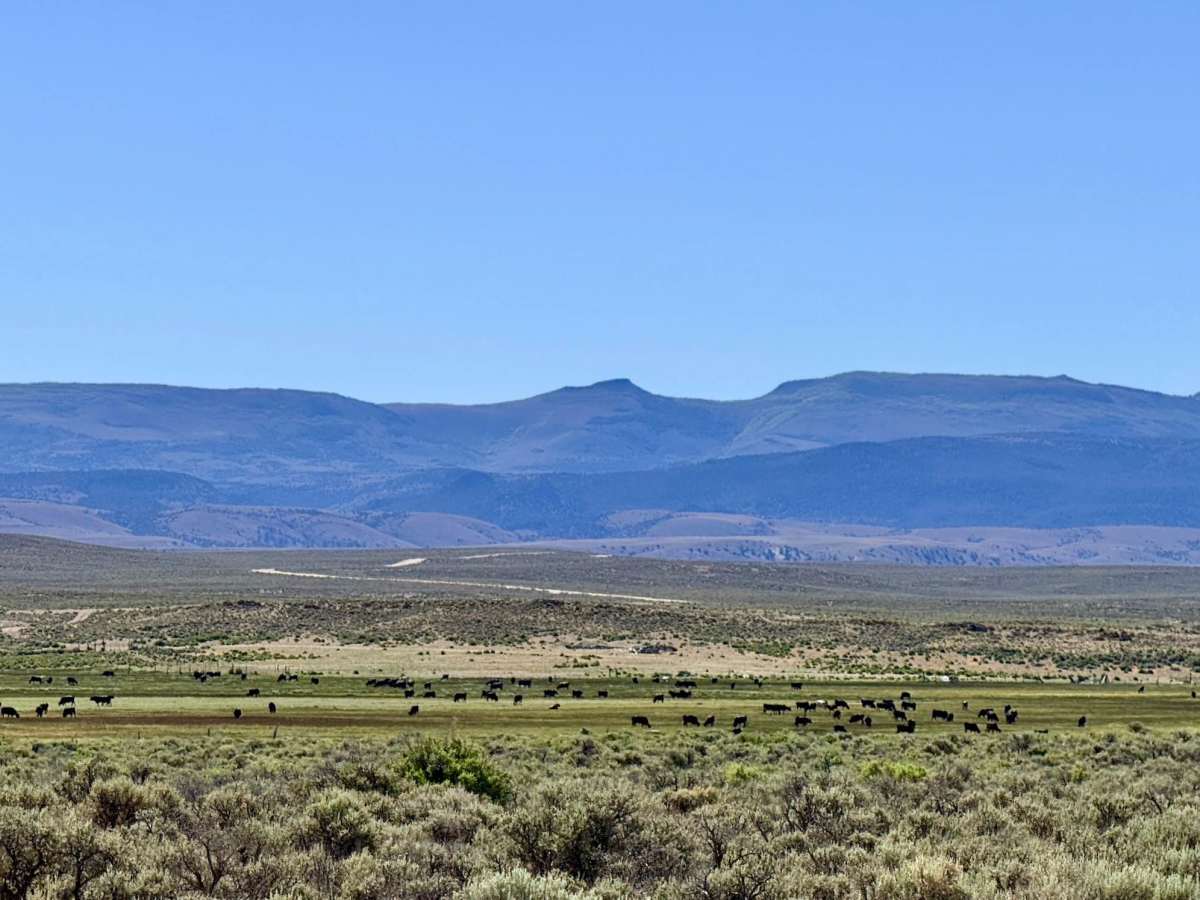
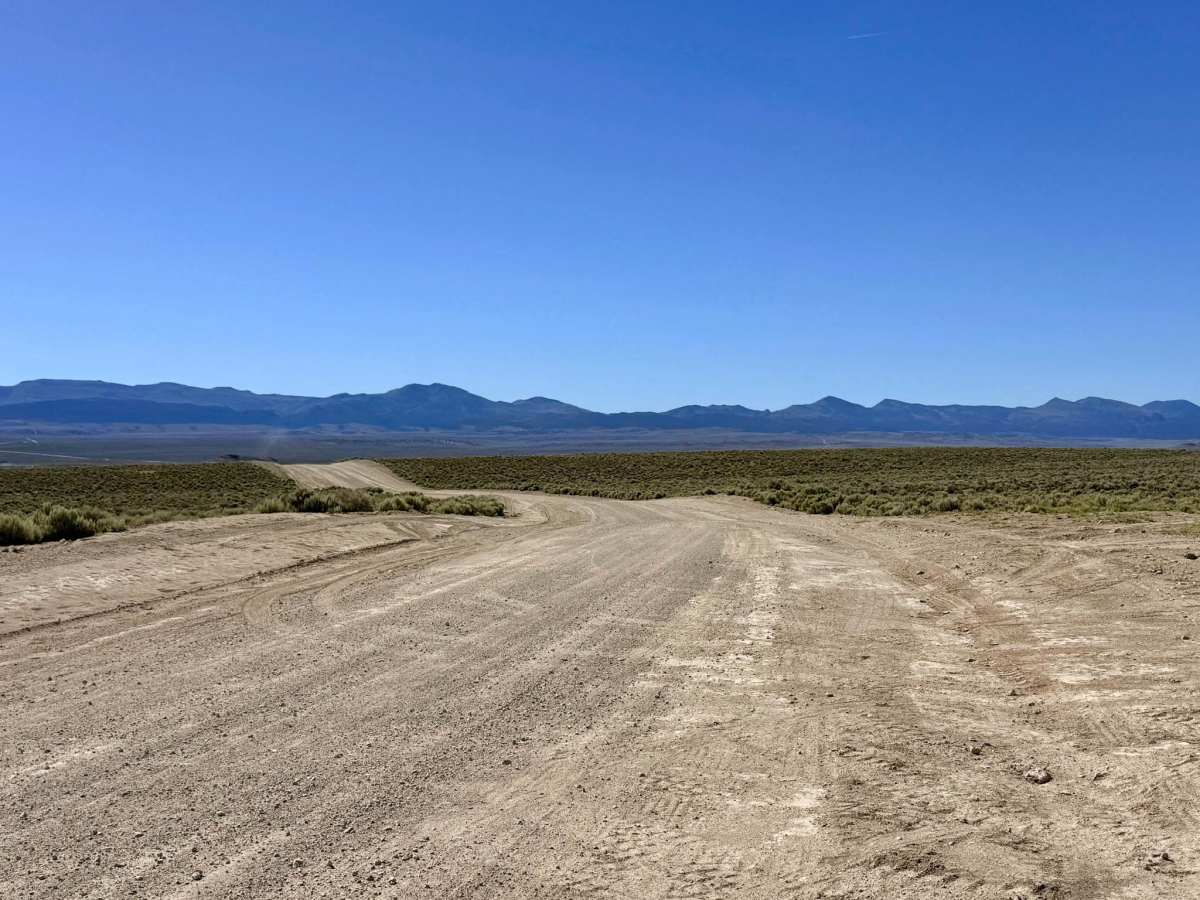
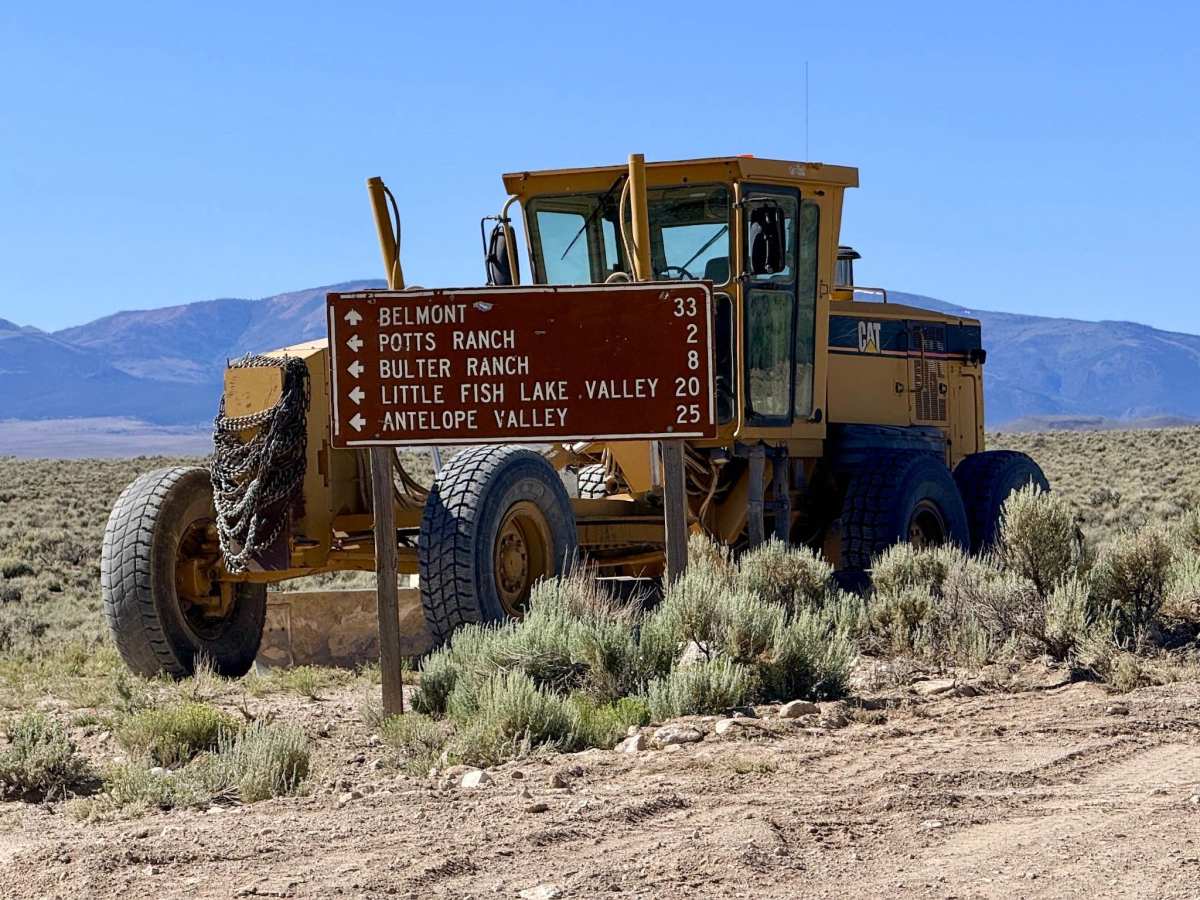
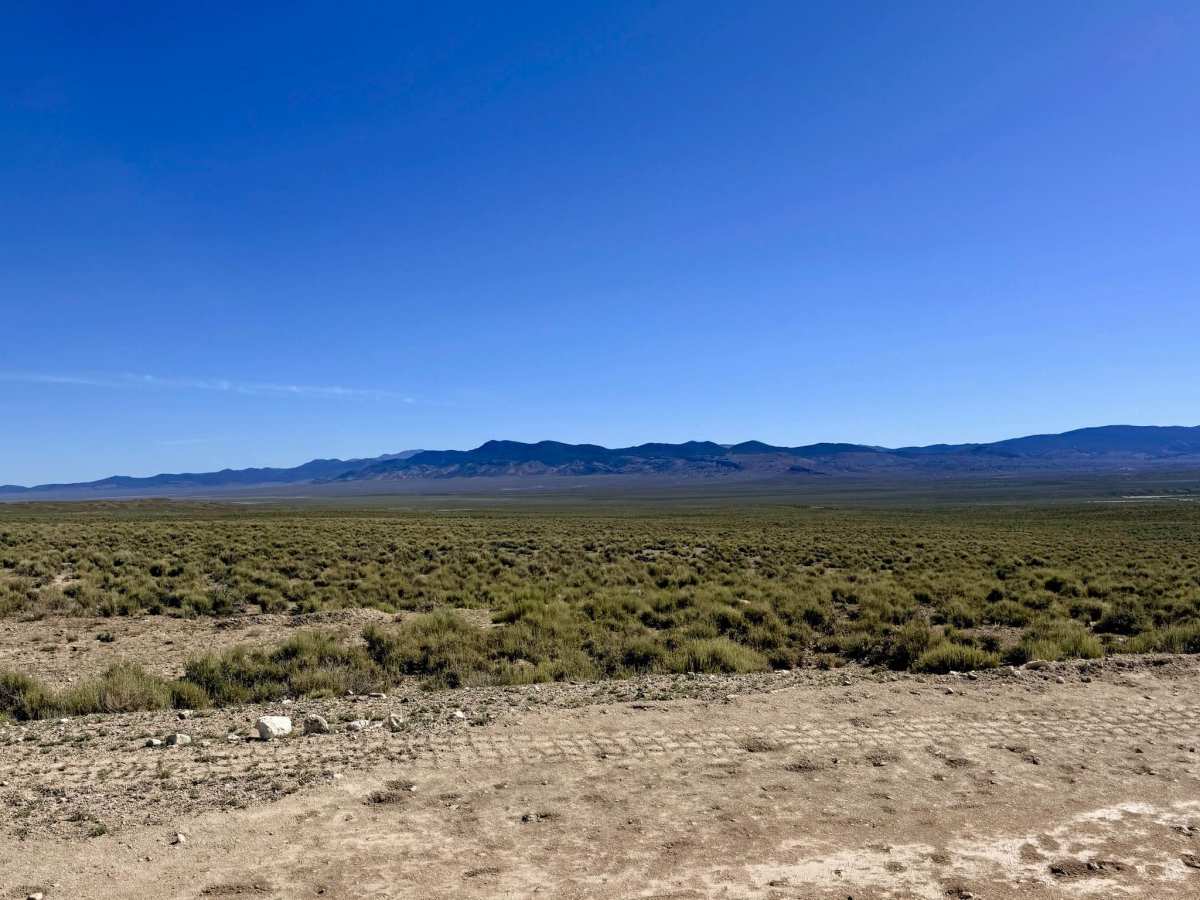
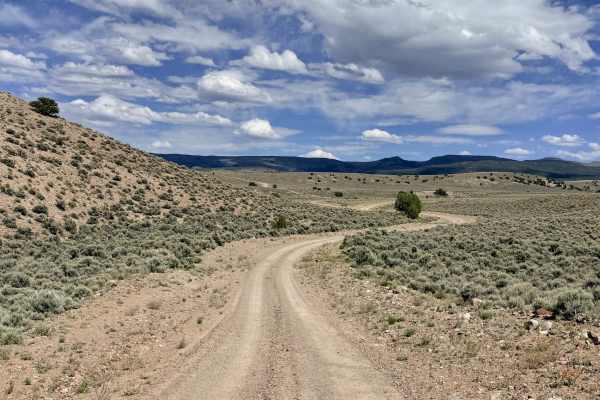
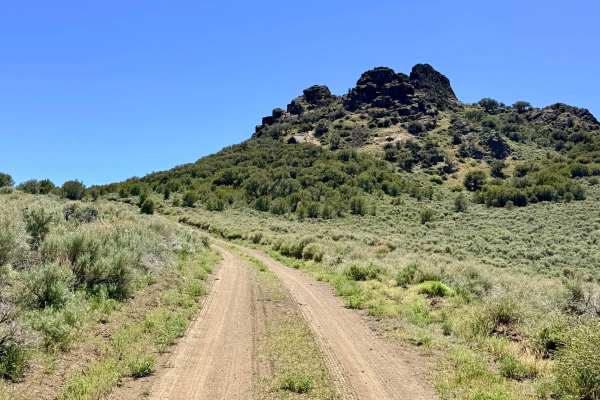
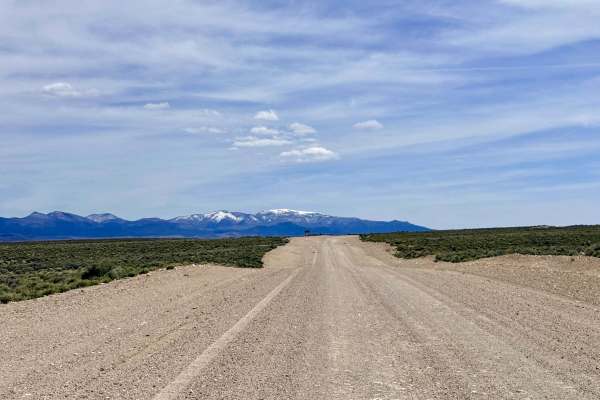
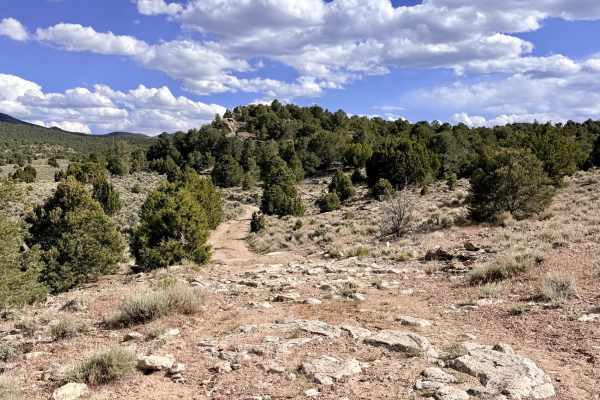
This is a delightful primary route between the expansive Monitor Valley floor and technical mountain trail networks. The journey is characterized by its smooth, well-graded surface and wide track, allowing for a comfortable pace through the silver sagebrush. As you cruise along this route, you are treated to a front-row seat to Nevada’s ranching heritage. The highlight of the drive is the historic Potts Ranch Homestead. This site features a remarkably well-preserved wooden house and outbuilding, standing as silent sentinels of a bygone era. While the structures lack glass in the windows, the integrity of the masonry and timber remains impressive. Once you clear the ranch boundary, the trail acts as a strategic hub, offering multiple routes that climb over the Monitor Range into Little Fish Lake Valley and the Antelope Range beyond. The area is prime habitat for pronghorn antelope and various raptors; keep your binoculars ready as you traverse this wide-open landscape. This trail crosses active private land. Public access is currently permitted, but it is mandatory to stay on the main established route. There are numerous signs regarding the private property boundary; please respect the landowners by not deviating from the road. While no camping is allowed on the ranch property, once you transition back onto BLM or National Forest land on the other side of the ranch, there are excellent dispersed camping options with incredible mountain views. You will encounter several cattle guards and gates. This is active open range; always leave gates exactly as you found them. Expect zero cell service on this route. The vastness of the valley ensures you are well beyond any signal. Download offline maps before leaving the Tonopah or Austin areas.
Difficulty
Suitable for all vehicles, including 2WD cars, heavy adventure vans, and large overland trailers. The well-compacted gravel surface is stable and easy to navigate in dry conditions.
History
The Potts Ranch was one of the legendary "oasis" stations of the 19th-century Great Basin. Established in the late 1800s, it served as a vital stop for teamsters and stagecoaches moving between the silver booms of Belmont and Eureka. In an arid landscape, the reliable springs at Potts Ranch were more valuable than silver, providing the water and hay needed to sustain the massive mule teams of the era. The homestead structures you see today are a living museum of the grit required to build an agricultural empire in the heart of the Nevada desert.

 Offroad