Trail Overview
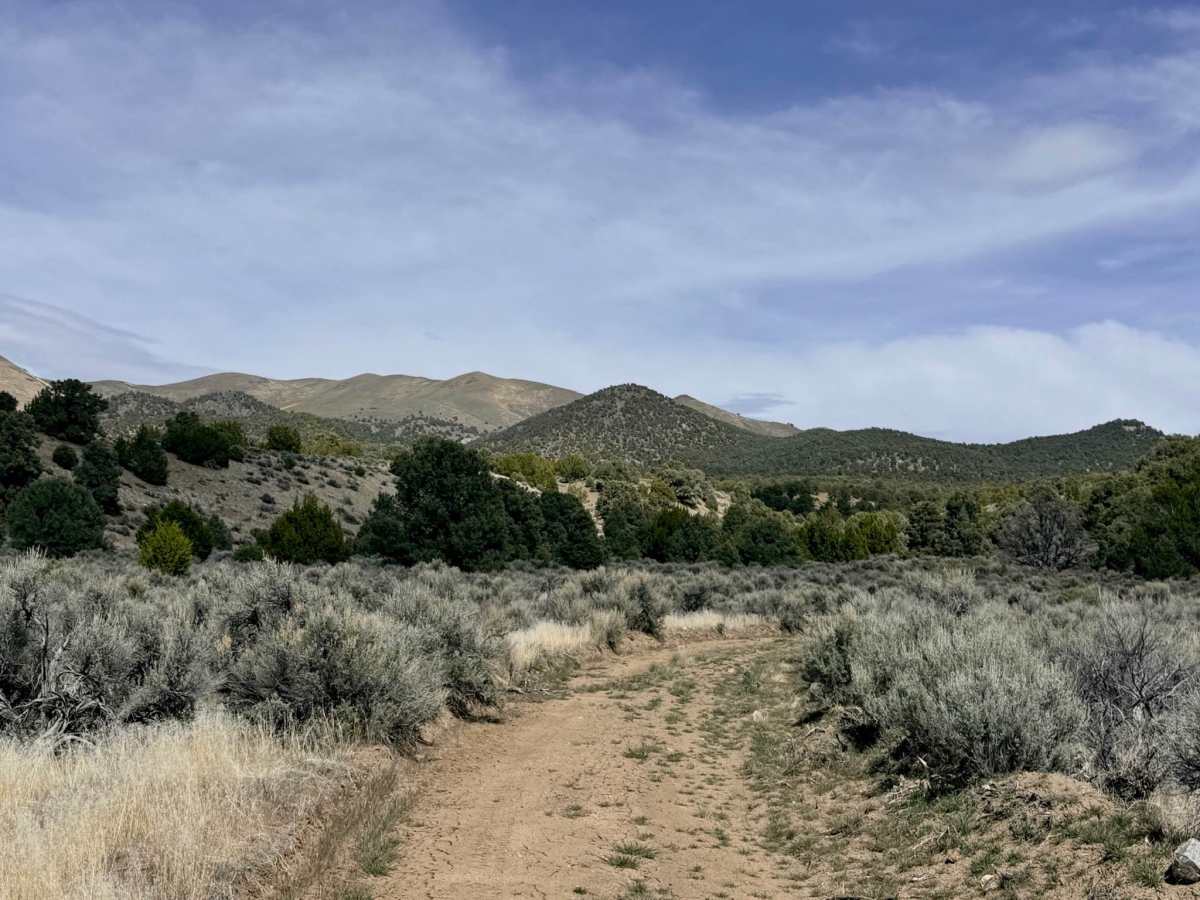
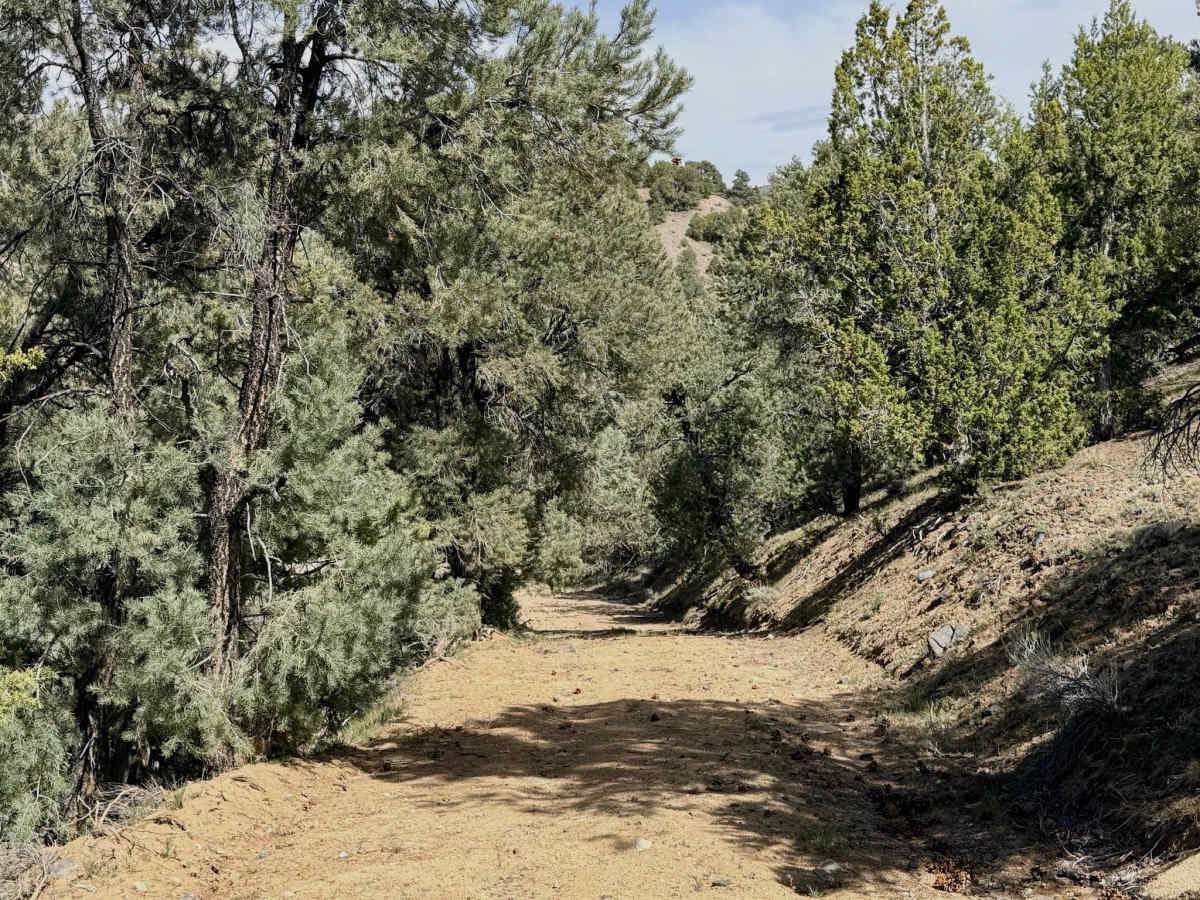
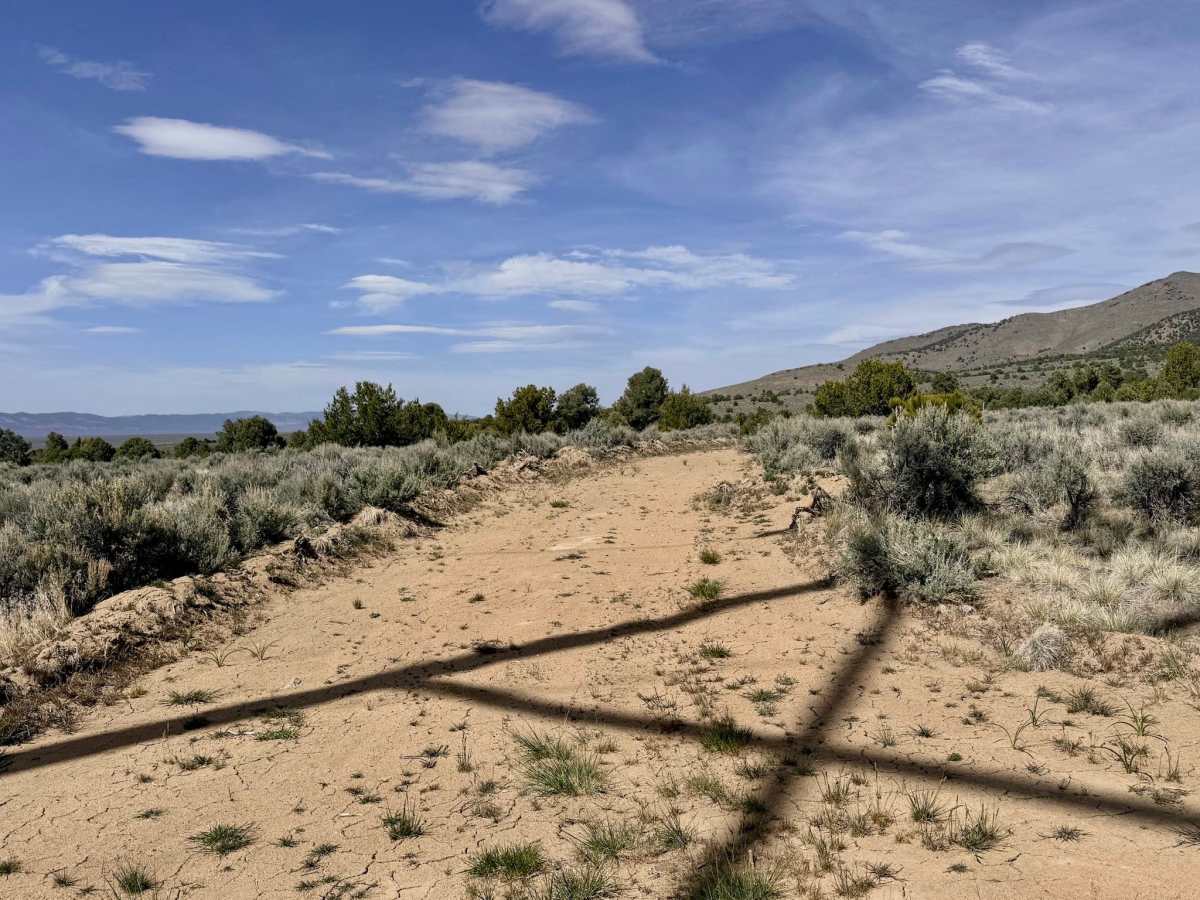
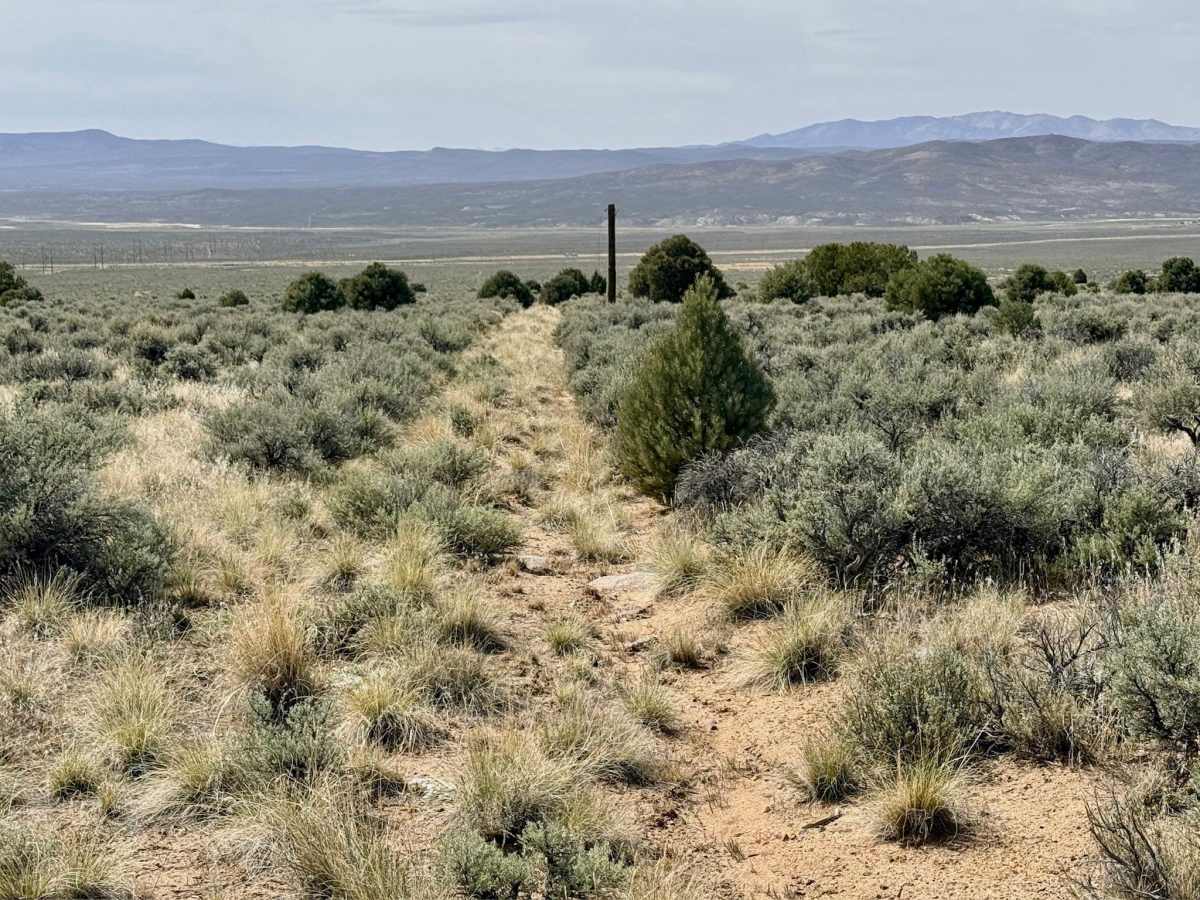
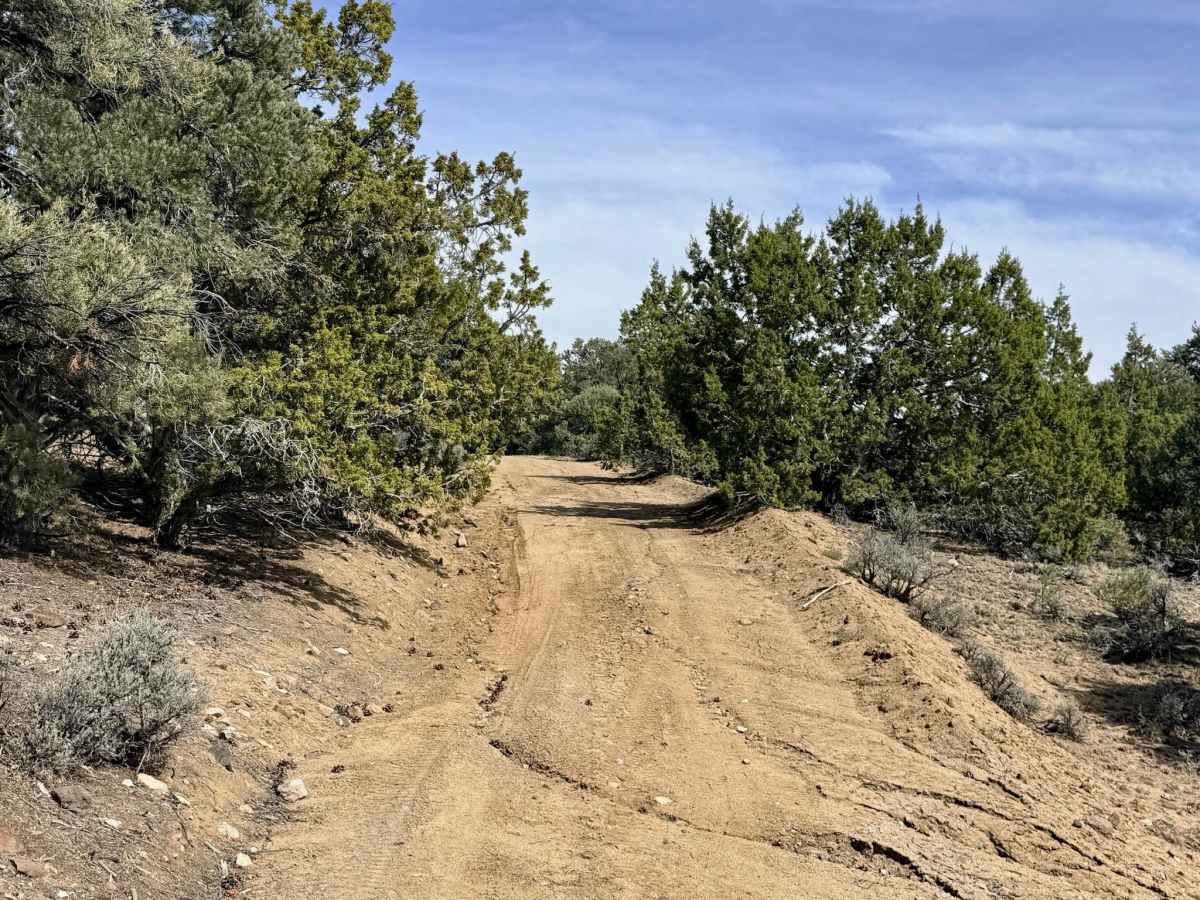
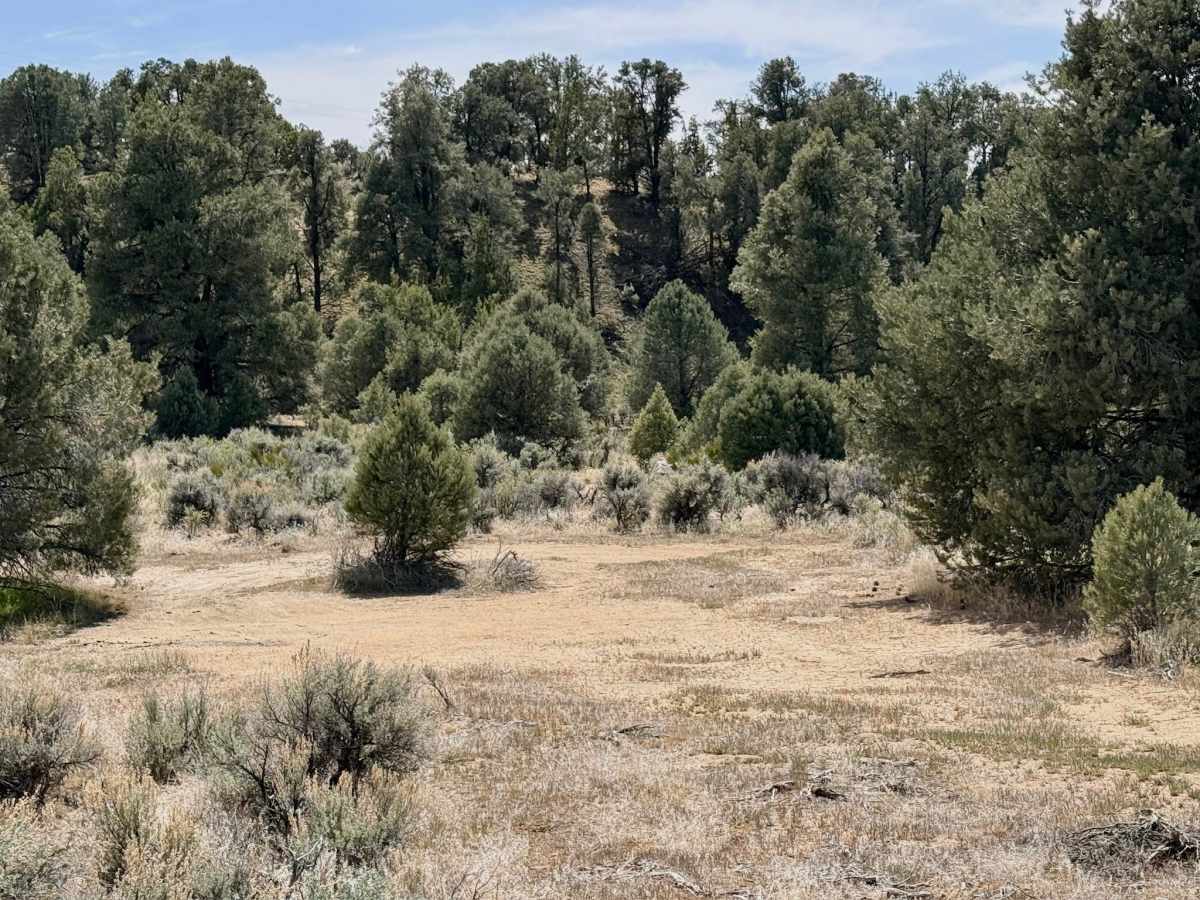
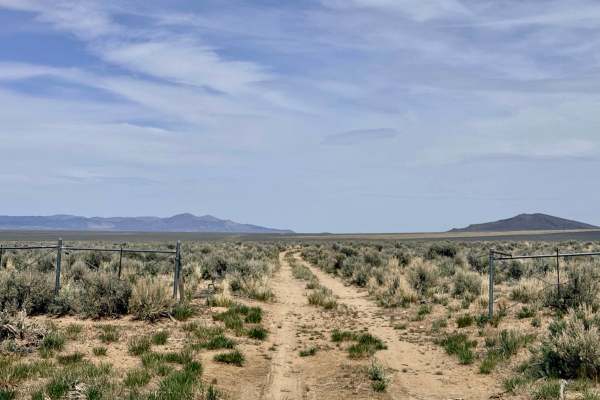
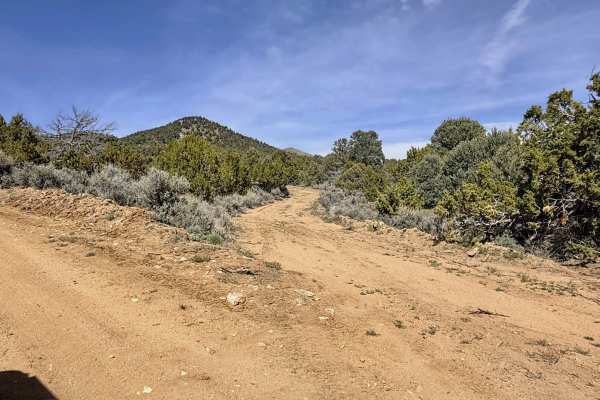
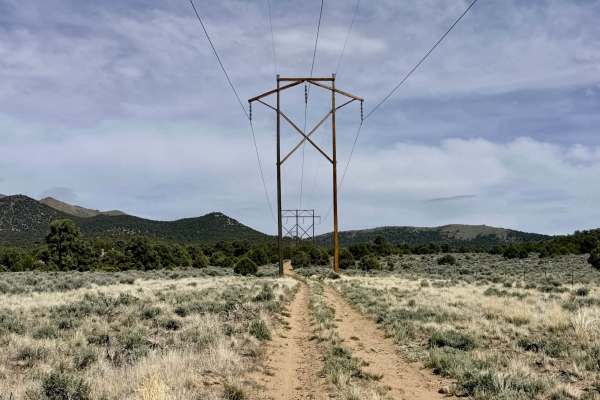
New York Canyon is a scenic, slightly traveled cut-over trail that offers a classic "shelf road" experience as it clings to the canyon side. The trail provides a beautiful transition in flora, moving from the sagebrush-heavy valley floor into higher elevations lined with dense stands of aromatic Utah Juniper and Pinyon Pine. This forested canopy provides excellent shade and habitat for local wildlife; keep your ears open for the distinct call of Pinyon Jays and watch for Sage Grouse in the clearings. The driving is engaging, featuring fun "up and down" hills and narrow sections that require focus. As you navigate the shelf, be aware of occasional washout grooves that can catch a tire if you aren't paying attention. One of the most significant features of this trail is found near the western end: if you look out toward the valley to the west, you can spot a dim, overgrown section of the historic Pony Express route, marked by a lone, weathered telephone pole—a silent monument to the 19th-century communication race. There is a cattle gate on this route. Please ensure it remains closed to protect the local livestock management. Surprisingly, this canyon offers a few bars of LTE service, likely due to its orientation toward Austin. However, service can drop in the tighter sections of the canyon, so download offline maps before you leave town. Nevada is arid and remote. Always carry at least one gallon of water per person per day, extra fuel, and a full-sized spare tire.
History
New York Canyon likely earned its name from early silver prospectors who flocked to the Reese River Mining District in the 1860s, many of whom named their claims after their home states. The most poignant historical feature here is the view of the Central Overland Route. The single telephone pole you see in the distance represents the Transcontinental Telegraph, completed in 1861. It was this very telegraph line that famously put the Pony Express out of business just two days after the wires were connected, ending one of the most romanticized chapters of the American West.

 Offroad