Trail Overview
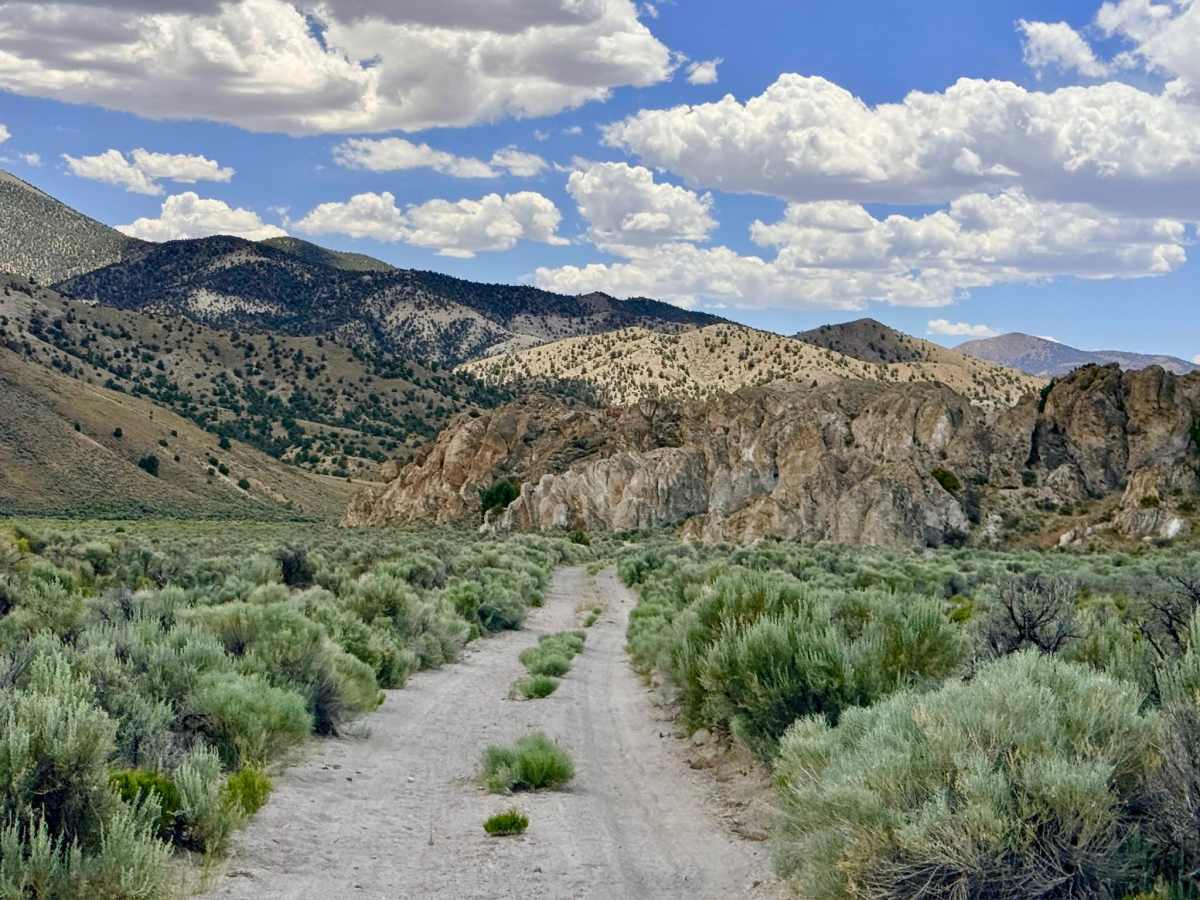
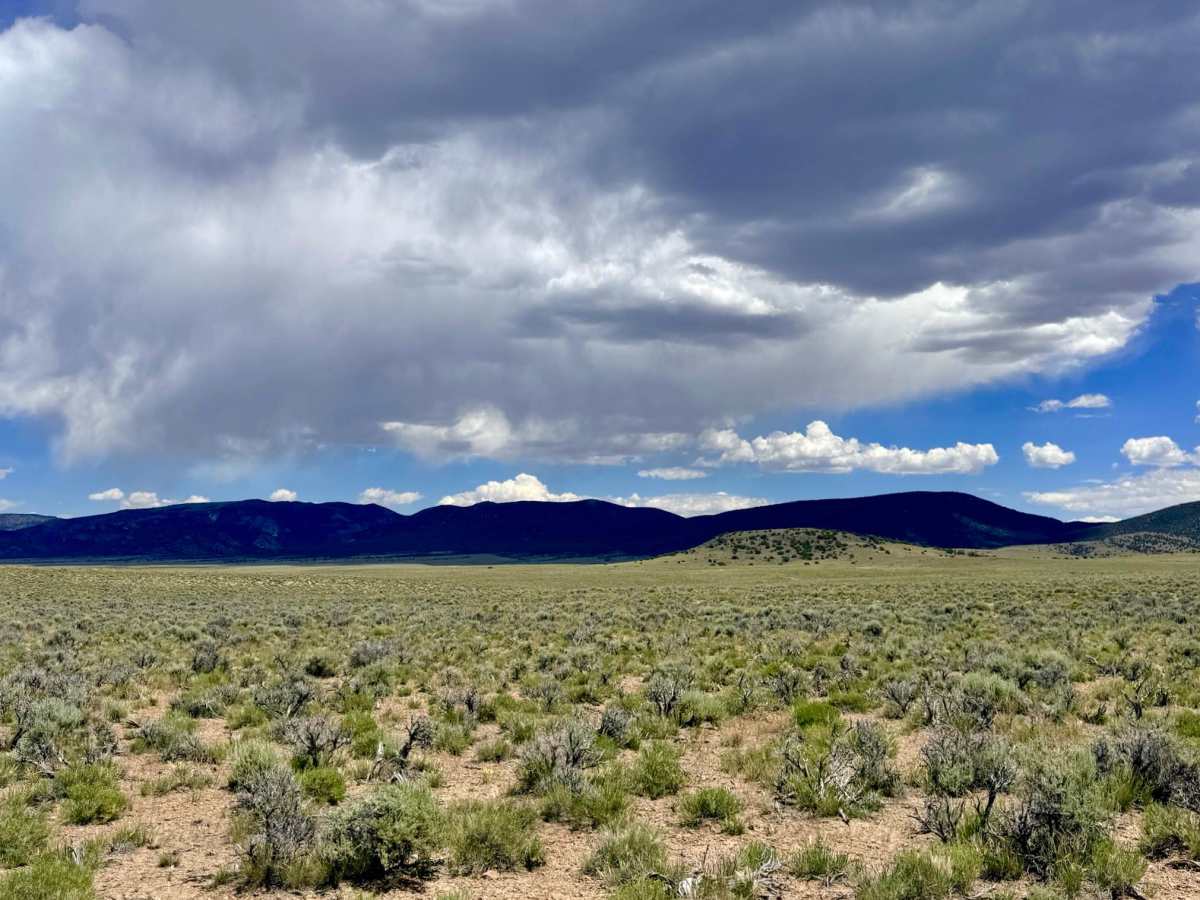
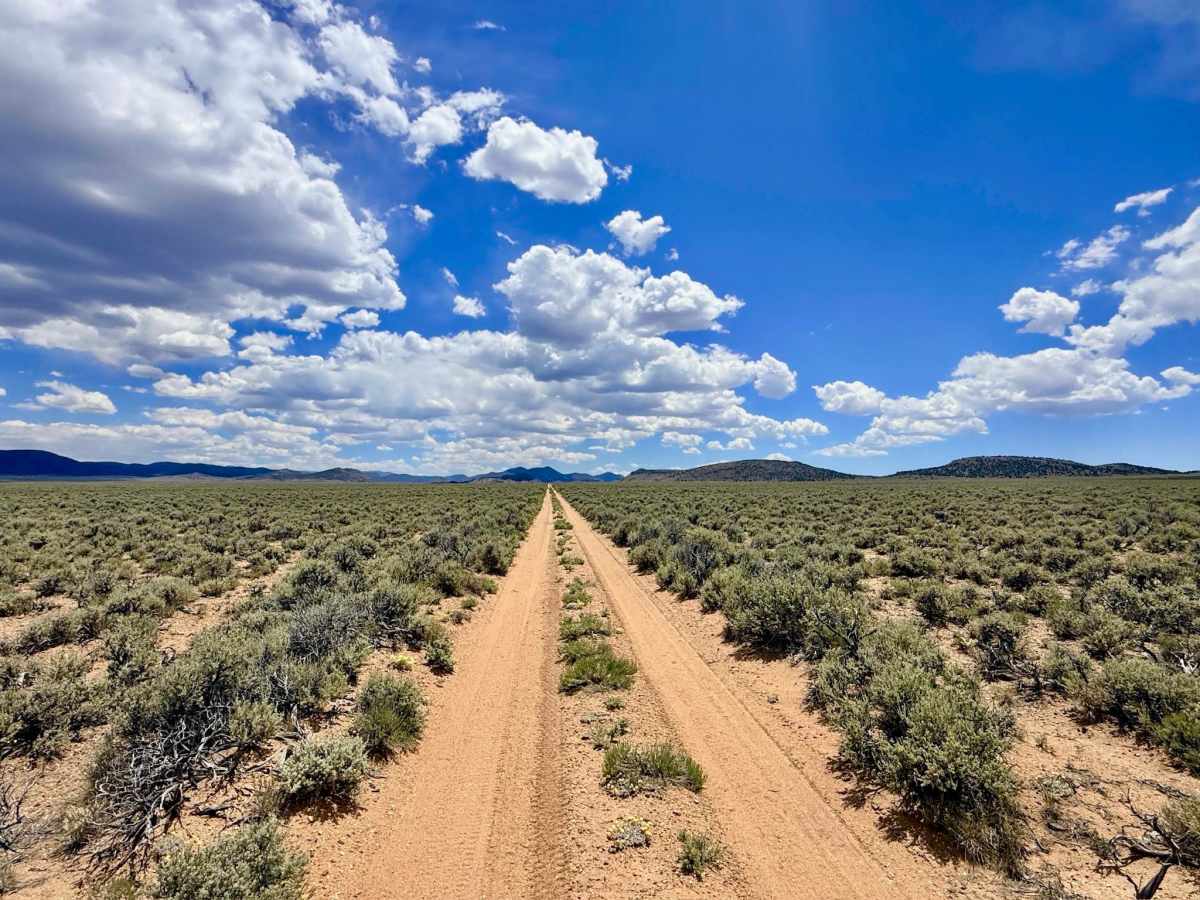
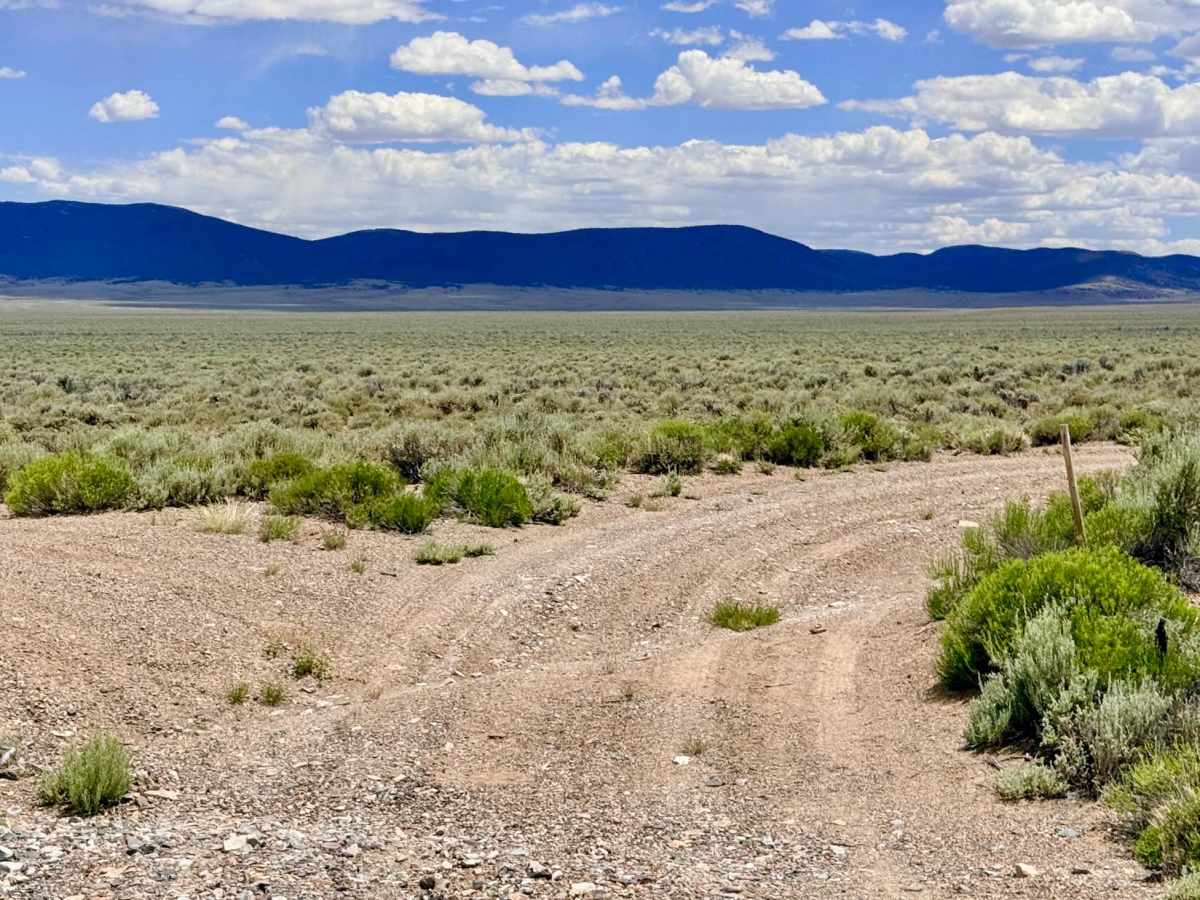
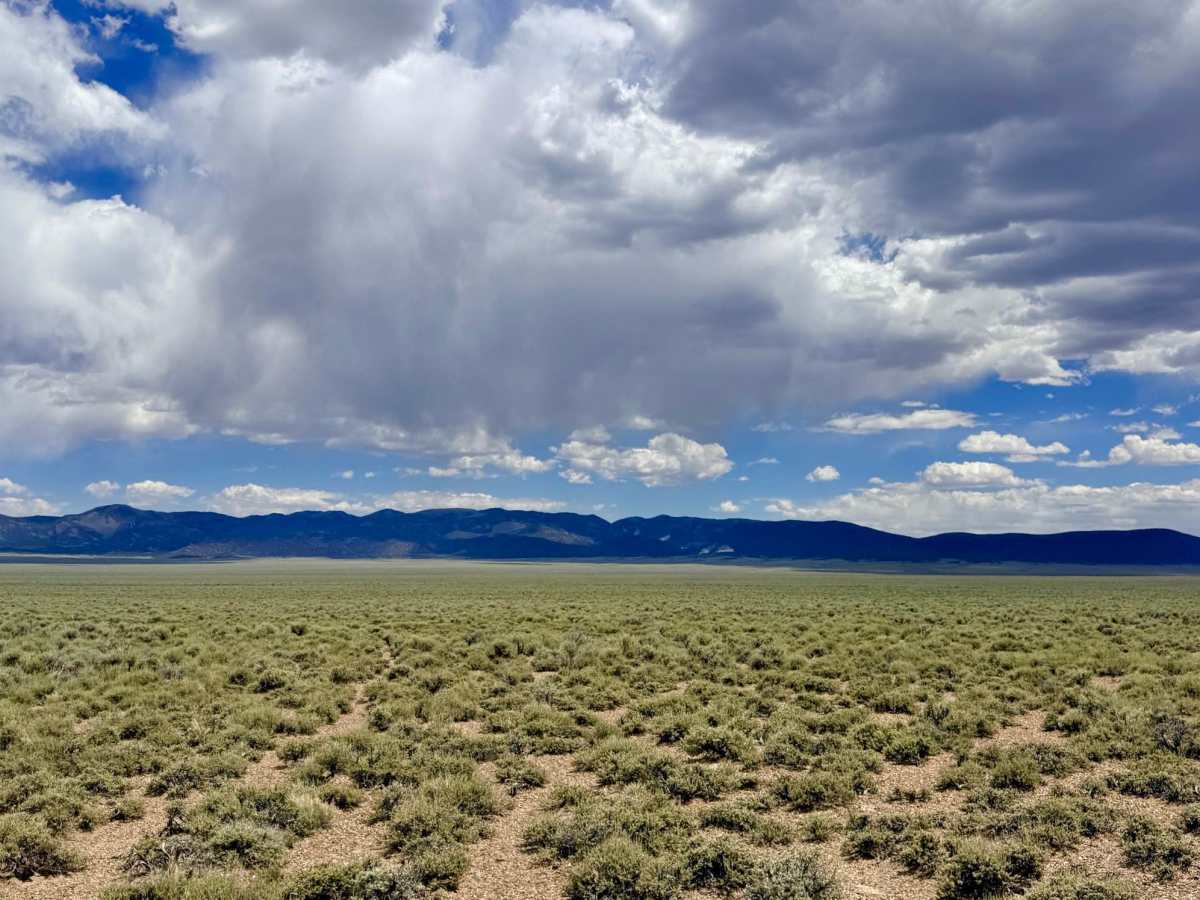
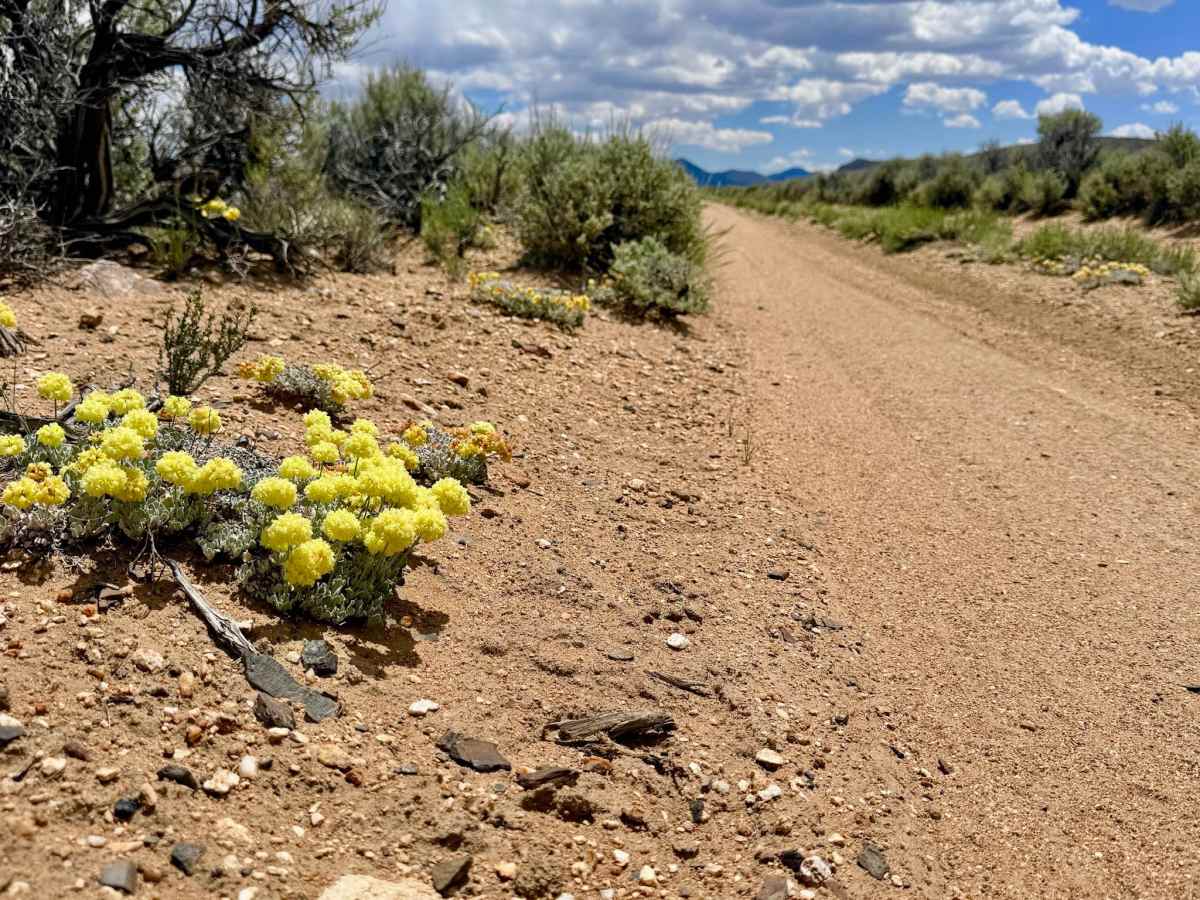
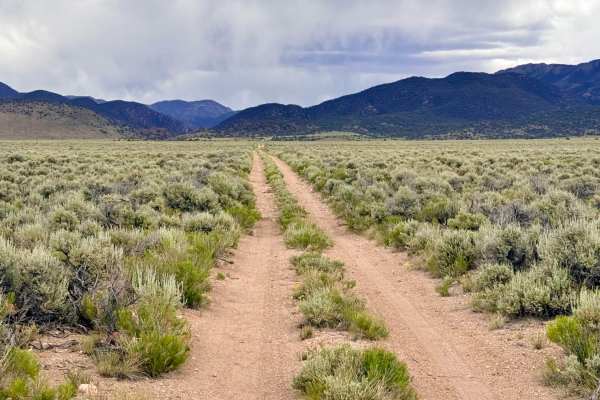
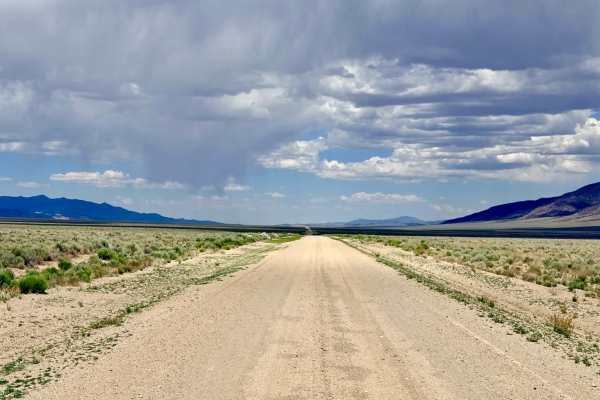
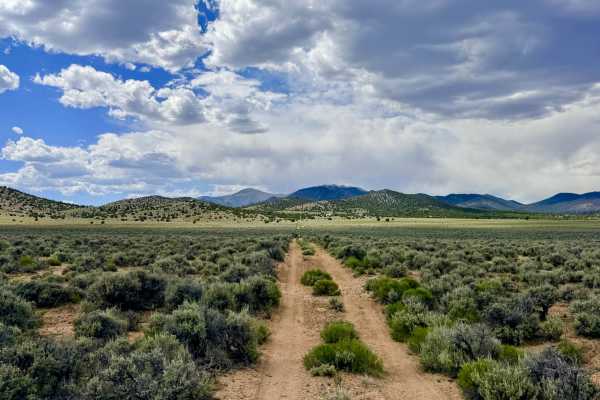
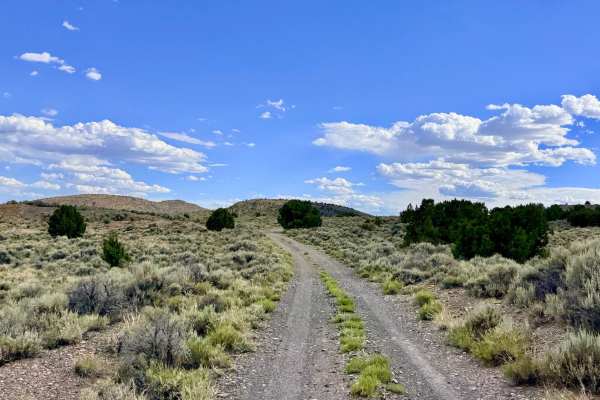
This is a rewarding mountain thoroughfare, serving as a primary link between the historic district of Belmont and the secluded oases of Hunts and McCann Canyons. The journey begins on the expansive, sun-bleached plains surrounding Belmont, winding through a classic landscape of silver sagebrush. In the early summer, this basin floor is transformed by a vibrant bloom of wildflowers. The character of the drive shifts dramatically as you approach the mouth of the canyon. The trail transitions from a smooth valley cruise into a technical mountain track, beginning with a notable technical "gatekeeper": a steep, rocky drop that leads directly into the canyon floor. Once inside the canyon, drivers will navigate technical segments of soft, silty sand and technical washouts interspersed with small boulder gardens. The scenery is high-impact, featuring striking rock formations and vertical canyon walls that tower over the track. This area is a maze of history; a web of old two-tracks crisscrosses the upper valley, tracing the original paths used by 19th-century miners to move between their high-altitude silver claims. Expect zero cell service once you leave the Belmont area and enter the canyon. The deep geological folds create a total signal dead zone. Download offline maps before leaving town.
Difficulty
Rated a 3 due to the combination of the initial technical rock drop, sustained sandy segments, and occasional boulders in the track. Precision tire placement is required to manage the drop-in without dragging your front bumper or high-centering.
History
Hunts Canyon Trail follows the historical supply lines of the Belmont Silver Boom of the 1870s. Before modern infrastructure existed, these canyons were the "highways" for the 20-mule teams hauling silver bullion and the massive amounts of timber needed for the mills. The "maze" of trails you see today represents the incredible labor of thousands of prospectors who believed these volcanic peaks held the northern extension of the rich mineral leads discovered in Tonopah and Belmont over 120 years ago.

 Offroad