Trail Overview
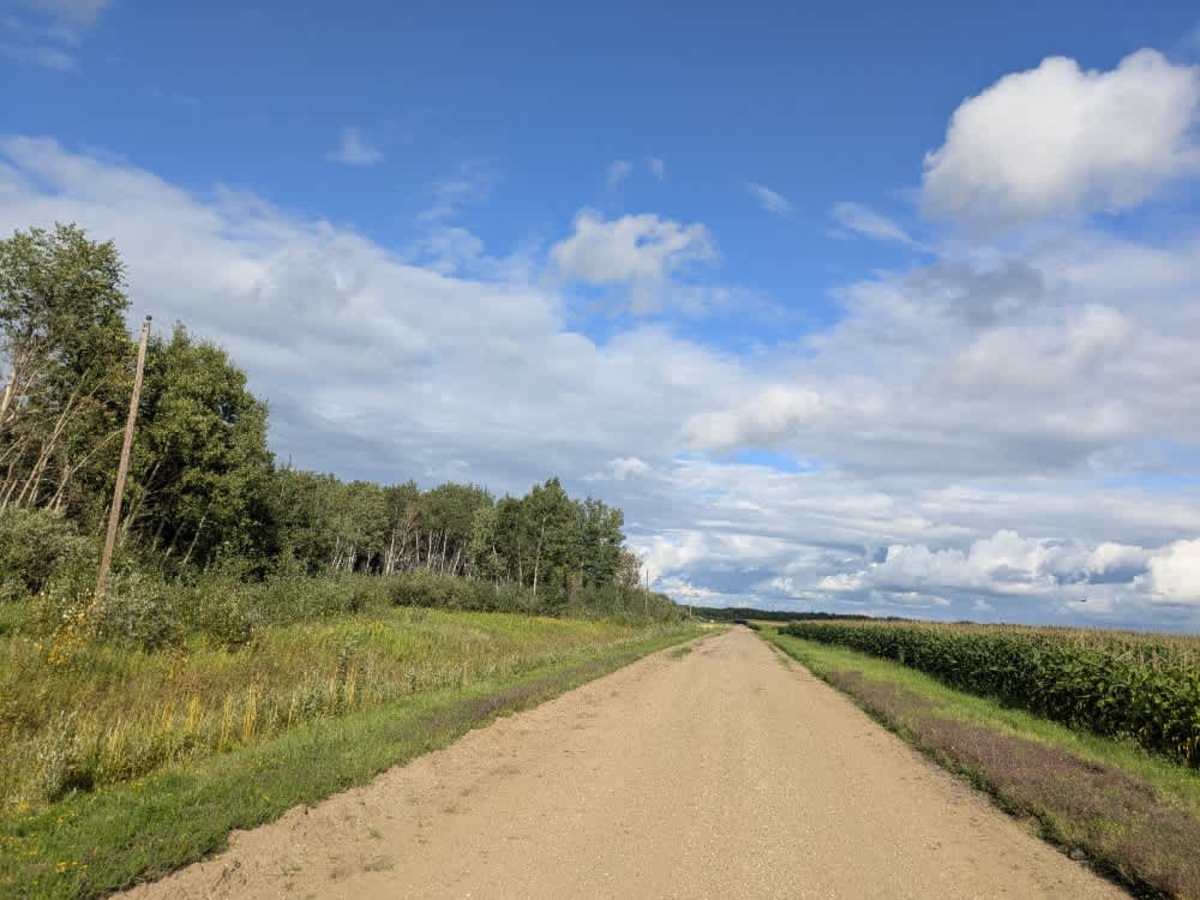
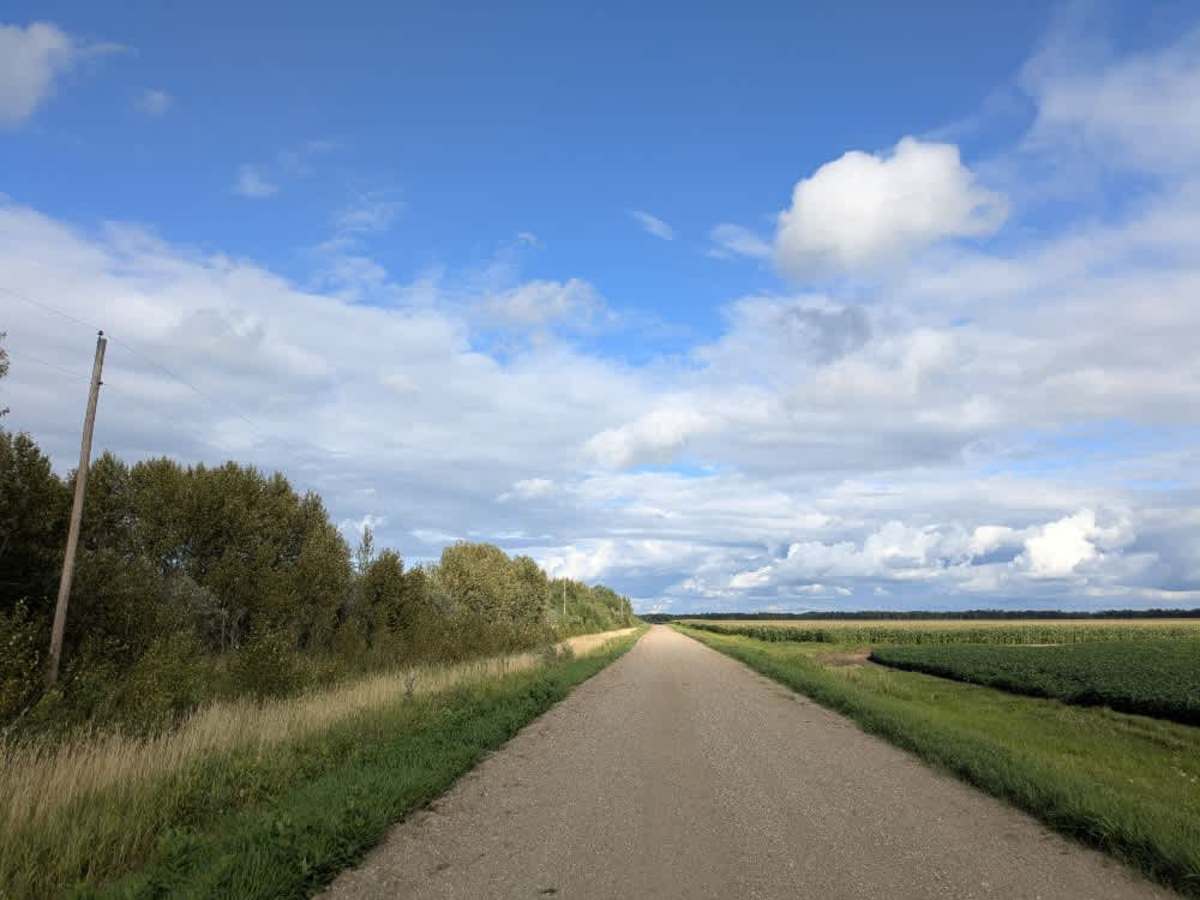
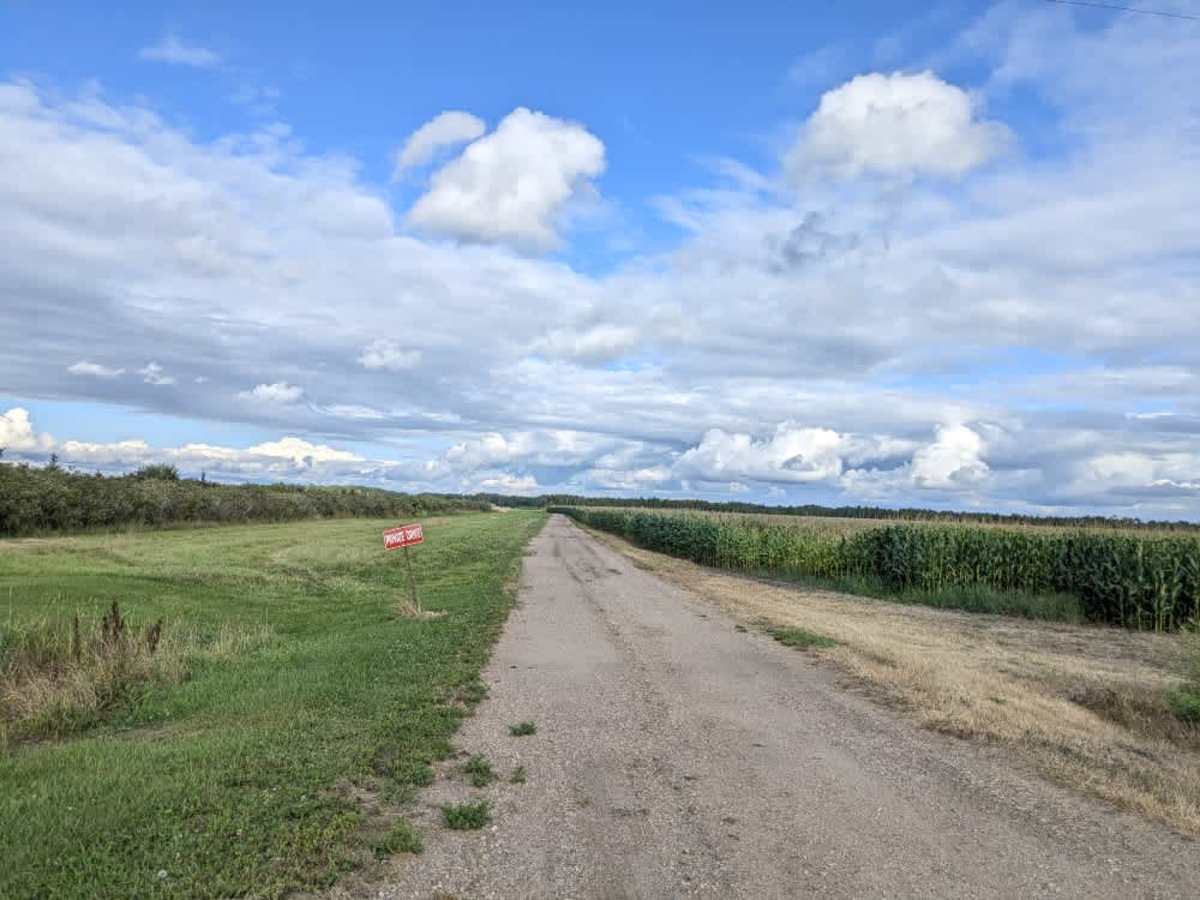
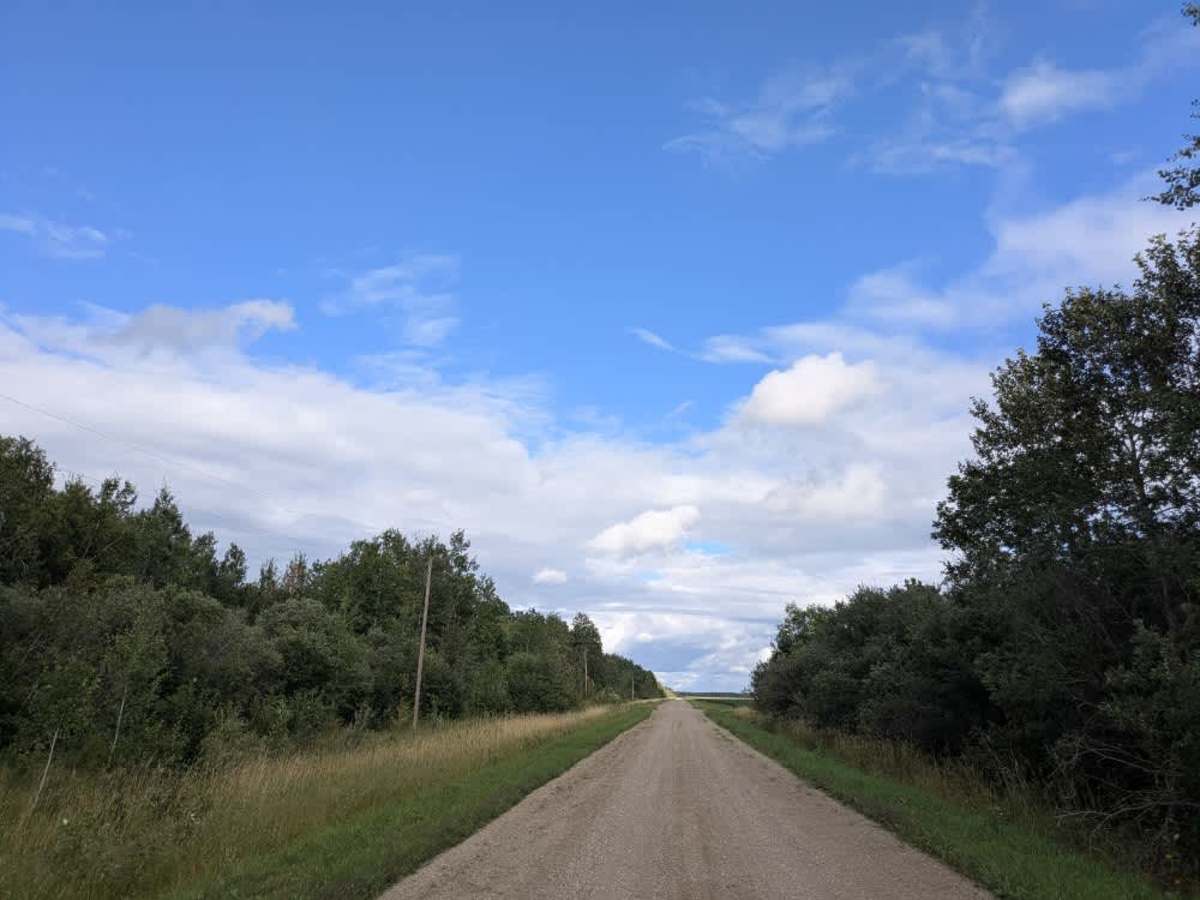
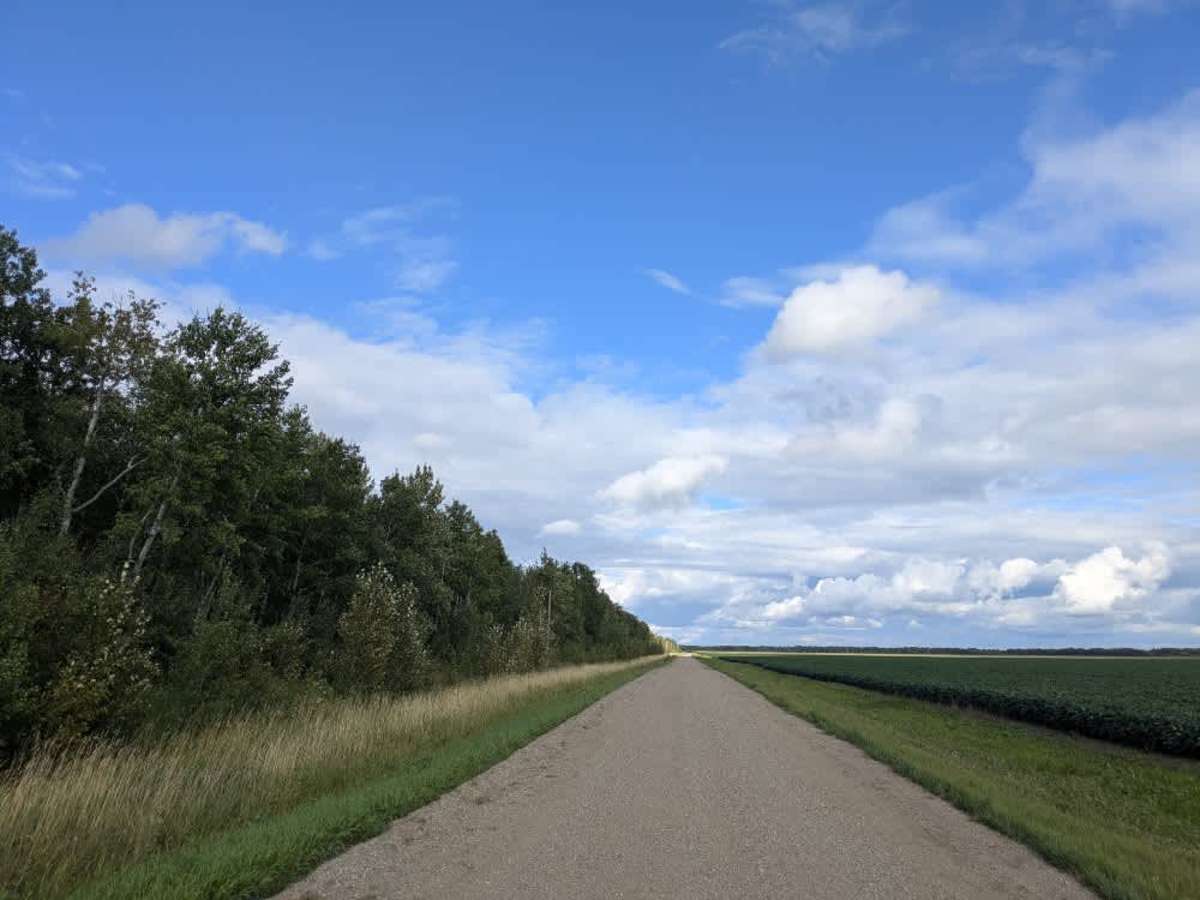
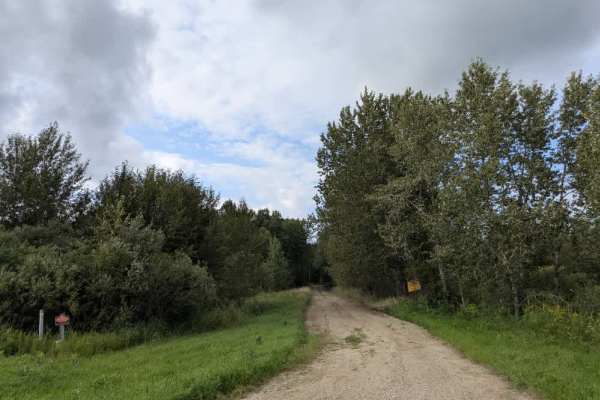
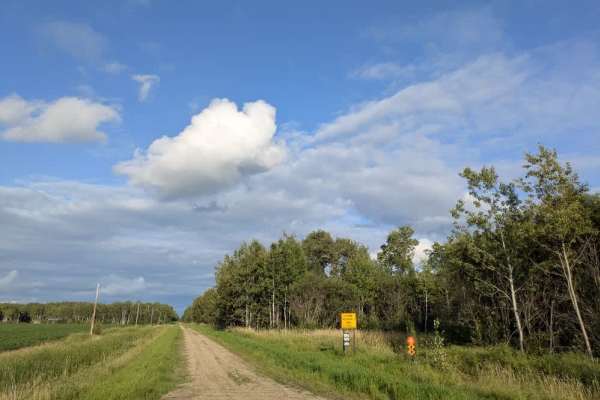
The surface is well-maintained gravel, with sections where the gravel is fine and others where it is thicker. The route passes between the Wapiti Wildlife Management Area on one side and farmland on the other, with fields of corn and soybeans lining parts of the drive. The scenery is a mix of agricultural and natural landscapes, offering open views alongside stretches of tree cover. Partway along the route, the Wapiti West Hunter Walking Trail branches off into the Wapiti WMA, providing non-motorized access for those exploring on foot. The trail itself does not provide any dispersed or formal campsites, and there are no amenities such as trash disposal or a water supply. Cell phone service may be limited in some areas, so visitors should prepare accordingly before setting out on this section.
Difficulty
This forest trail is well-maintained and used daily by residents and adventurers. The route is wide and clear of debris, with established tread and minimal overgrowth, making it ideal for a smooth and scenic drive.
History
The Wapiti WMA is part of the broader Beltrami Island State Forest, characterized by its diverse ecosystems, including forests, wetlands, and peat bogs. These habitats support a variety of wildlife species, including elk (also known as wapiti), which are native to the area. The presence of elk is significant, as they were historically abundant in Minnesota but were extirpated from the state in the late 1800s.

 Offroad