Trail Overview
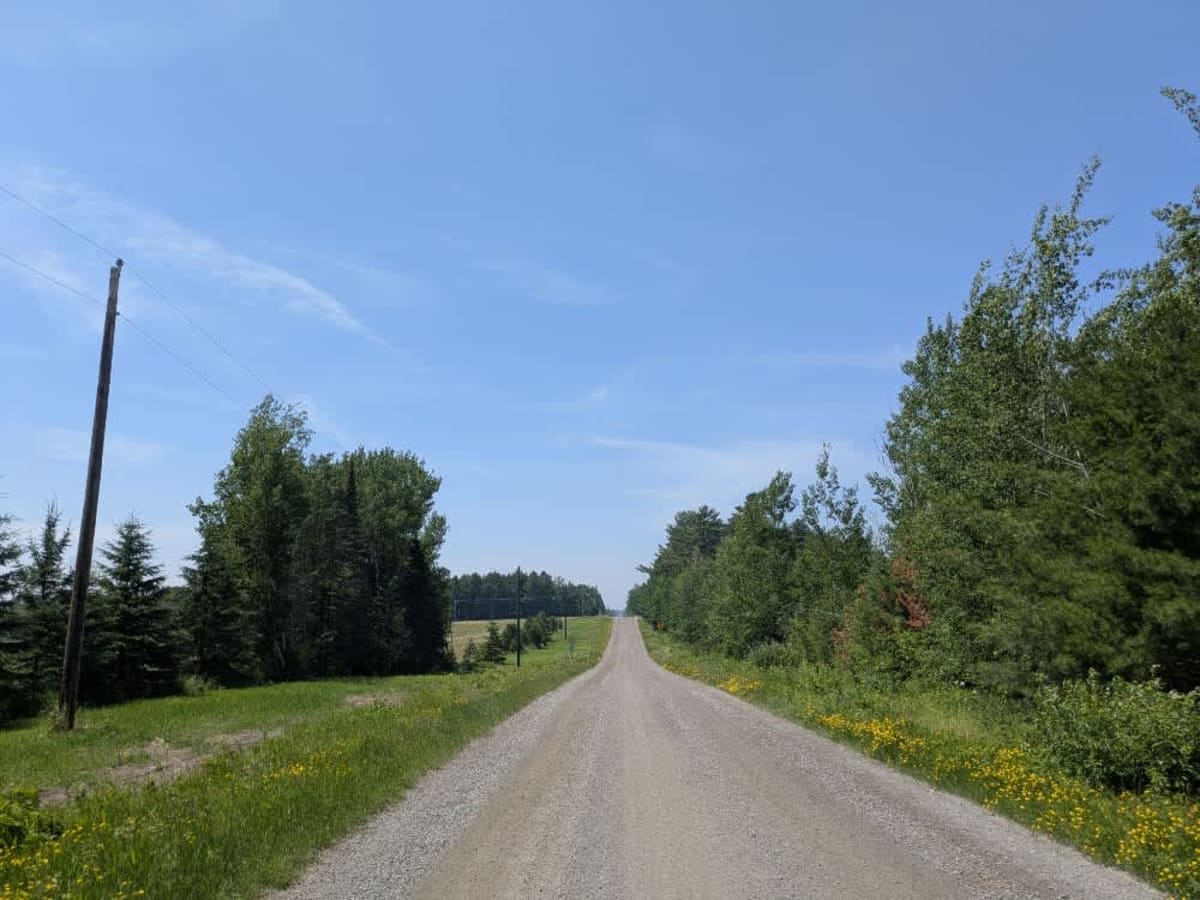
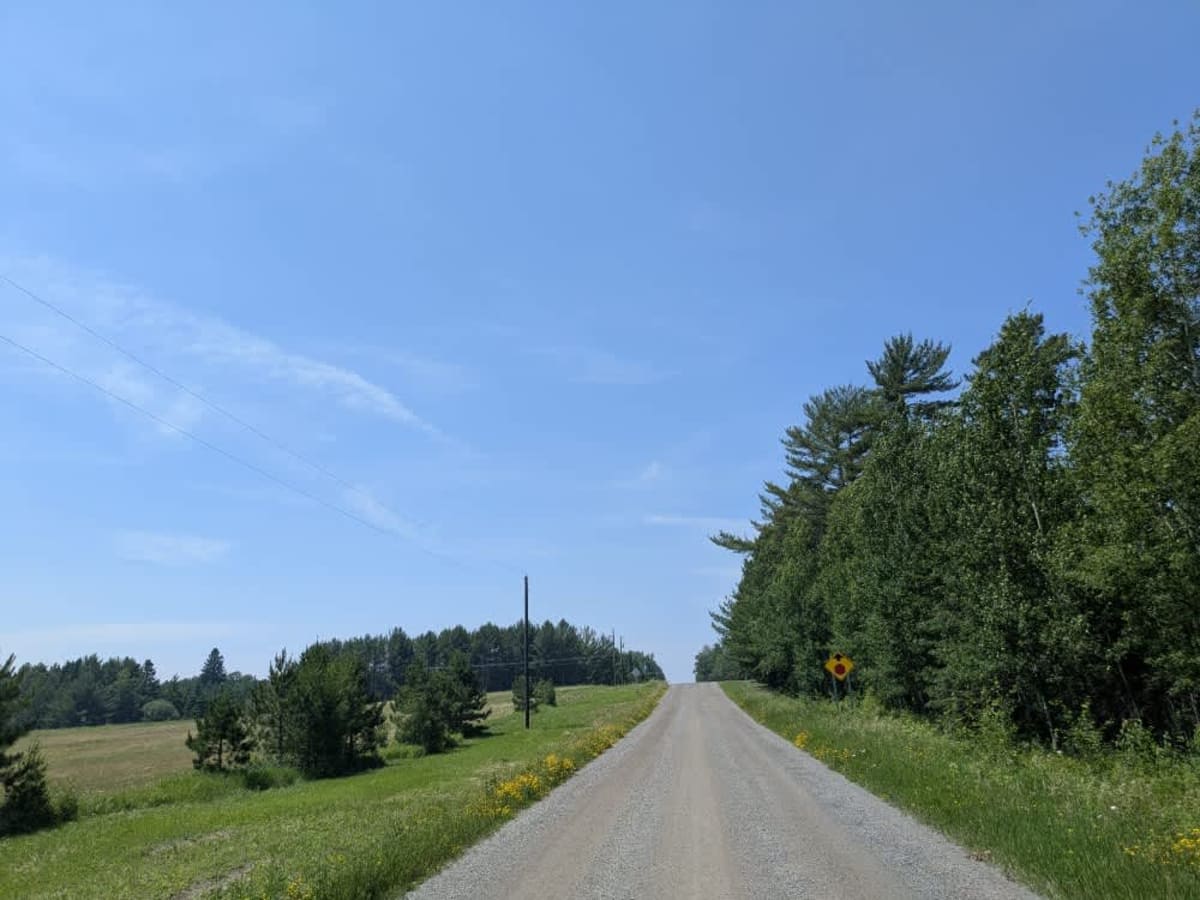
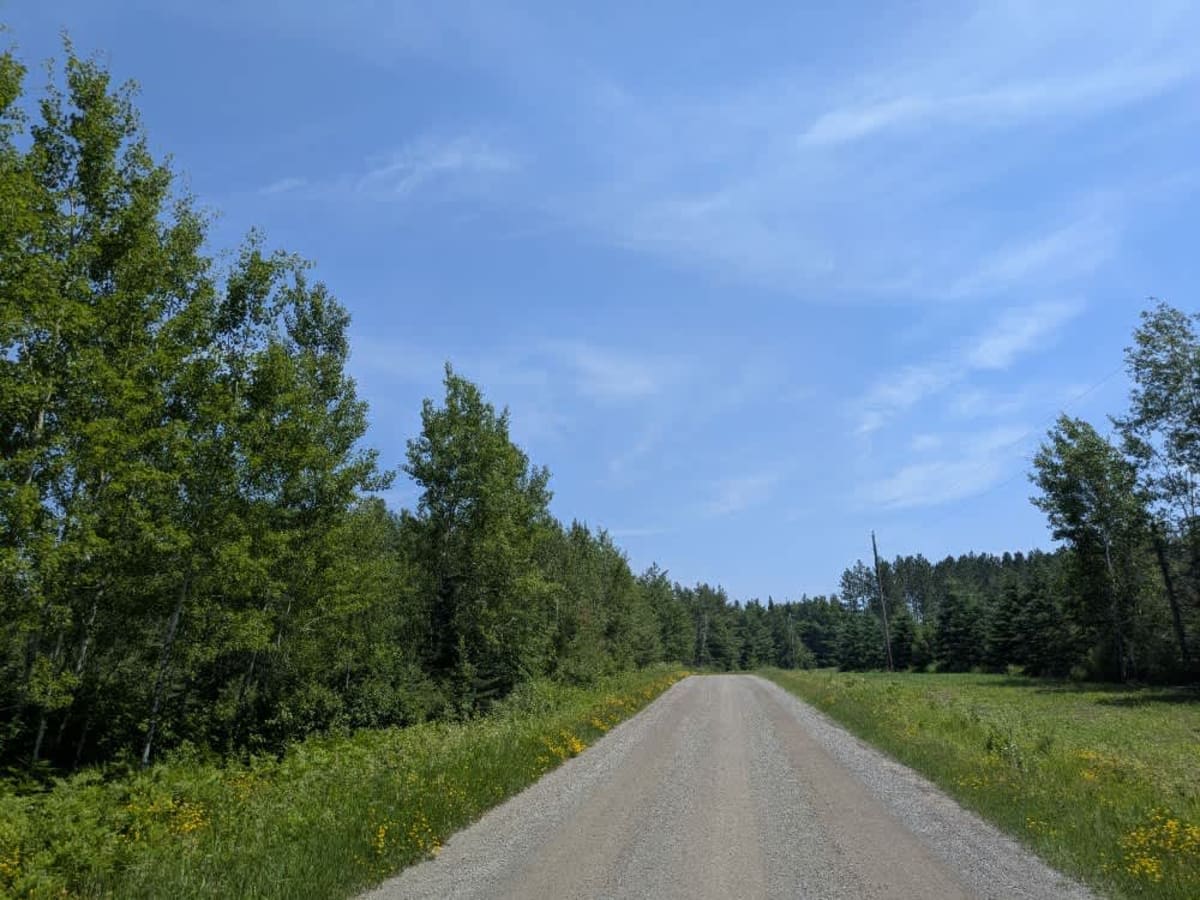
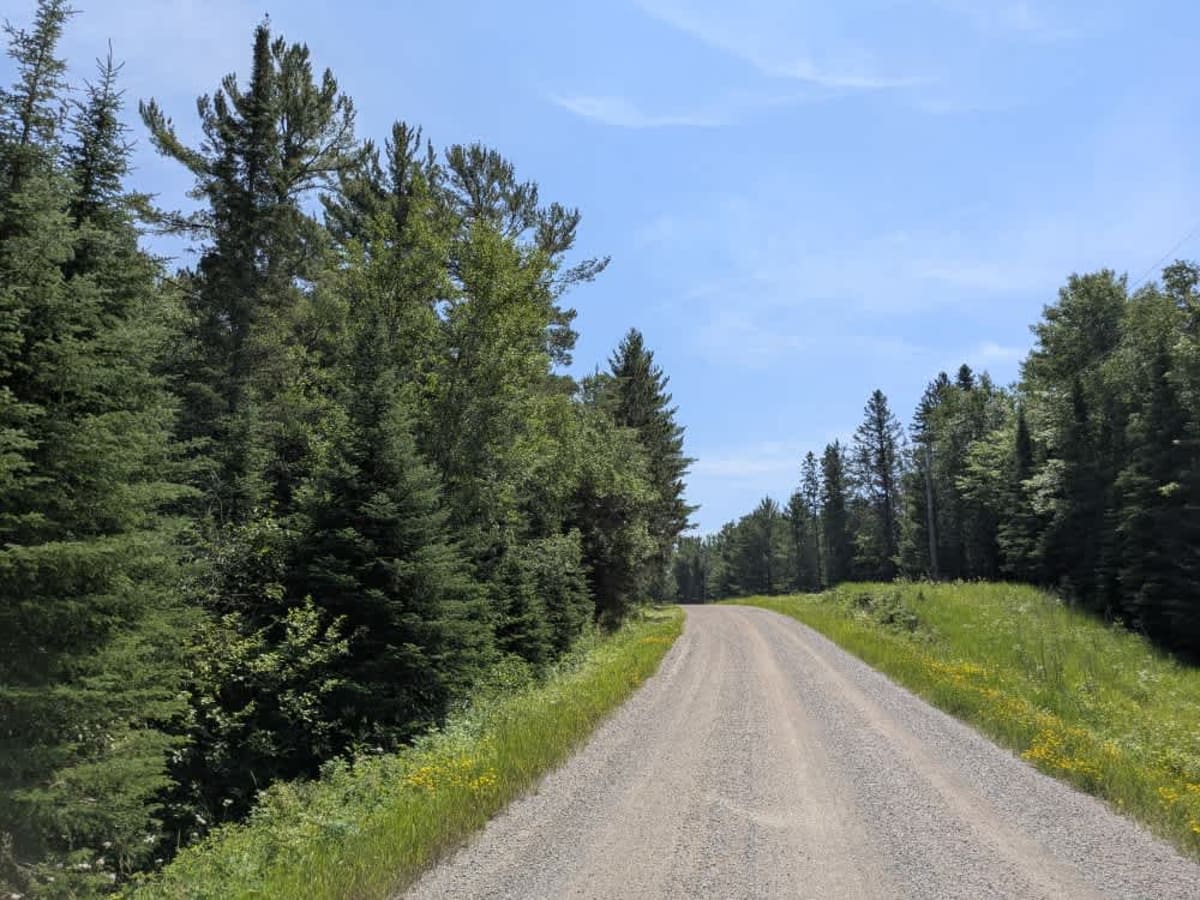
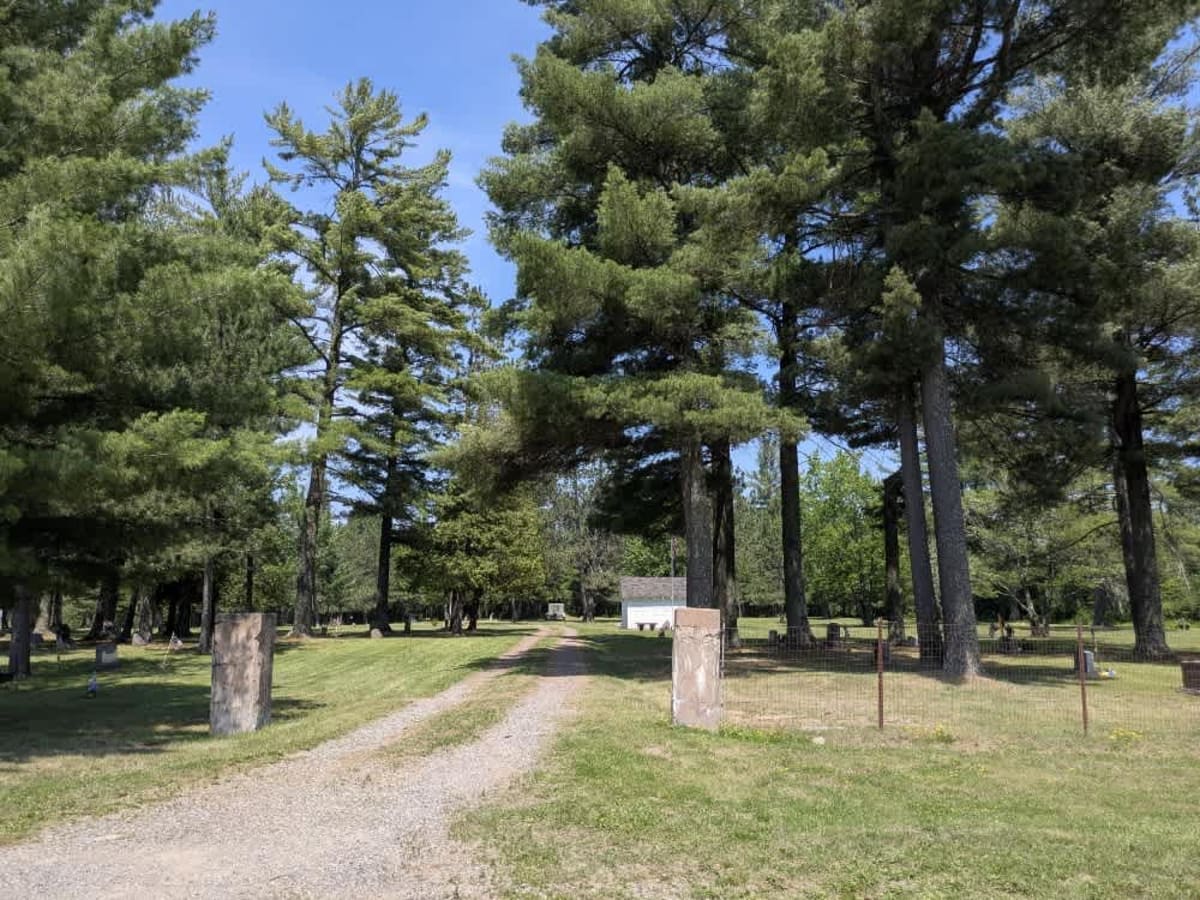
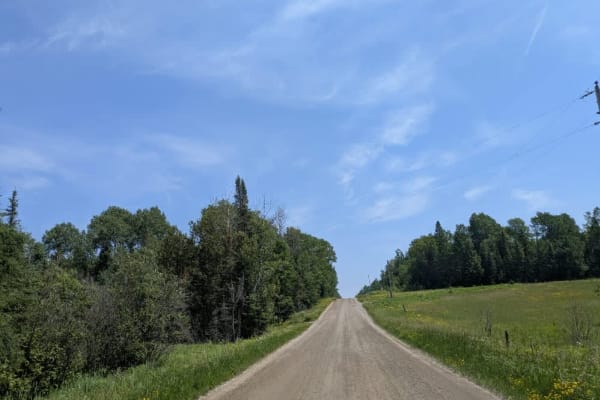
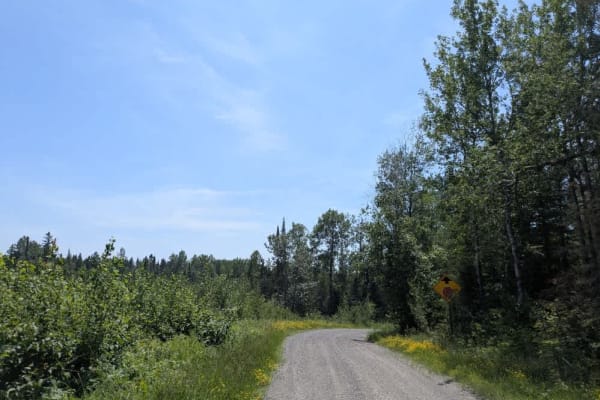
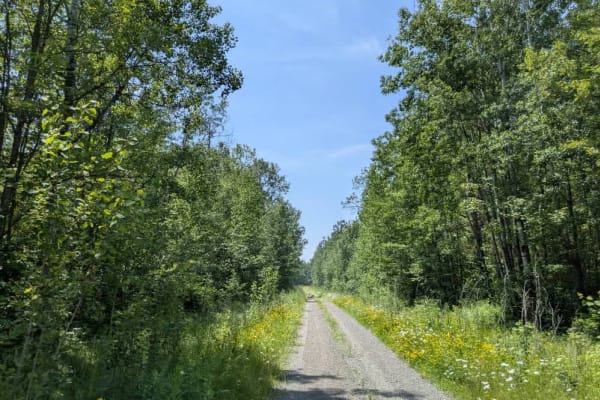
Lakeshore Drive is accessible via Long Lake Road and features a well-maintained gravel trail that winds through stretches of forest, interspersed with occasional small clearings. The route passes several residences, so it's important to drive carefully and be mindful of local traffic. As you approach the end of the trail, the road reaches a turnaround point, marking the end of public access. Here, you'll find a small boat launch and a gravel area suitable for turning around or parking. Two trails branch off from the main route, but both lead to private property and are not accessible to the public. Near the junction of Lakeshore Drive and the paved Vermilion Trail #4, there is a small, historically relevant cemetery visible from the road. There are no formal or informal campsites along Lakeshore Drive, and no services are available. Campers should plan accordingly, as there are no trash disposal facilities, potable water, or restrooms, and cell reception may be weak or unavailable in certain areas.
History
Superior National Forest was established in 1909 by President Theodore Roosevelt to protect the region's watersheds and natural resources after years of heavy logging and mining. The area has long been home to the Ojibwe people, who continue to maintain cultural ties to the land. In 1978, the Boundary Waters Canoe Area Wilderness within the forest was given added protection, making it one of the most visited wilderness areas in the U.S. today.



 Offroad