Trail Overview
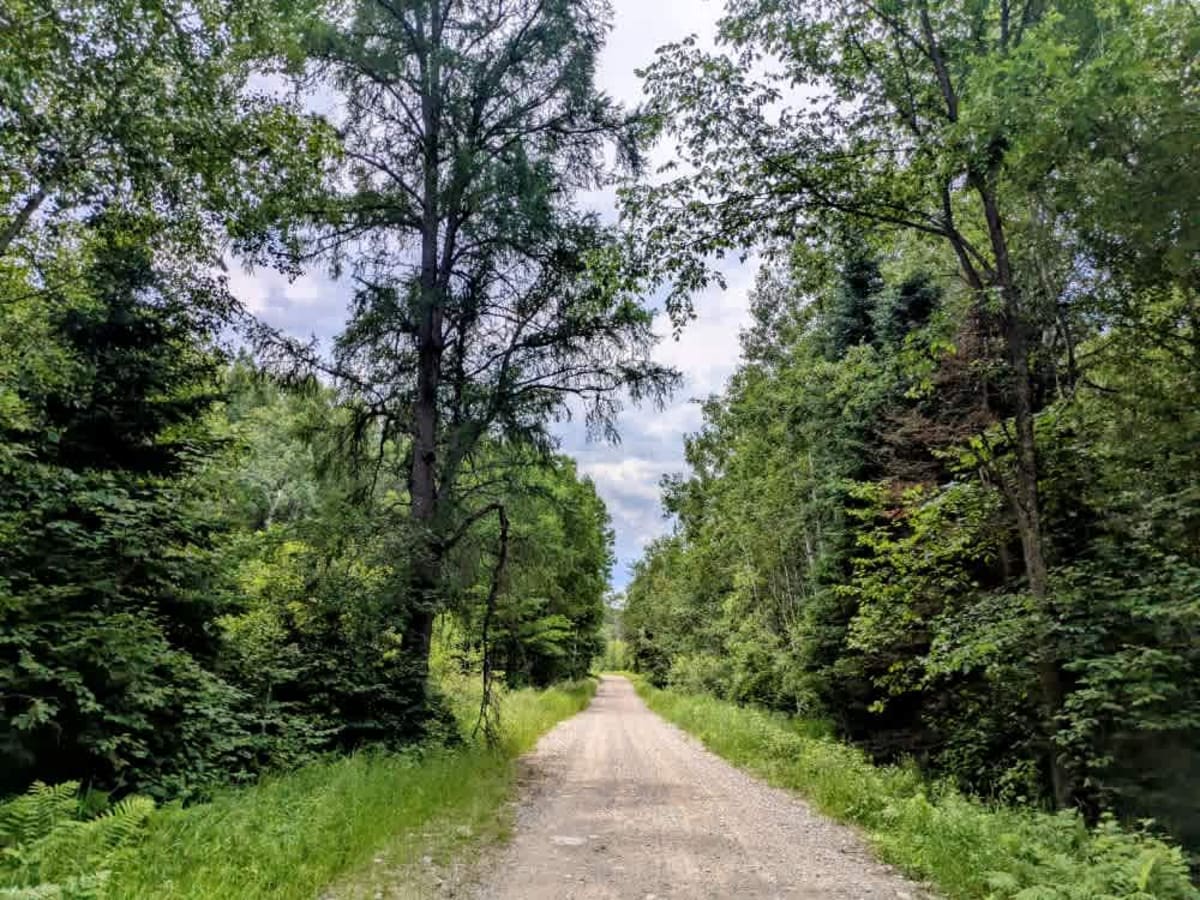
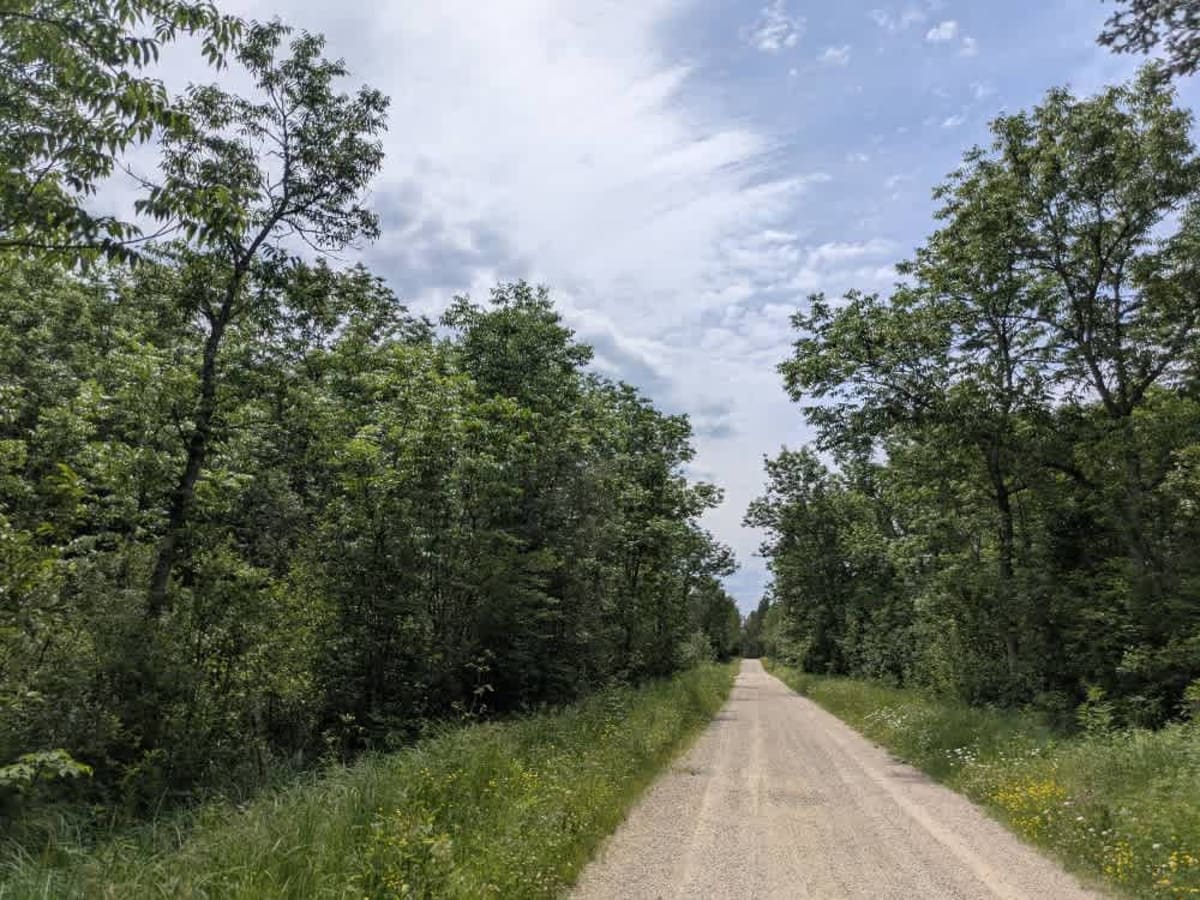
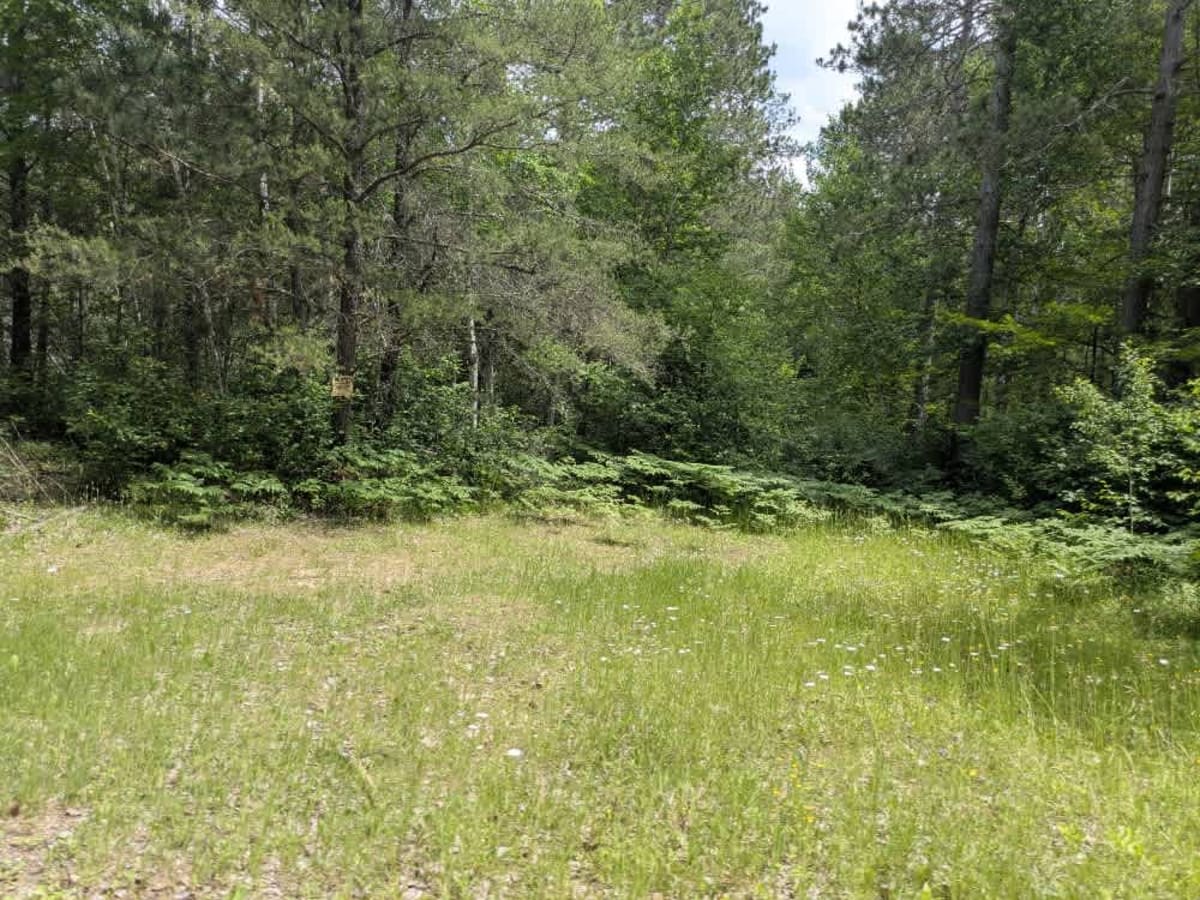
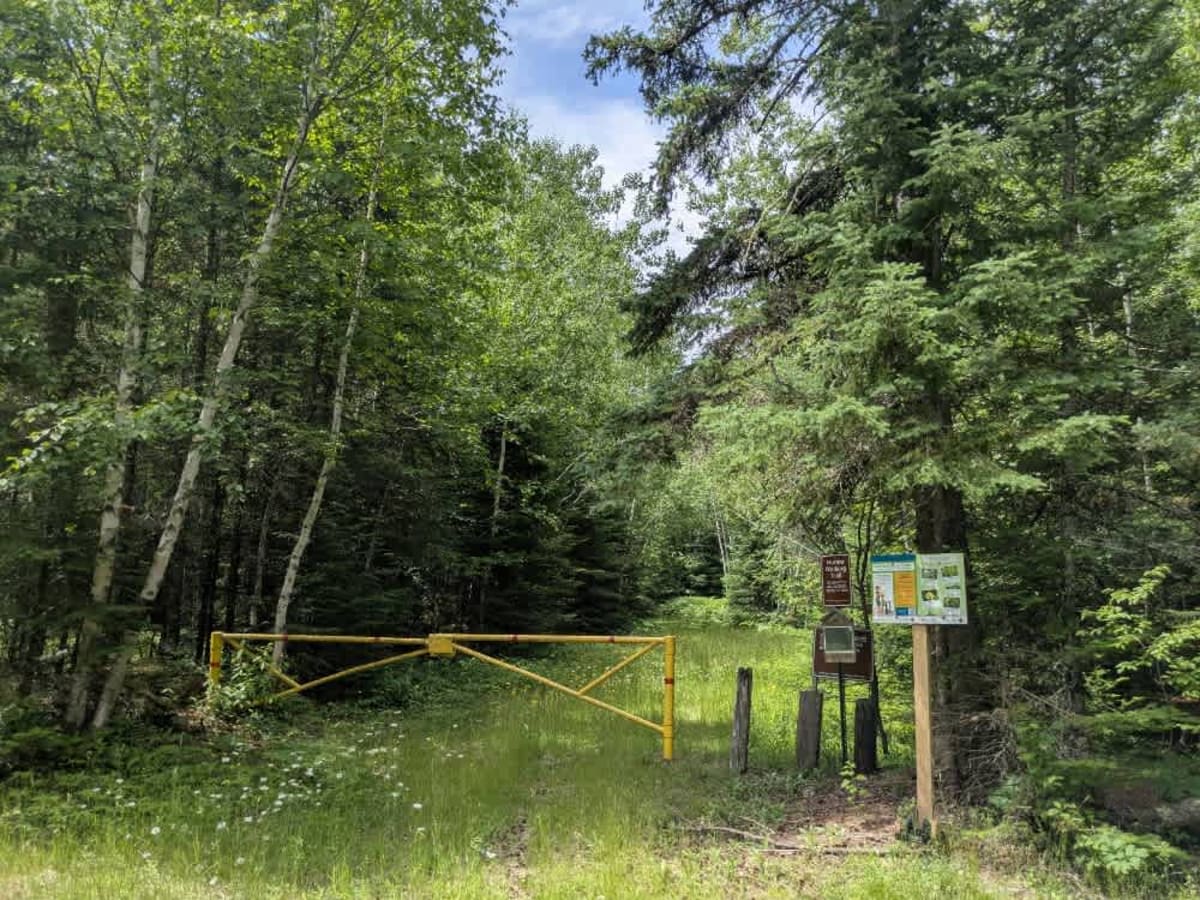
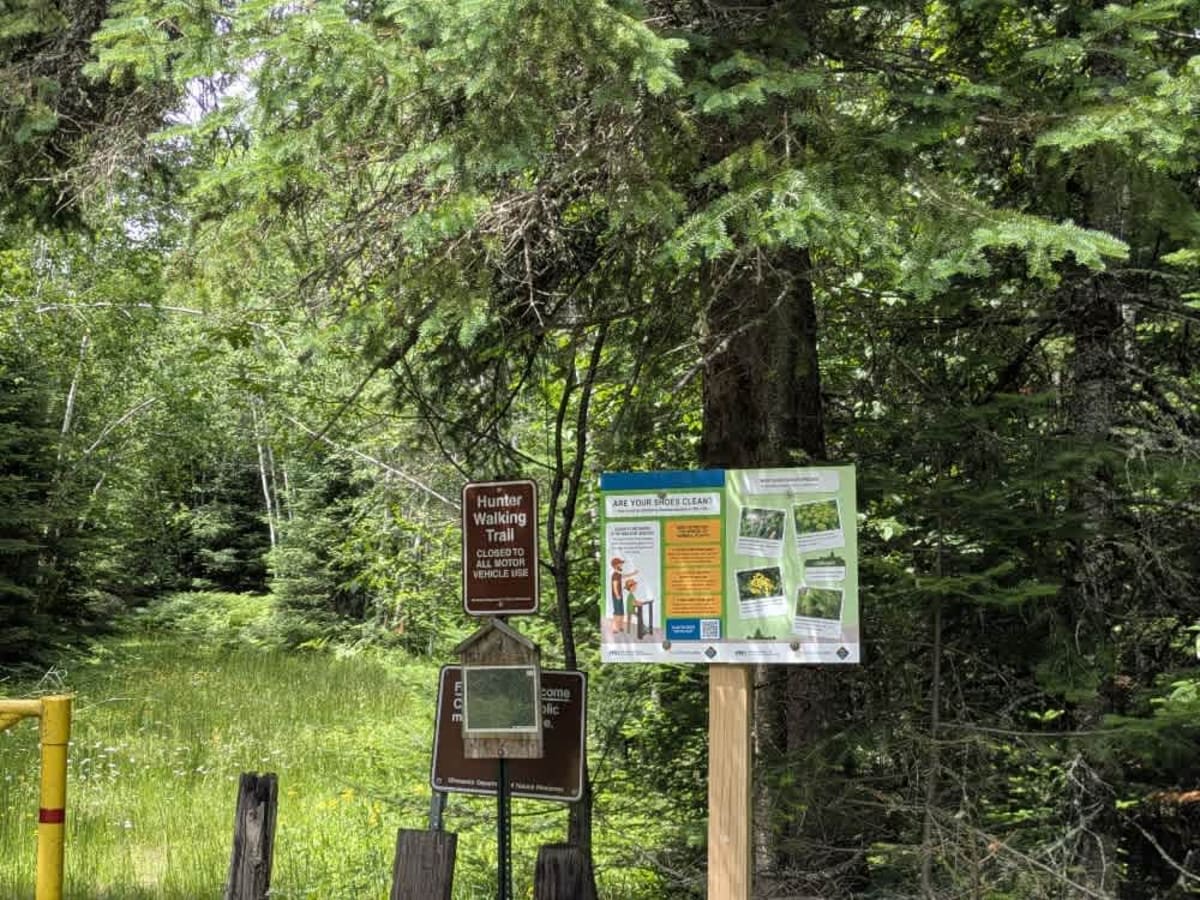
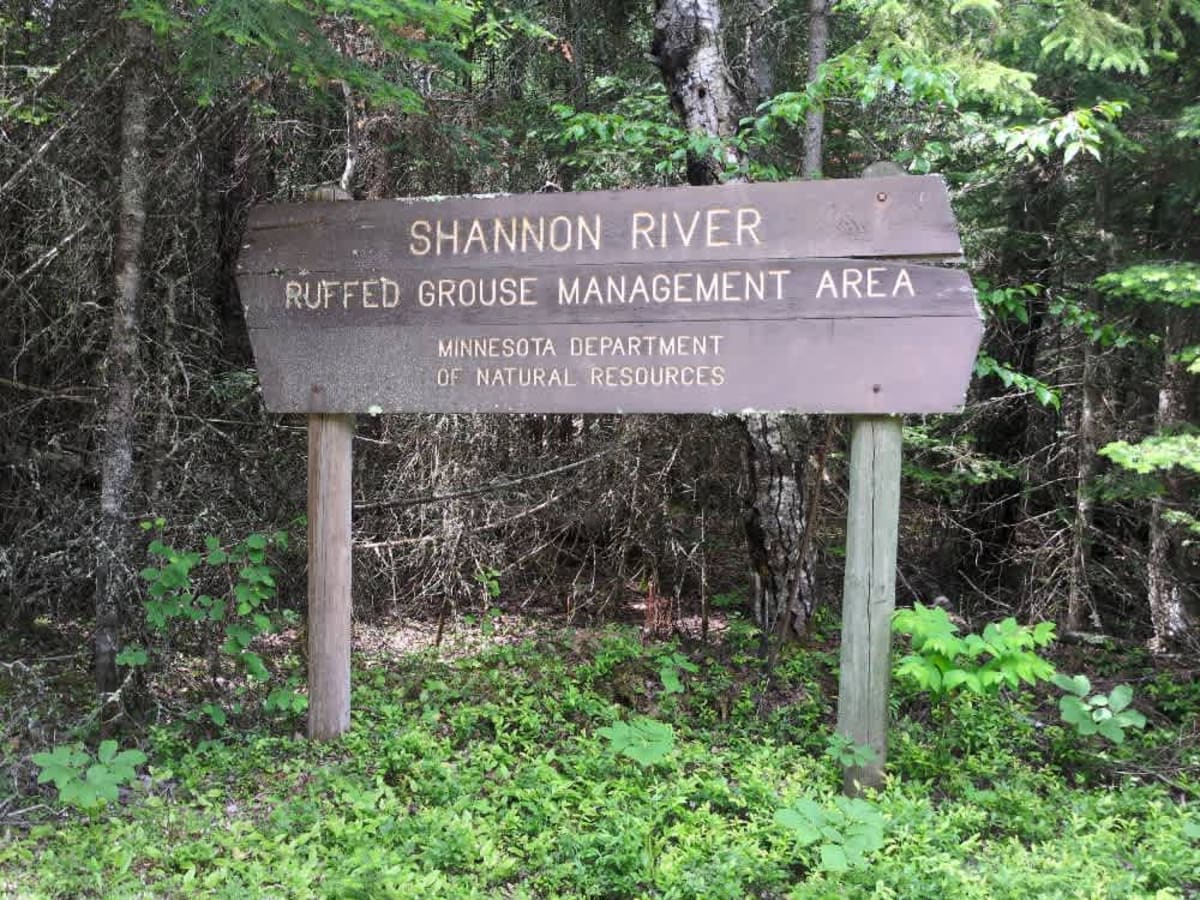
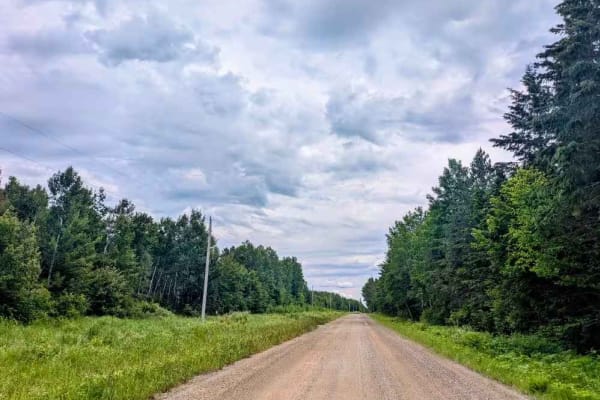
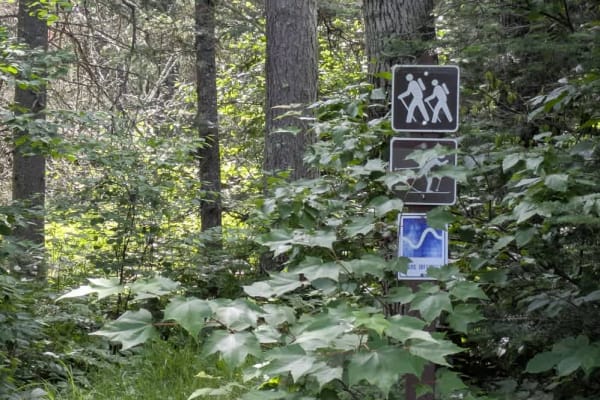
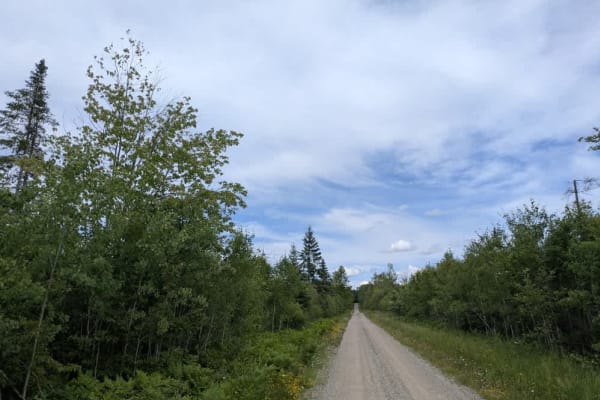
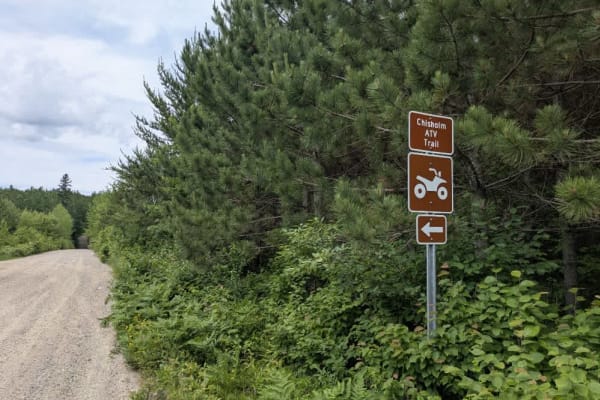
This trail is narrower and rougher than many of the better-maintained graded routes in the area. It winds through dense forest, with a surface of loosely packed and poorly maintained gravel that shows clear signs of erosion and neglect. Expect a fair number of potholes, ruts, and washouts, especially after heavy rainfall. The trail includes several gentle ascents and descents and crosses a river via a concrete bridge. While it is a scenic route with a remote feel, it passes two private residences and ends near Shannon Lake. Several smaller tracks branch off from the main trail, including the Shannon Lake Hiking Trail, which is marked but can be easily missed if you're moving quickly. The surface may become slick and muddy after rain, making traction difficult in certain areas. There are no formal or dispersed campsites along this trail, and amenities such as water, trash disposal, and reliable cell service are not available.
History
Superior National Forest was established in 1909 by President Theodore Roosevelt to protect the region's watersheds and natural resources after years of heavy logging and mining. The area has long been home to the Ojibwe people, who continue to maintain cultural ties to the land. In 1978, the Boundary Waters Canoe Area Wilderness within the forest was given added protection, making it one of the most visited wilderness areas in the U.S. today.