Trail Overview
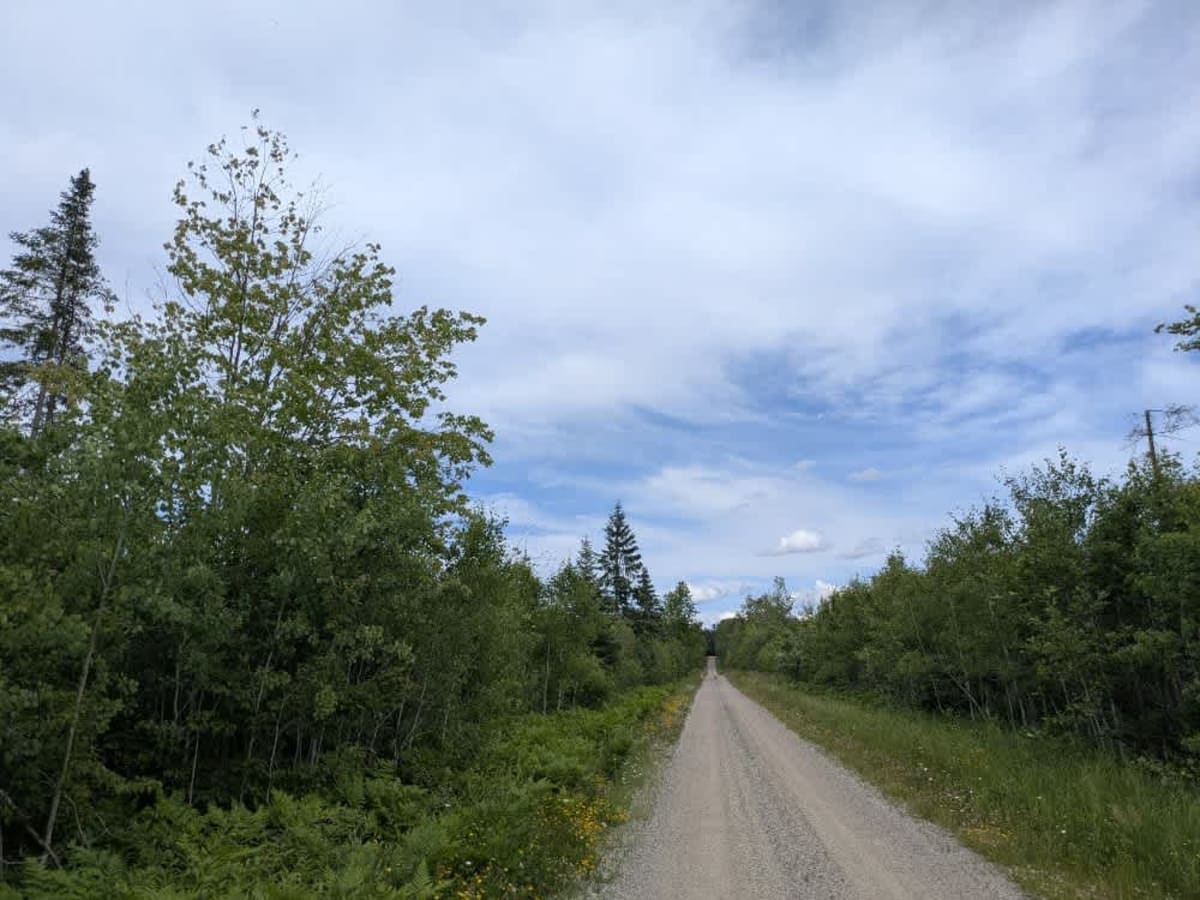
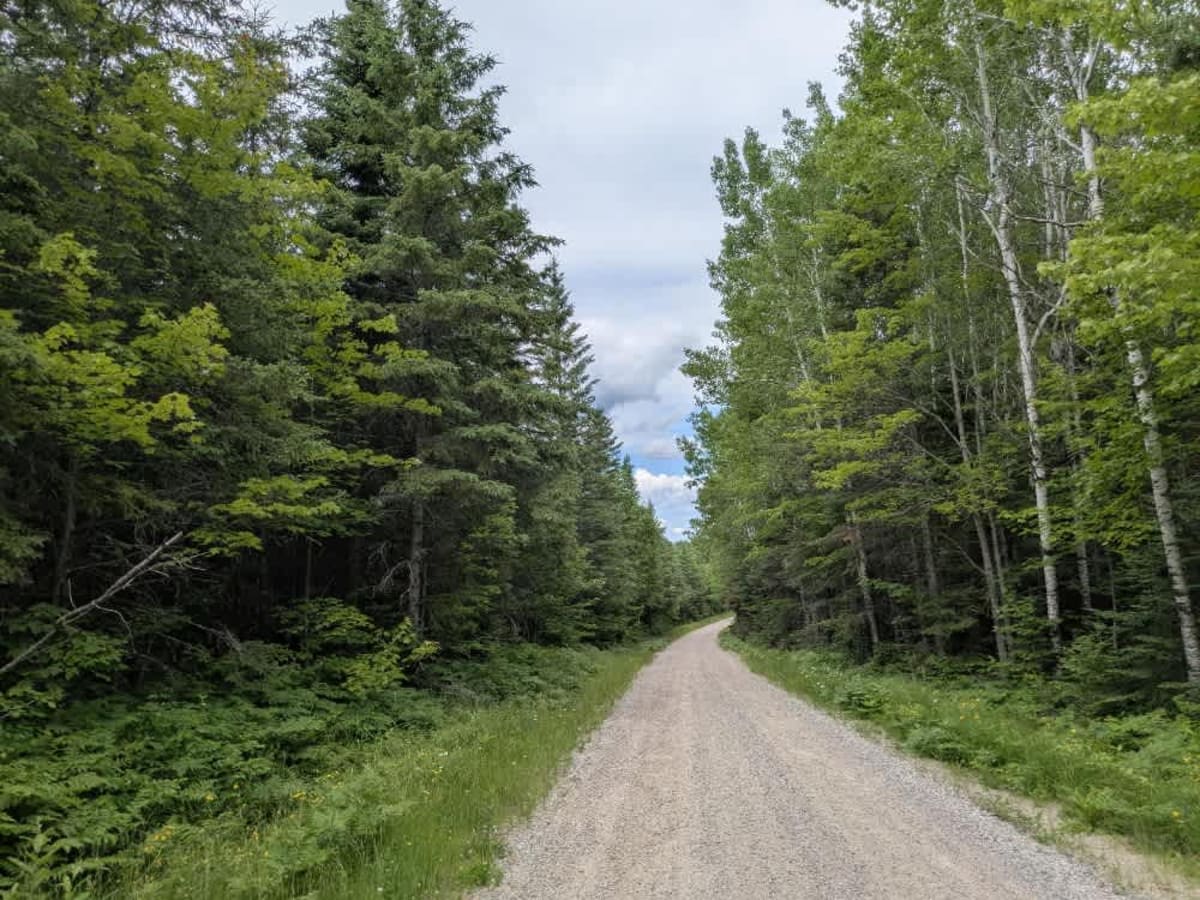
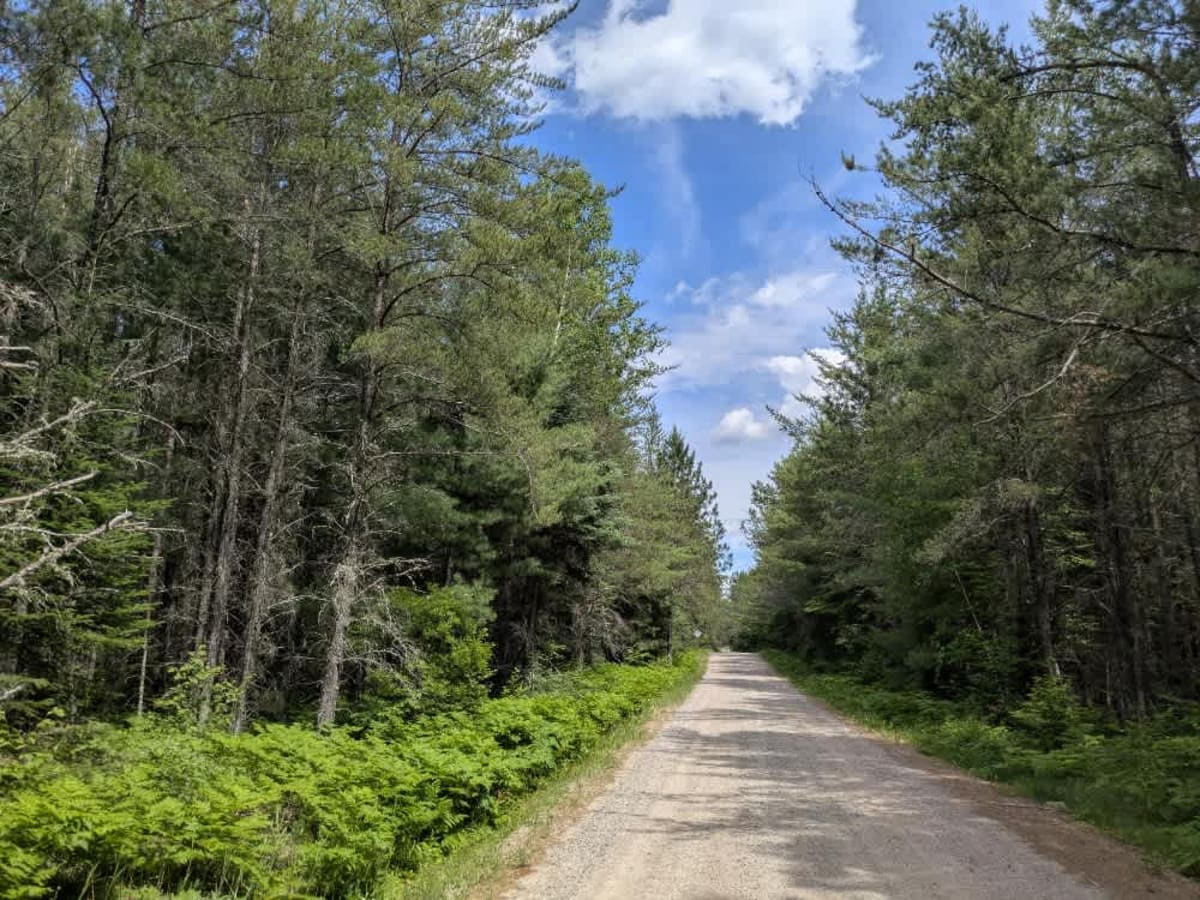
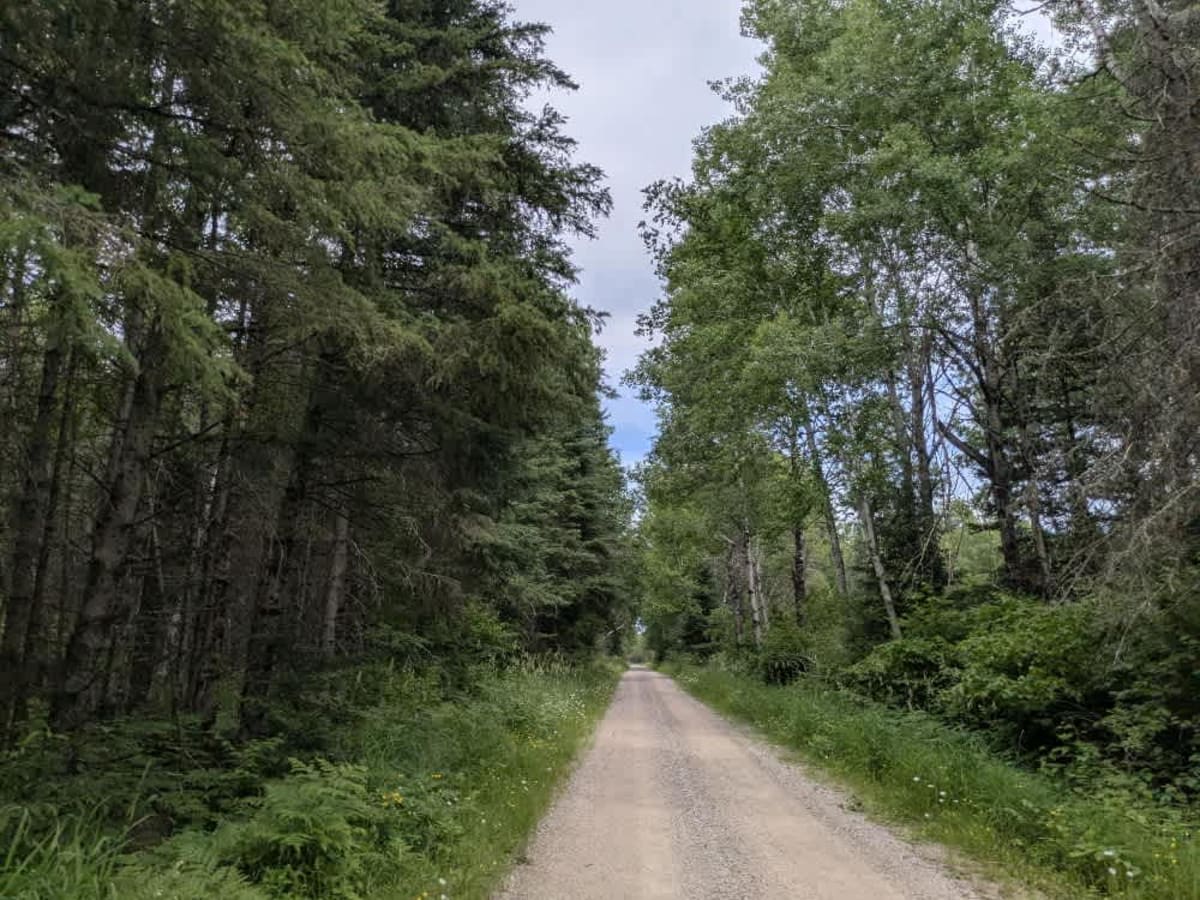
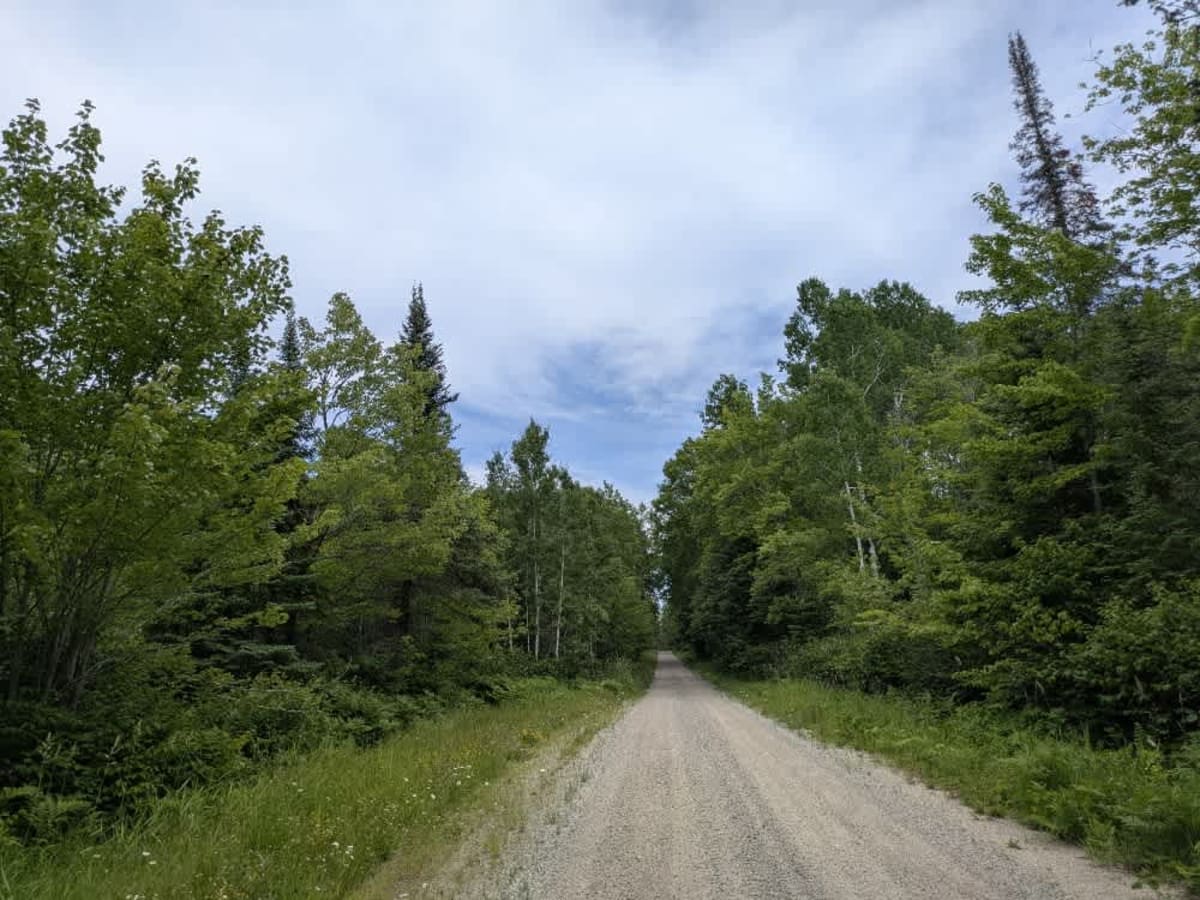
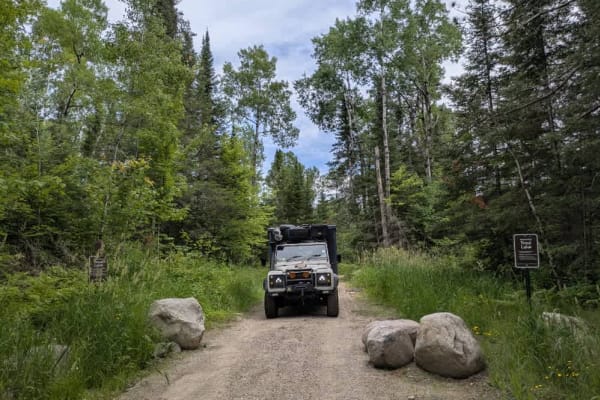
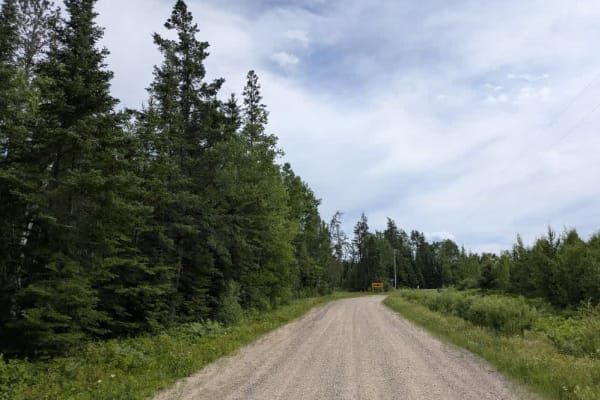
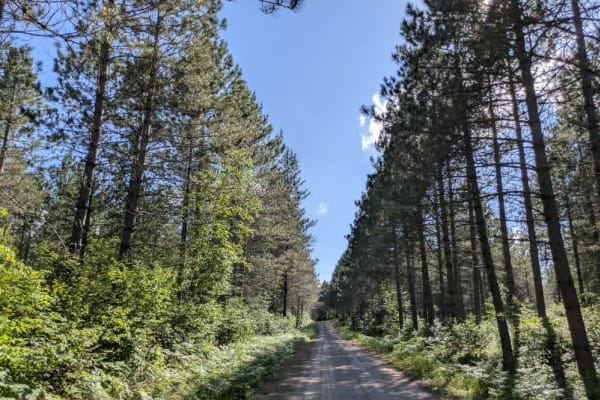
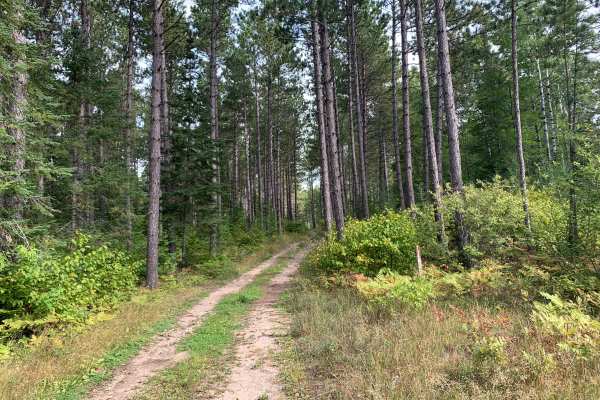
This trail is relatively narrow but generally well-maintained, with a gravel surface that winds through a densely forested area. After rainfall, some sections can become muddy, particularly in low spots, so caution is advised during wet conditions. Several smaller trails branch off from the main route, including a few that provide access to the nearby lake. These side tracks are better suited for side-by-sides and ATVs, which appear to be commonly used in the area. At one end of the trail, a large quarry may offer a potential spot for dispersed camping. However, visitors should check with the local park ranger office to confirm whether camping is permitted there. The trail does not feature any formal campsites and lacks basic amenities such as trash disposal and potable water. Cell reception may be weak or unavailable in certain stretches, so plan accordingly if relying on mobile navigation or communication.
History
Superior National Forest was established in 1909 by President Theodore Roosevelt to protect the region's watersheds and natural resources after years of heavy logging and mining. The area has long been home to the Ojibwe people, who continue to maintain cultural ties to the land. In 1978, the Boundary Waters Canoe Area Wilderness within the forest was given added protection, making it one of the most visited wilderness areas in the U.S. today.

 Offroad