Trail Overview
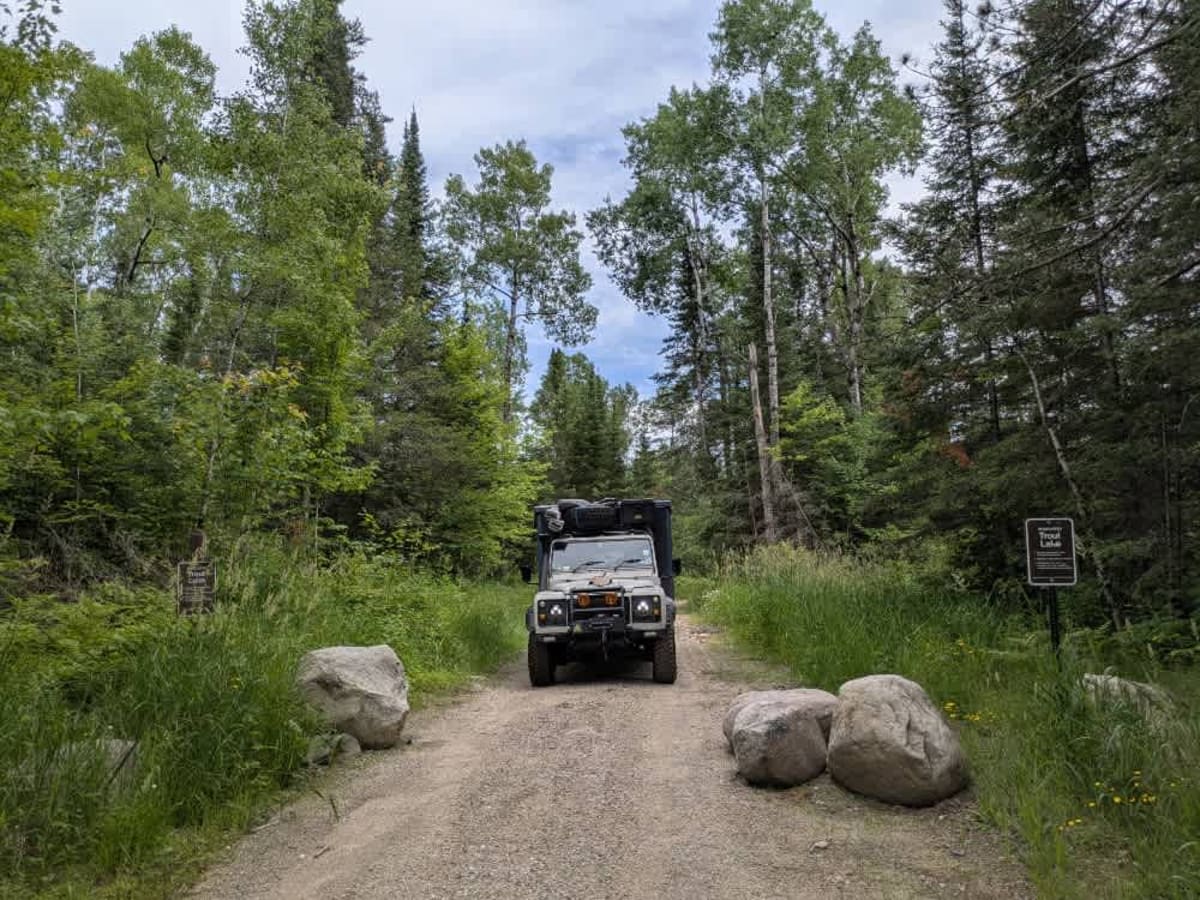
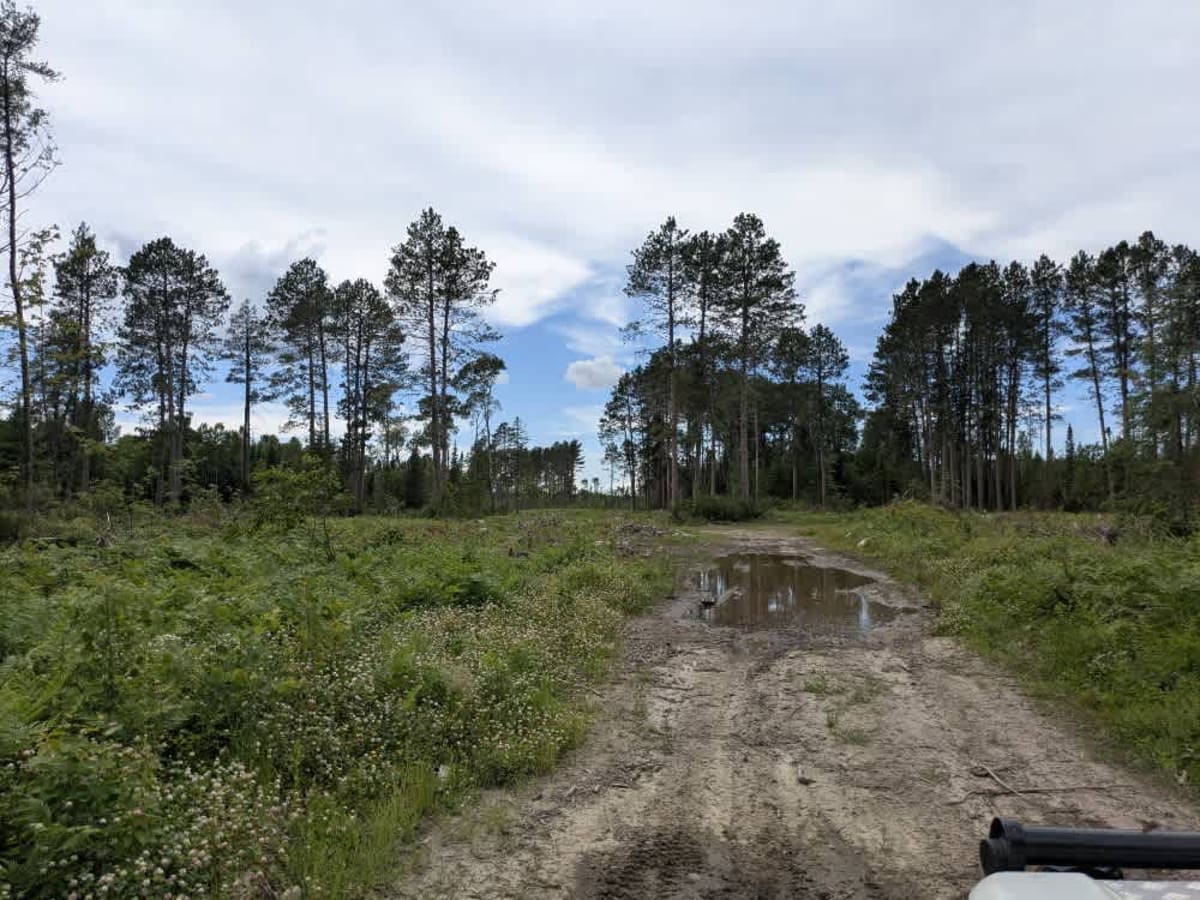
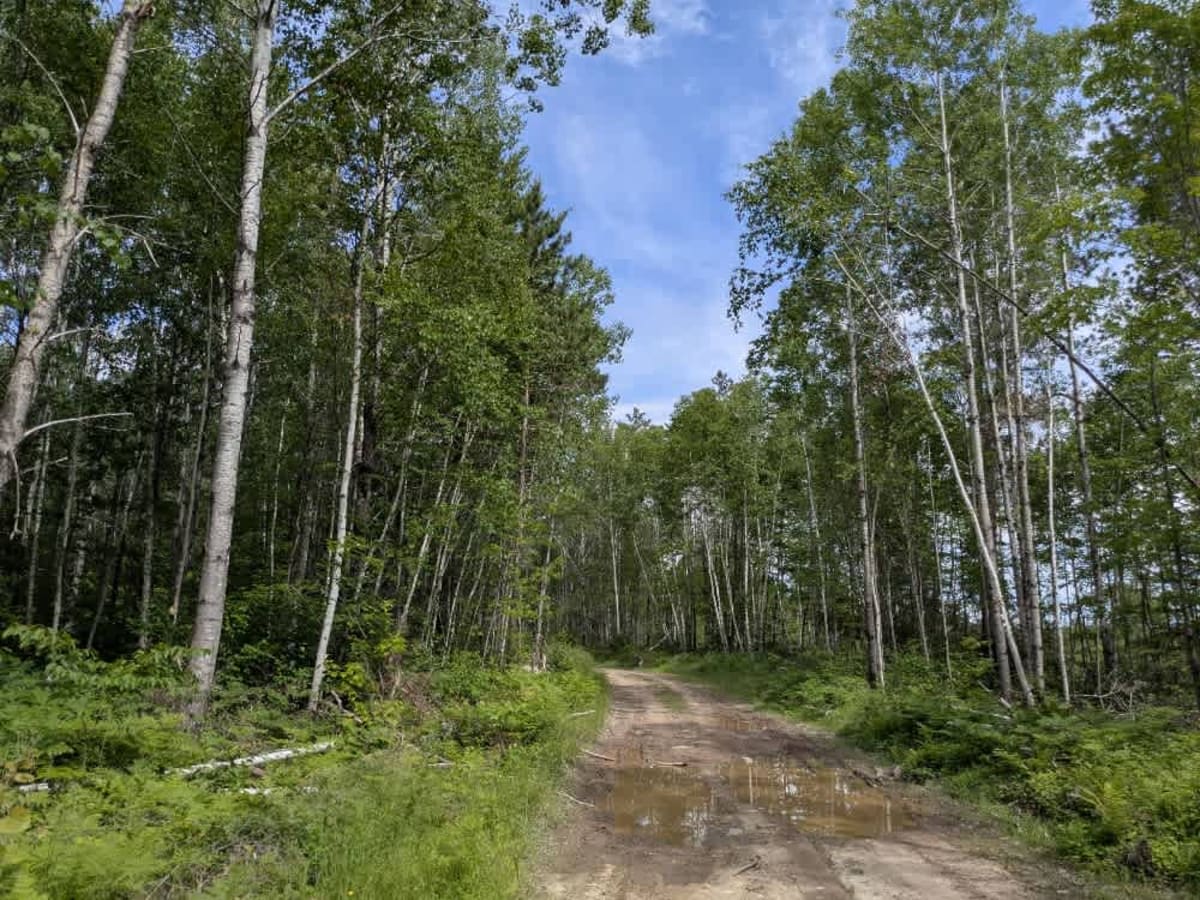
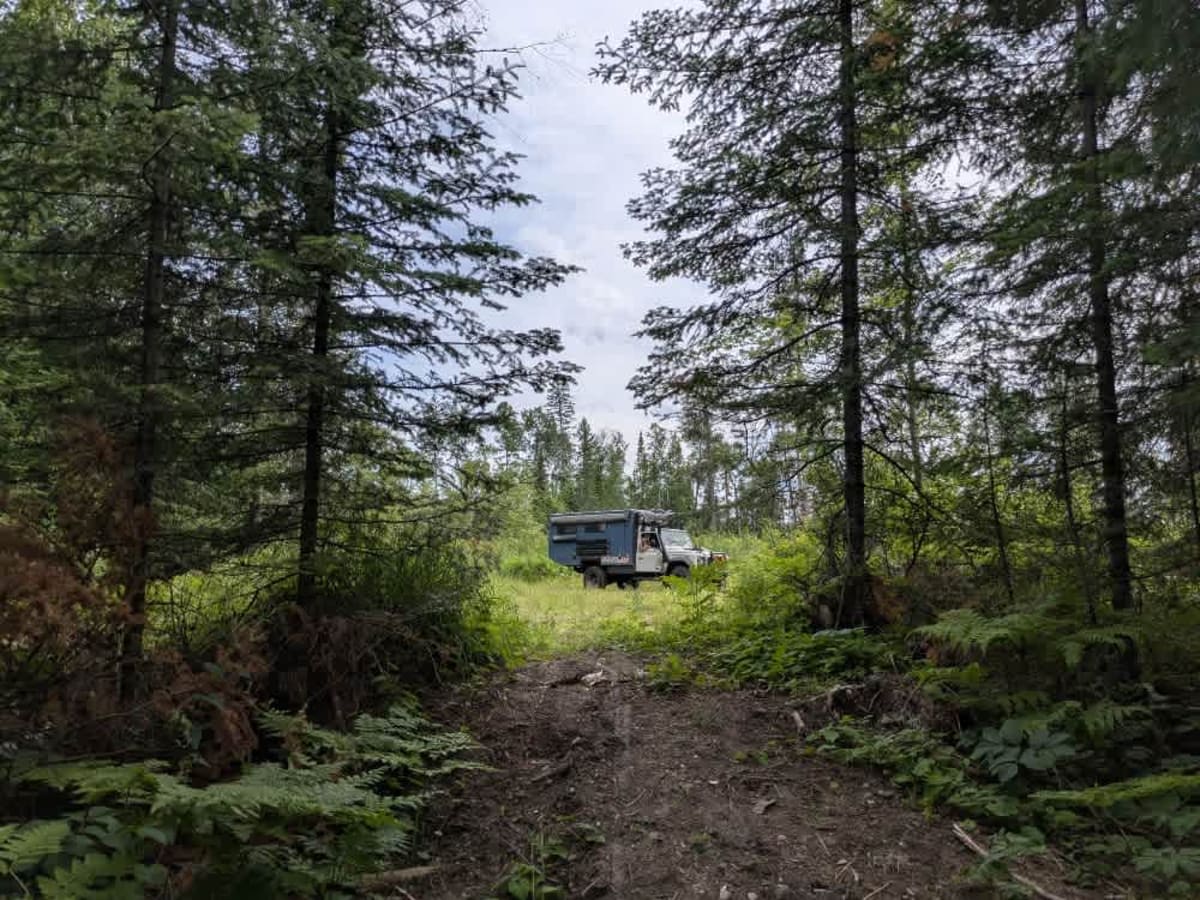
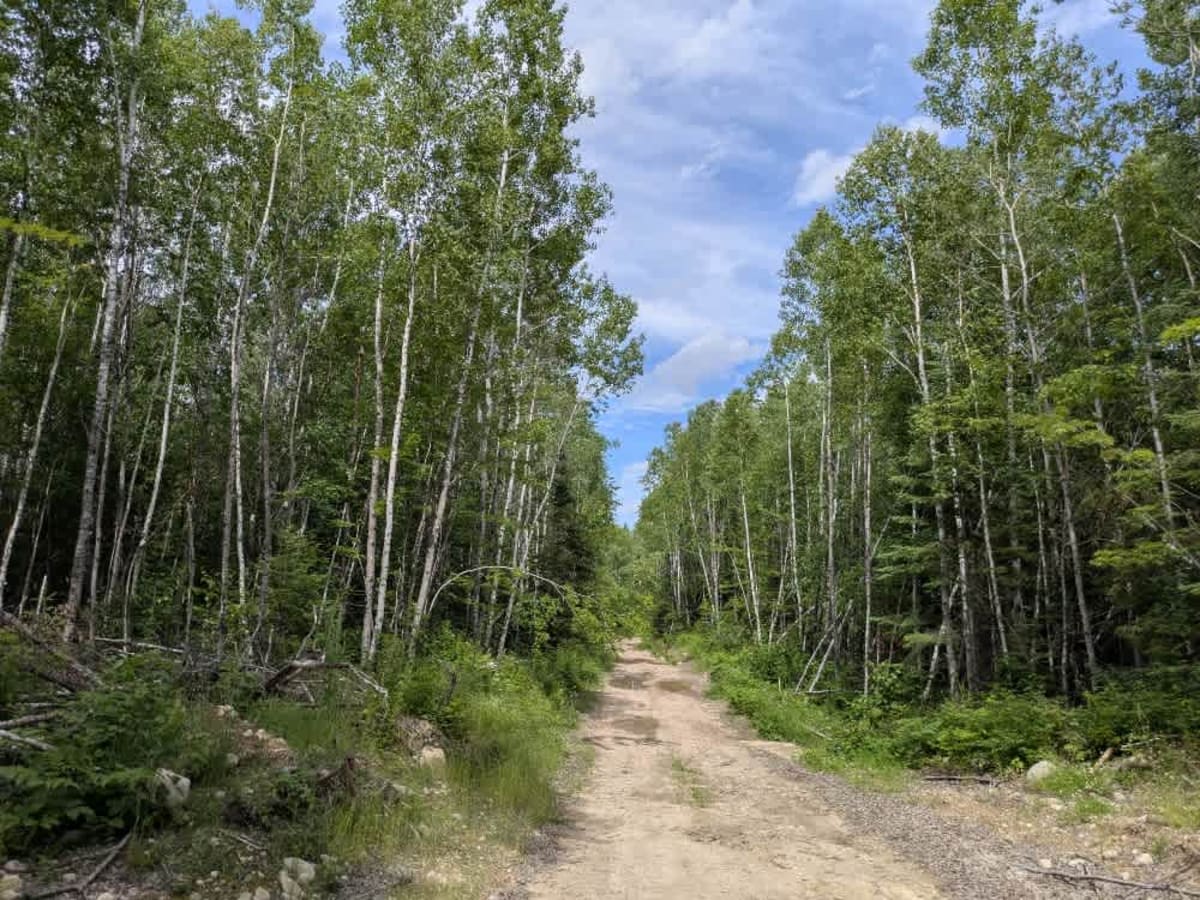
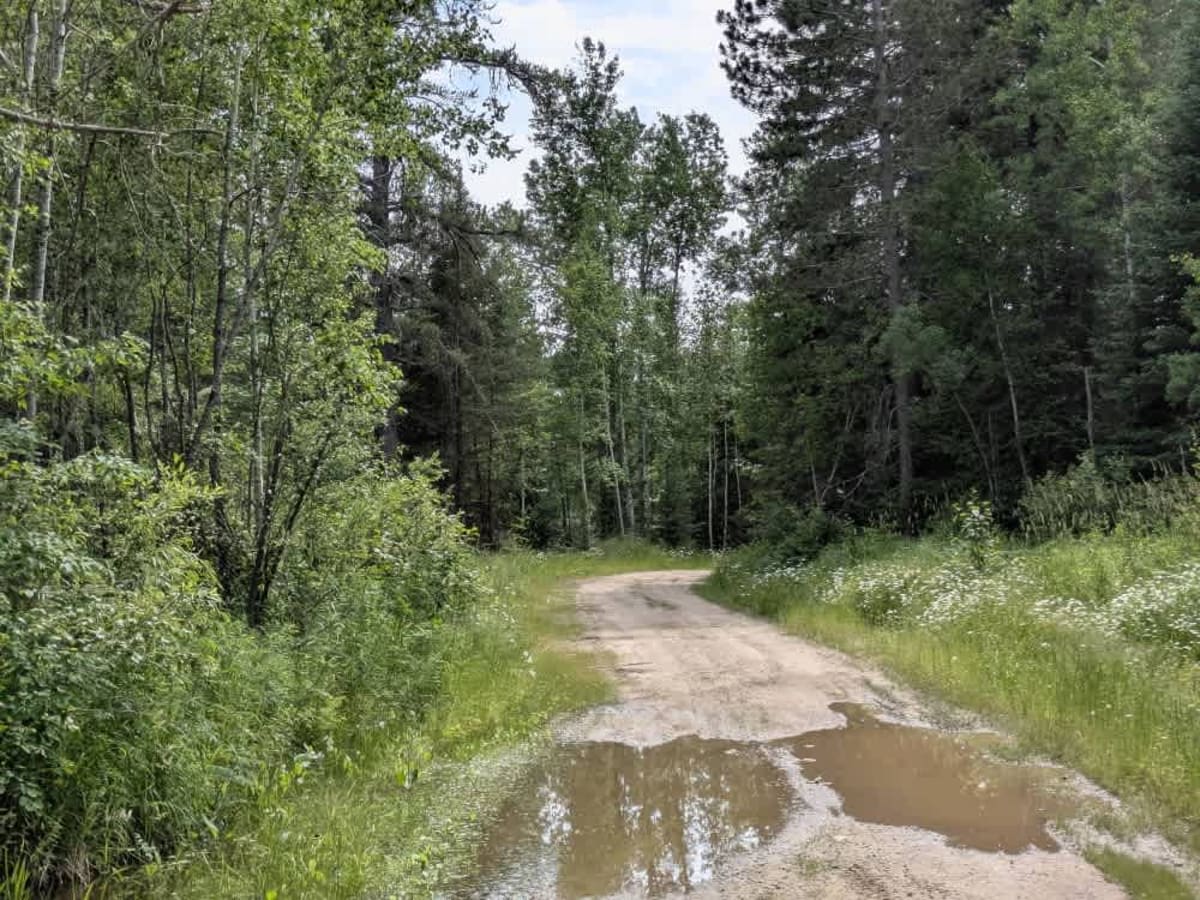
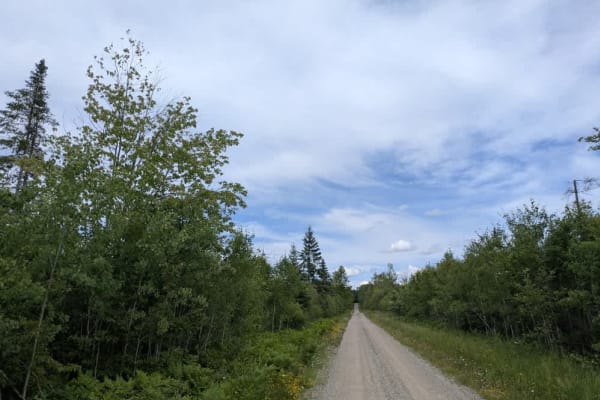
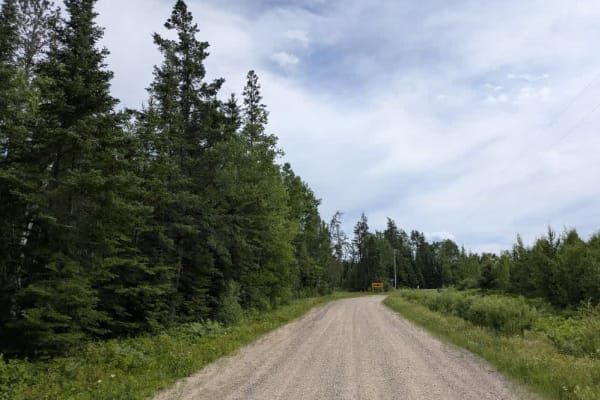
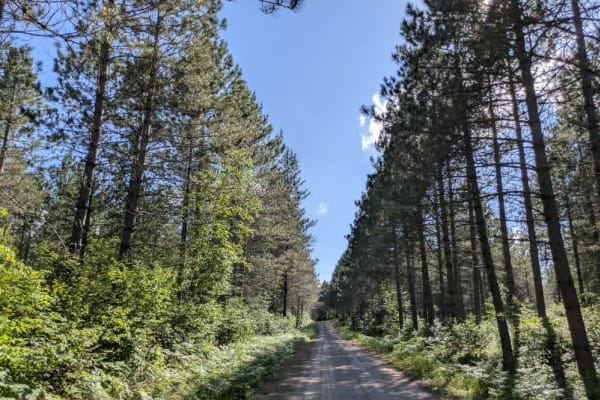
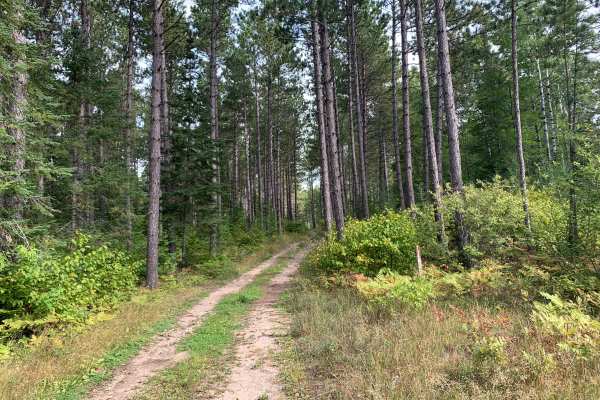
This trail leads to Deep Water Lake, a trout lake where fishing is only permitted during the designated season. Access appears to be intentionally restricted during the off-season, with large boulders placed to block the trail entrance, but cleared in June. The route begins as an unmaintained gravel road that is uneven and winding, with frequent muddy sections and moderate ascents and descents. As the trail progresses, it passes through areas that have been heavily logged, giving the landscape a stark, altered appearance. There are several side tracks that branch off, most of which appear to serve logging operations, so it's important to follow your map closely. As you approach the beautiful, crystal-clear lake, the trail becomes increasingly rough, with deep, muddy pits that may require a high-clearance vehicle to navigate safely. While there is potential for dispersed camping along parts of the route, there are no formal sites, and the area lacks facilities such as water sources or trash disposal. Cell service may also be spotty or unavailable.
History
Superior National Forest was established in 1909 by President Theodore Roosevelt to protect the region's watersheds and natural resources after years of heavy logging and mining. The area has long been home to the Ojibwe people, who continue to maintain cultural ties to the land. In 1978, the Boundary Waters Canoe Area Wilderness within the forest was given added protection, making it one of the most visited wilderness areas in the U.S. today.