Trail Overview
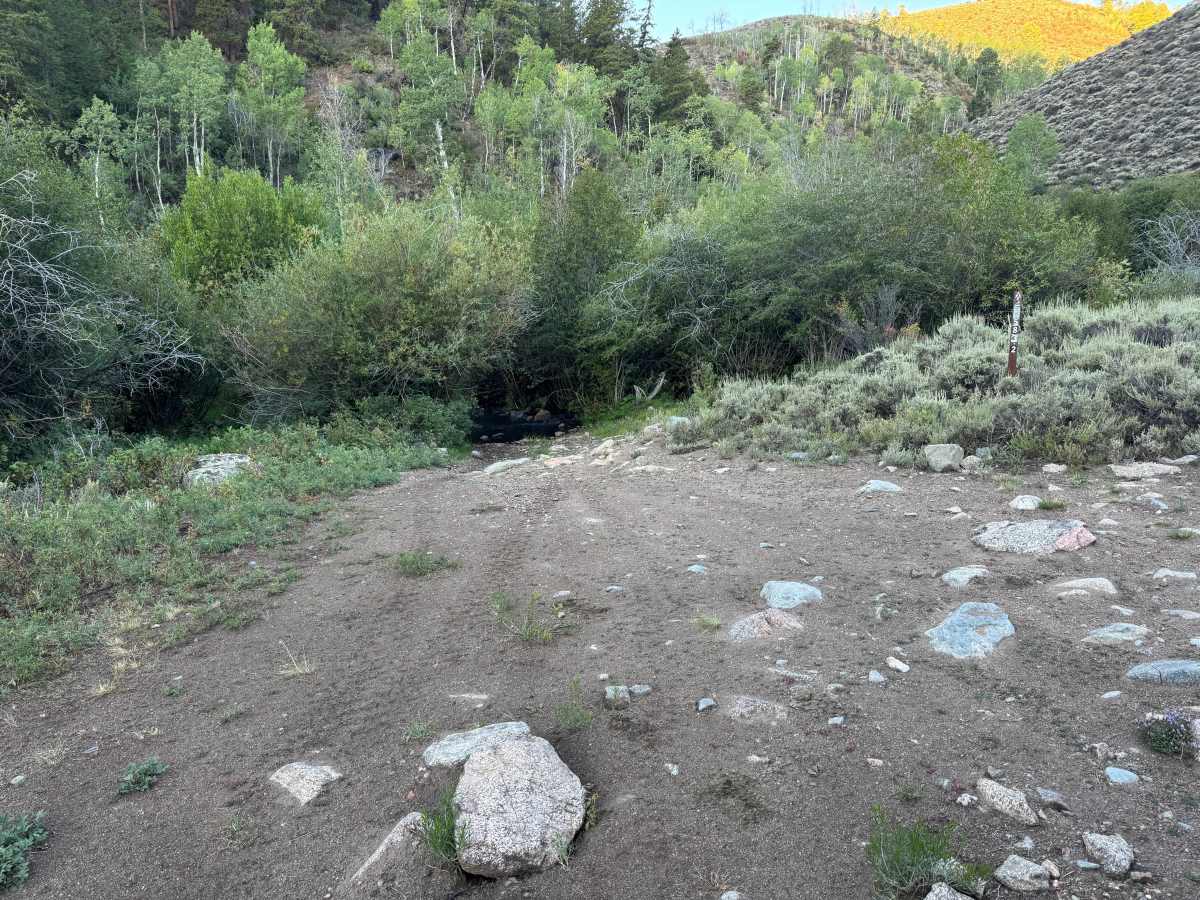
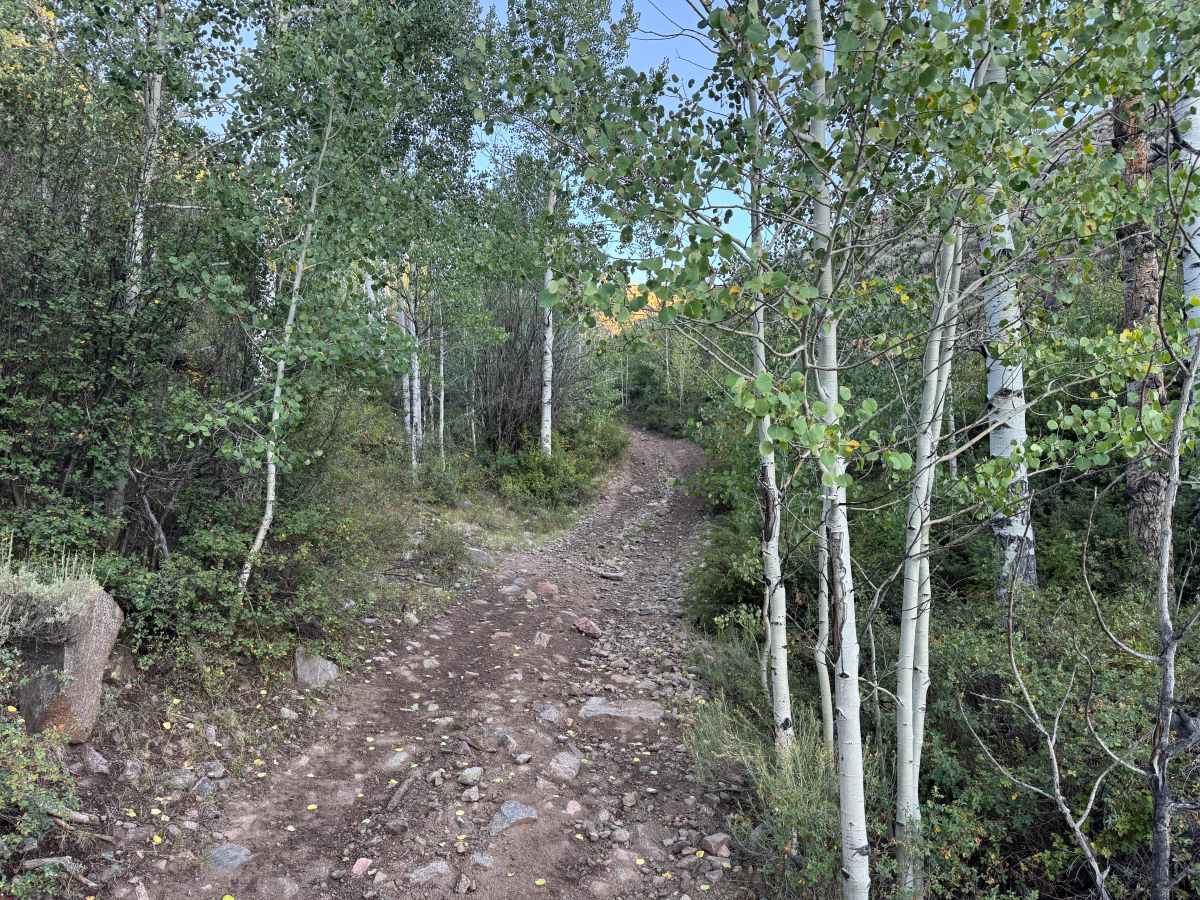
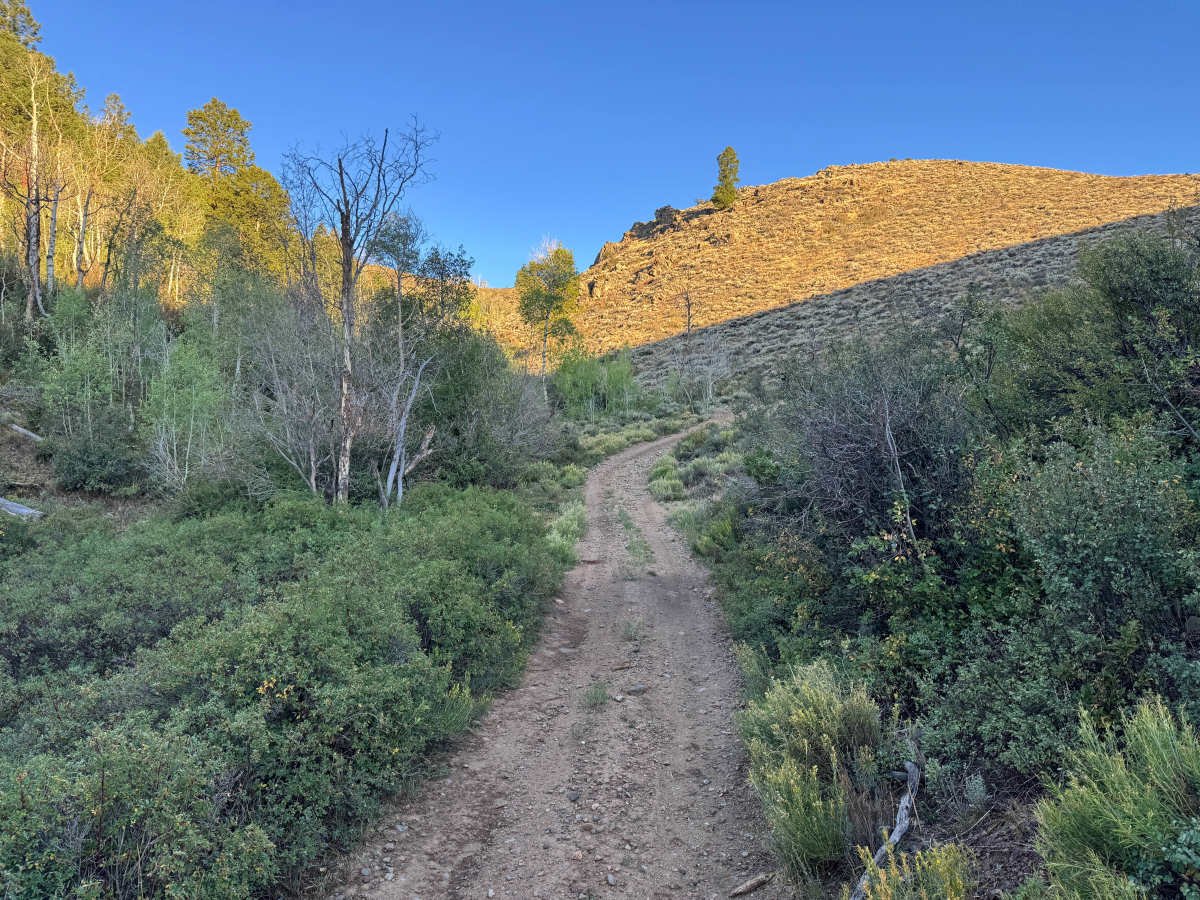
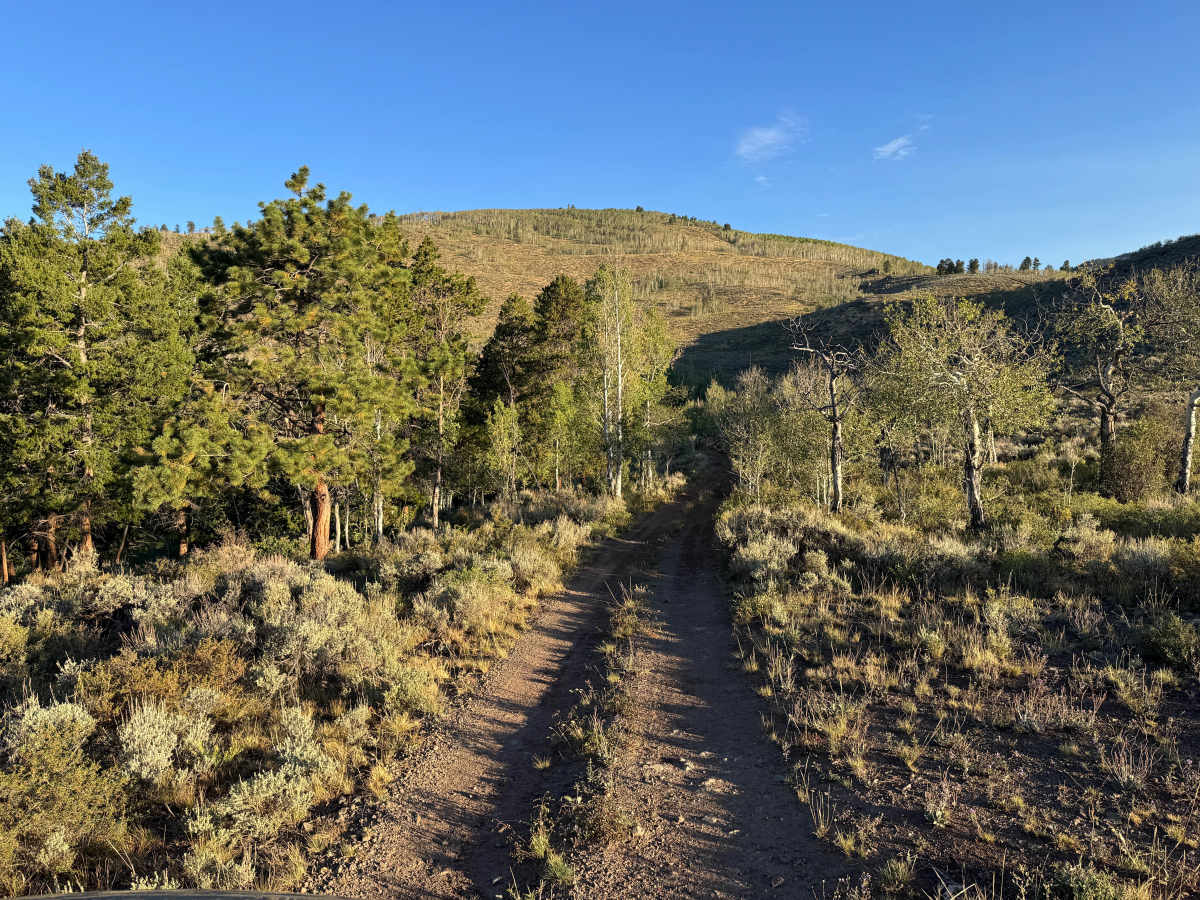
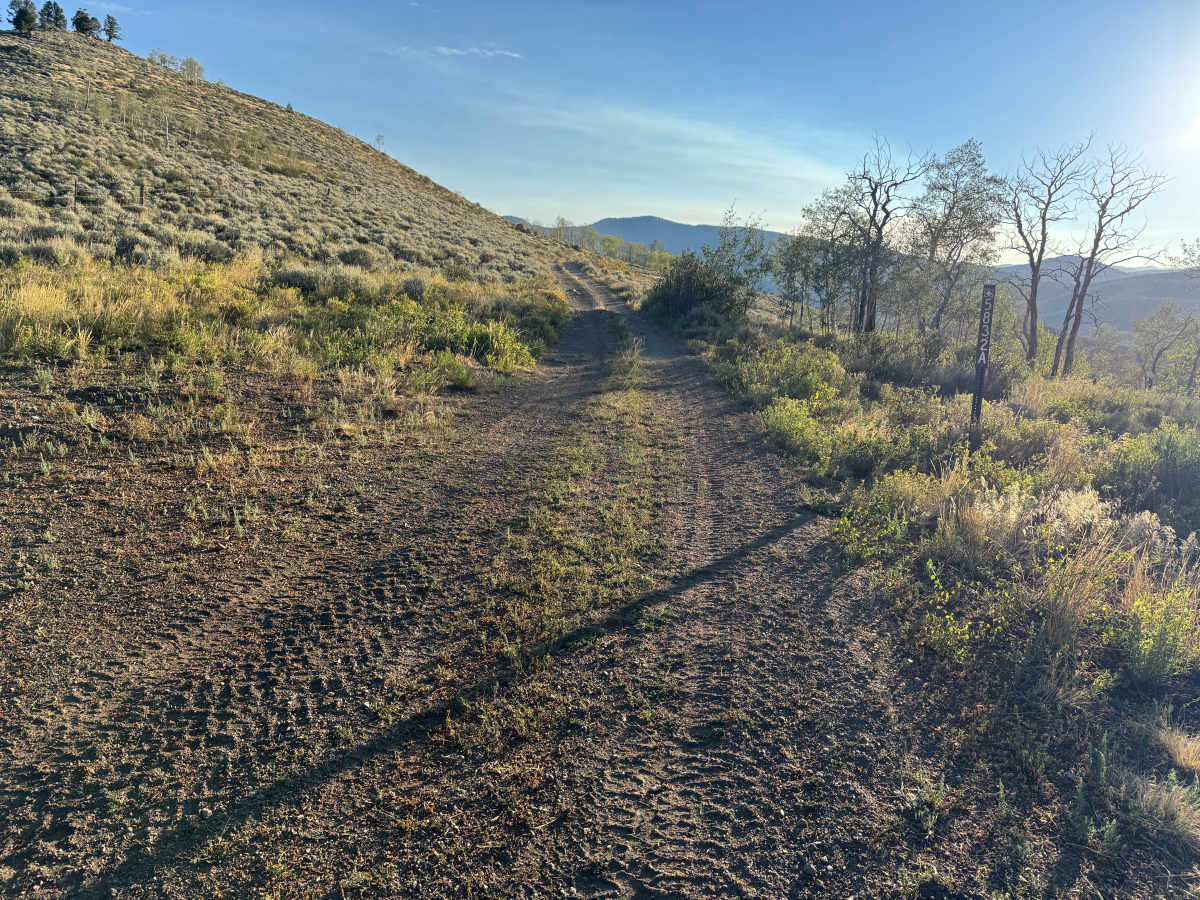
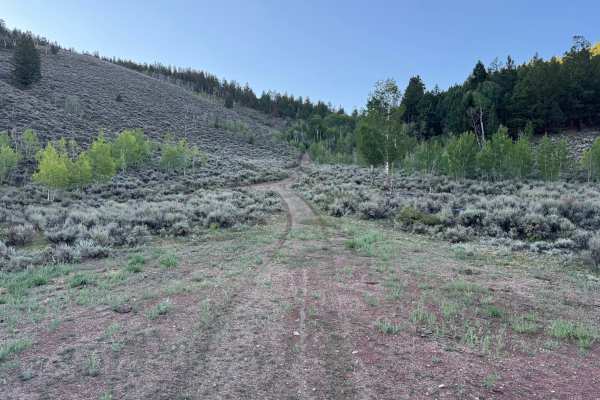
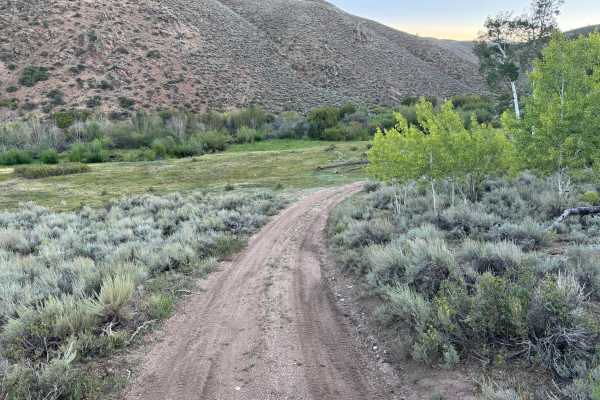
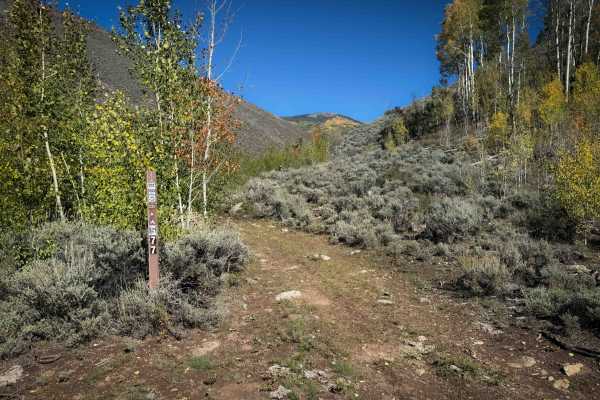
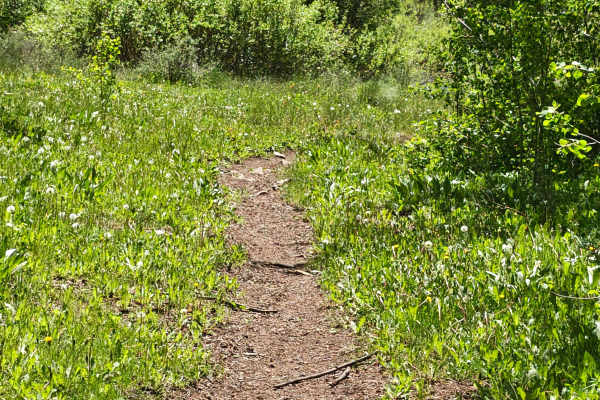
This route is primarily a narrow, one-vehicle-wide trail with limited opportunities for passing. The surface varies from packed dirt and loose gravel to rougher stretches covered with embedded and scattered rocks. Several sections climb steeply along the mountainside, while others pass through dense stands of aspens, pines, and thick brush. Along the way, the route crosses a shallow rocky creek before continuing through the drainage and climbing toward more open sagebrush-covered hillsides. An old log cabin sits among the aspens along the route, adding an interesting historic feature to the drive. As the trail gains elevation, the dense vegetation periodically gives way to open mountainsides with expansive views across the surrounding valleys, ridges, and forested slopes.
Difficulty
The trail is primarily narrow, one-vehicle-wide dirt and gravel with off-camber sections, loose rock, and scattered rocks up to approximately 8 inches tall. Steeper climbs on loose gravel can reduce traction, while the rocky creek crossing and uneven sections require careful tire placement. Four-wheel drive with low range and good ground clearance is recommended.
History
The Ohio City and Gold Creek area developed around mining during Colorado's late-19th-century mining era. Gold discoveries in the region date to the 1860s, but development accelerated after silver discoveries around 1879–1880. The surrounding Gold Brick Mining District contained numerous mines and prospects, including gold and silver workings extending into the mountains surrounding Ohio City. Mining declined around the turn of the century but experienced another period of production during the 1930s and early 1940s. Today, old roads, mine sites, and other remnants scattered throughout the surrounding mountains reflect this historic period of mineral exploration and development.