Trail Overview
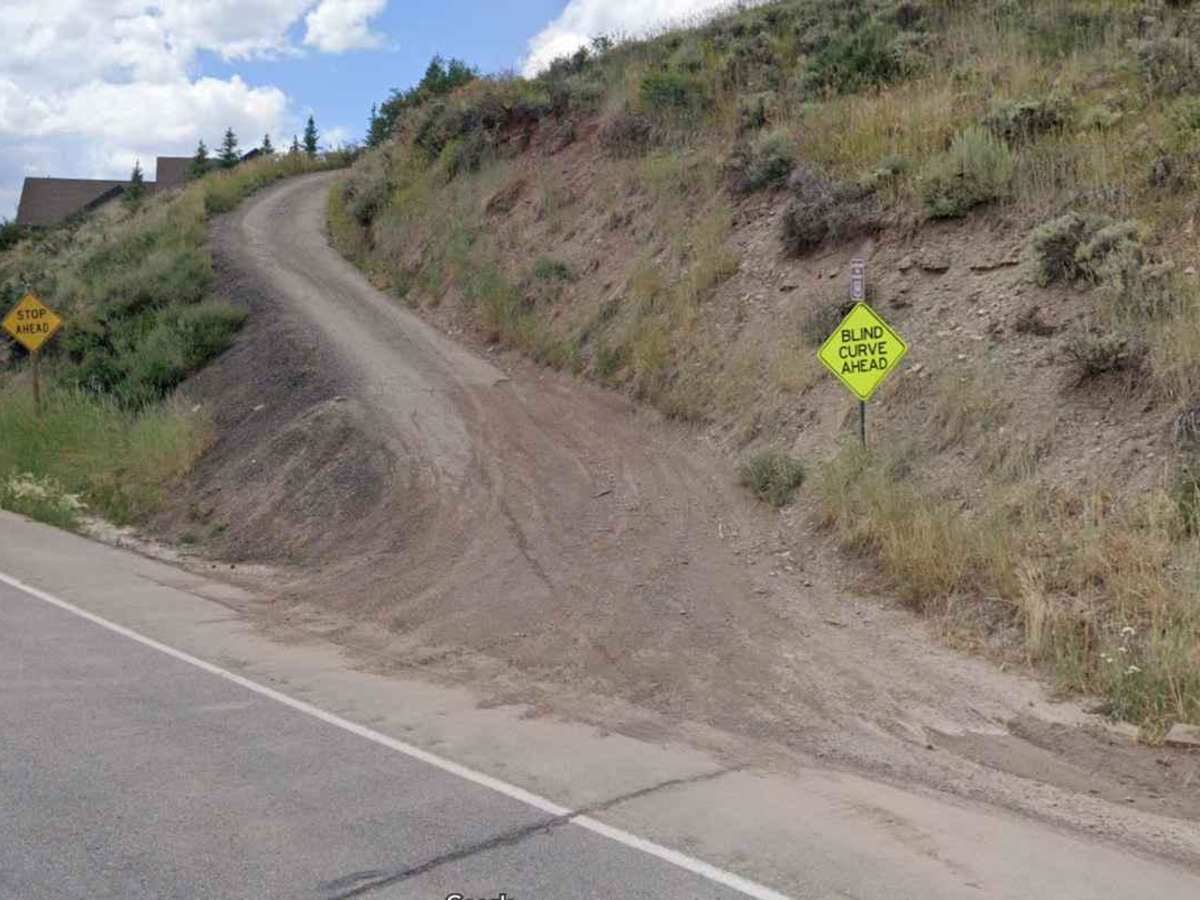
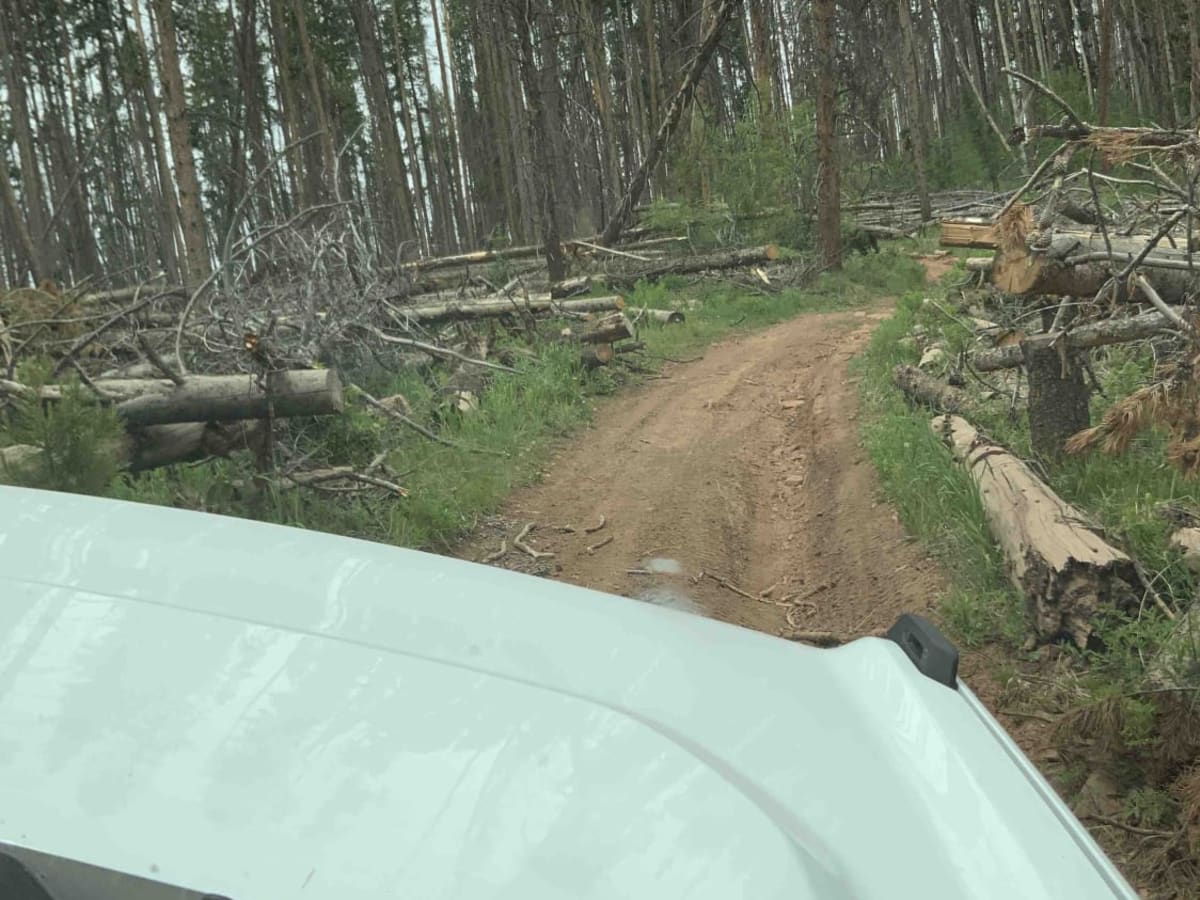
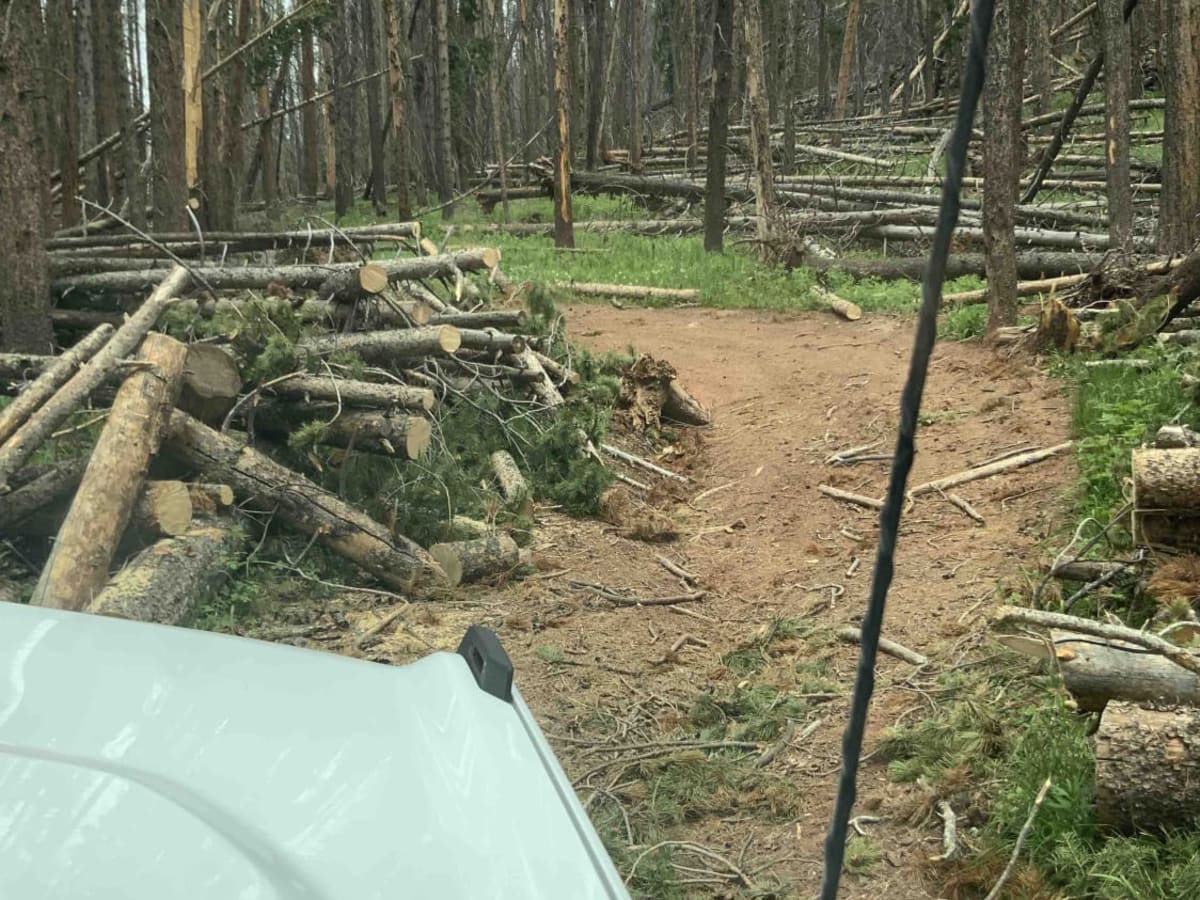
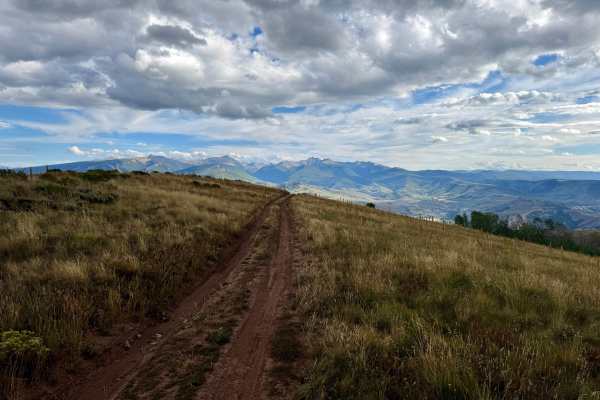
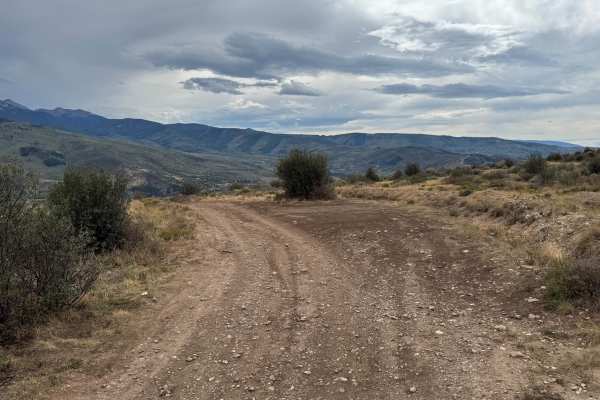
Metcalf Creek Road (Forest Service Road 779) is a challenging and scenic off-road trail north of Avon and Vail, ideal for intermediate drivers in mid-size high-clearance four-wheel-drive vehicles seeking steep climbs and beautiful valley views. Climbing approximately 2,040 feet from its start at Wildridge Road up to its junction with the Red and White Mountain Road, this 3.2-mile trail quickly transitions from residential outskirts into dense national forest terrain. The trail starts with a very steep, unpaved ascent that demands careful throttle control and reliable traction, making it unsuitable for full-size trucks or large SUVs due to extremely narrow sections and tight clearance. Drivers of Jeeps, Broncos, and SxSs will find the route manageable, though some sections with deep ruts, tight corridors, and downed trees may require a spotter to navigate safely.
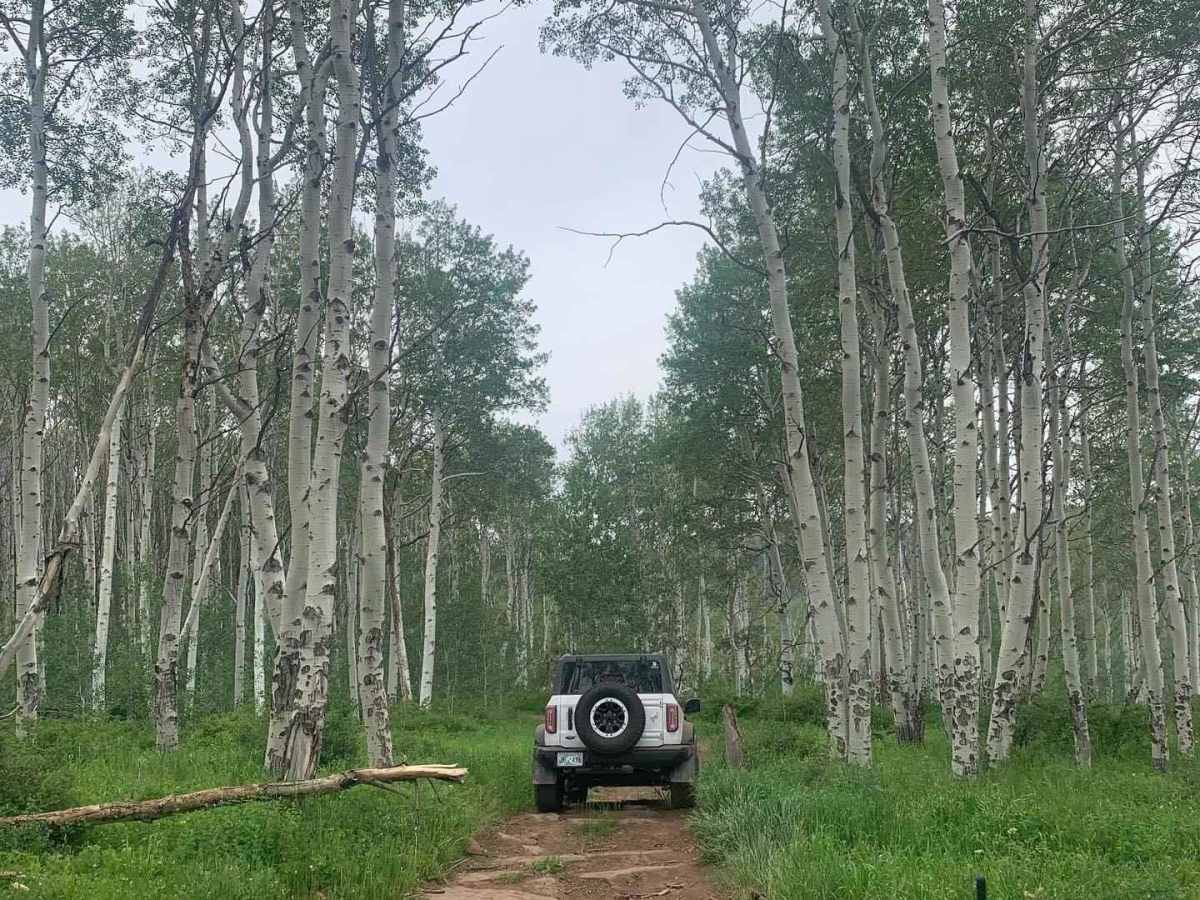
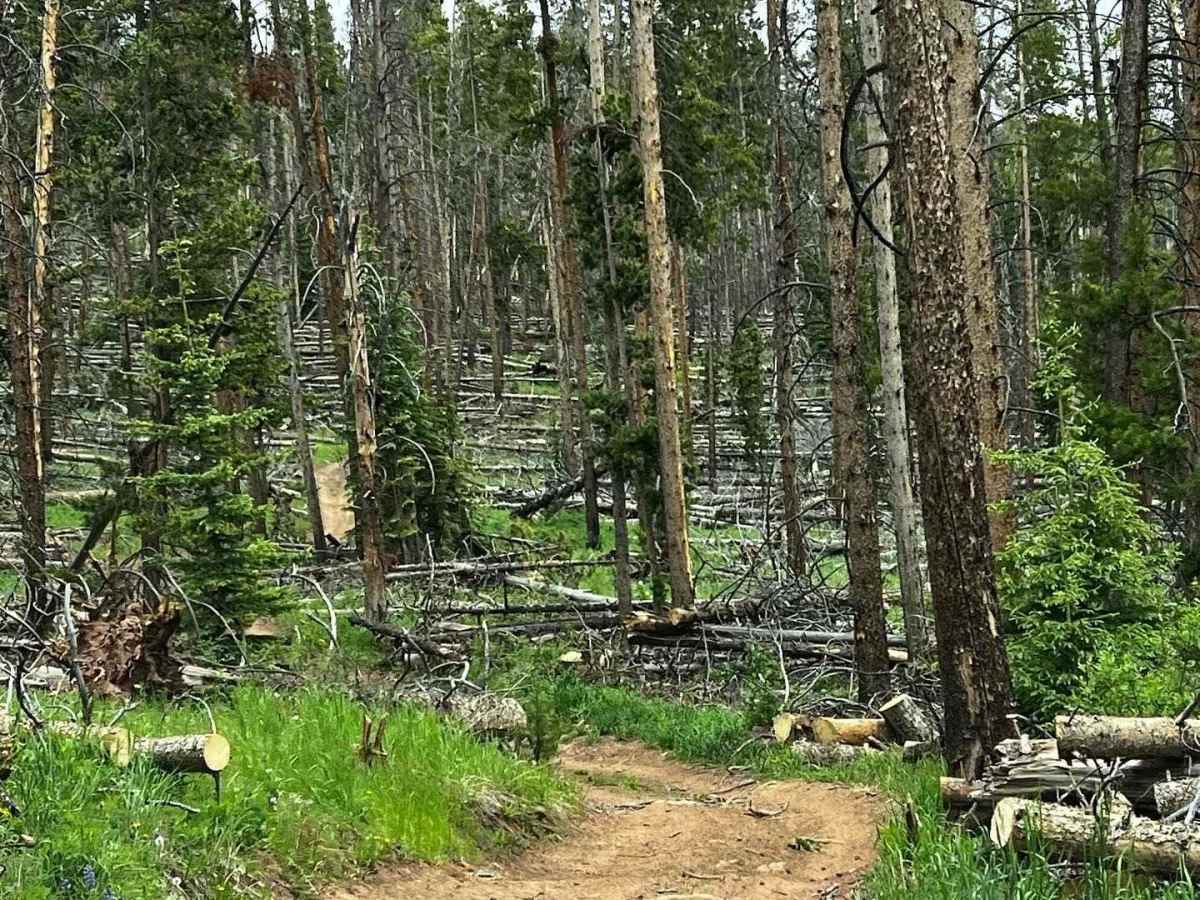
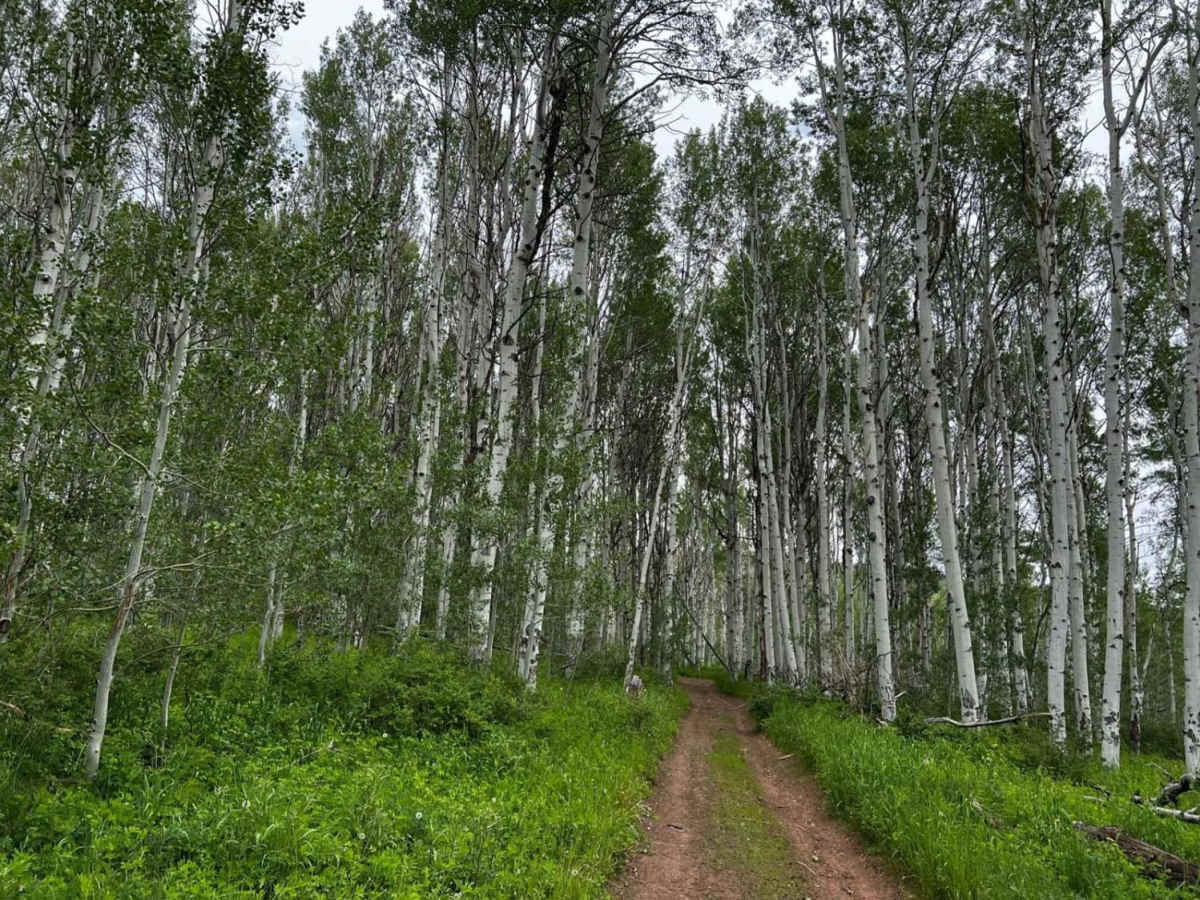
Along the route, travelers are treated to expansive views of the valley below before entering a stunning aspen tree grove near the upper elevations. The trail reaches a maximum elevation of 10,614 feet, where it connects with the Red and White Mountain Road (Road 734) and becomes significantly easier to travel. Due to seasonal snowpack, the trail remains closed through winter and typically opens in late June, though summer rains can quickly turn the dirt surface into impassable mud. Offroaders should consider carrying a chainsaw to clear frequently fallen timber and should remain alert for hikers and mountain bikers who also frequent this scenic corridor.
History
The trail is named after John Metcalf, an early homesteader from Ohio who owned much of western Avon. Metcalf served as one of the first commissioners of Eagle County after its creation in 1883 and helped construct the Metcalf irrigation ditch to support local agriculture. In 1896, Metcalf transferred his property to his wife and left for the Klondike Gold Rush in the Yukon Territory, never returning to the area.
Access Description
The trail is managed by the U.S. Forest Service. It is seasonally closed during winter and typically opens in late June, depending on snowpack. High-clearance four-wheel-drive vehicles are required. The route is extremely narrow in portions and is not recommended for full-size vehicles. Travel is highly discouraged when wet due to slippery clay and mud.