Trail Overview
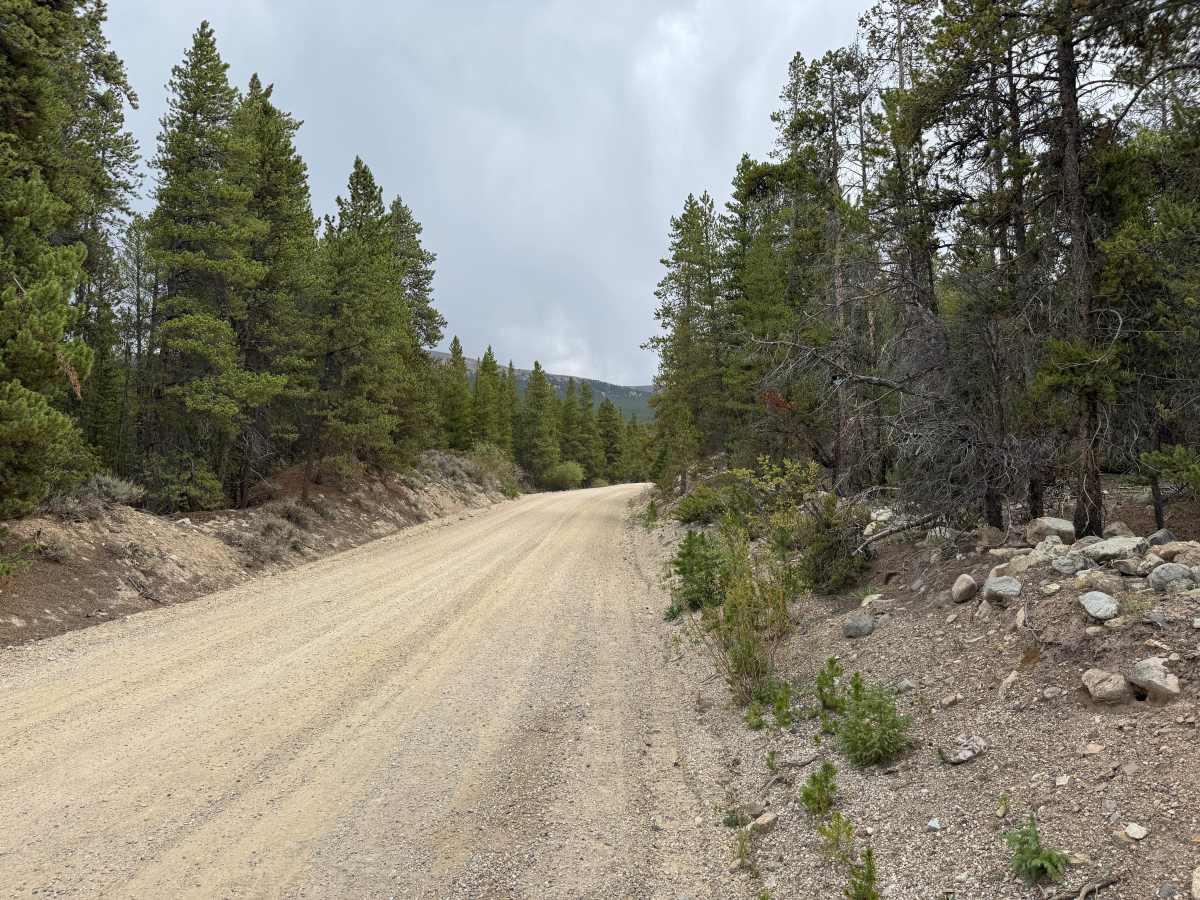
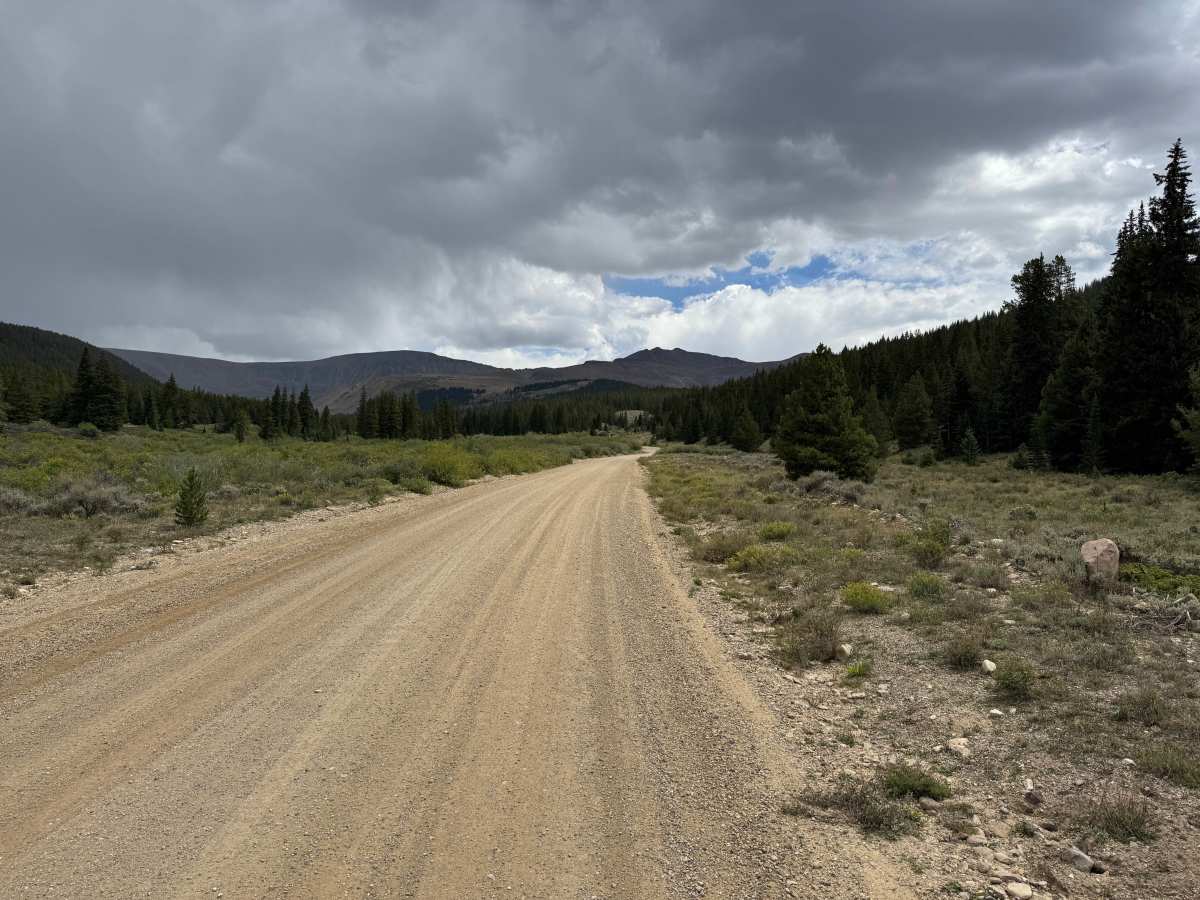
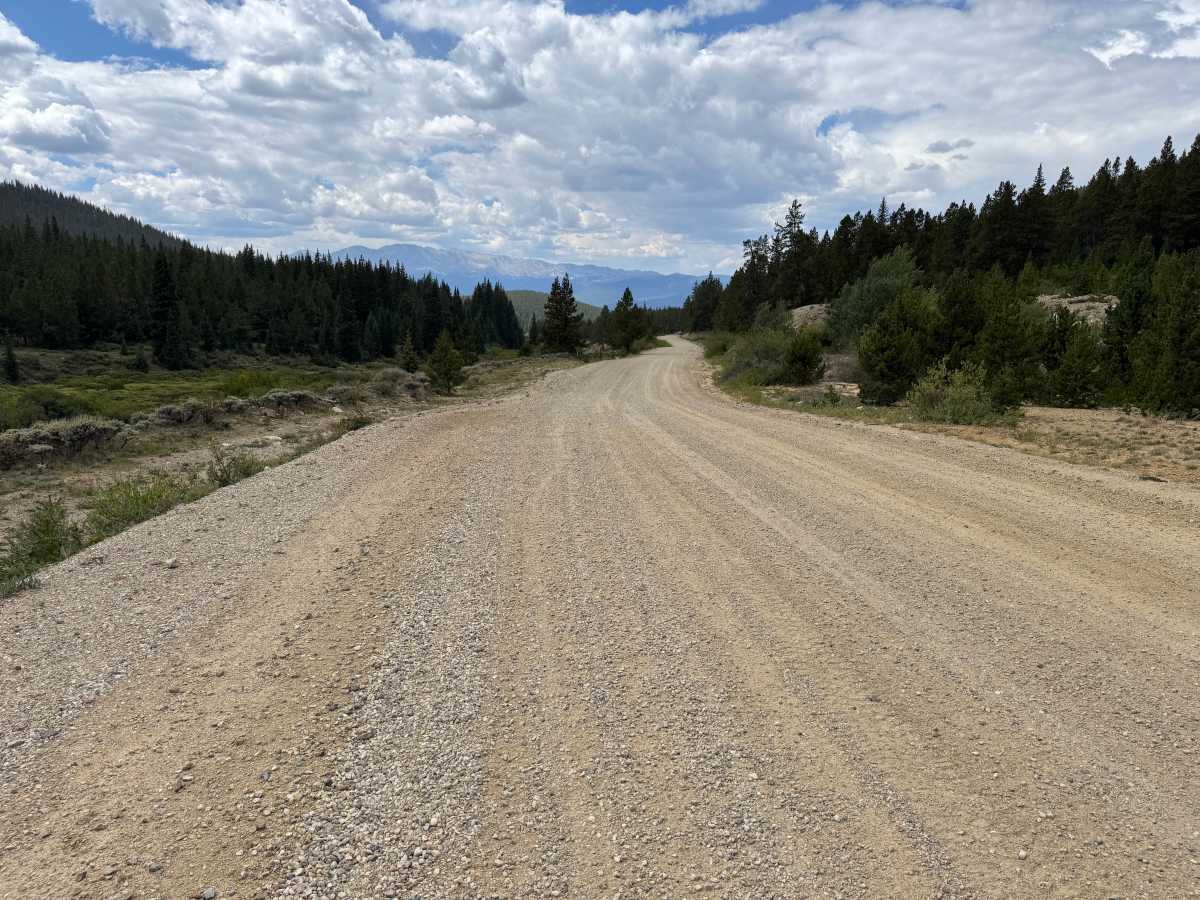
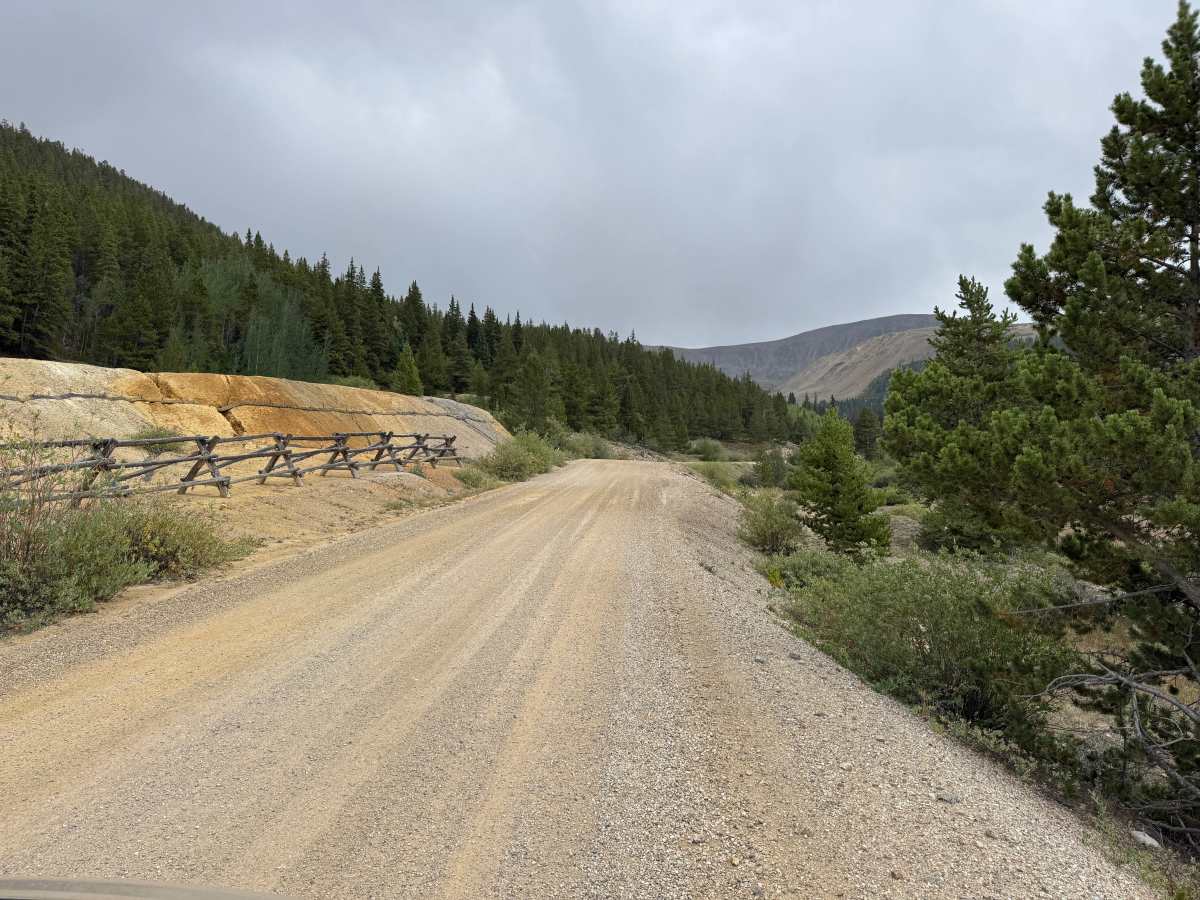
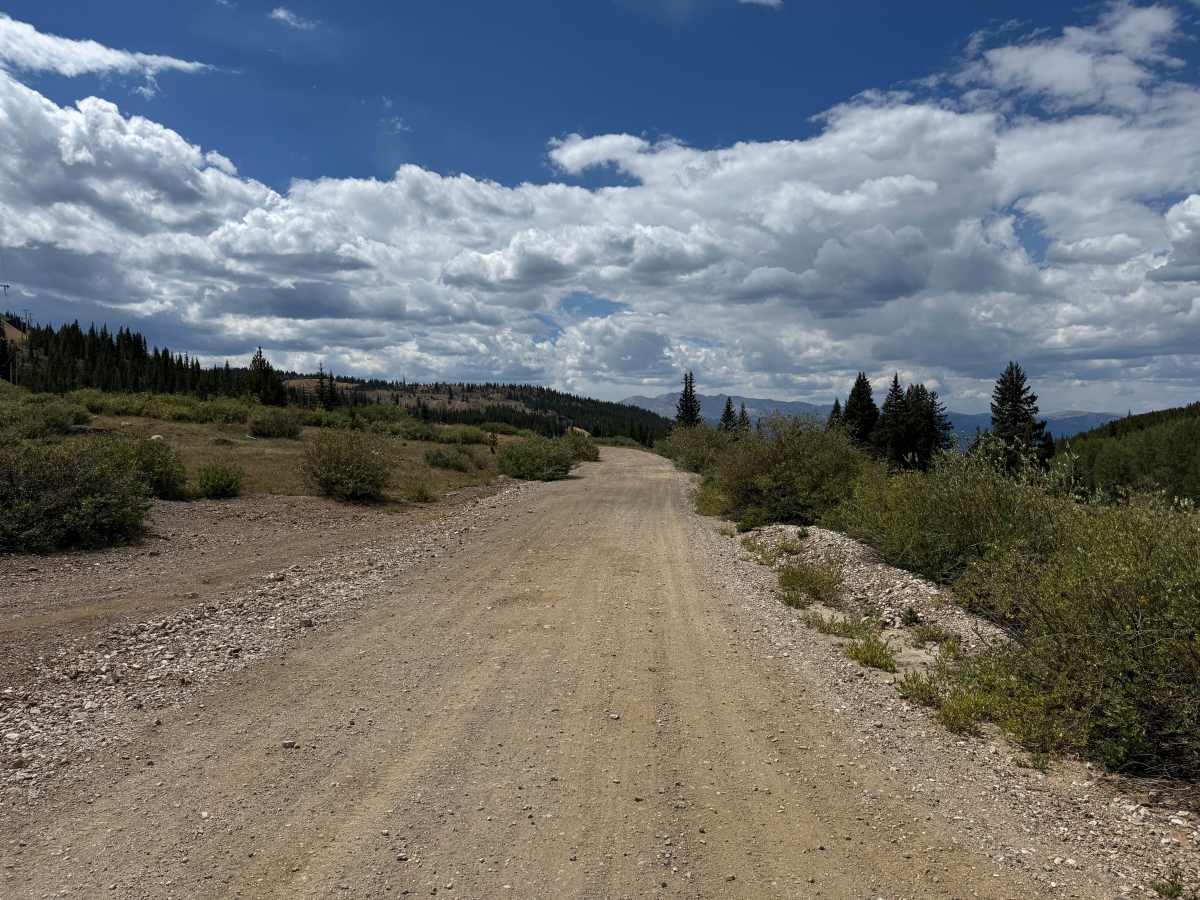
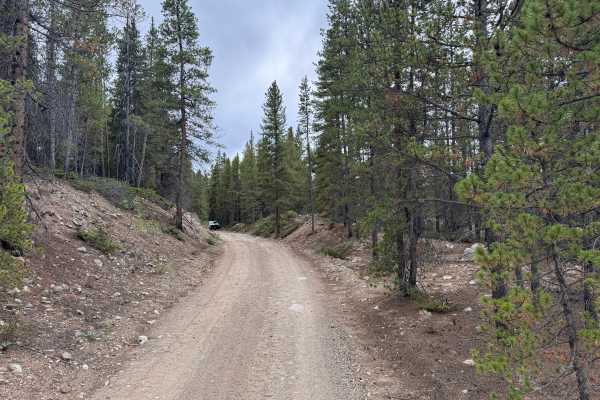
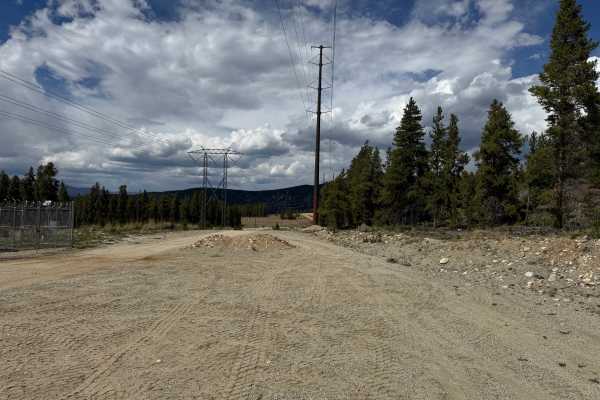
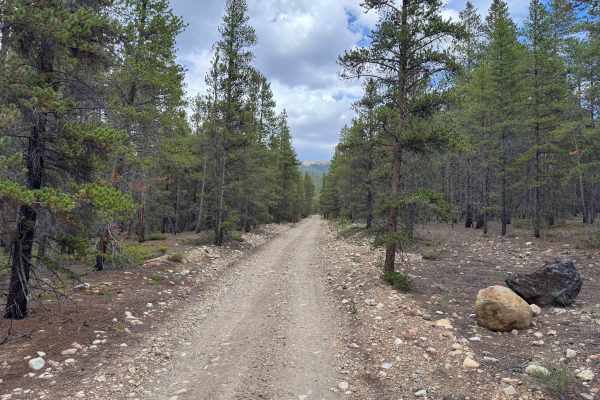
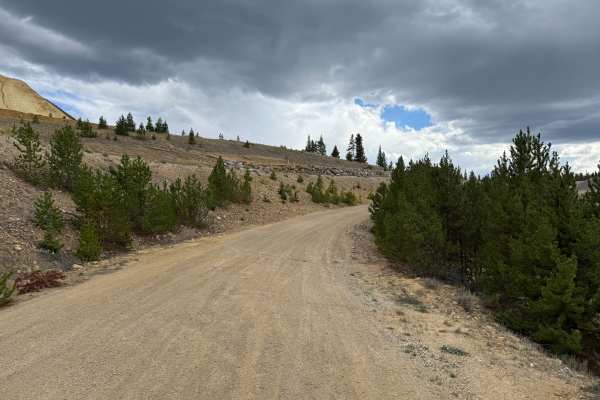
This route leads directly from the town of Leadville into the surrounding historic mining district. Before the pavement transitions to dirt, the road passes the Matchless Mine, and numerous mine tailings, old wooden structures, and other mining relics can be seen farther along the route. Much of this historic mining property is privately owned, so remain on the established road and respect posted boundaries. The route consists primarily of a wide, maintained gravel surface with relatively smooth hard-packed sections and scattered loose rock. Dense stands of pine and spruce alternate with open meadows, low shrubs, and areas heavily altered by historic mining activity. Mountain views open up between the trees as the road climbs toward Mosquito Pass. Some rougher and rockier sections develop near the connection with Mosquito Pass, but there are no major obstacles along this route.
Difficulty
The route is primarily a wide, maintained gravel road with a hard-packed surface and scattered loose rock. Most sections are smooth and easily traveled, though the road becomes somewhat rougher and rockier as it approaches Mosquito Pass, with minor dips and uneven areas possible. There are no major obstacles, ledges, deep ruts, or technical sections requiring specialized off-road equipment under normal dry conditions.
History
Leadville's surrounding mountains are heavily connected to Colorado's mining history. Mining booms beginning in the 1860s transformed the area, with gold, silver, lead, zinc, molybdenum, and other minerals driving development over different periods. Many roads and routes throughout the mountains originated as access to mines, claims, settlements, and other industrial sites. Remnants of this history can still be found throughout the area, including mine workings, foundations, structures, and old transportation corridors. Leadville was also once home to the Unsinkable Molly Brown, who lived in the city during its mining boom and met and married J.J. Brown there. Doc Holliday also called Leadville home during the 1880s, spending time in the city's saloons and gambling halls during one of its most colorful periods. Leadville itself is recognized as a National Historic Landmark District.