Trail Overview
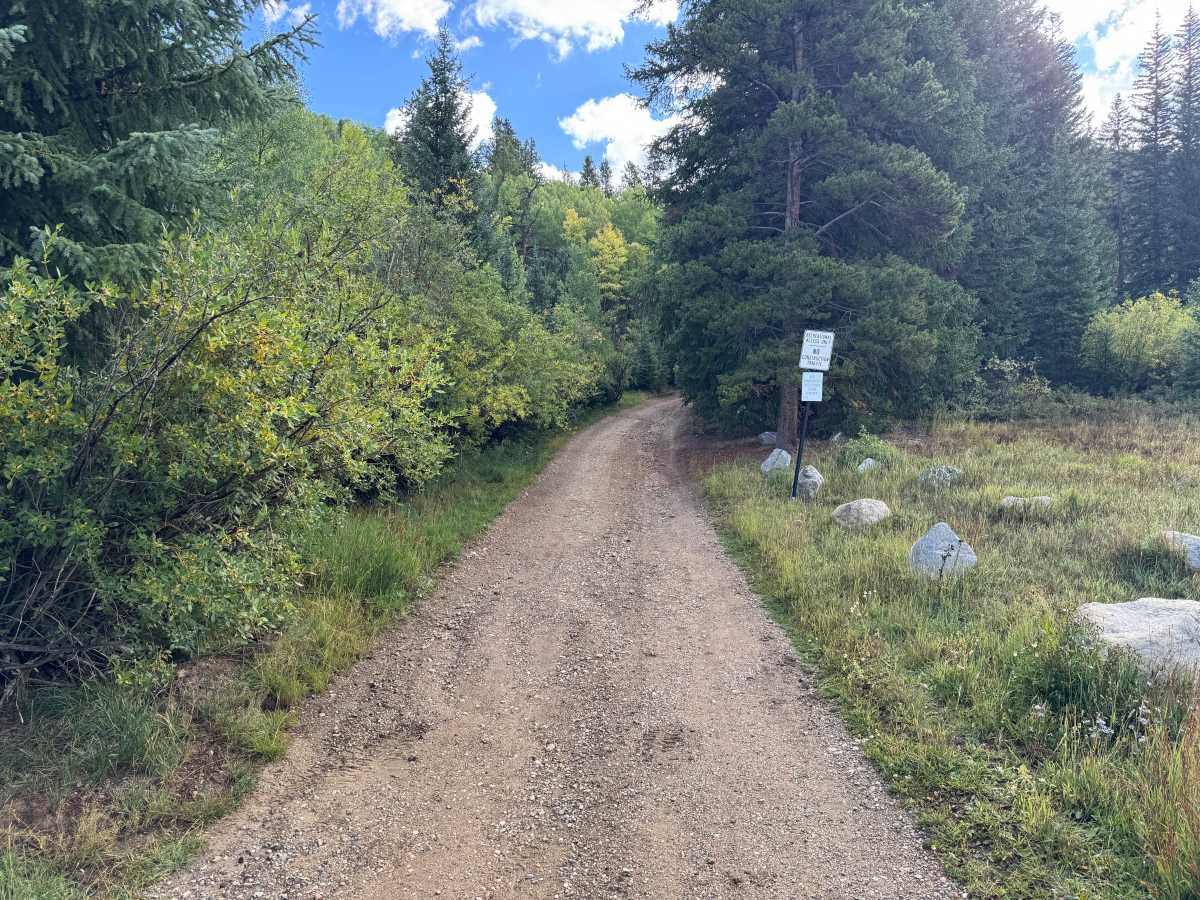
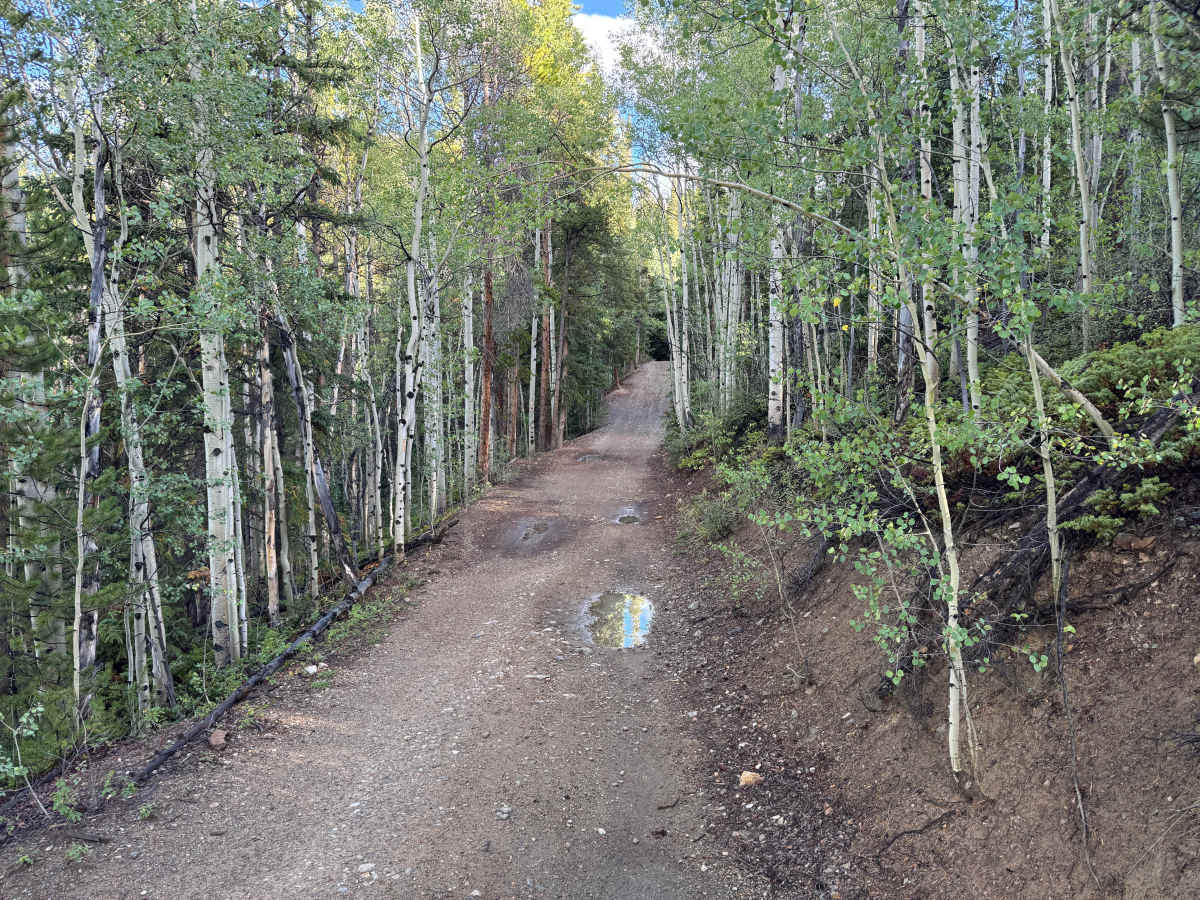
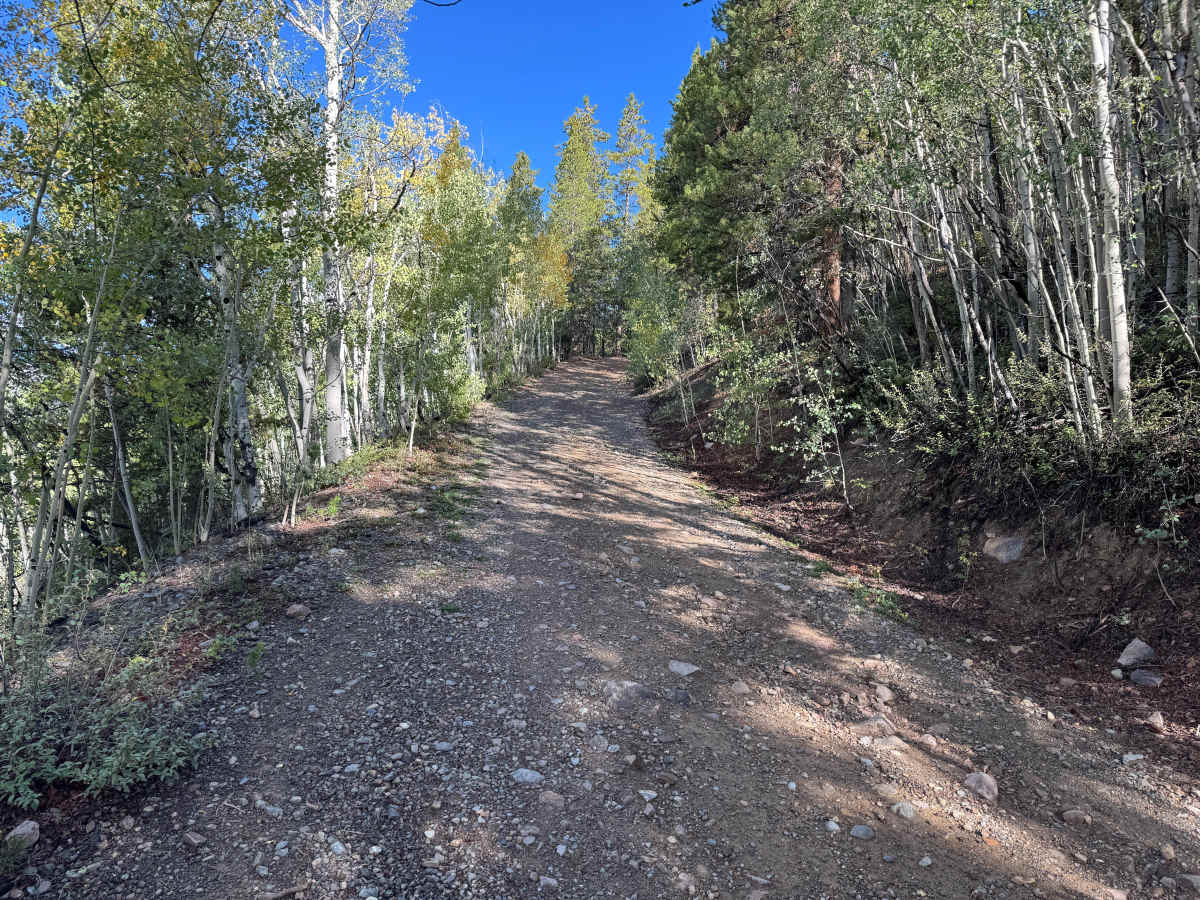
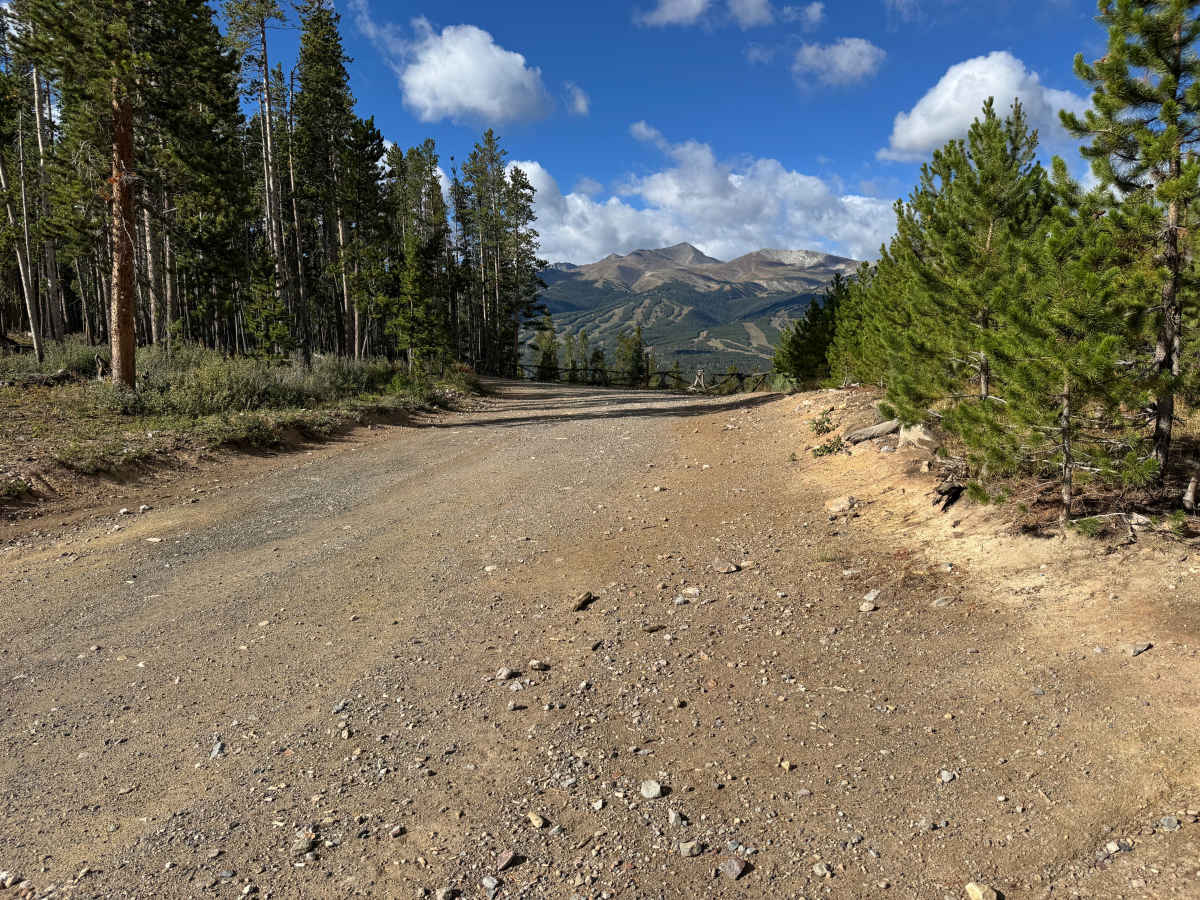
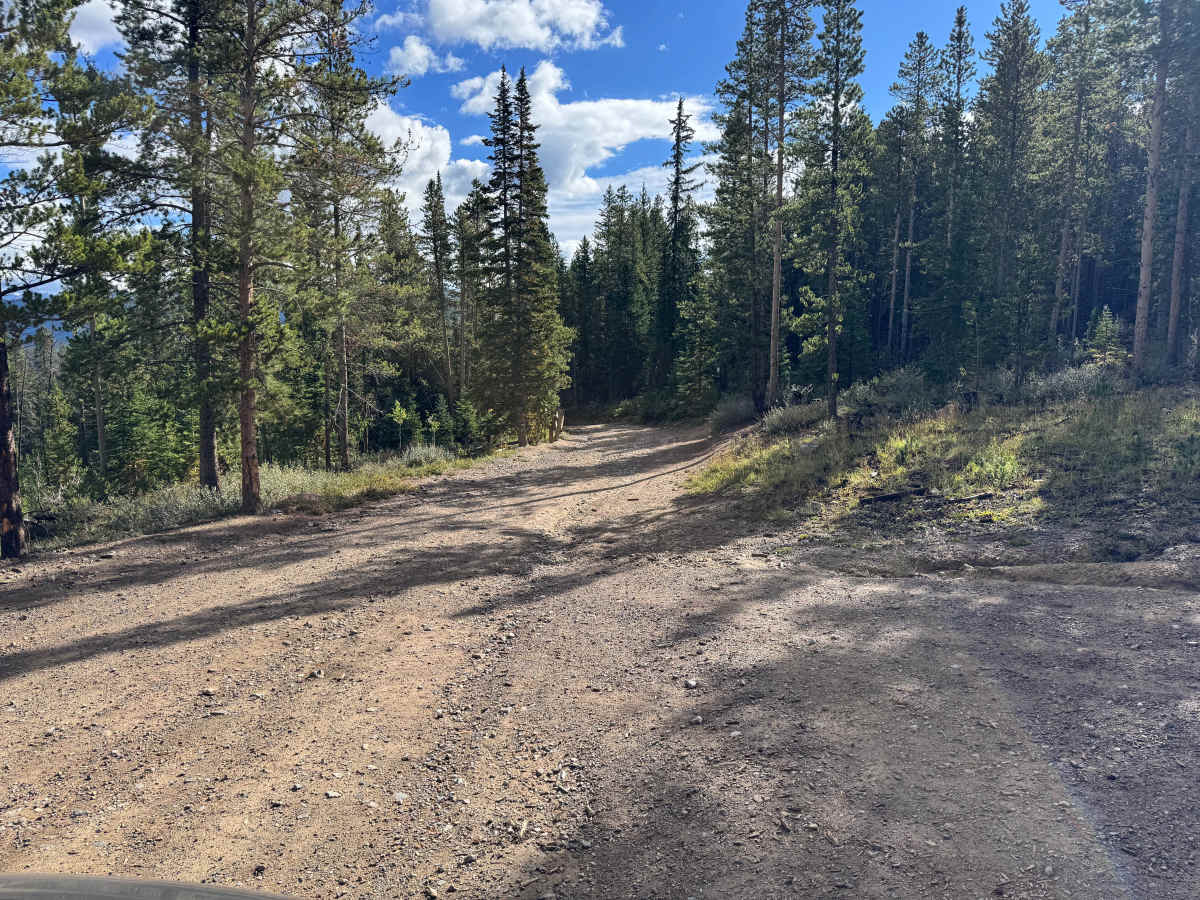
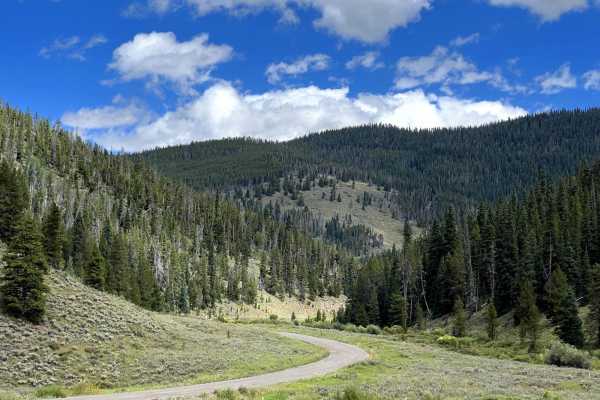
This maintained gravel road travels through the forested mountains just outside Breckenridge, providing a quieter route away from the developed areas surrounding town. The road passes through a mixture of dense evergreen forest and large stands of aspen, with thick shrubs and other mountain vegetation lining portions of the roadway. The surface is primarily compacted dirt and gravel with scattered loose rock and occasional small puddles in areas where water collects. As the road gains and loses elevation through the forest, several openings provide views toward the mountains surrounding Breckenridge and the nearby ski area. Private properties are located along portions of the route, so travelers should remain on the established roadway and respect posted signs, gates, and property boundaries.
Difficulty
This is a maintained gravel and dirt road with a generally smooth, compacted surface. Scattered loose rock, small potholes, minor water accumulation, and occasional uneven sections may be encountered, but there are no significant obstacles requiring additional ground clearance or technical driving. The route should be suitable for most stock vehicles under normal dry conditions.
History
The Breckenridge area was heavily shaped by the Colorado Gold Rush beginning in 1859, when gold discoveries brought prospectors into the Blue River and surrounding gulches. French Gulch, Georgia Gulch, the Swan River, and nearby mountains became important mining areas containing placer operations, hard-rock mines, settlements, and eventually large dredging operations. Several settlements once existed throughout this backcountry. Lincoln City developed in French Gulch, where placer claims and later hard-rock mines operated, while Parkville developed near Georgia Gulch and briefly served as the first county seat of Summit County. Hydraulic mining later buried the remains of Parkville beneath mining debris. Many of the roads traveled through the area today follow corridors originally used to reach mines, settlements, and other operations that supported Summit County's mining industry.

 Offroad