Trail Overview
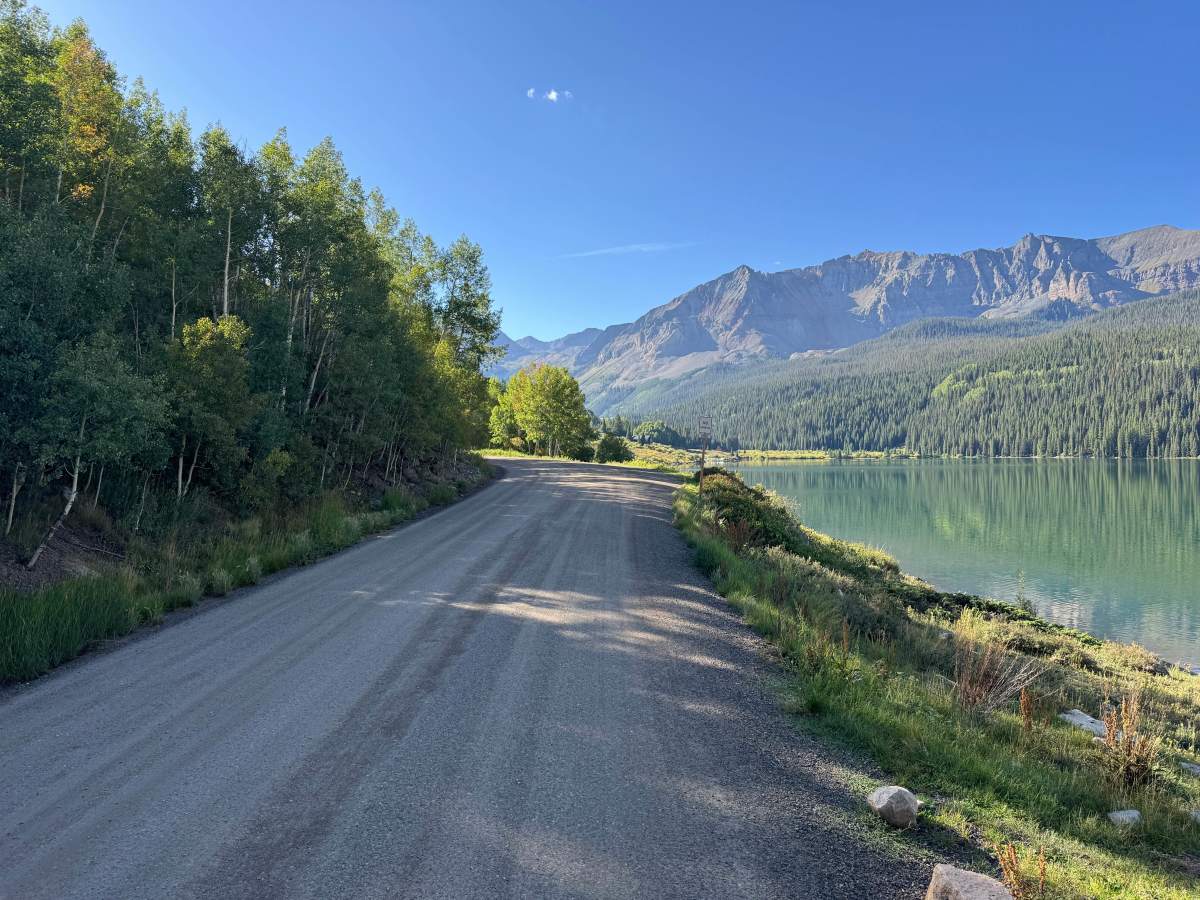
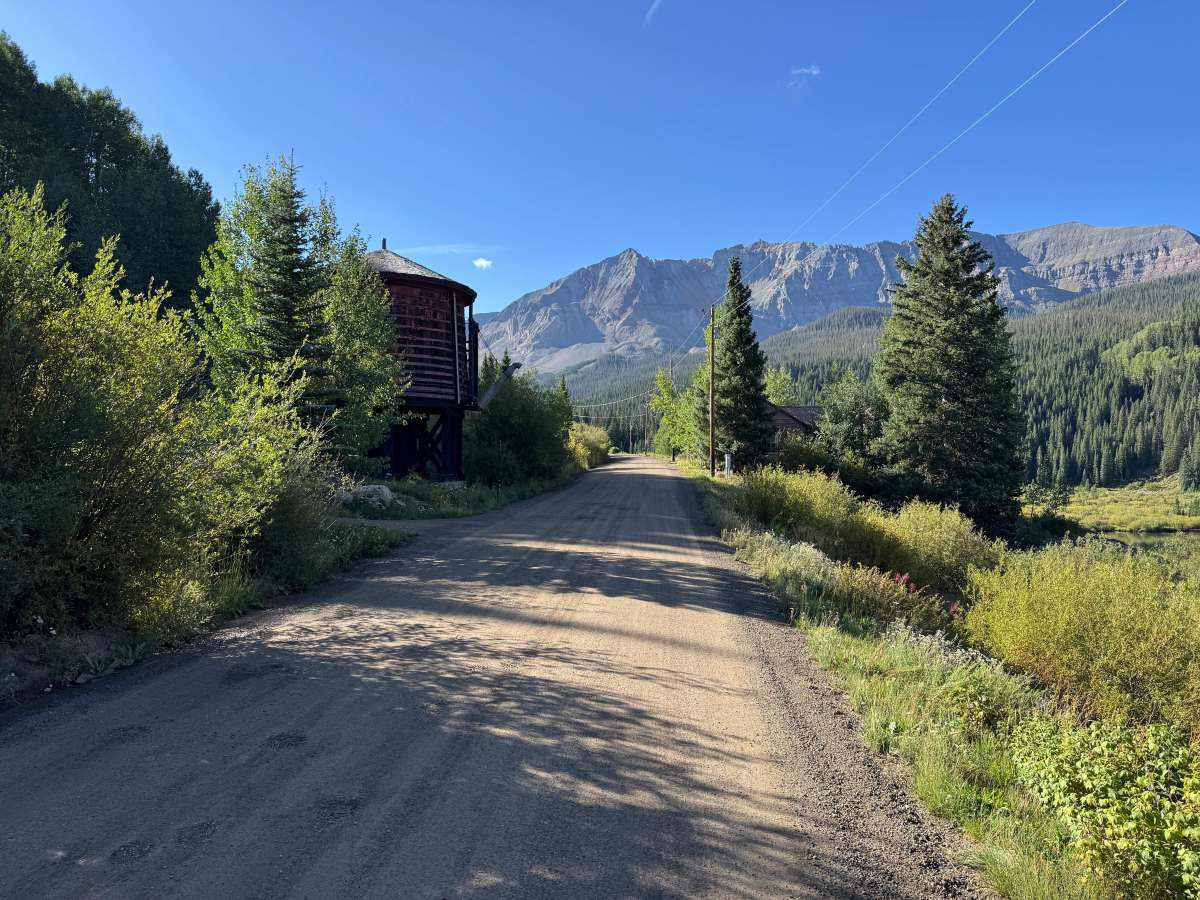
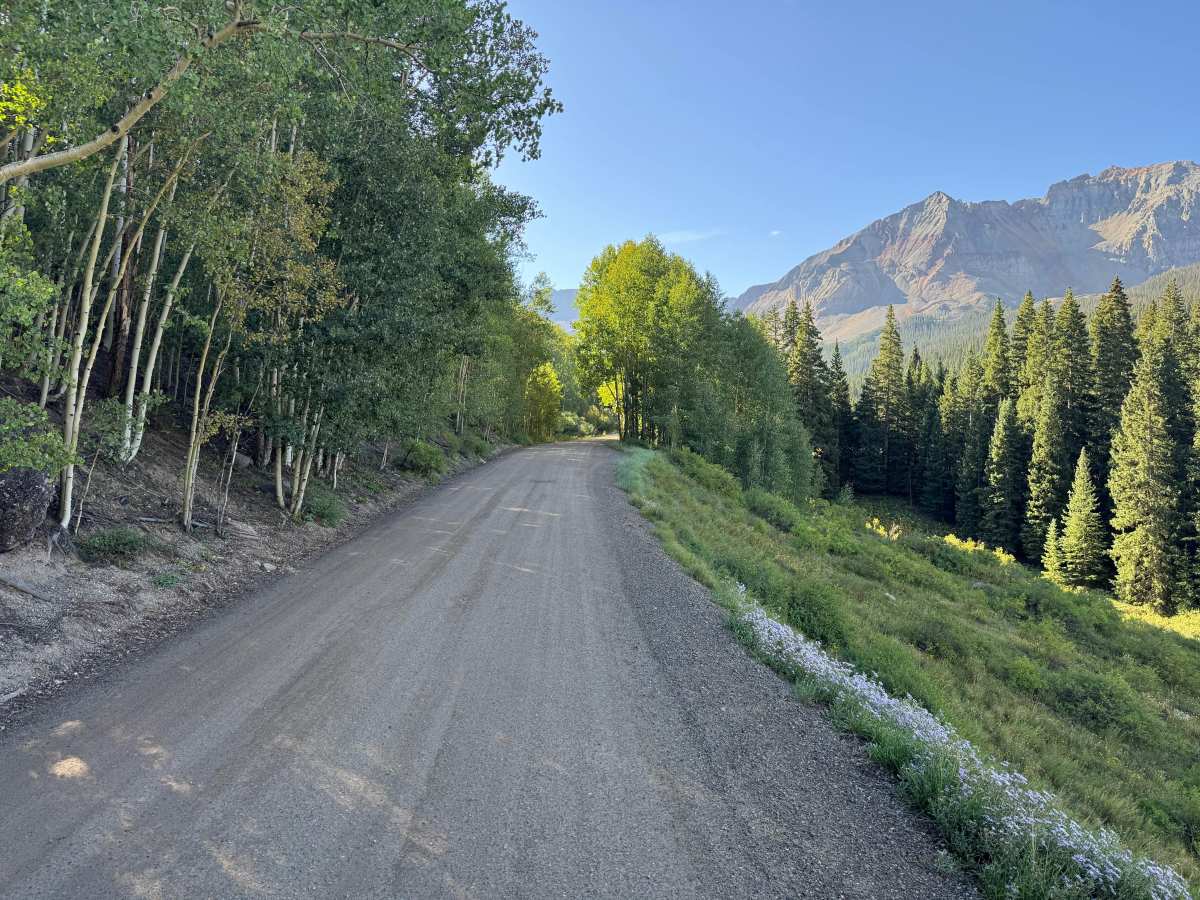
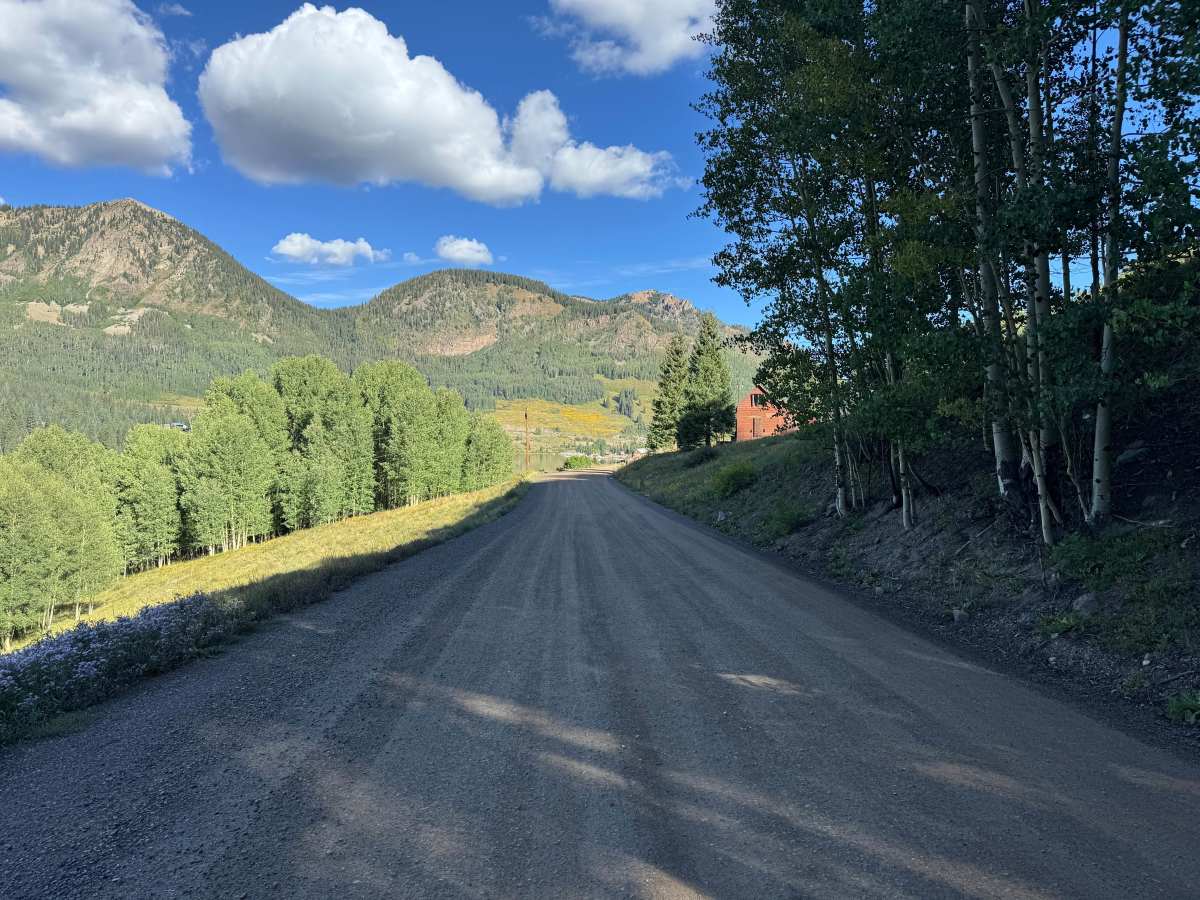
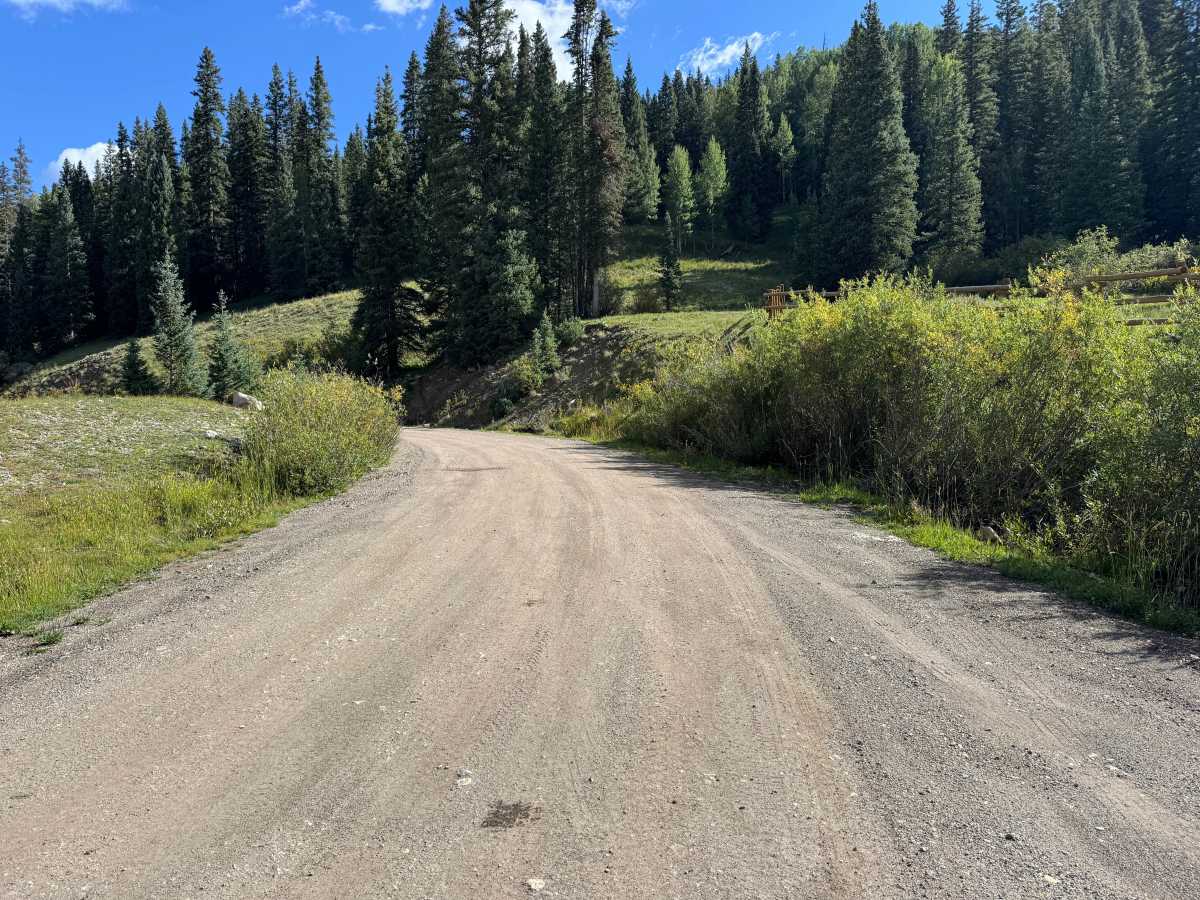
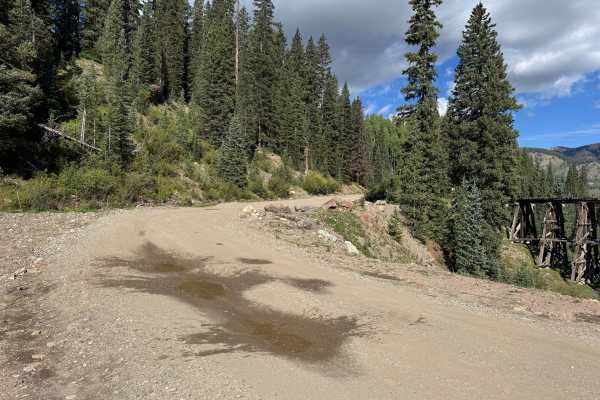
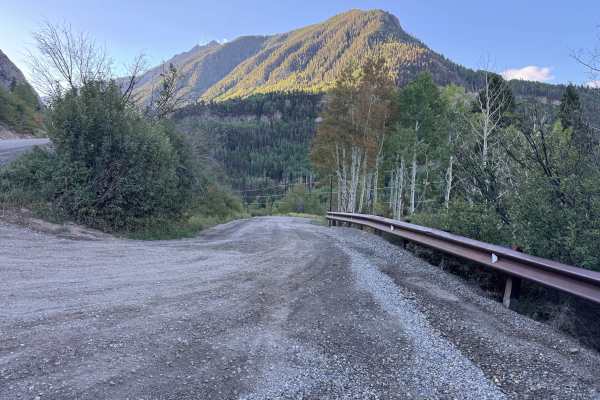
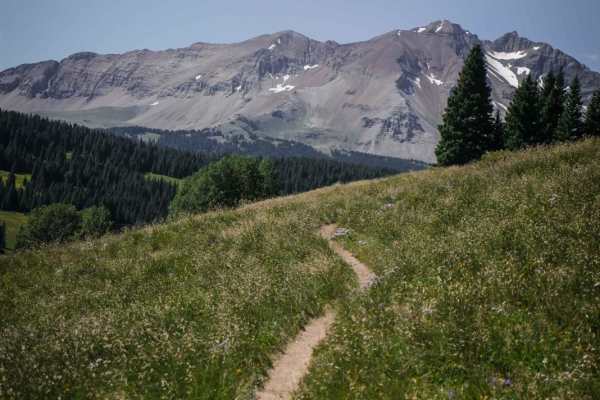
This route follows a portion of the historic Rio Grande Southern Railroad grade as it travels around Trout Lake and leads directly to the remaining Rio Grande Southern trestle bridge. The road consists primarily of a well-maintained gravel and packed dirt surface and passes through a mixture of open mountainside and dense forest. Aspen groves, tall evergreens, grasses, wildflowers, and thick shrubs line much of the route, while several open sections provide expansive views across Trout Lake and toward the surrounding mountains. Along the way, the historic railroad water tank remains beside the old grade as another reminder of the area's railroad past. The route eventually reaches the preserved wooden trestle, which spans the drainage below and is closed to vehicle travel.
Difficulty
The route consists primarily of a wide, well-maintained gravel and packed dirt surface with no major obstacles, deep ruts, or technical sections. Grades are mild, and the road provides plenty of room for normal tire placement. This route should be suitable for nearly any vehicle under normal conditions.
History
This route follows a portion of the historic Rio Grande Southern Railroad, which once connected communities throughout southwestern Colorado's rugged San Juan Mountains. The railroad operated through the Trout Lake area, and trains followed this grade around the lake on their way between the mining communities and railroad towns of the region. Several major pieces of Rio Grande Southern history remain visible here, including the historic Trout Lake water tank and the large wooden trestle. The route was also traveled by the Rio Grande Southern's famous Galloping Geese, the gasoline-powered railcars introduced during the railroad's financially difficult later years. The Geese carried passengers, mail, freight, and other supplies over the same railroad system at a fraction of the operating cost of conventional steam trains. Today, traveling this old grade provides an opportunity to follow the path once used by both RGS steam locomotives and the Galloping Geese while seeing surviving railroad infrastructure in its original mountain setting.


 Offroad