Trail Overview
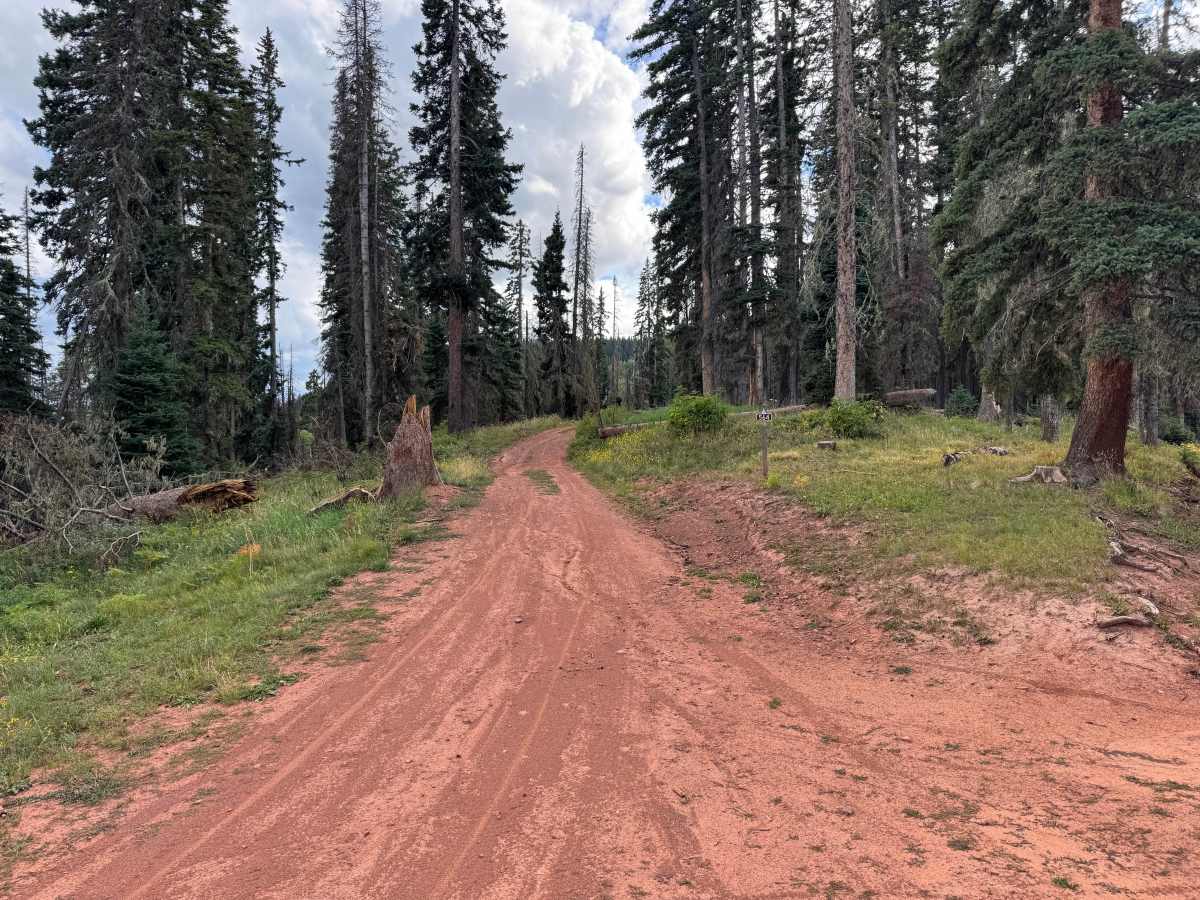
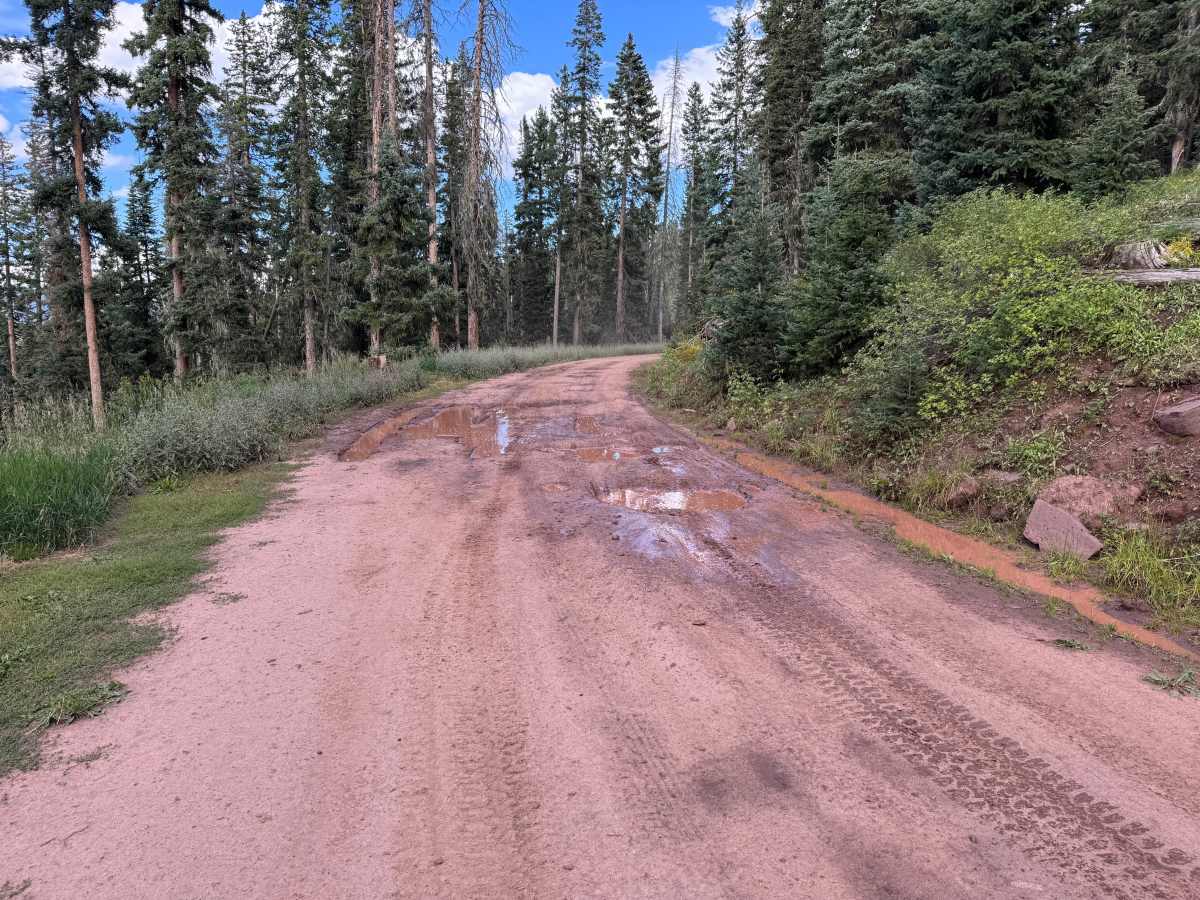
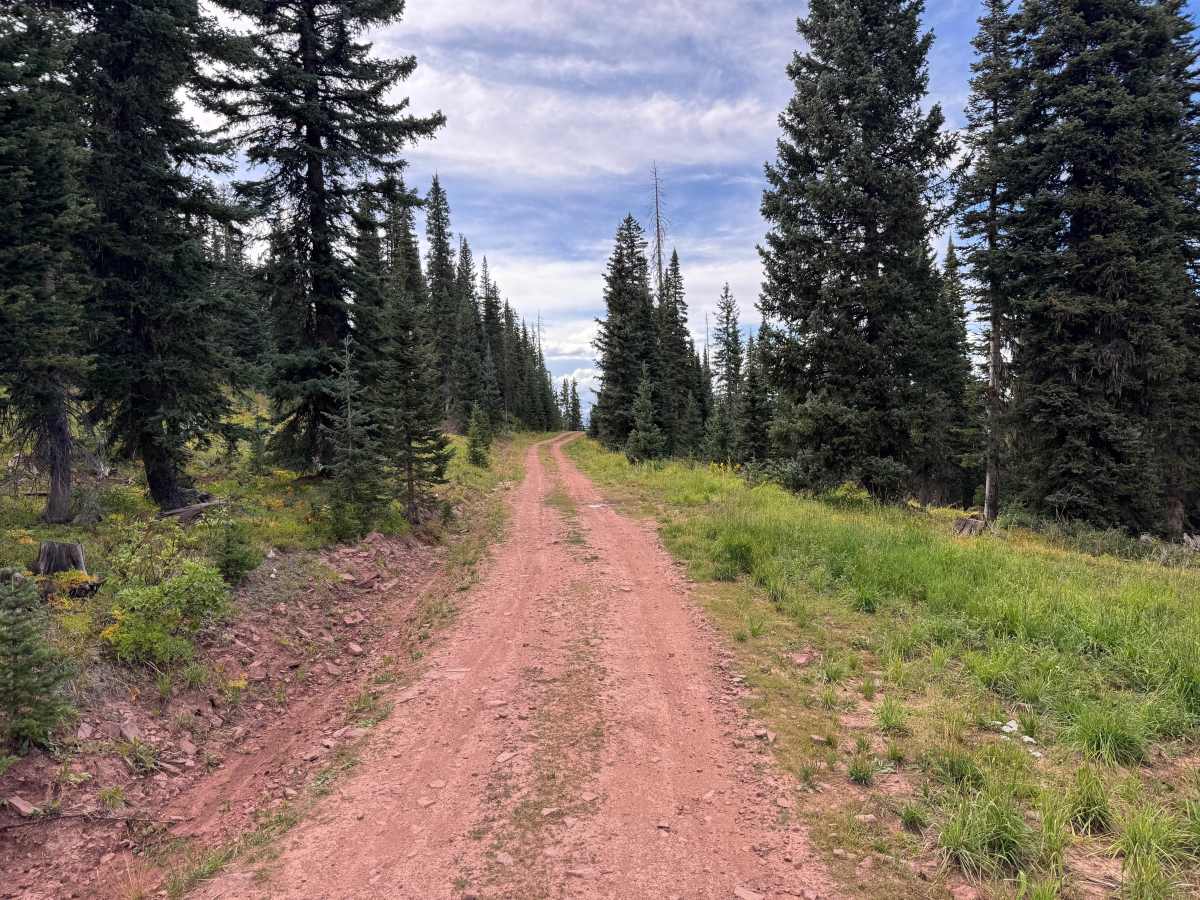
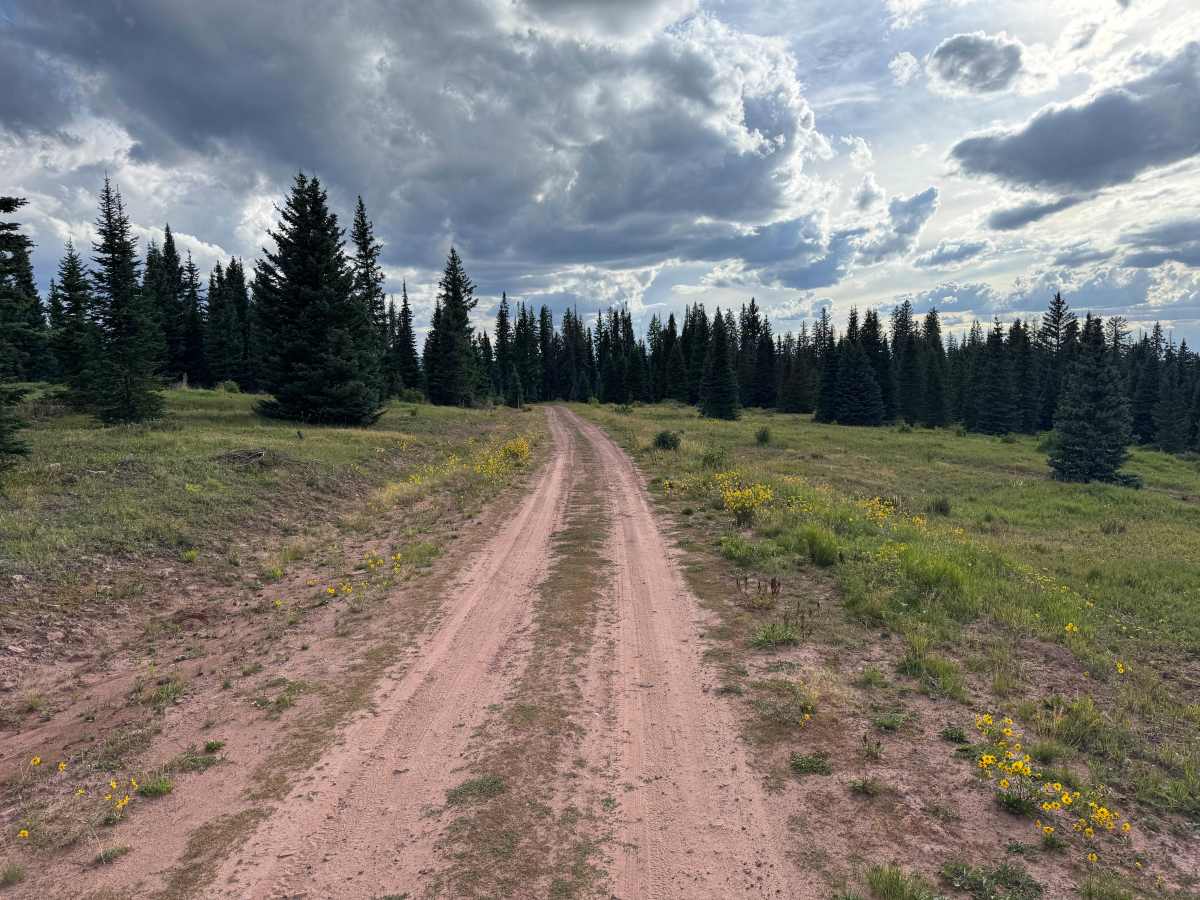
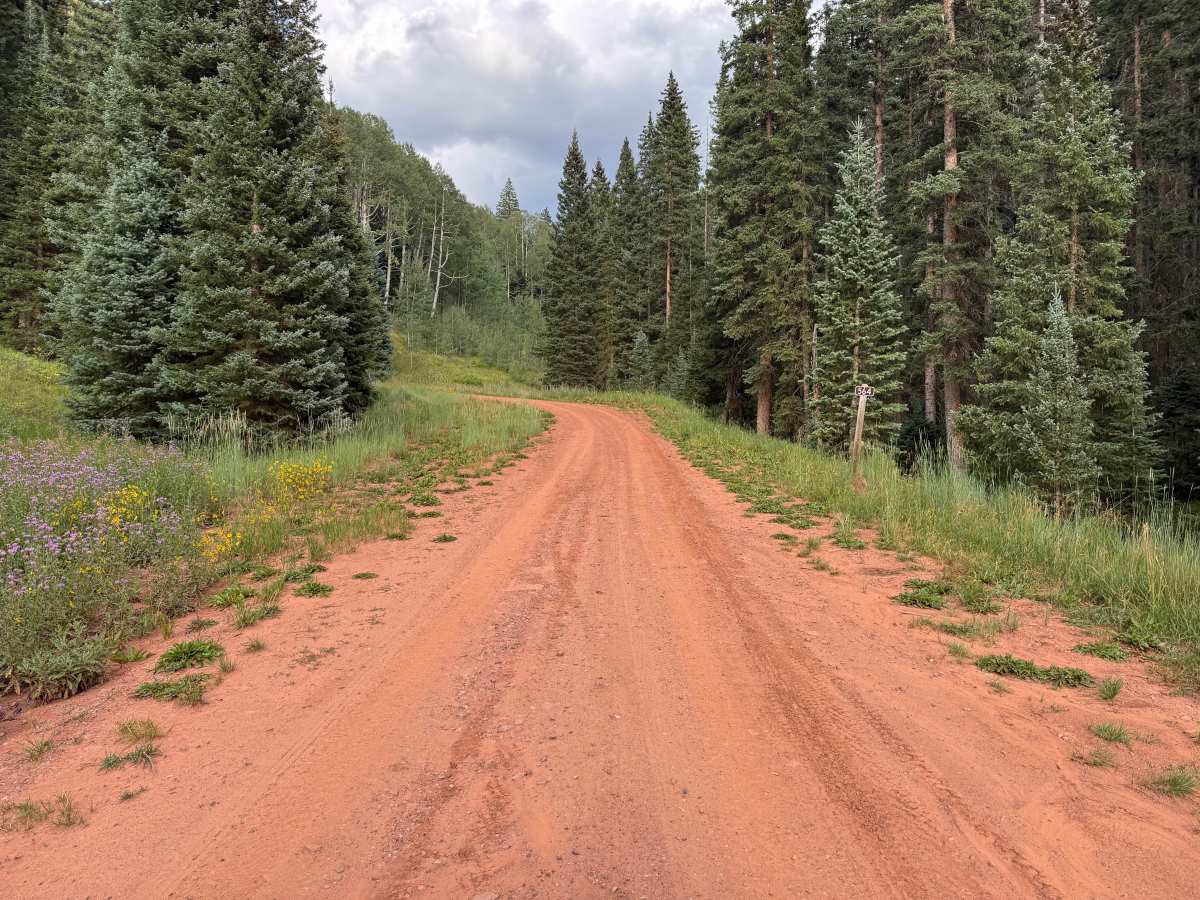
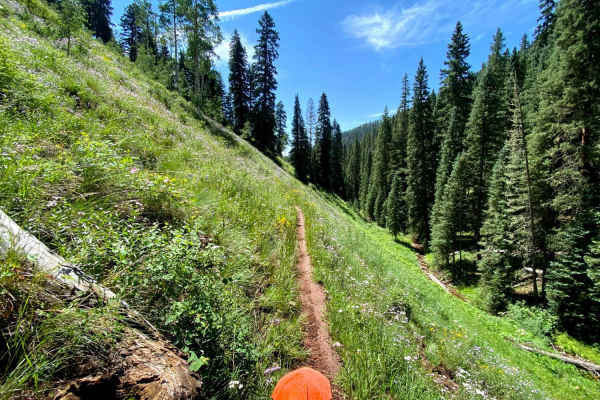
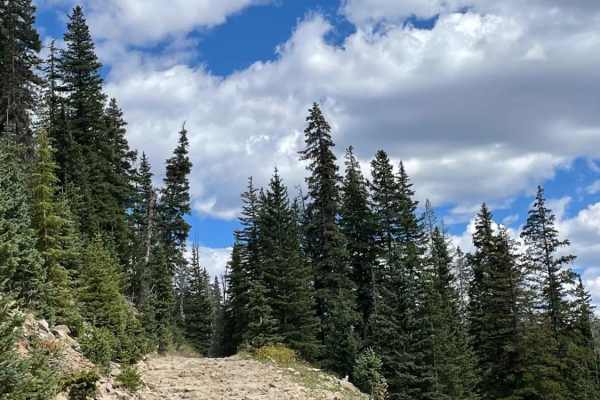
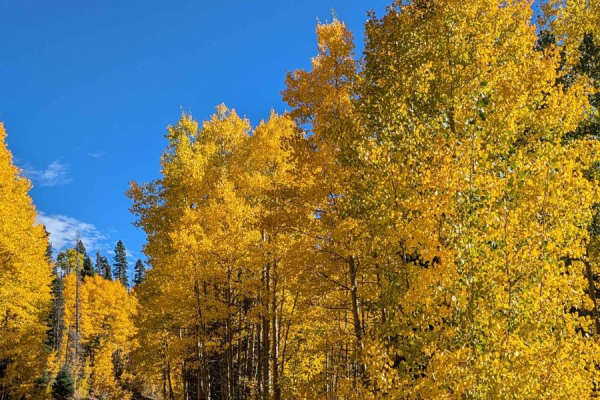
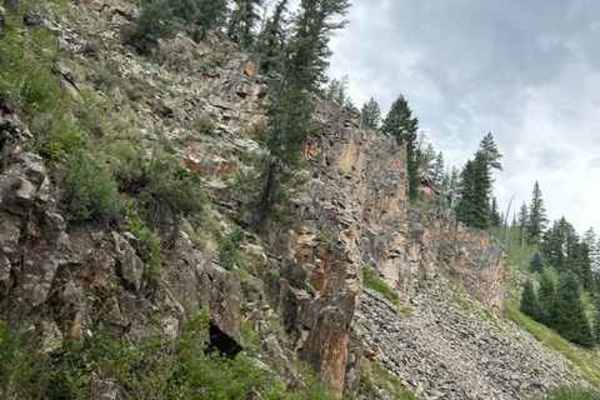
This route is fairly well maintained but still travels through remote mountain terrain, so a high-clearance 4x4 is recommended, even in stock form. The surface consists primarily of packed reddish dirt with scattered small rocks, shallow ruts, and occasional muddy sections where water collects after rain. Most of the route is approximately one vehicle wide, although there are periodic wider areas where vehicles can pull aside to allow oncoming traffic to pass. Several dispersed camping opportunities can also be found along the route. The trail winds through dense stands of pine, fir, and aspen before occasionally emerging into open mountain meadows filled with grasses and seasonal wildflowers. At the higher and more exposed sections, the forest opens enough to provide beautiful views across the San Juan National Forest and toward the surrounding San Juan Mountains.
Difficulty
Mostly packed dirt with scattered small rocks, shallow ruts, and occasional muddy or water-filled sections. There are no major obstacles, ledges, or technical rock features along the route. The primary considerations are the narrow one-vehicle-wide sections and potentially slick or soft conditions after rain. A stock high-clearance 4x4 should have little difficulty under normal dry conditions.
History
The Hermosa Creek area has a long history of transportation, ranching, forestry and recreation. Settlement began near the mouth of Hermosa Creek in the early 1870s, where farms and orchards supplied food to the growing mining camps around Silverton. By 1875, produce from the Hermosa Valley was being transported north to the mining district, first by wagon and later by railroad. The Denver & Rio Grande narrow-gauge railroad reached Hermosa in November 1881, establishing a construction and railroad facility with a depot, siding, water tank and other infrastructure as construction continued toward Silverton. The upper Hermosa watershed remained comparatively undeveloped and became valued for fishing, hunting and backcountry recreation. The Forest Service constructed the Hermosa Trail in 1917 for fishermen, recreationists, forest rangers and ranchers. Today, much of the watershed is protected within the Hermosa Creek Special Management Area and Hermosa Creek Wilderness. There's also an important off-road-specific piece of modern history here. In the 1960s, there were proposals to push additional roads into the upper Hermosa watershed to facilitate timber harvesting. Local opposition helped prevent a road from being constructed across the watershed, preserving much of the roadless character that exists today. Congress ultimately passed the Hermosa Creek Watershed Protection Act in 2014, protecting the watershed while retaining recreation on designated existing routes.

 Offroad