Trail Overview
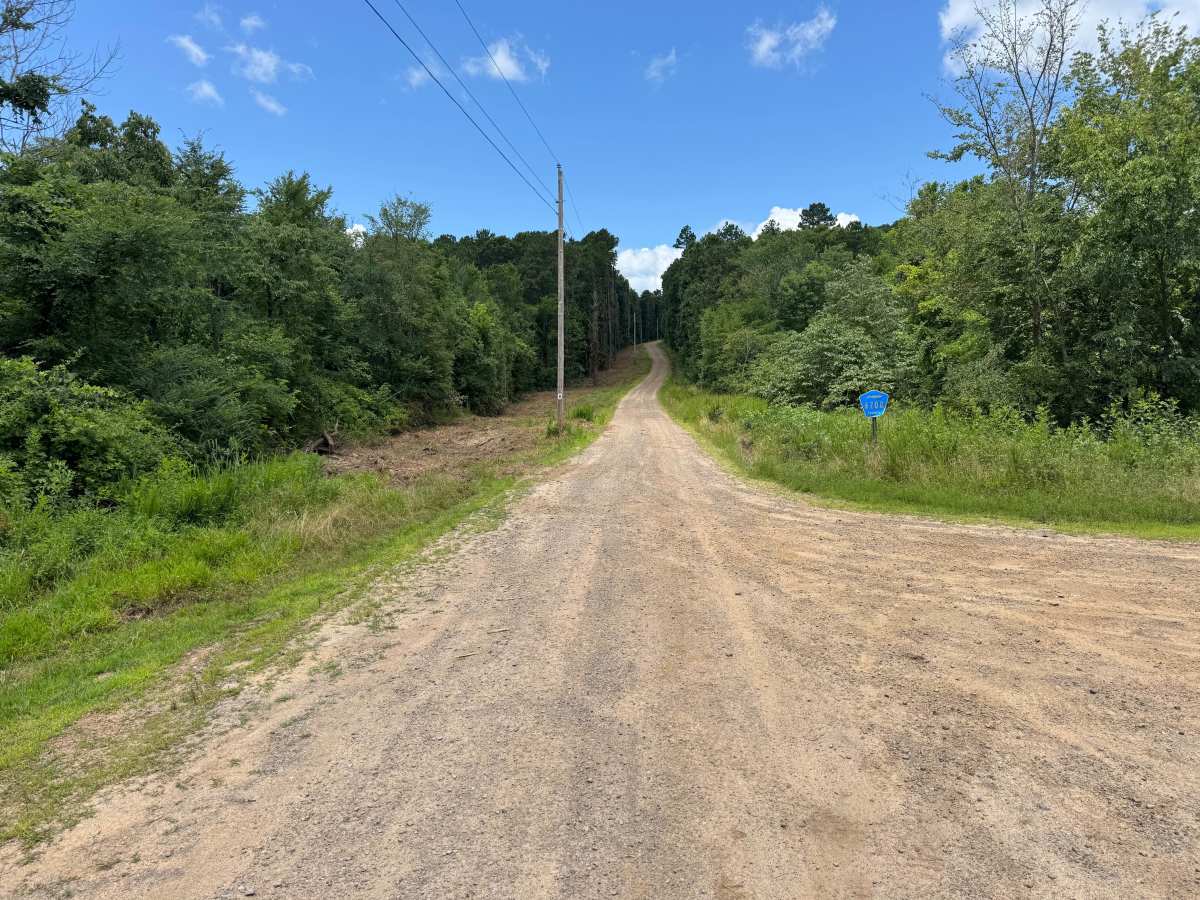
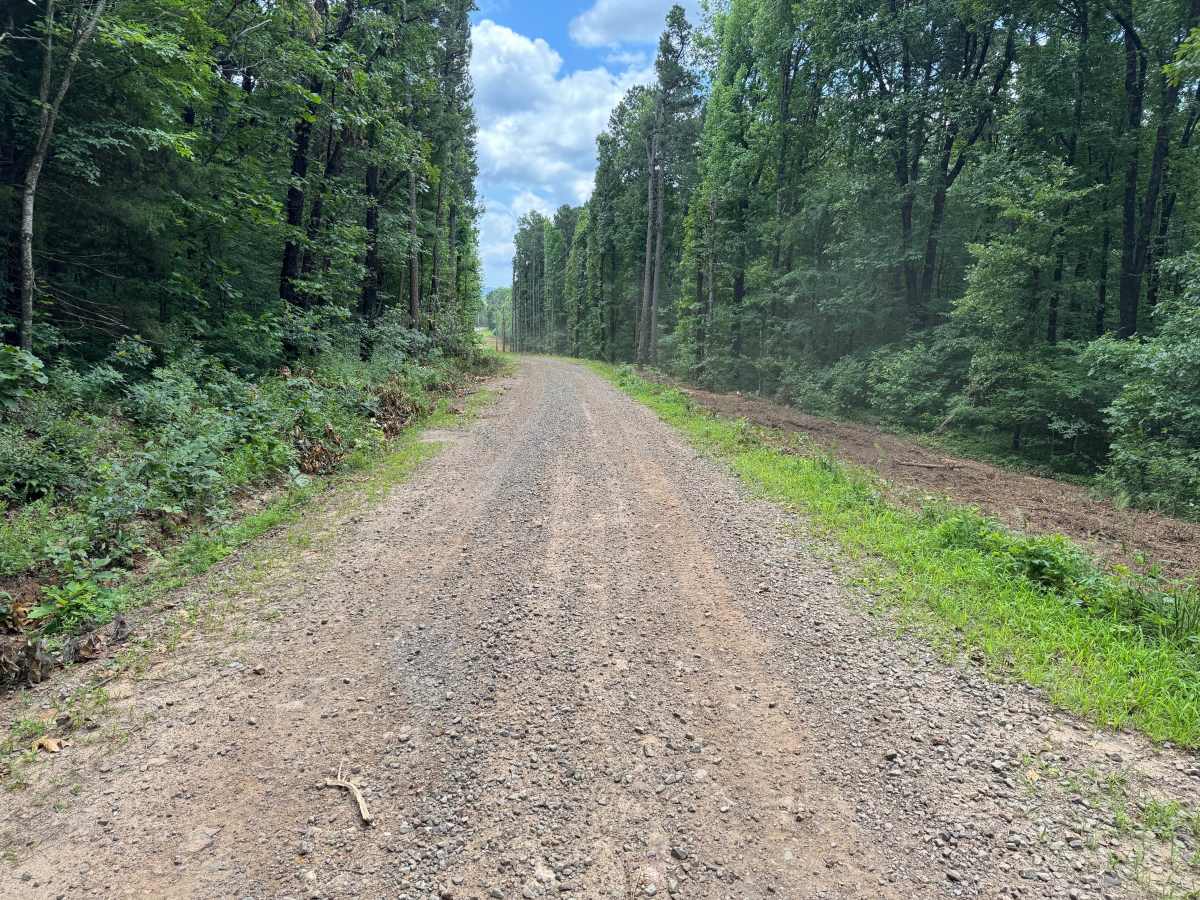
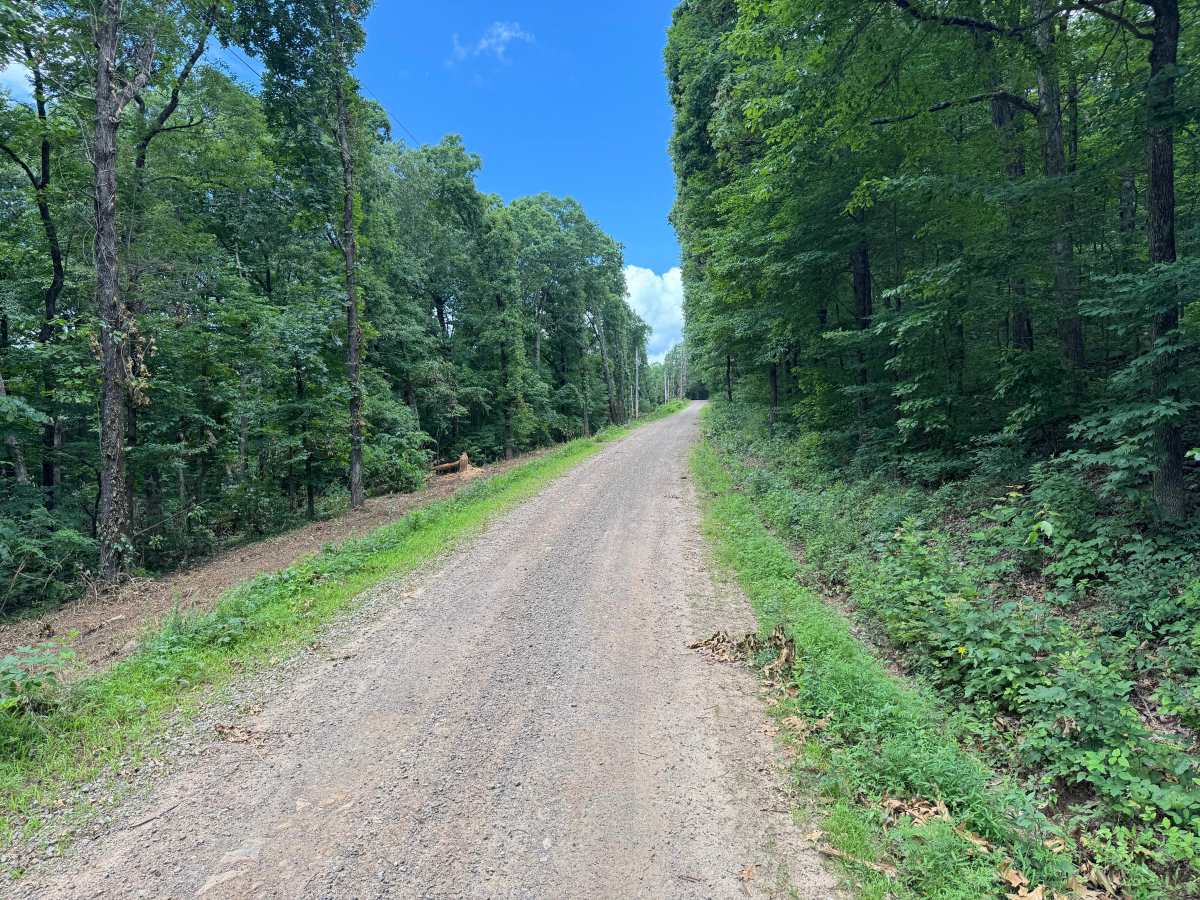
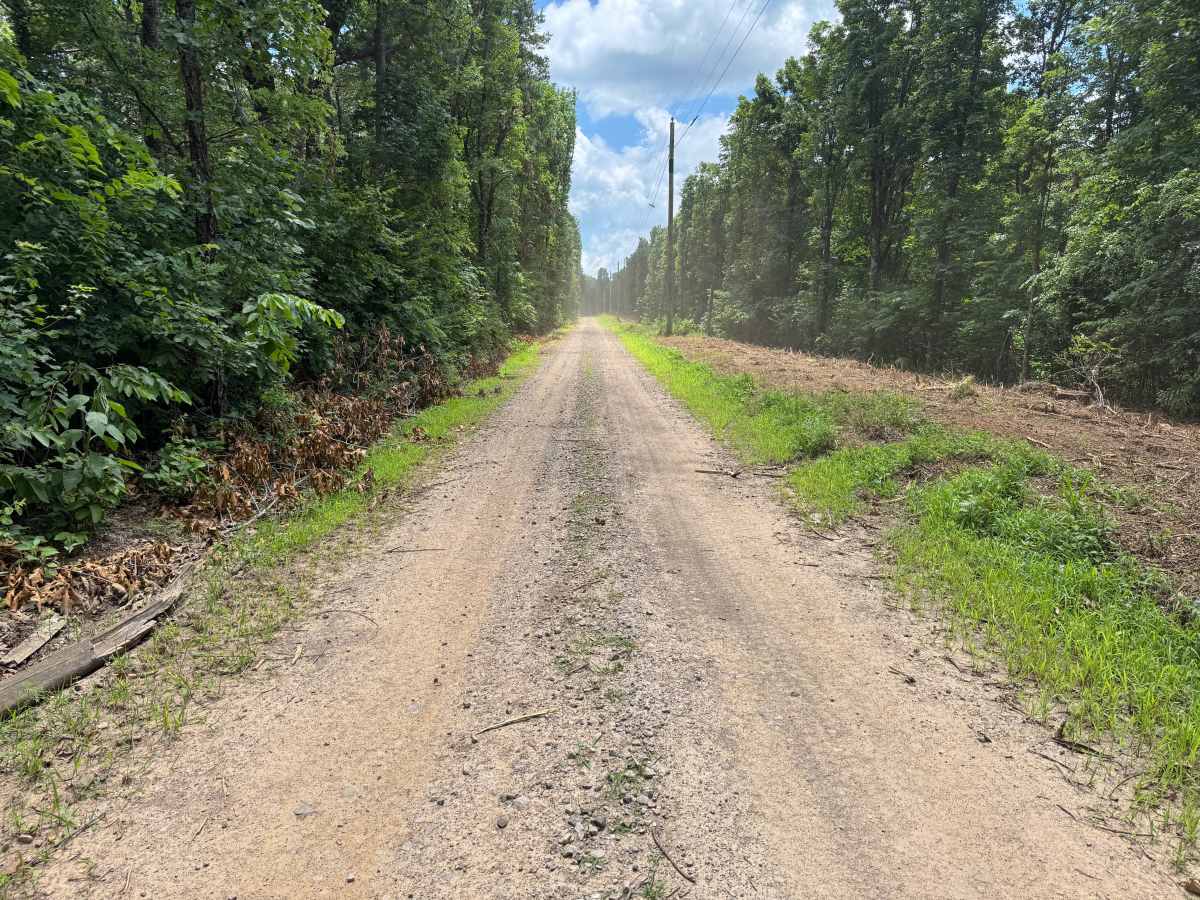
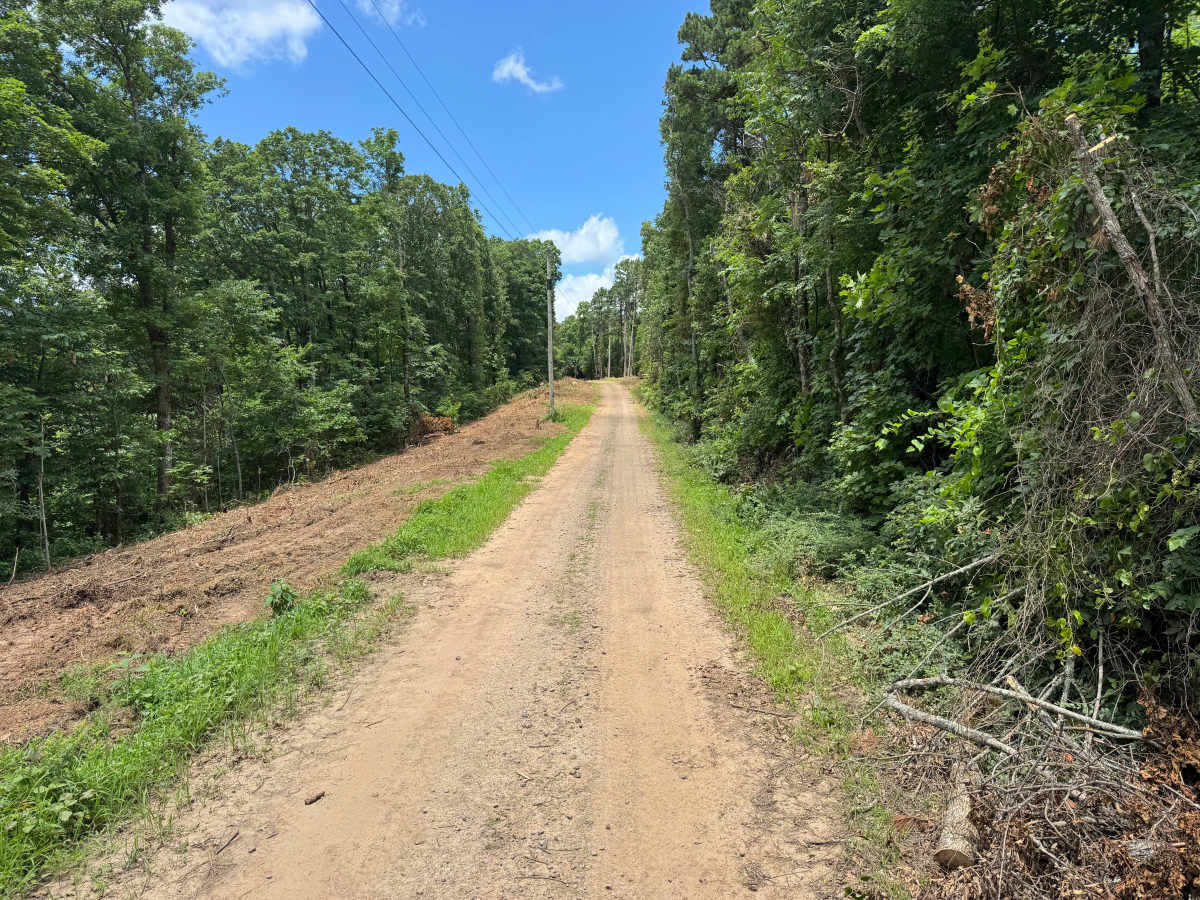
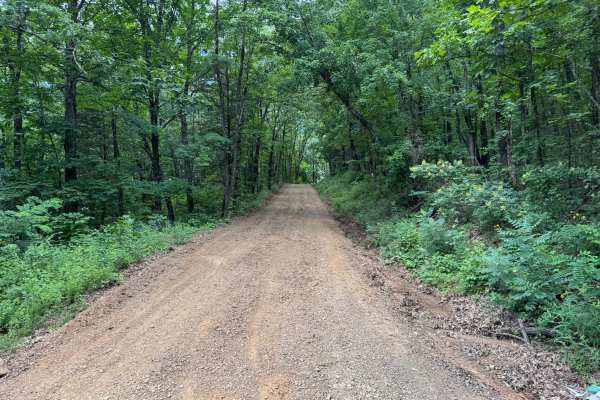
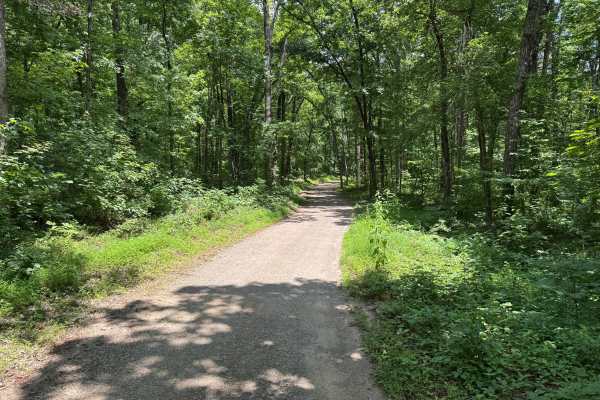
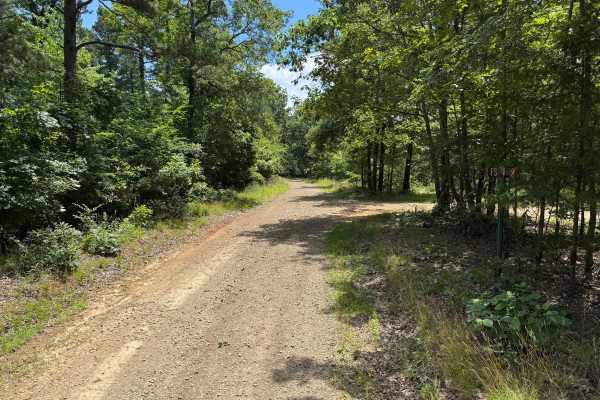
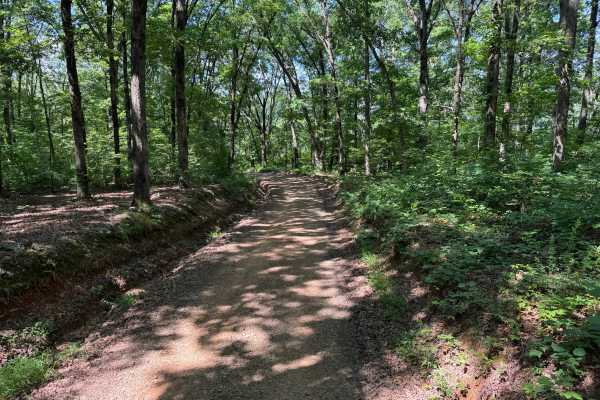
This route serves as a connector trail that becomes part of a longer through route when combined with the surrounding Forest Service roads. The drive follows a narrow, single-vehicle-wide gravel road that winds through a peaceful landscape of mature hardwoods, tall pine forests, and utility line corridors that provide occasional long-distance views through the trees. The road surface is generally well maintained with gentle elevation changes and broad curves, making it an enjoyable drive for travelers looking to explore the Ozark National Forest. While there are a handful of wider areas where vehicles can pull over to allow oncoming traffic to pass, drivers should remain attentive since much of the route accommodates only one vehicle at a time. The trail itself contains no major technical obstacles, but typical Forest Service road conditions should be expected, including shallow whoops, drainage dips, loose gravel, and minor ruts caused by water erosion along the road edges. Recently cleared utility right-of-ways create an interesting contrast between dense forest and open corridors, while the surrounding woods offer plenty of shade throughout much of the drive. Wildlife, including deer, wild turkey, and other forest animals, is commonly seen along this route, particularly during the early morning and evening hours. Downed trees or fallen limbs may also be encountered after storms or periods of high wind. Overall, this is an easy, scenic connector route that emphasizes relaxing forest driving and serves as an excellent link between several nearby trails in the Ozark National Forest.
Difficulty
The surface is generally smooth and well maintained, consisting of compacted gravel with occasional loose rock, shallow drainage dips, minor whoops, and light erosion along the road edges. Gentle grades and broad curves make for a comfortable drive, while the narrow, single-lane width requires drivers to remain aware of oncoming traffic and use designated pull-off areas when necessary.
History
The Ozark National Forest was established in 1908 and today forms part of the Ozark-St. Francis National Forests protect more than one million acres across northern Arkansas. Many of the Forest Service roads traveled today began as logging, fire access, or resource management roads before becoming part of the modern recreation network. Forest management continues to play an important role in maintaining healthy ecosystems through timber management, prescribed fire, wildlife habitat restoration, and watershed protection. The rugged Boston Mountains and surrounding Ozark Highlands remain one of the oldest and most geologically significant mountain regions in North America, offering visitors a unique combination of natural beauty and rich forest history.