Trail Overview
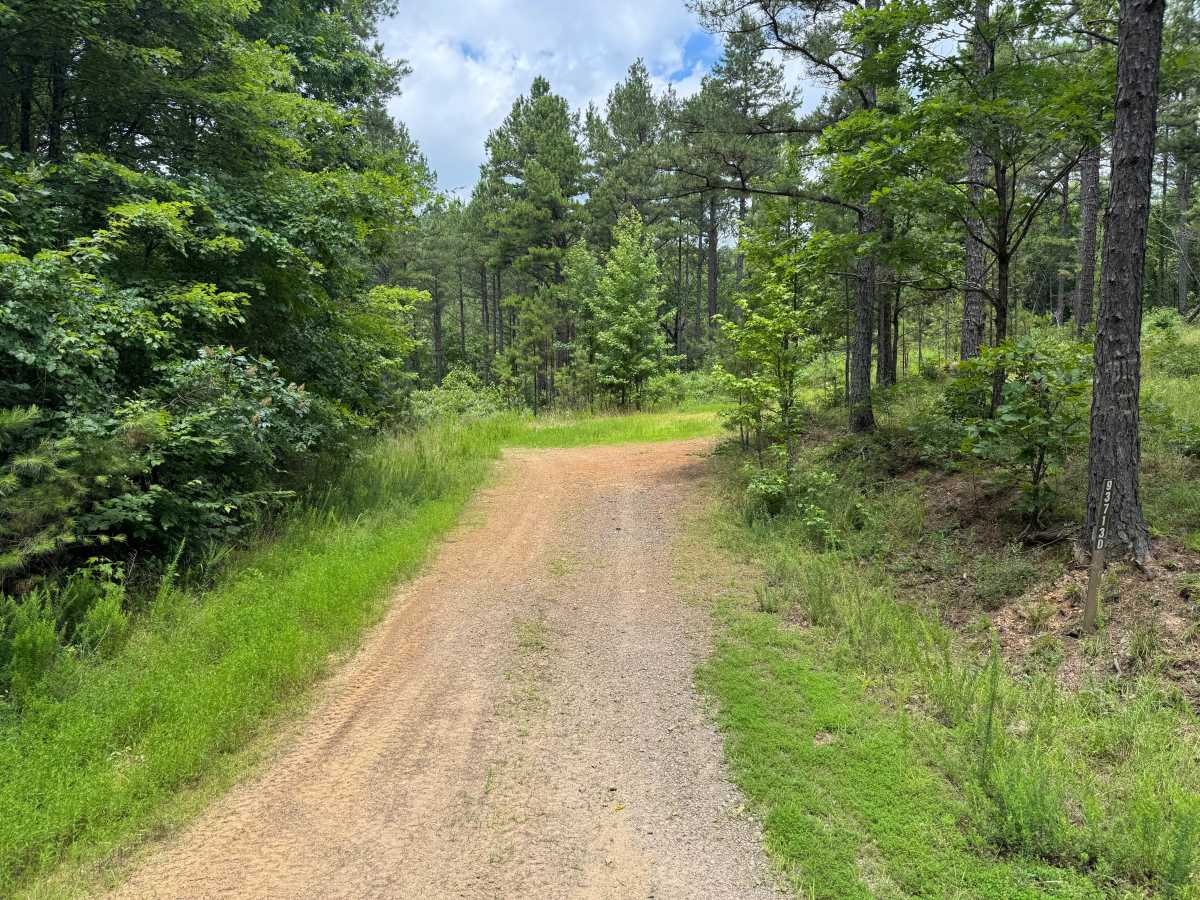
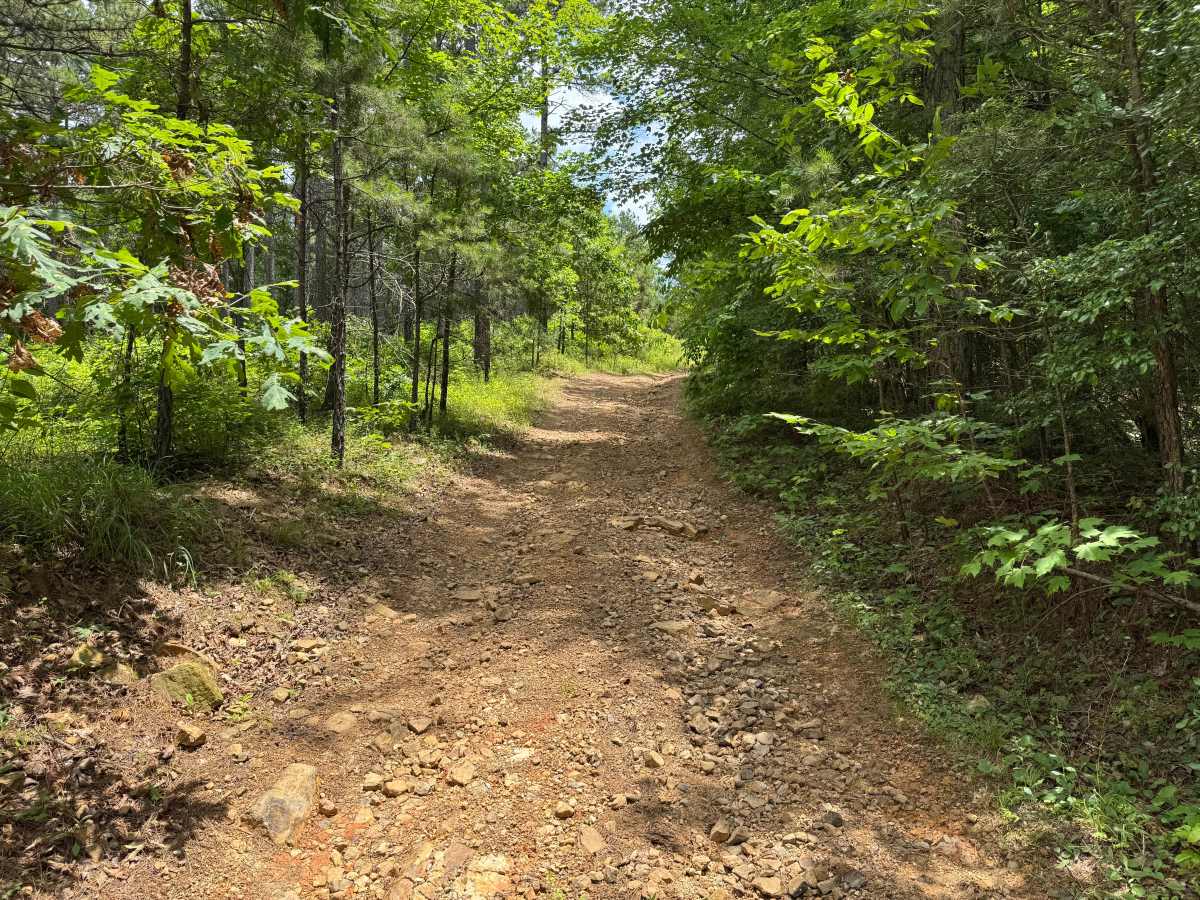
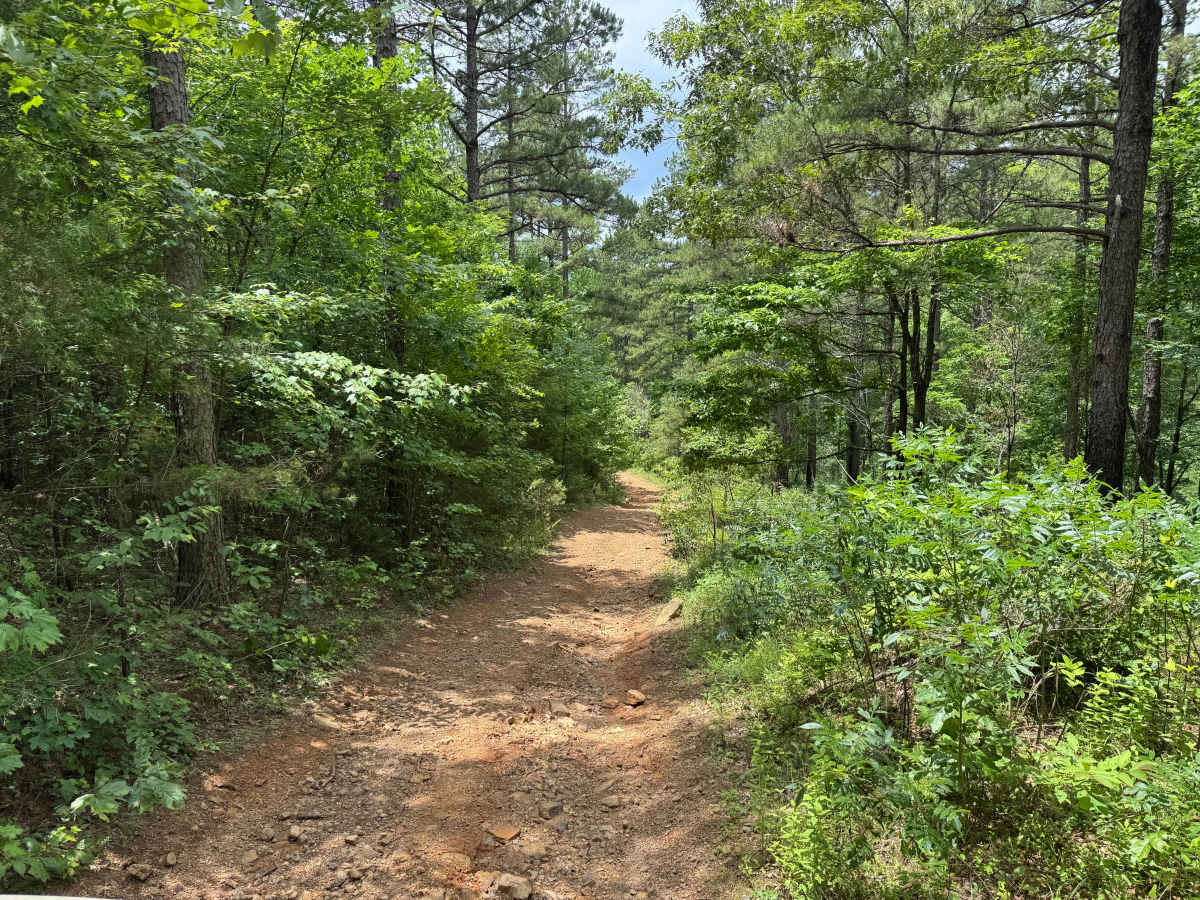
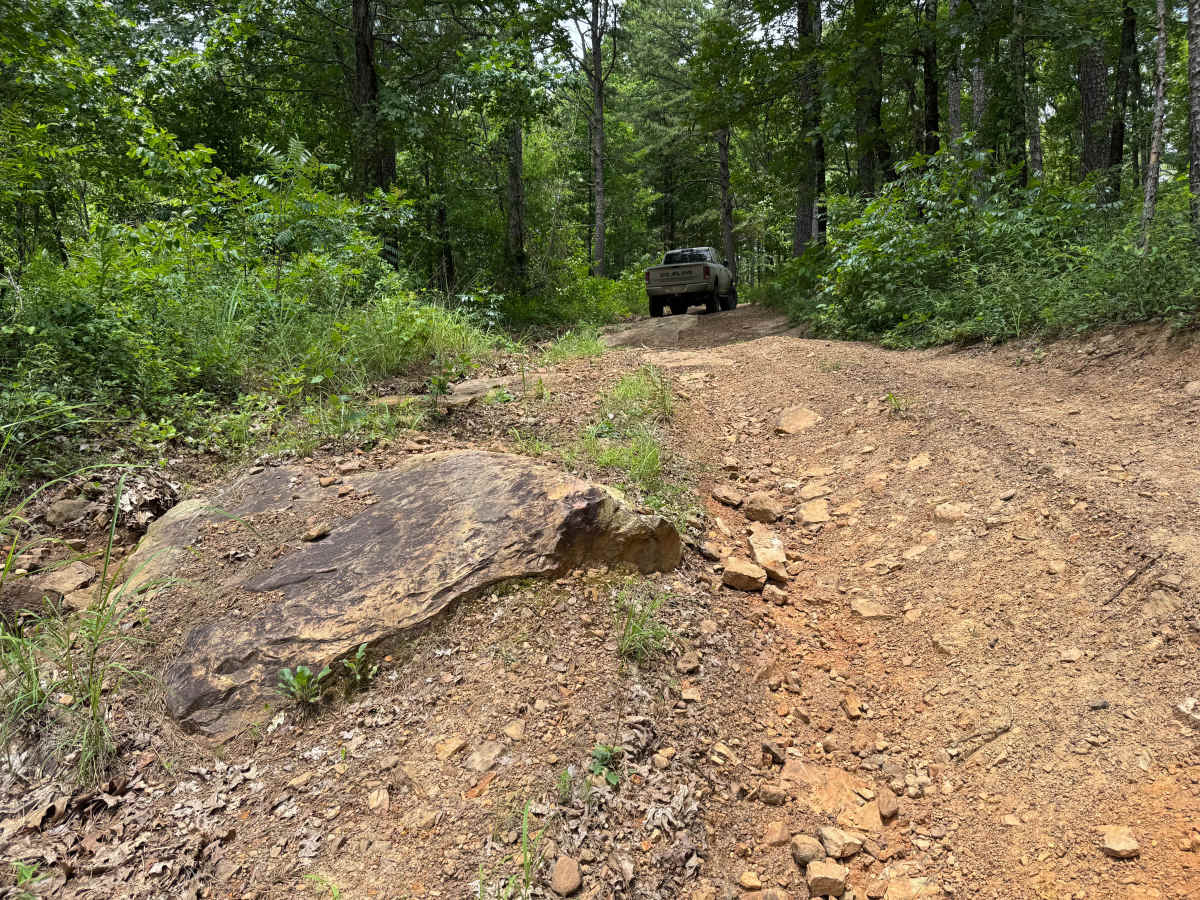
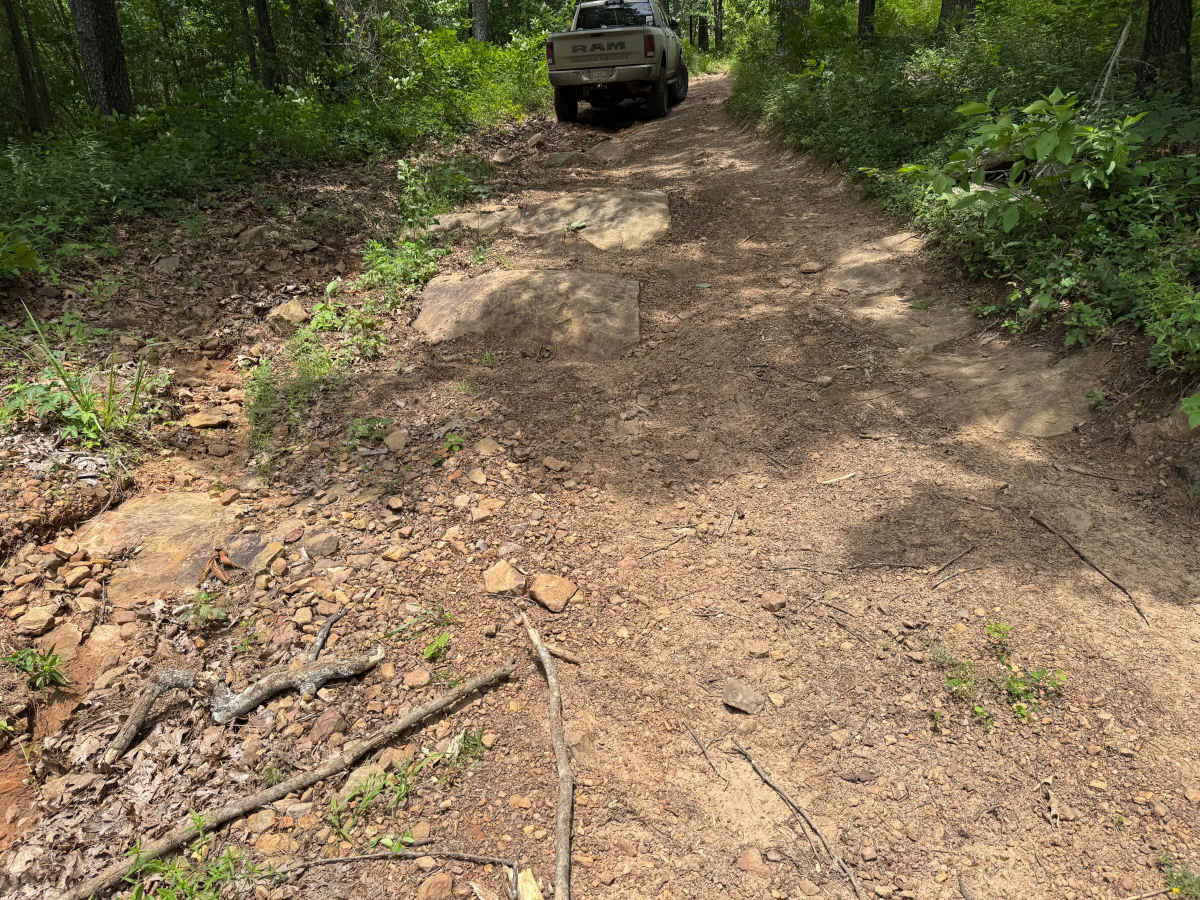
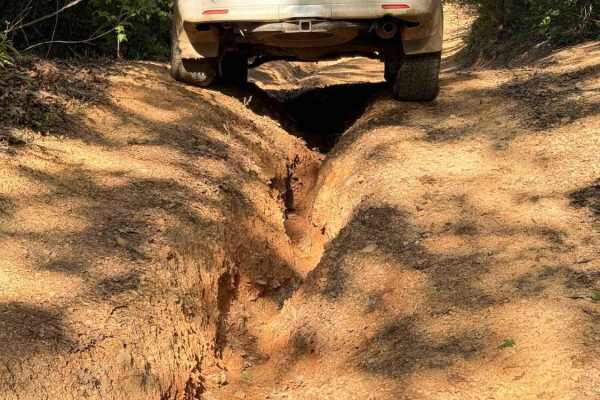
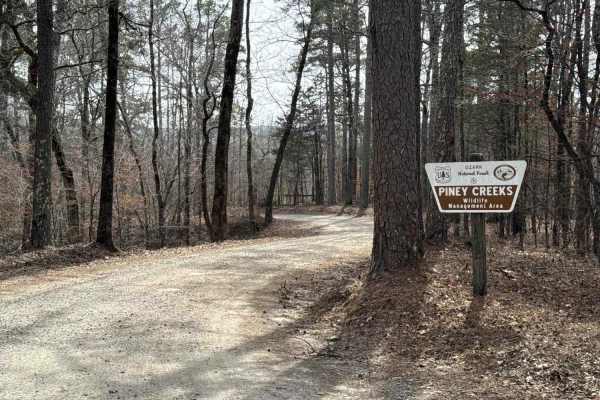
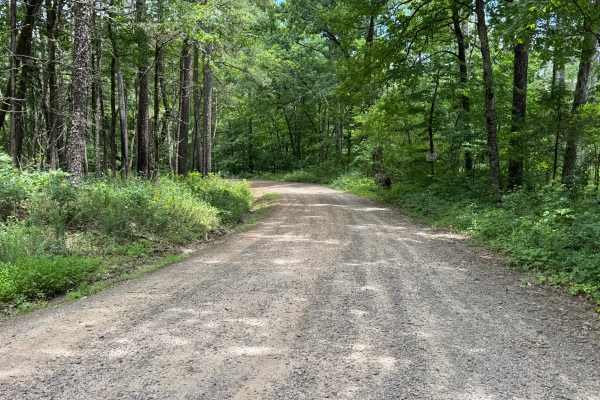
This route begins on Forest Service Road 93713D off Jake's Creek Road before transitioning onto Sulphur Branch Road (FS 1826). After the junction, the trail narrows to a single-vehicle-wide route and becomes progressively more technical, featuring loose rock, off-camber sections, exposed bedrock, eroded washouts, and moderate ledges. Drivers should expect a slow-paced trail that rewards careful tire placement more than outright ground clearance. Near the two-mile mark, a large fallen tree spans the trail and serves as the primary limiting obstacle. Vehicles with an overall height of 6 feet or less can fit beneath the tree and continue the remainder of the route, while taller vehicles will be unable to proceed past this point. Because the trail is off-camber beneath the tree, one side of the vehicle will lean closer to the trunk, requiring extra caution. Throughout the rest of the trail, the largest obstacles, including rocks, ruts, and ledges, remain under 2 feet in height, although erosion has created several washouts that require careful wheel placement and adequate ground clearance.
Difficulty
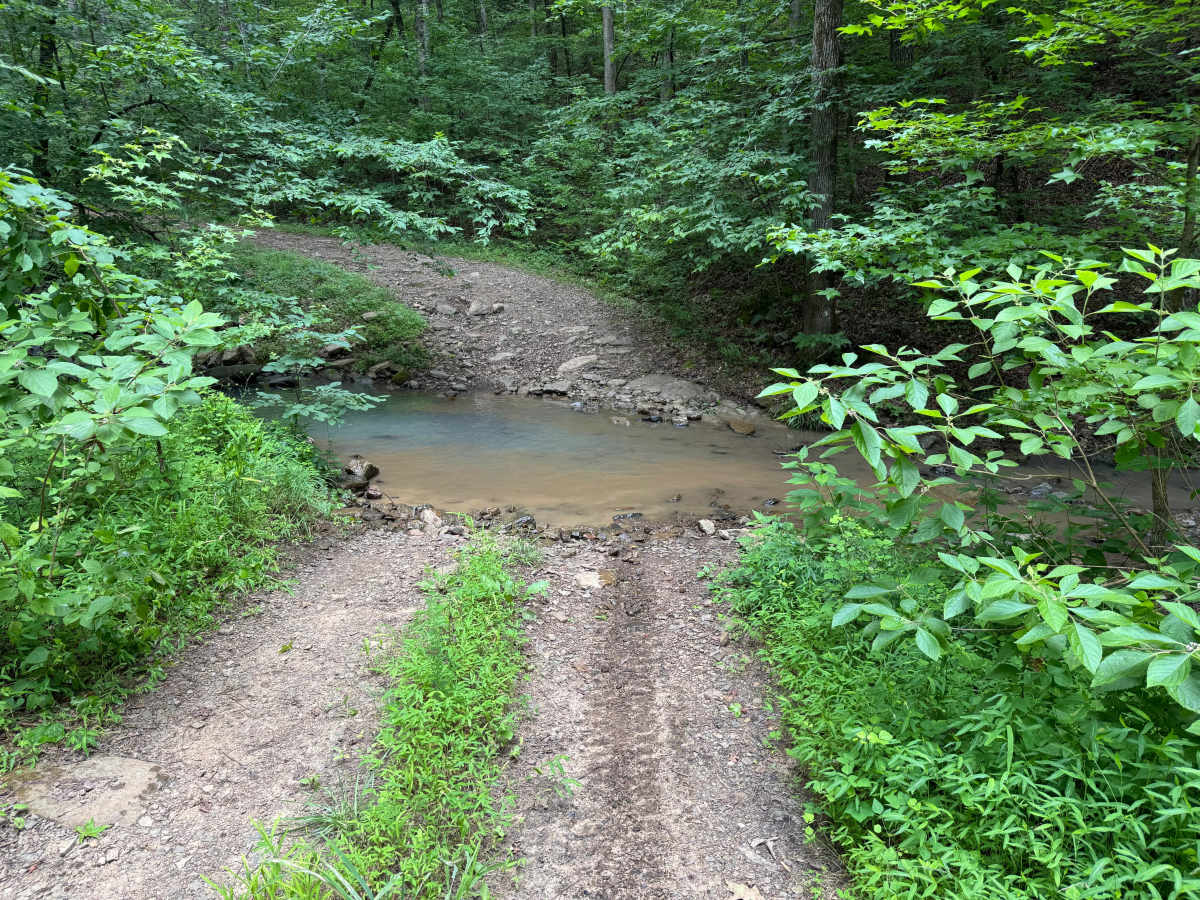
Although obstacle heights remain below 2 feet, the trail demands consistent driver attention from beginning to end. Drivers must navigate rocky climbs, exposed bedrock, off-camber sections, washouts, erosion, and a shallow creek crossing. The fallen tree near mile two also creates a semi-permanent height restriction, allowing only vehicles 6 feet or shorter to continue beyond that point. There are no extreme rock crawling obstacles or large ledges, but the cumulative technical terrain and lack of room for error place this trail solidly in the moderate category.
History
The Ozark National Forest was established in 1908 and today forms part of the Ozark-St. Francis National Forests, protecting more than one million acres across northern Arkansas. Many of the Forest Service roads traveled today began as logging, fire access, or resource management roads before becoming part of the modern recreation network. Forest management continues to play an important role in maintaining healthy ecosystems through timber management, prescribed fire, wildlife habitat restoration, and watershed protection. The rugged Boston Mountains and surrounding Ozark Highlands remain one of the oldest and most geologically significant mountain regions in North America, offering visitors a unique combination of natural beauty and rich forest history.