Trail Overview
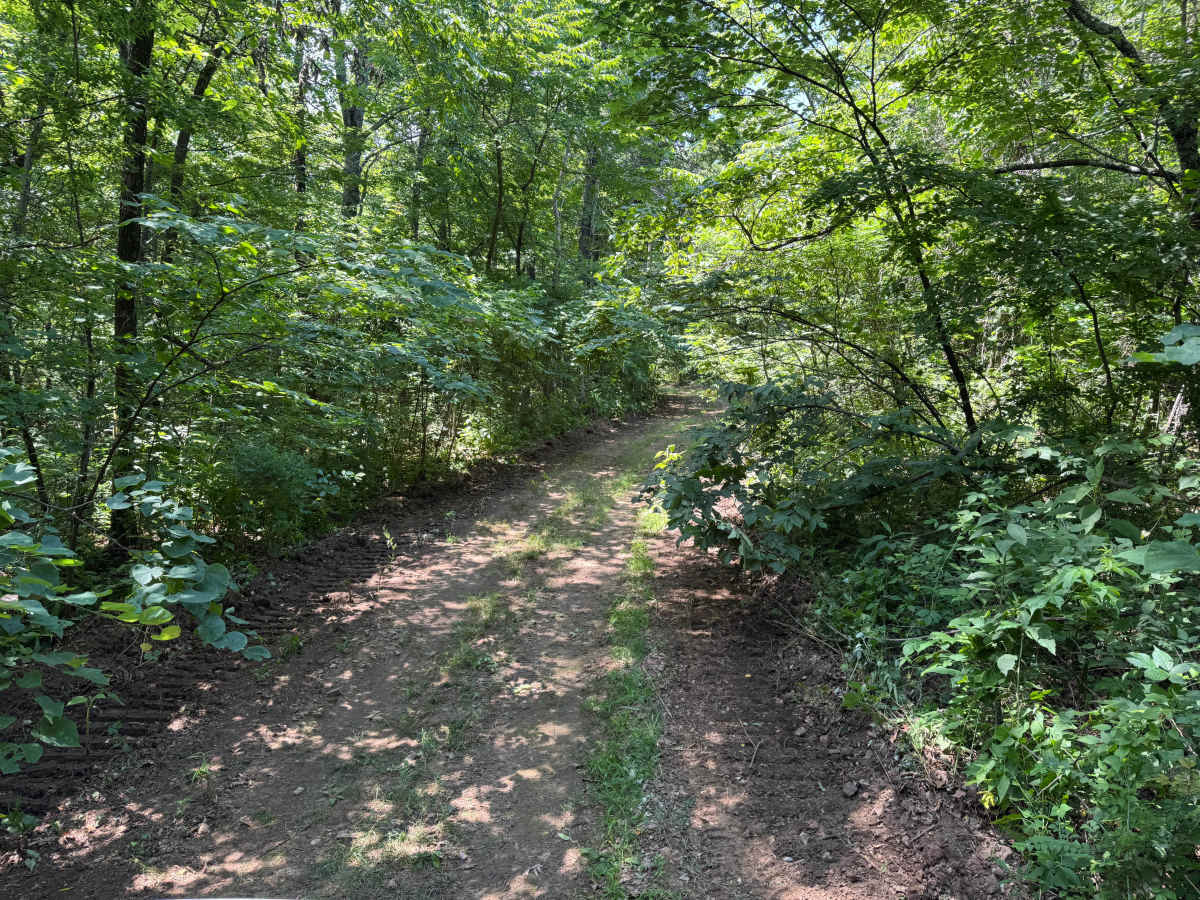
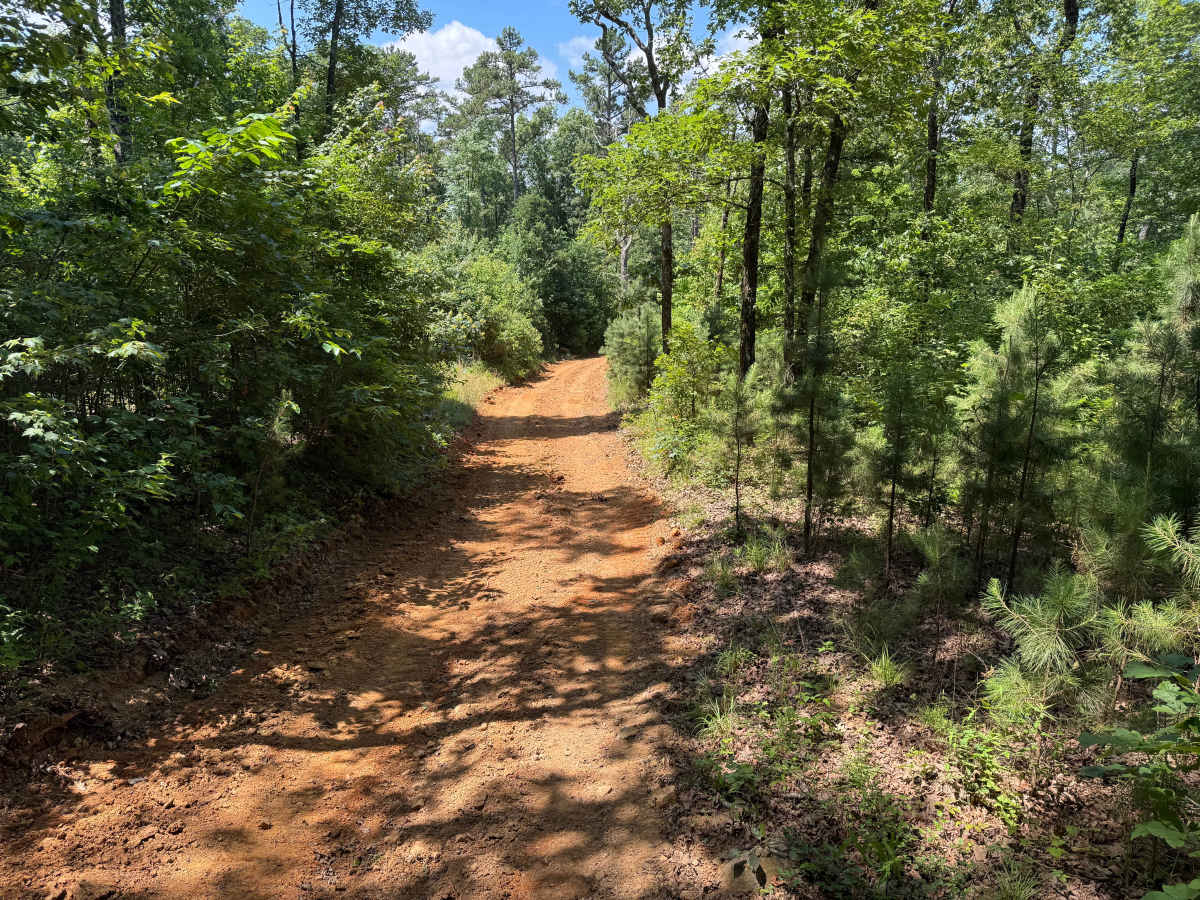
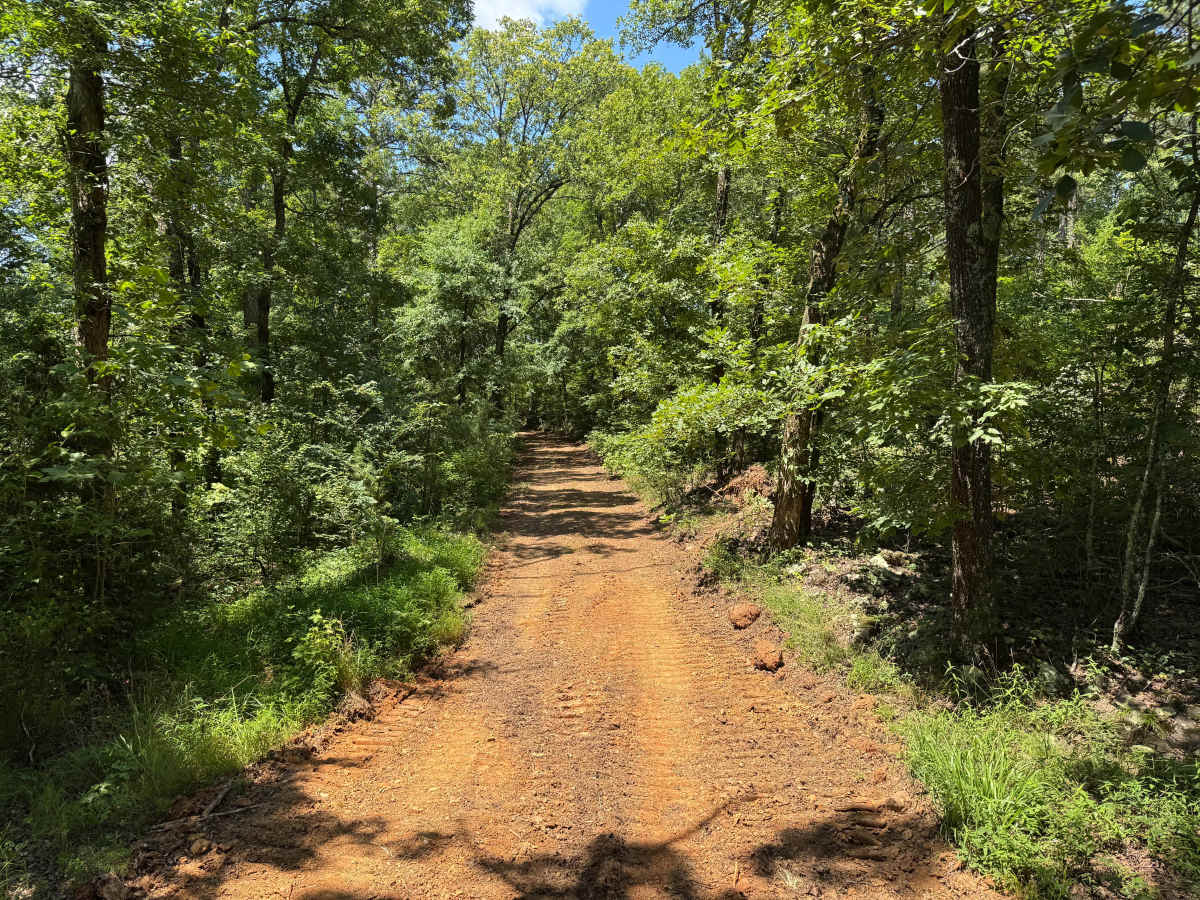
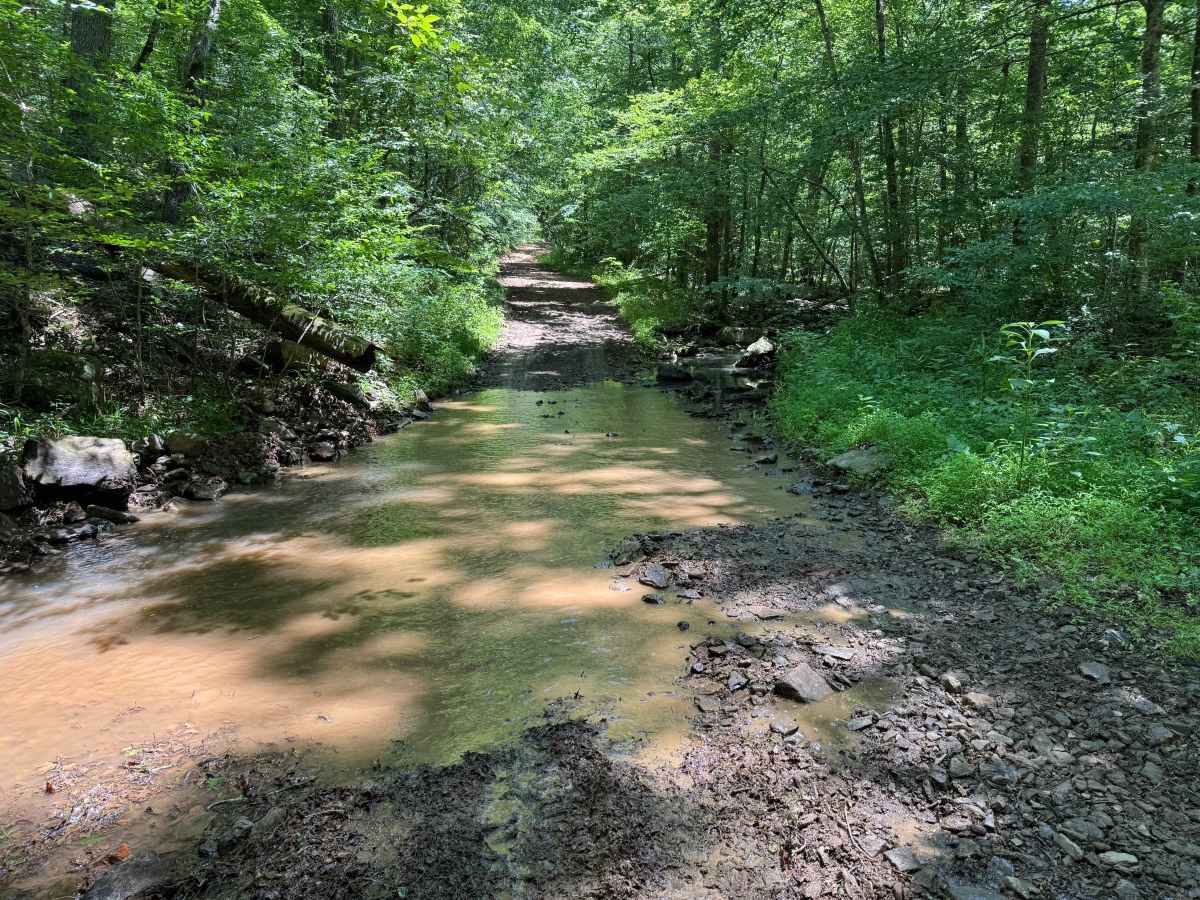
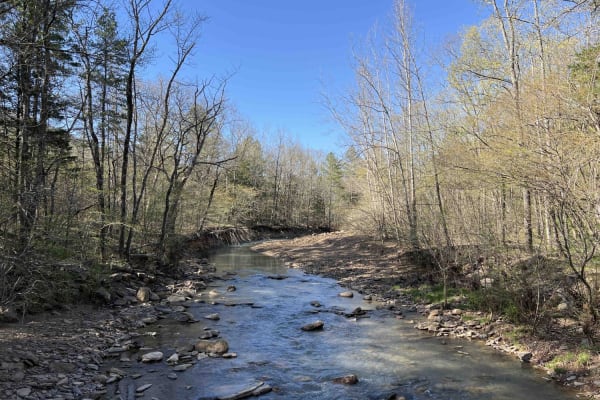
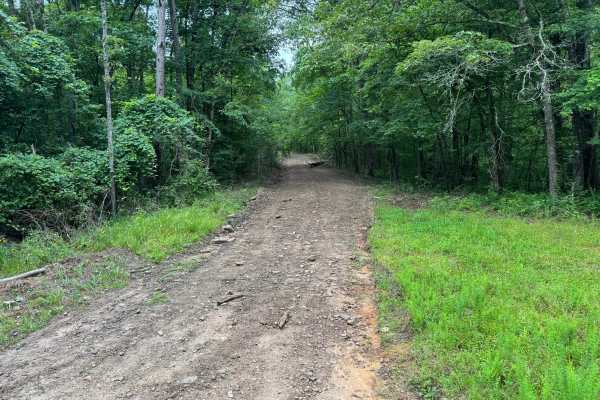
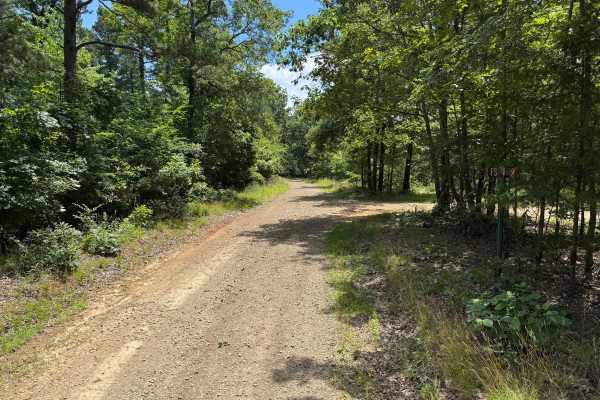
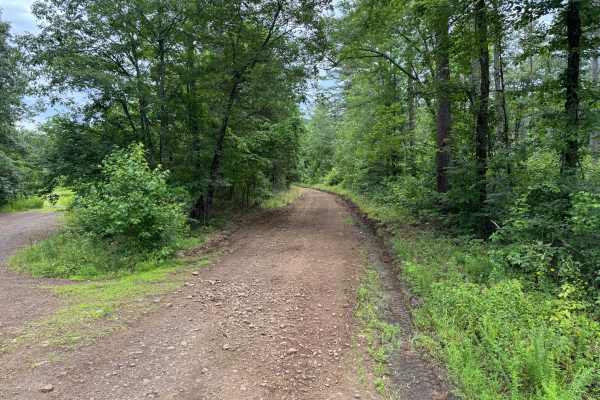
This out-and-back trail follows a narrow, single-vehicle-wide dirt road as it gradually climbs through a beautiful mixed hardwood and pine forest. While there are a handful of wider pull-offs where drivers can safely pass oncoming traffic, most of the route is limited to one vehicle at a time, so use caution around blind corners. The trail is generally easy to navigate and does not contain any major technical obstacles, making it an enjoyable drive for stock high-clearance 4WD vehicles. Expect typical forest road conditions, including shallow whoops, drainage dips, loose rock, and water erosion along the road edges. A few short rocky sections add some variety, but careful tire placement is all that is required. One shallow creek crossing provides a scenic highlight and is typically straightforward during normal water levels, though conditions can change following heavy rainfall. The surrounding scenery features dense green forests, young pine stands, shaded tunnel-like sections beneath the tree canopy, and occasional openings that offer long views down the winding trail. Because this is a lightly maintained forest road, downed trees or fallen limbs are the most likely obstacles after storms. Wildlife such as deer, wild turkey, and other forest animals are common, so remain alert throughout the drive. Overall, this route offers a peaceful, scenic mountain climb with light off-road challenges and an excellent opportunity to experience the beauty of the surrounding forest.
Difficulty
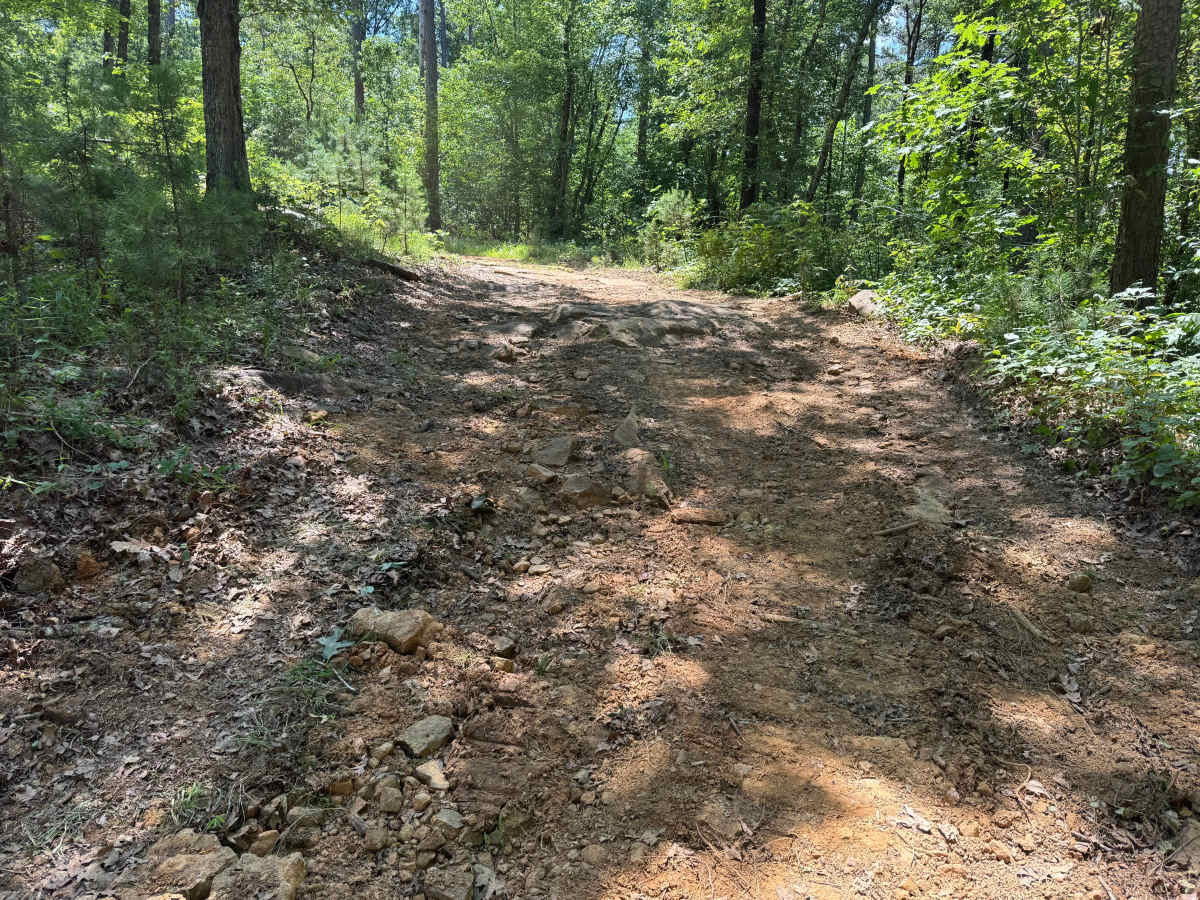
This is an easy forest trail that gradually climbs through rolling terrain with only minor technical features. The route is primarily a narrow, single-vehicle-wide dirt road with designated pull-offs for passing. Drivers will encounter common forest road conditions such as shallow ruts, drainage dips, whoops, loose rock, and erosion along the edges. The rocky section near the top requires slower speeds and basic tire placement but does not demand advanced driving skills. A shallow creek crossing is typically straightforward in normal conditions, although water depth and current can increase after heavy rainfall.
History
The Ozark National Forest was established in 1908 and today forms part of the Ozark-St. Francis National Forests protect more than one million acres across northern Arkansas. Many of the Forest Service roads traveled today began as logging, fire access, or resource management roads before becoming part of the modern recreation network. Forest management continues to play an important role in maintaining healthy ecosystems through timber management, prescribed fire, wildlife habitat restoration, and watershed protection. The rugged Boston Mountains and surrounding Ozark Highlands remain one of the oldest and most geologically significant mountain regions in North America, offering visitors a unique combination of natural beauty and rich forest history.