Trail Overview
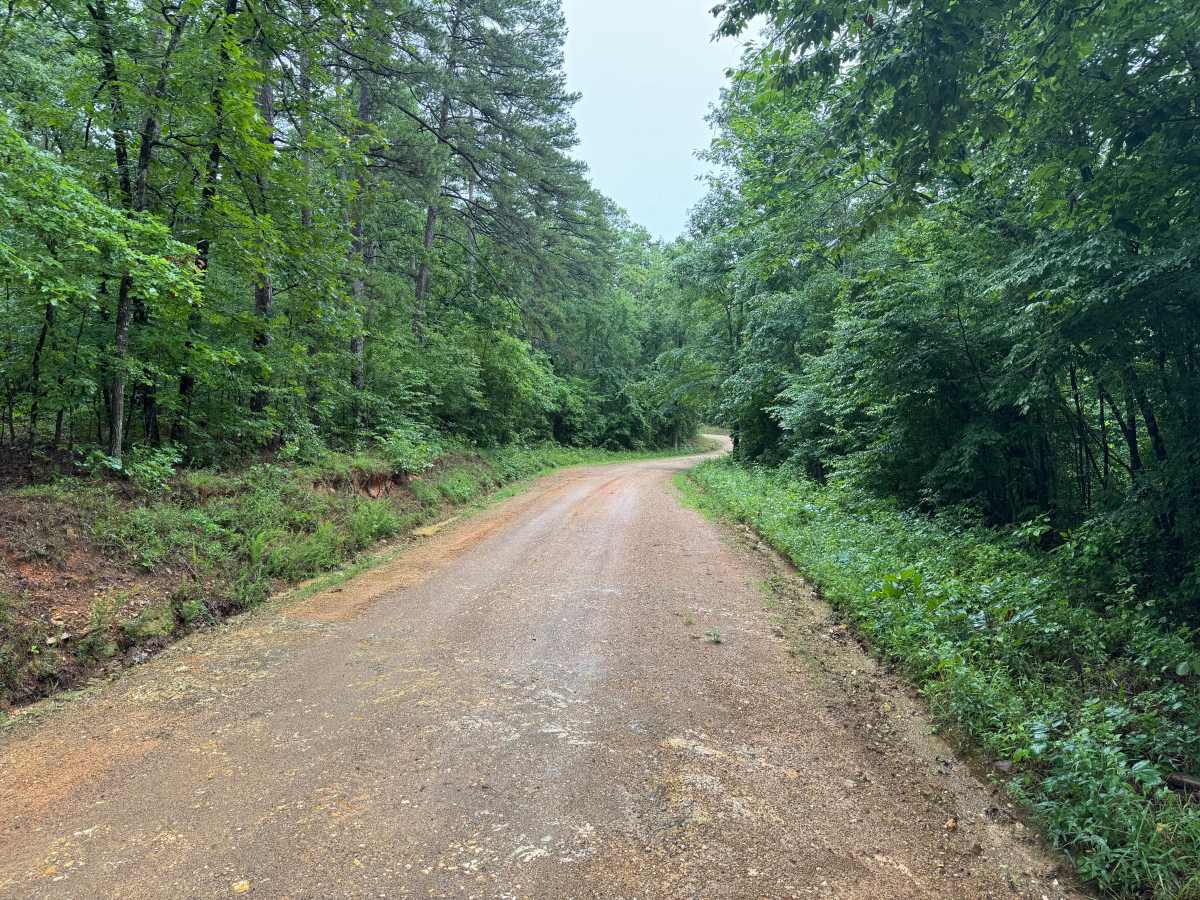
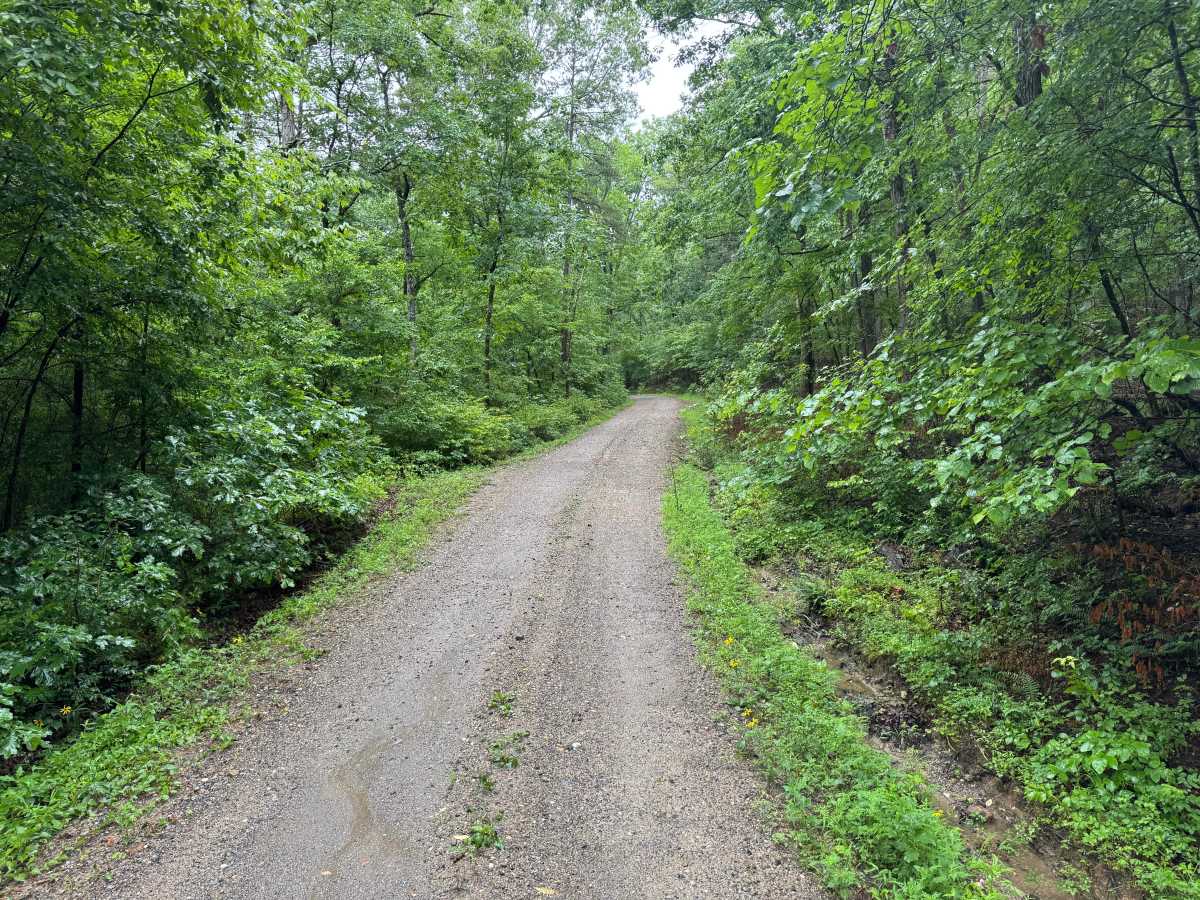
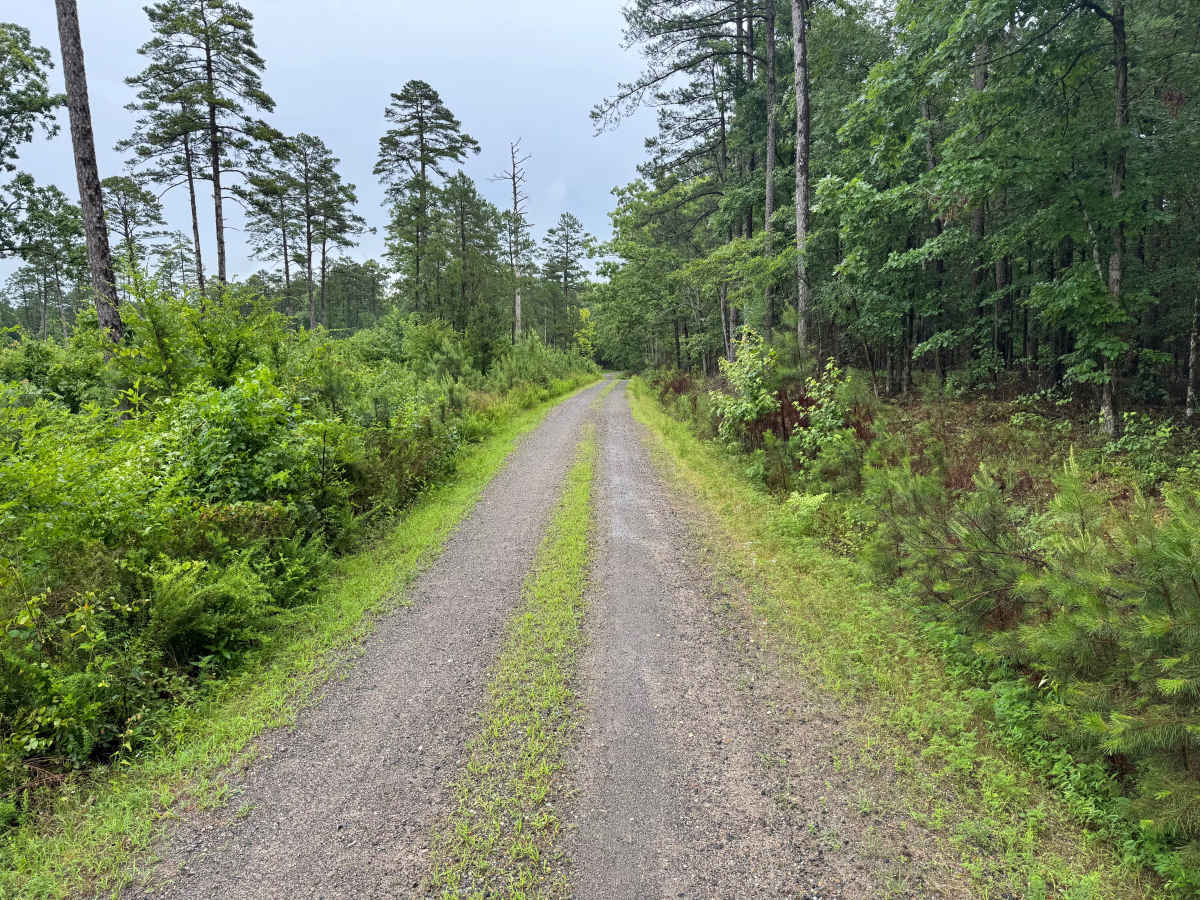
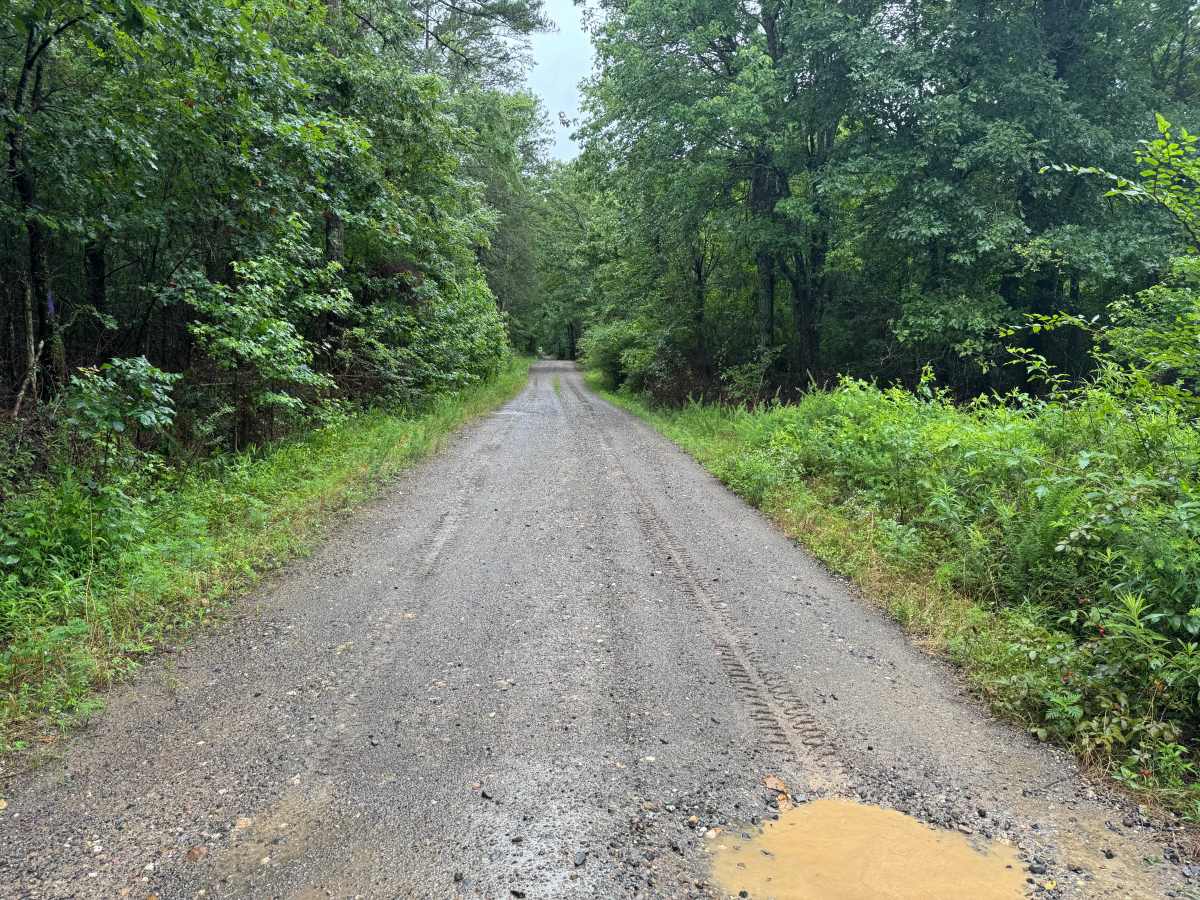
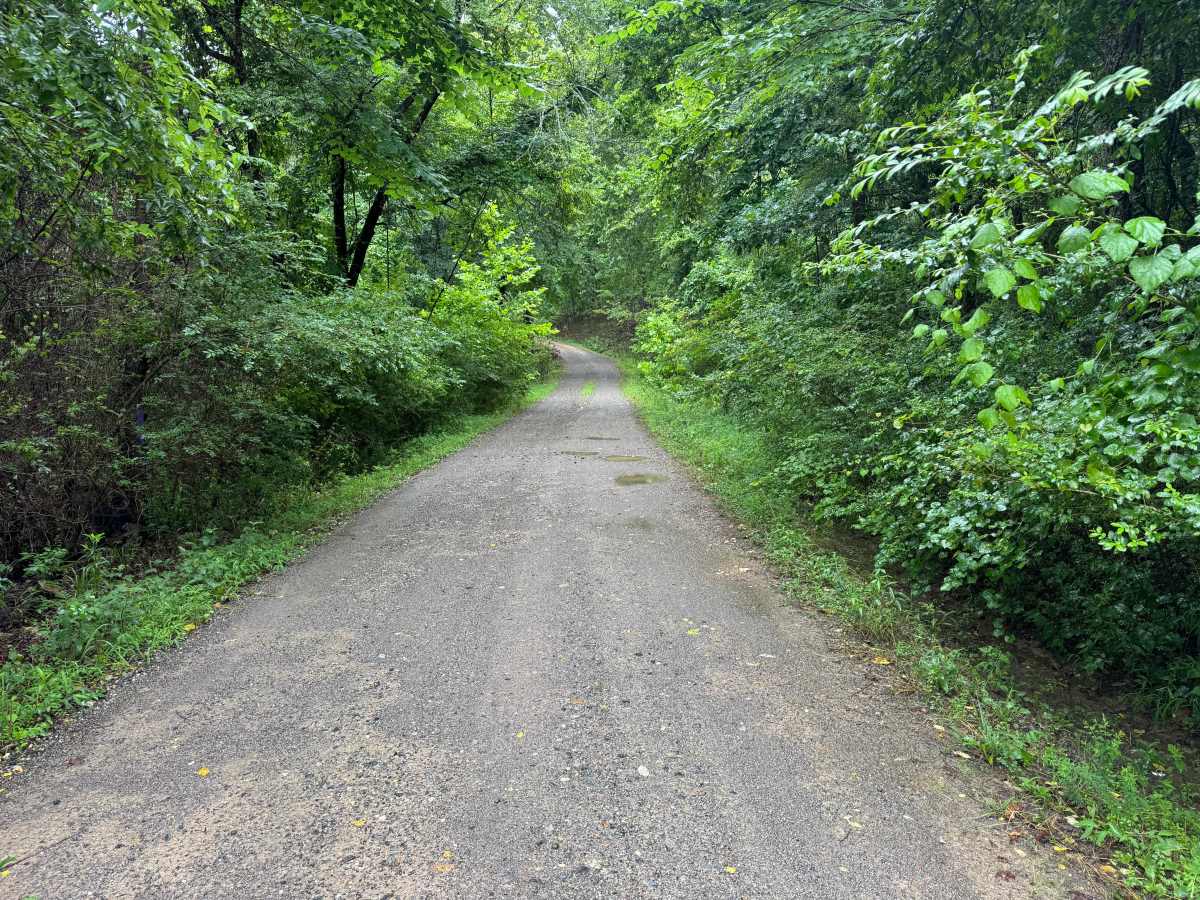
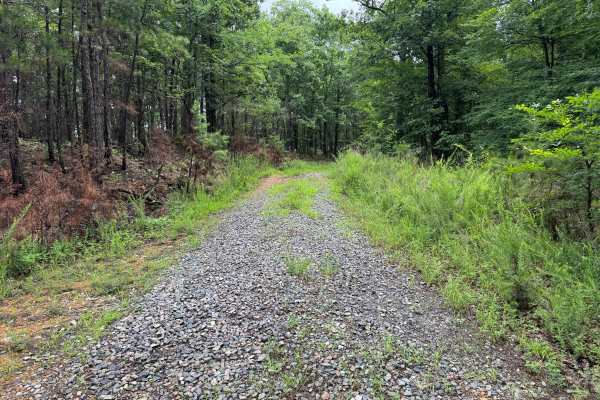
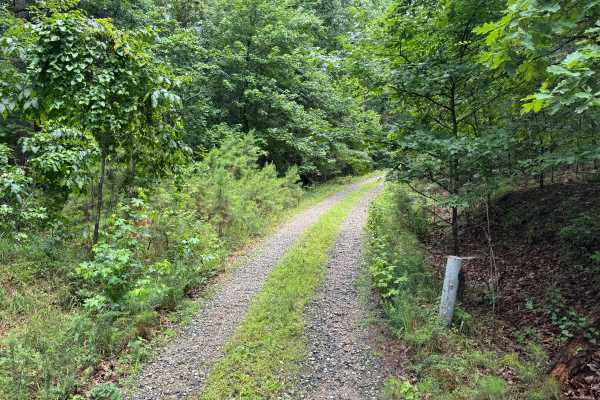
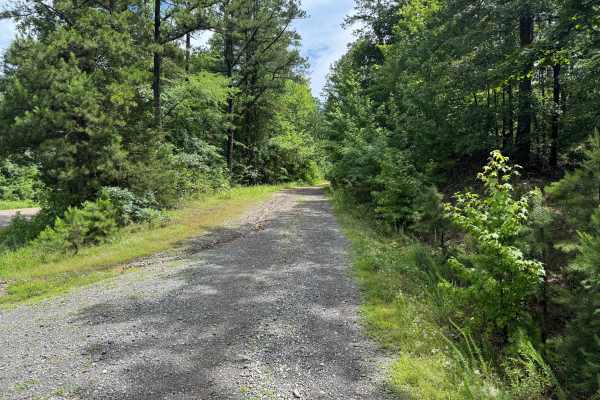
The road surface consists of maintained gravel and hard-packed dirt with no significant obstacles under normal conditions. While generally in good condition, the route is primarily a single-lane road for much of its length. Passing opportunities exist in wider sections, but drivers should be prepared to yield when encountering oncoming traffic.
One of the most appealing aspects of this route is the contrast between environments. Travelers will pass through heavily wooded sections beneath a canopy of hardwoods and pines before emerging into open areas where cattle graze in nearby pastures. The combination of agricultural and forest scenery provides a unique look at the surrounding landscape and offers a peaceful escape from paved roads. There are no difficult obstacles, steep climbs, water crossings, or technical features to navigate. However, visitors should remain alert for wildlife and occasional downed branches or trees following storms. After periods of heavy rain, small puddles and soft spots may develop, but they are typically easy to navigate. Overall, this is an easy and scenic route that provides a pleasant opportunity to explore the countryside while enjoying a slower pace and a break from highway travel.
Difficulty
This route contains no major obstacles, technical terrain, water crossings, or difficult grades. The primary consideration is that much of the road is only wide enough for one vehicle, requiring occasional coordination with oncoming traffic.
History
The Ouachita National Forest was established in 1907 and is recognized as the oldest national forest in the southern United States. Many roads found throughout the forest today originated as logging, timber management, fire access, or resource extraction routes before becoming part of the modern Forest Service road network. Forest management remains an important part of the landscape, and travelers may encounter evidence of prescribed burns, timber thinning, and habitat restoration efforts. The Ouachita Mountains themselves are among the oldest mountain ranges in North America and are notable for their unique east-west orientation.