Trail Overview
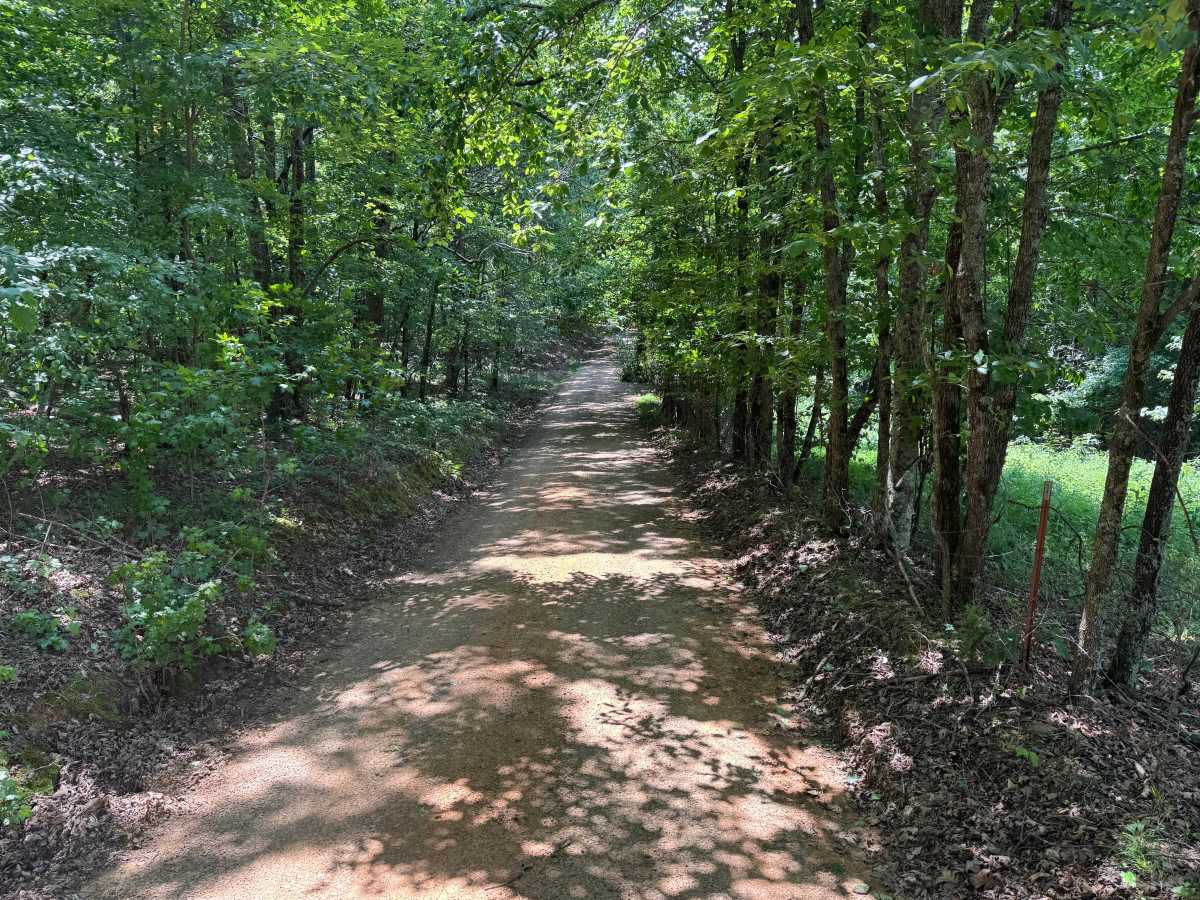
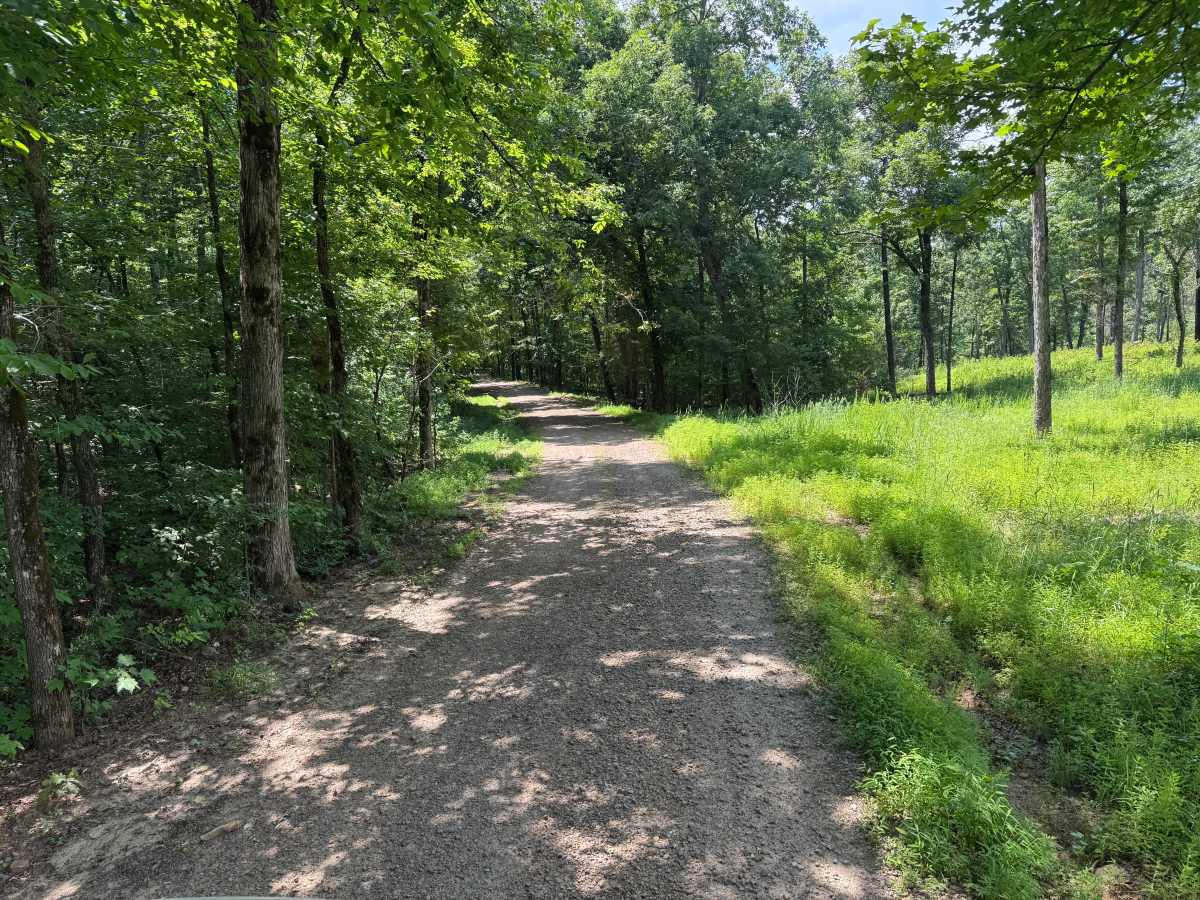
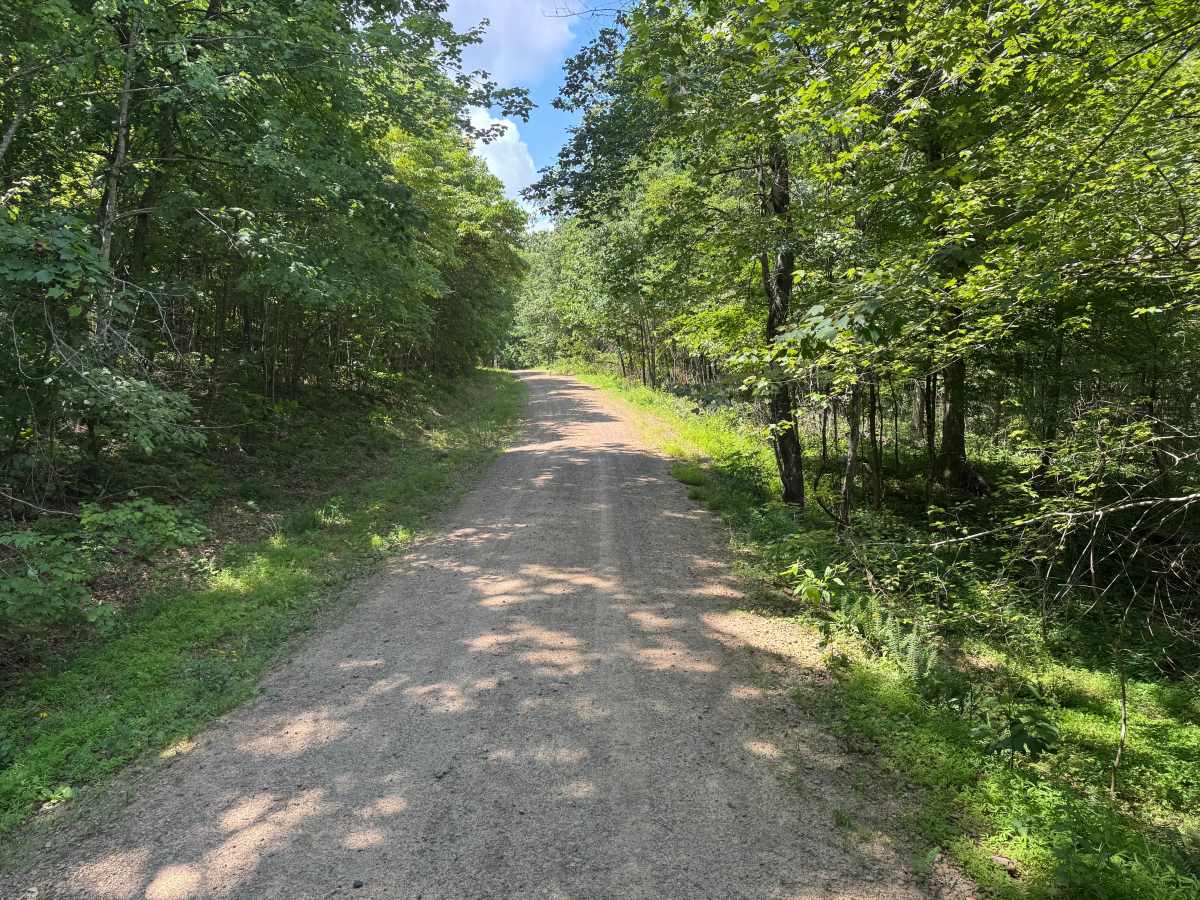
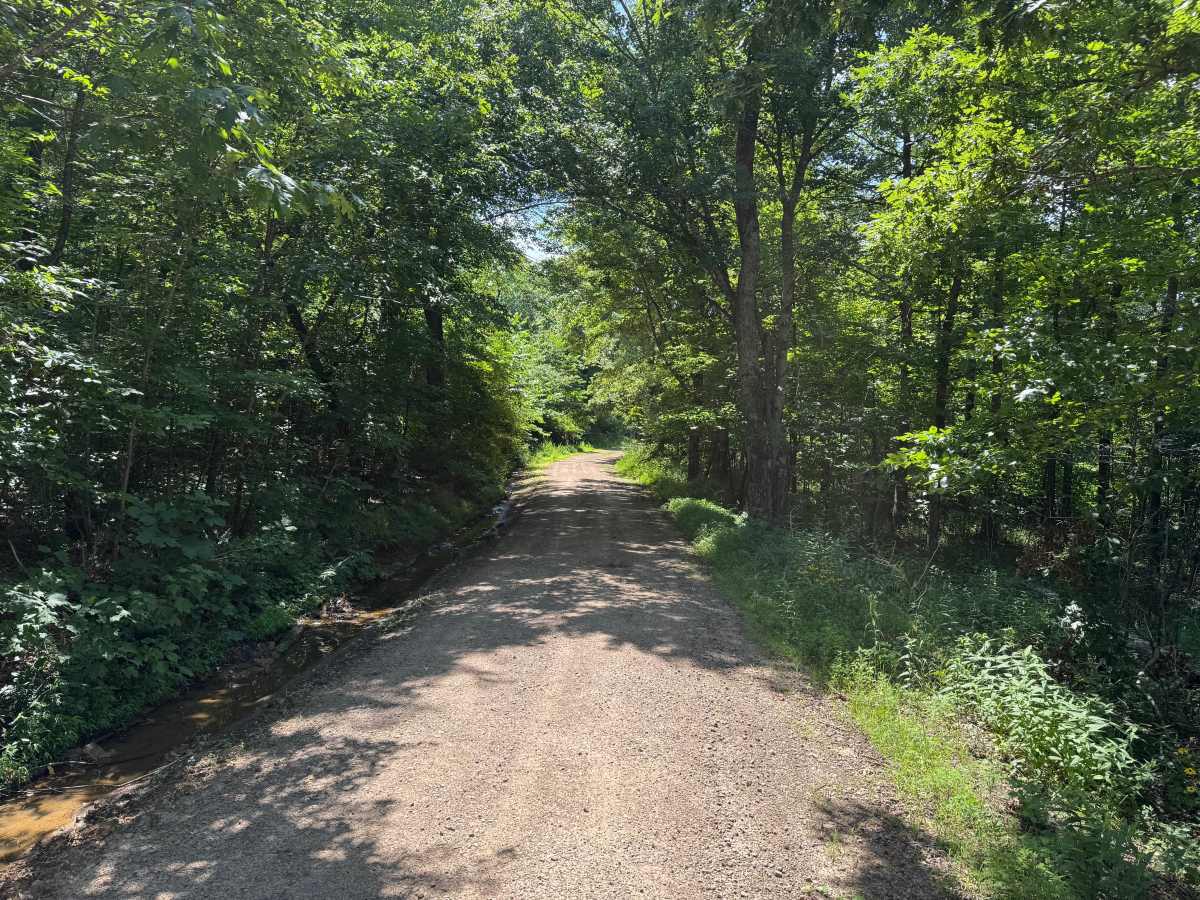
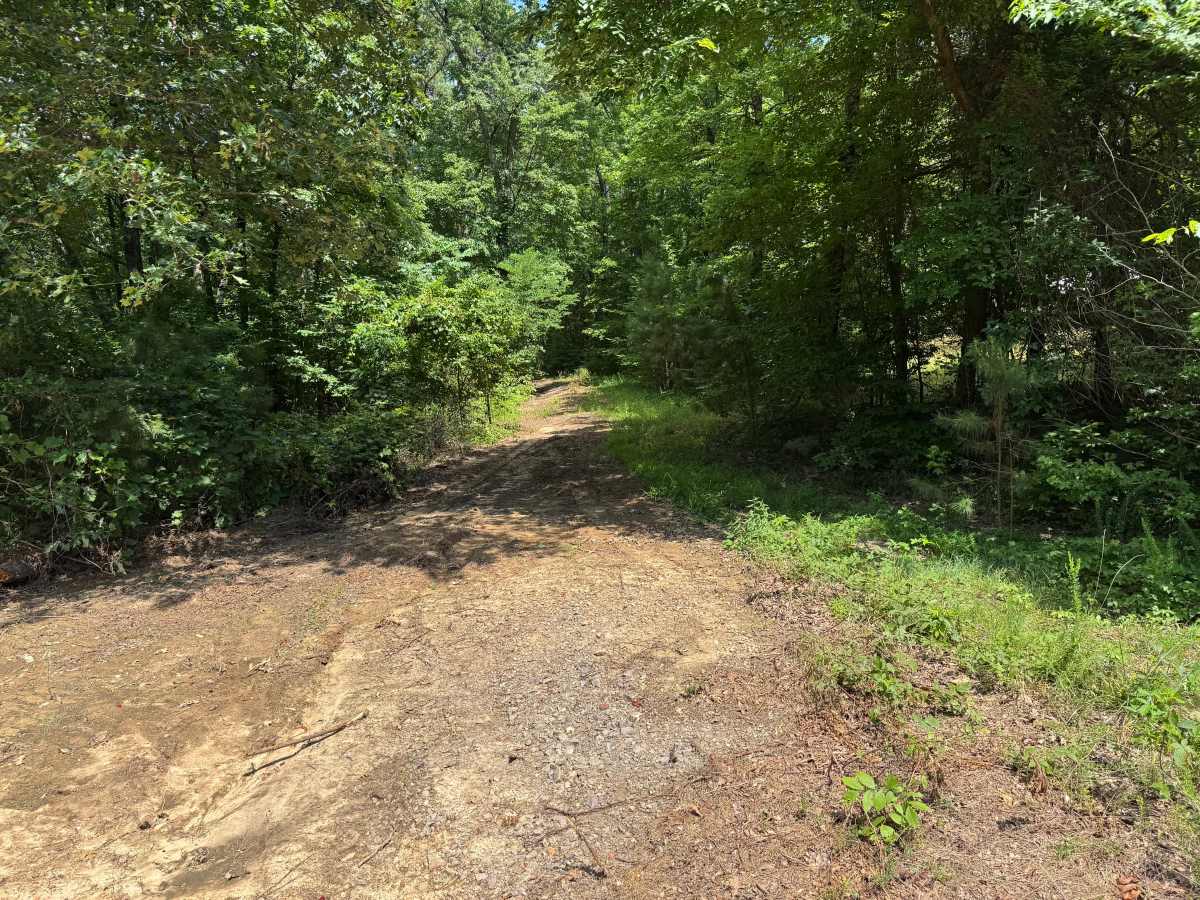
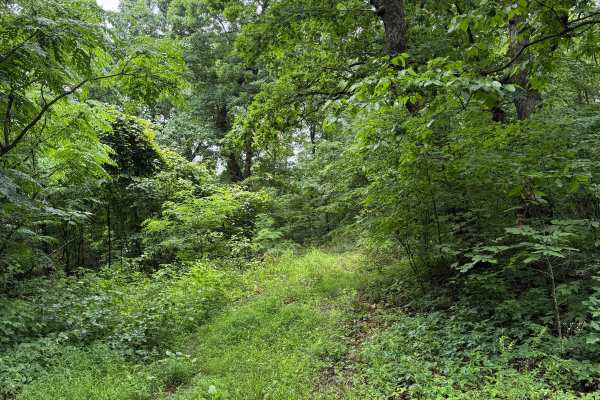
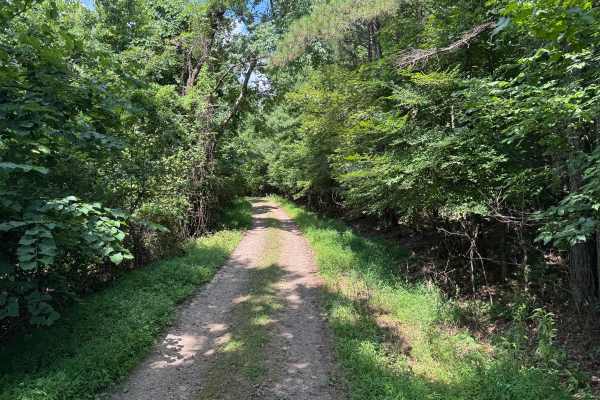
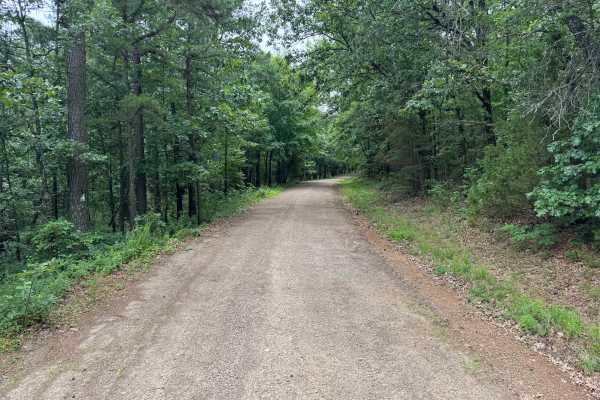
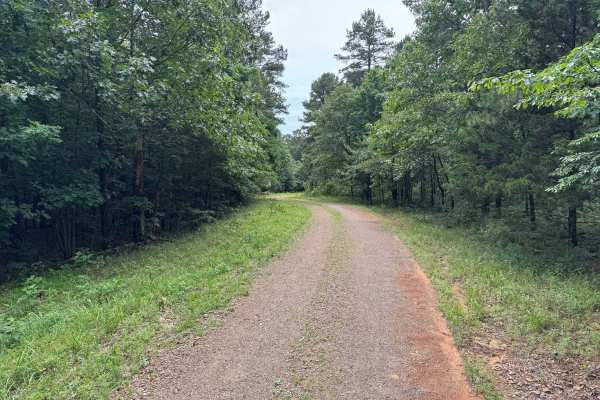
This out-and-back route begins as a well-maintained gravel forest road winding beneath a dense canopy of hardwoods, with filtered sunlight creating a peaceful drive through the Ozark National Forest. Early in the route, the road is generally one vehicle wide but includes several wider pull-offs where oncoming traffic can pass. Around the 2.1-mile mark, the character of the trail changes as the maintained gravel road transitions into a narrower, unmaintained two-track. From there, expect shallow whoops, drainage dips, ruts caused by water erosion, and a few soft, muddy sections after wet weather. Just before reaching the turnaround clearing, a small creek crossing with eroded approaches can catch drivers off guard if approached too quickly. The route passes near a few private properties where pets may be present, so reduce your speed and be courteous. Wildlife is common throughout the area, and downed trees can occasionally block the trail after storms, adding to the remote backcountry feel.
Difficulty
This route starts as an easy, well-maintained gravel road but becomes slightly more challenging after approximately 2.1 miles when it transitions into an unmaintained two-track. Drivers should expect shallow whoops, water erosion ruts, occasional muddy sections, and a small creek crossing near the turnaround that requires a little extra attention. The trail remains suitable for most high-clearance SUVs and 4WD vehicles in dry conditions, but recent rain can increase the difficulty. Be alert for wildlife, pets near private property, and the possibility of downed trees blocking the trail.
History
The Ozark National Forest was established in 1908 and today forms part of the Ozark-St. Francis National Forests, protecting more than one million acres across northern Arkansas. Many of the Forest Service roads traveled today began as logging, fire access, or resource management roads before becoming part of the modern recreation network. Forest management continues to play an important role in maintaining healthy ecosystems through timber management, prescribed fire, wildlife habitat restoration, and watershed protection. The rugged Boston Mountains and surrounding Ozark Highlands remain one of the oldest and most geologically significant mountain regions in North America, offering visitors a unique combination of natural beauty and rich forest history.