Trail Overview
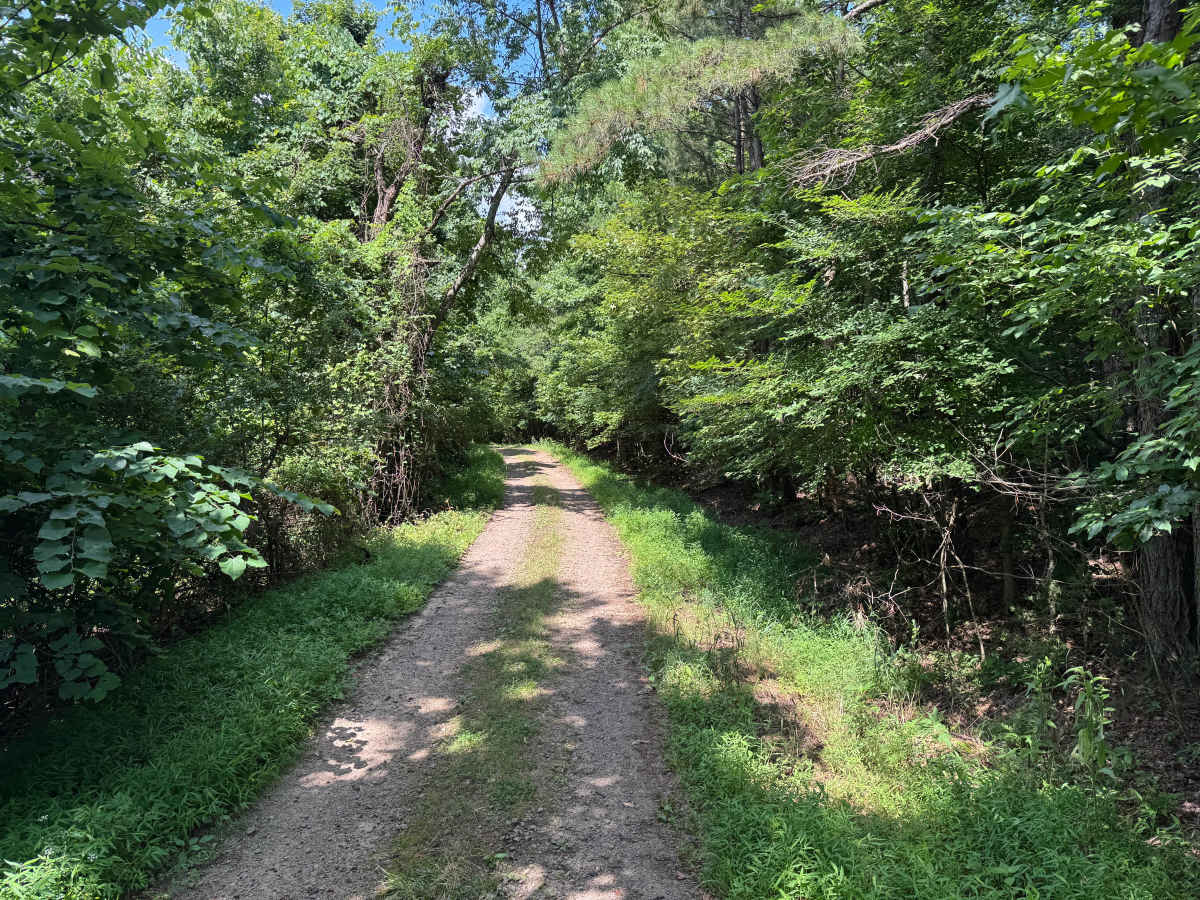
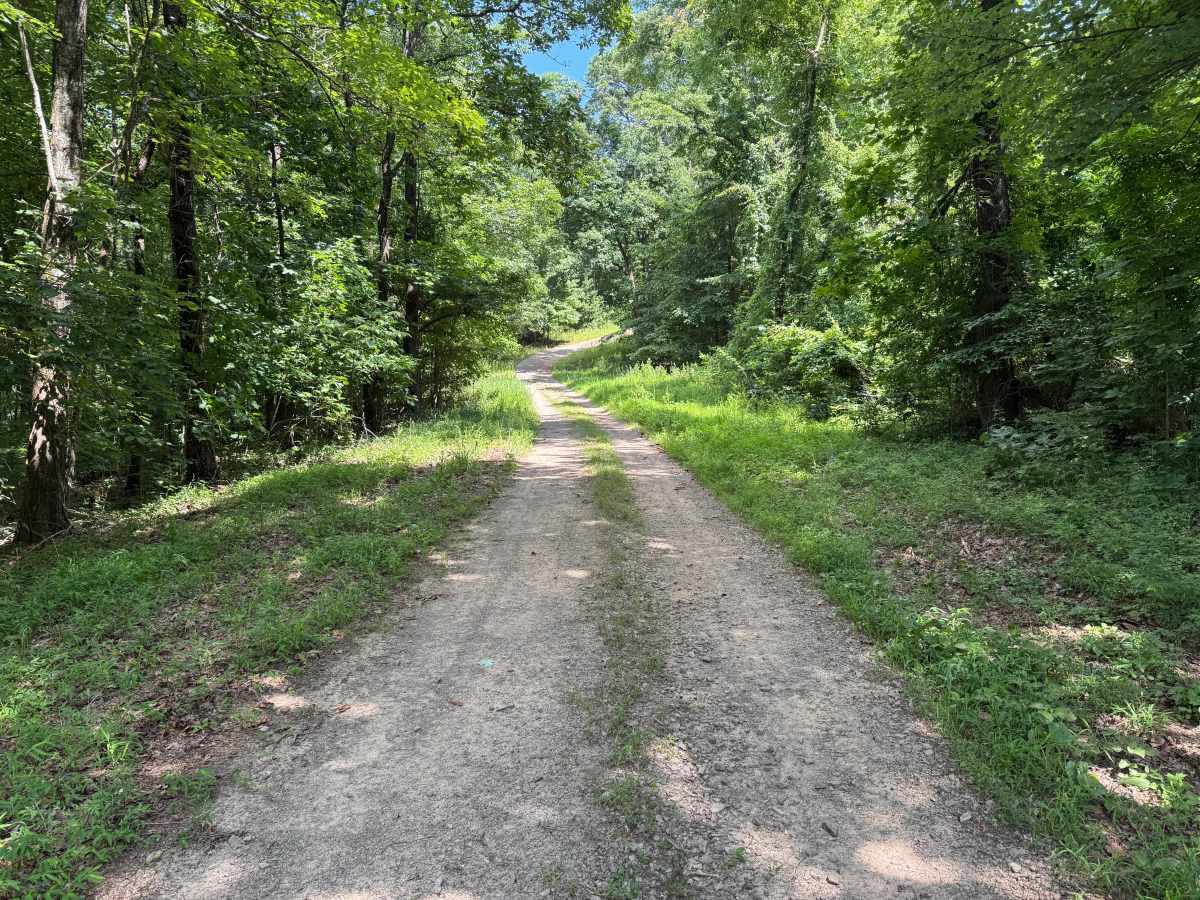
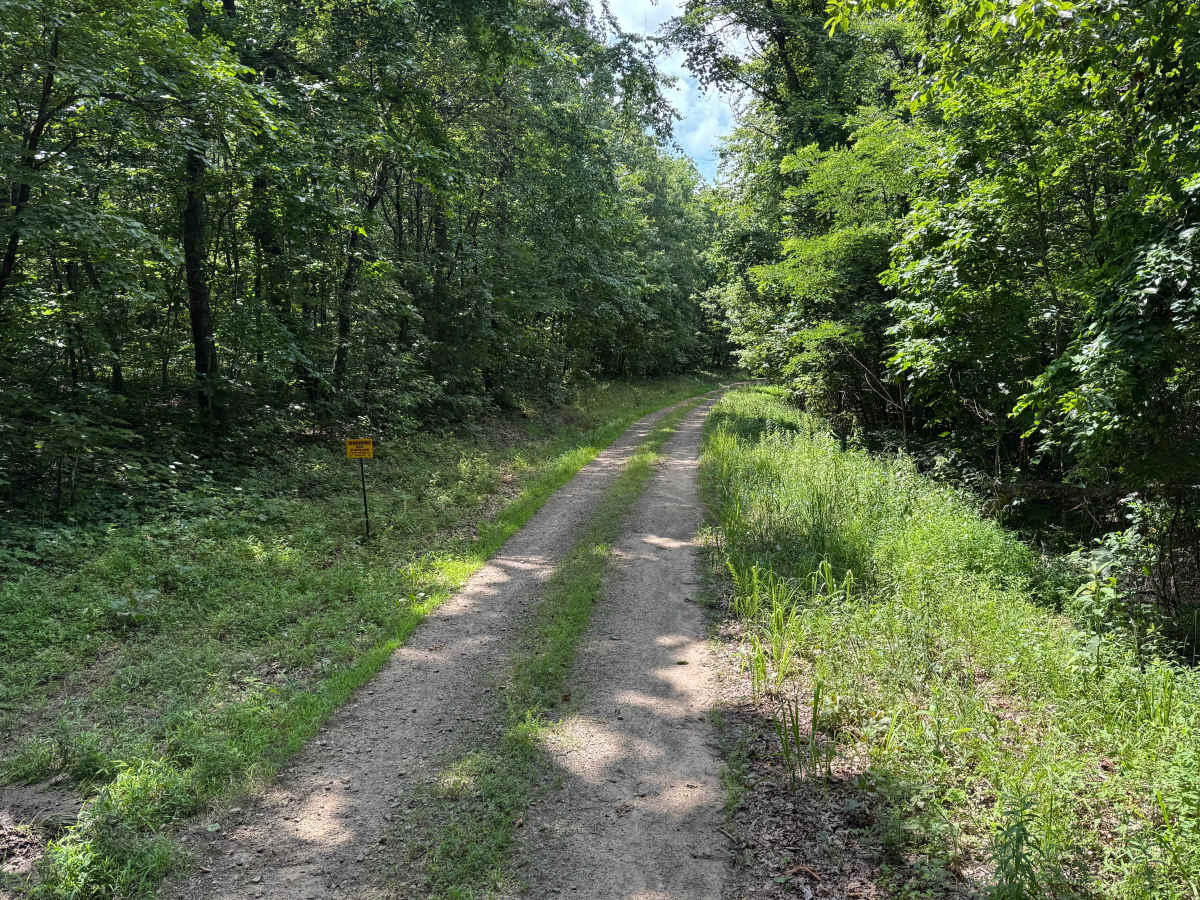
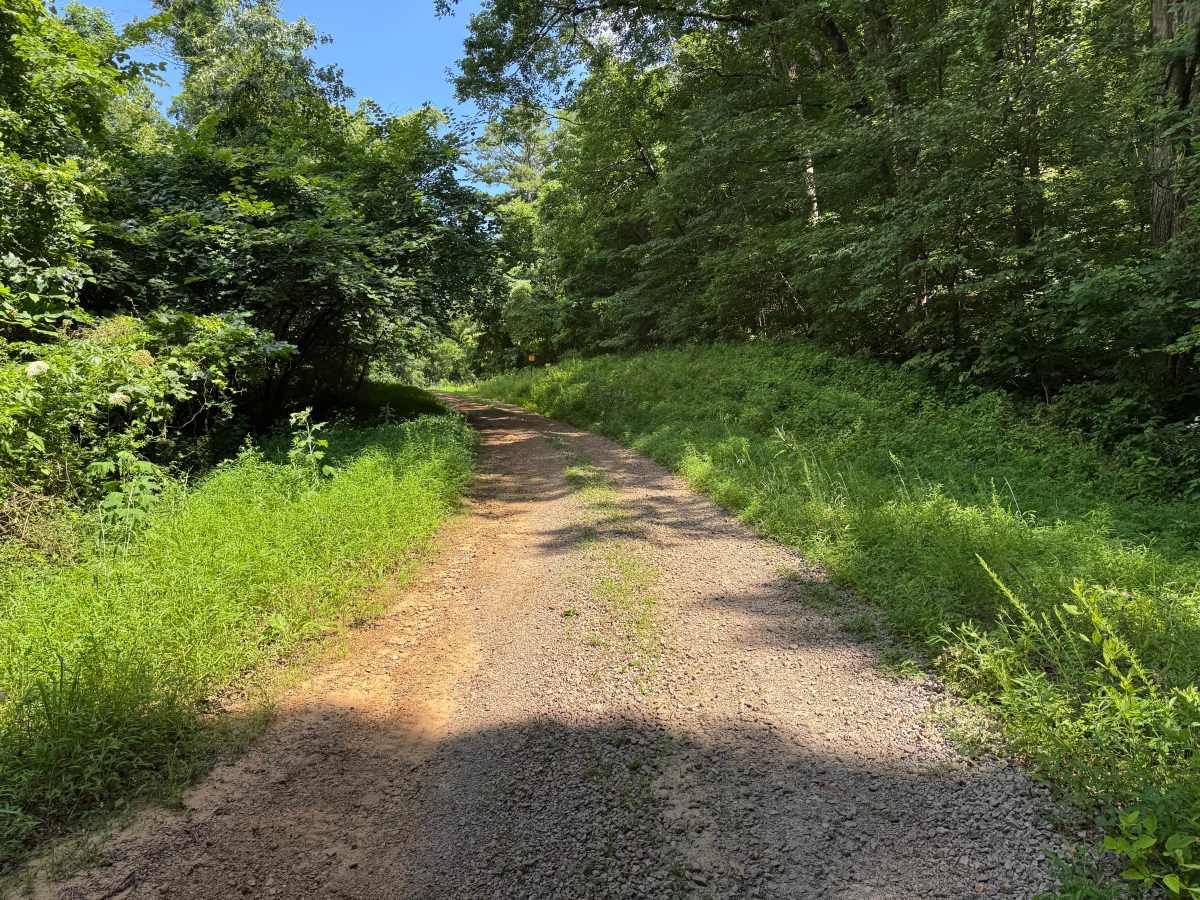
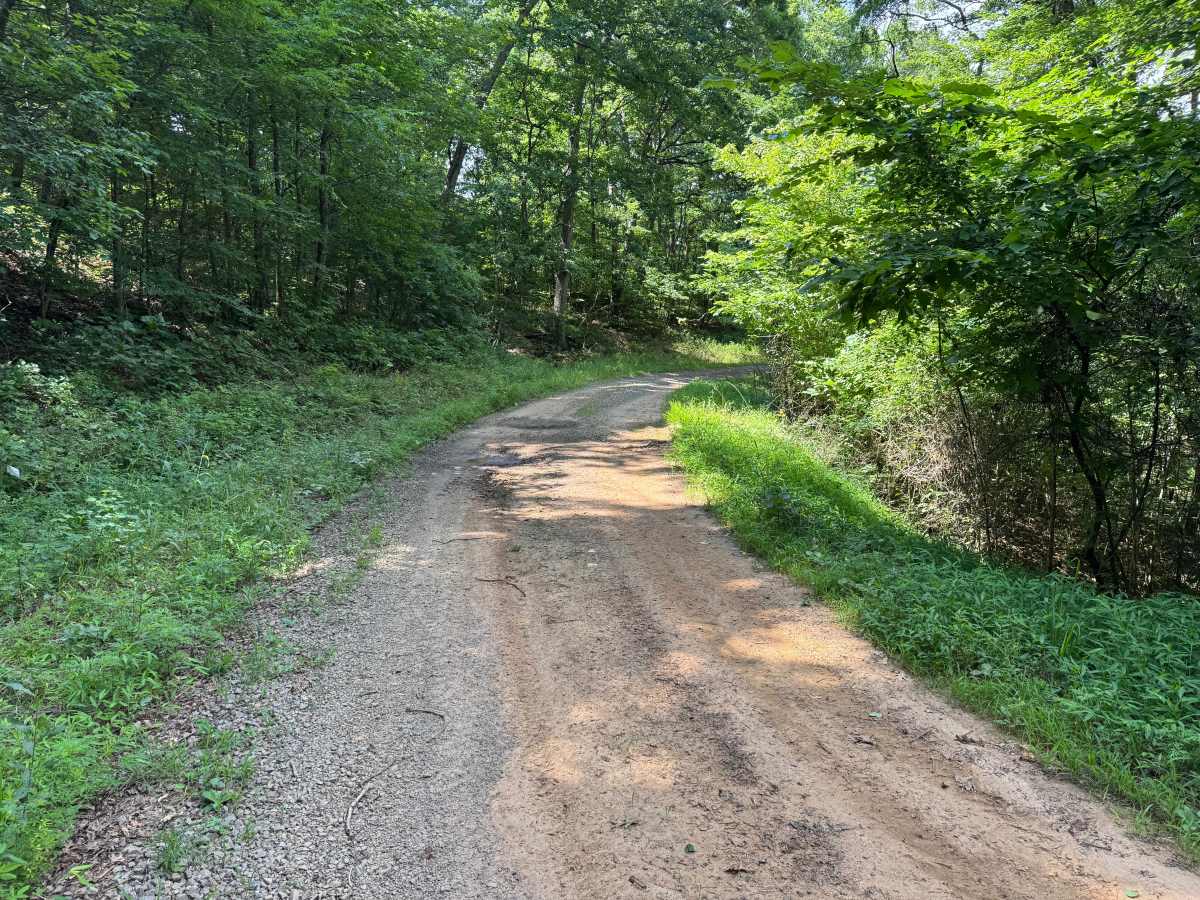
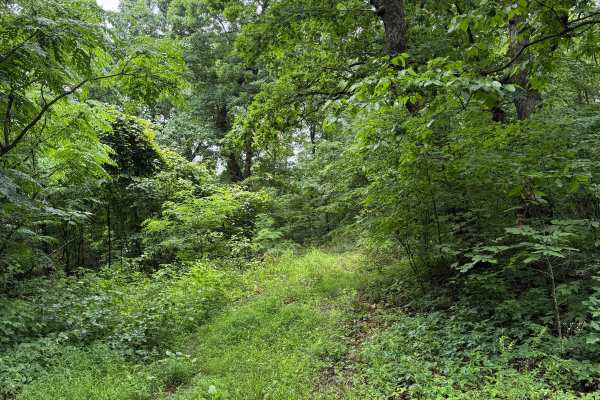
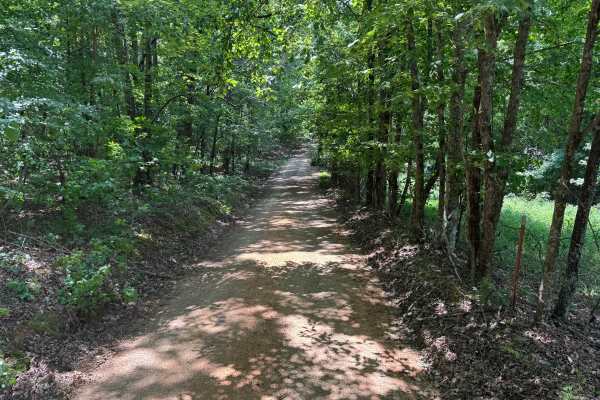
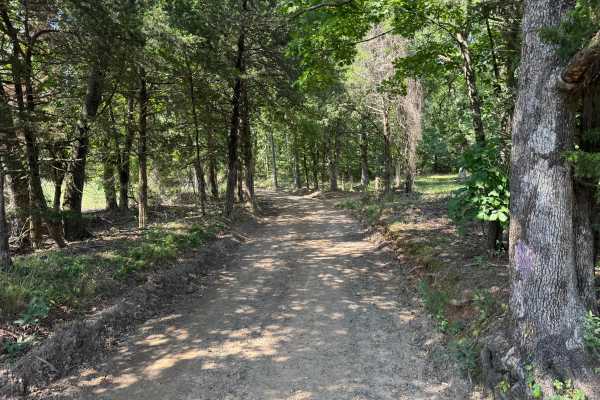
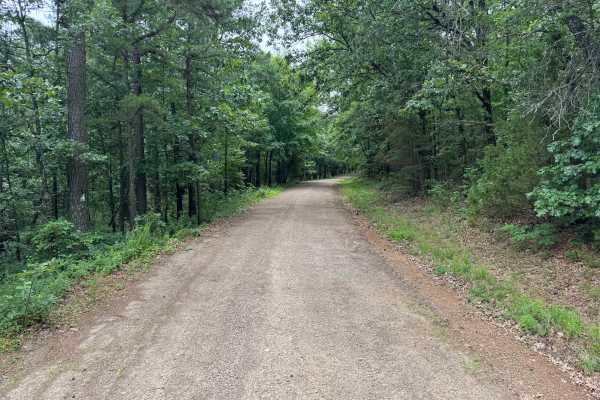
This out-and-back route winds through a quiet section of the Ozark National Forest, following a narrow gravel road beneath a dense canopy of hardwoods and pines. The trail begins at an easy-to-miss entrance, so slow down as you approach the starting point. Much of the drive is shaded by mature trees, with sunlight filtering through the leaves and creating a peaceful atmosphere. The route is generally smooth and well-defined, with gentle curves, gradual elevation changes, and occasional open stretches where the forest briefly gives way to grassy clearings. The route ends at a natural gas pipeline right-of-way, where there is a large open area that provides plenty of room to safely turn around before retracing your path. There are no major obstacles along the route, although shallow whoops, minor dips, and small erosion ruts can develop along the road edges. As with many forest roads, be prepared for the possibility of downed trees after storms and watch for wildlife crossing the trail, especially during the early morning and evening hours.
Difficulty
The road is primarily maintained gravel with only minor whoops, shallow dips, and light erosion along the edges. There are no technical obstacles or steep climbs, making this an easy and relaxing forest drive. The primary hazards are the narrow sections, the potential for downed trees after storms, wildlife crossing the road, and occasional washouts or ruts near the road edges. Exercise caution near the trail entrance, as it is easy to miss, and be prepared to turn around at the gas pipeline clearing at the end of the route.
History
The Ozark National Forest was established in 1908 and today forms part of the Ozark-St. Francis National Forests, protecting more than one million acres across northern Arkansas. Many of the Forest Service roads traveled today began as logging, fire access, or resource management roads before becoming part of the modern recreation network. Forest management continues to play an important role in maintaining healthy ecosystems through timber management, prescribed fire, wildlife habitat restoration, and watershed protection. The rugged Boston Mountains and surrounding Ozark Highlands remain one of the oldest and most geologically significant mountain regions in North America, offering visitors a unique combination of natural beauty and rich forest history.