Trail Overview
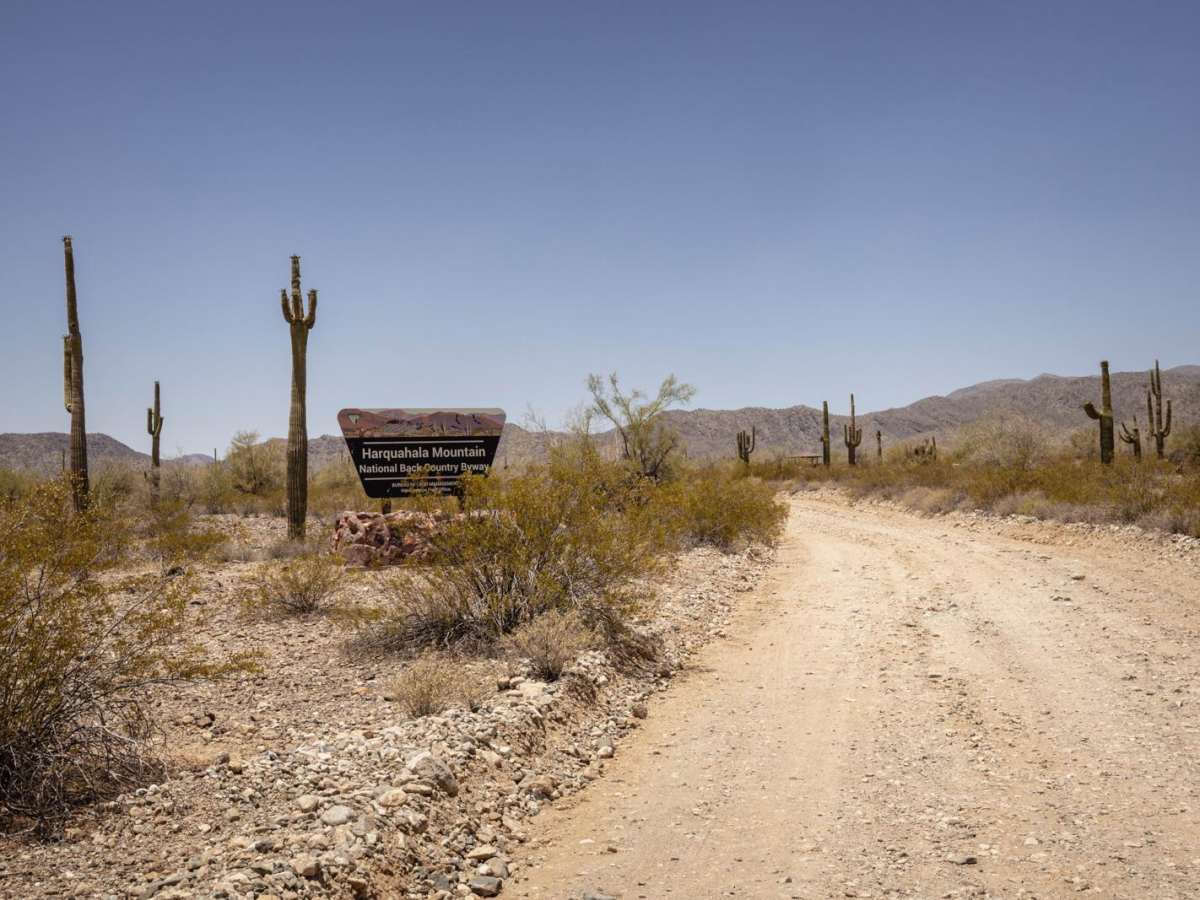
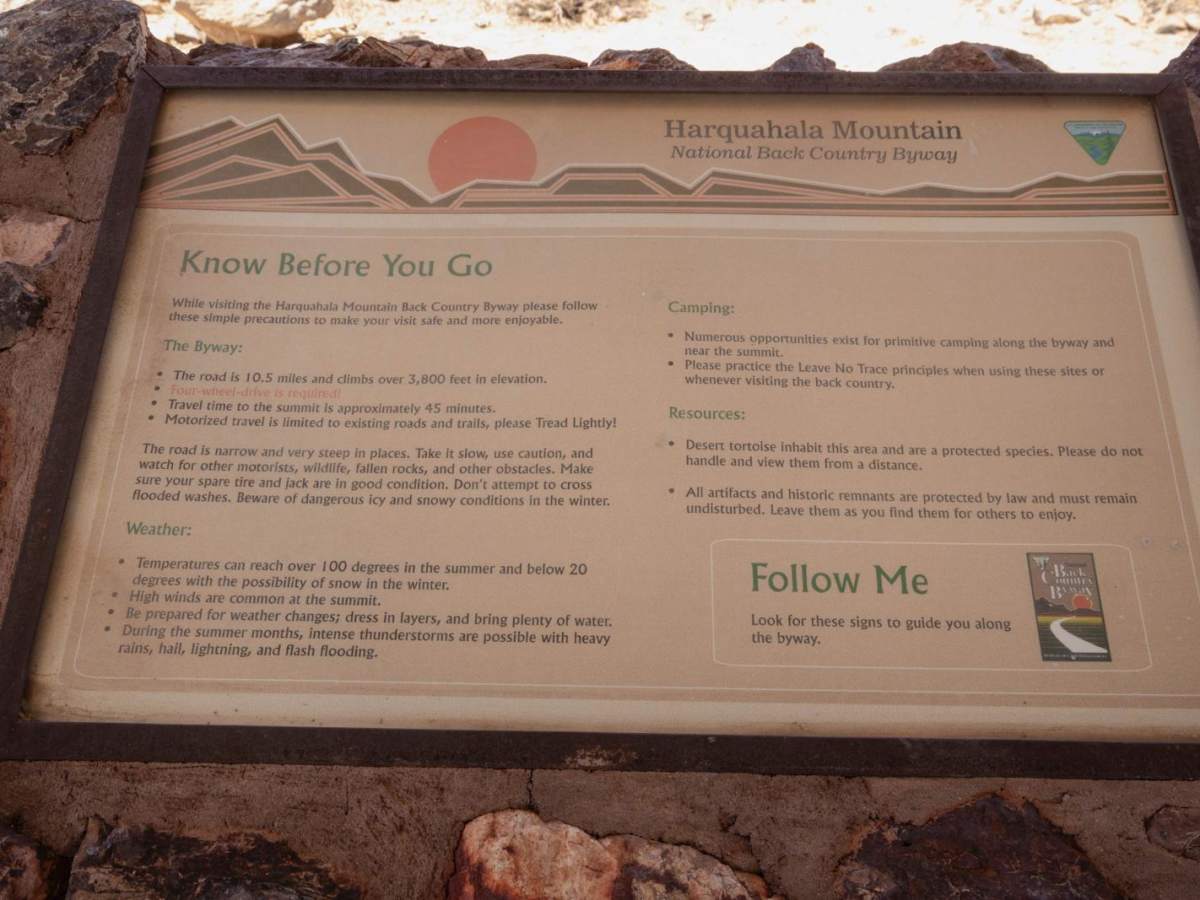
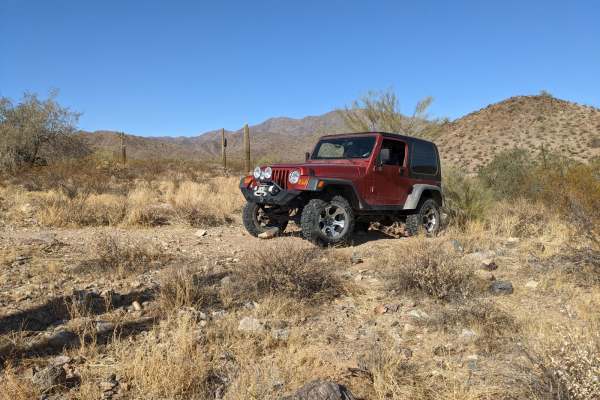
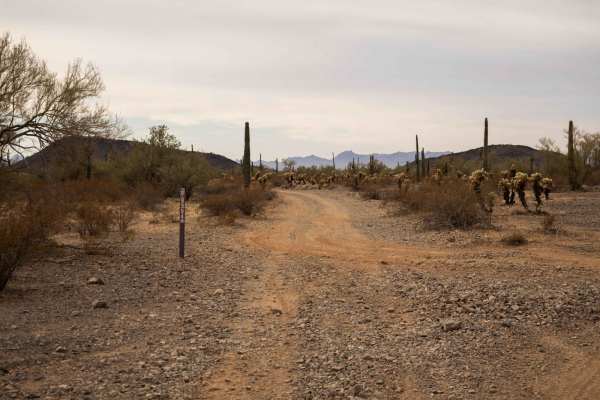
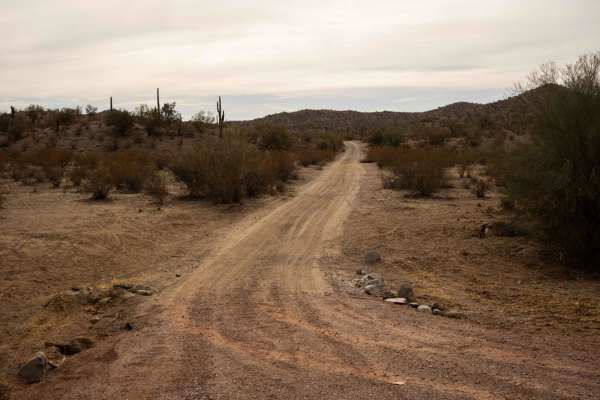
The Harquahala Peak Trail is one of the steepest and most iconic off-road climbs in central Arizona, ascending nearly 3,400 feet in just over 10 miles to the highest point in the Harquahala Mountains at 5,681 feet. Originally built for access to a historic solar observatory, the trail is one lane, rocky, and demands careful, low-gear driving--especially on the way down. The lower section of the trail includes several wash crossings, typically dry but occasionally sandy or rutted after weather events. As the climb begins, the road becomes progressively steeper, with long grades of loose rock, embedded stone, and switchbacks carved into the mountain face. Though the trail lacks major technical obstacles or ledges, the sustained steepness and constant rough surface make it a test of both driver skill and vehicle condition. Despite the challenge, the payoff is huge: breathtaking 360-degree views from the summit, the remains of the Smithsonian's Harquahala Solar Observatory, and dispersed camping areas tucked along the ridgeline with cooler temps and wide-open skies. Trail Features: Surface: Rocky dirt road, increasingly loose with elevation. Difficulty: Steep with traction challenges, but no technical rock crawling. Key Hazards: Off-camber exposure, steep grades, heat on descentVehicle Requirements: High-clearance 4x4 with low range strongly recommended. Camping: Primitive sites at and near the summit. Scenery: Desert floor, canyon views, and panoramic mountain vistasCell Service: Spotty to nonexistent--bring offline navigationTraffic: Light, but shared with hikers and mountain bikers near the top. Harquahala Peak is a must-drive trail for Arizona off-roaders seeking a true high-alpine summit drive with the feel of real mountain exposure. Tackle it in good weather, and be prepared for a challenging, rewarding climb with unmatched views at the top.
History
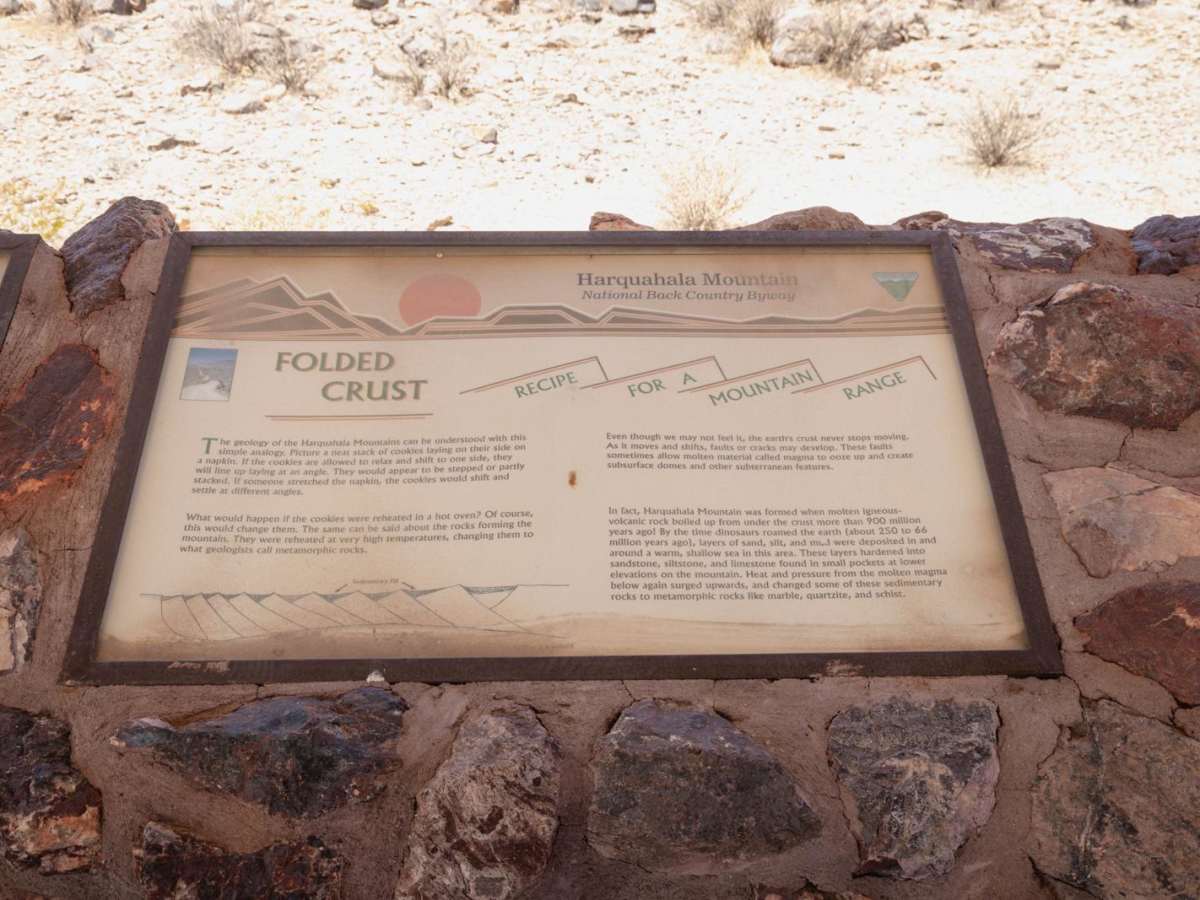
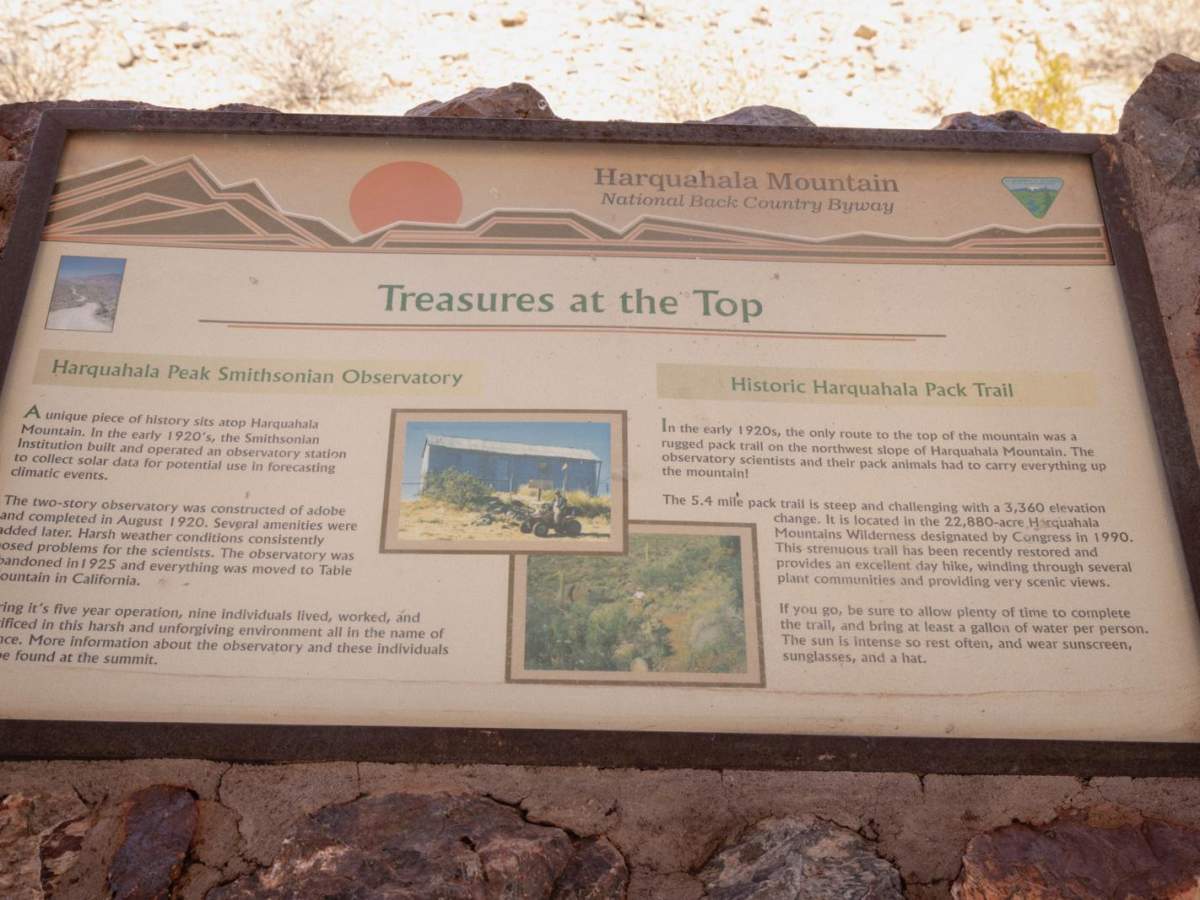
Harquahala Peak, the highest point in southwestern Arizona, is historically significant for its role as a location for the Smithsonian Astrophysical Observatory from 1920 to 1925. The observatory was built to study the sun and its impact on Earth's climate by measuring the solar constant. The peak is also notable for its name, derived from the Yavapai word "'Hakhe:la," meaning "running water".