Trail Overview
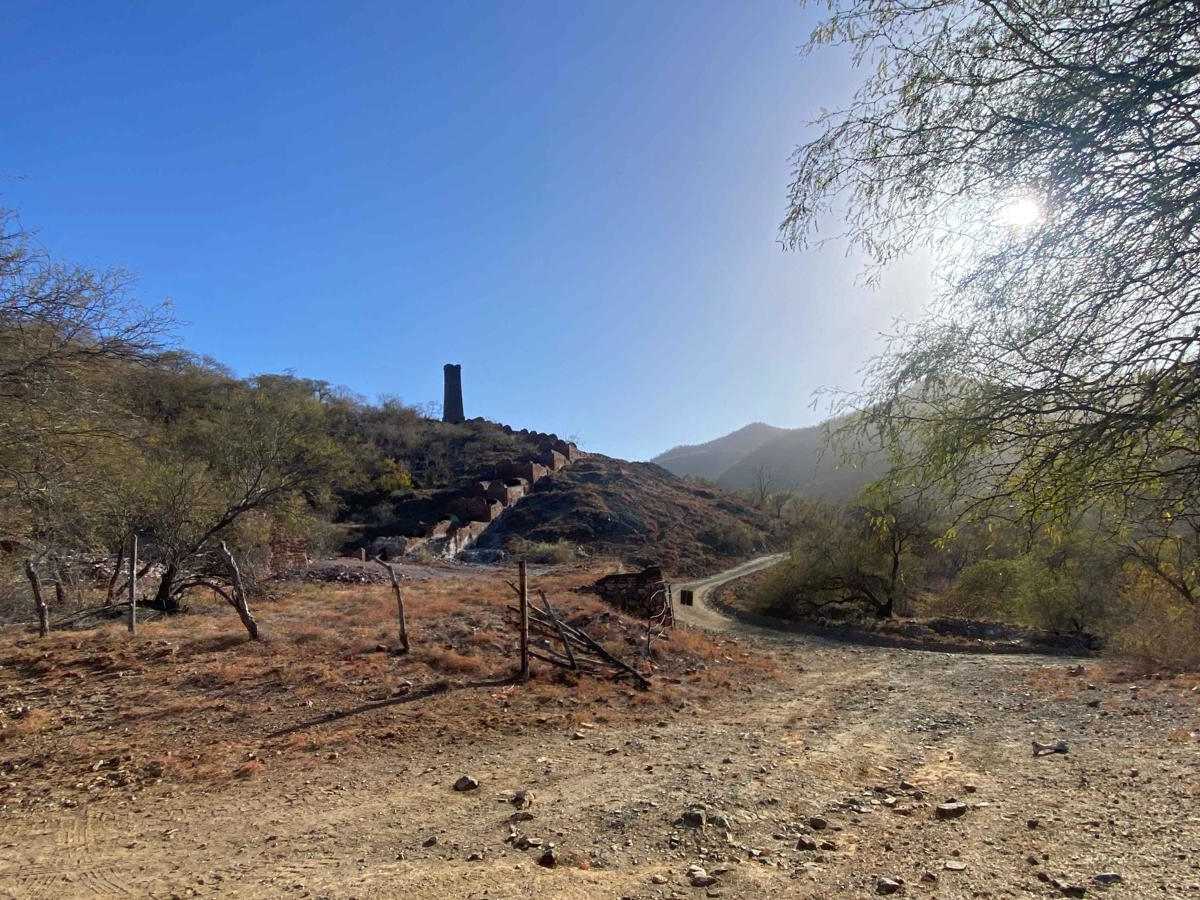
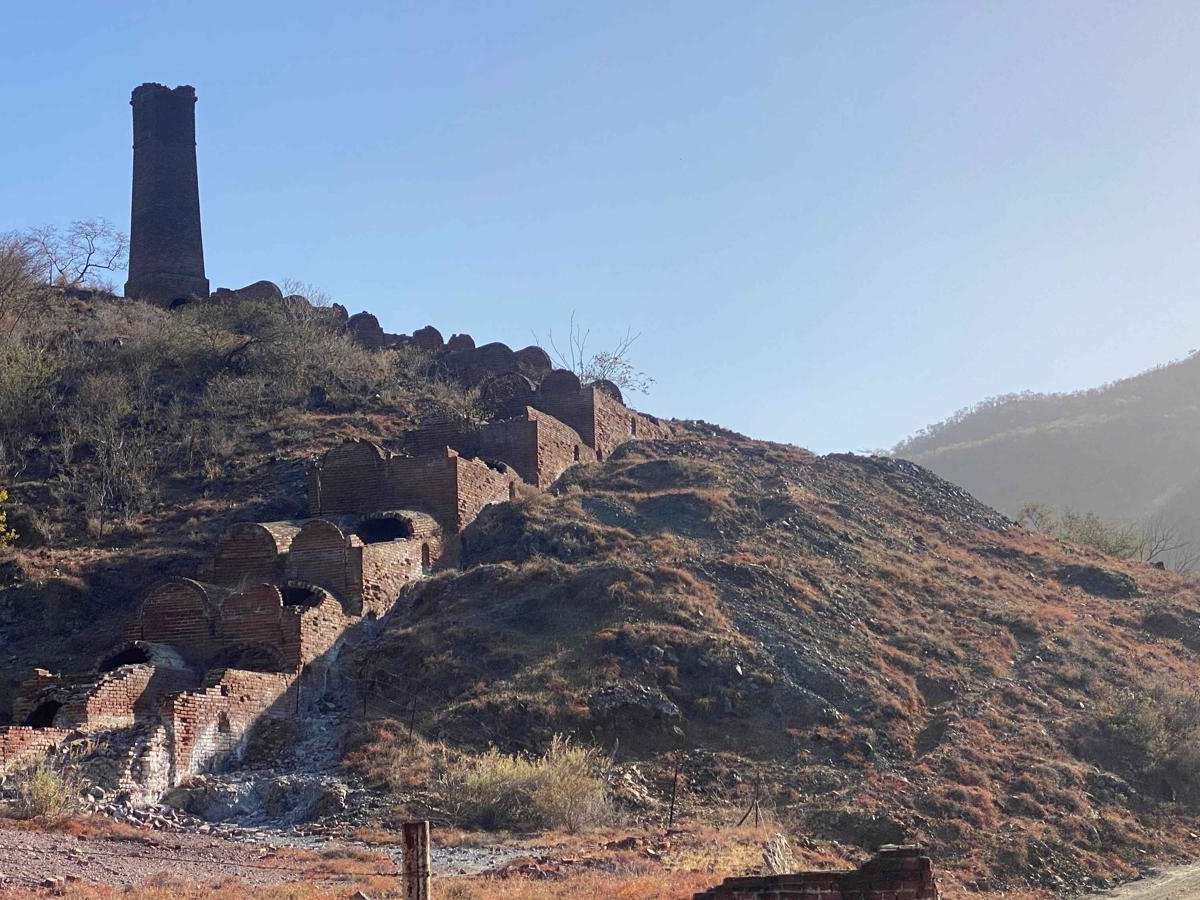
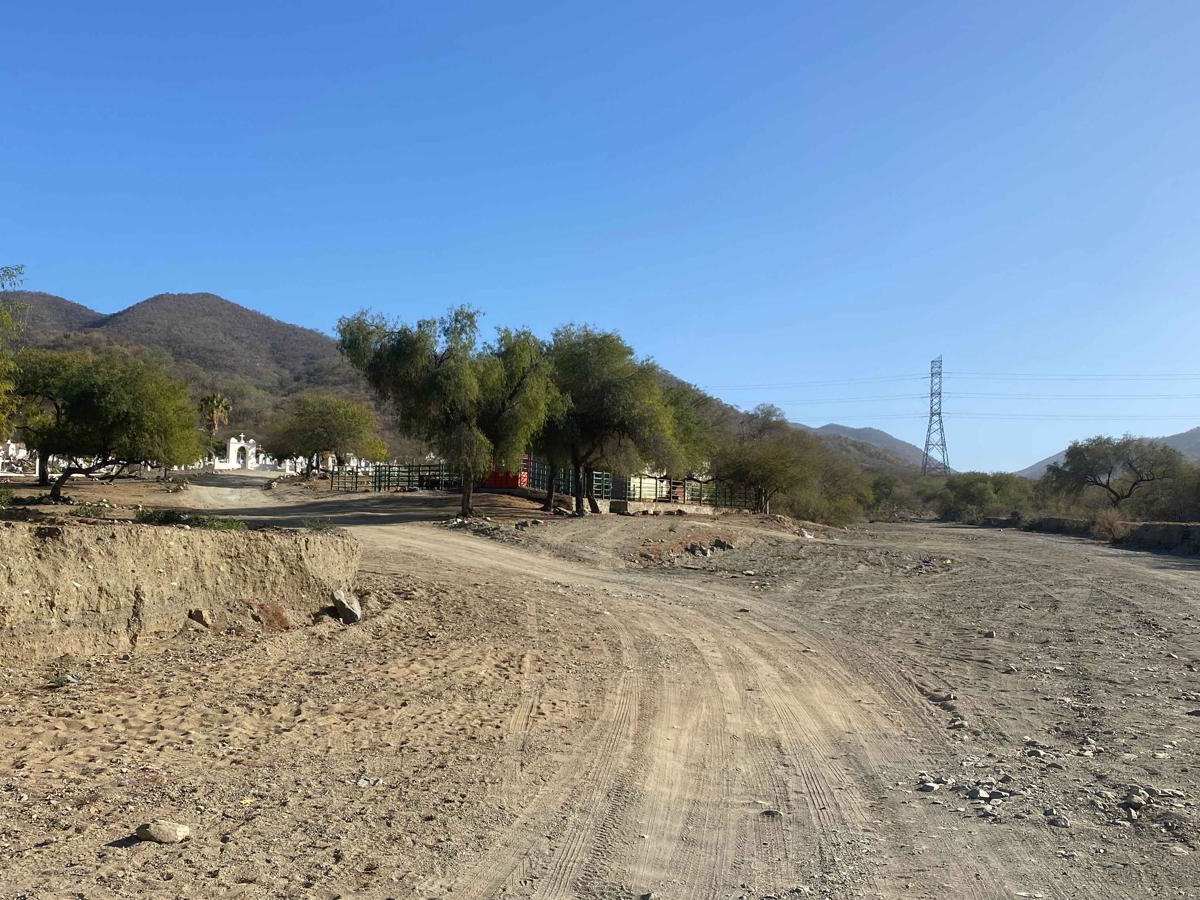
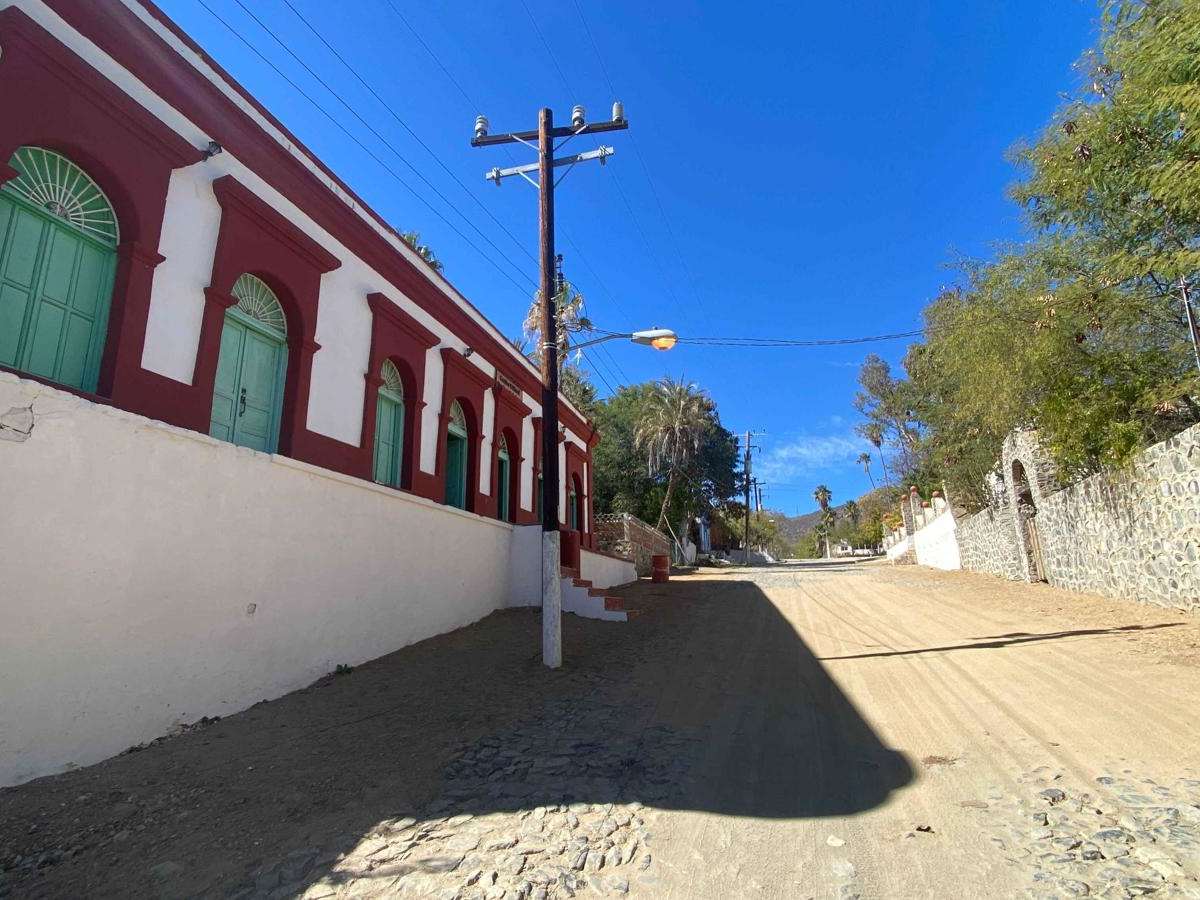
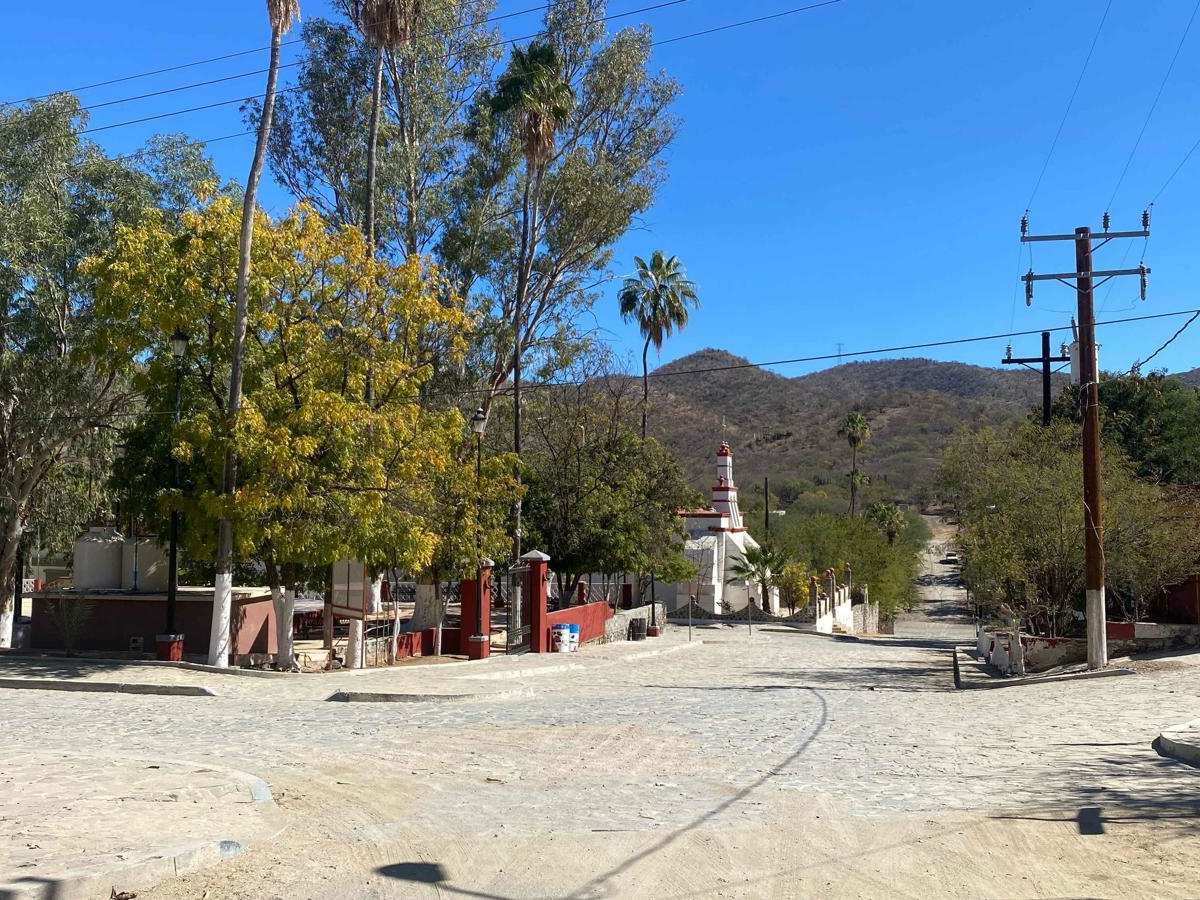
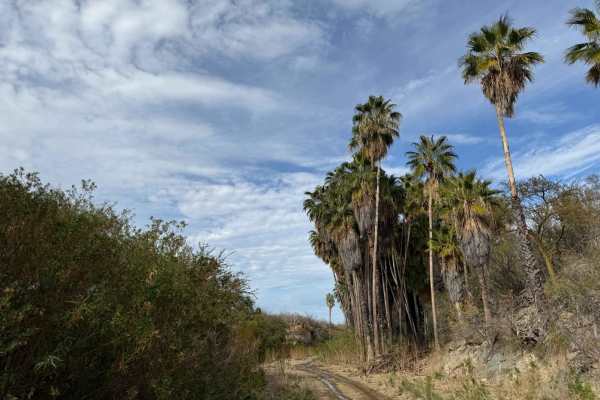
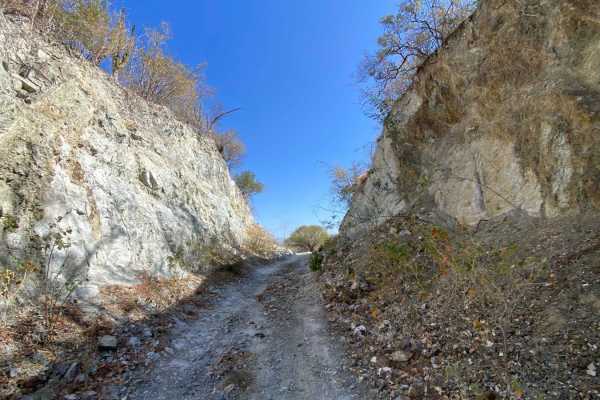
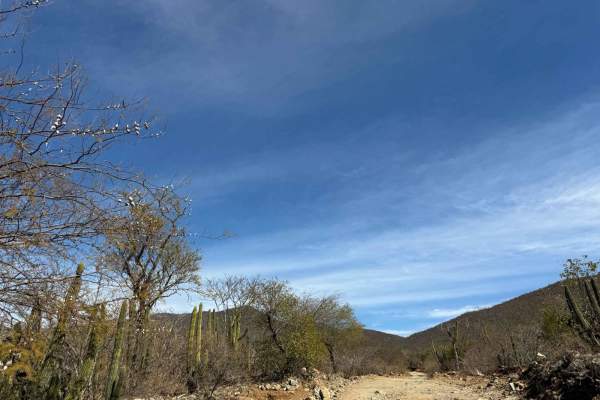
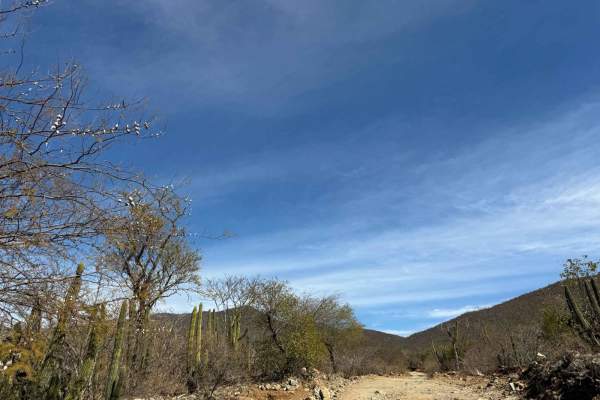
Starting in the charming town of El Triunfo, this off-road trail is suitable for 2WD vehicles with high ground clearance. After navigating the cobblestone streets of the town, the route transitions to a dirt road that winds through a scenic canyon, passing five or six ranches and one of Baja's largest oak trees. A few miles in, you'll reach an intersection where the road branches: a right turn leads to antennas offering panoramic views while continuing straight descends into San Antonio. The descent features rugged, cobblestone-like sections--not smooth but consistent in places, especially closer to town. Airing down your tires is recommended for the 2.5-mile descent. Along the way, you'll find opportunities for hiking and exploration on side trails. As you approach San Antonio, you'll pass the cultural center, a perfect spot to stop for souvenirs and information. From there, the route turns into an arroyo, passing the local cemetery before leading to Chimenea Los San Juanes, the trail's endpoint. This historic site, surrounded by remnants of the past, makes an excellent campsite for one large or two to three smaller overland vehicles. Beyond this point, the road is chained off as private property.
Difficulty
This trail is manageable for any 2WD vehicle with high ground clearance in dry conditions. The ability to air down is highly recommended, as the route includes 2.5 miles of rough, hand-laid rock sections that are uneven and far from smooth. Be aware of low-hanging branches along the way--vehicles taller than 10 feet may require trimming to avoid damage.
History
The **Ruta de la Plata** near El Triunfo, Baja California Sur, is steeped in history from the region's 19th-century mining boom. The area rose to prominence in the mid-1800s when rich silver and gold deposits were discovered in the nearby Sierra de la Laguna mountains. This discovery transformed El Triunfo into the largest town in Baja California Sur, with a population of nearly 10,000 at its peak. The Ruta de la Plata was established as a key transportation corridor, enabling the movement of silver and gold from the mines of El Triunfo and neighboring San Antonio to coastal export hubs. Trails were carved through the rugged terrain, initially supporting mule trains and later wagons, facilitating trade and economic growth. During its heyday, El Triunfo was a bustling hub of industry and culture. Technological advancements, including smelters and the iconic "La Ramona" smokestack, designed by Gustave Eiffel, reflected the town's prosperity. The community also developed a rich cultural life, importing pianos from Europe and building theaters and schools. However, by the early 20th century, the mines began to deplete, leading to the town's gradual decline. As mining operations ceased, many residents left, leaving El Triunfo nearly abandoned. In recent decades, efforts to preserve El Triunfo's historical landmarks have brought renewed attention to the area. The Ruta de la Plata has become a popular tourist route, drawing visitors to explore the region's mining heritage, scenic landscapes, and historical sites such as La Ramona. Today, the route serves as a bridge between the past and present, attracting overland travelers, history enthusiasts, and eco-tourists alike to experience its unique blend of natural beauty and cultural significance.


 Offroad